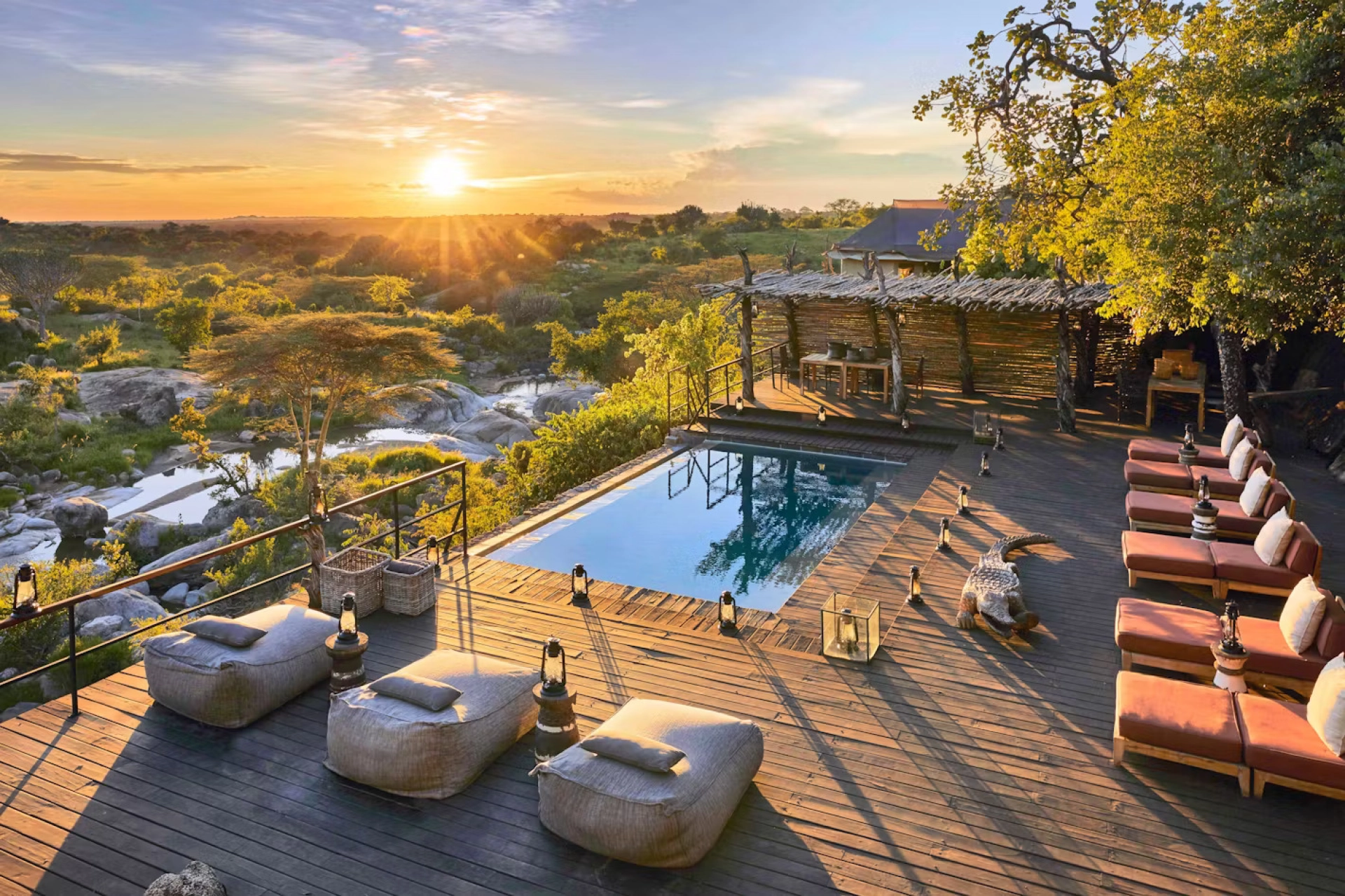
What should I look for when booking a luxury African safari?
When booking a luxury African safari, look beyond the room and compare the quality of guiding, wildlife location,…
Read article

Travel Guide
Sleeping above the African bush while elephants, antelope and other wildlife move through the darkness below can turn an ordinary safari into something unforgettable. That is the attraction behind a Kruger treehouse safari. Instead of ending…
Sleeping above the African bush while elephants, antelope and other wildlife move through the darkness below can turn an ordinary safari into something unforgettable. That is the attraction behind a Kruger treehouse safari.
Instead of ending every game drive inside a conventional hotel room, treehouse-style lodges and wilderness sleepouts allow travelers to remain connected to the bush throughout the night. You may hear lions calling in the distance, hyenas communicating after dark, frogs and insects filling the night air or birds beginning their dawn chorus before you leave bed.
Some properties provide permanent elevated suites with ensuite bathrooms, mosquito nets and private verandas. Others offer dedicated treehouse sleepouts in Greater Kruger that are deliberately more exposed to the wilderness. A few sit within exclusive private reserves bordering or forming part of the broader Greater Kruger ecosystem, where wildlife moves through unfenced bush. The result is one of South Africa’s most distinctive safari accommodation styles. But not all treehouse safaris are the same.
Some are surprisingly affordable. Others are among the most expensive safari experiences in Africa. Some are genuinely raised among trees, while others use the term “treehouse” more broadly for elevated timber structures. Some provide game drives as part of the standard rate. Others should be viewed primarily as unusual accommodation near safari attractions. Understanding these distinctions is essential when searching for the best affordable Kruger treehouse safaris. This guide explains how Kruger treehouse safaris work, where to stay, what they cost, which experiences suit couples or families and how to combine an elevated wilderness stay with a traditional Big Five safari.
A treehouse safari combines wildlife viewing with elevated accommodation inspired by the structure and atmosphere of a treehouse. In the Greater Kruger region, the term can describe several very different experiences. The first is a permanent treehouse safari lodge. These properties have elevated chalets or rooms built on stilts and designed for multi-night accommodation. Guests normally receive proper beds, bathrooms and the facilities expected from a safari lodge. The second type is a wilderness sleepout treehouse.
Guests spend most of their safari at a conventional lodge and transfer to an isolated elevated platform or treehouse for one special night. The experience emphasizes sounds, stars and isolation. The third category is treehouse-style accommodation near Kruger, where elevated rooms provide a bush atmosphere but may not necessarily be located inside a Big Five private reserve. These can often provide much lower prices. Travelers should therefore compare the overall safari package rather than simply searching for the word “treehouse.”
Understanding geography helps enormously. Kruger National Park is South Africa’s enormous flagship national park, covering close to two million hectares and offering public rest camps, bush camps, guided activities and private concession lodges. The term Greater Kruger usually describes the broader wildlife ecosystem that includes Kruger and several neighboring private reserves. In some areas, internal fences were removed, allowing wildlife to move through interconnected protected landscapes. This is why a lodge located in Klaserie, Timbavati or another private reserve may legitimately provide a Greater Kruger safari even though the lodge is not inside Kruger National Park itself.
That distinction matters when comparing accommodation.
The obvious answer is novelty. But a good treehouse safari offers more than an unusual bedroom. Elevation changes the way you experience the landscape. From a raised deck, you may see farther across the bush. Animals can move below or beyond the accommodation. Morning light reaches the room differently. At night, the sense of wilderness can be far stronger than behind the walls of a conventional hotel. The biggest difference is sound.
In a city hotel, night usually means silence or human noise. In a safari environment, darkness often makes the wilderness louder. You may hear impalas snorting alarm calls, baboons reacting from their sleeping trees, hyenas whooping in the distance or elephants breaking branches. A treehouse can make those sounds feel exceptionally close.
Reputable treehouse lodges are designed around wildlife safety. However, guests are staying in a genuine wilderness environment and must follow lodge rules. This may include restrictions on walking alone after dark. At some camps, staff escort guests between rooms and communal areas. Food should never be stored or left outside unless instructed. Guests should not attempt to approach animals from decks. Wild elephants may look calm but require substantial space.
Treehouse sleepouts may have additional safety procedures. Always attend the lodge briefing.
One of the strongest examples of a genuine Greater Kruger treehouse safari is nThambo Tree Camp. The camp is located in the Klaserie Private Nature Reserve, part of the Greater Kruger ecosystem. Its accommodation consists of only five elevated treehouse-style chalets, creating an intimate safari atmosphere. The current camp information describes the chalets as raised on wooden stilts with timber floors, canvas walls, thatched roofs and private verandas overlooking open bush toward the Drakensberg.
This is important because nThambo is not simply a hotel near Kruger that happens to have rooms in trees. Safari activities are central to the stay.
The camp currently offers guided morning and evening game drives, with optional bush walks available after breakfast. Meals and lodge facilities form part of the broader safari stay. Klaserie forms part of a large unfenced wildlife landscape adjoining the wider Kruger ecosystem, allowing animals to move through extensive areas rather than being confined to a small fenced lodge property.
The elevated rooms have: Proper beds, mosquito nets, ensuite bathrooms, private verandas, solar-powered lighting, charging facilities and views over the surrounding plains. That combination creates a useful middle ground between rustic adventure and comfortable safari accommodation.
Couples who want an intimate bush experience. Honeymooners who prefer authentic safari atmosphere over conventional five-star luxury. Wildlife enthusiasts who want game drives to be the central focus. Travelers looking for a true treehouse-style lodge rather than a single-night sleepout.
For 2026, nThambo publishes rates starting around R6,750 per person sharing per night on full board and approximately R7,185 per person sharing on its fully inclusive option. Rates change annually and should always be checked before booking. That positions it below many ultra-luxury private reserve properties while still providing a genuine guided Greater Kruger safari.
Africa on Foot provides a different interpretation of the treehouse safari. The core lodge is an intimate safari camp within the Klaserie Private Nature Reserve, particularly known for guided walking safaris. Its treehouse sleepout provides a more exposed wilderness experience. The lodge describes an open-air elevated treehouse with a double bed, outside bathroom and game-viewing deck overlooking the Klaserie wilderness. This is not primarily about luxury finishes. It is about immersion.
Imagine finishing the day’s safari and transferring to an elevated platform away from the main lodge. The sun disappears. Bird calls gradually change. The surrounding bush becomes darker. Then the nocturnal environment takes over. A distant lion may call. Hyenas may vocalize. Branches may break as an elephant feeds somewhere beyond the platform. Nothing needs to happen for the night to feel extraordinary. The uncertainty is part of the experience.
Africa on Foot is also strongly associated with guided walking safaris. The current lodge information describes a three-hour guided bush walk as part of its experience, alongside evening game drives and standard lodge accommodation. Walking changes safari dramatically. From a vehicle, travelers tend to focus on large mammals. On foot, tracks, dung, plants, birds, insects and animal behavior become much more important. Combining a bush walk with a treehouse sleepout produces one of Greater Kruger’s more immersive safari experiences.
These two styles appeal to different travelers. A permanent treehouse lodge is better if you want the elevated atmosphere every night. You unpack once. You have a private bathroom and comfortable room. You still enjoy the feeling of being raised above the bush. A sleepout treehouse is better if you want one unusually adventurous night. Spend two or three nights at a conventional lodge and then add the treehouse. This style often feels more dramatic because the sleepout is
Neither is objectively better. The right choice depends on comfort expectations.
“Affordable” is relative in a private safari context. A rate may initially look expensive compared with a normal hotel, but many safari lodges include: Accommodation, breakfast, lunch, dinner, morning game drive, afternoon or evening game drive, guide services and sometimes drinks or walking activities. When comparing a treehouse lodge with a cheaper hotel outside the reserve, include the cost of safari activities separately. The lodge that appears expensive may provide better overall value.
The wider Hoedspruit and Greater Kruger tourism region contains several properties marketed around elevated or treehouse-style accommodation. These can provide a lower-cost entry point to a Kruger treehouse holiday, particularly when the accommodation is outside the highest-priced private reserves. The important question is whether game drives are included. A lodge may offer beautiful treehouse rooms but require guests to purchase Kruger day trips separately. That can still be an excellent arrangement.
It simply needs to be compared differently with fully inclusive private-reserve safari camps.
Choose an accommodation-plus-excursions model if: You want a longer stay. You are comfortable joining scheduled game drives. You want to combine Kruger with Blyde River Canyon and Panorama Route activities. You prefer spending less on accommodation and more on varied excursions.
Kruger also offers elevated accommodation that stretches the definition of treehouse living in fascinating ways. Kruger Shalati places luxury accommodation on the historic Selati Bridge above the Sabie River near Skukuza. It is not a conventional treehouse. However, for travelers researching unusual elevated Kruger accommodation, it belongs in the broader conversation. SANParks lists Kruger Shalati among the luxury lodge options associated with Kruger National Park. The experience emphasizes architecture, history and views over the river.
Travelers choosing between this style of property and a traditional tree camp should consider what matters more: Architectural luxury or intimate bush immersion.
Treehouses naturally appeal to honeymooners. They provide privacy. They feel unusual. They create stories that cannot easily be replicated at conventional hotels. A Kruger treehouse honeymoon can combine early morning game drives with romantic evenings elevated above the bush. Private dinners, sundowners and bush breakfasts may be available depending on lodge. Couples can also combine several accommodation styles. Spend two nights in an elevated safari camp. Continue to a luxury private lodge.
Then fly to Cape Town or Mozambique. This creates variety without sacrificing wildlife time.
One excellent honeymoon itinerary combines: Cape Town, the Cape Winelands, Greater Kruger and a treehouse lodge. Begin with Cape Town. Explore Table Mountain, Cape Point, Boulders Beach and the city’s food scene. Continue to Stellenbosch or Franschhoek. Then fly toward the Greater Kruger region. Finish with several days of Big Five game viewing from an intimate elevated camp. This delivers city, food, wine, scenery, wildlife and romance within one country.
For an even more romantic finish, continue from Greater Kruger toward Mozambique. A Kruger safari and Mozambique beach holiday provides one of southern Africa’s classic safari-and-ocean combinations. The treehouse lodge supplies adventure. Mozambique supplies warm Indian Ocean water, beaches and marine activities. Bazaruto and other coastal destinations can elevate the trip into a major honeymoon itinerary.
Treehouse safaris operate through much of the year, but seasons change the experience significantly.
These are the classic dry-season months. Wildlife viewing is strong. Vegetation is thinner. Animals rely more heavily on permanent water sources. Nights can be cold. For an exposed treehouse sleepout, warm bedding becomes especially important.
The bush becomes lush and green. Temperatures are warmer. Thunderstorms may occur. Birding is excellent. A treehouse surrounded by summer vegetation can feel exceptionally atmospheric. However, insects and humidity increase.
Transitional months can offer an excellent balance. Weather is changing, safari conditions remain rewarding and temperatures may be more comfortable.
Winter provides perhaps the most dramatic classic safari environment. Dry grass. Open woodland. Cold mornings. Bright blue skies. Animals gathering around water. From an elevated room, visibility across the dry landscape can be excellent. The biggest consideration is temperature. If your room has canvas walls or open sections, nights can become very cold. Pack significantly warmer clothing than you think you will need.
Summer provides a completely different sensory experience. Frogs call after rain. Insects fill the night with sound. The trees are green. Migratory birds arrive. Storms move across the bushveld. For photographers, backgrounds become richer. Travelers who want the stereotypical dry African bush may prefer August or September. Travelers who want a lush wilderness may love January or February.
Greater Kruger supports a remarkable diversity of wildlife. Potential sightings include: Lion, leopard, elephant, Cape buffalo, rhinos, giraffes, zebras, hippos, hyenas, African wild dogs, cheetahs and numerous antelope species. Kruger is one of Africa’s premier wildlife destinations and supports around 148 mammal species according to SANParks’ park information. However, a treehouse is not a zoo. No lodge should guarantee that elephants will walk beneath your room. Wildlife chooses where to move.
That unpredictability is exactly what makes real safari exciting.
At unfenced camps within private wildlife reserves, animals may move through lodge areas. This can include antelope, elephants and occasionally predators. Guests must therefore follow staff instructions. You may be required to use an escort after dark. Never leave the designated path without permission. Never approach an animal simply because it appears relaxed. The lodge exists inside the animal’s habitat—not the other way around.
Elephants are particularly memorable around elevated camps. At some lodges, elephants may visit water sources near camp. nThambo notes that elephants can visit its splash-pool area during the season. Watching an elephant from an elevated deck can be extraordinary. But guests should remain quiet and avoid interfering. Elephants are intelligent wild animals capable of responding strongly when they feel threatened or crowded.
Most genuine private-reserve safari camps structure the day around two main wildlife activities. The first begins early. Coffee is often served before departure. Vehicles search for wildlife while temperatures are cool and predators may still be active. Guests return for breakfast. The middle of the day is spent resting. The afternoon game drive leaves later and may include a sundowner before continuing after dark where reserve regulations permit. This rhythm provides multiple opportunities to experience the bush.
Treehouse safari camps are particularly well suited to walking experiences because their guests are often looking for a closer relationship with the environment. A bush walk emphasizes tracks, ecology and smaller details. Guides may explain the difference between lion and leopard tracks. They may show how termites shape ecosystems. Dung can reveal what an animal has eaten. Bird calls become navigation tools. Plants may have medicinal or cultural significance. The objective is not to walk as close as possible to dangerous animals.
It is to understand the bush.
Not every treehouse property accepts young children. Raised decks, open designs and wildlife moving through camp can create safety limitations. nThambo currently indicates an age policy of children 12 years and older. Families should always confirm current age requirements directly before booking. A family-friendly lodge elsewhere in Greater Kruger may be more suitable when traveling with younger children. Private game-drive vehicles can also make family safaris much easier.
Solo travelers can enjoy treehouse camps enormously. Small lodges often have communal dining, which creates opportunities to meet other guests. However, many safari lodges price rooms based on two people sharing. Single supplements may therefore apply. Travelers should compare solo rates rather than simply dividing a double rate in half. Group safari departures can provide better value.
Elevated camps can provide excellent photographic opportunities. A veranda creates a comfortable place to watch the changing light. Wildlife sometimes moves past camp. Birds may perch at eye level. However, the main photography still happens during game drives. Bring a telephoto lens if wildlife photography is important. A second shorter lens is useful for landscapes and lodge photography. Bean bags or vehicle supports can improve stability. Avoid excessive equipment if you are also planning bush walks.
Three nights is an excellent minimum for a Greater Kruger treehouse safari. This normally provides several morning and afternoon game drives. Four nights is even better. Wildlife sightings are unpredictable. One additional night can be the difference between seeing a leopard and missing one completely. If combining two different camps, consider three nights at each rather than one night at multiple properties. Constant lodge changes waste valuable safari time.
For a dedicated sleepout, yes. One night can provide the unique experience while the rest of the stay takes place in a conventional lodge. For a permanent treehouse camp such as nThambo, stay longer. The elevated accommodation is part of the entire safari experience, not just a novelty night.
Pricing varies enormously. At the more affordable end, treehouse-style lodges outside premium private reserves can be combined with paid safari excursions. Mid-range private camps may charge several thousand South African rand per person per night but include meals and game drives. Luxury treehouse and sleepout experiences can cost significantly more. nThambo’s published 2026 rates, for example, begin at R6,750 per person sharing per night on its full-board rate, with a higher fully inclusive rate.
Always compare: Accommodation, meals, drinks, game drives, bush walks, conservation fees, transfers and taxes.
A safari rate may exclude: Conservation levies. Reserve entrance fees. Airport transfers. Premium drinks. Laundry. Special activities. Private vehicle use. Treehouse sleepout supplements. Gratuities. Read the inclusions carefully. An “affordable” lodge can become expensive after extras are added. Conversely, a higher inclusive rate may offer better overall value.
Hoedspruit is one of the key gateways to private reserves west of Kruger. Flights connect the broader safari region with South Africa’s major cities. Other airport options serve different parts of Kruger. Road transfers can then connect travelers with their lodge. Self-driving is possible for some properties, but visitors should obtain exact directions because private reserve entrances may differ from standard navigation-app routes.
One of the best-value combinations is: Spend several nights self-driving inside Kruger National Park. Then move to a private treehouse camp. Inside Kruger, travelers gain flexibility and access to the public road network. At the private lodge, they gain professional guiding, trackers, bush walks and a more intimate accommodation experience. This hybrid itinerary can reduce costs while retaining the benefits of a premium safari.
Choose a treehouse camp if your priorities are: Atmosphere, intimacy, closeness to nature and unusual accommodation. Choose a conventional luxury lodge if your priorities are: Large suites, private plunge pools, air-conditioning, spa facilities, extensive wine lists and highly polished service. Some travelers want both. There is no reason the itinerary cannot include several nights of each style.
Kruger’s public rest camps provide a completely different experience. They are excellent for self-drivers and budget-conscious travelers. SANParks operates numerous rest camps and bush camps throughout the park. Guests can drive themselves during gate hours and book additional guided activities. Treehouse camps in private reserves typically cost more but provide guided safari packages and smaller accommodation environments. The correct choice depends on budget and travel style.
Treehouses work exceptionally well for anniversaries and proposals. The privacy and wilderness atmosphere naturally create romance. However, discuss special arrangements with the lodge beforehand. A private dinner or sundowner can often be arranged more effectively with advance notice. Avoid proposing in the middle of a wildlife sighting where guides need everyone focused on safety.
Perhaps the most memorable feature cannot be photographed. It is the soundscape. A treehouse night reminds travelers how active the African bush becomes after sunset. You may hear a leopard rasping. Lions can communicate across remarkable distances. Hyenas produce their distinctive whooping calls. Elephants may feed almost silently until a branch suddenly cracks. Owls call. Frogs and insects create a constant background. Then shortly before sunrise, birds begin announcing the new day.
For many visitors, these sounds become more memorable than the room itself.
Pack lightweight neutral clothing for daytime game drives. Bring a warm jacket for winter mornings. A hat, sunscreen and sunglasses are useful. Binoculars dramatically improve wildlife viewing. Closed shoes are important for walking safaris. A small flashlight or headlamp can be useful, although camps normally provide lighting. Mosquito repellent is essential. Ask your doctor about current malaria advice for the Greater Kruger region. Avoid packing excessive luggage if using light aircraft transfers.
The Greater Kruger region lies within a malaria-risk area. Risk varies seasonally, but travelers should obtain current professional medical advice before travel. Use mosquito repellent. Wear long sleeves and trousers during higher-risk evening hours where practical. Sleep under mosquito protection where provided. Do not assume that an elevated room eliminates mosquitoes.
Choosing a responsible safari lodge can support conservation. Private reserves require substantial funding for anti-poaching programs, habitat management and staff. Tourism also creates employment in surrounding communities. Ask lodges about their environmental practices. Solar power, reduced single-use plastics, responsible water use and local employment can all be meaningful indicators. nThambo, for example, describes itself as a solar-powered eco-conscious camp.
For the right traveler, absolutely. If accommodation is simply somewhere you sleep between game drives, a conventional lodge may be sufficient. But if you want the accommodation itself to deepen your connection with the wilderness, a treehouse is different. You are not entirely separated from the landscape. Wind moves through the trees. Birds perch close to the room. Animals may pass nearby. Night sounds remain present. The experience feels less like staying beside a safari reserve and more like staying inside it.
Budget travelers should first determine whether they want: A true private-reserve safari package or simply affordable treehouse accommodation near Kruger. If the safari itself matters most, paying more for an inclusive reserve camp can represent better value. nThambo is particularly interesting because it combines genuine elevated rooms with guided game drives in Klaserie rather than treating the treehouse solely as accommodation. If the budget is tighter, staying in treehouse-style accommodation outside a private reserve and booking Kruger excursions separately can lower costs.
Travelers who want the feeling of genuinely sleeping in the wilderness should consider a dedicated sleepout experience such as the Africa on Foot treehouse. The open-air design, elevated platform and wilderness setting create a much more exposed atmosphere than a conventional chalet. It is particularly appealing when combined with the camp’s walking-safari focus.
Couples seeking intimacy should look for: Small camps, elevated private decks, excellent guiding and the option of private meals or special experiences. The room matters. But the location matters more. A beautiful treehouse in a genuine wildlife reserve produces a fundamentally different honeymoon from an elevated room beside a town.
For an extraordinary multi-country African journey, combine a Kruger treehouse safari with Uganda gorilla trekking. Begin in South Africa. Spend several nights in Greater Kruger searching for lions, leopards, elephants and other Big Five wildlife. Then fly north toward Entebbe. Continue to Kibale National Park for chimpanzees. Explore Queen Elizabeth National Park. Finish in Bwindi Impenetrable National Park for mountain gorilla trekking. The contrast is extraordinary. South Africa provides open bushveld and vehicle-based safari.
Uganda provides rainforest and primate trekking. A treehouse adds another wilderness dimension.
Travelers with three weeks or more can go further. Combine: Greater Kruger, Uganda gorilla trekking and Zanzibar. The journey begins with Big Five wildlife. It continues with mountain gorillas. It ends beside the Indian Ocean. For honeymooners or once-in-a-lifetime African travel, this type of multi-country itinerary is difficult to match.
Begin by deciding what “treehouse” means to you. Do you want an elevated chalet with a private bathroom? Do you want one adventurous open-air sleepout? Do you want luxury? Or is affordability more important? Then consider the wildlife experience. A cheap treehouse without quality safari activities may not provide the experience you imagined. Next, consider location. Private Greater Kruger reserves can provide guided game drives and intimate wildlife encounters. Accommodation outside the reserves can work well for travelers happy to travel into Kruger each day.
Finally, stay long enough. A safari becomes much richer after several days. You stop asking only where the lions are. You begin recognizing individual animals. You notice bird calls. You understand tracks. You appreciate the changing light and behavior of the bush.
The best Kruger treehouse safari is not necessarily the most luxurious. It is the one that creates the strongest relationship between you and the wilderness. For some travelers, that means an intimate elevated camp such as nThambo Tree Camp, where game drives and treehouse-style accommodation form part of one integrated safari. For others, it means spending one memorable night at a more adventurous sleepout such as Africa on Foot’s treehouse, listening to the Klaserie wilderness after dark.
Budget-conscious travelers can also consider elevated accommodation around the wider Kruger and Hoedspruit region, pairing it with day safaris. The most important thing is to compare like with like. Check whether game drives are included. Check whether the lodge sits inside a genuine wildlife reserve. Check conservation fees. Check transfer costs. Check age restrictions. And understand how exposed the treehouse actually is. At Adventure in the Wild Safaris, a Greater Kruger treehouse stay can be incorporated into a wider South Africa safari, Cape Town holiday, Mozambique beach extension or multi-country African journey involving Uganda gorilla trekking, Rwanda, Kenya or Tanzania.
Whether you choose an affordable elevated chalet or a romantic open-air wilderness sleepout, the attraction remains the same. When night falls, you are not simply sleeping near the African bush. You are sleeping within it.

Share This Article
When booking a luxury African safari, look beyond the room and compare the quality of guiding, wildlife location,…
Read article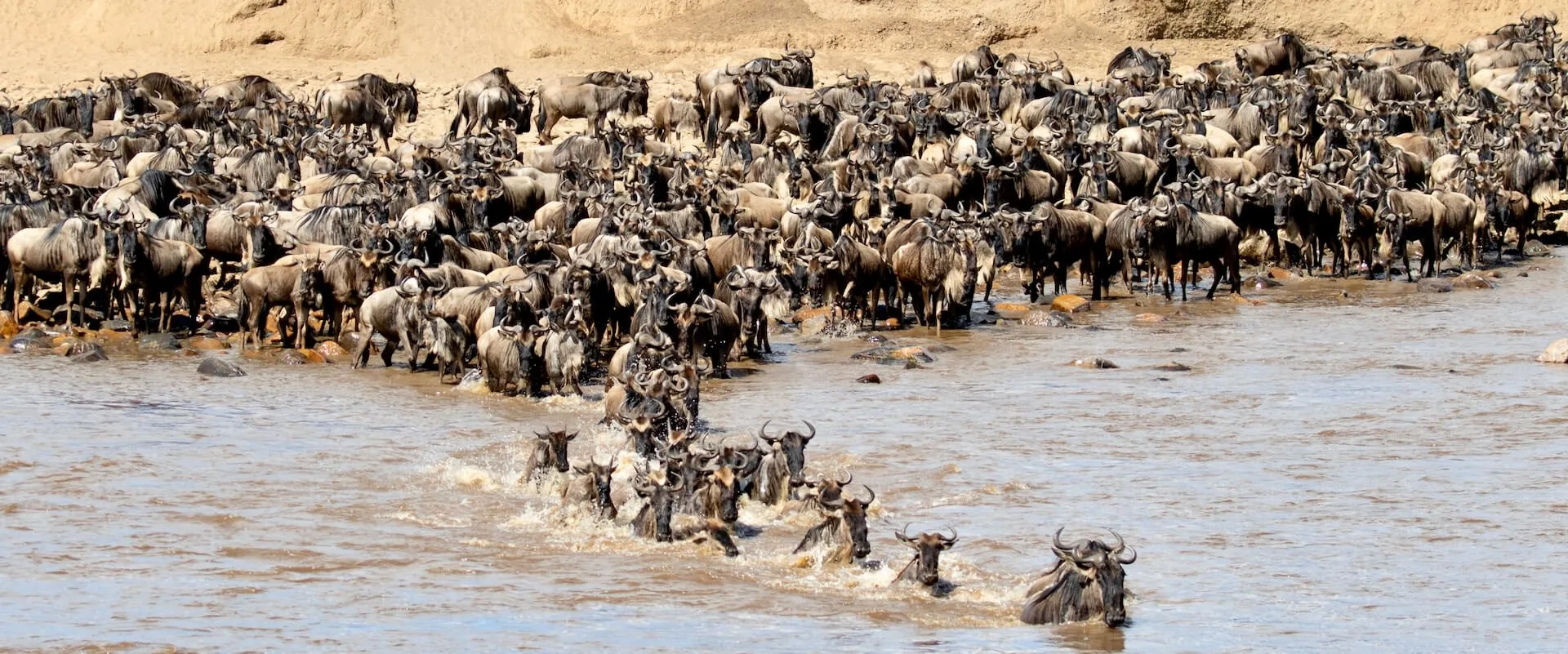
The Great Migration in Africa happens all year because the herds continuously circulate through the Serengeti–Mara ecosystem in…
Read article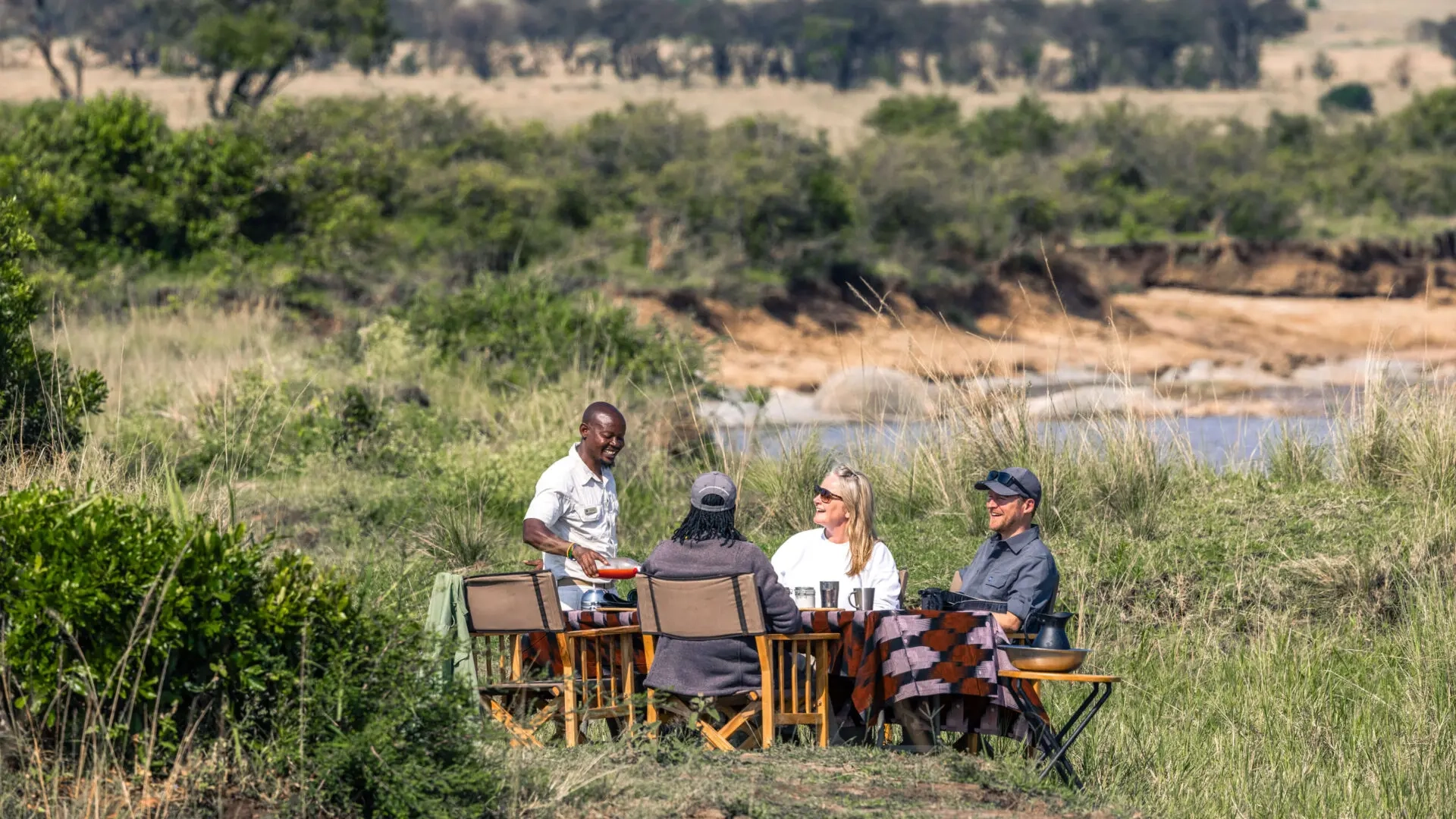
Definitive answer: A picnic lunch on safari is a packed or catered midday meal eaten at an approved…
Read article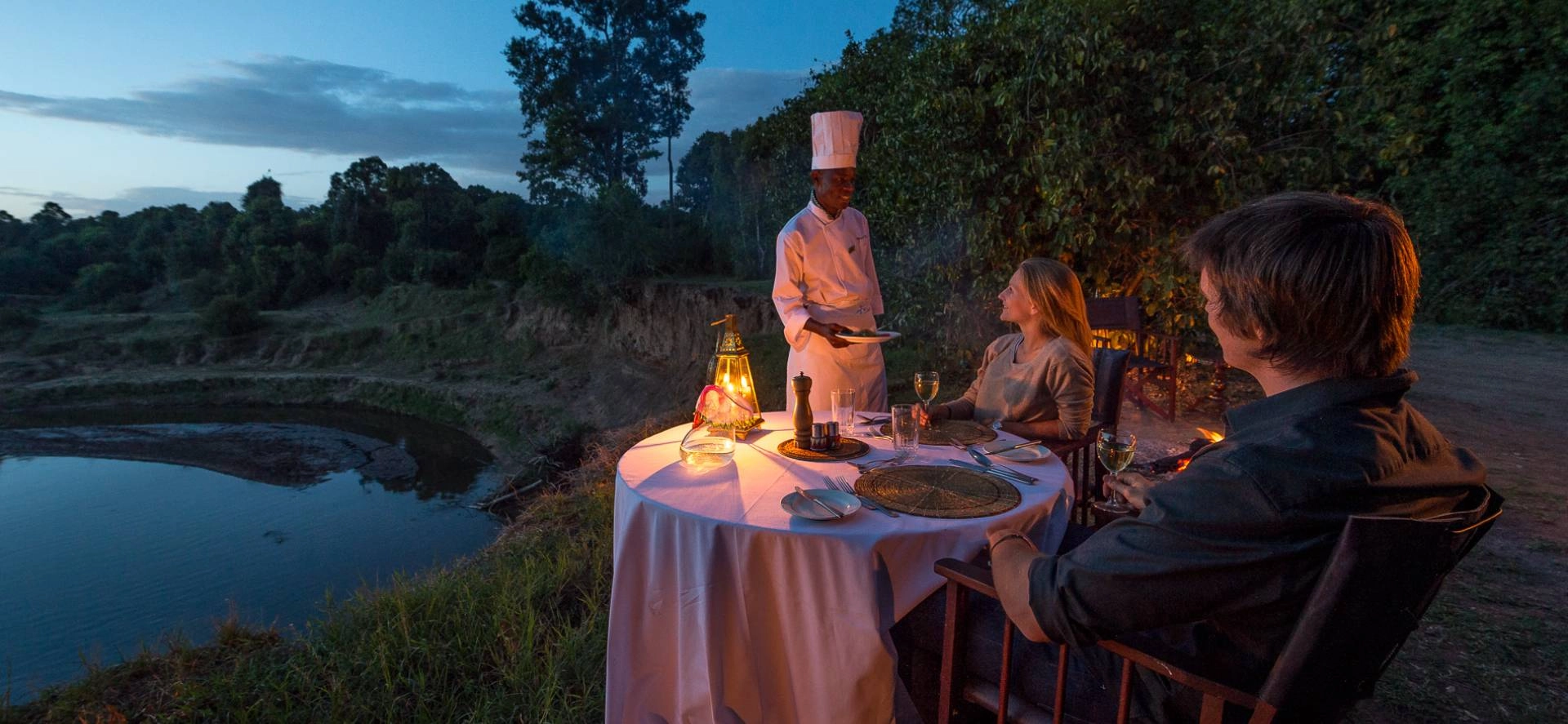
Definitive answer: A bush dinner is an outdoor evening meal arranged in a safe safari setting away from…
Read articleLet us take you closer to the wildlife, people and places that make Africa extraordinary.
Plan Your Safari Today