What should I look for when booking a luxury African safari?
When booking a luxury African safari, look beyond the room and compare the quality of guiding, wildlife location,…
Read article
Travel Guide
Africa is famous for lions roaming across golden savannahs, mountain gorillas living in mist-covered forests, elephants gathering beside rivers and enormous herds moving through the Serengeti. Yet the continent also has another side that is sometimes…
Africa is famous for lions roaming across golden savannahs, mountain gorillas living in mist-covered forests, elephants gathering beside rivers and enormous herds moving through the Serengeti. Yet the continent also has another side that is sometimes overlooked by travelers planning an African holiday: thousands of kilometers of tropical coastline and some of the most beautiful islands in the world.
The best African islands for affordable vacations make it possible to combine white-sand beaches, warm tropical seas, coral reefs, traditional coastal cultures and excellent seafood with some of the world’s greatest wildlife destinations. For travelers who assume that an African island holiday must mean an expensive honeymoon in the Seychelles or Mauritius, the good news is that there are numerous islands where accommodation, meals, excursions and local transport can remain surprisingly affordable.
From Zanzibar in Tanzania and the laid-back islands of Mozambique to Madagascar, Cape Verde and smaller islands scattered along Africa’s Indian Ocean coastline, there are options for backpackers, couples, families, honeymooners and travelers combining an African safari and beach holiday.
The biggest advantage is geography. Some of Africa’s most attractive islands lie close to major safari regions. You can spend several days watching lions and elephants in Tanzania before flying to Zanzibar, explore Kenya’s national parks and finish on the Indian Ocean coast, or combine gorilla trekking in Uganda or Rwanda with a tropical island extension.
This guide explores the best islands in Africa for travelers who want memorable beaches without automatically choosing the continent’s most expensive resorts.
An Africa beach holiday offers much more than spending a week beside a swimming pool. African islands often combine dramatic landscapes, marine wildlife, historic towns, traditional fishing communities, spice farms, volcanic mountains and coral reefs. For safari travelers, an island extension also provides an ideal contrast to several active days in national parks. Safari days frequently begin before sunrise. Travelers may spend long hours following wildlife, driving between destinations or participating in activities such as gorilla trekking, chimpanzee tracking and walking safaris. Finishing the journey beside the Indian Ocean allows you to slow down before flying home.
That combination has helped make African safari and beach holidays one of the continent’s most attractive travel styles. A typical itinerary might include the Serengeti National Park, Ngorongoro Crater and Zanzibar in Tanzania. Another could combine Kenya’s Masai Mara with the Kenyan coast or Zanzibar. Travelers visiting Uganda and Rwanda can also add Zanzibar after seeing mountain gorillas. The result is effectively two holidays within one journey: an adventurous wildlife safari followed by a relaxing tropical escape.
They can be, but they do not have to be. Africa contains some exceptionally exclusive island resorts, particularly in the Seychelles, Mauritius, Mozambique and private islands around the Indian Ocean. However, judging an entire destination by its luxury resorts can be misleading. Many islands also have guesthouses, locally owned hotels, beach cottages, hostels and small boutique properties. The biggest expenses are normally international flights and high-end accommodation. Travelers who choose locally operated hotels, eat at independent restaurants and travel outside major holiday periods can substantially reduce the overall cost.
This is particularly true in destinations such as Zanzibar, Madagascar and Cape Verde, where there is a wide range of accommodation. Travelers planning a combined safari should also consider the total journey rather than treating the beach holiday separately. Flying from a safari hub such as Arusha, Nairobi, Kigali or Entebbe to an island may be much more practical than returning to Europe or another long-haul hub between trips.
For travelers looking for the best African islands for affordable vacations, Zanzibar is difficult to beat. Located in the Indian Ocean off Tanzania’s coast, the Zanzibar archipelago combines tropical beaches with centuries of Swahili, Arab, Persian, Indian and African cultural influences. Its greatest advantage for safari travelers is location. Zanzibar can be combined easily with a Tanzania safari through the Serengeti, Ngorongoro Crater, Tarangire National Park and Lake Manyara National Park. Flights connect the island with mainland Tanzania, making it possible to transition from safari country to the beach without losing several days to complicated travel arrangements.
Different parts of Zanzibar offer different experiences. Nungwi and Kendwa in northern Zanzibar are popular because swimming conditions are less affected by the dramatic tidal changes experienced along parts of the eastern coastline. The area has everything from inexpensive guesthouses to luxurious resorts. On the southeast coast, Paje has become particularly popular among independent travelers, kitesurfers and younger visitors. Guesthouses, small hotels, cafes and beach bars provide plenty of choice for travelers who do not need a five-star resort.
Jambiani offers a quieter atmosphere and a long stretch of beach lined with villages and small properties. Travelers interested in history should spend time in Stone Town, Zanzibar’s atmospheric historic center. Narrow alleys lead between carved wooden doors, markets, mosques and old merchant buildings that reflect the island’s complex history.
A Zanzibar vacation can include considerably more than swimming. Visitors can explore Stone Town, take a spice farm tour, snorkel over coral reefs, go diving, sail on a traditional dhow or visit coastal villages. The island’s reputation as the “Spice Island” comes from its history of producing cloves, cinnamon, nutmeg and other spices. Visiting a working spice farm provides a useful cultural contrast to a conventional beach day. For travelers interested in wildlife and nature, Jozani Forest protects the Zanzibar red colobus monkey, a primate found naturally only in the Zanzibar archipelago.
One of Zanzibar’s greatest advantages is the number of safari combinations available. A traveler could begin with a Serengeti safari, continue to the Ngorongoro Crater and then fly to Zanzibar. Travelers entering East Africa through Nairobi can combine a Kenya safari with Zanzibar, while those visiting Uganda can fly from Entebbe to the coast after a Bwindi gorilla trekking safari. For first-time visitors to Africa, this combination provides an unusually complete introduction to the continent.
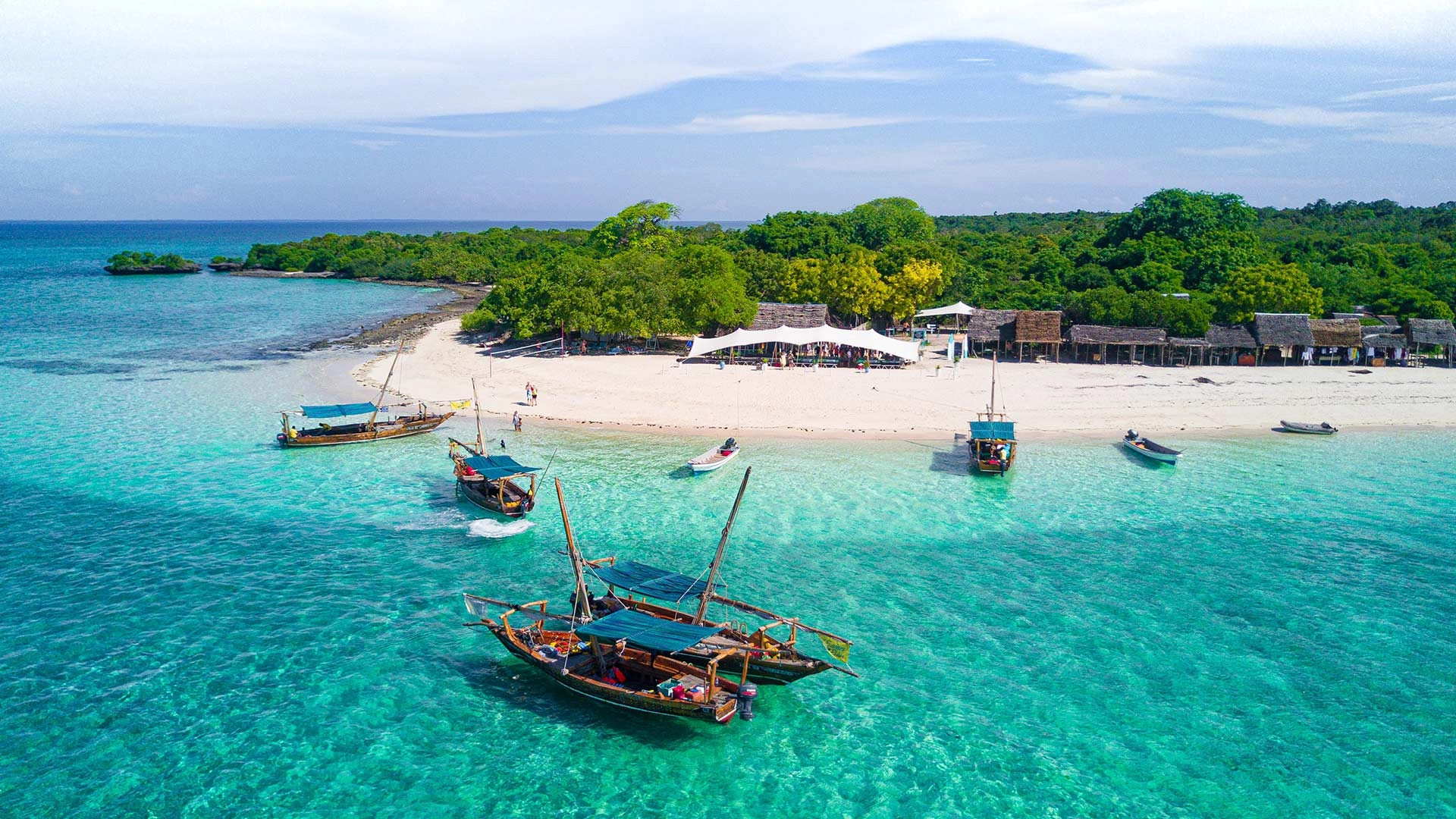
Travelers who like Tanzania but want something quieter should consider Mafia Island. Despite its dramatic name, Mafia is a peaceful tropical island south of Zanzibar and part of the Mafia Archipelago. It is particularly attractive to travelers interested in diving, snorkeling and marine wildlife. Much of the surrounding marine environment is protected within Mafia Island Marine Park, which helps preserve coral reefs, mangroves and marine habitats. Compared with Zanzibar, Mafia generally feels less developed and receives fewer visitors. That makes it appealing to travelers who want an African island vacation away from large resort areas.
Accommodation ranges from simple guesthouses to comfortable beach lodges. Mafia is especially attractive to divers because of its reefs and marine biodiversity. Depending on season and conditions, the waters around the island can also offer opportunities for remarkable marine wildlife encounters. The island works particularly well as an extension after a southern Tanzania safari, including destinations such as Nyerere National Park.
For travelers interested in culture as much as beaches, Lamu Island in Kenya offers one of East Africa’s most distinctive coastal experiences. Lamu Old Town is among the oldest continuously inhabited Swahili settlements in East Africa. Its narrow streets, coral-stone buildings, carved doors and traditional architecture create an atmosphere unlike modern beach resorts. There are very few motor vehicles within the historic town. Walking, boats and donkeys remain important forms of transportation.
Nearby Shela Beach provides the tropical coastline many travelers expect from an island vacation. Lamu can be incorporated into a larger Kenya safari and beach holiday. Travelers can first explore the Masai Mara, Amboseli or other Kenyan parks before continuing toward the coast. For budget-conscious travelers, locally operated guesthouses can provide a more affordable alternative to exclusive coastal resorts.
Wasini Island lies off Kenya’s southern coast near the Tanzanian border. Rather than being a conventional resort destination, Wasini works particularly well as part of a coastal adventure involving snorkeling, dhow sailing and marine exploration. The nearby Kisite-Mpunguti marine ecosystem is known for coral reefs and marine wildlife. Travelers staying around Kenya’s southern beaches can visit the area as an excursion, allowing them to experience island life without paying for an expensive island resort.
This makes Wasini particularly useful when creating an affordable Kenya safari and beach itinerary.
Mozambique has one of Africa’s longest Indian Ocean coastlines, with islands ranging from small fishing communities to private luxury retreats. The country is particularly famous for the Bazaruto Archipelago and Quirimbas Archipelago. Although some private resorts in these areas rank among Africa’s most expensive, Mozambique should not automatically be dismissed by budget-conscious travelers. Choosing mainland coastal towns, locally run accommodation and less exclusive islands can create a much more affordable trip.
The Bazaruto region is known for turquoise water, enormous sand dunes and coral reefs. Bazaruto National Park protects important marine habitats and species, including dugongs. The gateway town of Vilanculos provides accommodation across different price categories and is often a practical base for island excursions. Instead of staying at an expensive private island lodge, budget travelers can stay around Vilanculos and take boat trips into the archipelago. That strategy allows visitors to enjoy some of Mozambique’s spectacular marine scenery while controlling accommodation costs.
For travelers interested in history, Ilha de Moçambique, or Mozambique Island, offers something completely different. The island was once an important trading center and colonial capital. Historic stone buildings, old fortifications and traditional communities reveal layers of African, Arab, Indian and Portuguese influence. It is an excellent destination for travelers who prefer culture and history alongside the beach.
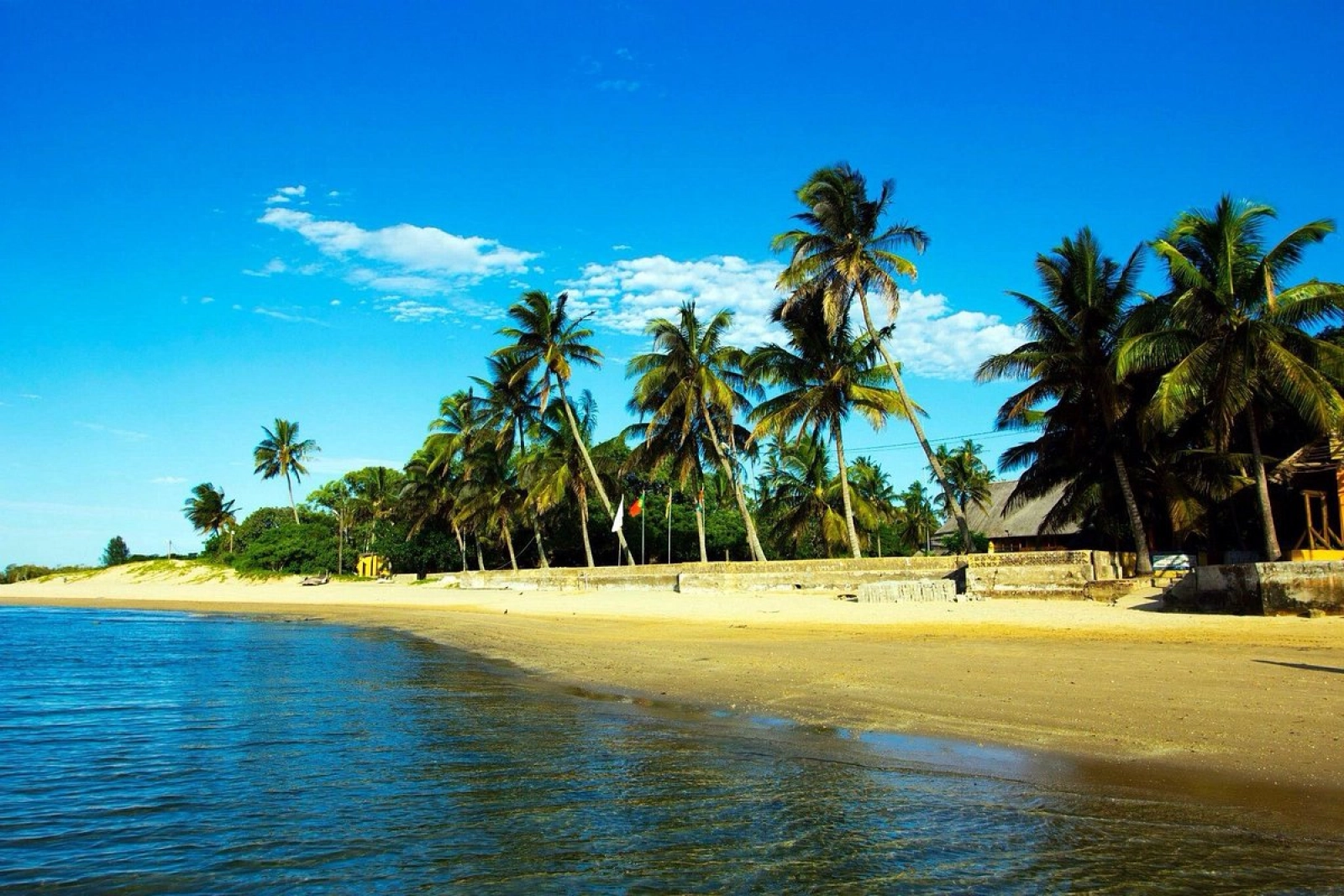
Madagascar is technically an enormous island rather than a conventional small-island beach destination, but it deserves a place on any list of the best islands in Africa. Its extraordinary biodiversity makes it one of the world’s most unusual nature destinations. A large proportion of Madagascar’s plants and animals occur nowhere else on Earth. Lemurs are the country’s most famous residents, but visitors can also encounter chameleons, unusual birds, reptiles and distinctive plant species.
For a conventional tropical island experience, many travelers head to Nosy Be off Madagascar’s northwest coast. Beaches, diving, snorkeling and island excursions make Nosy Be one of Madagascar’s principal coastal destinations. Smaller surrounding islands can be visited on day trips, providing opportunities to experience beaches and marine environments without constantly changing accommodation. Madagascar is especially suitable for travelers who want an African wildlife and beach holiday that feels completely different from a traditional savannah safari.
While East Africa dominates discussions about tropical islands, Cape Verde offers an entirely different African island experience. The archipelago lies in the Atlantic Ocean west of mainland Africa and consists of ten volcanic islands. Cape Verde combines beaches with mountains, volcanic scenery, music and Creole culture.
Sal is one of the most accessible islands for conventional beach vacations. Its long sandy beaches and established tourism infrastructure make it popular among travelers looking for sunshine, swimming and water sports.
Boa Vista has enormous beaches, desert-like landscapes and a quieter atmosphere in many areas. It is particularly attractive to travelers who prioritize beaches and relaxation.
Travelers more interested in hiking than resort holidays should consider Santo Antão. Deep valleys, mountain trails and dramatic volcanic landscapes make it one of the archipelago’s most impressive islands for active travel. Cape Verde can be particularly good value when travelers find competitive flight and accommodation packages.
The island nation of São Tomé and Príncipe sits close to the equator in the Gulf of Guinea. Dense rainforest, volcanic peaks, cacao plantations and quiet beaches give the islands an adventurous atmosphere. Compared with Zanzibar or Mauritius, tourism remains relatively small-scale. That means travelers should not expect the same enormous choice of resorts, restaurants and organized activities. The reward is a destination that can feel remarkably uncrowded.
Independent guesthouses and smaller properties can provide opportunities for an affordable stay, although flights may represent a significant part of the total vacation cost. For experienced Africa travelers searching for an off-the-beaten-track African island, São Tomé deserves serious consideration.
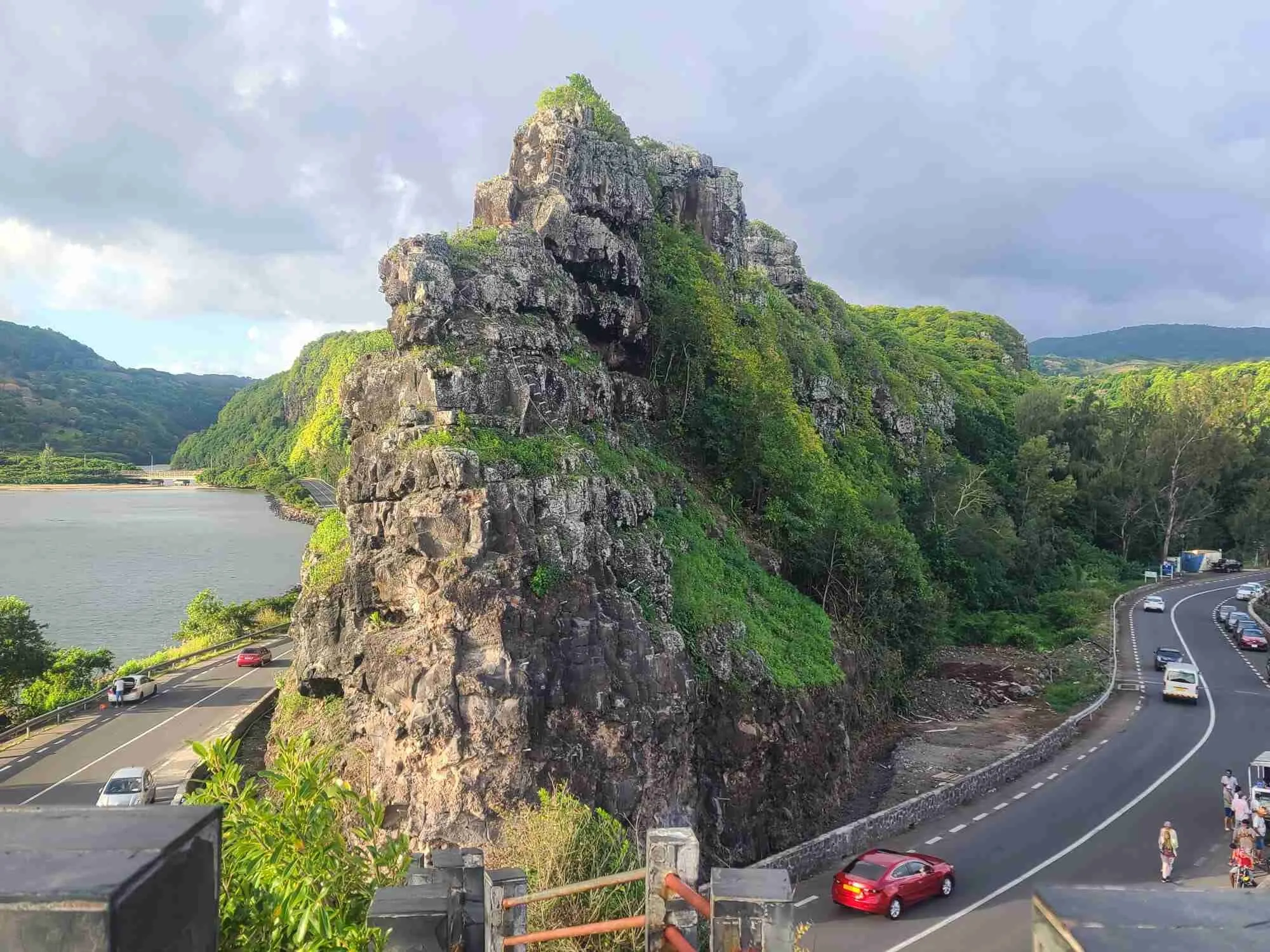
Mauritius is often associated with honeymoons and luxurious beachfront resorts, but the island has a much broader accommodation market. Travelers who stay in guesthouses, apartments or small hotels rather than international resorts can experience Mauritius on a more moderate budget. The island also has excellent infrastructure, making independent exploration relatively straightforward. Visitors can combine beaches with hiking, waterfalls, botanical gardens, markets and cultural attractions. Le Morne Brabant, Black River Gorges and the island’s lagoons provide very different landscapes within relatively short traveling distances.
Mauritius therefore works well for couples or families who want an easy, comfortable African beach vacation without being confined to a resort.
The Seychelles is rarely described as cheap. Nevertheless, it is possible to reduce the cost substantially compared with the ultra-luxury version of a Seychelles holiday. The archipelago includes more than 100 islands, although most visitors concentrate on Mahé, Praslin and La Digue. Guesthouses and self-catering apartments offer an alternative to private-island resorts. Public beaches are one of the destination’s greatest advantages. Travelers do not have to stay at an expensive resort to experience spectacular Seychelles scenery.
On La Digue, bicycles provide a practical way of exploring the island, while Mahé offers markets, hiking and numerous beaches. For travelers whose dream destination is the Seychelles, careful accommodation choices and a shorter stay can make the trip more achievable.
For travelers primarily concerned about value, Zanzibar generally offers the easiest combination of affordable accommodation, inexpensive local food and access to safari destinations. Mauritius provides excellent infrastructure and a broad accommodation range, particularly for independent travelers. The Seychelles has extraordinary beaches but usually requires more careful budgeting. The right choice depends on whether the priority is safari, beaches, comfort, diving, culture or exclusivity. Travelers combining the island with a Tanzania safari will usually find Zanzibar the most convenient. Travelers wanting a standalone beach holiday may prefer Mauritius, while honeymooners seeking iconic scenery may still decide the Seychelles justifies the additional expense.
One of the smartest ways to visit an African island is to combine it with a wildlife safari. East Africa is particularly suitable because major safari destinations and Indian Ocean islands are connected by regional flights.
This is arguably Africa’s classic safari-and-beach combination. A typical route includes Tarangire National Park, Serengeti National Park and the Ngorongoro Crater before flying to Zanzibar. Travelers visiting during the Great Wildebeest Migration can experience one of the world’s greatest wildlife spectacles and then finish the journey beside the Indian Ocean.
Kenya also combines easily with Zanzibar. Travelers might visit the Masai Mara National Reserve, Lake Nakuru and Amboseli National Park before flying from Nairobi to Zanzibar. This option is particularly attractive when international flights arrive in Nairobi.
A less obvious but extremely rewarding combination pairs Uganda gorilla trekking with Zanzibar. Uganda provides primate experiences that conventional savannah destinations cannot match. Travelers can trek mountain gorillas in Bwindi Impenetrable National Park, track chimpanzees in Kibale Forest and enjoy game drives in Queen Elizabeth National Park. Afterward, flying toward the Indian Ocean transforms the journey completely. Few African vacations offer greater contrast than standing several meters from a mountain gorilla in a rainforest and, a few days later, swimming in Zanzibar’s tropical waters.
Rwanda offers another excellent primate-and-beach combination. After trekking mountain gorillas in Volcanoes National Park, travelers can continue through Kigali and connect to the coast. This can create an excellent African honeymoon itinerary.
Accommodation choices have the greatest influence on daily expenses. Staying one or two streets away from the beach can sometimes cost considerably less than choosing a beachfront property. Small guesthouses may also include breakfast and provide more interaction with local hosts. Travel timing matters too. Peak Christmas, New Year and European holiday periods generally attract higher demand. Traveling during shoulder seasons can provide better value, although visitors should research rainfall patterns carefully.
Eating locally is another straightforward way to reduce expenses. Markets, small restaurants and locally owned cafes often provide excellent meals for considerably less than resort restaurants. Finally, avoid changing islands unnecessarily. Every additional ferry, domestic flight or private boat transfer adds cost. Spending four or five nights in one well-chosen area can be both cheaper and more relaxing than trying to visit every island in an archipelago.
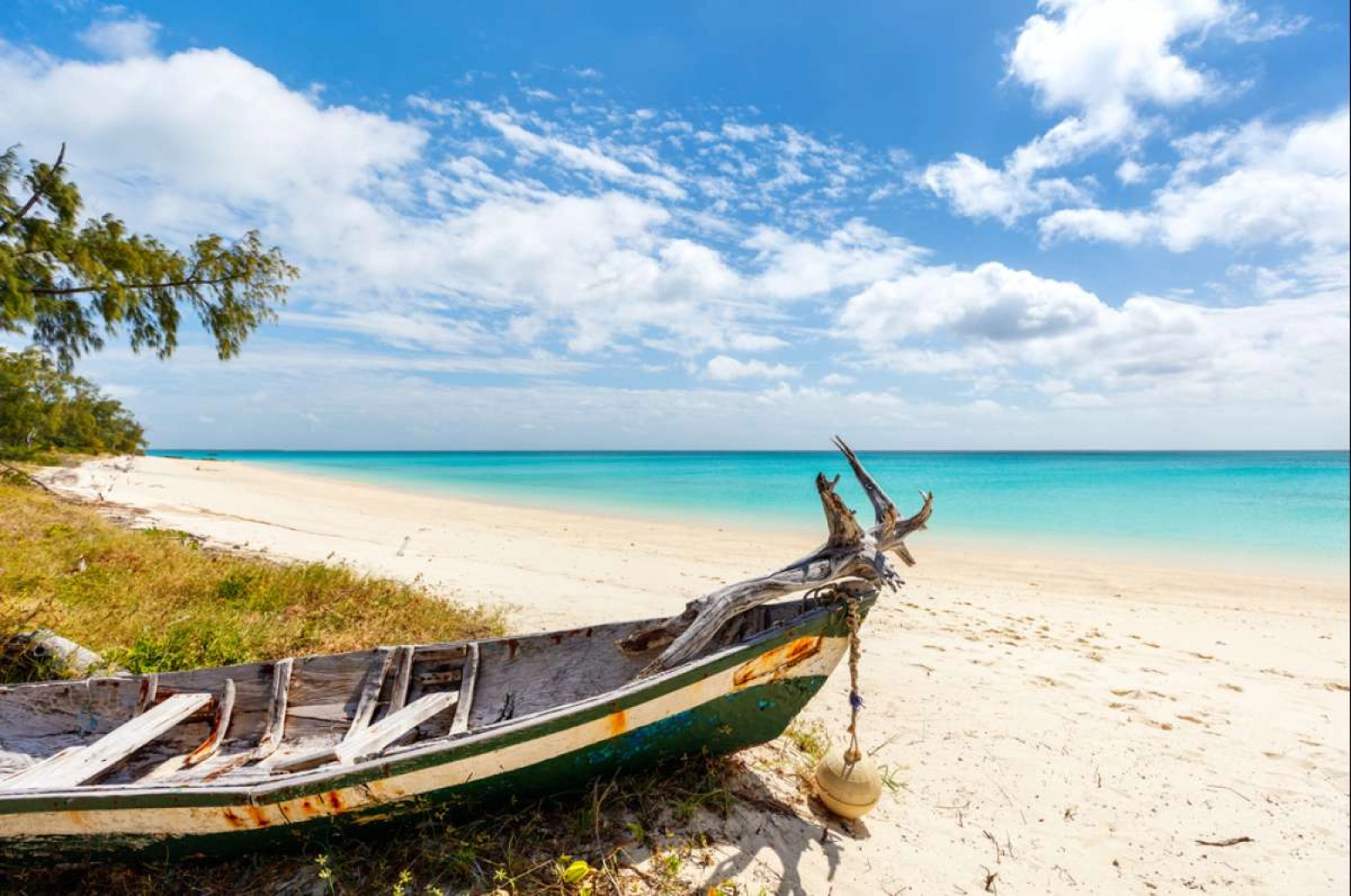
There is no single best month for every African island because the continent spans enormous climatic regions. For Zanzibar and much of the East African coast, dry-season periods are generally attractive for beach travel, particularly when combined with safari itineraries. However, travelers should remember that tropical weather is not completely predictable. Short showers can occur even during traditionally dry periods. Cape Verde follows a different Atlantic climate, while Mauritius and the Seychelles have their own seasonal patterns.
The best approach is therefore to choose the safari or island that matters most and build the itinerary around its strongest travel period.
Africa’s islands are excellent honeymoon destinations because couples can combine adventure with relaxation. A gorilla trekking honeymoon in Uganda or Rwanda followed by Zanzibar offers something completely different from a conventional resort holiday. Tanzania provides another classic option: Serengeti game drives followed by several nights on Zanzibar. Couples with larger budgets might combine a Botswana safari with Mauritius or the Seychelles. The advantage of Africa is that the honeymoon does not have to be entirely about the beach. Wildlife, landscapes, culture and adventure can make the first half of the trip genuinely memorable before several quieter days beside the ocean.
Families should consider accessibility, swimming conditions, accommodation flexibility and the availability of activities beyond the beach. Zanzibar and Mauritius are among the easiest choices because both have broad tourism infrastructure. Families combining the island with safari should also consider children’s ages. Some wildlife activities, particularly gorilla trekking and chimpanzee trekking, have minimum-age requirements. A well-designed family itinerary should balance early safari mornings with enough downtime to prevent the journey from becoming exhausting.
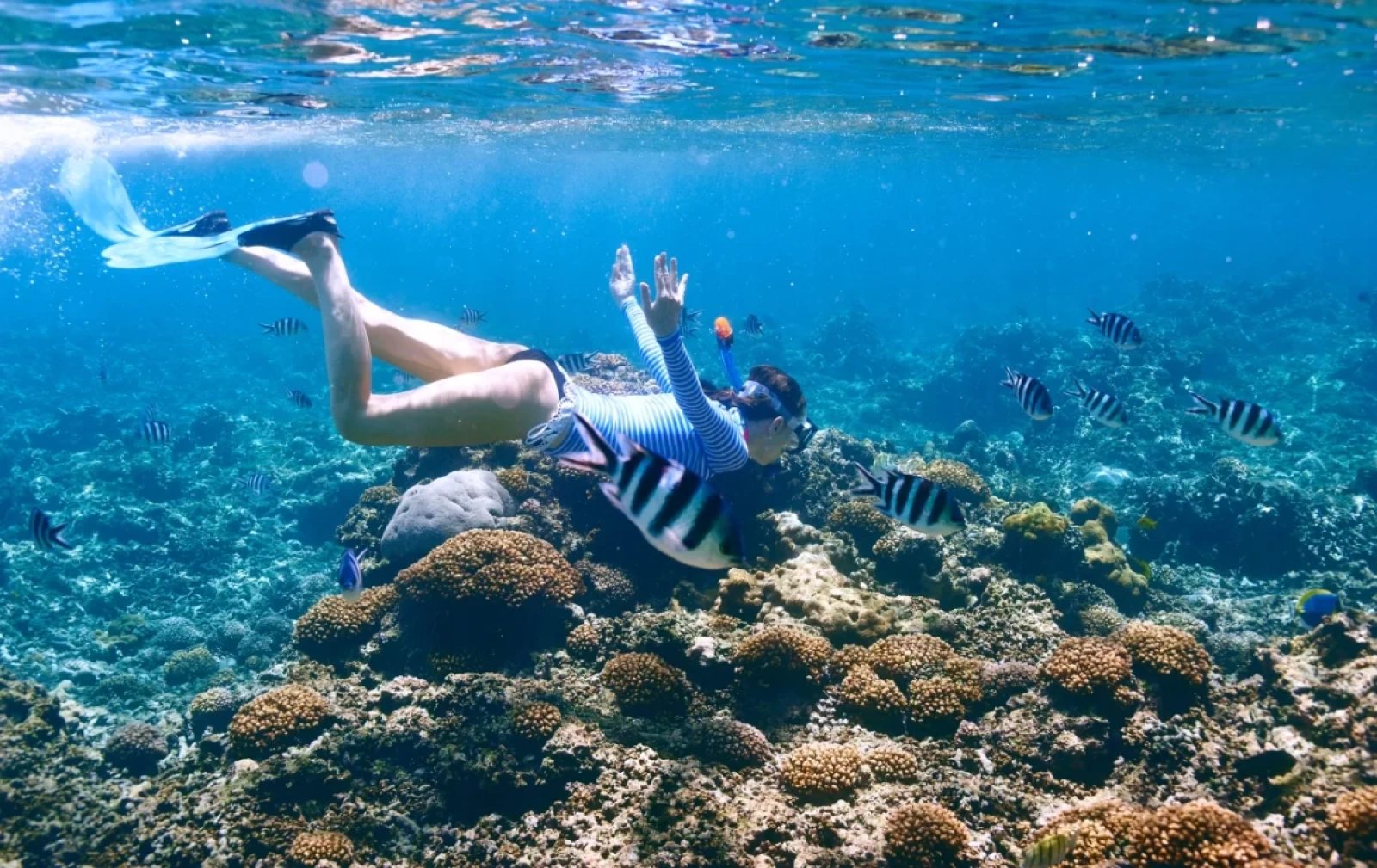
Africa’s Indian Ocean islands contain outstanding marine environments. Mozambique’s archipelagos, Mafia Island, Zanzibar, Madagascar, Mauritius and the Seychelles all provide diving and snorkeling opportunities. Travelers primarily interested in marine wildlife should choose destinations based on season, diving experience and the specific species or environments they hope to encounter. Beginners may prefer destinations with established dive centers and easy reef access, while experienced divers may prioritize remote marine parks.
For a standalone beach vacation, seven to ten days provides enough time to settle into the destination and explore beyond the hotel. When combining an island with safari, three to five beach nights is often sufficient. A two-week East African itinerary might include eight or nine days of safari followed by four or five nights in Zanzibar. Travelers with three weeks can combine gorilla trekking, a classic savannah safari and an island extension.
The important consideration is travel fatigue. Trying to visit too many destinations can turn a relaxing holiday into a sequence of airport transfers.
At Adventure in the Wild Safaris, we specialize in designing African journeys that combine wildlife, primates, culture and scenic destinations. A beach extension can be incorporated into a broader East African safari itinerary, particularly for travelers visiting Uganda, Rwanda, Kenya and Tanzania. Rather than treating the safari and beach as unrelated holidays, the route can be designed as one continuous journey. This helps coordinate airport transfers, regional flights, safari activities and accommodation.
Travelers interested in gorillas can begin with Uganda gorilla trekking or Rwanda gorilla trekking, while classic wildlife enthusiasts can include Kenya’s Masai Mara or Tanzania’s Serengeti. The final days can then be reserved for Zanzibar or another Indian Ocean destination.
The best African islands for affordable vacations prove that tropical Africa is not reserved for travelers staying in expensive private-island resorts. Zanzibar offers perhaps the strongest overall combination of affordability, culture, beaches and safari connections. Madagascar is extraordinary for wildlife enthusiasts. Mozambique rewards adventurous travelers with spectacular marine landscapes. Cape Verde offers an accessible Atlantic alternative, while Mauritius can provide excellent value when travelers move beyond luxury resorts. Even the Seychelles can become more attainable when visitors choose guesthouses and public beaches instead of exclusive resorts.
Most importantly, Africa’s islands can form part of a much larger adventure. Imagine watching elephants beneath Mount Kilimanjaro, following lions across the Serengeti, trekking mountain gorillas through Bwindi’s rainforest and then ending your journey barefoot beside the Indian Ocean. That diversity is what makes an African safari and beach holiday so exceptional. Whether your priority is Zanzibar, Kenya’s coast, Madagascar, Mozambique or another tropical destination, Adventure in the Wild Safaris can help create an itinerary that connects Africa’s wildlife destinations with the coast while balancing your preferred travel style, available time and budget.
Get quick answers to the most common questions. If you still have questions, our safari experts are here to help.
The answer depends heavily on where you are flying from, but Zanzibar, Cape Verde and parts of Madagascar can offer good value once accommodation and local expenses are considered. Zanzibar is particularly attractive for travelers already visiting East Africa.
Zanzibar is arguably the most convenient because it combines easily with Tanzania, Kenya, Uganda and Rwanda safari itineraries.
It can be, particularly for travelers choosing locally owned guesthouses and restaurants. Both destinations, however, offer accommodation across several price categories.
Yes. A Uganda gorilla safari and Zanzibar holiday is an excellent combination. Travelers can trek mountain gorillas in Bwindi before flying from Entebbe toward Tanzania and Zanzibar.
Yes. Travelers can complete a Masai Mara safari and then continue from Nairobi toward Zanzibar or Kenya’s Indian Ocean coast.
Zanzibar, Mauritius and the Seychelles are all excellent. Zanzibar is particularly appealing to couples who want to combine their honeymoon with a safari.
The Seychelles is famous for spectacular granite-framed beaches, while Zanzibar, Mauritius, Mozambique and Madagascar also have outstanding tropical coastlines.
Safety varies by destination and can change. Travelers should review current official travel guidance before departure and follow local advice. Established tourism destinations generally have well-developed visitor infrastructure.
Four or five nights works very well for many travelers. It provides enough time to relax while still allowing activities such as Stone Town, snorkeling or a spice tour.
Yes. Destinations such as Mauritius and Zanzibar can be excellent for families, provided accommodation and activities are selected according to the children’s ages.
Our safari experts are here to help you plan your safari. Get personalized advice, the latest information and a free, no-obligation quote.
We typically reply within a few hours.

Share This Article
When booking a luxury African safari, look beyond the room and compare the quality of guiding, wildlife location,…
Read article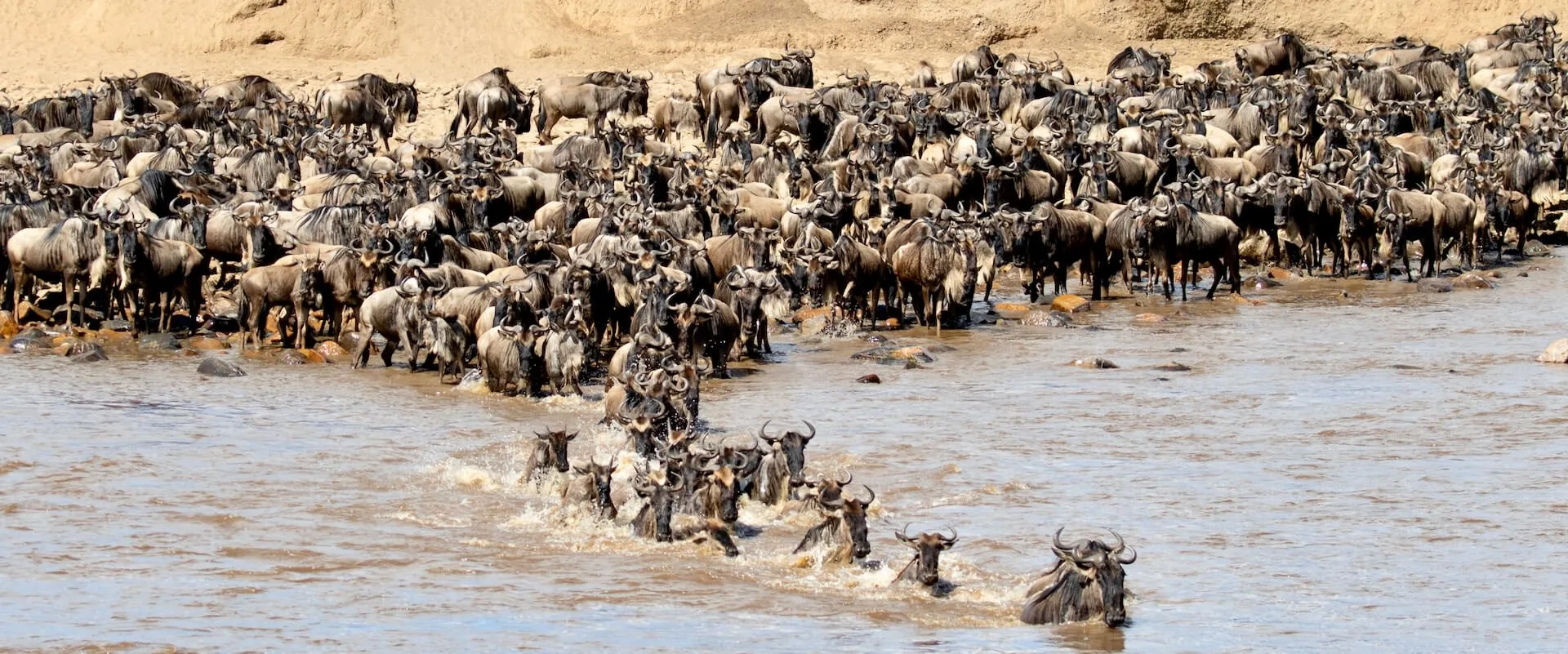
The Great Migration in Africa happens all year because the herds continuously circulate through the Serengeti–Mara ecosystem in…
Read article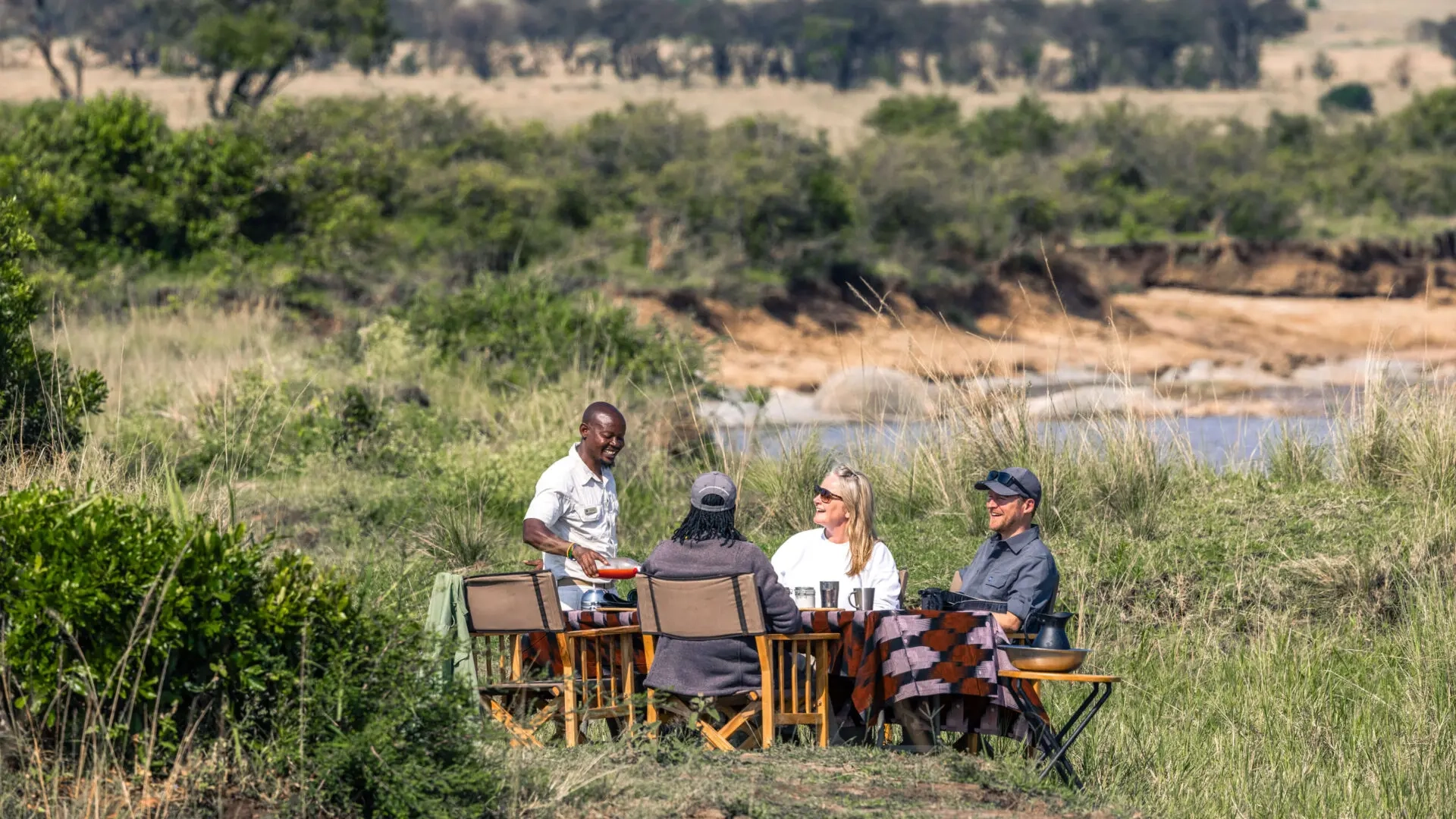
Definitive answer: A picnic lunch on safari is a packed or catered midday meal eaten at an approved…
Read article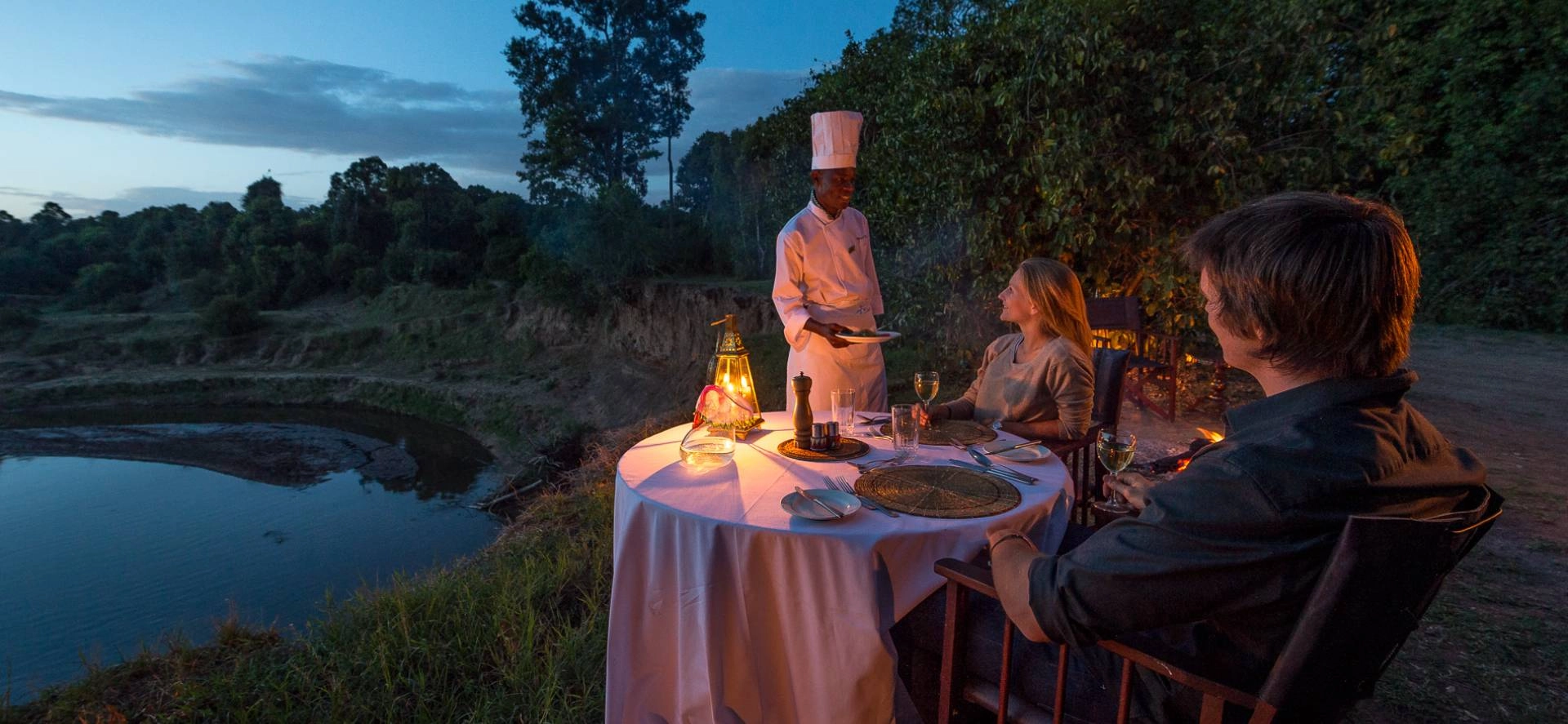
Definitive answer: A bush dinner is an outdoor evening meal arranged in a safe safari setting away from…
Read articleLet us take you closer to the wildlife, people and places that make Africa extraordinary.
Plan Your Safari Today