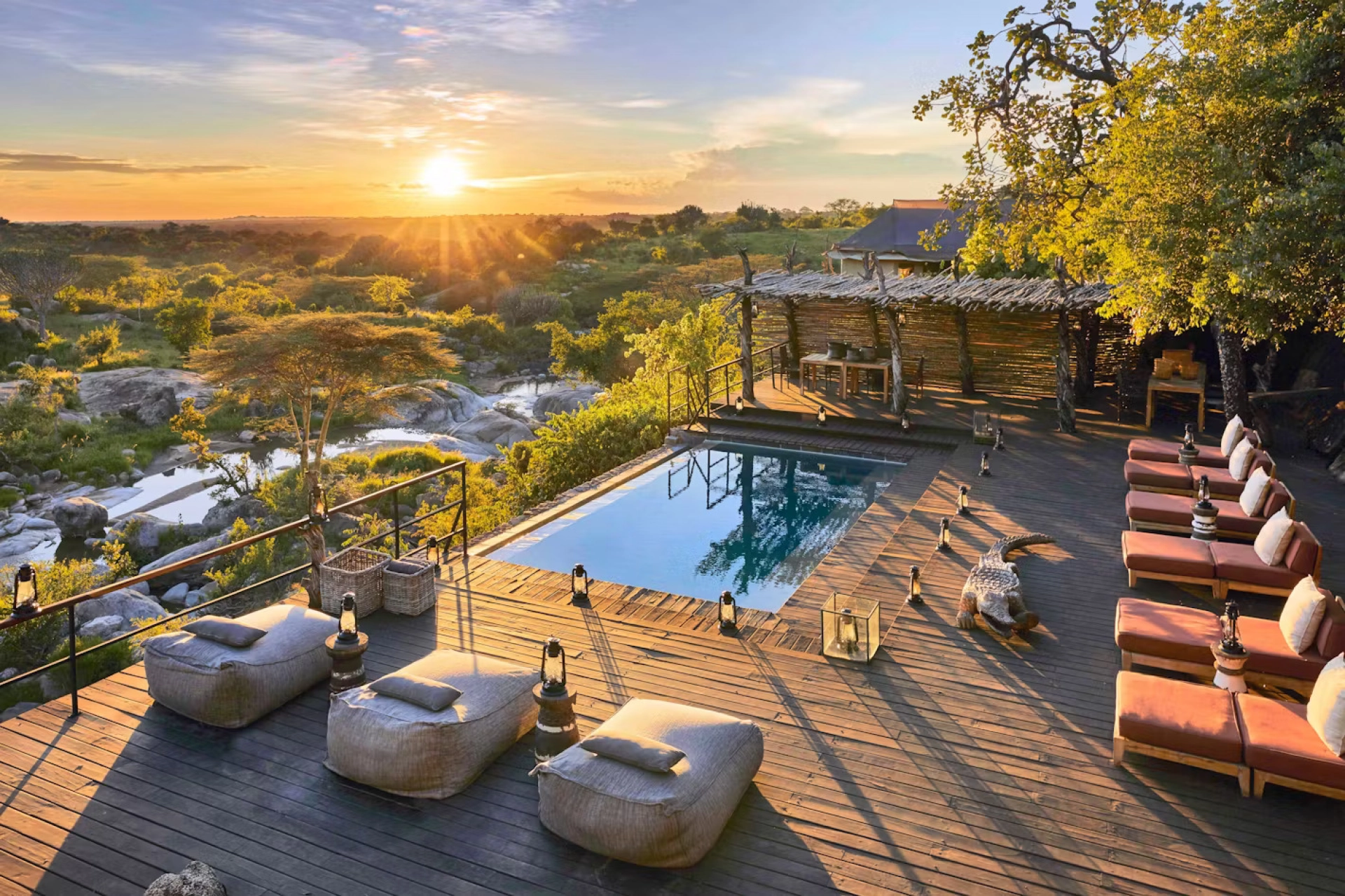
What should I look for when booking a luxury African safari?
When booking a luxury African safari, look beyond the room and compare the quality of guiding, wildlife location,…
Read article

Travel Guide
When travellers imagine a journey through Zimbabwe, wildlife often comes first. They picture enormous elephant herds around Hwange's waterholes, lions moving across dry savannah, walking safaris beside the Zambezi at Mana Pools or the thunder of…
When travellers imagine a journey through Zimbabwe, wildlife often comes first. They picture enormous elephant herds around Hwange’s waterholes, lions moving across dry savannah, walking safaris beside the Zambezi at Mana Pools or the thunder of Victoria Falls. Yet one of Zimbabwe’s most important attractions contains no Big Five animals and requires no safari vehicle. Instead, it asks visitors to walk through stone walls constructed centuries before modern Zimbabwe existed.
The Great Zimbabwe Ruins, officially known as the Great Zimbabwe National Monument, are among the most important archaeological and cultural sites anywhere in sub-Saharan Africa. These monumental stone remains are evidence of a sophisticated African society that developed into an important political and commercial centre between approximately the 11th and 15th centuries. UNESCO identifies Great Zimbabwe as a major centre of Shona civilisation and describes the archaeological landscape as consisting principally of the Hill Ruins, Great Enclosure and Valley Ruins. The World Heritage property was inscribed in 1986 and remains one of Zimbabwe’s most important cultural landmarks.
For travellers interested in African people and culture, Great Zimbabwe offers something especially valuable. It challenges the outdated idea that Africa’s most significant historical monuments were all built along the Mediterranean coast or introduced by outsiders. Great Zimbabwe was created by African communities. Its builders developed sophisticated dry-stone masonry. Its elites participated in long-distance trade. Its political influence extended over a large region. And its name eventually became the name of the modern country of Zimbabwe. To walk through Great Zimbabwe today is therefore not simply to visit ruins. It is to enter one of the most important chapters in African history.
The Great Zimbabwe National Monument lies in southeastern Zimbabwe, approximately 30 kilometres from the modern city of Masvingo. This location makes Great Zimbabwe relatively easy to incorporate into a longer Zimbabwe itinerary. Travellers can combine the ruins with destinations such as Matobo Hills, Hwange National Park, Gonarezhou National Park, Harare or Victoria Falls, depending on their route and available time. The archaeological landscape occupies a large area of granite hills, open valley and scattered stone structures.
UNESCO places the monument within a much broader protected archaeological property and identifies the main monumental sections as the Hill Complex, Great Enclosure and Valley Ruins. The landscape itself is important. Great Zimbabwe was not constructed in an empty space. Granite outcrops, fertile land, livestock resources and access to regional trade networks all contributed to the development of the settlement. Understanding the geography helps visitors understand why a major political centre emerged here.
The modern country takes its name from Great Zimbabwe. The word Zimbabwe is generally associated with Shona expressions relating to houses of stone or venerated stone houses. The name therefore refers directly to the monumental dry-stone structures that distinguish the site. When the former Rhodesia became independent Zimbabwe in 1980, adopting this name carried enormous symbolic meaning. It connected the new nation with a powerful indigenous African civilisation that existed centuries before European colonial rule.
That connection remains visible in national symbolism. The famous Zimbabwe Bird, inspired by carved soapstone birds discovered at Great Zimbabwe, appears on Zimbabwe’s national flag and coat of arms. The ruins are therefore not simply an archaeological attraction. They form part of the country’s modern identity.
Great Zimbabwe was built by ancestors of the Shona peoples. Scientific archaeological research established that the city developed through indigenous African societies during the Iron Age rather than being constructed by foreign visitors. UNESCO dates the principal development of the settlement broadly between around 1100 and 1450 AD and identifies it as a major centre of Shona civilisation. This may sound straightforward today. Historically, however, the African authorship of Great Zimbabwe became politically controversial.
Early European colonial observers often refused to accept that Africans could have built monumental stone architecture on this scale. Various unsupported theories attributed the ruins to Phoenicians, Arabs, biblical figures or other external civilisations. Archaeological evidence eventually demonstrated that these ideas were wrong. The architecture, ceramics, settlement patterns and broader cultural record connect Great Zimbabwe with indigenous regional societies. That history is important because it demonstrates how archaeology can be influenced by politics. Recognising the Shona origins of Great Zimbabwe is not simply correcting a historical technicality. It restores African people to the centre of their own history.
Human occupation in the broader region predates the monumental stone architecture. The period most strongly associated with Great Zimbabwe’s political importance developed from roughly the 11th century onward, with the city flourishing particularly during the 13th and 14th centuries. UNESCO notes that by the 14th century Great Zimbabwe had become the principal city of a major state associated with the gold-rich plateau and estimates that its population exceeded 10,000 inhabitants during its height.
That population would have made Great Zimbabwe a major urban centre by the standards of medieval southern Africa. This is worth remembering when standing among the ruins today. The open grass between surviving walls can make the site feel relatively empty. Centuries ago, however, the landscape would have included homes, livestock, workshops, people, trade activity and political ceremonies. Only part of that material world survives visibly. Stone lasts. Many structures made from wood, clay, thatch and other organic materials disappeared. The surviving walls are therefore only part of the ancient city.
Great Zimbabwe did not serve one simple purpose. It functioned simultaneously as a political centre, royal settlement, economic hub, religious landscape and residential city. The Hill Complex is commonly associated with elite and ritual functions. The Great Enclosure demonstrates extraordinary architectural investment. The valley contained extensive residential zones. The settlement’s wealth was connected to regional control over cattle, agriculture and especially long-distance trade involving commodities such as gold and ivory.
Great Zimbabwe’s rulers were positioned within networks that linked the interior of southern Africa with trading settlements along the Indian Ocean coast. From coastal ports, goods moved farther into networks connecting Africa with Arabia, Persia, India and Asia. Archaeological discoveries of imported objects provide evidence of these connections. This means Great Zimbabwe was not an isolated civilisation. It participated in a remarkably interconnected medieval world.
One of the most fascinating aspects of Great Zimbabwe is the evidence that its economy reached far beyond southern Africa. Gold from the interior was especially valuable. Ivory and other commodities were also traded. These products moved eastward toward Swahili coastal trading centres. From there, merchants connected with wider Indian Ocean commerce. Imported objects found at archaeological sites demonstrate these long-distance relationships. Foreign ceramics, glass beads and other trade goods show that elites at Great Zimbabwe had access to products originating far beyond the region.
This does not mean foreign merchants built the city. Quite the opposite. The evidence illustrates the economic power of an indigenous African state capable of controlling valuable resources and participating in international trade. For travellers interested in African history, this is one of the most important lessons from Great Zimbabwe. Medieval Africa was deeply connected to global economic systems.
The architecture is what first captures most visitors. Granite walls curve across the landscape without mortar holding the stone together. This technique is known as dry-stone masonry. Builders selected and shaped granite blocks, placing them carefully in stable courses. Some walls rise several metres high. Their smooth curves and impressive thickness demonstrate extraordinary skill. No cement was required. No modern structural engineering tools existed. Yet substantial portions have survived for centuries.
The walls were not crude barriers. Some sections contain decorative patterns including chevrons and other geometric designs. Architecture communicated more than practical enclosure. It expressed status, authority and cultural meaning. The amount of labour required to quarry, shape, transport and place so much stone also suggests a highly organised society capable of coordinating substantial construction projects.
Visitors should understand the three major archaeological components before exploring the site.
They are different physically and probably served overlapping but distinct functions.
The Hill Complex occupies a rocky granite hill overlooking the surrounding valley. Reaching it involves climbing through natural rock formations and ancient stone passages. The elevated position gives visitors expansive views across the broader archaeological landscape. UNESCO identifies the Hill Ruins as an area occupied for centuries and traditionally associated with royal and ritual functions. The natural granite was incorporated into the architecture. Instead of removing the landscape, builders adapted walls around enormous boulders.
This creates narrow passages and dramatic enclosures. Walking here helps explain why the site may have had symbolic as well as defensive significance. The elevation separates the complex physically from the settlement below. It also creates a commanding view of the surrounding territory.
The climb is part of the experience. Paths become steep. Stone passages narrow. Granite formations rise on both sides. Travellers should wear shoes with good grip and carry water, particularly during warmer periods. The reward is perspective. From higher points, the organisation of the entire Great Zimbabwe landscape becomes easier to understand. The Great Enclosure lies below. The valley spreads outward. Modern visitors can imagine how residents and leaders would have viewed the surrounding settlement.
Guided interpretation is particularly valuable here because many archaeological features are not obvious to an untrained visitor. Without explanation, they are simply walls. With context, they become evidence of how political and ritual life may have been organised.
The Great Enclosure is the structure most closely associated with Great Zimbabwe. It lies below the Hill Complex and contains some of the site’s most impressive stonework. The outer wall curves around a large elliptical space. Inside, visitors encounter smaller walls, passages and the famous Conical Tower. UNESCO dates the Great Enclosure principally to the 14th century and describes the structure as consisting of carefully coursed granite blocks with domestic and communal areas incorporated within the enclosure.
The scale is remarkable. Photographs rarely communicate the physical presence of the walls. Standing beside them allows you to see the precision with which individual stones were stacked. The absence of mortar becomes especially impressive at close range.
Archaeologists continue to interpret the exact functions of different spaces, and visitors should be cautious about explanations presented as absolute certainty. The Great Enclosure clearly represented a major concentration of labour and architectural skill. It was likely associated with elite residence, political authority, ritual activity or combinations of these functions over different periods. One of the dangers in interpreting ancient monuments is assuming every structure had only one purpose throughout its history. Cities change. Buildings are modified. Political centres evolve. Great Zimbabwe existed for centuries, meaning functions likely changed over time. A good guided tour distinguishes archaeological evidence from speculation.
The Conical Tower is among Great Zimbabwe’s most recognisable structures. Its solid tapering shape rises inside the Great Enclosure. Unlike a watchtower, it does not contain an internal room or obvious staircase. Its purpose remains debated. Some interpretations link it symbolically with wealth, authority, grain storage or royal power. Others remain cautious about assigning one definitive meaning. The important point is that monumental architecture often communicates symbolically as well as practically. The Conical Tower was clearly significant enough to require considerable labour. Even when its exact meaning cannot be recovered, its presence tells us that symbolic architecture mattered within Great Zimbabwe society.
Another striking part of the Great Enclosure is the narrow passage running between major walls. Visitors walk between towering stone surfaces with limited space on either side. The design creates a dramatic architectural effect. Exactly how this passage functioned remains debated. It may have regulated movement through particular areas. It could have created separation between different groups. Whatever its exact purpose, it demonstrates that movement through Great Zimbabwe’s architecture was carefully shaped. Walls did more than mark property. They controlled space.
The Valley Ruins are sometimes overshadowed by the Hill Complex and Great Enclosure. Yet they are essential for understanding Great Zimbabwe as a living city. These ruins represent numerous residential areas scattered across the valley. UNESCO describes the valley as containing groups of living structures and dry-stone walls associated with different periods of occupation. The valley reminds us that monumental centres depend on ordinary life. People prepared food. Raised children. Produced objects. Managed livestock. Participated in trade. The royal or elite architecture survives spectacularly, but urban civilisation consisted of many households. This is true of ancient cities everywhere.
Among the most important archaeological discoveries at Great Zimbabwe were carved soapstone birds.
These stylised sculptures became powerful symbols of Zimbabwean heritage. Representations of the Zimbabwe Bird appear on the country’s national flag and official symbols. The original sculptures were found in the Hill Complex. Their precise symbolic meaning is uncertain, but they were probably associated with ritual, authority or ancestral symbolism. Birds continue to hold significance within aspects of Shona spiritual thought. Whatever their precise original interpretation, the sculptures demonstrate sophisticated artistic traditions alongside the monumental architecture. Great Zimbabwe was not simply an engineering achievement. It was a cultural and artistic centre.
Reconstructing ancient belief systems is difficult because much of what people believed was never written down. Archaeology provides clues, while knowledge of later Shona traditions can offer possible interpretive frameworks. The Hill Complex may have had ritual significance. Sacred leadership, ancestors and spiritual authority likely formed part of political life. However, visitors should be cautious when modern explanations are presented as exact descriptions of medieval religious practice. Cultures evolve. Beliefs change. The responsible approach is to distinguish what archaeological evidence demonstrates from what later traditions suggest. This uncertainty does not make Great Zimbabwe less interesting. It makes the site intellectually richer.
Cattle were extremely important within southern African societies. They provided meat, milk, hides and social wealth. Ownership could reflect status. Livestock also played roles in marriage exchanges and political relationships. Great Zimbabwe’s economy cannot therefore be explained only through gold. Agriculture and cattle supported the population living around the city. Control over land, labour and livestock contributed to political power. The city prospered because it occupied a landscape capable of supporting both local production and long-distance trade.
Gold became one of the most important commodities connecting the interior plateau with Indian Ocean trade. The broader region contained valuable gold deposits. Political elites who could influence extraction and trade gained wealth. This wealth helped support social differentiation and monumental construction. Great Zimbabwe’s walls were therefore not isolated architectural achievements. They were connected to an economic system. Labour had to be organised. Food had to support workers. Trade generated valuable goods. Political structures coordinated society. Understanding these relationships transforms the ruins from mysterious stones into evidence of a functioning state.
Population estimates vary, but UNESCO notes that Great Zimbabwe’s population exceeded 10,000 inhabitants during the 14th century. This makes it important to imagine the site as an urban centre. Today’s ruins can feel tranquil. Birds call. Grass grows between walls. Tour groups move quietly through archaeological areas. Centuries ago, the city would have been filled with activity. Smoke from cooking fires. Livestock. Children. Craft production. Merchants. Political gatherings. Rituals. The contrast between modern silence and historical life is one of the most powerful parts of visiting archaeological sites.
Great Zimbabwe declined during the 15th century. There was probably no single cause. Large cities place pressure on their surrounding environment. A substantial population requires food, fuel, grazing and water. Changes in trade routes can alter economic power. Political authority can shift toward new centres. UNESCO notes environmental pressures including shortages associated with supporting a large population and links Great Zimbabwe’s decline with the later rise of other regional centres such as Khami.
This demonstrates an important historical pattern. Civilisations rarely disappear overnight. Power shifts. People migrate. Trade networks reorganise. New states emerge. Great Zimbabwe declined, but the people and cultural traditions of the region continued.
Travellers deeply interested in Zimbabwean archaeology should also consider Khami Ruins, another UNESCO-listed cultural site. Khami developed as an important political centre after Great Zimbabwe’s decline. Architectural traditions continued but evolved. This continuity helps demonstrate that Great Zimbabwe was not an isolated cultural accident. It belonged to a broader southern African tradition of state formation and stone architecture. Zimbabwe currently has five UNESCO World Heritage properties, including Great Zimbabwe, Khami Ruins, Matobo Hills, Mana Pools and Victoria Falls. A Zimbabwe itinerary can therefore combine cultural and natural World Heritage sites within one journey.
One of the most important stories surrounding Great Zimbabwe concerns who was allowed to claim its history. When European colonists encountered the ruins, racist assumptions made many unwilling to accept indigenous African authorship. The existence of sophisticated monumental architecture conflicted with colonial narratives portraying African societies as historically undeveloped. Alternative origins were invented. Phoenicians. Biblical figures. Arabs. Other outsiders. The evidence did not support these claims. Archaeological research established indigenous origins.
Yet acknowledging this history took on political significance because Great Zimbabwe demonstrated the existence of sophisticated African states before colonisation. For modern travellers, understanding this controversy is essential. Great Zimbabwe teaches not only ancient history. It also teaches how history itself can be manipulated.
Few archaeological sites are as closely linked with a modern country’s name and symbolism.
Zimbabwe’s independence transformed Great Zimbabwe from a contested colonial archaeological site into a central symbol of national heritage. The name connected the country with indigenous history. The Zimbabwe Bird entered national symbolism. The ruins became a physical reminder that political complexity, international commerce and monumental architecture existed in the region long before European colonial rule. This is why Great Zimbabwe matters far beyond tourism. It represents historical ownership.
A guide dramatically improves the experience. Without interpretation, visitors can appreciate the stonework and scenery. With a knowledgeable guide, architectural details gain meaning. You begin recognising building techniques. You understand which areas were occupied during different phases. You learn where archaeological objects were discovered. You can discuss competing interpretations rather than simply accepting one story. A good guide should also explain what remains uncertain. Archaeology is not about inventing certainty where evidence is incomplete. The questions are part of the experience.
At least several hours. Travellers particularly interested in archaeology and history can easily justify most of a day. Rushing through only the Great Enclosure misses the relationship between the different parts of the city. A comprehensive visit should include the Hill Complex, Great Enclosure and Valley Ruins. Allow time for the climb. Allow time to stop and observe masonry. Ask questions. Visit any available interpretive or museum facilities. Great Zimbabwe rewards slow exploration.
The ruins can be visited throughout the year, but weather influences comfort. Walking through exposed archaeological areas can become hot around midday. Early morning is particularly pleasant. The light is softer for photography. Temperatures are cooler. The Hill Complex climb is more comfortable. During wetter periods, the surrounding vegetation may appear greener and more dramatic. During dry months, conditions can be dusty and vegetation less dense. The site itself remains historically significant regardless of season.
Comfortable walking shoes are essential. The Hill Complex includes uneven stone surfaces and climbing. Lightweight clothing works well during warm conditions. A hat, sunscreen and drinking water are important. During cooler periods, carry a light layer. Travellers should remember that this is both a historical monument and an important cultural heritage site. Treat the ruins respectfully. Do not climb restricted walls. Do not remove stones or archaeological material. Follow guide instructions.
Great Zimbabwe is exceptionally photogenic. The curved walls of the Great Enclosure create strong compositions. Narrow passages produce interesting lines. The Hill Complex provides elevated views. Morning and late-afternoon light emphasise the texture of granite. Wide-angle lenses are useful for architecture. A moderate telephoto can isolate wall patterns and distant features. But photography should not become the entire visit. Take time to look closely at how stones fit together. The craftsmanship becomes far more impressive in person than in photographs.
The monument can be excellent for families with older children interested in history. The Hill Complex climb adds a physical adventure element. Stories of medieval kings, traders, gold, stone builders and international commerce can make the archaeological site much more engaging than a conventional museum. Parents should supervise younger children around steep or uneven areas. A good guide can adapt explanations to different ages. Combining Great Zimbabwe with a wildlife safari also helps families experience two very different sides of Zimbabwe.
One of the strongest reasons to include Great Zimbabwe in a safari itinerary is contrast. After several days watching elephants and lions, walking through an ancient city changes the rhythm of the journey. Possible combinations include Great Zimbabwe and Gonarezhou, Great Zimbabwe and Matobo Hills, or a longer circuit continuing toward Hwange and Victoria Falls. A comprehensive Zimbabwe journey can therefore include: Ancient African history. Shona cultural heritage. Big Five wildlife. Walking safaris. Rock art. Victoria Falls. Zambezi landscapes. This variety is one of Zimbabwe’s greatest tourism strengths.
Matobo Hills provides a particularly interesting cultural complement.
The landscape contains dramatic balancing granite formations and extensive rock art. It also holds deep cultural and spiritual significance. UNESCO recognises Matobo Hills as one of Zimbabwe’s cultural World Heritage properties. Combining Great Zimbabwe and Matobo allows travellers to explore thousands of years of human history rather than focusing on one archaeological period.
For travellers seeking wildlife after the ruins, Gonarezhou National Park can create a rewarding southeastern circuit. Gonarezhou means “place of elephants” and protects enormous wilderness connected ecologically with neighbouring conservation landscapes. Its famous Chilojo Cliffs provide one of Zimbabwe’s most dramatic natural landmarks. Combining Great Zimbabwe and Gonarezhou produces a journey from ancient civilisation into remote wildlife country.
Travellers with longer itineraries can eventually continue toward Victoria Falls. The contrast could hardly be greater. Great Zimbabwe demonstrates human architectural achievement. Victoria Falls demonstrates geological and hydrological power. Both are UNESCO World Heritage properties. Adding Hwange between them creates an exceptional cultural, wildlife and natural-history itinerary.
Too many African itineraries divide destinations into only two categories: Safari. Beach. That misses enormous cultural depth. Africa contains ancient cities, kingdoms, trade networks, religious landscapes, rock art, architecture and living cultural traditions. Great Zimbabwe should be regarded alongside other major historical destinations as evidence of the continent’s complex political and economic past. A serious African cultural safari should therefore allow time for history as well as wildlife.
Respect begins with remembering that this is not an abandoned curiosity. It is an important heritage site connected with the identities and histories of living communities. Visitors should follow designated routes. Do not damage stonework. Do not remove archaeological objects. Listen to local guides. Purchase locally produced crafts when appropriate. Ask permission before photographing people. Avoid repeating discredited colonial myths about foreign builders. Responsible tourism means representing the site’s history accurately.
Great Zimbabwe is the archaeological remains of a major medieval African city associated with Shona civilisation. The surviving landscape includes monumental dry-stone architecture, residential areas and archaeological evidence of long-distance trade.
Ancestors of the Shona people built and occupied Great Zimbabwe. Archaeological evidence firmly supports indigenous African construction and development.
The site’s principal monumental development occurred between roughly the 11th and 15th centuries. UNESCO dates its major period broadly from around 1100 to 1450 AD.
It is famous for its enormous dry-stone walls, Great Enclosure, Hill Complex, Zimbabwe Birds, historical importance and role as the namesake of modern Zimbabwe.
Yes. Great Zimbabwe National Monument was inscribed on the UNESCO World Heritage List in 1986.
The principal sections are the Hill Complex, Great Enclosure and Valley Ruins.
The Great Enclosure is a monumental elliptical stone complex containing large dry-stone walls, internal passages and the famous Conical Tower.
Its decline probably involved several factors, including environmental pressure, changing resource availability, political change and shifts in regional trade.
The Zimbabwe Birds are famous soapstone sculptures found at the site. Their imagery became an important symbol of modern Zimbabwe and appears on the national flag.
Allow at least several hours. History enthusiasts can easily spend most of a day exploring the Hill Complex, Great Enclosure, Valley Ruins and interpretive facilities.
Absolutely. Great Zimbabwe can be incorporated into itineraries including Gonarezhou, Matobo Hills, Hwange National Park, Mana Pools and Victoria Falls.
Perhaps the most important thing to understand about Great Zimbabwe is that its significance extends far beyond the walls. The stones matter because of the society that placed them there. They speak of political organisation. Trade. Architecture. Craftsmanship. Agriculture. Religion. Cattle. Gold. Art. And the ability of an African civilisation to create one of the continent’s great medieval urban centres. The modern ruins are quiet. The city that once occupied this landscape was not.
Thousands of people lived here. Merchants moved valuable goods. Political decisions were made. Rituals took place. Stone builders transformed granite into monumental architecture. Great Zimbabwe deserves to stand alongside the continent’s wildlife parks as one of the experiences travellers remember most strongly. Adventure in the Wild Safaris can combine Great Zimbabwe Ruins, Zimbabwe cultural tours, Matobo Hills, Gonarezhou National Park, Hwange safaris, Mana Pools and Victoria Falls into tailor-made Zimbabwe itineraries that reveal much more than wildlife alone. Because understanding Africa means understanding both its wilderness and the people who shaped its history. And few places tell that story more powerfully than Great Zimbabwe.

Share This Article
When booking a luxury African safari, look beyond the room and compare the quality of guiding, wildlife location,…
Read article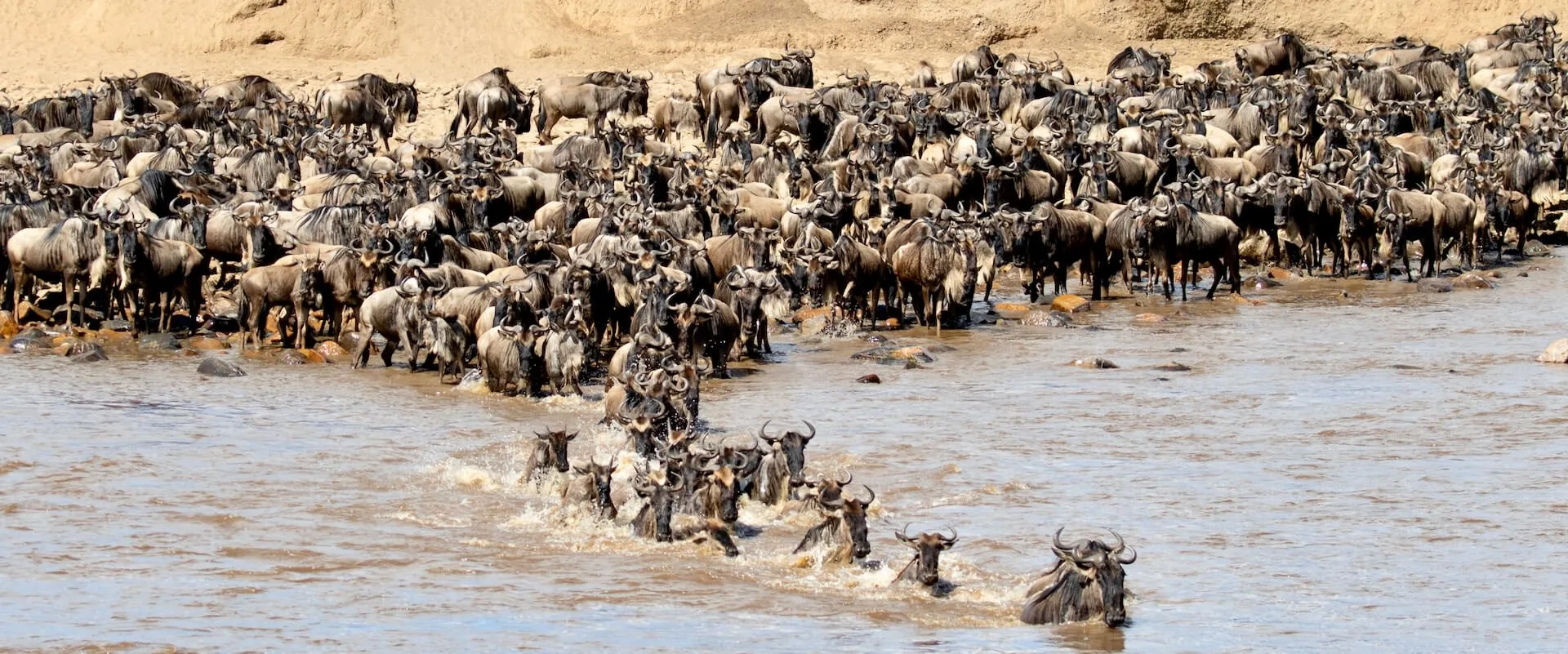
The Great Migration in Africa happens all year because the herds continuously circulate through the Serengeti–Mara ecosystem in…
Read article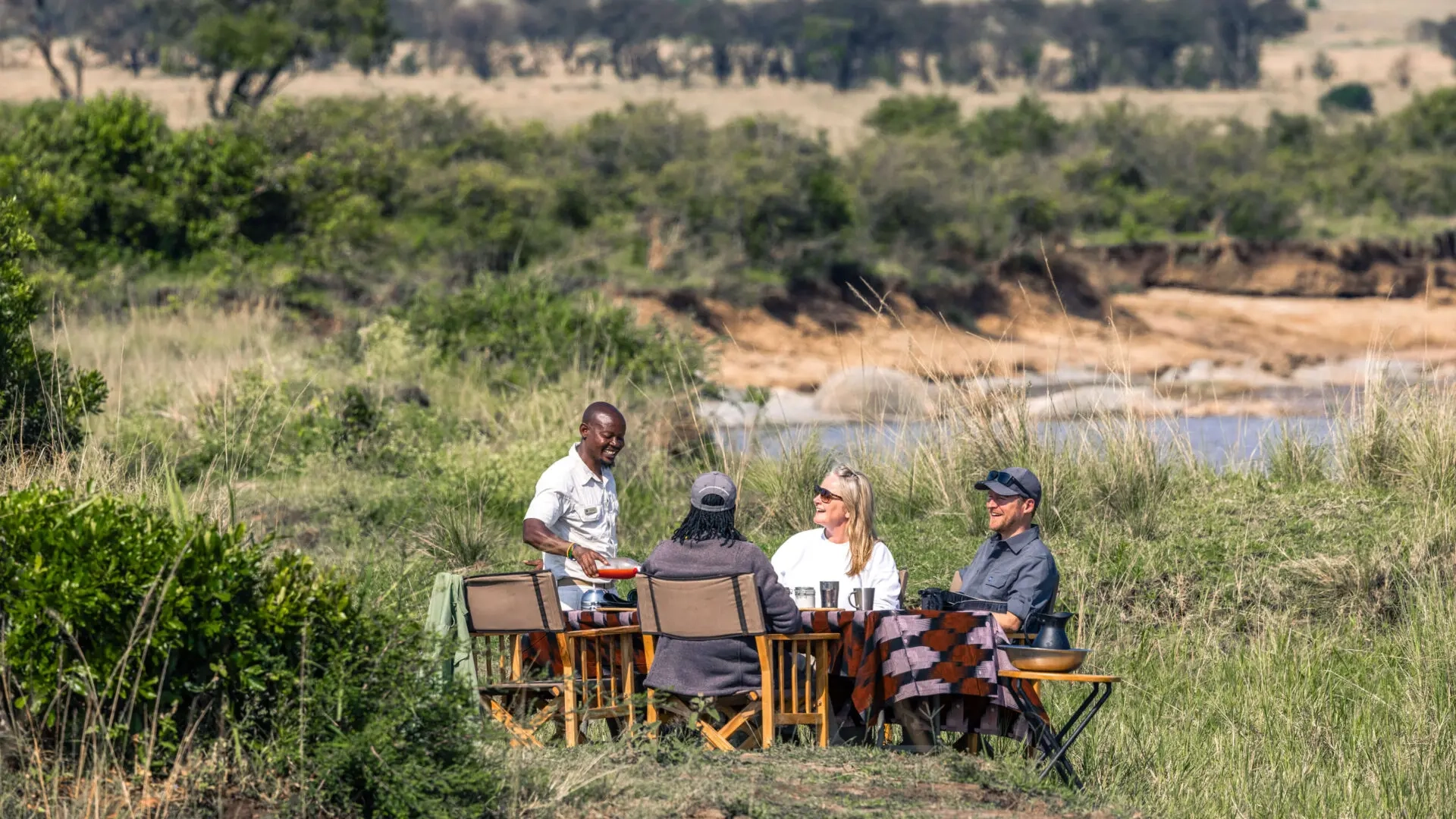
Definitive answer: A picnic lunch on safari is a packed or catered midday meal eaten at an approved…
Read article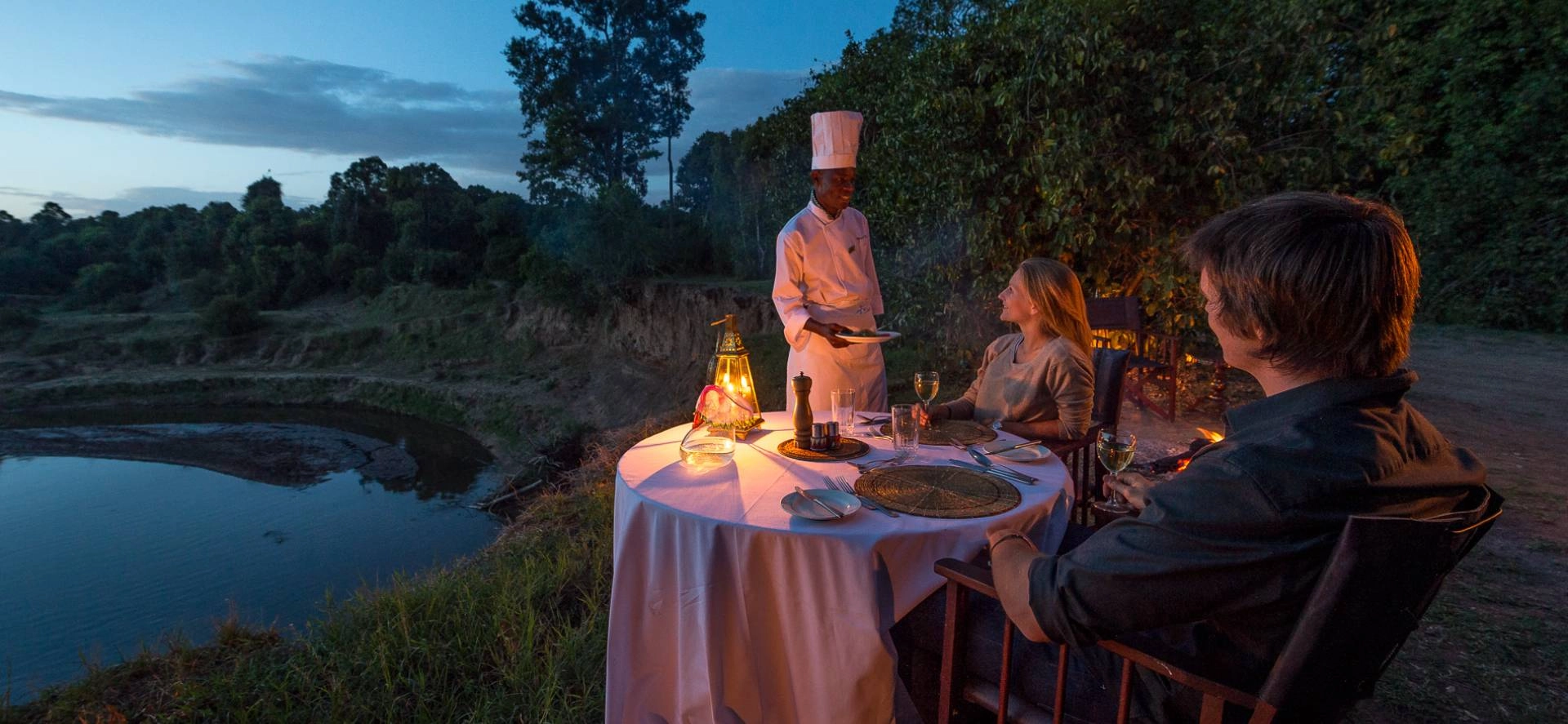
Definitive answer: A bush dinner is an outdoor evening meal arranged in a safe safari setting away from…
Read articleLet us take you closer to the wildlife, people and places that make Africa extraordinary.
Plan Your Safari Today