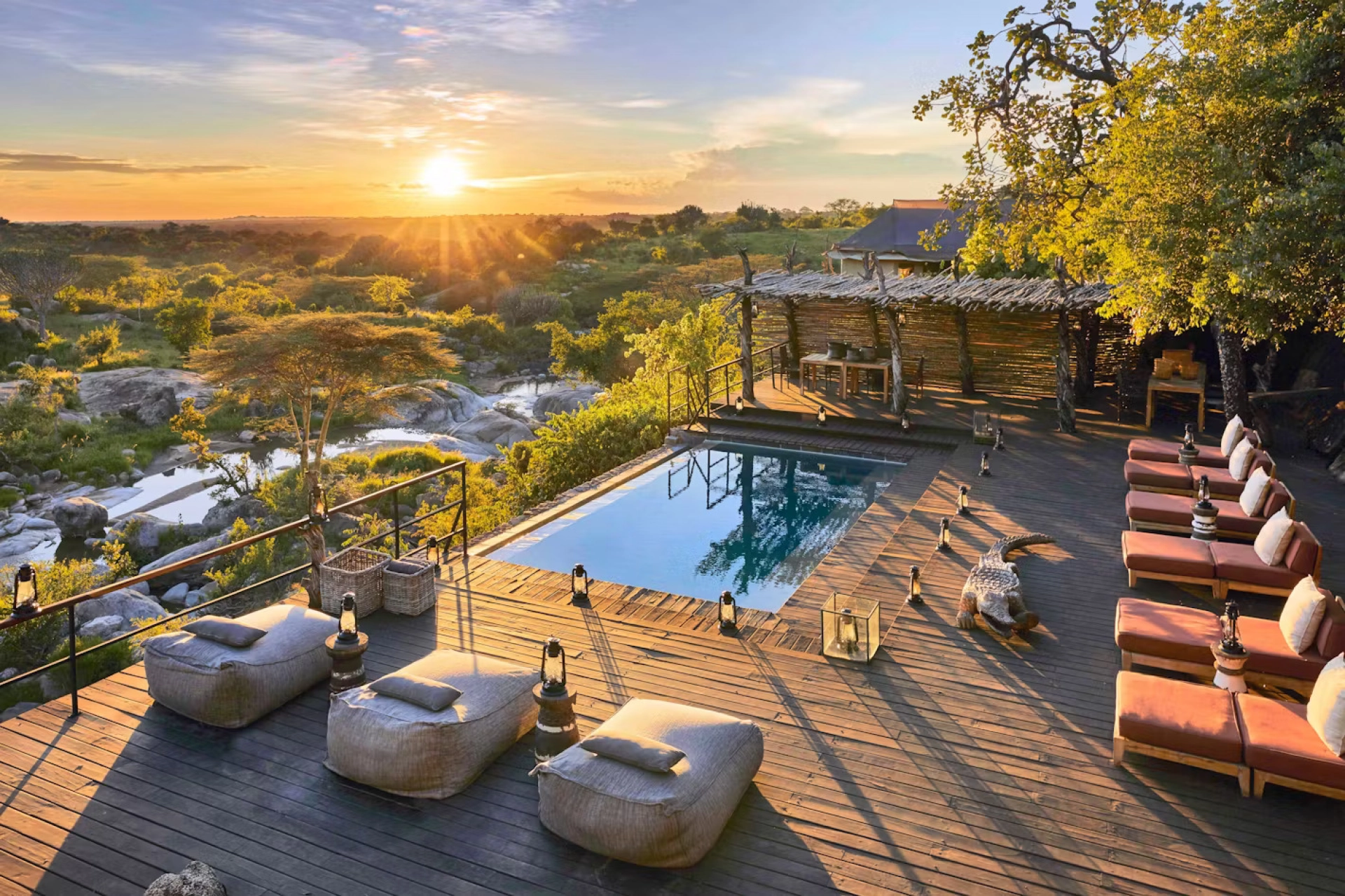
What should I look for when booking a luxury African safari?
When booking a luxury African safari, look beyond the room and compare the quality of guiding, wildlife location,…
Read article

Travel Guide
December is one of the most misunderstood months for planning an African safari. Travelers often assume there are only two possibilities. Either December must be an excellent time everywhere because it falls during the international Christmas…
December is one of the most misunderstood months for planning an African safari. Travelers often assume there are only two possibilities. Either December must be an excellent time everywhere because it falls during the international Christmas holiday period, or it must be a poor safari month because parts of Africa are experiencing seasonal rainfall. Neither assumption is correct.
Africa is far too large and environmentally diverse for December to mean the same thing from Uganda to Tanzania, Kenya, Botswana, South Africa or Namibia. In some regions, December produces lush landscapes, newborn animals, spectacular birdlife and lower wildlife-viewing pressure before the peak festive weeks. In others, hot temperatures and seasonal rainfall change the style of safari considerably. At high-demand lodges, Christmas and New Year can also be among the most expensive periods of the entire year even when December falls within the broader green season.
The best African safari destinations for December holidays are therefore not simply the places with the least rain. They are destinations where December’s seasonal conditions complement the experiences travelers actually want.
If your priority is mountain gorilla trekking, Uganda and Rwanda can be excellent. If you want to experience the Great Migration in a lush landscape, Tanzania becomes extremely interesting as the migration cycle turns increasingly toward southern portions of the Serengeti ecosystem. Kenya remains rewarding because its famous parks support resident wildlife throughout the year even when the largest migration herds are elsewhere. South Africa offers a completely different December experience, with warm summer conditions, green bushveld and excellent possibilities for combining safari with Cape Town. Botswana is lush and atmospheric rather than classically dry, which can suit photographers and experienced safari travelers beautifully.
December can also be one of the best times to build a safari and beach holiday in Africa because many travelers have enough annual leave to combine wildlife with Zanzibar, Kenya’s Indian Ocean coast or South Africa’s Cape region. The important thing is to choose the correct destination rather than searching for a mythical December location where weather, crowds, cost and wildlife are all simultaneously perfect.
Yes. December can be an excellent month for safari, but the experience is different from the classic July-to-September dry-season safari promoted in many brochures. In much of southern Africa, December occurs during the warmer rainy season. Landscapes that were dusty and pale several months earlier become green. Seasonal water becomes available. Migratory birds arrive. Many herbivores give birth during the broader summer period, bringing young animals into the ecosystem and creating fascinating opportunities to observe predator-prey relationships.
In parts of East Africa, December may coincide with shorter seasonal rains or transition toward comparatively drier conditions depending on the exact destination and year. Uganda and Rwanda remain viable for primate trekking throughout the month. Tanzania becomes increasingly compelling for travelers interested in the southern migration cycle. What changes most dramatically in late December is tourism demand. Christmas and New Year are international travel periods. Families, couples and multigenerational groups often have holidays simultaneously. High-quality safari lodges can therefore fill far in advance, and festive supplements may apply.
December can be green season ecologically while still being peak season commercially. That distinction is essential when planning.
There is no single African December climate. The equatorial and highland forests of Uganda and Rwanda experience different conditions from the Serengeti plains. Nairobi and the Masai Mara differ from the Kenyan coast. Botswana’s Okavango region differs from Cape Town. Namibia’s deserts behave differently again.
This is why weather apps showing a rain symbol beside an African destination can be misleading. In tropical and summer-rainfall climates, a forecast of rain does not necessarily mean twelve hours of continuous rain. There may be sunshine for much of the day followed by a powerful afternoon storm. Other days can be overcast. Conditions vary by altitude, locality and seasonal pattern.
Instead of trying to eliminate every possibility of rainfall, December safari travelers should ask whether the expected conditions interfere significantly with the activities they want to do. For most conventional game drives, they often do not. For gorilla trekking, rain means preparing properly with good boots and waterproof clothing. For photography, clouds and rain can actually improve the quality of light and atmosphere.
Uganda deserves to be high on the list of best African safari destinations in December, particularly for travelers wanting more than traditional savannah wildlife. A Uganda journey can combine mountain gorilla trekking in Bwindi Impenetrable National Park, chimpanzee trekking in Kibale National Park, game drives through Queen Elizabeth National Park, Nile wildlife cruises and game viewing in Murchison Falls National Park, and perhaps a more remote extension to Kidepo Valley National Park.
This diversity is particularly valuable during a December holiday because one journey can include several completely different ecosystems. Instead of spending the entire trip looking at savannah wildlife from a vehicle, travelers can walk through rainforest one day, cruise past hippos and elephants on another, and search for lions and buffaloes across open plains later in the itinerary.
Gorilla trekking in December can be highly rewarding. Mountain gorillas remain in the forest throughout the year. They do not migrate away during rainy periods, so the principal seasonal consideration concerns trekking conditions rather than animal availability.
Bwindi is a tropical rainforest and rainfall can occur in any month. Travelers should therefore never interpret “December gorilla trekking” as a guarantee of dry trails. Nevertheless, portions of December can offer comparatively favorable trekking conditions. The month is also popular because international visitors can use Christmas holidays for longer African trips. The forest itself can be exceptionally beautiful. Mist moves between ridges.
Vegetation is dense and green. Bird calls echo through the canopy. When a ranger finally locates the habituated gorilla family, the contrast between the physical journey through the forest and the quiet observation period becomes part of what makes the experience extraordinary. Good waterproof hiking boots, long trousers, gloves, a rain layer and a porter can greatly improve comfort.
A December Uganda safari should rarely be limited to Bwindi if the traveler has sufficient time. Driving north toward Queen Elizabeth National Park introduces classic savannah wildlife. The park’s varied habitats support elephants, buffaloes, antelopes, hippos, numerous birds and predators. A Kazinga Channel boat safari provides a completely different perspective from game drives, allowing travelers to observe animals along the water’s edge.
The combination is particularly valuable for first-time African travelers because it prevents the trip from becoming one-dimensional.
Adding Kibale National Park chimpanzee trekking creates another major primate experience. Chimpanzees behave very differently from gorillas. They are often more mobile, vocal and socially dynamic. Travelers can therefore experience two of Africa’s great ape encounters within the same holiday.
For primate enthusiasts, a December Uganda gorilla and chimpanzee safari is one of the continent’s richest possible journeys.
Rwanda is another strong December choice. The country’s compact geography allows travelers to reach Volcanoes National Park relatively efficiently from Kigali compared with the longer road circuits required in many African destinations. This makes Rwanda particularly attractive for travelers who have limited vacation time or who want to add gorilla trekking to a larger Kenya or Tanzania safari.
The Virunga highlands are wet, green and mountainous. Even during comparatively favorable periods, rain remains possible. Proper trekking equipment is therefore essential. Travelers who choose Rwanda for their December holiday often appreciate how easily the gorilla experience can be combined with golden monkey trekking, scenic highland exploration and other Rwanda destinations.
Travelers wanting a broader Rwanda experience can continue to Akagera National Park. Akagera offers a traditional savannah and wetland safari that contrasts beautifully with Volcanoes National Park. Instead of forest-covered volcanic slopes, the landscape opens into lakes, grasslands and woodland supporting a wide range of wildlife. This makes Rwanda a compelling short multi-ecosystem safari.
Tanzania is arguably one of the most interesting December safari destinations in Africa. The reason is not dry-season wildlife concentration. It is seasonal transformation. As rains rejuvenate parts of the Serengeti ecosystem, migration herds progressively respond to fresh grazing and movement patterns trend toward southern areas as the annual cycle continues.
By late December, depending on the year’s rainfall patterns, substantial numbers of wildebeest and zebra may be associated with the southern and southeastern ecosystem. Travelers need to understand that migration movements are ecological rather than calendar appointments. No operator can guarantee exactly where the largest herds will be on December 18 or December 27. But December is a highly interesting period from which to observe the ecosystem transitioning toward the famous southern calving season.
Many safari advertisements show the Serengeti as golden grass beneath a cloudless sky. December can look dramatically different. Fresh grass emerges. Storm clouds build above enormous horizons. The light can become soft and photographic. Wildebeest and zebra contrast against green plains. Predators remain part of the ecosystem. The combination can produce outstanding wildlife photography. Travelers who believe a safari must look dusty to be authentic miss one of Africa’s most beautiful seasonal transformations.
Central Serengeti remains important because of its resident wildlife. Lions, leopards, elephants, giraffes and numerous herbivores can provide excellent sightings even when major migration concentrations are elsewhere. For first-time travelers who want broad wildlife viewing rather than building the entire trip around the migration, central Serengeti can be a strong choice.
As conditions become favorable, southern areas and the wider Ndutu ecosystem become increasingly attractive. The broad open plains create superb visibility and are particularly associated with cheetahs. Travelers visiting late in the year may therefore begin seeing the ecosystem transition toward one of the world’s great seasonal wildlife concentrations.
The Ngorongoro Conservation Area complements Serengeti beautifully during December. The crater floor supports significant resident wildlife, meaning the experience does not depend on migration timing. Travelers can descend into the caldera and search for lions, buffaloes, zebras, wildebeest, hippos and other animals against one of Africa’s most unusual landscapes. Green vegetation can make the crater especially photogenic.
The high elevation also means conditions can feel much cooler than travelers expect from an African summer. Bring layers.
Tarangire is famous for dry-season wildlife concentrations, particularly elephants associated with dependable water. December presents a different version of the park. Wildlife becomes more dispersed as seasonal water becomes available, so game viewing may require more exploration. But the landscape becomes greener, birdlife is rewarding and the park’s baobabs remain visually spectacular. Travelers should therefore decide whether they want maximum dry-season concentration or a greener, quieter environmental experience.
Kenya remains an excellent safari destination in December even though the largest Great Migration concentrations are not necessarily in the Masai Mara. This is because the Masai Mara ecosystem supports substantial resident wildlife throughout the year. Lions do not leave simply because wildebeest herds move south. Cheetahs, elephants, giraffes, buffaloes, hyenas and numerous antelope species remain.
The idea that the Mara “closes” after migration season is one of the most persistent misconceptions in East African safari planning.
A Christmas safari in the Masai Mara can be beautiful. The landscapes may be greener. Clouds create excellent photographic conditions. Tourism demand can still be strong because families travel during school holidays. Travelers who want complete solitude should therefore not assume December automatically means empty lodges.
Amboseli National Park is one of Kenya’s iconic destinations for elephants. The presence of Mount Kilimanjaro on clear days creates the famous landscape compositions associated with the park. December weather can vary, but the combination of large mammals, open landscapes and seasonal greenery can be rewarding. A Kenya holiday combining Amboseli and the Mara provides strong ecological contrast.
Northern Kenya offers a different visual identity. The semi-arid environments around Samburu support wildlife adapted to these conditions and provide a useful alternative for travelers seeking something beyond the conventional Mara circuit. For a longer Kenya Christmas safari, combining southern and northern ecosystems creates far more variety than simply adding nights in several similar destinations.
South Africa is one of the strongest choices for travelers who want safari plus a broader holiday experience. December is summer. The bushveld is generally greener. Birdlife can be superb. Many mammals have young. Temperatures may be hot and afternoon storms possible. Rather than comparing December Kruger with an August Kruger and deciding one is better, travelers should understand that these are two different versions of the ecosystem.
The Greater Kruger ecosystem remains an excellent wildlife destination. Dense vegetation can make some animals harder to spot than during the dry season, but good guides understand how to work with seasonal conditions. Green backgrounds create excellent photography. Young animals add behavioral interest. Migratory birds increase avian diversity. The soundscape itself changes as insects, frogs and birds become more active. December safari in Kruger is therefore less about animals crowding around shrinking waterholes and more about experiencing a productive summer ecosystem.
Private reserves provide an especially attractive festive safari. Lodge-based itineraries usually include morning and afternoon game drives, meals and substantial downtime. Families and couples can spend Christmas surrounded by wildlife rather than navigating urban holiday crowds. High-quality properties can fill very early, however. Festive reservations should be made well in advance.
One of South Africa’s greatest December advantages is Cape Town. While Kruger experiences summer rainfall, Cape Town operates under a different seasonal climate pattern and December falls within its popular warm-season travel period. This makes a Cape Town and Kruger Christmas holiday particularly compelling. Travelers can begin with Table Mountain, the Cape Peninsula, beaches, restaurants and the Winelands before flying toward the safari region.
The result feels like two holidays within one journey.
Botswana is frequently marketed through images of dry-season elephants and floodplain wildlife, but December presents a radically different and equally fascinating ecosystem. Summer rains bring new growth. Landscapes become green. Many animals give birth.
Birding becomes exceptional. Storm clouds provide some of southern Africa’s most dramatic photographic conditions.
The Okavango Delta remains remarkable, but its seasonal water dynamics are complex and do not simply follow local rainfall. December travelers should choose camps according to the specific experience available in their chosen area. Some regions emphasize land-based game viewing. Others may provide water activities subject to local water conditions. For photographers and repeat safari travelers, December can be highly rewarding because the delta looks dramatically different from the classic dry-season version.
Chobe National Park remains famous for elephants, although wet-season availability of water means animals may disperse more widely than in the harsh dry months. This can reduce the enormous concentrations associated with peak dry season. In exchange, travelers receive green scenery, excellent birding and a dynamic summer ecosystem.
Namibia is less obvious as a December wildlife choice. Temperatures can be high, and wildlife around Etosha may be less concentrated than in the dry season because temporary water becomes available. However, Namibia’s attraction extends far beyond wildlife concentration. Sossusvlei, desert landscapes, Swakopmund and dramatic road journeys remain compelling. Summer storms can transform desert scenery and provide remarkable photographic conditions. Travelers whose primary priority is maximum Etosha wildlife density may prefer another season. Travelers interested in landscapes and a broader Namibia road journey can still find December rewarding.
Parts of Zambia and Zimbabwe enter the green season during December. Some seasonal safari camps may operate differently or close depending on location and access. This requires more careful itinerary research. However, Victoria Falls can be incorporated into broader southern African journeys, while accessible wildlife areas continue to provide safari possibilities. Travelers should choose specific lodges rather than assuming entire countries work identically during the rains.
December is one of the easiest times for families to travel because school holidays align. This makes family Christmas safaris in Africa especially popular. South Africa works exceptionally well for families because of its tourism infrastructure and variety. Kenya and Tanzania provide classic wildlife experiences. Uganda works beautifully for families with older children where activity age requirements are met. The biggest mistake is overloading the itinerary. Children rarely enjoy changing lodge every night. A family safari should contain longer stays, swimming or rest time and flexible private game drives where possible.
December can create a romantic safari, particularly when combined with a beach stay. A couple can travel through Serengeti and Ngorongoro before continuing to Zanzibar. Another can combine Greater Kruger with Cape Town. Uganda and Rwanda provide more adventurous primate-focused alternatives. Festive demand means honeymooners who want particular boutique properties should reserve early.
A Tanzania safari and Zanzibar holiday is one of the strongest December combinations. Safari creates early mornings, wildlife and adventure. Zanzibar slows everything down. Travelers can spend the first half of the journey exploring Serengeti and Ngorongoro, then fly to the coast for beaches and Swahili cultural experiences. December weather at the coast can be warm and tropical, with local conditions varying. Travelers should avoid making the beach portion so short that flights and transfers consume most of it.
Kenya provides another natural safari-and-beach combination. A wildlife journey through the Mara or Amboseli can be followed by the Indian Ocean coast. This avoids adding another country simply because Zanzibar has stronger international name recognition. For travelers already flying through Nairobi, the Kenya-only combination can simplify logistics.
Christmas Day in a safari lodge feels very different from Christmas at home. There may be no traffic, shopping centers or elaborate urban celebrations. Instead, you might begin the day before sunrise. Coffee arrives while the bush is still dark. The vehicle leaves as birds begin calling. Perhaps lions are finishing a night hunt. Perhaps elephants cross the road. Perhaps the morning is quiet and the landscape itself becomes the experience.
Back at the lodge, properties may arrange festive meals or special dinners depending on their style. But the most memorable part is usually not the Christmas decoration. It is the fact that the holiday takes place in wilderness.
Late December can be expensive. Many lodges introduce peak or festive-season pricing. Minimum-night requirements can apply. Internal flights fill. Family rooms become scarce. Popular gorilla permits and premium safari camps can sell out. Travelers seeking good value should compare early and mid-December with Christmas week. The difference can be significant.
For value-conscious travelers, often yes. Early December can deliver many of the same environmental advantages without the highest festive demand. Visitors may encounter lower accommodation rates and better availability. Those who specifically need school holidays, however, may have little flexibility. In that case, early booking becomes the primary strategy.
December packing depends heavily on destination. East African safari clothing should remain lightweight and layered. Uganda and Rwanda gorilla travelers need waterproof hiking footwear and rain protection. Southern African travelers should prepare for summer heat and rain. A lightweight waterproof jacket is useful almost everywhere. Sun protection remains essential even during cloudy conditions. Photographers should bring weather protection for cameras. For Cape Town combinations, pack comfortable city and coastal clothing in addition to safari wear.
December can be exceptional for photographers precisely because it is not the traditional dry season in many destinations. Green backgrounds separate tawny predators beautifully. Storms create dramatic light. Clouds soften harsh midday conditions. Newborn animals create behavioral storytelling opportunities. Migratory birds add color. The trade-off is that dense vegetation can occasionally make animals more difficult to locate. A skilled guide becomes particularly important.
Both Uganda and Rwanda provide year-round gorilla trekking. Uganda often appeals to travelers who want to combine gorillas with a longer, more diverse wildlife itinerary. Rwanda provides efficient access from Kigali and can work particularly well as a premium short extension. The “better” destination depends on budget, routing and desired experiences.
For migration-focused travel, Tanzania deserves particular attention as the annual ecosystem begins emphasizing southern areas according to seasonal conditions.
Do not select a lodge solely because the address says “Serengeti.” Match accommodation location with the likely seasonal movement.
South Africa remains an excellent option. Kenya and Tanzania also offer superb traditional wildlife. Rwanda’s Akagera can add Big Five-oriented game viewing to a gorilla itinerary. No safari operator should guarantee every Big Five species on a particular trip because wildlife remains wild.
A first-time visitor seeking the classic East African experience might choose Tanzania or Kenya. Someone who wants primates as well as wildlife might choose Uganda. Travelers wanting safari, city experiences and minimal border complexity might choose South Africa. There is no universal winner.
Yes. December offers excellent opportunities across East and southern Africa, although seasonal conditions differ significantly by destination.
Uganda, Rwanda, Tanzania, Kenya and South Africa are all strong options depending on whether you prioritize gorillas, migration, Big Five wildlife, beaches or family travel.
Yes. Gorilla trekking operates throughout the year in Uganda and Rwanda.
Yes. The Serengeti can be green and highly productive, with migration activity progressively associated with southern areas as seasonal conditions develop.
Yes. The Mara supports excellent resident wildlife throughout the year even when the largest migration herds are elsewhere.
Yes. Kruger is lush and warm, with excellent birding and opportunities to see young animals. Visibility can be different from the dry season because vegetation is denser.
Yes for travelers who appreciate green landscapes, birding, young wildlife and atmospheric photography. It is a different experience from peak dry season.
Not necessarily. Rainfall patterns vary enormously and often occur as localized showers or storms rather than continuous rainfall.
Christmas and New Year are high-demand travel periods, and many lodges use festive or peak-season rates.
For Christmas and New Year travel, booking well in advance is strongly recommended, particularly for gorilla permits, family rooms and popular camps.
A successful December African safari begins by deciding what you actually want from the holiday. For mountain gorillas, focus on Uganda or Rwanda. For the changing Great Migration ecosystem, Tanzania becomes particularly compelling. For classic Kenya wildlife with excellent resident predators, consider the Masai Mara and complementary parks. For safari combined with a major city and coastal holiday, South Africa is difficult to beat. For green-season wilderness and birding, Botswana deserves consideration.
At Adventure in the Wild Safaris, multi-country journeys can also connect Uganda gorilla trekking, Rwanda gorillas, Kenya safaris and Tanzania wildlife safaris according to available time and regional logistics.
December does not have one perfect safari destination. That is precisely what makes planning interesting. Choose Uganda if you want mountain gorillas, chimpanzees and traditional wildlife within one remarkably diverse safari. Choose Rwanda if you want efficient gorilla access and a compact itinerary.
Choose Tanzania if you want the Serengeti’s green-season transformation and the migration cycle moving toward the southern ecosystem. Choose Kenya if you want year-round Mara wildlife, Amboseli elephants and easy safari combinations. Choose South Africa if you want a warm summer safari combined with Cape Town, the Winelands or a broader holiday. Choose Botswana if you understand that green-season wilderness can be every bit as fascinating as dry-season concentration.
And if you have enough time, combine destinations. A December holiday can begin among gorillas in Bwindi, continue onto Tanzania’s plains or take you from lions in Kruger to the restaurants and coastline of Cape Town. The important thing is not avoiding every raindrop. It is choosing a destination whose December conditions create the kind of African experience you want.
The grass may be greener. The sky may carry enormous storm clouds. Young animals may be appearing. Birds may be arriving from distant regions. A sudden tropical shower may interrupt a game drive before sunlight breaks through twenty minutes later. That is not a compromised safari. That is Africa in December—and when the destination is chosen intelligently, it can be one of the most beautiful times of the year to experience the continent.

Share This Article
When booking a luxury African safari, look beyond the room and compare the quality of guiding, wildlife location,…
Read article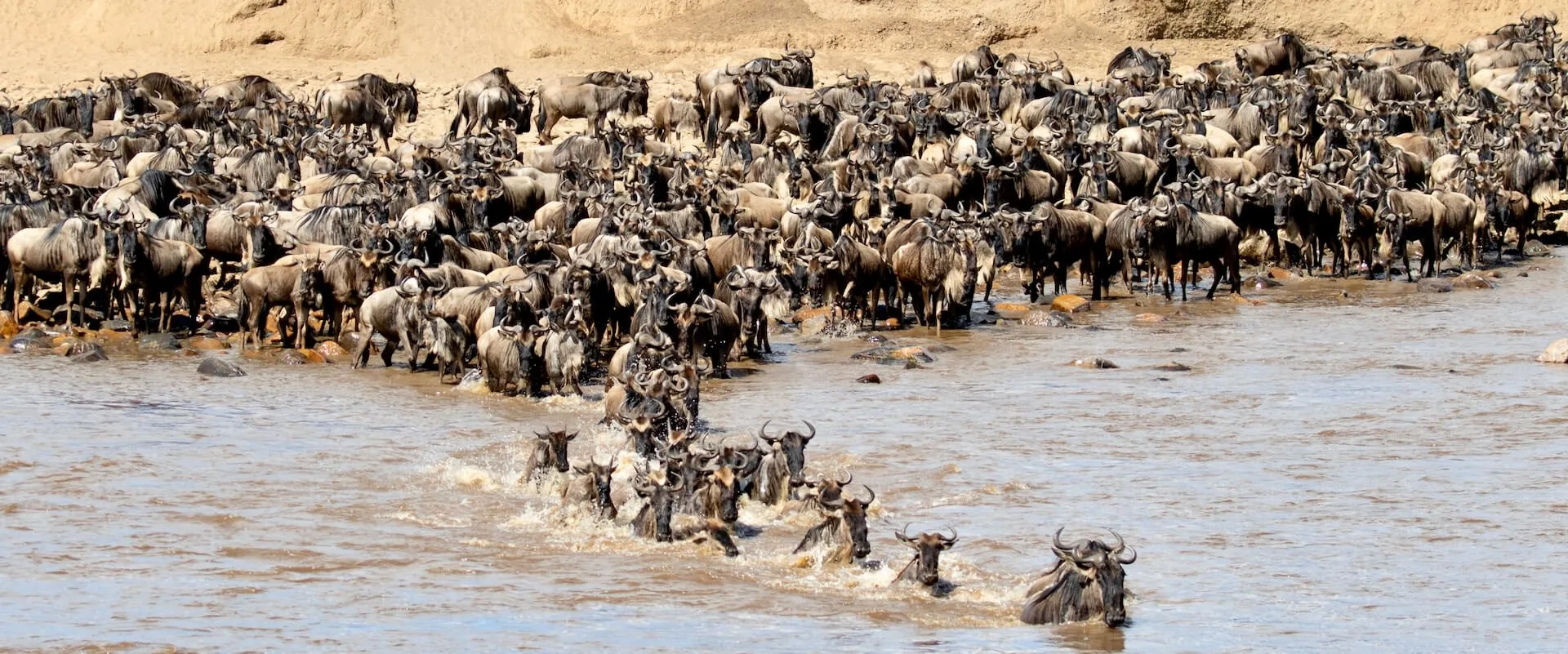
The Great Migration in Africa happens all year because the herds continuously circulate through the Serengeti–Mara ecosystem in…
Read article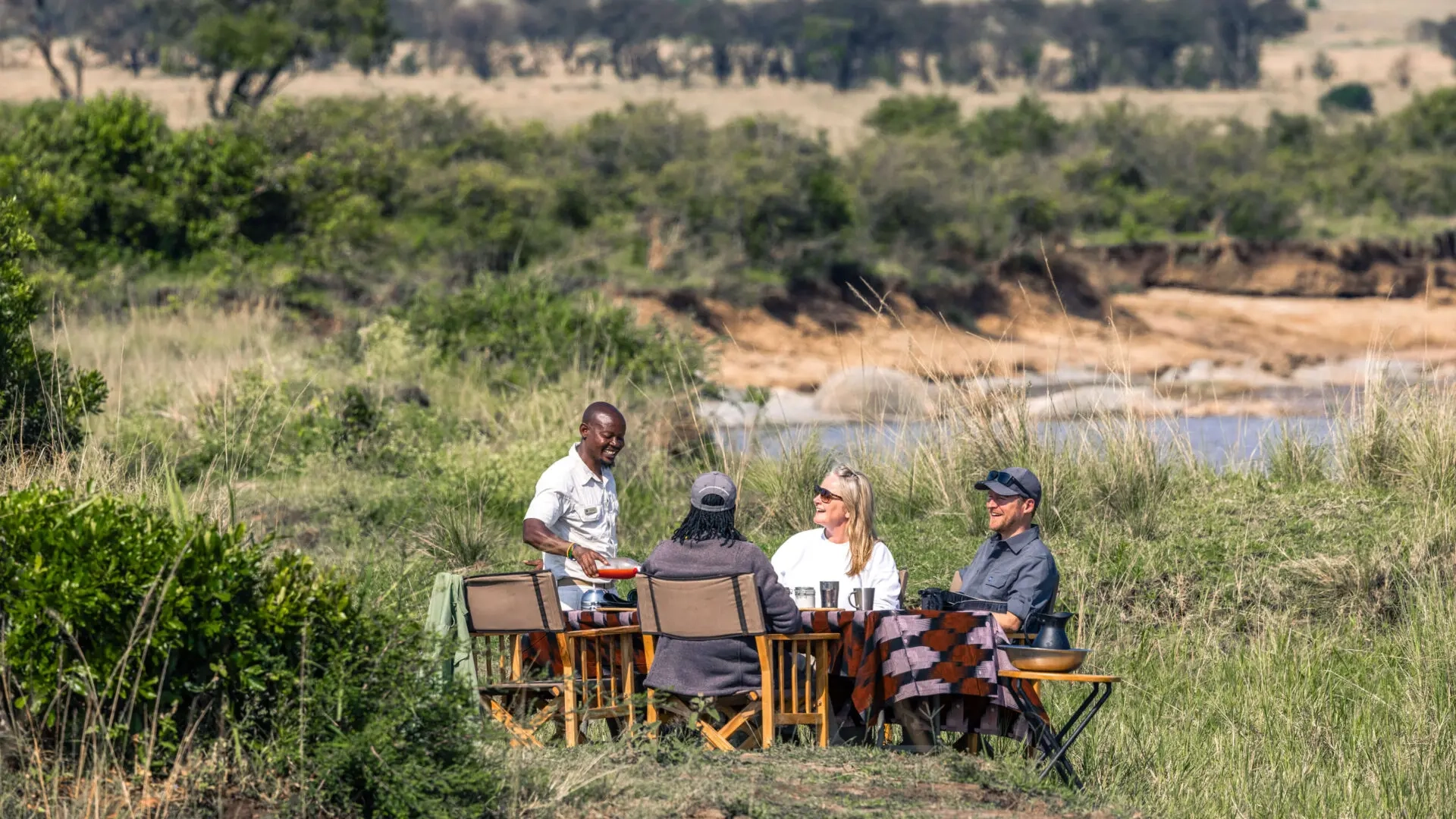
Definitive answer: A picnic lunch on safari is a packed or catered midday meal eaten at an approved…
Read article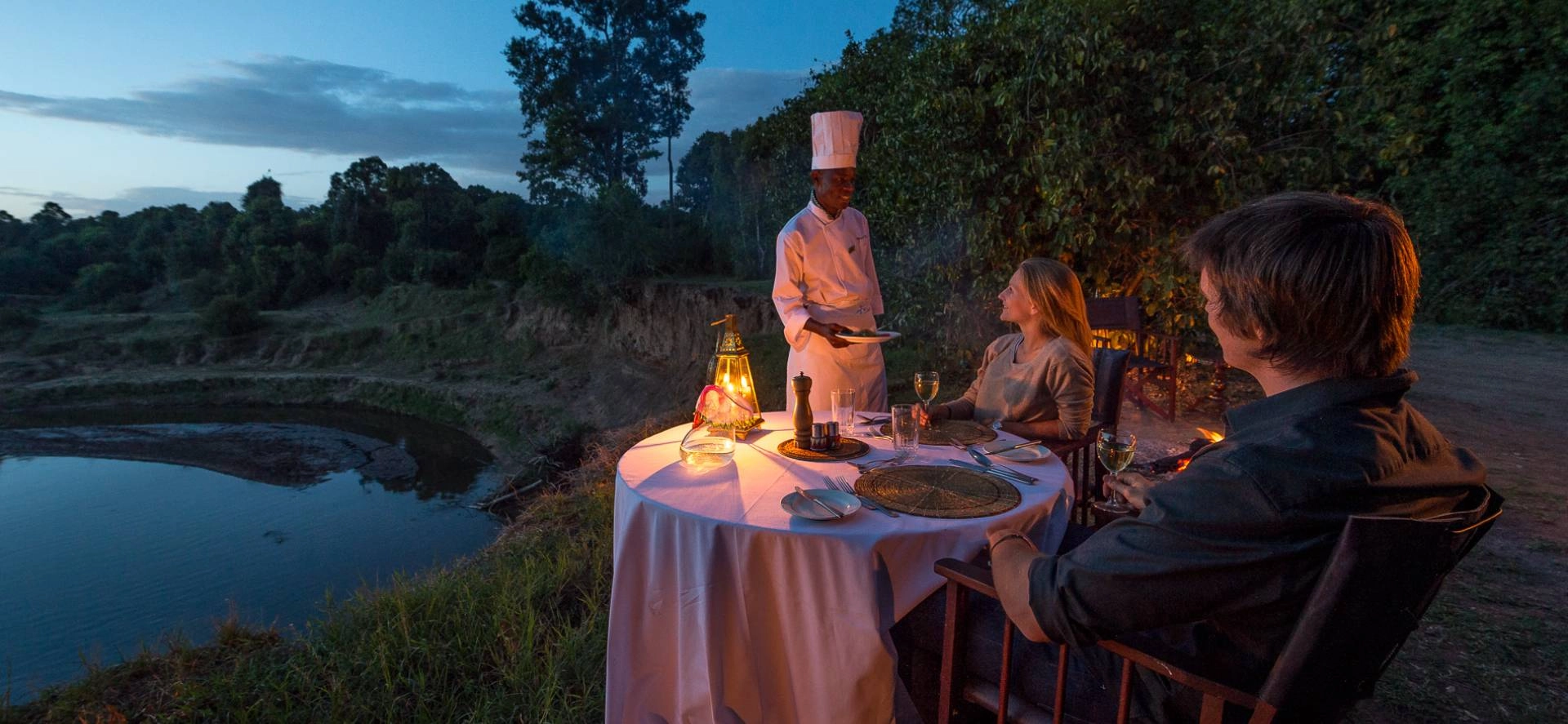
Definitive answer: A bush dinner is an outdoor evening meal arranged in a safe safari setting away from…
Read articleLet us take you closer to the wildlife, people and places that make Africa extraordinary.
Plan Your Safari Today