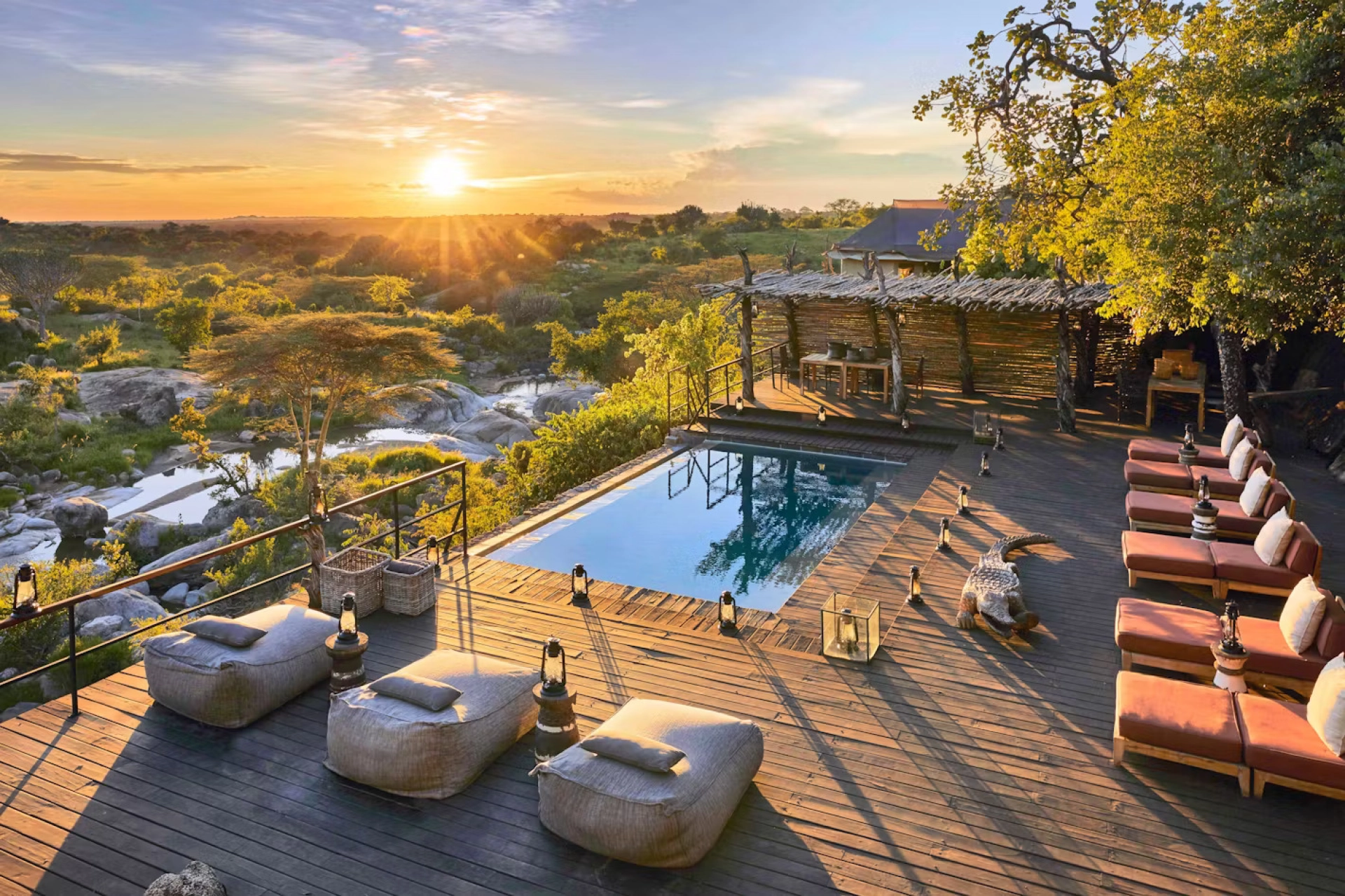
What should I look for when booking a luxury African safari?
When booking a luxury African safari, look beyond the room and compare the quality of guiding, wildlife location,…
Read article

Travel Guide
Victoria Falls is one of those rare African destinations that works equally well as the centre of a holiday or as the spectacular finale to a longer safari. The Zambezi River approaches a broad basalt gorge…
Victoria Falls is one of those rare African destinations that works equally well as the centre of a holiday or as the spectacular finale to a longer safari. The Zambezi River approaches a broad basalt gorge before plunging dramatically over the falls, producing spray, rainbows and a thunderous landscape that has fascinated travellers for generations. The falls straddle the international boundary between Zimbabwe and Zambia, creating two major tourism gateways: Victoria Falls town in Zimbabwe and Livingstone in Zambia.
Yet the waterfall itself is only the beginning. Within relatively easy reach are some of southern Africa’s most important wildlife destinations. Chobe National Park in Botswana is famous for elephants and river-based wildlife viewing. Hwange National Park in Zimbabwe offers extensive savannah wilderness and excellent game viewing.
Zambia provides access to national parks and the northern side of Victoria Falls. Longer journeys can connect Victoria Falls with Botswana’s Okavango Delta, Namibia’s Caprivi/Zambezi region, South Africa’s Kruger ecosystem or other southern African destinations. This makes the region ideal for travellers searching for affordable Victoria Falls safari packages. Instead of purchasing an expensive standalone holiday focused only on the waterfall, visitors can combine the falls with game drives, river safaris and cross-border wildlife experiences.
The key is choosing combinations that are geographically sensible. A budget safari should reduce unnecessary cost without turning the holiday into a marathon of transfers.
The greatest advantage is geography. Victoria Falls lies close to the point where Zimbabwe, Zambia, Botswana and Namibia approach one another. This creates unusual multi-country possibilities. A traveller can sleep near Victoria Falls and reach Botswana for a Chobe experience without taking a long domestic flight. Longer overland itineraries can continue through northern Botswana. Regional air connections can extend the journey toward South Africa or East Africa. This means travellers can build anything from a 3-day Victoria Falls holiday to a two-week southern African safari.
Both sides provide access to Victoria Falls, but the experience differs according to water level, season, accommodation and itinerary. The Zimbabwean town of Victoria Falls has a well-developed tourism infrastructure and is convenient for travellers combining the falls with Hwange or Botswana. Livingstone in Zambia is another major tourism centre and works naturally with Zambian itineraries. The correct choice should not be based on simplistic claims that one side is always “better.”
Water levels change. Viewpoints differ. The rest of the safari matters. For some itineraries, crossing the border and seeing both sides can be worthwhile.
The appearance of the falls changes dramatically with the Zambezi’s seasonal water cycle. During higher-water periods, enormous volumes of water produce spectacular spray. This can be visually overwhelming. The spray may also obscure portions of the gorge. During lower-water periods, the geological structure becomes more visible and some activities may operate differently. The “best” season therefore depends on whether you prioritise maximum water, clearer views, particular adventure activities or safari conditions elsewhere in the region.
Yes. Low water does not make Victoria Falls disappear. The experience changes. More rock structure may become visible. The spray can be less overwhelming. Photography conditions differ. Some travellers actually prefer being able to see more of the gorge. The important thing is arriving with realistic seasonal expectations.
Two nights can work for a short visit. Three nights provides more flexibility. This allows time to explore the falls, enjoy a Zambezi activity and potentially add a day trip. Travellers combining Victoria Falls with a full Chobe or Hwange safari do not need to remain beside the waterfall for a week. The objective is balance.
It can be, but it does not have to be. Luxury hotels and premium activities can raise costs rapidly. Budget guesthouses, mid-range lodges and simpler accommodation provide alternatives. The largest savings usually come from deciding which optional activities genuinely matter. A helicopter flight, rafting, sunset cruise and multiple premium dining experiences can together cost more than additional safari nights. Prioritise.
If wildlife is your main reason for travelling to Africa, allocate more nights to the safari. Victoria Falls is spectacular, but the core waterfall experience does not require five consecutive days. A traveller with seven nights might spend two or three around Victoria Falls and the remainder in Chobe or Hwange. This produces far greater diversity.
One of the strongest Victoria Falls safari combinations is Victoria Falls plus Chobe National Park in Botswana. The destinations are geographically close enough to combine efficiently. Chobe is especially famous for elephants. The Chobe River creates a completely different safari environment from the waterfall. Travellers can experience game drives on land and boat safaris on the river. This combination delivers enormous wildlife value without requiring a long expedition.
The contrast is immediate. At Victoria Falls, water is experienced as geological power. At Chobe, water becomes wildlife habitat. Elephants approach the river. Hippos occupy channels. Crocodiles rest along banks. Buffaloes gather near water. Birdlife can be outstanding.
A Chobe River safari is therefore not simply another boat trip after seeing Victoria Falls. It reveals a completely different ecosystem.
Yes, day trips from the Victoria Falls region are widely used. This can be an efficient option for travellers with very limited time. However, staying overnight in or around Chobe usually creates a richer safari. Day visitors operate within a fixed transfer schedule. Overnight guests can experience additional morning and evening wildlife periods. If budget permits, two nights around Chobe can offer significantly better value than a rushed single-day visit.
Choose the day trip when time is extremely limited or Victoria Falls is the main focus. Choose an overnight stay when wildlife is a major priority. The cost rises, but so does the experience. One of the most common safari budgeting mistakes is saving money by reducing the very activity the traveller crossed the world to experience.
Hwange National Park is Zimbabwe’s flagship wildlife destination and a natural partner for Victoria Falls. The park’s extensive landscapes support elephants, lions, buffaloes, giraffes, antelopes and many other species. African wild dogs are among the highly sought-after predators in the broader ecosystem. Hwange can be reached by road or other transport arrangements depending on the itinerary and lodge.
For travellers wanting to remain entirely within Zimbabwe, this is one of the best safari combinations.
Staying within one country reduces international border formalities. Road transfers can be incorporated. A range of accommodation categories exists. The park also feels substantially more remote than the tourism centre around Victoria Falls. This contrast creates a satisfying itinerary. Begin with the spectacle of the waterfall. Then move into the quieter rhythm of safari.
Three nights is a strong starting point. Two can work. Four provides more depth. Wildlife is unpredictable. Additional nights increase the number of morning and afternoon viewing periods. A one-night safari rarely represents the best use of transport cost.
Travellers often ask which one they should choose. But Victoria Falls is not directly comparable with the wildlife parks. It is a natural-landscape destination. Chobe and Hwange are safari ecosystems. Between Chobe and Hwange, priorities matter. Choose Chobe if river wildlife and elephants strongly appeal. Choose Hwange if you want a deeper Zimbabwean safari and broader wilderness experience. Choose both if time permits.
Combining all three creates an excellent compact southern African journey. The route provides waterfall scenery, river safari and terrestrial wildlife. Because the destinations are relatively close by African standards, the itinerary does not require constant flying. This can be one of the strongest budget southern Africa safari itineraries for travellers who want maximum diversity from roughly a week to ten days.
A sensible itinerary might begin with Victoria Falls, continue to Chobe and then move into Hwange, or reverse the sequence depending on flight logistics. The exact order matters less than avoiding unnecessary backtracking. A professional operator should explain why the route has been selected.
The Okavango Delta represents a substantial upgrade in both wilderness character and, frequently, cost. Botswana’s Delta is one of Africa’s most extraordinary ecosystems. Seasonal floodwaters spread through channels, lagoons and islands. Safari activities can include game drives, mokoro excursions, motorboat safaris, walking and birding depending on camp location and water conditions. The challenge is price. Remote camps can be expensive. Transfers may involve light aircraft. However, budget-conscious travellers can still incorporate the Delta through carefully selected areas and accommodation styles.
Avoid assuming that the most famous luxury fly-in camp is the only way to experience Botswana. Consider Khwai, Maun-based arrangements, mobile camping and other value-focused options. Travel outside the highest-demand periods where appropriate. Combine road and air transfers strategically. Use shared activities rather than private guiding. The objective is not to make the Okavango cheap. It is to make it better value.
The Khwai region can provide excellent wildlife viewing and access to varied safari activities depending on exact operating area. Its location near Moremi and the wider Okavango ecosystem makes it attractive for overland itineraries. Mobile camping and modest tented camps can reduce accommodation costs compared with ultra-luxury Delta lodges. For travellers building a Victoria Falls Botswana budget safari, Khwai deserves serious consideration.
This is one of southern Africa’s classic combinations. Victoria Falls provides the natural landmark. Chobe provides elephants and river safari. The Okavango provides wetland wilderness. The itinerary works especially well for travellers with eight to twelve days. The main budget question is how to reach and experience the Delta. A fully fly-in itinerary costs more.
An overland or mixed road-and-flight route can reduce expense.
Travellers using Livingstone can combine Victoria Falls with a wider Zambia safari. Zambia is particularly respected for wilderness experiences and walking-safari traditions. Its major safari areas are not necessarily as geographically close to Livingstone as Chobe is, so transport planning becomes important. This combination suits travellers who want Victoria Falls to be the gateway to a deeper Zambian journey rather than merely an extension from Botswana.
Zambia’s safari identity often emphasises wilderness, professional guiding and walking. Travellers returning to Africa may appreciate the opportunity to experience wildlife at a different pace. Walking shifts attention away from simply collecting mammal sightings. Tracks, plants, sounds and ecological relationships become more important. This can create a richer second or third safari.
Namibia can be connected with the Victoria Falls region through the country’s northeastern corridor, commonly associated with the Zambezi Region. This creates an interesting overland route between Botswana, Namibia and Victoria Falls. The landscape differs greatly from Namibia’s famous southern deserts. Rivers and wildlife become more prominent. Longer journeys can eventually continue toward Etosha and the Namib. However, travellers should respect the distances involved. Namibia is enormous.
No. This is exactly the kind of map-based misconception that creates exhausting itineraries. Victoria Falls and Namibia’s desert attractions can certainly be combined, but substantial distance separates them. Use enough days. Consider flights where appropriate. Do not compress the itinerary merely to say you visited another country.
Kruger National Park and the Greater Kruger private reserves in South Africa can be combined with Victoria Falls through regional flight arrangements. This creates a classic Big Five plus waterfall itinerary. Kruger offers a broad spectrum of safari prices. Public national-park accommodation can be relatively affordable. Private reserves provide more inclusive and premium experiences. The combination therefore works across different budgets.
Kruger’s mature infrastructure makes it approachable. Visitors can choose self-drive, guided game drives or private lodge safaris. Wildlife diversity is excellent. Accommodation options are broad. A traveller can therefore spend strategically. Use affordable accommodation for part of the safari, then upgrade for a few nights in a private reserve before or after Victoria Falls.
If you have seven nights total, spend more of them around Kruger. For example, four or five safari nights and two or three nights around Victoria Falls generally creates a stronger wildlife holiday than dividing the time equally. If waterfall sightseeing is the primary objective, reverse the emphasis. There is no universal rule.
Overland camping is one of the most effective ways to reduce costs across southern Africa. Travellers share a safari vehicle and transport expenses. Accommodation may use tents and established campsites. Meals can be prepared collectively by the safari crew. The journey itself becomes part of the experience. This style works especially well for Botswana and Victoria Falls budget tours.
Travellers who value adventure, social interaction and cost efficiency. Solo travellers benefit from shared transport. Younger travellers often enjoy the communal atmosphere, although overland safaris are not restricted to a particular age. The important question is comfort expectation. A basic camping trip is very different from a luxury mobile tented safari. Know which product you are purchasing.
Accommodation varies enormously. Some trips use small dome tents and shared campsite bathrooms. Others combine camping with simple lodges. Upgraded overland trips may use permanent rooms throughout. Do not assume “overland” means one accommodation standard. Read the itinerary carefully.
They can be, if your expectations match the product. Long driving days are sometimes unavoidable. Dust and heat are part of the journey. Camping requires participation and flexibility. But the savings can allow travellers to experience several countries for a fraction of the cost of a luxury fly-in safari. The trade-off is part of the adventure.
Travellers with two weeks or more can combine Zimbabwe, Botswana, Zambia, Namibia and South Africa selectively. The key word is selectively. Trying to visit all five in ten days creates a transportation holiday. A well-designed multi-country safari identifies the strongest ecosystems and creates a logical route between them. For example, Victoria Falls, Chobe, Khwai and the Okavango Delta already provide an outstanding trip. There is no requirement to add another country merely because it is nearby.
The first principle is to protect the experiences that matter. If seeing elephants on the Chobe River is essential, do not remove Chobe simply to save money.
Save elsewhere. Choose a simpler room at Victoria Falls. Skip an expensive helicopter flight. Use a shared transfer. Travel during a shoulder period. Spend fewer nights in a premium lodge. Budgeting should remove luxury before it removes purpose.
Victoria Falls and Livingstone offer accommodation across multiple price levels. Budget guesthouses and hostels can dramatically reduce cost. Mid-range hotels provide more facilities without reaching luxury pricing. The most expensive properties may offer exceptional views, historic atmosphere or extensive inclusions. Ask whether you will actually use those extras. If you plan to spend the entire day exploring, a simpler room may be entirely adequate.
The cheapest property can become poor value if transport is constantly required. Check its position relative to the falls, town facilities and activity pickup arrangements. A slightly more expensive central property can save time and transfer costs. This is particularly relevant for solo travellers.
Inside or close-to-park accommodation often improves wildlife access. But it can cost more. For budget travellers, the decision should depend on the park. At Chobe, accommodation around Kasane provides convenient access to both river and game-drive activities. In other destinations, staying deeper within a wildlife area can substantially improve early-morning safari time. Compare experience, not just room price.
Camping usually reduces accommodation cost. A lodge provides greater convenience. For many travellers, a mixed itinerary works best. Camp in Botswana. Use a comfortable hotel at Victoria Falls. Upgrade for the final night. There is no reason every night must use the same comfort category.
A shared Victoria Falls safari can dramatically reduce cost for solo travellers and couples. Vehicle and guide expenses are divided among passengers. Private safaris offer greater flexibility. Families and groups of friends may find that private transport becomes surprisingly economical once costs are divided among several people. Always compare both.
Accommodation pricing and safari demand vary seasonally. However, the cheapest month is not automatically the best-value month. Water levels at the falls change. Safari wildlife conditions change. Rain affects roads and vegetation. The objective should be finding a season where the activities you value remain strong while demand is lower. This is a better approach than selecting dates purely from hotel prices.
Rain can create lush landscapes. Cloud formations become dramatic. Birding can be excellent. The falls’ water volume changes as the river system responds to rainfall over time. Safari areas can become greener and wildlife distribution may differ from dry-season patterns. Photographers often appreciate the colour.
Dryer conditions can concentrate animals around permanent water sources in many southern African ecosystems. The Chobe River becomes particularly important for wildlife. Elephant sightings can be outstanding. Demand can also increase. Budget travellers should therefore book early for popular periods.
Chobe remains an important wildlife destination throughout the year, but the experience changes seasonally. Dry-season river concentrations are famous. Green-season landscapes can be beautiful and bird-rich. Different travellers prefer different conditions. There is no need to assume only one narrow window is worth visiting.
The falls themselves should be the priority. After that, activities depend on interest. A Zambezi sunset cruise provides a relaxed introduction to the river. A scenic helicopter flight provides extraordinary aerial context. Adventure activities appeal to travellers seeking adrenaline. Cultural and historical experiences provide another dimension. But you do not need to book everything.
A helicopter flight reveals the geological structure of the falls in a way ground viewpoints cannot. From above, travellers can appreciate the Zambezi approaching the gorge and the zigzagging canyon downstream. It is expensive relative to ordinary sightseeing. If budget allows and aerial scenery strongly appeals, it can be memorable. If money is limited, additional safari time may provide better value.
A sunset cruise is generally calmer and more affordable than some premium adventure activities.
Wildlife may be observed along the river depending on location and conditions. The main attraction is atmosphere. After a travel day or walking around the falls, an evening on the river can provide useful downtime.
The Zambezi below Victoria Falls is internationally famous for white-water rafting. Operating conditions depend on water levels and safety assessments. This is a serious adventure activity rather than a casual boat ride. Travellers should use reputable professional operators and understand physical requirements.
Certain famous experiences are highly dependent on water levels and operational conditions. Travellers should never assume an activity operates year-round. Safety decisions can change according to river conditions. Plan around the falls first. Treat seasonally dependent extras as bonuses rather than the foundation of the holiday.
The destination can work extremely well for families. The waterfall provides immediate visual impact. Wildlife can be added through Chobe or Hwange. However, activity age restrictions must be checked. A family itinerary should not be built around adult adventure activities and then attempt to accommodate children afterward.
Victoria Falls combines easily with romantic safari lodges. A honeymoon can include a premium room near the falls, a sunset cruise and then several nights in Botswana or Hwange. Strategic luxury works particularly well. Instead of paying luxury rates for every night, upgrade the nights where location or privacy adds genuine value.
Solo travellers can use group transfers and scheduled activities to control cost. Overland departures are especially useful. Victoria Falls itself is a major tourism centre where joining activities is straightforward. The largest challenge is accommodation single supplements and private transfer costs. Group travel solves much of this.
Photography changes dramatically with water level. Heavy spray can create rainbows but also challenge lenses. Waterproof camera protection is valuable. Wide-angle lenses work well for landscapes. A telephoto lens becomes more useful when the itinerary continues into Chobe or Hwange. Photographers should bring cleaning materials because spray and dust may occur within the same holiday.
Lightweight clothing works well in warm conditions. A waterproof layer is extremely useful when spray is heavy. Protect cameras and phones. Comfortable walking shoes are important because exploring viewpoints involves walking. Sun protection remains essential. For the safari portion, add neutral clothing and warmer layers for early-morning drives.
Malaria risk exists in parts of the broader region. Individual health decisions should be discussed with a qualified travel-health professional before departure. The correct recommendation depends on route, season and medical history. Use mosquito-avoidance measures regardless of medication decisions.
Victoria Falls multi-country itineraries can involve several international borders. Entry requirements depend on nationality and can change. Travellers should confirm current official immigration rules for Zimbabwe, Zambia, Botswana, Namibia or South Africa according to their exact route. Do not rely on an old travel blog for visa eligibility.
A Chobe day trip from Victoria Falls involves immigration formalities because Botswana is another country. Carry required travel documents. Follow operator instructions. Border procedures take time. This should be incorporated into the day’s schedule.
Both can be useful depending on itinerary and airfare. Victoria Falls Airport serves the Zimbabwe side. Harry Mwanga Nkumbula International Airport serves Livingstone in Zambia. The correct gateway depends on accommodation, safari routing, visa requirements and flight schedule. Do not choose an airport solely because the airfare appears slightly cheaper before checking transfer implications.
Cape Town adds a completely different experience: mountains, Atlantic coastline, food, wine regions and urban attractions. Regional flights can connect the destinations. A Cape Town, safari and Victoria Falls holiday is particularly suitable for first-time southern Africa travellers. Kruger can be inserted between them for wildlife.
Johannesburg is an important aviation hub and gateway to parts of the South African safari circuit. Some travellers pass through rather than spending significant tourism time there. Flight routing can make Johannesburg a practical connection between Victoria Falls and Kruger.
For travellers seeking an exceptionally diverse African journey, southern Africa can be combined with Uganda gorilla trekking. Victoria Falls and Botswana provide water-based landscapes and savannah wildlife. Uganda introduces tropical forests, mountain gorillas and chimpanzees. Regional flights make the combination possible, although it is best suited to longer itineraries.
Victoria Falls can also be combined with Kenya or Tanzania. A traveller might experience the Serengeti or Masai Mara before flying south toward Victoria Falls. This is a substantial trip and should not be rushed. Twelve to sixteen days or more provides a much stronger experience than trying to connect major East and southern African destinations in one week.
Strictly speaking, the waterfall itself is primarily a natural attraction rather than a traditional wildlife safari destination. But the wider region makes it an outstanding safari gateway. This distinction is useful. Do not spend five days waiting for safari animals beside the falls when Chobe or Hwange is nearby. Build the wildlife component
For a short trip, combine Victoria Falls and Chobe. For a Zimbabwe-focused holiday, combine Victoria Falls and Hwange National Park. For approximately a week or more, combine Victoria Falls, Chobe and Hwange. For a Botswana-focused journey, combine Victoria Falls, Chobe, Khwai and the Okavango Delta. For a longer southern African adventure, add Namibia or South Africa only when enough time exists. The exact itinerary should follow available nights, season and budget.
Multi-country marketing is attractive. “Four countries in ten days” sounds impressive. But border crossings are not wildlife experiences. Airports are not safari activities. A passport stamp does not compensate for leaving an excellent park after one night. Spend enough time in each ecosystem to understand it. This principle becomes even more important for budget travellers because transport consumes money quickly.
If you have to choose between a more luxurious Victoria Falls room and an extra Chobe safari night, a wildlife-focused traveller should seriously consider the safari night. If you have to choose between a premium hotel lobby and a professional guide, choose the guide. If you have to choose between visiting five parks quickly and three parks properly, choose three. This is how an affordable African safari becomes a good safari rather than merely a cheap one.
Adventure in the Wild Safaris can combine Victoria Falls tours with Botswana safaris, Chobe National Park, Okavango Delta safaris, Zimbabwe wildlife tours, South Africa safaris, Namibia itineraries and East African extensions. The starting point should be your priorities. If Victoria Falls is the dream, give it enough time. If elephants are the priority, build around Chobe. If wilderness matters most, consider Hwange or the Okavango. If the budget is limited, use simpler accommodation and shared transport. If this is a honeymoon, strategically upgrade a few nights. If you are a photographer, protect safari time and vehicle space. If you are travelling alone, consider scheduled departures that distribute transport costs.
A strong safari company should not simply add destinations until the quotation reaches your maximum budget. It should identify where each dollar produces the greatest improvement in experience.
Standing beside Victoria Falls is extraordinary. You hear the river before fully understanding its scale. Spray rises above the gorge. Rainbows appear and disappear. The landscape feels powerful enough to overwhelm ordinary perspective. But one of the greatest advantages of travelling here is what lies beyond the falls. A few days later you might be watching elephants crossing the Chobe floodplain. You might be following lion tracks in Hwange.
You might be gliding quietly through the Okavango in a mokoro. You might be camping beneath Botswana stars. Or you might continue toward Kruger, Namibia or another African region entirely. This is why the best Victoria Falls safari tours are not simply waterfall packages with a rushed game drive attached. They use Victoria Falls as one extraordinary component of a broader African journey. And travelling on a budget does not prevent that. A budget traveller sees the same waterfall. The same elephants enter the Chobe River.
The same lions walk through Hwange. The same African sunset spreads across the horizon. The difference lies in how you sleep, how you move between destinations and how many premium extras you purchase. Spend carefully. Travel slowly enough. Choose geographically logical destinations. Protect wildlife time. And allow Victoria Falls to become the gateway to one of the most rewarding southern African safari adventures you can experience.
Get quick answers to the most common questions. If you still have questions, our safari experts are here to help.
Chobe National Park and Hwange National Park are two of the strongest nearby options. Chobe is particularly famous for elephants and river safaris, while Hwange provides a broader Zimbabwe wilderness experience.
Yes. Botswana is commonly combined with Victoria Falls, particularly through Chobe and longer Okavango itineraries.
Yes, but an overnight stay provides more safari time and generally a deeper wildlife experience.
Two to three nights suits many travellers, with additional nights allocated to surrounding safari destinations.
Neither side is universally better. The answer depends on water level, itinerary, accommodation and personal priorities.
Yes. Accommodation categories vary, and shared transfers and group activities can reduce cost.
Yes. Regional aviation makes South Africa and Victoria Falls a popular combination.
Yes. This is one of southern Africa’s classic safari combinations.
Botswana can be expensive, particularly for remote luxury fly-in camps. Mobile camping, Khwai, shared safaris and carefully designed overland routes can improve value substantially.
Chobe is easier and generally less expensive to combine with Victoria Falls. The Okavango offers a more remote and distinctive wetland wilderness. With enough time and budget, include both.
Yes. The ecosystems and safari styles differ. Combining them creates greater variety.
It can be spectacular, but it is optional. Travellers on strict budgets may prefer spending the money on additional wildlife viewing.
Yes, although individual adventure activities may have age restrictions.
Shared road transfers, group safaris, budget accommodation and a geographically compact Chobe or Hwange itinerary usually provide stronger value than multiple flights and remote luxury camps.
Our safari experts are here to help you plan your safari. Get personalized advice, the latest information and a free, no-obligation quote.
We typically reply within a few hours.

Share This Article
When booking a luxury African safari, look beyond the room and compare the quality of guiding, wildlife location,…
Read article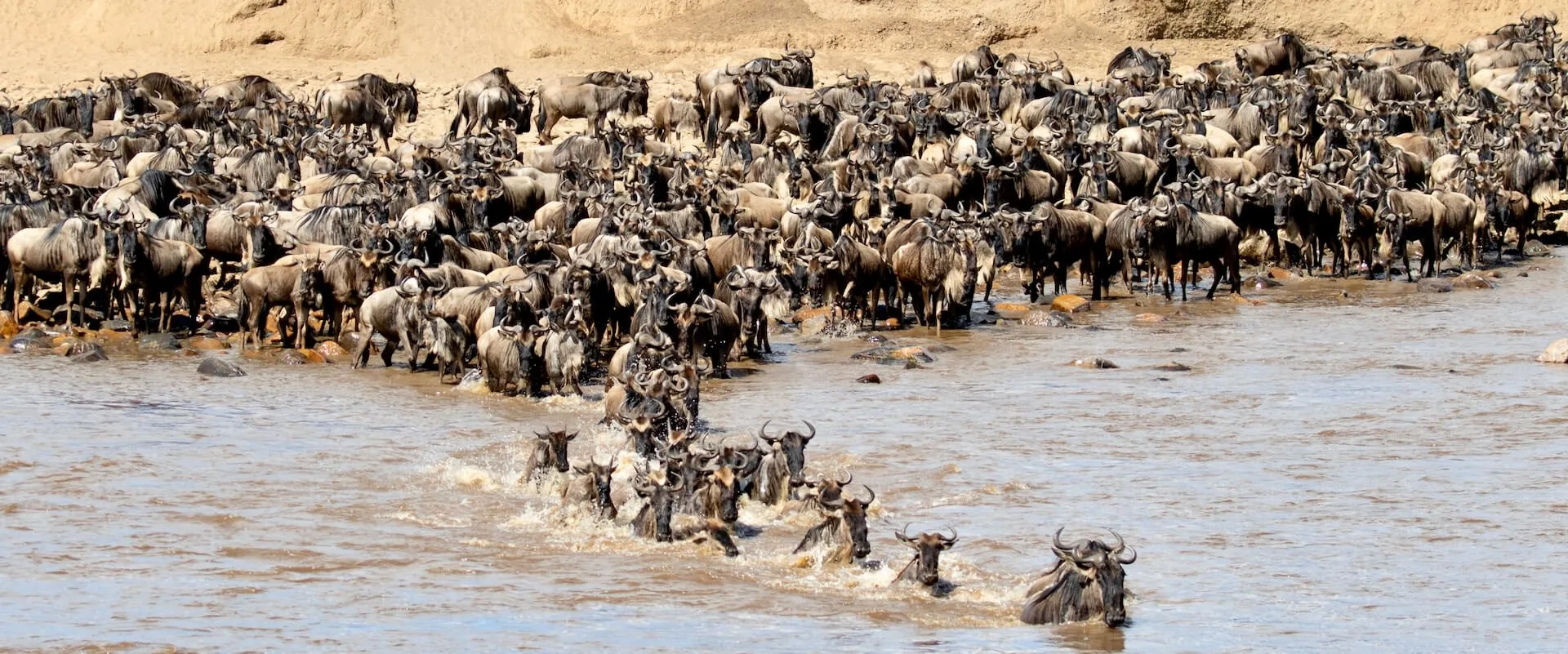
The Great Migration in Africa happens all year because the herds continuously circulate through the Serengeti–Mara ecosystem in…
Read article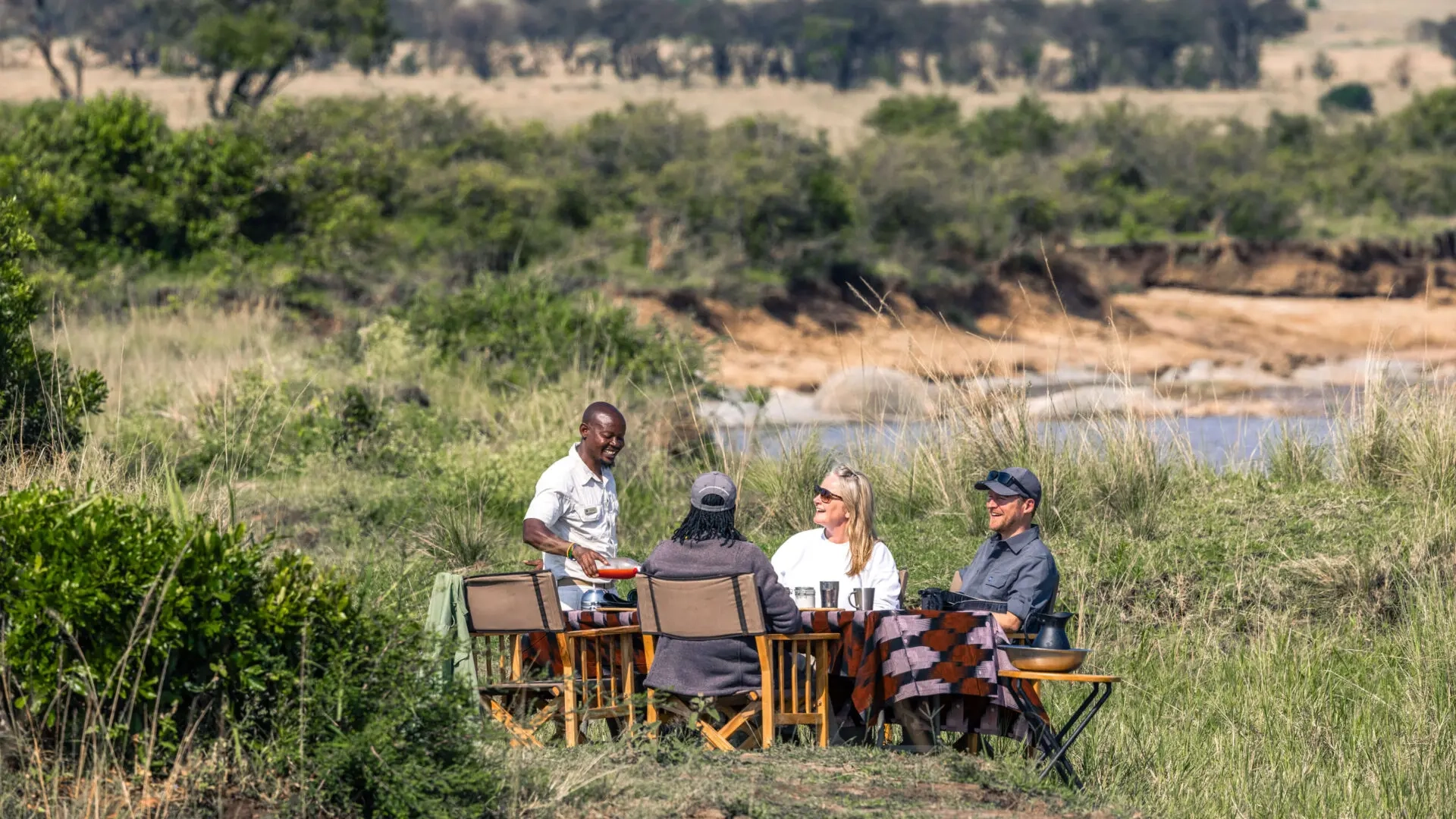
Definitive answer: A picnic lunch on safari is a packed or catered midday meal eaten at an approved…
Read article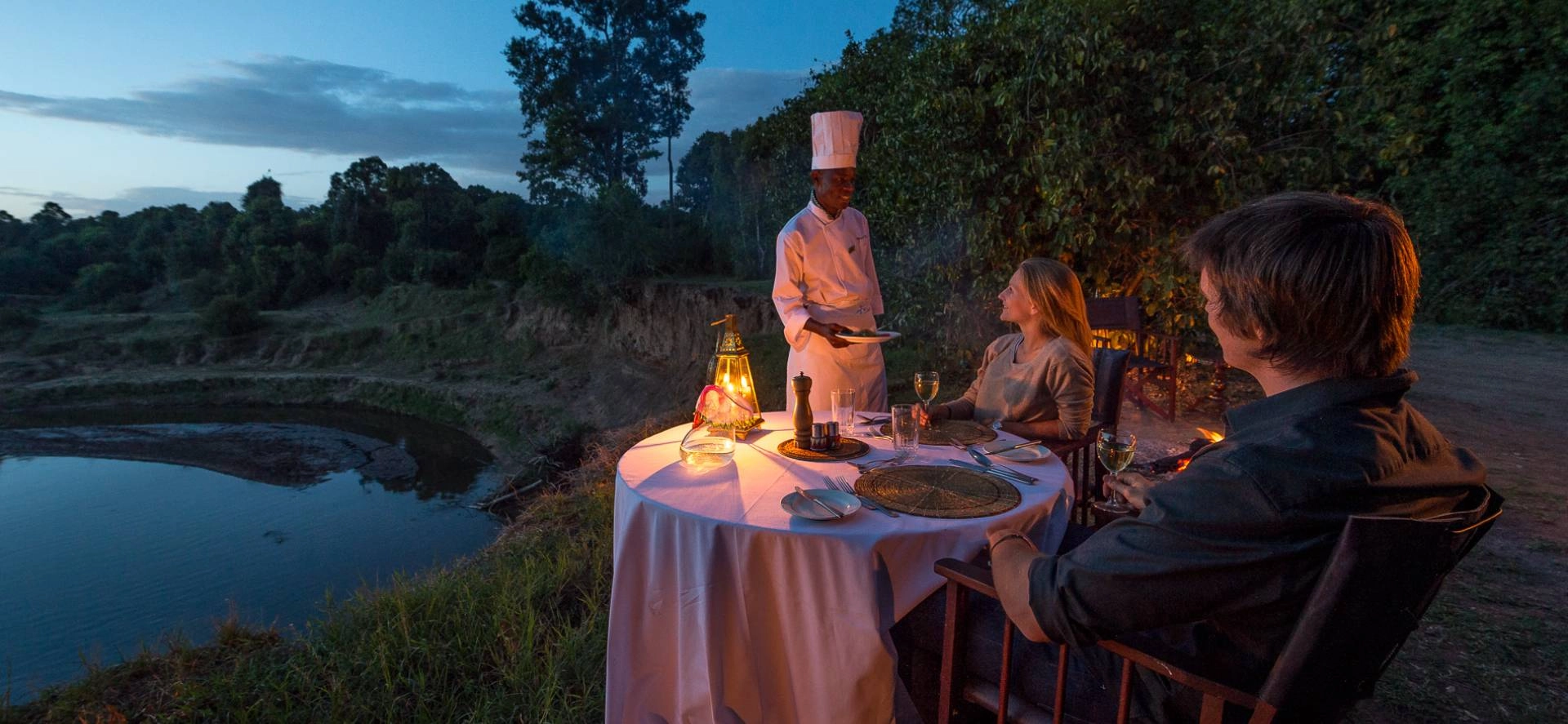
Definitive answer: A bush dinner is an outdoor evening meal arranged in a safe safari setting away from…
Read articleLet us take you closer to the wildlife, people and places that make Africa extraordinary.
Plan Your Safari Today