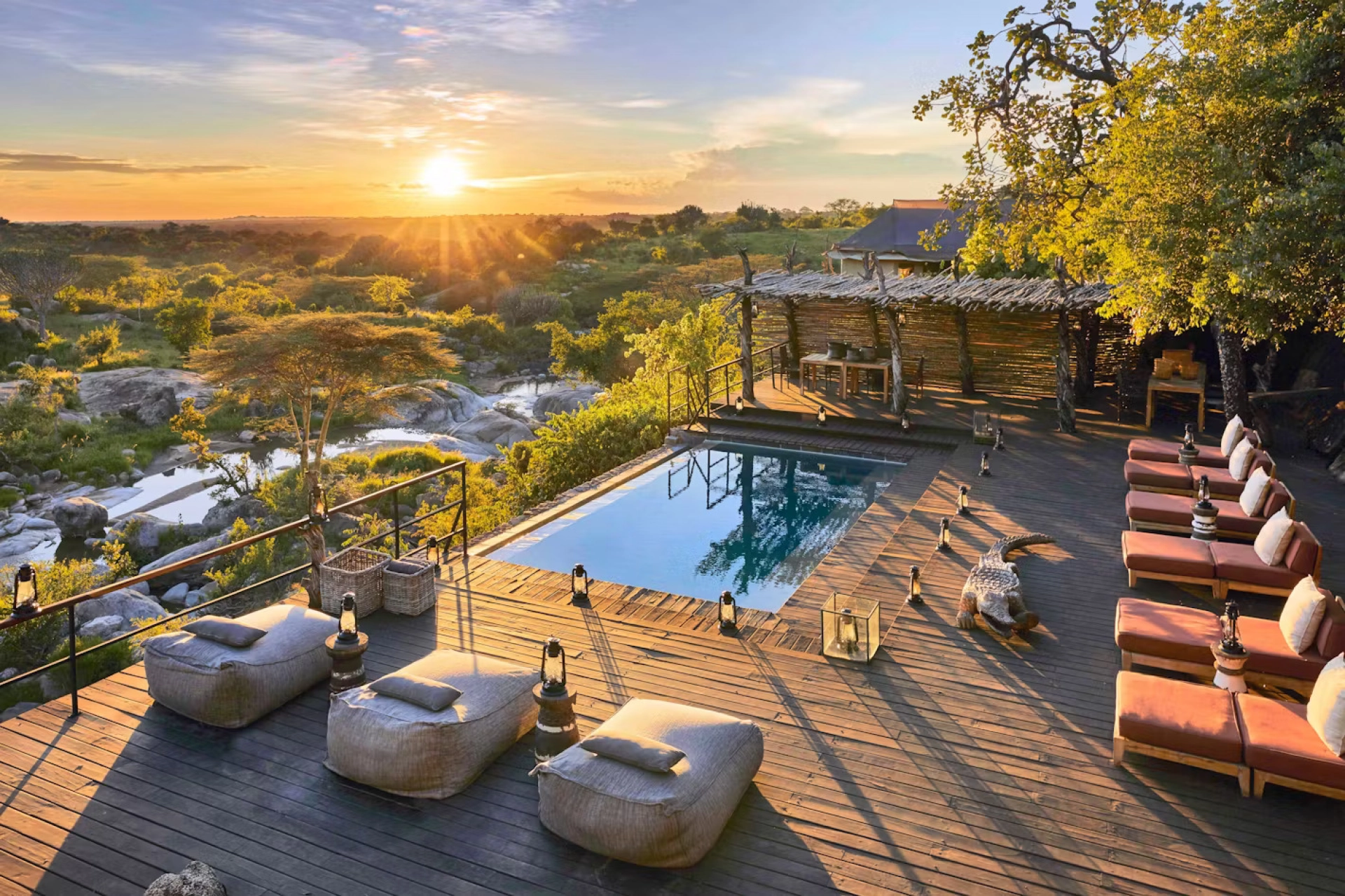
What should I look for when booking a luxury African safari?
When booking a luxury African safari, look beyond the room and compare the quality of guiding, wildlife location,…
Read article

Travel Guide
For many travelers planning their first journey into the African wilderness, few experiences are more exciting than setting out in search of the legendary Big Five animals of Africa. Lions resting beneath an acacia tree, elephants…
For many travelers planning their first journey into the African wilderness, few experiences are more exciting than setting out in search of the legendary Big Five animals of Africa. Lions resting beneath an acacia tree, elephants moving silently across an open plain, a leopard emerging from thick woodland, buffalo gathering beside a waterhole and a rhinoceros walking through the golden grass are among the defining images of an African wildlife safari.
But Africa is enormous, and Big Five sightings are not distributed evenly across the continent. Choosing the best Big 5 safari in Africa therefore requires more than simply selecting a country where all five species occur. Wildlife density, habitat, conservation success, accessibility, safari costs, season, reserve size and the quality of guiding can dramatically influence your chances of seeing the animals.
Some destinations offer outstanding opportunities to encounter all five species within a few days. Others combine Big Five game viewing with enormous migrations, spectacular scenery, luxury safari lodges or affordable camping safaris. There are also destinations where one member of the Big Five—particularly the rhinoceros—is considerably more difficult to find. This guide explores some of the best places to see the Big Five in Africa, explains what makes each destination special and helps you decide where to plan your next African safari.
The African Big Five are the lion, leopard, African elephant, rhinoceros and African buffalo.
The term has historical roots. During the era of colonial big-game hunting, hunters used “Big Five” to describe five African animals considered particularly difficult and dangerous to hunt on foot. Fortunately, the meaning of the phrase has changed dramatically. Today, encountering the Big Five is primarily associated with wildlife photography, conservation and responsible African safaris.
Modern travelers search for these species through binoculars and camera lenses rather than hunting rifles. Many of Africa’s greatest national parks and private reserves depend heavily on tourism revenue to fund habitat protection, anti-poaching programs and local employment. The Big Five have consequently become powerful symbols of the wider African wilderness.
The African lion is perhaps the most recognizable safari animal on the continent. Lions are social cats that generally live in prides consisting of related females, cubs and one or more adult males. They occur in several major safari regions across eastern and southern Africa, including the Serengeti National Park, Masai Mara National Reserve, Kruger National Park, South Luangwa National Park and Botswana’s northern wilderness. Although lions are frequently associated with open grasslands, they can occupy surprisingly varied environments ranging from woodland to semi-desert landscapes.
Early mornings and late afternoons are often particularly rewarding for lion sightings because the cats become more active as temperatures cool.
Of all the Big Five animals, the African leopard is often the most elusive. Leopards are solitary, secretive predators capable of disappearing into vegetation within seconds. Their spotted coats provide exceptional camouflage in woodland, riverine forest and rocky landscapes. Certain safari destinations have nevertheless developed exceptional reputations for leopard sightings. South Africa’s private reserves adjoining Kruger National Park, including areas within the Greater Kruger ecosystem, are especially famous for close leopard encounters.
The Sabi Sand Nature Reserve is frequently regarded as one of Africa’s finest destinations for travelers whose priority is photographing leopards.
The African elephant is the world’s largest terrestrial mammal and one of the most impressive animals encountered on safari. Watching an elephant herd approach a waterhole can become one of the defining memories of an African journey. Herds are generally led by experienced females known as matriarchs, while mature bulls may live independently or form temporary bachelor associations. Excellent elephant populations occur throughout eastern and southern Africa. Botswana is particularly famous for its elephants, while destinations such as Chobe National Park, Kruger National Park, Amboseli National Park and several Tanzanian reserves provide outstanding opportunities to observe them.
The African buffalo, sometimes called the Cape buffalo, can appear less glamorous than lions or leopards at first glance. Yet close encounters quickly reveal why these powerful bovids earned their place among the traditional Big Five. Buffalo may gather in enormous herds numbering hundreds of individuals. They are commonly encountered in ecosystems containing permanent water and productive grasslands. Kruger, Serengeti, Masai Mara, Ngorongoro and many other major safari destinations support healthy buffalo populations.
Old bulls separated from larger herds are sometimes referred to as “dagga boys.”
The rhinoceros is usually the most challenging member of the Big Five to find. Africa contains two surviving rhino species: the black rhinoceros and white rhinoceros. Both have suffered devastating declines caused primarily by poaching and habitat loss. Southern Africa remains particularly important for rhino conservation. Several national parks and privately protected areas maintain significant populations, although precise information about their locations is deliberately restricted for security reasons. Travelers should never pressure guides or lodges for sensitive rhino location information. Responsible safari operators prioritize conservation over sightings.
There is no single destination that is perfect for every traveler. If your primary objective is maximizing the probability of seeing all five species during one relatively short safari, South Africa is extremely difficult to beat. Kruger National Park and adjoining private reserves support all five species, offer excellent tourism infrastructure and accommodate almost every travel budget. However, travelers seeking enormous savannah landscapes and the drama of the Great Wildebeest Migration may prefer Tanzania or Kenya.
Those seeking exclusive wilderness and lower vehicle densities might favor Botswana. Understanding these differences makes it easier to select the best African Big Five safari for your interests.
For sheer accessibility, wildlife diversity and range of safari options, Kruger National Park deserves a position near the top of almost every list of the best Big Five safari destinations in Africa. Kruger covers an enormous area in northeastern South Africa and protects one of the continent’s richest concentrations of wildlife. All members of the Big Five occur here. The park’s extensive road network means visitors can explore very different habitats, from riverine woodland and mopane country to open savannah.
Elephants and buffalo are widespread. Lions are regularly encountered, particularly in productive southern and central areas. Leopards are present throughout suitable habitat, although their secretive nature means sightings are never guaranteed. Rhinos remain heavily protected. One reason Kruger works particularly well for first-time visitors is the enormous variety of South Africa safari packages available. Travelers can choose self-drive trips, affordable rest camps, guided overland safaris, midrange lodges or high-end private safari experiences.
Kruger’s greatest advantage is flexibility. A traveler with a modest budget can spend several days exploring the park while staying at established rest camps. Someone seeking greater comfort can stay in private lodges with professional guides. Longer stays significantly increase the likelihood of accumulating memorable wildlife sightings. Kruger also combines easily with other South African attractions, including Cape Town, the Panorama Route and the country’s Indian Ocean coastline. For travelers searching for an affordable Big Five safari in Africa, this accessibility can make South Africa particularly attractive.
Travelers seeking a more exclusive version of the Kruger experience should consider the private reserves bordering the national park. Together these protected areas form part of the wider Greater Kruger ecosystem. Many boundaries between reserves and the national park have been removed, allowing wildlife to move through large connected landscapes. Among these reserves, Sabi Sand has achieved international fame for exceptional leopard sightings. Generations of careful guiding and respectful wildlife viewing have resulted in individual leopards becoming relatively accustomed to safari vehicles. This can provide extraordinary photographic opportunities.
Game drives in private reserves also differ from conventional national park safaris. Experienced ranger-and-tracker teams may follow animal tracks and, where regulations permit, leave established roads to approach certain sightings. For travelers seeking a luxury Big Five safari, Greater Kruger offers some of Africa’s most celebrated safari lodges. The trade-off is cost. Private reserves are generally considerably more expensive than public areas of Kruger.
Few landscapes embody the idea of an African safari as powerfully as Tanzania’s Serengeti. Vast grasslands extend toward the horizon while herds of wildebeest, zebra and gazelle move across the ecosystem. The Serengeti is particularly famous for the Great Wildebeest Migration, during which enormous numbers of grazing animals move through the Serengeti-Mara ecosystem in response to seasonal rainfall and fresh pasture. Predators follow this abundance. Lions are particularly successful here, and sightings can be outstanding. Leopards occur in wooded and riverine areas, while elephants and buffalo are also present.
The principal challenge for travelers trying to complete a Big Five checklist is the rhinoceros. Black rhinos survive in carefully protected parts of the greater Serengeti ecosystem but are relatively scarce. Consequently, travelers frequently combine Serengeti with Ngorongoro Crater, where the chances of seeing a black rhino may be better.
Combining these destinations creates one of Africa’s most complete wildlife itineraries.
A typical Northern Tanzania safari circuit can include Tarangire National Park, Lake Manyara, Ngorongoro Conservation Area and Serengeti National Park. This route provides remarkable habitat diversity. Tarangire is famous for elephants and baobabs. Ngorongoro offers concentrated wildlife viewing inside a spectacular volcanic caldera. Serengeti delivers immense landscapes, predators and migration experiences. Travelers wanting a Big Five safari in Tanzania should generally allow enough time to explore several ecosystems rather than rushing between destinations.
The Ngorongoro Crater is one of the most unusual safari environments anywhere in Africa. This enormous volcanic caldera contains grasslands, wetlands, woodland and permanent water sources that support an extraordinary concentration of wildlife. Lions, buffalo and elephants can all be encountered. Black rhinos are also present, making Ngorongoro particularly important for travelers hoping to complete their Big Five sightings during a Tanzanian safari. Leopards occur in the wider conservation area but can be difficult to see on the crater floor. This is another reason why combining Ngorongoro with Serengeti provides a more balanced safari experience.
The scenery alone makes the destination remarkable. Descending from the forested crater rim onto the floor below feels almost like entering a natural amphitheater filled with African wildlife. Because of its popularity, Ngorongoro can become busy. Visiting during less congested periods and working with experienced guides can improve the experience.
Kenya’s Masai Mara National Reserve is another legendary safari destination. The Mara forms the northern continuation of the Serengeti ecosystem and is characterized by open grasslands, river systems and scattered acacia trees. It supports impressive populations of predators. Lions are regularly encountered, and the reserve has long been known for cheetahs, leopards and spotted hyenas. Elephants and buffalo are also common. Black rhinos survive within the ecosystem, although sightings can require patience and luck.
From roughly July through October, depending on rainfall and migration movements, vast herds of wildebeest and zebra may enter the Mara from Tanzania. The famous crossings of the Mara River can produce some of the most dramatic wildlife spectacles on Earth. However, the migration is only one reason to visit. The Masai Mara remains an excellent Kenya wildlife safari destination throughout much of the year.
Travelers seeking fewer vehicles should consider the private and community conservancies surrounding the national reserve. These areas often restrict the number of camps and vehicles, creating a more exclusive safari atmosphere. Depending on the conservancy, activities may include guided walks and night drives that are generally restricted within the national reserve itself. Combining the main reserve with a conservancy can therefore create an exceptionally diverse Big Five safari in Kenya.
Although Kruger receives much of the international attention, Madikwe Game Reserve is another outstanding South African Big Five destination. Situated near the Botswana border, Madikwe protects a large area of bushveld and supports lions, elephants, buffalo, leopards and rhinos. It is especially attractive for travelers seeking a lodge-based safari within relatively easy reach of Johannesburg. Madikwe is also located in a region with a comparatively low malaria risk, which can be an important consideration for some families, although travelers should always seek current professional medical advice regarding health precautions.
The reserve offers numerous high-quality lodges and guided game drives. Because it lacks Kruger’s enormous public self-drive traffic, the experience can feel more controlled and intimate.
For families or travelers seeking a comfortable Big Five safari near Johannesburg, Madikwe deserves serious consideration.
Another accessible option is Pilanesberg National Park, located within a volcanic landscape northwest of Johannesburg. Pilanesberg supports all members of the Big Five and can be incorporated into relatively short South African itineraries. Its accessibility makes it especially popular with travelers who have limited time. While it cannot replicate the enormous scale and wilderness character of Kruger or Serengeti, it offers a convenient introduction to African wildlife. Visitors can undertake guided game drives or explore designated roads independently.
For travelers combining business or city stays in Johannesburg with a wildlife experience, Pilanesberg can provide a practical short Big Five safari in South Africa.
The famous parks above are not the only possibilities. Several other African destinations offer exceptional wildlife experiences, although seeing every member of the Big Five may be more difficult in some regions.
Botswana is widely regarded as one of Africa’s premier safari countries. The Okavango Delta, Chobe region and adjoining private concessions offer outstanding wildlife viewing in environments ranging from seasonal floodplains to woodland. Elephants are particularly abundant in northern Botswana. Lions, leopards and buffalo are also regularly encountered in major safari regions. Rhino conservation initiatives have existed in Botswana, but populations and viewing circumstances can change because of conservation and security considerations.
Rather than choosing Botswana solely to complete a Big Five checklist, travelers should visit for its wilderness quality, waterways, exceptional guiding and low-density safari model.
Zambia is famous for authentic wilderness experiences and walking safaris. South Luangwa National Park is one of Africa’s outstanding destinations for leopards, elephants, buffalo and lions. However, rhinos are absent from many traditional Zambian safari areas, so visitors should not automatically expect a conventional Big Five experience. What Zambia offers instead is remarkable intimacy with the wilderness. Walking with an experienced guide introduces travelers to tracks, plants, insects, birds and ecological relationships often overlooked from a vehicle.
Zimbabwe possesses several excellent wildlife destinations. Hwange National Park is particularly famous for elephants and supports lions, leopards and buffalo. Certain protected areas in Zimbabwe also play important roles in rhino conservation. A Zimbabwe safari can easily be combined with Victoria Falls, creating an itinerary that combines one of Africa’s greatest natural landmarks with exceptional wildlife viewing.
For travelers whose overriding objective is to see all five species, South Africa generally provides the easiest combination of accessibility, infrastructure and wildlife opportunities. South Africa has numerous reserves containing the Big Five, meaning travelers are not dependent on a single ecosystem. Kruger and its adjoining private reserves remain the most obvious choice, but Madikwe, Pilanesberg and several other protected areas expand the possibilities. Tanzania arguably provides the most spectacular combination of classic landscapes, abundant wildlife and large-scale natural processes.
Kenya provides similarly exceptional savannah experiences while offering excellent combinations with beaches on the Indian Ocean. Botswana excels for exclusivity and wilderness. The “best” country therefore depends on what you want beyond simply ticking five animals off a list.
The best time for an African safari depends heavily on destination. Across many savannah ecosystems, the dry season provides particularly productive game viewing. As vegetation becomes thinner and water sources shrink, wildlife frequently concentrates around rivers and waterholes. Animals may also become easier to spot because grass is shorter. However, the wet or green season has significant advantages. Landscapes become lush, migratory birds arrive, many herbivores give birth and visitor numbers may decline.
Photographers often appreciate the dramatic skies and saturated vegetation. In East Africa, migration timing introduces another consideration. Travelers planning around the Great Migration should understand that the herds move continuously and their precise location is influenced by rainfall. No operator can guarantee a specific river crossing.
Although travelers occasionally see all five species within a single day, planning a safari around this expectation can create unnecessary pressure. Wild animals move freely, and sightings can never be guaranteed. For a dedicated wildlife safari, spending at least three or four nights within productive safari areas generally provides a far richer experience. Five to seven days allows travelers to slow down and appreciate much more than the Big Five.
Some of the most memorable safari moments involve animals that never appear on famous checklists: a cheetah scanning the plains, wild dogs greeting one another after a hunt, giraffes silhouetted against sunset, hippos fighting in a river or a tiny dung beetle rolling its prize across the road.
The cost of a Big Five safari in Africa varies enormously. Budget travelers may join camping or overland safaris, while luxury travelers can stay in exclusive private reserves where rates include premium accommodation, meals and guided activities. Major factors influencing safari prices include accommodation category, park fees, private versus shared transportation, season, internal flights, duration and country. South Africa often provides an especially broad price range because self-drive and public-rest-camp options coexist with some of the world’s most luxurious private lodges.
East African safaris typically involve a private vehicle and guide, although scheduled small-group departures can reduce costs. When comparing safari prices, look beyond the headline figure. Determine whether the quotation includes park entrance fees, accommodation, meals, game drives, transfers and other major services.
Wildlife photography is one of the great pleasures of safari travel. A telephoto lens is particularly valuable for photographing predators and distant animals, although elephants and giraffes can sometimes approach vehicles closely enough that a wider focal length becomes useful. Avoid becoming so focused on photography that you stop watching animal behavior. Often the best photographs emerge from patience. A lion that appears asleep may suddenly interact with cubs. An elephant herd may approach a waterhole. A leopard may descend from a tree.
Experienced guides learn to recognize subtle behavioral clues and can help photographers anticipate moments. Always respect wildlife. Never demand that a guide approach an animal too closely or pressure wildlife for a photograph.
No ethical safari operator should guarantee that you will see every member of the Big Five. National parks and genuine reserves are natural ecosystems, not zoos. Animals move according to food, water, weather, breeding behavior and countless other ecological factors.
Even in exceptionally productive reserves, leopards may remain hidden and rhinos may be difficult to locate. This uncertainty is part of what makes safari exciting. Finding a leopard after following tracks for an hour feels fundamentally different from viewing an animal in captivity.
One of the biggest mistakes first-time safari travelers make is concentrating so intensely on the Big Five that they overlook everything else. Africa contains extraordinary biodiversity. Depending on your destination, you may encounter cheetahs, African wild dogs, giraffes, zebras, wildebeest, hippos, crocodiles, warthogs, hyenas, jackals, baboons, monkeys and hundreds of bird species. Guides may also introduce visitors to the amusingly named Small Five: elephant shrew, antlion, leopard tortoise, buffalo weaver and rhino beetle.
A safari becomes infinitely richer when you begin understanding relationships between species rather than treating wildlife as a checklist.
Travelers seeking one of Africa’s most diverse wildlife adventures can combine a traditional savannah safari with mountain gorilla trekking in Uganda or Rwanda. This combination brings together two dramatically different environments. On the savannah, travelers search for lions, elephants and buffalo from a safari vehicle. In the montane forests of the Albertine Rift, visitors trek on foot through dense vegetation to spend time near a habituated mountain gorilla family. Uganda is especially rewarding for travelers wanting to combine gorilla trekking and African safari experiences.
A longer Uganda itinerary can include gorilla trekking in Bwindi Impenetrable National Park, chimpanzee trekking in Kibale Forest and classic game viewing in destinations such as Queen Elizabeth National Park and Murchison Falls National Park. Travelers can also connect Uganda or Rwanda with Kenya or Tanzania for a broader East African adventure.
The future of Africa’s wildlife depends heavily on effective conservation. When choosing a safari company, lodge or reserve, consider how tourism supports protected areas and surrounding communities. Responsible operators employ local guides, respect wildlife-viewing distances, minimize environmental impacts and support conservation initiatives. Rhino conservation deserves particular attention. Poaching remains a serious threat, which is why information about rhino locations may be restricted. Travelers should respect these measures. Responsible tourism can generate economic reasons for protecting wildlife and natural habitats, but only when safari development is managed carefully.
For first-time safari travelers wanting the highest practical chance of seeing all five animals, the Greater Kruger region of South Africa is exceptionally strong. For travelers dreaming of vast grasslands, migration herds and classic East African scenery, combine Serengeti and Ngorongoro in Tanzania or explore the Masai Mara in Kenya. For travelers prioritizing exclusivity and wilderness, Botswana should rank highly. And for visitors wanting to combine savannah wildlife with primates, an East African safari combined with Uganda gorilla trekking creates one of the continent’s most varied wildlife journeys.
Choosing the best Big 5 safari in Africa ultimately depends on how you want to experience the continent. The Big Five may inspire the journey, but they quickly become only part of the story. You may remember the first lion you encounter, but you may remember equally clearly the silence before sunrise, the sound of elephants feeding beside your vehicle, the enormous African sky or the excitement of following fresh leopard tracks along a dusty road.
Kruger and Greater Kruger provide some of the continent’s most reliable and accessible Big Five experiences. Serengeti and Ngorongoro combine extraordinary wildlife with legendary landscapes. Masai Mara provides excellent predator viewing and migration opportunities. Botswana delivers exclusivity and wilderness. Whichever destination you choose, allow enough time to appreciate the ecosystem rather than racing from one famous animal to another. At Adventure in the Wild Safaris, we can design African wildlife journeys combining classic safari destinations with gorilla trekking, chimpanzee trekking, cultural experiences, birding safaris and other wildlife adventures across East Africa and beyond.
A carefully planned safari does much more than help you find five famous animals. It introduces you to an entire living landscape—and that is what makes an African safari truly unforgettable.

Share This Article
When booking a luxury African safari, look beyond the room and compare the quality of guiding, wildlife location,…
Read article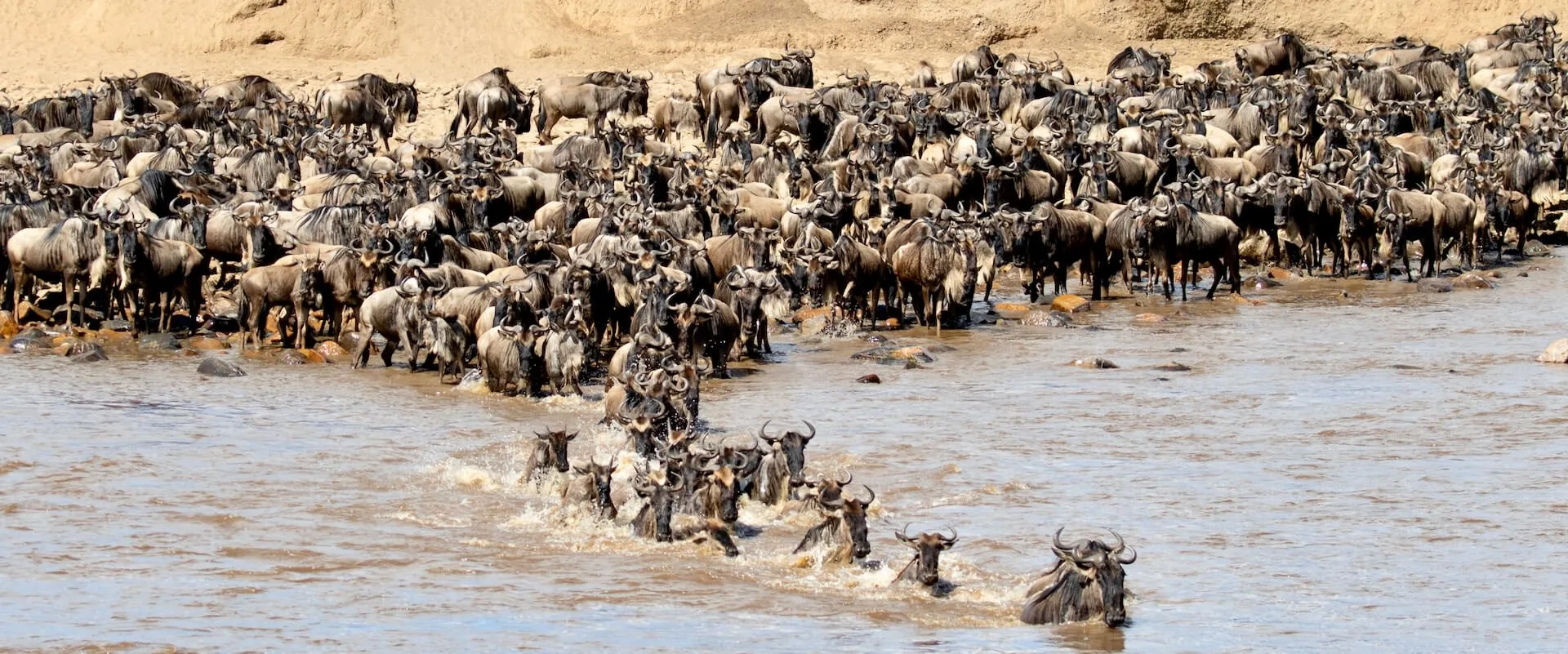
The Great Migration in Africa happens all year because the herds continuously circulate through the Serengeti–Mara ecosystem in…
Read article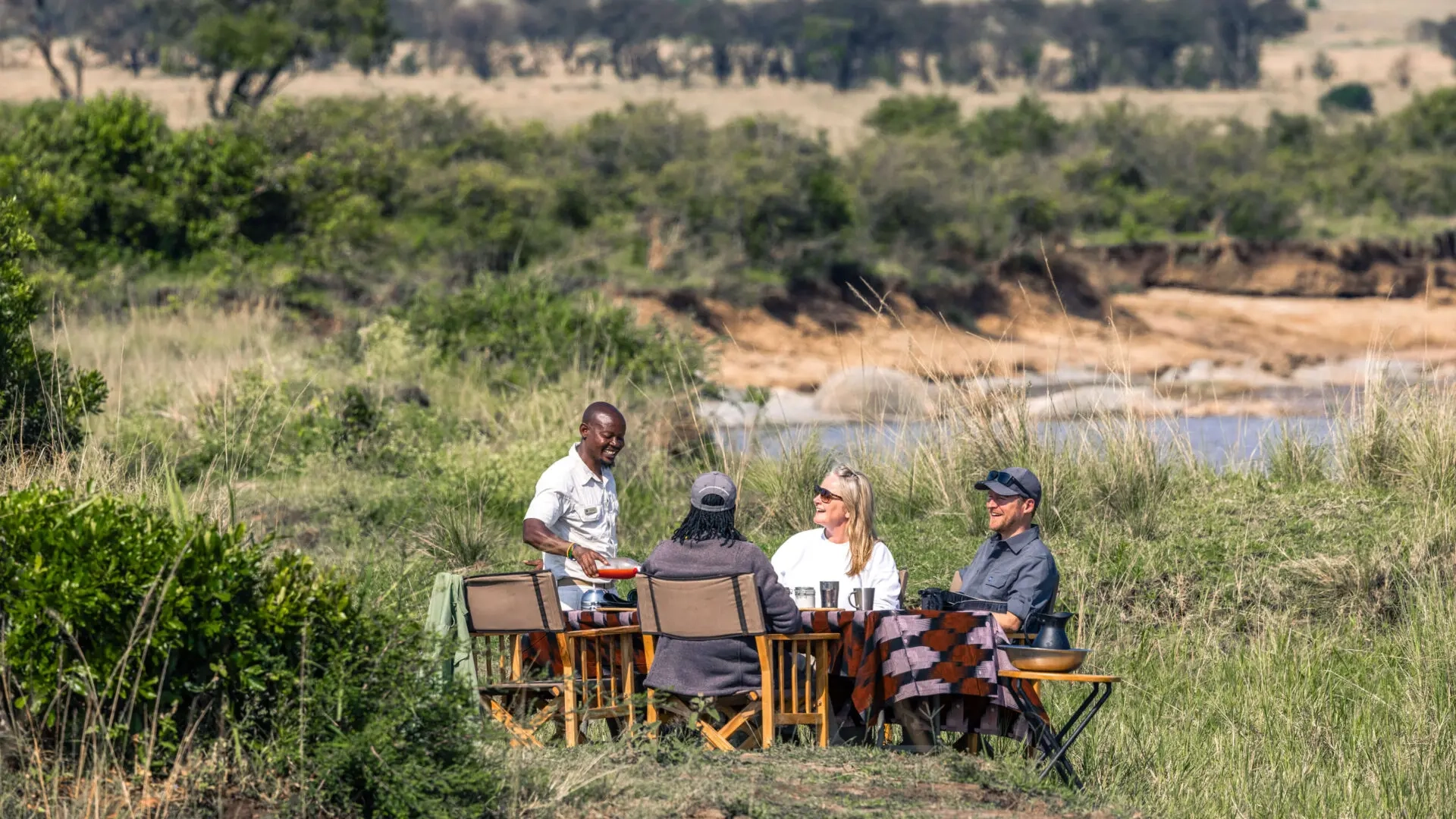
Definitive answer: A picnic lunch on safari is a packed or catered midday meal eaten at an approved…
Read article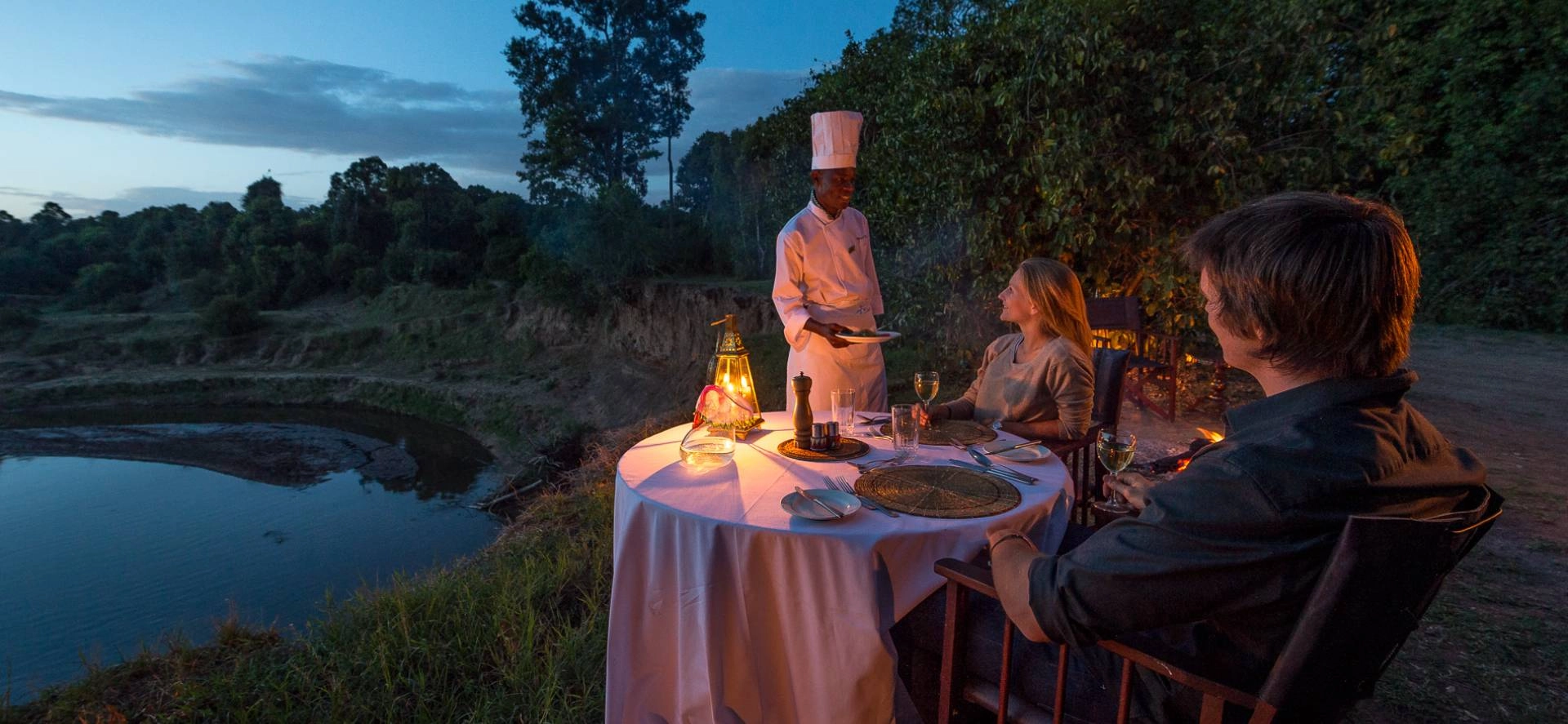
Definitive answer: A bush dinner is an outdoor evening meal arranged in a safe safari setting away from…
Read articleLet us take you closer to the wildlife, people and places that make Africa extraordinary.
Plan Your Safari Today