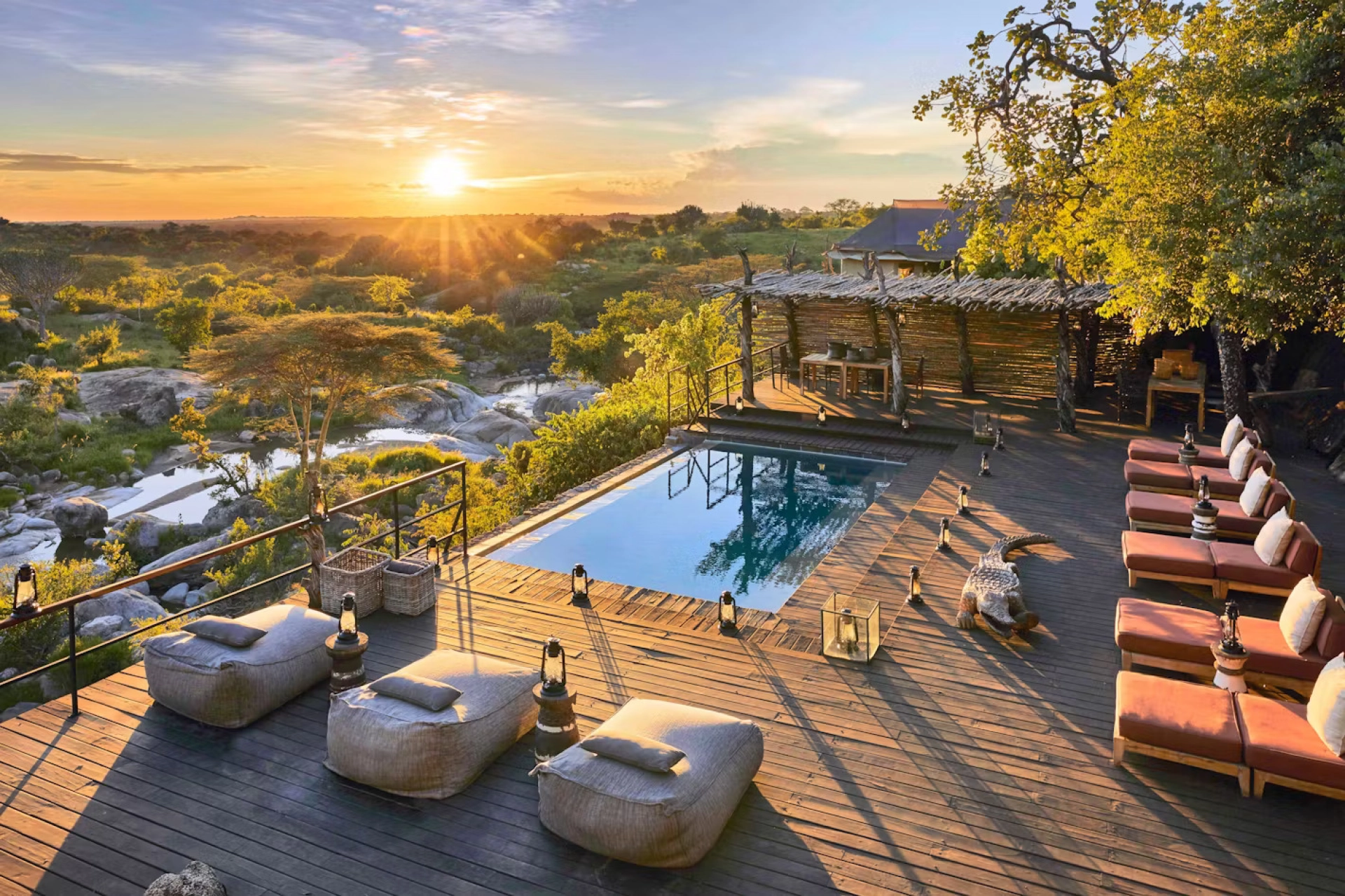
What should I look for when booking a luxury African safari?
When booking a luxury African safari, look beyond the room and compare the quality of guiding, wildlife location,…
Read article

Travel Guide
--- A Big 5 safari in Kenya does not have to mean private charter flights, champagne breakfasts and a luxury tent costing more per night than many travelers spend on an entire holiday. Kenya certainly offers…
—
A Big 5 safari in Kenya does not have to mean private charter flights, champagne breakfasts and a luxury tent costing more per night than many travelers spend on an entire holiday. Kenya certainly offers some of Africa’s most spectacular high-end safari camps, but luxury is only one way to experience the country’s wildlife. With careful routing, sensible accommodation choices, shared transportation and enough time in the right parks, Kenya can also deliver an outstanding budget Big Five safari.
The key is understanding what “budget” should mean on safari.
A good budget safari is not simply the cheapest package advertised online. Extremely low prices can sometimes be created by reducing game-drive time, using accommodation far from park gates, squeezing too many passengers into a vehicle or rushing through several parks in only a few days. That may lower the quotation, but it can also reduce the quality of the experience.
A better definition of a budget Kenya safari is a journey that spends money where it matters most — park access, reliable transportation, a knowledgeable guide and sufficient wildlife-viewing time — while avoiding unnecessary expenditure on accommodation luxury, private flights and premium extras.
Kenya is particularly suitable for this approach because it has a remarkable network of wildlife areas that can be connected by road from Nairobi. The country’s protected landscapes include open savannahs, Rift Valley lakes, mountain ecosystems, wetlands, semi-arid wilderness and enormous elephant ranges. Kenya Wildlife Service describes wildlife viewing across the country’s protected areas as ranging from savannah and forest to wetlands and mountain ecosystems, with elephants, lions, rhinos, giraffes and buffalo among the iconic species travelers may encounter.
The result is that a traveler does not need to build an entire safari around one expensive lodge. You can instead build the journey around ecosystems. That distinction is particularly important when your goal is finding the Big Five animals in Kenya: lion, leopard, elephant, rhinoceros and African buffalo.
The African Big Five are lion, leopard, elephant, rhinoceros and buffalo. The term has historical origins in hunting and originally referred to animals regarded as particularly difficult and dangerous to hunt on foot. Modern safari tourism has largely transformed the phrase into a wildlife-viewing objective. Today, travelers arrive with cameras rather than rifles and hope to observe these species alive in protected ecosystems. Kenya contains all five. However, that does not mean they are equally easy to see.
Elephants can be relatively conspicuous in several Kenyan parks. Buffalo are widespread in suitable habitats. Lions can be excellent in destinations such as the Masai Mara and other productive ecosystems. Leopards are naturally secretive and can disappear into vegetation even when they are relatively close to a road. Rhinos have a more restricted distribution and are heavily protected because of historic and continuing poaching pressure.
This is why planning a Kenya Big Five safari requires more thought than simply choosing a park that has all five species on its wildlife list. Presence and probability are different things.
Yes, but never treat the Big Five as guaranteed. Wildlife is not arranged according to a visitor’s checklist. You can spend an extraordinary morning watching a cheetah hunt, a herd of elephants crossing the plains and lion cubs playing, yet fail to find a leopard. That is still an exceptional safari.
A responsible safari operator should never promise that every traveler will see every Big Five species. What good planning can do is improve your chances. This means selecting productive parks, allowing enough game-drive time and combining ecosystems strategically where necessary. For many budget-conscious travelers, a combination involving the Masai Mara and a strong rhino destination is more sensible than expecting one short visit to provide everything.
Kenya’s importance as a safari destination goes far beyond the Big Five. Its greatest strength is the diversity of landscapes that can be reached within a single country. The Masai Mara offers famous open grasslands and predator viewing. Amboseli National Park is celebrated for large elephant herds and views toward Mount Kilimanjaro. Kenya Wildlife Service specifically identifies Amboseli as one of Africa’s premier destinations for close encounters with elephants and notes the park’s mixture of open plains, acacia woodland, bushland, swamps and marshes.
Lake Nakuru National Park can play an important role in rhino-focused itineraries. The vast Tsavo ecosystem provides a very different sense of scale and wilderness. Nairobi National Park makes it possible to begin wildlife viewing unusually close to a major African capital. Northern destinations introduce still more ecological variety. A Kenya wildlife safari can therefore be designed around much more than collecting five famous species.
For many travelers, the Masai Mara National Reserve is Kenya’s definitive safari destination. This is the landscape that most closely matches the traditional image of an East African safari: rolling grasslands, scattered acacias, enormous skies and abundant wildlife moving across an ecosystem that continues southward into Tanzania’s Serengeti. The Mara is particularly famous for predators. Lions are one of its great attractions. Cheetahs also thrive in the open environment and, although they are not members of the Big Five, they are often among the most memorable animals of a Kenya safari.
Leopards occur in the ecosystem but remain much more elusive. Elephants and buffalo can also be encountered. Rhinos are present but are considerably more difficult to find than many travelers assume. For this reason, a Masai Mara Big Five safari can be outstanding without necessarily producing all five species during a short stay. The reserve’s greatest strength is not checklist completion. It is the overall density, diversity and drama of wildlife.
The Masai Mara has a reputation for expensive luxury camps, particularly during periods associated with the Great Wildebeest Migration. That reputation is deserved at the high end. Some camps and private conservancies command premium prices because of their location, exclusivity and service. But the Mara also has budget and mid-range accommodation. Travelers can reduce costs by staying in simpler camps near practical reserve access points, joining a shared road safari from Nairobi and traveling outside the most expensive migration weeks.
This is where understanding safari value matters. You do not need a plunge pool to see lions. You need sufficient time in good habitat. A comfortable permanent tent with a proper bed, private bathroom and good location can provide everything necessary for an excellent safari.
One night is usually too short. Two nights provides only one complete day if you arrive on the first afternoon and depart on the third morning. For travelers seriously interested in wildlife, three nights is a much more sensible minimum. Four nights can be even better, particularly for photography or during seasons when you hope to locate specific predators.
Every additional game drive increases the opportunity to encounter animals behaving naturally rather than merely accumulating sightings. A leopard sleeping deep inside a tree may be absent when you return the following morning. Lions that spent yesterday resting may hunt today. Elephants may move into a completely different part of the ecosystem. Time is one of the most valuable things you can buy on safari.
The Great Wildebeest Migration makes the Masai Mara particularly famous. During suitable periods, large numbers of wildebeest and zebra can move into the Kenyan portion of the Serengeti-Mara ecosystem. The possibility of river crossings attracts enormous international interest. This demand pushes prices upward.
Travelers on strict budgets should therefore ask an important question: do you specifically need to see migration herds, or do you primarily want an excellent Kenya wildlife safari? If the answer is wildlife, the Mara is rewarding throughout the year. Resident predators do not disappear when migratory wildebeest move elsewhere. Elephants do not leave Kenya according to a migration calendar.
Giraffes, antelope, hippos, crocodiles, hyenas and many other animals remain. Traveling outside the most expensive migration period can therefore produce one of the best budget Masai Mara safari opportunities.
For travelers determined to complete the Big Five, rhino strategy deserves particular attention. Rhinos are not simply another common savannah animal. Their conservation history means populations are restricted and carefully protected. A Kenya safari designed around the Big Five should therefore consider destinations where rhino viewing is a realistic objective rather than leaving the species entirely to chance.
Lake Nakuru National Park is often incorporated into Kenya itineraries for this reason, while also providing a distinctive Rift Valley environment. The park can fit naturally between Nairobi and other safari areas depending on the route. Instead of spending every day in similar grassland habitat, the traveler gains a different ecosystem while improving the overall diversity of the safari.
If elephants rank near the top of your wildlife priorities, Amboseli National Park deserves serious consideration. KWS describes Amboseli as a premier destination for close encounters with large elephant herds and highlights its open plains, swamps, birdlife and famous Kilimanjaro backdrop. The mountain itself lies across the border in Tanzania, but some of its most iconic wildlife photographs are made from the Kenyan side. When the weather is clear, seeing elephants cross the landscape with snow-capped Kilimanjaro behind them is one of East Africa’s great safari scenes.
The mountain is not always visible. Cloud can cover it completely. Photographers should therefore avoid building unrealistic expectations around one exact photograph. The wildlife remains worthwhile even when Kilimanjaro disappears behind cloud.
Travelers should be careful about choosing Amboseli solely as a Big Five checklist destination. Its strongest identity is elephants, scenery and a distinctive wetland-savannah ecosystem. A safari combining Amboseli with the Masai Mara works because the destinations complement each other. The Mara contributes exceptional predator viewing. Amboseli contributes elephants and one of Africa’s most recognizable landscapes. Trying to make every park provide every species misses the purpose of a multi-park itinerary.
The combined Tsavo landscape is immense. Tsavo East and Tsavo West provide a dramatically different safari experience from the compact wildlife intensity of some smaller reserves. Tsavo is associated with vast wilderness, elephants, dramatic geology and a powerful sense of scale. KWS identifies Tsavo West among Kenya’s Big Five landscapes and highlights attractions including its rhino sanctuary, Mzima Springs, diverse birdlife and volcanic scenery.
The size and vegetation can make wildlife searching more challenging. That should not automatically be interpreted as a disadvantage. Some travelers prefer the excitement of searching through enormous wilderness rather than driving between concentrated sightings. Tsavo can also combine naturally with the Kenyan coast, making it valuable for a Kenya safari and beach holiday.
Although travelers often speak simply of “Tsavo,” the two parks provide different experiences. Tsavo East is famous for its immense open spaces and elephants frequently stained red by the area’s soil. Tsavo West is generally more varied topographically, with volcanic landscapes, springs and denser vegetation in some areas. Combining both can be rewarding, but budget travelers should avoid adding destinations simply to increase the number of parks on the itinerary.
Every additional park creates transport, entrance and accommodation costs. Choose according to the overall route.
One of Kenya’s most unusual wildlife experiences exists almost on Nairobi’s doorstep. Nairobi National Park allows travelers to begin or finish a safari without immediately committing to a long road transfer. The contrast between wildlife and the distant city skyline is remarkable. For travelers with limited time, the park can provide excellent value. It can also work well on an arrival or pre-departure day depending on flight schedules. However, if you have a week or more for safari, Nairobi National Park should generally complement rather than replace Kenya’s larger wilderness areas.
Potentially, but a multi-destination strategy is often stronger. The Mara can produce extraordinary lion, elephant, buffalo and leopard encounters, with rhino possible but difficult. If completing the Big Five is extremely important, adding a rhino-focused destination can improve the itinerary. If your goal is simply outstanding wildlife, staying longer in the Mara may provide better value than racing between parks.
This distinction is crucial. Safari planning should begin with priorities, not a map.
Wild animals do not know what you paid for your lodge. A lion lying beside the road behaves exactly the same whether you slept in a modest tented camp or an ultra-luxury suite. What changes is your accommodation experience, service level, location, vehicle arrangements and exclusivity. Budget travelers therefore need to identify which premium features genuinely matter.
A private conservancy can be worth paying for because lower vehicle density may improve game viewing. A lodge inside or beside a wildlife area can be worth paying for because it reduces daily driving. A larger bathroom or designer furniture may have almost no effect on the safari itself. Spend according to impact.
For many travelers, the guide has more influence on safari quality than the lodge. A knowledgeable guide understands animal behavior, habitats, tracks, birds, weather and the geography of the reserve. The best guides do not simply race between radio calls. They interpret what you are seeing. They explain why impalas suddenly become alert.
They recognize when birds are mobbing a predator. They know where elephants may move as temperatures rise. They understand when waiting quietly is better than driving onward. On a budget Kenya safari, do not save money by sacrificing professional guiding.
Kenya budget safaris may use safari vans or customized 4×4 Land Cruisers. Both can provide successful safaris. Land Cruisers generally offer stronger capability on rough terrain and are often preferred for more demanding routes. Safari vans can be economical and practical on established circuits. The important considerations are maintenance, passenger capacity, visibility and the route being traveled. A well-maintained vehicle carrying a reasonable number of passengers is more important than the badge on the bonnet.
Transport is a major component of the Kenya safari cost. A vehicle, guide and fuel cost almost the same whether one traveler or several travelers occupy the vehicle. This makes group departures particularly attractive. When four, five or six travelers share transportation, the cost per person falls substantially. Solo travelers benefit most. Couples can also save significantly. The compromise is flexibility. A shared group follows a common itinerary. If one traveler wants to spend another hour photographing elephants while everybody else wants lunch, the guide must balance the group’s interests. For many budget travelers, this is an acceptable compromise.
A private safari simply means the vehicle and guide are dedicated to your party. Accommodation can still be budget or mid-range. This is particularly important for families and groups of friends. Four travelers sharing one private vehicle may find the cost surprisingly competitive with a scheduled group safari. Private travel also improves flexibility. Departure times can be adjusted. Photography stops can be longer. Children can take breaks. The itinerary can reflect the group’s actual interests. Always compare both private and shared options.
Camping can reduce safari costs significantly. But “camping” covers a wide range. At one end are simple dome tents and shared facilities. At the other are permanent tented camps with beds and private bathrooms. Understand exactly what the operator means. Some travelers love basic camping because it increases the sense of adventure. Others sleep badly and become exhausted after several nights. A safari is not improved by choosing accommodation you genuinely dislike.
For many travelers, a simple permanent tented camp provides the ideal balance. You retain the atmosphere of sleeping close to nature while enjoying a bed, bathroom and meals prepared by staff. This can be far more comfortable than basic camping without approaching luxury pricing. Location matters more than decoration. A simple camp close to a park gate can be one of the smartest choices in a Kenya budget safari package.
Accommodation outside protected areas is often cheaper. This can work extremely well. However, check actual driving distance. A lodge marketed as “near the Masai Mara” may not necessarily be close to the gate used for your game drives. An additional 45 minutes each way means 90 minutes lost every day. Over three days, that becomes four and a half hours of potential wildlife time. Cheap accommodation is not good value if its location repeatedly reduces the safari.
A four-day safari visiting three parks may sound like better value than four days in one or two parks. Often it is not. Every transfer consumes fuel and time. You may spend the best wildlife-viewing hours on highways. You repeatedly check in and out of accommodation. You arrive tired. Safari quality improves when an itinerary has rhythm. For a short Kenya safari from Nairobi, choose fewer destinations and experience them properly.
A practical itinerary might combine Nairobi, a rhino-focused Rift Valley destination and the Masai Mara. Another could combine Amboseli, a suitable rhino destination and the Mara. A longer safari can add Tsavo or Samburu depending on interests. There is no single correct route. The right combination depends on travel dates, road conditions, accommodation availability and whether the Big Five checklist is more important than landscapes, migration or photography.
With five days, resist overloading the itinerary. The Masai Mara can be the primary destination, potentially combined with one strategically selected stop. If Big Five completion matters, choose the second destination accordingly.
If predators matter most, spend more time in the Mara. If elephants and Kilimanjaro matter most, prioritize Amboseli. Five days is enough for an excellent safari but not enough to experience all of Kenya.
Seven days provides much greater flexibility. Two or three destinations become realistic. A combination of contrasting ecosystems can provide an excellent first safari. The journey should still avoid daily transfers. Ideally, important parks receive multiple nights. This allows at least one full day of wildlife viewing rather than merely arriving and departing.
Ten days allows a more comprehensive safari. You can combine classic southern or central parks with the Mara, or venture north toward Samburu. Photography becomes less rushed. You can spend time observing behavior rather than immediately searching for the next species. For travelers flying long-haul to East Africa, this additional time can provide much better value from the international airfare.
Peak migration season attracts the highest demand in the Masai Mara. Traveling outside this period can reduce accommodation costs. Green-season and shoulder-season safaris can provide beautiful landscapes, dramatic skies and fewer vehicles. Rain is possible. Road conditions can become more challenging. Vegetation may be thicker. But wildlife remains. The idea that Kenya is worth visiting only during migration season is incorrect.
These months can provide excellent safari conditions in several regions. Landscapes may still retain green vegetation from earlier rains. Predator viewing can be rewarding. Demand patterns differ from the July-August migration peak. Travelers should compare current rates rather than assuming a fixed low season.
The long-rains period can provide some of the year’s most attractive accommodation offers. This is not suitable for everyone. Heavy rain can affect roads. Some camps may close seasonally. But photographers can enjoy green landscapes and dramatic skies. Travelers with flexible expectations may find exceptional value.
June can be an excellent transition toward the main dry-season period. Wildlife conditions become increasingly favorable in many regions. The most intense migration crowds may not yet dominate the Mara. For travelers focused on resident wildlife rather than river crossings, June deserves consideration.
This broad period is the most famous for the Masai Mara migration experience. Demand can be intense. Book early. If budget is important, compare accommodation location carefully and avoid paying a premium solely for a marketing claim that a particular camp guarantees migration action. Nature provides no guarantees.
Short rains can refresh the landscape. Wildlife viewing remains rewarding. Holiday periods can produce price increases, so December should not automatically be treated as low season. Again, the specific dates matter.
This is a useful planning distinction. A Big Five safari in Kenya focuses on lion, leopard, elephant, rhino and buffalo. A Great Migration safari focuses on the seasonal movement of wildebeest and zebra within the Serengeti-Mara ecosystem. The experiences overlap but are not identical. You can have an outstanding Big Five safari without seeing migration herds. You can also witness enormous migration herds without finding every member of the Big Five. Choose your priority before choosing dates.
Photographers should prioritize vehicle space. A low-cost group safari carrying many passengers can become frustrating if everyone competes for the same window. A smaller group or private vehicle may therefore provide better photographic value even at a higher daily price. The Masai Mara is exceptional for environmental images because of its open landscapes. Amboseli is extraordinary for elephants and Kilimanjaro compositions. Tsavo provides dramatic color and scale. A rhino-focused reserve can provide images that are difficult elsewhere.
Kenya can be excellent for families. A private vehicle is often worth the additional cost because parents can adjust the pace. Children may love lions and elephants but become tired during long transfers. A family safari should therefore use fewer destinations and longer stays. Swimming pools at lodges can become surprisingly valuable during midday breaks. Check age restrictions for any walking or specialist activities before booking.
Solo travelers face the challenge of vehicle costs. Scheduled departures solve this. Joining a small group spreads transportation and guiding costs while providing a social environment. Single supplements may still apply to accommodation. Ask whether room sharing is available if you are comfortable with it. For many solo visitors, a group budget Kenya safari is one of the easiest ways to experience East Africa.
Couples should compare shared and private safari pricing. Do not automatically assume a private vehicle is beyond budget. The difference can sometimes be reasonable, particularly outside peak periods. Private travel provides greater flexibility and can create a more relaxed experience. Budget accommodation can still be used throughout.
Kenya and Tanzania create one of the world’s greatest safari combinations. The Masai Mara and Serengeti belong to the same broader ecosystem. A longer trip can add Ngorongoro and other northern Tanzania parks. However, a Kenya and Tanzania safari is not automatically budget-friendly. Border logistics, additional park fees and transportation increase costs. If you have only one week, stay in Kenya. If you have two weeks or more and sufficient budget, the combination becomes much more compelling.
One of the most powerful African wildlife combinations is Kenya safari and Uganda gorilla trekking. Kenya provides open savannah, lions, cheetahs, elephants and classic game drives. Uganda provides tropical rainforest, chimpanzees and mountain gorillas. The contrast is extraordinary. A traveler can photograph lions on the Mara plains and, several days later, hike through Bwindi in search of a habituated mountain gorilla family. For wildlife enthusiasts, this can provide much greater diversity than simply adding more savannah parks.
Rwanda provides another primate extension. Flights through regional hubs can connect Kenya with Kigali. Travelers can then continue toward Volcanoes National Park for gorilla trekking. Rwanda can also add Akagera National Park, although visitors who have already spent substantial time on Kenyan savannah may prefer to focus their Rwanda extension on primates and cultural experiences.
A Kenya safari can also be combined with Zanzibar. This creates the classic bush and beach safari. Spend the first part of the journey waking before sunrise for game drives. Then fly toward the Indian Ocean and spend several days swimming, snorkeling, exploring Stone Town or relaxing on tropical beaches. For honeymooners and couples, this combination is particularly popular.
You do not necessarily need to leave Kenya for the beach. Diani and other coastal areas can combine naturally with safari. Tsavo is particularly logical for coast-safari combinations because of its geographical position. This can reduce regional flight complexity.
Inclusions vary enormously. A serious quotation should clearly state accommodation, meals, park fees, transportation, guiding and included activities. Do not assume a low advertised rate includes everything. Some prices exclude park fees. Others exclude airport transfers or drinks. Read the details. The cheapest headline price is meaningless without knowing the final payable amount.
Protected areas require revenue to function. Park and conservation fees contribute to management, infrastructure and wildlife protection. These fees can represent a substantial portion of safari cost and may change. For that reason, time-sensitive articles should avoid presenting old park-fee figures as permanent facts. Confirm current fees when requesting a quotation.
Most safari lodges provide meals because parks are often far from ordinary restaurants. Budget does not necessarily mean poor food. Meals are generally practical and filling. Permanent camps and lodges may provide buffets or set menus. Communicate vegetarian, vegan, allergy-related or religious dietary requirements before travel. Remote camps need time to prepare.
You do not need to dress like an explorer from an old film. Comfortable neutral clothing works well. Bring layers because mornings can be cool. A hat, sunscreen, binoculars and a camera are useful. Dust protection is important during dry periods. A light rain jacket is sensible even during generally dry seasons. If combining Kenya with gorilla trekking in Uganda, add more robust hiking footwear, gloves and suitable forest clothing.
Malaria risk varies by region, and individual health circumstances differ. Travelers should seek professional medical advice based on their exact itinerary. Do not rely on generic online medication recommendations. Travel insurance is also strongly recommended.
A safari can involve remote areas where medical evacuation is expensive.
Millions of travelers visit Kenya for wildlife tourism, but sensible precautions remain important. Use reputable operators. Follow current travel advice. Listen to guides in wildlife areas. Do not leave vehicles where prohibited. Keep valuables secure in cities. Avoid walking independently in unfamiliar areas after dark. Safari safety involves both wildlife awareness and ordinary travel awareness.
A genuine safari takes place in a natural ecosystem. Animals move according to food, water, territory, reproduction and disturbance. A leopard can remain invisible ten meters from the road. A lion pride may move overnight. Rhinos may remain far from accessible tracks. This uncertainty is part of what makes safari exciting. If every animal appeared exactly when scheduled, it would no longer feel wild.
One of the most useful pieces of advice for first-time travelers is to stop judging every day according to the Big Five checklist. Imagine spending twenty minutes watching a cheetah stalk a gazelle. Cheetah is not a Big Five species. Imagine watching giraffes fighting. Not Big Five. A spotted hyena den full of cubs? Not Big Five. A martial eagle hunting? Not Big Five. Some of the greatest safari encounters have nothing to do with the famous five. Use the Big Five as an enjoyable goal, not a limitation.
Start with your wildlife priorities. If predators and classic savannah are most important, make the Masai Mara central. If elephants and photography beneath Kilimanjaro appeal most, add Amboseli. If rhinos are essential to your Big Five objective, incorporate an appropriate rhino destination. If wilderness scale and a coast extension appeal to you, consider Tsavo. Then decide how much comfort you genuinely need. Choose a simple but well-located lodge rather than a luxurious property that consumes your budget. Spend more nights in fewer parks.
Share transportation if necessary. Travel outside the most expensive dates if your schedule allows. Most importantly, choose a safari according to wildlife time rather than the number of park names appearing on the itinerary.
Kenya remains one of the world’s great wildlife destinations because the safari experience is much larger than any hotel room. It is the sight of a lion lifting its head above golden grass. It is an elephant herd emerging from an Amboseli swamp. It is a rhino moving quietly through protected habitat.
It is a leopard disappearing into vegetation before you fully realize what you have seen. It is a cheetah standing on a termite mound while the plains stretch toward the horizon. A budget Big Five safari in Kenya can provide all the emotional power of African wildlife without requiring luxury accommodation. The smartest approach is to protect the parts of the budget that directly influence wildlife quality: enough days, good guiding, reliable transport and the right destinations.
Reduce costs elsewhere. Choose a simpler room. Travel by road. Share the safari vehicle. Avoid peak dates when the migration is not essential to your plans. Combine parks intelligently instead of collecting destinations. For travelers planning with Adventure in the Wild Safaris, Kenya can also form part of a wider East African safari incorporating Uganda gorilla trekking, Rwanda, Tanzania or an Indian Ocean beach extension. The ultimate measure of a safari should never be how expensive the lodge was. It should be how deeply the journey connected you with Africa’s wildlife and landscapes. That experience remains available to travelers far beyond the luxury-safari market.
Get quick answers to the most common questions. If you still have questions, our safari experts are here to help.
Yes. Kenya supports lion, leopard, elephant, rhino and buffalo, although sightings of every species on one trip can never be guaranteed.
The Masai Mara is one of Kenya’s strongest overall wildlife destinations, but travelers focused on completing the Big Five may benefit from combining it with a strong rhino destination.
Yes, all five occur in the broader ecosystem, but rhinos and leopards can be considerably more difficult to locate than lions, elephants or buffalo.
Joining a group road safari, choosing budget or mid-range accommodation and traveling outside the most expensive peak periods can reduce costs significantly.
It depends on itinerary and season. Kenya can provide excellent budget group safaris, while Tanzania’s park and conservation fees can make some northern-circuit trips comparatively expensive. Always compare complete packages.
Five days can provide a rewarding short safari. Seven to ten days gives much greater flexibility and allows multiple ecosystems without rushing.
Yes. Kenya can be combined with Uganda or Rwanda, creating an exceptional savannah-and-rainforest wildlife journey.
There is no single best month. Dry-season periods can make wildlife easier to locate, while green-season travel can provide lower rates, fewer vehicles and beautiful landscapes.
The appropriate vehicle depends on route and season. Professional operators select vehicles suited to the itinerary. Land Cruisers are particularly useful on rougher routes.
For one traveler it can be. For four or more people sharing the same vehicle, private safari pricing can become much more competitive.
Our safari experts are here to help you plan your safari. Get personalized advice, the latest information and a free, no-obligation quote.
We typically reply within a few hours.

Share This Article
When booking a luxury African safari, look beyond the room and compare the quality of guiding, wildlife location,…
Read article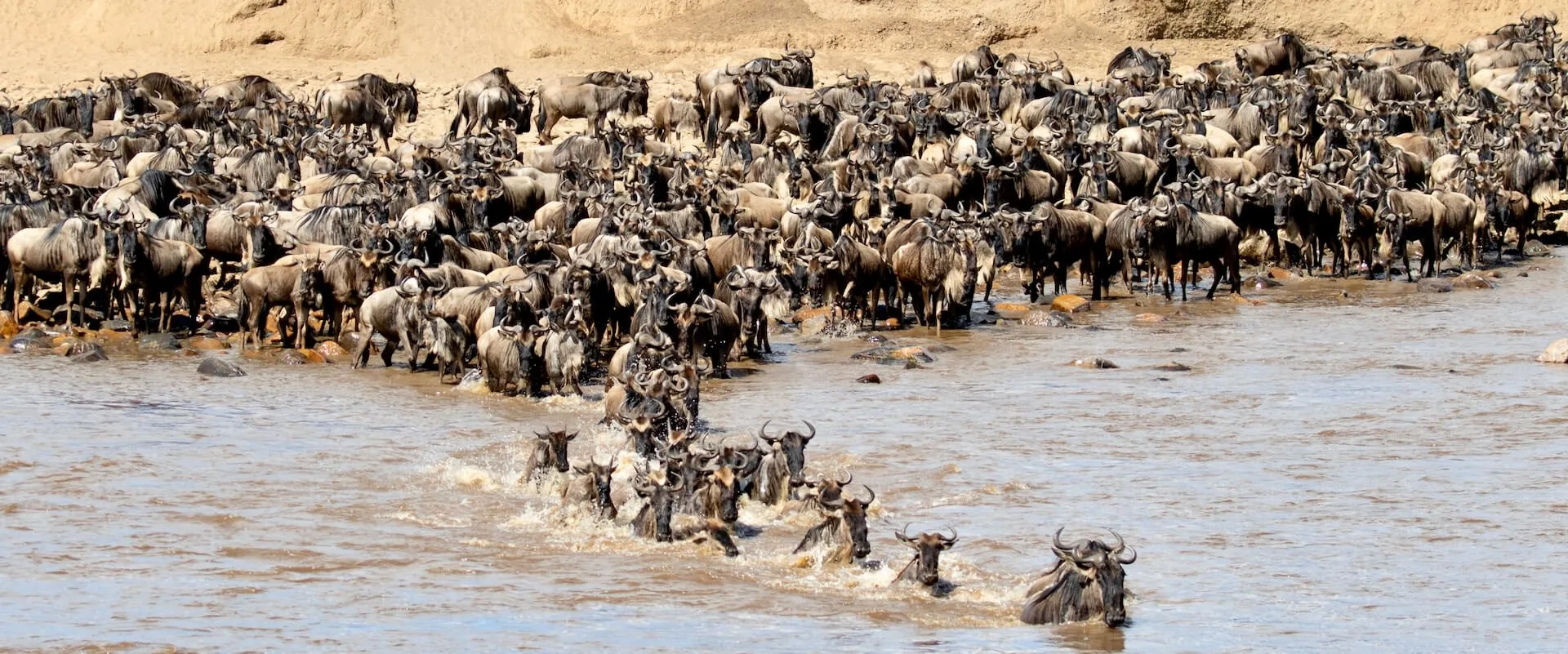
The Great Migration in Africa happens all year because the herds continuously circulate through the Serengeti–Mara ecosystem in…
Read article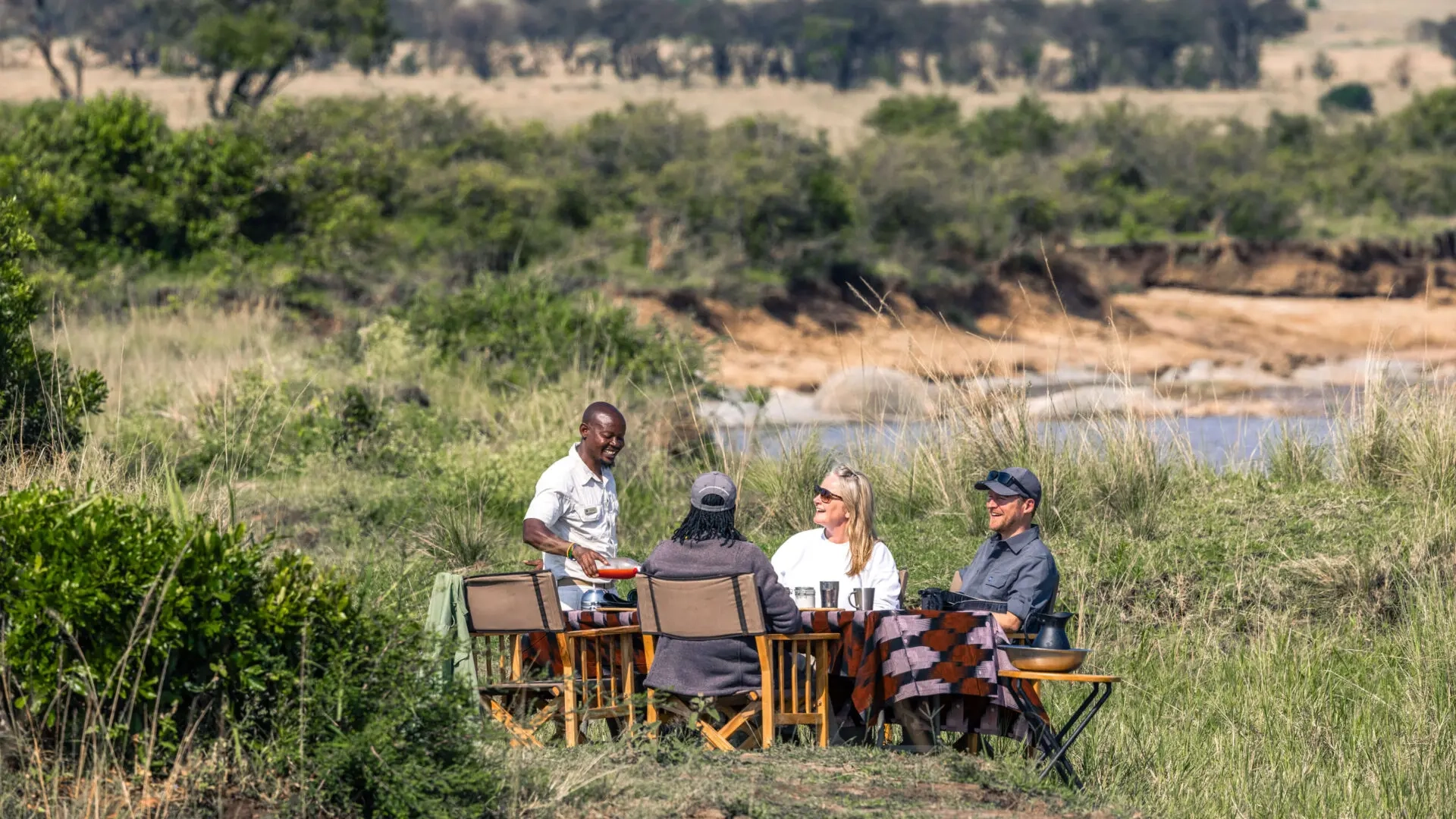
Definitive answer: A picnic lunch on safari is a packed or catered midday meal eaten at an approved…
Read article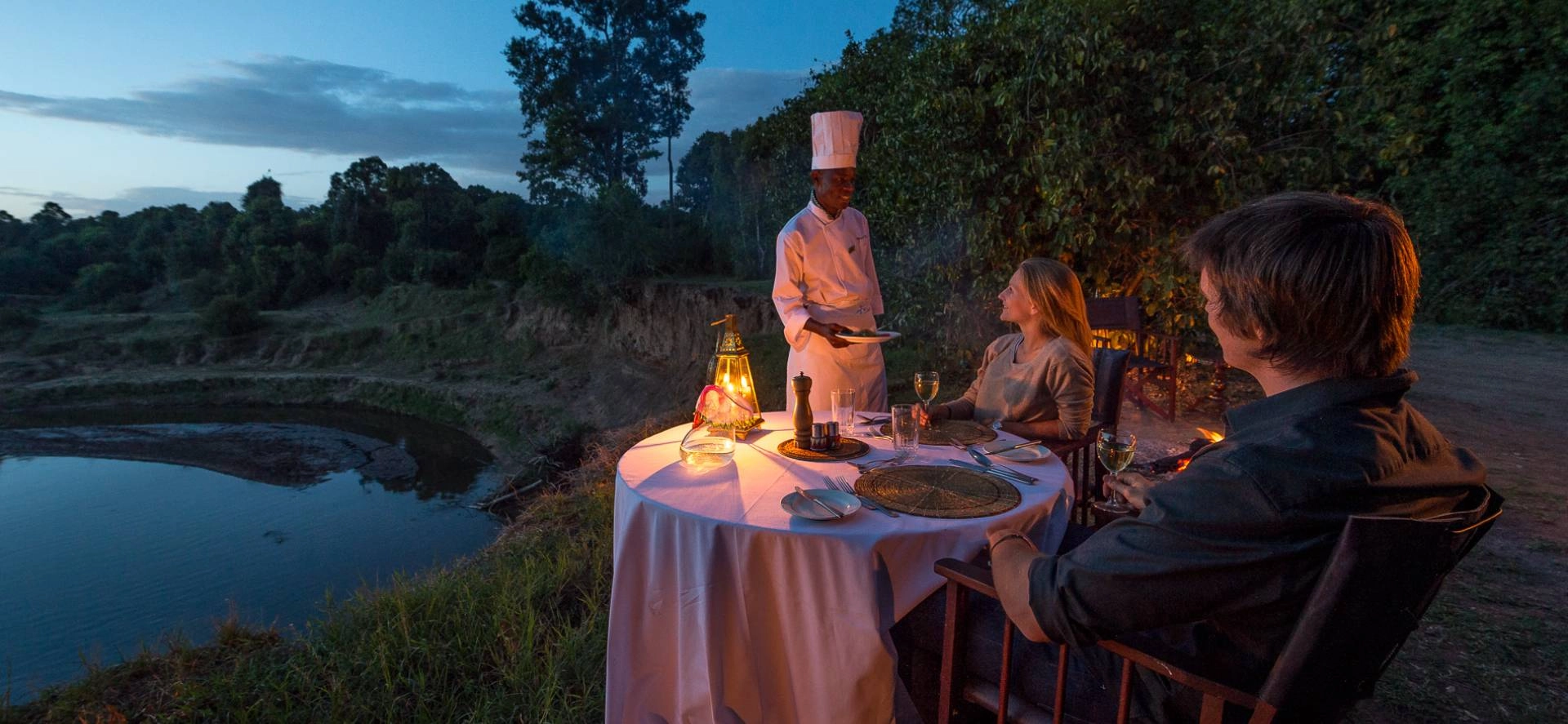
Definitive answer: A bush dinner is an outdoor evening meal arranged in a safe safari setting away from…
Read articleLet us take you closer to the wildlife, people and places that make Africa extraordinary.
Plan Your Safari Today