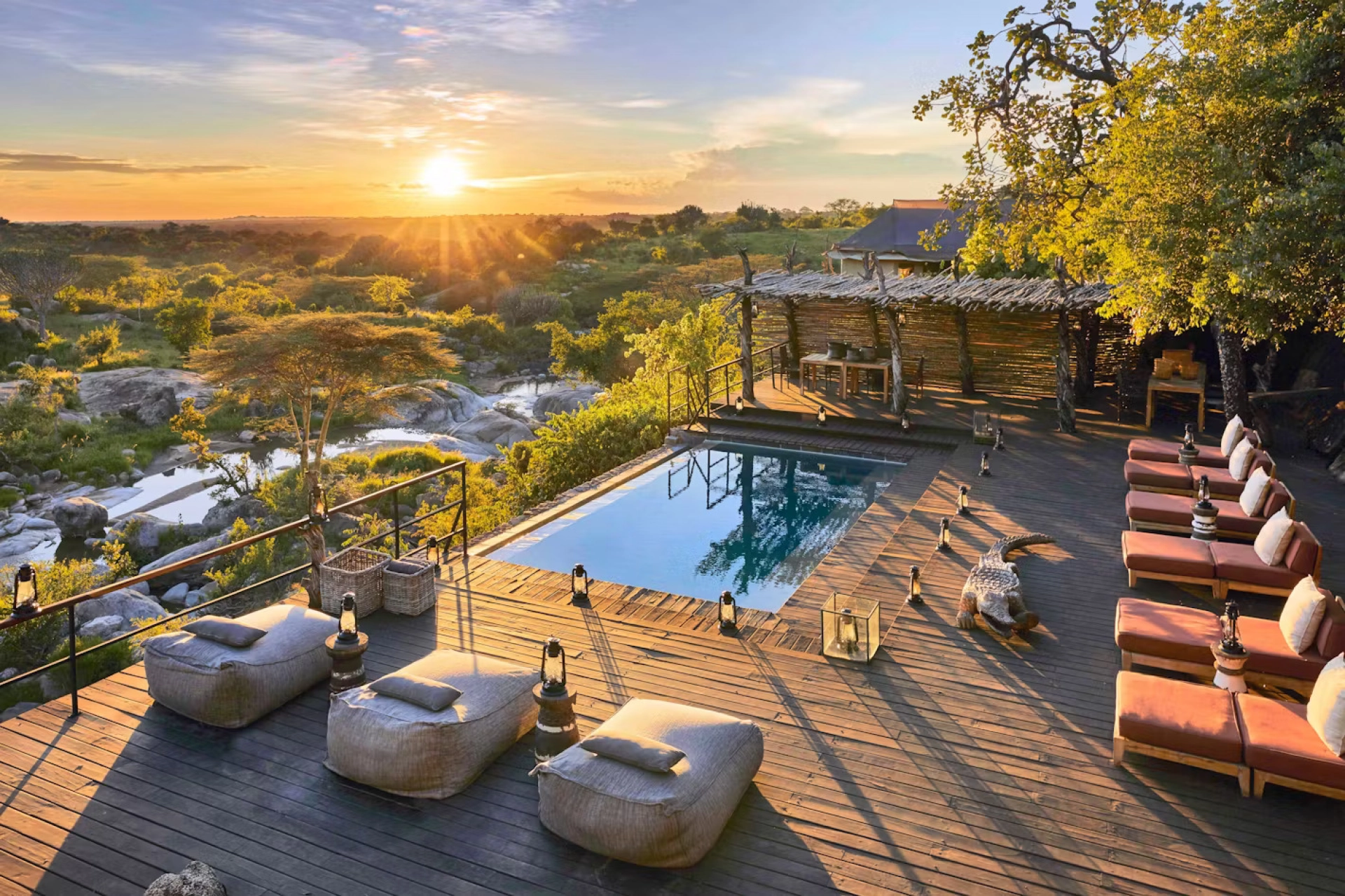
What should I look for when booking a luxury African safari?
When booking a luxury African safari, look beyond the room and compare the quality of guiding, wildlife location,…
Read article

Travel Guide
South Africa is arguably the easiest country on the continent in which to plan a dedicated Big Five safari. Lions, leopards, elephants, African buffalo and both black and white rhinoceros occur in numerous protected areas, while…
South Africa is arguably the easiest country on the continent in which to plan a dedicated Big Five safari. Lions, leopards, elephants, African buffalo and both black and white rhinoceros occur in numerous protected areas, while excellent roads, experienced guides, established safari lodges and a huge range of accommodation make wildlife trips accessible to almost every type of traveler.
From the vast wilderness of Kruger National Park to the leopard-rich private reserves of the Greater Kruger ecosystem, family-friendly Madikwe, accessible Pilanesberg and exclusive private game reserves scattered across the country, travelers have an exceptional range of choices. That variety is exactly why identifying the best Big 5 safari South Africa offers is not simply a matter of naming one reserve.
The ideal destination for an independent traveler wanting an affordable self-drive safari may be completely different from the best choice for honeymooners seeking a private plunge pool and twice-daily guided game drives. Families may prioritize malaria considerations and easy transfers, while photographers may prefer reserves renowned for leopards or predator encounters. This detailed guide explores the best places to see the Big Five in South Africa, how the reserves differ and how to choose the right South African safari for your budget and travel style.
The Big Five animals are:
The expression originated during the historical big-game hunting era, when these species were considered among the most challenging and dangerous animals to pursue on foot. Today the phrase has a completely different significance. The Big Five are icons of African wildlife tourism and conservation, photographed by millions of safari visitors who contribute revenue toward protected areas, employment and conservation programs. South Africa is particularly significant because it contains important populations of both white rhinos and black rhinos.
Although rhino numbers have been severely affected by poaching, intensive conservation programs continue across public and private reserves.
Few African countries combine wildlife density with tourism infrastructure as successfully as South Africa. The country’s safari industry includes enormous public national parks, private concessions, luxury reserves, community conservation areas and smaller fenced ecosystems. This creates an unusually broad spectrum of experiences. You can rent a vehicle and drive through Kruger independently, sleep in a simple national park rest camp and prepare your own meals. At the opposite extreme, you can fly directly into a private reserve and spend several nights at an exclusive lodge with gourmet meals, professional rangers, trackers and highly personalized game drives.
Between those extremes lies an enormous selection of affordable South Africa safari packages, midrange lodges and guided tours. South Africa is also relatively easy to combine with other destinations. Cape Town, the Cape Winelands, Garden Route, Drakensberg Mountains and Indian Ocean beaches can all be incorporated into a longer holiday.
If there is one destination synonymous with a South Africa Big Five safari, it is Kruger National Park. Kruger stretches across northeastern South Africa along the borders with Mozambique and Zimbabwe. The park protects an immense mosaic of savannah, woodland, river systems and rocky landscapes. Its wildlife diversity is extraordinary. Visitors can encounter lions, leopards, elephants, buffalo and rhinos, alongside cheetahs, African wild dogs, giraffes, zebras, hippos, crocodiles, hyenas, antelopes and hundreds of bird species.
One of Kruger’s greatest strengths is its size. Rather than being a small reserve containing a carefully managed concentration of animals, Kruger functions as a vast ecological landscape. Wildlife encounters therefore feel unpredictable and authentic. Elephants are widespread. Large buffalo herds occur throughout productive areas. Lions are frequently encountered, although sightings naturally vary from day to day. Leopards can be found throughout the park but are secretive and often require patience.
Rhino viewing has become increasingly sensitive because of poaching, and conservation authorities appropriately restrict detailed information.
Southern Kruger is particularly popular because of its relatively productive habitat and accessibility from Johannesburg and Mbombela. The region contains numerous rivers and water sources, creating excellent wildlife habitat. Predator sightings can be particularly rewarding. Because this section receives substantial visitor traffic, sightings of lions or leopards can attract multiple vehicles. Travelers seeking greater solitude may prefer spending part of their itinerary farther north.
Central Kruger contains extensive grasslands and is known for large herbivore populations. Where prey animals concentrate, predators follow. The region can therefore provide excellent lion viewing.
Its open landscapes also make wildlife easier to detect than in extremely dense vegetation.
Northern Kruger generally receives fewer visitors. Wildlife densities can differ from the busy south, but travelers who appreciate birding, wilderness atmosphere and less traffic may find this section especially rewarding. The far north contains beautiful riverine habitats and excellent bird diversity.
Kruger is unusual among major African safari destinations because independent self-drive safaris are straightforward. Visitors can rent a suitable vehicle and explore the park’s road network without hiring a private guide. This makes Kruger particularly attractive for travelers searching for a budget Big Five safari in South Africa. Self-driving offers tremendous freedom. You can spend as long as you wish watching elephants beside a river or waiting for a leopard to emerge from vegetation.
However, guided safaris have significant advantages. Professional guides understand animal behavior, recognize tracks and alarm calls, communicate with other guides and know productive wildlife areas. First-time safari travelers may therefore benefit considerably from undertaking at least one guided game drive.
For travelers seeking an exclusive luxury Big Five safari in South Africa, Sabi Sand is one of the country’s most famous destinations. The reserve borders Kruger National Park and forms part of the broader Greater Kruger ecosystem. In several areas, internal fences have been removed, allowing wildlife to move across extensive connected landscapes. Sabi Sand is especially famous for leopard sightings. Leopards are naturally secretive, but decades of careful, respectful game viewing have resulted in unusually good opportunities to observe individuals that tolerate safari vehicles.
Experienced trackers may follow footprints along sandy roads while rangers interpret territorial behavior and recent movements. Finding a leopard resting in a marula tree or walking along a dry riverbed can be an extraordinary safari experience.
Private reserve game drives typically operate differently from self-drive national park safaris. Guests travel with professional guides, frequently accompanied by trackers. Where appropriate and permitted, vehicles may leave established roads to approach certain sightings. Vehicle numbers at individual sightings are usually controlled. Morning and afternoon/evening game drives allow travelers to experience wildlife at productive times of day. Some lodges also offer guided bush walks. This creates an immersive experience, although rates are considerably higher than standard Kruger accommodation.
Timbavati forms another important part of the Greater Kruger landscape. The reserve is known for high-quality wildlife viewing, excellent guiding and a strong conservation tradition. All members of the Big Five occur within the ecosystem. Timbavati has also become famous historically for rare naturally occurring white lions, although travelers should never plan a trip expecting to see them. The reserve offers a selection of lodges across different comfort levels. Compared with the busiest sections of public Kruger, private reserve vehicle numbers are controlled, creating a more exclusive atmosphere.
For travelers wanting the wildlife richness of Greater Kruger without necessarily choosing Sabi Sand, Timbavati provides an excellent alternative.
Klaserie is another large private reserve connected to the Greater Kruger ecosystem. It is especially attractive to travelers who value space, wilderness and lower visitor density. Because wildlife can move through connected conservation landscapes, guests may encounter the full spectrum of iconic Lowveld animals. Safari drives focus not only on locating famous species but also on understanding the ecology of the bush. This slower, interpretive approach can transform a simple wildlife sighting into a deeper understanding of predator territories, herbivore behavior, bird calls and seasonal changes.
Located near South Africa’s border with Botswana, Madikwe Game Reserve is one of the country’s most important conservation success stories and a superb Big Five safari destination.
The reserve supports lions, leopards, elephants, buffalo and rhinos. It is also well known for African wild dogs, one of the continent’s most endangered carnivores. Madikwe’s location is particularly attractive for travelers seeking an alternative to northeastern South Africa. It lies within a region generally considered to have lower malaria risk than some traditional Lowveld safari areas, although health recommendations can change and travelers should always obtain current professional medical advice.
Families frequently consider Madikwe because of its lodge selection, accessibility and wildlife diversity. Some lodges specialize in family travel and may provide child-friendly activities. However, individual lodge policies regarding children’s participation in game drives vary. Parents should confirm minimum ages and private vehicle options before booking. For travelers searching for a family Big Five safari South Africa, Madikwe should be high on the shortlist.
Pilanesberg provides one of the most accessible opportunities for a Big Five safari near Johannesburg. The reserve lies within an ancient volcanic landscape and supports diverse wildlife. Its road network makes self-driving possible, while guided safari vehicles are also available. Pilanesberg is significantly smaller than Kruger, which has advantages and disadvantages. Travel distances can be shorter, making it convenient for visitors with limited time. However, travelers seeking enormous wilderness landscapes may prefer Kruger or Greater Kruger.
Pilanesberg works particularly well as a short safari extension for visitors spending time in Johannesburg or nearby regions.
Addo Elephant National Park is best known for its elephants. The park was originally established to protect the region’s remaining elephants and has developed into a much larger conservation area. Visitors can encounter substantial elephant populations, sometimes at remarkably close range around waterholes. Lions, buffalo and other wildlife also occur within the broader protected area. Addo is often incorporated into itineraries along South Africa’s Eastern Cape and Garden Route. Travelers should understand that the wildlife-viewing dynamics differ from Greater Kruger.
Those whose sole priority is maximizing their probability of seeing all five famous species during a short visit may find Kruger-area reserves more straightforward. However, Addo is an excellent choice for travelers combining Cape Town, Garden Route and safari.
The Eastern Cape contains several private game reserves offering lodge-based safari experiences. These reserves are popular with travelers completing the Garden Route because they allow wildlife experiences without flying across the country to Kruger. Many offer Big Five game viewing. The experience differs from vast open ecosystems such as Greater Kruger because individual reserves are often smaller and intensively managed. For first-time visitors prioritizing convenience, however, the combination can be extremely appealing.
A traveler can explore Cape Town, drive through the Garden Route and conclude the journey with several nights at a safari lodge.
For dedicated leopard viewing, Sabi Sand and other parts of Greater Kruger generally stand out. Leopards naturally occur across many South African reserves, but their secretive behavior makes sightings unpredictable. The combination of excellent habitat, experienced trackers and long-term familiarity with individual leopard territories gives certain Greater Kruger reserves an advantage. Wildlife is never guaranteed. Nevertheless, travelers whose dream photograph is a leopard resting on a tree branch should seriously consider allocating several nights to a private reserve.
Kruger and its adjoining reserves offer excellent lion populations. Pride territories overlap many productive wildlife areas, particularly where prey species are abundant. Madikwe also provides good lion viewing. The key is spending enough time in the reserve. One-night safari visits dramatically reduce opportunities because wildlife movements are unpredictable.
Three or four nights usually create a much more satisfying experience.
South Africa remains critically important for African rhino conservation. Both black and white rhinos occur within protected areas. However, poaching has fundamentally changed how rhino information is managed. Specific locations, population details and recent sightings may be
South Africa can offer rewarding safaris throughout the year. In the Greater Kruger region, the dry winter months generally produce excellent wildlife viewing. Vegetation becomes thinner, surface water decreases and animals frequently gather near permanent water sources. Cooler mornings can require warm clothing, particularly in open safari vehicles. As the day warms, temperatures become comfortable. The summer rainy season transforms the landscape. Vegetation becomes lush and green, migratory birds arrive and many animals give birth.
Photographers may enjoy dramatic skies and rich colors. The drawback is that thicker vegetation can make certain animals more difficult to detect. There is therefore no universally “bad” safari season. The best period depends on whether you prioritize maximum visibility, birding, green scenery, photography, lower visitor numbers or specific seasonal behavior.
A minimum of three nights is sensible for most travelers. Four or five nights provide significantly greater opportunities to experience varied wildlife behavior. For a deeper safari, combine two areas. For example, spend several nights in public Kruger followed by several nights in a private Greater Kruger reserve. This creates an excellent contrast. During the Kruger section, you experience the scale of a major national park. During the private reserve section, professional ranger-and-tracker teams provide a more personalized experience.
A 7-day South Africa safari can therefore feel remarkably varied.
South Africa is one of Africa’s easiest countries for planning an affordable wildlife safari. Self-drive trips through Kruger can dramatically reduce costs. National park accommodation ranges from camping facilities to cottages and larger units. Visitors can purchase food before entering the park or use available shops and restaurants where applicable. Travelers uncomfortable driving themselves can join scheduled guided safaris. Small-group departures spread vehicle and guide costs across several participants, making them more affordable than completely private trips.
When evaluating cheap Big Five safaris South Africa, consider value rather than simply selecting the lowest advertised price. A slightly more expensive itinerary with better guiding and more time inside the reserve may provide a substantially better wildlife experience.
At the other end of the spectrum, South Africa offers some of the finest safari lodges in the world. Private reserves around Greater Kruger specialize in high-end experiences. Typical luxury safari packages may include elegant suites, gourmet meals, morning and afternoon game drives, bush walks, sundowner stops and highly personalized service. Some properties feature private plunge pools overlooking riverbeds or waterholes.
The greatest luxury, however, is often access. Low vehicle densities and expert guiding allow guests to spend meaningful time observing wildlife behavior. For honeymooners, photographers and travelers celebrating special occasions, a luxury South African safari can provide an extraordinary experience.
One of the most common questions from international visitors is whether they can experience a genuine Big Five safari close to Cape Town. Several private reserves within driving distance market wildlife experiences to Cape Town visitors. These can be convenient for travelers with very limited time. However, visitors should understand the difference between a relatively compact managed reserve and enormous natural systems such as Kruger. If wildlife is the primary purpose of your journey, flying from Cape Town to the Greater Kruger region usually produces a more comprehensive safari experience.
If safari is simply one component of a Cape-focused holiday, a nearby reserve may still be appropriate.
Johannesburg is an excellent gateway for safari travel. Kruger can be reached by road or domestic flight. Pilanesberg and Madikwe provide additional possibilities. Travelers with only two or three days may prefer destinations requiring shorter transfers. Those with four or more nights should consider Greater Kruger. Several airports serve the Kruger region, helping travelers minimize road-transfer time.
South Africa is one of Africa’s strongest family safari destinations. The country offers excellent infrastructure, diverse accommodation and numerous reserves designed for multi-generational travel. Parents should nevertheless investigate lodge policies carefully. Some properties impose minimum ages for shared game drives, while others provide specialized children’s programs. Private safari vehicles can be particularly useful for families because game drives can be adapted around children’s energy levels. Shorter drives, frequent stops and engaging guides can transform a safari into an unforgettable educational experience.
The Big Five receive enormous attention, but South Africa’s biodiversity extends far beyond five species. Kruger alone supports an extraordinary variety of mammals, reptiles and birds. Travelers may encounter giraffes browsing from treetops, zebras gathering around waterholes, hippos resting in rivers, crocodiles basking on sandbanks and spotted hyenas patrolling after dark. Finding an African wild dog pack can be more unusual than encountering lions. Cheetahs provide another safari highlight. Smaller creatures also reward careful observation.
Dwarf mongooses, chameleons, tortoises, dung beetles and colorful birds reveal ecological stories that can easily be overlooked when visitors concentrate entirely on large mammals.
South Africa is superb for wildlife photography. Open safari vehicles used in many private reserves provide unobstructed views. Professional guides often understand photographers’ requirements and can position vehicles with consideration for light and background. A telephoto zoom lens provides flexibility. However, avoid carrying so much equipment that photography becomes stressful. Wildlife can approach surprisingly closely. Always secure cameras and lenses while vehicles are moving. Dust is another consideration during the dry season, so protecting equipment and minimizing unnecessary lens changes can help.
Most importantly, never pressure guides to violate wildlife-viewing rules for a photograph. Animal welfare always comes first.
One of South Africa’s greatest advantages is the ability to combine completely different experiences within one holiday.
A classic itinerary might begin in Cape Town. Travelers can explore Table Mountain, Cape Peninsula, historic neighborhoods, restaurants and nearby Winelands before flying to the Kruger region. Within a matter of hours, the urban coastal environment is replaced by African bushveld. This Cape Town and Kruger safari combination is particularly popular with first-time visitors because it captures two dramatically different sides of South Africa.
Choosing between South Africa and East Africa depends on priorities. South Africa offers exceptional infrastructure, self-drive possibilities and numerous Big Five reserves. Kenya and Tanzania provide vast savannah ecosystems associated with the Great Wildebeest Migration. If your dream safari involves enormous herds moving across endless grasslands, Serengeti or Masai Mara may be more appropriate. If your priority is maximizing Big Five opportunities while combining wildlife with Cape Town, South Africa may be ideal.
Many experienced safari travelers eventually visit both regions because they provide fundamentally different experiences.
Wildlife tourism carries responsibilities. Choose operators and lodges that respect animals and protected-area regulations. Safari vehicles should never chase wildlife, crowd animals unnecessarily or interfere with natural behavior. Visitors should avoid feeding animals and should follow guides’ instructions. Rhino conservation requires particular sensitivity. Never publicly share precise rhino locations. Responsible tourism also involves supporting local employment and community conservation initiatives. The strongest protected areas are often those where surrounding communities receive tangible benefits from tourism.
Absolutely—but not because seeing five particular animals completes some mandatory checklist. The excitement of a Big Five safari in South Africa comes from entering landscapes where wildlife continues to live according to natural rhythms. You might spend twenty minutes watching a leopard. You might spend an hour observing elephants drinking and bathing. You might hear lions roaring in darkness while lying in bed at a safari lodge. Those experiences matter far more than ticking names from a list.
For most first-time safari visitors, Kruger National Park and Greater Kruger provide the strongest overall combination of wildlife diversity, accessibility and safari choice. Travelers prioritizing leopard sightings and exclusivity should consider Sabi Sand or another private Greater Kruger reserve. Families looking for a comfortable lodge-based experience may find Madikwe particularly attractive. Visitors with limited time near Johannesburg can consider Pilanesberg. Travelers following the Garden Route may prefer an Eastern Cape reserve or Addo.
The important point is that there is no single South African safari suitable for everyone.
Finding the best Big 5 safari South Africa has to offer begins with deciding what kind of experience you actually want. Do you want to drive yourself through Kruger with complete independence? Would you prefer a professional tracker following fresh leopard tracks through a private reserve? Are you traveling with children? Do you want to combine safari with Cape Town, the Garden Route or another African destination? Once these questions are answered, South Africa offers an extraordinary selection of possibilities.
The country’s combination of lions, leopards, elephants, rhinos and buffalo, alongside wild dogs, cheetahs, giraffes, zebras and hundreds of bird species, makes it one of the world’s premier wildlife destinations. At Adventure in the Wild Safaris, South African wildlife experiences can also form part of wider African journeys combining classic Big Five viewing with East African safaris, Uganda gorilla trekking, Rwanda gorilla trekking, chimpanzee tracking, birding and cultural experiences. Whether you choose the enormous landscapes of Kruger or the intimate game drives of a private reserve, give yourself enough time to stop counting animals and begin watching them.
That is when a Big Five safari becomes much more than a checklist—and starts becoming the African journey you came to experience.

Share This Article
When booking a luxury African safari, look beyond the room and compare the quality of guiding, wildlife location,…
Read article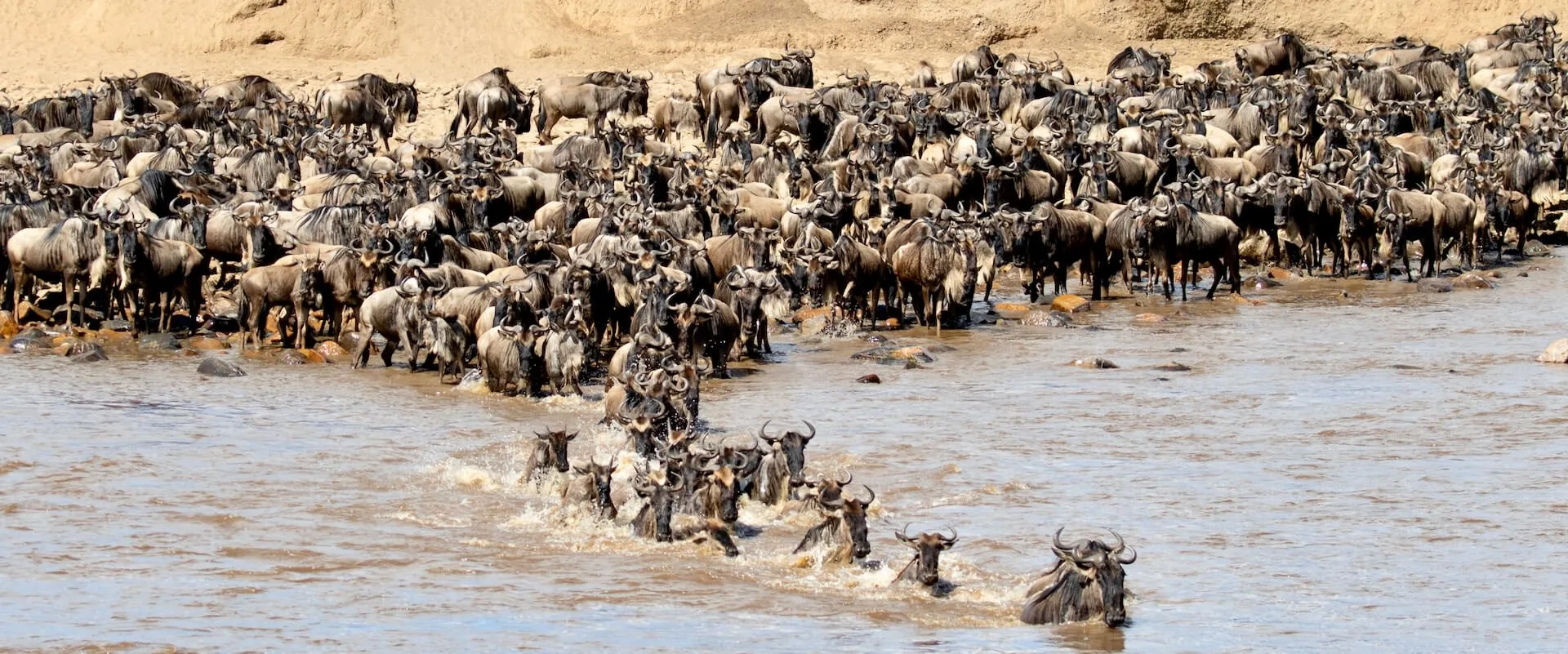
The Great Migration in Africa happens all year because the herds continuously circulate through the Serengeti–Mara ecosystem in…
Read article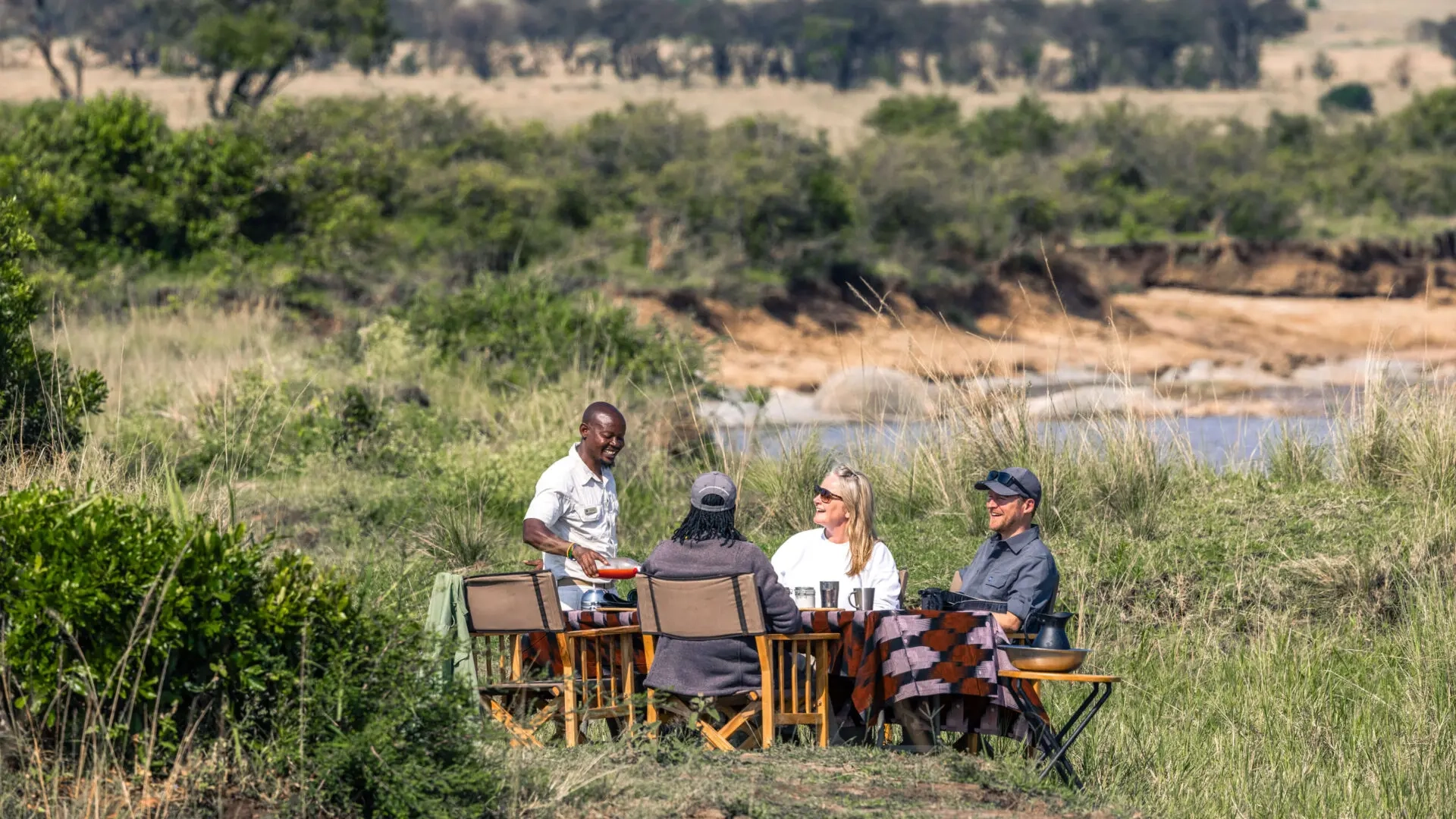
Definitive answer: A picnic lunch on safari is a packed or catered midday meal eaten at an approved…
Read article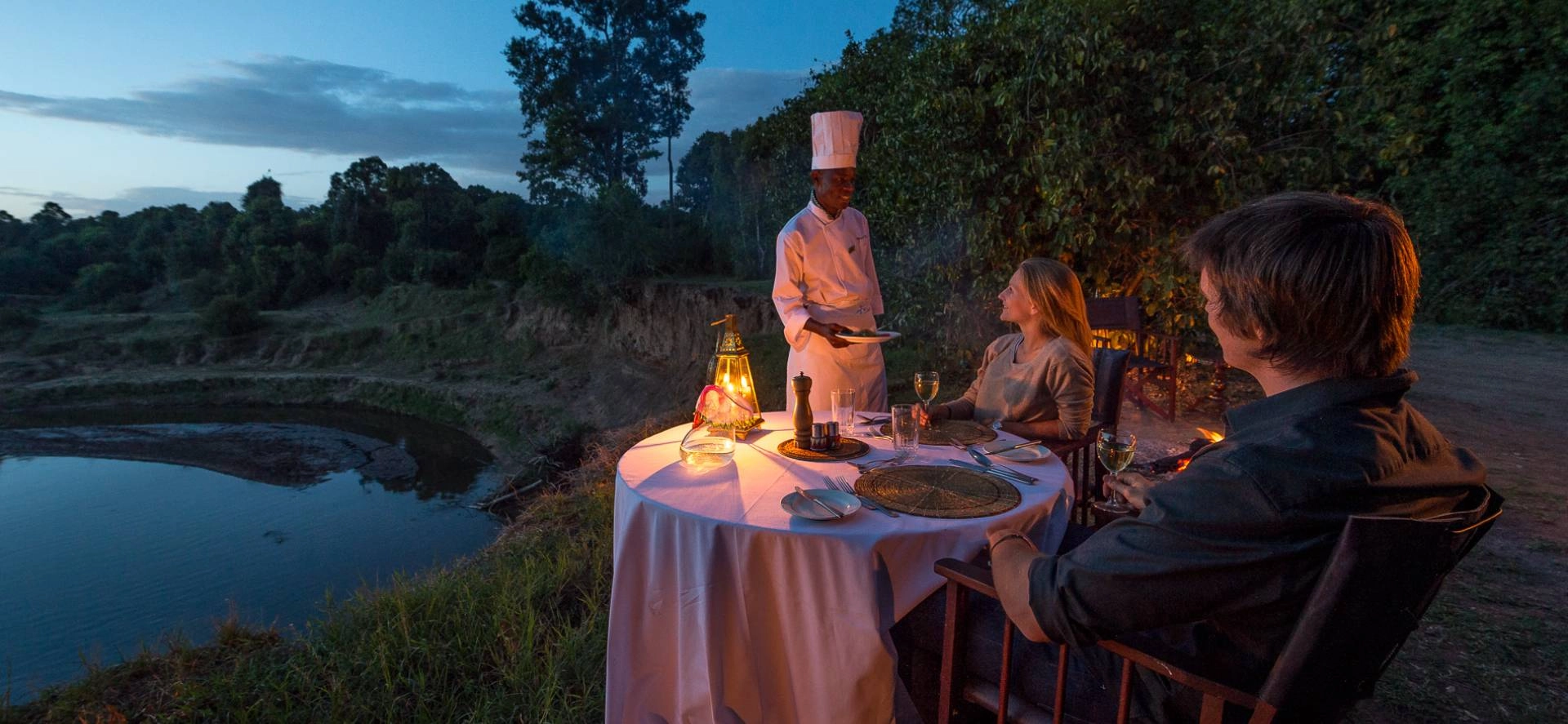
Definitive answer: A bush dinner is an outdoor evening meal arranged in a safe safari setting away from…
Read articleLet us take you closer to the wildlife, people and places that make Africa extraordinary.
Plan Your Safari Today