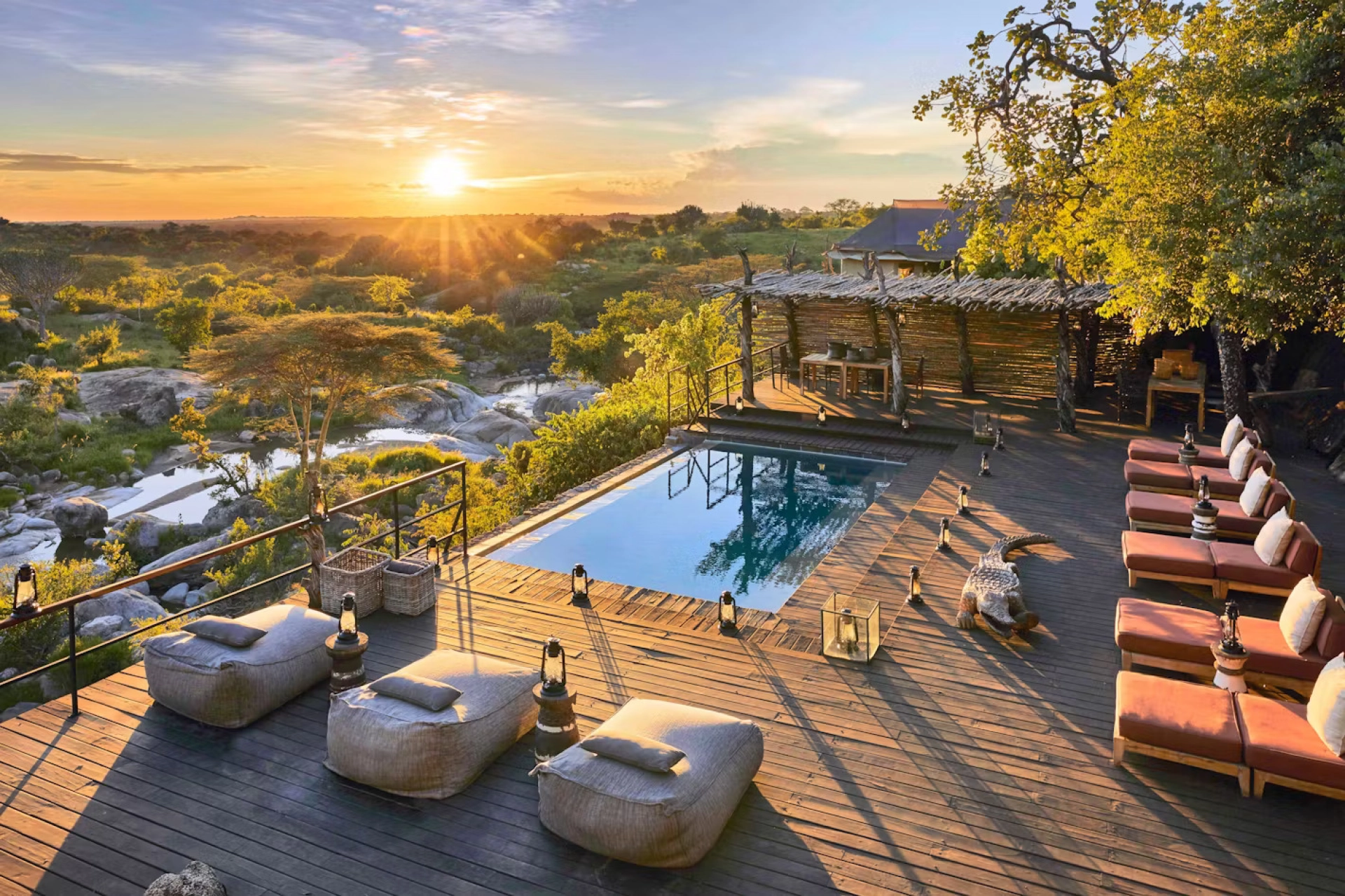
What should I look for when booking a luxury African safari?
When booking a luxury African safari, look beyond the room and compare the quality of guiding, wildlife location,…
Read article

Travel Guide
For many first-time visitors, an African safari dream can be reduced to five animals: lion, leopard, African elephant, African buffalo and rhinoceros. Together they form the legendary Big Five. Tanzania is one of Africa's strongest destinations…
For many first-time visitors, an African safari dream can be reduced to five animals: lion, leopard, African elephant, African buffalo and rhinoceros. Together they form the legendary Big Five.
Tanzania is one of Africa’s strongest destinations for travelers hoping to encounter them because it combines several exceptional wildlife ecosystems within one country. The Serengeti supports extraordinary predator and herbivore populations. Ngorongoro offers concentrated wildlife viewing inside one of the world’s most famous volcanic landscapes. Tarangire is renowned for elephants and baobabs. Ruaha provides a remote, predator-rich alternative in southern Tanzania.
The challenge is understanding that “Big Five safari in Tanzania” does not mean every national park contains the five animals in equal numbers. It also does not mean you can book a two-day trip and expect a photograph of every species. Some are relatively easy to encounter in the right ecosystem. Others require luck. Rhino, in particular, is much more localized and difficult to see than buffalo or elephant. TANAPA lists the Big Five among the major attractions of Serengeti National Park, alongside the Great Migration and exceptional predator diversity. That official description reflects Tanzania’s genuine Big Five credentials.
But the best results come from understanding which park is strongest for which animal, how the northern and southern circuits differ, how season influences viewing and how long to spend in each area.
The Big Five are: African elephant lion leopard African buffalo rhinoceros Historically, the phrase originated from big-game hunting and referred to dangerous and difficult animals pursued on foot. Modern wildlife tourism has largely transformed the term. For contemporary safari travelers, the Big Five are primarily photographic icons and symbols of conservation.
The Big Five were never selected according to size. If they were, giraffes and hippos would be obvious candidates. The category reflected historical hunting difficulty rather than body mass.
For the same reason. Hippos can be extremely dangerous, but the Big Five was not designed as a list of Africa’s five most dangerous animals.
Tanzania’s biggest advantage is ecosystem diversity. A northern safari can combine: Tarangire National Park; Ngorongoro Conservation Area; and Serengeti National Park. These destinations are geographically compatible and provide different habitats. Tarangire adds elephant-rich woodland and riverine environments. Ngorongoro offers short-grass plains within a concentrated crater ecosystem. Serengeti provides enormous savannah landscapes, predators and the Great Migration. Together they create one of Africa’s most complete wildlife circuits.
Yes. All five occur within Tanzania. However, sighting probability differs enormously. Lions are commonly encountered in several major parks. Elephants and buffaloes are widespread in suitable habitats. Leopards are elusive but occur in many ecosystems. Rhinos are the most difficult and geographically restricted. Therefore, a responsible Tanzania Big Five safari should promise opportunity—not certainty.
This varies by park. Elephants can be extremely prominent in Tarangire. Buffaloes occur widely. Lions are frequently encountered in Serengeti and Ngorongoro. The easiest overall animal may therefore depend on your route and season.
Usually the rhinoceros. Black rhino populations are limited and carefully protected. Even in suitable areas, sightings can be distant or absent. The leopard is also highly elusive because of its secretive behavior and camouflage.
Elephants are among Tanzania’s most impressive animals. They occur in multiple ecosystems but are especially associated with Tarangire and parts of southern Tanzania. Family groups consist primarily of related females and young. Older males may live independently or associate with other bulls. Elephant society is sophisticated. A sighting becomes more meaningful when travelers observe: greeting behavior; calves playing; females protecting young; feeding techniques; dust bathing; or family communication.
Tarangire is one of the strongest choices. TANAPA describes Tarangire as Tanzania’s elephant heartland and highlights large family groups gathering around the river and baobab landscapes. Dry-season conditions can concentrate animals around the Tarangire River and other dependable water sources.
The combination of large elephant herds and ancient baobabs gives Tarangire one of Tanzania’s most recognizable landscapes. Photographers should resist focusing only on close-up elephant portraits. A wider image showing elephants beneath baobabs communicates the identity of the park far more powerfully.
They are wild animals. TANAPA advises visitors to maintain generous distances from elephants and avoid blocking routes to water. An experienced guide interprets body language and adjusts vehicle position accordingly.
Tanzania is one of the world’s great lion destinations. Lions occur in Serengeti, Ngorongoro, Tarangire, Ruaha and several other ecosystems. The Serengeti’s enormous prey base supports significant predator populations. Ruaha is also internationally recognized for large lion prides. TANAPA’s current Ruaha wildlife information specifically highlights lions among the park’s major predators.
Serengeti is the obvious first answer. Its open landscapes make lions relatively visible compared with denser habitats. Ngorongoro also provides excellent opportunities. Ruaha appeals strongly to travelers wanting a more remote predator safari.
Lions in the Serengeti live within a landscape shaped by both resident prey and enormous seasonal herbivore movements. The migration creates periods of tremendous prey abundance. But lion prides are territorial rather than simply following wildebeest throughout the entire ecosystem. Understanding this makes predator sightings more interesting.
The Ngorongoro Crater supports resident lion populations within a relatively enclosed environment. The crater floor’s open terrain can make predators easier to locate than in dense woodland. However, natural wildlife dynamics still determine sightings.
Ruaha offers a fundamentally different lion safari. Instead of the heavily photographed northern circuit, travelers enter a vast southern wilderness. TANAPA describes Ruaha as containing large lion prides together with leopard, cheetah and spotted hyena populations. This makes Ruaha highly attractive to repeat Tanzania visitors.
Leopards occur across a wide range of Tanzanian habitats. They are powerful, solitary cats capable of living in savannah, woodland and rocky environments. Their camouflage is extraordinary. A leopard can disappear within grass or foliage even when only meters from a road.
Serengeti is one of the classic areas. Riverine woodland and kopje environments can provide suitable habitat. Ruaha is another strong predator destination. Tarangire also supports leopards; TANAPA includes them among the park’s predators. Still, leopard sightings should never be considered guaranteed.
Several factors contribute. They are: primarily solitary; often nocturnal or crepuscular; well camouflaged; capable climbers; and comfortable resting inside dense vegetation. Tracking them depends heavily on guide experience and chance.
Experienced guides watch for: impala alarm calls; baboon reactions; fresh tracks; drag marks; known resting trees; and information from other guides where communication is permitted. The discovery process is part of the safari.
Buffaloes are sometimes underappreciated because they are not cats. That changes once you encounter a large herd at close range. Adult bulls are massive. Herds can contain hundreds of animals in productive areas. Their relationship with lions creates some of the most dramatic predator-prey encounters in Africa.
Buffaloes occur in several major parks. Serengeti and Ngorongoro are good options. Tarangire supports buffaloes, especially around water-rich environments. TANAPA specifically lists buffalo concentrations alongside elephants around Tarangire’s river and swamp systems. Ruaha also supports large herds; TANAPA highlights dry-season buffalo gatherings along the Great Ruaha and sand rivers.
Buffaloes are powerful and can respond aggressively when threatened or wounded. On foot, guides treat them with considerable respect. From safari vehicles, they can be observed safely when normal procedures are followed.
Older males may separate from larger breeding herds and form small bachelor groups. These bulls can appear heavy, dark and scarred. Their horn bosses become especially impressive with age. They are fascinating animals to photograph.
The black rhinoceros is the most challenging member of Tanzania’s Big Five to encounter. Historical poaching caused devastating declines across Africa. Remaining populations are protected intensively. Travelers should never expect specific rhino locations to be publicized casually because conservation security matters.
The Ngorongoro ecosystem is one of Tanzania’s best-known rhino-viewing areas. Serengeti also retains black rhinos in protected areas. Even when present, rhinos may be distant. Binoculars are extremely useful.
Rhino conservation takes priority over tourism convenience. Road networks and animal movements determine viewing distance. Guides cannot simply drive wherever they want. A distant wild rhino is still an extraordinary encounter.
Tanzania’s native rhino of interest is the black rhinoceros. Despite the name, black rhinos are gray. The distinction from white rhinos relates more usefully to feeding morphology. Black rhinos have more pointed, prehensile upper lips adapted for browsing shrubs. White rhinos have broader mouths adapted primarily for grazing.
For travelers with limited time, Ngorongoro can provide remarkably concentrated wildlife viewing. The crater floor supports a rich large-mammal community. The possibility of encountering lion, elephant, buffalo and rhino within a relatively compact area makes it valuable. Leopard is generally more difficult. This is why combining Ngorongoro with Serengeti strengthens a Big Five itinerary.
Serengeti offers: larger landscapes; migration; big-cat habitat; longer game drives; and ecosystem variety. Ngorongoro offers: concentrated wildlife; distinctive crater scenery; and strong rhino potential. Neither should replace the other on a comprehensive northern Tanzania safari.
Tarangire is not included because it reliably completes a five-animal checklist. It is included because it adds something the other parks cannot reproduce. Its elephants are outstanding. Its baobabs define the scenery. Its river system becomes a major dry-season wildlife magnet. TANAPA describes the Tarangire River as a crucial dry-season lifeline drawing elephants, buffaloes, wildebeest, zebras and other wildlife.
Ruaha appeals especially to experienced safari travelers. The park does not belong to the classic Arusha-based northern circuit. It lies in south-central Tanzania and is much more remote. TANAPA describes it as a vast wilderness of more than 20,000 square kilometers, characterized by baobabs, miombo woodland, rivers, elephants and major predators. This makes Ruaha an outstanding predator-and-elephant safari even if rhino is not the objective.
Northern Tanzania is ideal for first-time travelers because several famous parks connect logically. Southern Tanzania offers: lower visitor density; remote camps; different landscapes; and excellent predator viewing. A first-time Big Five traveler generally begins with the north. A repeat safari traveler may prefer Ruaha or Nyerere.
The Serengeti is the cornerstone of many Tanzania safaris. Its name has become synonymous with African wilderness. The park supports: lions; leopards; elephants; buffaloes; black rhinos; cheetahs; hyenas; giraffes; wildebeest; zebras; and numerous antelopes. The Great Migration adds another layer.
No. This is an important misconception. Serengeti has resident wildlife throughout the year. Even when major wildebeest herds occupy another region, resident predators, elephants, buffaloes, giraffes and antelopes remain. Migration timing should determine which Serengeti region you prioritize—not whether the entire park is worth visiting.
That depends on season. Central Serengeti provides strong year-round wildlife. Southern areas become particularly important during the green and calving season. Western and northern regions gain importance as migration herds move through the ecosystem. Location matters more than lodge luxury.
The Seronera region is known for year-round predator opportunities and relatively dependable wildlife. Its riverine habitat supports leopards and other species. The trade-off is popularity. Central Serengeti can be busy during high season.
Northern Serengeti becomes especially famous during the migration’s northern phase and possible Mara River crossings. The landscape can feel wilder and less concentrated than central regions. Longer stays improve chances of following herd movement.
Southern plains become especially important around the calving period. Newborn wildebeest attract predators.
Green grass and dramatic skies produce exceptional photography.
The crater is one of Africa’s most recognizable safari landscapes. Its enclosed geography creates relatively concentrated wildlife viewing. A descent into the crater offers a very different experience from driving the enormous open plains of Serengeti.
Many itineraries dedicate one major crater game-drive day. Additional nights in the wider conservation area can be useful depending on activities and route. The key is positioning accommodation carefully.
It can be, especially during peak travel periods. Its popularity reflects exceptional wildlife and scenery. Early planning and good guiding help maximize the experience.
Tarangire should not be treated merely as a stop between Arusha and Serengeti. TANAPA lists game viewing, guided walking safaris and photographic activities among visitor experiences and highlights the park’s elephant concentrations, baobabs, predators and more than 550 recorded bird species. Two or three nights can reveal far more than a rushed day trip.
The dry season is especially famous. Animals concentrate around dependable water. Large elephant herds can become particularly conspicuous. However, birding and green scenery can make wetter periods rewarding too.
TANAPA describes Tarangire as one of East Africa’s finest birding parks and reports more than 550 bird species. This means a serious Tanzania itinerary should not ignore birds simply because the trip is branded “Big Five.”
Ruaha is one of Tanzania’s most compelling alternatives to the northern circuit. Its remote character produces lower tourism pressure. The Great Ruaha River and seasonal water systems influence wildlife distribution. TANAPA highlights elephants, large buffalo herds, lions, leopards, cheetahs, wild dogs and more than 570 bird species within this vast landscape.
Remote logistics can make Ruaha expensive. Light-aircraft access may be required depending on itinerary. Therefore, “less visited” does not automatically mean cheaper. Its value comes partly from exclusivity and wilderness.
Nyerere provides another southern Tanzania safari style. Waterways, river systems and woodland create opportunities beyond standard game drives. Depending on camp location and current activities, boat-based wildlife viewing can become an important feature.
Choose Serengeti for: migration; classic open plains; big cat concentration; and first-time Tanzania travel. Choose Nyerere if you value: rivers; boat activities; remote camps; and lower visitor densities.
Yes, but internal flights are often needed. For travelers with sufficient time and budget, combining Serengeti with Ruaha creates an extraordinary contrast. For shorter itineraries, remain within one circuit.
Three days is short. Focus geographically. A common strategy is to combine Ngorongoro with another nearby northern destination, but trying to guarantee all five is unrealistic. A three-day safari should be sold as a high-quality wildlife trip, not a checklist promise.
Five days provides much stronger possibilities. A route can include Tarangire, Ngorongoro and part of Serengeti. However, road distances must remain realistic. Spend enough time in Serengeti rather than simply touching each park.
Seven days is an excellent minimum for a well-balanced northern circuit. A strong structure could provide: two nights around Tarangire; one or two nights near Ngorongoro; and several Serengeti nights. The exact distribution should match season and arrival logistics.
Eight days permits greater depth. Migration-focused travelers can allocate more time to Serengeti. Wildlife generalists can balance Tarangire and Ngorongoro more evenly. The extra day improves flexibility dramatically.
Ten days allows a slower and more photographic journey. Instead of racing between locations, travelers can dedicate several nights to Serengeti. This is particularly useful during migration seasons when animal distribution changes.
Two weeks allows Tanzania to become more than a Big Five trip. Possible additions include: southern Tanzania; Zanzibar; walking activities; cultural experiences; or multiple Serengeti regions. Longer journeys should prioritize diversity rather than simply adding more identical game drives.
This is one of Africa’s strongest bush-and-beach combinations. After dusty game drives, travelers fly to Zanzibar for the Indian Ocean. The contrast works especially well for honeymoons.
For travelers seeking extraordinary wildlife diversity, combine Tanzania Big Five safaris with gorilla trekking in Uganda. The journey can move from Serengeti’s wide plains to Bwindi’s dense rainforest. This provides two completely different forms of wildlife encounter.
Adding Kibale in Uganda allows travelers to include chimpanzees as well. A longer East Africa wildlife safari can therefore combine: Big Five animals; Great Migration; chimpanzees; and mountain gorillas. Few wildlife itineraries anywhere in the world offer this range.
Rwanda is another logical primate extension. Kigali provides relatively efficient access to Volcanoes National Park. Travelers primarily focused on compact routing may prefer Rwanda.
Combining Tanzania with Kenya expands access to the wider Serengeti–Mara ecosystem. The combination works particularly well around migration season. Border and vehicle logistics should be planned carefully.
“Affordable” does not mean choosing the cheapest possible operator. An affordable safari protects the wildlife experience while adjusting luxury. Cost can be reduced through: road transport; mid-range camps; shared vehicles; shoulder-season travel; efficient routing; and fewer high-cost optional activities.
First, reduce accommodation category before safari time. Second, avoid unnecessary domestic flights. Third, travel with more than one person so fixed vehicle costs are shared. Fourth, concentrate geographically. Fifth, choose the season intelligently. Sixth, understand what your quotation includes.
Budget safaris can use simple lodges or tented camps. Many travelers spend daylight hours in the national parks anyway. The room does not need marble floors. Cleanliness, safety and location matter more.
Mid-range is often the best overall value. Travelers receive: comfortable private accommodation; good meals; quality guiding; and excellent park access. The difference between mid-range and luxury is often less important for wildlife than the difference between a poor and excellent location.
Luxury camps can be extraordinary. They may provide: remote settings; fine dining; premium service; large suites; private plunge pools; fly-in access; and exclusive activities. The question is whether those features matter to you.
A private safari provides complete flexibility. A group safari reduces cost. For couples with limited budgets, scheduled group departures can be attractive. For families or groups of friends, private safaris become more cost-efficient because vehicle costs are divided among several people.
Most northern-circuit safaris use customized 4×4 vehicles. Features may include: pop-up roofs; charging points; refrigeration; and window seats. Vehicle condition is important because roads can be rough.
Fewer passengers improve comfort and photography. A seven-seat vehicle may technically fit seven guests, but photographers may prefer four. Ask whether everyone receives a window.
Flying saves time. It is especially useful for: northern Serengeti; remote southern parks; luxury travelers; short itineraries; and honeymooners. The cost is higher than road transfer.
Driving is often ideal for the northern circuit because the parks connect naturally. Travelers experience changing landscapes rather than jumping between airstrips. Road safaris can also provide stronger value for private groups.
There is no universal price. Major cost components include: vehicle and guide; fuel; park and conservation fees; accommodation; meals; internal flights; and taxes. Trip duration and season can alter costs substantially.
Serengeti involves significant protected-area fees, long distances and high-demand accommodation. Migration season can increase lodge prices further. The solution is not necessarily removing Serengeti. If Serengeti is your primary dream, simplify other components.
Crater and conservation-area tourism has its own fee structure. Because Ngorongoro is unique, travelers should evaluate it as a premium wildlife experience rather than simply another game drive.
Tarangire is relatively accessible from the Arusha area. Its elephant viewing can be outstanding. It complements rather than duplicates Serengeti. For a traveler interested in elephants, it can provide exceptional value.
Possibly, depending on the itinerary. Lake Manyara offers its own habitats and scenery, but travelers with limited time may choose to allocate more nights to Tarangire or Serengeti. The answer should follow interests rather than a fixed standard circuit.
Usually not for a first northern Tanzania safari. The crater is biologically and visually distinct from Serengeti. However, repeat visitors may choose more remote parks instead.
Wildlife viewing is possible throughout the year. Dry periods can improve animal concentration around water. Green season offers lush scenery, birding and young animals. Migration timing affects Serengeti location. There is no single perfect month for every Big Five species.
January can be superb in the southern Serengeti ecosystem. Migration herds may gather across green short-grass plains. Predators remain active. Tarangire may look greener and more dispersed than during dry season.
February is famous for migration calving in southern Serengeti regions. Large numbers of newborn wildebeest can create strong predator activity. This is one of Tanzania’s greatest wildlife periods even though it is not the classic Mara River crossing season.
Green landscapes can remain spectacular. Storm clouds and young animals create excellent photography. Road conditions may be more variable.
These months can bring substantial rain. Some camps or routes may be less convenient. However, visitor numbers can fall and accommodation may provide better seasonal value. Serengeti wildlife remains present.
June often marks a transition toward drier conditions. Migration herds continue moving through the ecosystem. Tarangire wildlife concentration begins strengthening as surrounding landscapes dry.
July is an important dry-season safari month. Tarangire can be excellent. Northern Serengeti becomes increasingly relevant for migration travelers. Demand increases.
August is one of the classic peak safari months. Northern Serengeti migration activity can be excellent. Tarangire elephant viewing is strong. Advance booking becomes important.
September remains superb for dry-season game viewing. Wildlife concentration can be excellent. Northern migration regions remain relevant.
October often remains strong. Rain timing becomes increasingly important. Migration groups may begin changing distribution.
Short rains can transform landscapes. Migration herds may begin moving south. Birding improves. The safari feels different from dry season but remains worthwhile.
Green-season conditions can begin developing strongly. Southern migration regions become increasingly relevant.
Holiday demand can make accommodation expensive despite the wetter season.
Photographers should prioritize: time; vehicle space; guide quality; and location. A private vehicle can provide better value than upgrading the lodge. Ask whether beanbags are provided and whether camera batteries can be charged.
A flexible telephoto zoom is extremely useful. But do not ignore wide-angle lenses. An elephant beneath a baobab, a lion against endless plains or a huge migration herd requires environmental composition.
Watch behavior rather than waiting only for the animal to look at the camera. Interactions between pride members often create stronger photographs. Early and late light improves texture.
Use both portraits and landscapes. Dust, mud, water and family behavior produce compelling images. Never ask a guide to block an elephant’s route.
Patience is essential. A leopard sleeping in a tree may eventually stretch, descend or interact with another animal. Do not leave too quickly simply because the cat appears inactive.
Look for: oxpeckers; mud; horn details; large herd patterns; and interactions. A buffalo portrait can be extremely dramatic in low light.
Respect distance. Do not pressure guides for closer positioning. A rhino photographed within its landscape can communicate habitat and rarity more effectively than a tight headshot.
Tanzania is excellent for families. Private vehicles allow flexible pacing. Choose lodges with family rooms and appropriate child policies. Avoid extremely long transfer days. Children often enjoy smaller animals and birds as much as famous predators.
A honeymoon can combine: Serengeti; Ngorongoro; Tarangire; and Zanzibar. Couples seeking something even more distinctive can add gorilla trekking in Uganda.
Tanzania’s road safari can involve long drives. Travelers wanting greater comfort can use scheduled flights. Choose lodges with easier access and minimize unnecessary packing.
Solo travel is possible but private vehicle costs can be high. Scheduled group safaris or lodge-based shared activities can reduce the single-traveler premium.
Do not let the Big Five label narrow your experience. Tanzania is exceptionally rich in birds. Tarangire alone is promoted by TANAPA for more than 550 recorded bird species. Ruaha has more than 570 recorded species according to TANAPA. Birding can become one of the unexpected highlights of the safari.
These are different safari objectives. The Big Five is a species checklist. The Great Migration is an ecological phenomenon. A Serengeti safari can potentially provide both. Travelers should not sacrifice migration positioning solely to chase rhinos.
Again, they are completely different experiences. Big Five viewing is largely vehicle-based. Gorilla trekking requires entering forest on foot. Combining them creates a much richer wildlife journey.
Tanzania does not have mountain-gorilla trekking. Travelers must continue to Uganda, Rwanda or the Democratic Republic of Congo for mountain gorillas. Uganda Wildlife Authority confirms that Uganda’s gorilla tracking takes place in Bwindi and Mgahinga.
This is one of the strongest premium wildlife itineraries in Africa. A possible journey combines: Tarangire elephants; Ngorongoro wildlife; Serengeti predators; Great Migration; Kibale chimpanzees; Queen Elizabeth wildlife; and Bwindi mountain gorillas. The result is far more diverse than spending the entire holiday in similar savannah environments.
Rwanda provides another option. Fly to Kigali after Tanzania and continue to Volcanoes National Park. This works particularly well for travelers prioritizing compact road transfers around the gorilla portion.
Chimpanzees provide a third wildlife dimension. After days of watching savannah mammals from a vehicle, walking through forest while chimpanzee calls echo overhead feels completely different. A Tanzania and Uganda primate safari can therefore provide exceptional ecological diversity.
Tanzania has a long-established safari tourism industry. Normal precautions apply. Within national parks, visitors should follow guide and ranger instructions. Wildlife is not tame. Do not leave vehicles except where authorized. TANAPA publishes visitor-safety rules emphasizing appropriate distances, designated tracks and ranger guidance.
Yes. Many camps are unfenced. Elephants, buffaloes, hyenas and other wildlife can move through. Guests may require nighttime escorts. Never leave your room after dark if lodge staff instruct otherwise.
No. Feeding changes animal behavior and can create dangerous habituation. It also violates conservation principles.
No. Walking activities require authorized arrangements. Do not leave your vehicle simply because no animals are visible. Predators and buffaloes can be hidden nearby.
Yes, in many places. National-park roads can be dusty, corrugated, muddy or uneven depending on conditions. This is part of safari travel. A reliable 4×4 and experienced driver matter.
Dry-season safaris can be extremely dusty. Protect cameras. Carry sunglasses. Use a scarf if needed. Keep electronics inside appropriate bags.
Comfortable neutral clothing works well. Use layers. Morning drives can be cool. Midday becomes hot.
Bring sun protection. A lightweight rain layer is useful in wetter periods.
Yes. They are especially useful for: distant rhinos; birds; leopards; and predator behavior. Binoculars can improve every game drive.
No, but it improves wildlife photography. Smartphones are excellent for landscapes but limited for distant animals. Renting or borrowing a suitable camera can be worthwhile for once-in-a-lifetime safaris.
Confirm: airport transfers; vehicle; professional driver-guide; fuel; accommodation; meals; park fees; conservation fees; crater fees where applicable; internal flights; activities; and taxes. The exclusions should also be clear.
The first mistake is assuming “Big Five safari” guarantees all five. The second is rushing Serengeti. The third is skipping Tarangire despite loving elephants. The fourth is choosing a lodge far from the desired wildlife area. The fifth is focusing on rhino so intensely that you ignore exceptional predator behavior. The sixth is spending too much on rooms and too little on safari time. The seventh is trying to visit every park.
Three nights should be considered a sensible starting point. Four or five is better for migration-focused travel. Large parks reward time.
Two nights can provide a much better understanding than a rushed day trip. Three nights is excellent for travelers who love elephants and birds.
One or two nights around the crater can work well depending on routing. A full crater game-drive experience is generally more important than simply counting hotel nights.
Lake Manyara can add habitat diversity. Its woodland, lake environment and escarpment scenery differ from Serengeti. Whether to include it depends on time.
You can. But first-time visitors with limited time often benefit from the northern circuit. Ruaha becomes especially compelling for repeat travelers seeking fewer vehicles and wilderness.
Do not begin with the Big Five checklist. Begin with the ecosystems. Spend enough time in Serengeti National Park for predators, plains wildlife and migration. Add Ngorongoro for concentrated game viewing and rhino potential. Include Tarangire National Park for elephants, baobabs, birds and a contrasting dry-country ecosystem. If time and budget allow, consider Ruaha National Park for a wilder southern Tanzania experience. Then ask what else matters. If you want primates, extend to Uganda.
If you want beach, add Zanzibar. If you want migration, match your Serengeti region to the season. If you want photography, book a private vehicle. If your budget is limited, choose simpler accommodation before reducing park time. This is how an ordinary package becomes a genuinely excellent Tanzania Big Five safari.
The moment travelers begin looking only for five animals, they risk ignoring everything else. Tanzania also offers: cheetahs; African wild dogs; spotted hyenas; giraffes; hippos; crocodiles; wildebeest; zebras; gazelles; sable and roan in suitable regions; hundreds of bird species; and some of Africa’s most impressive landscapes. A cheetah hunt can be more exciting than a distant rhino. A wild-dog pack can be rarer than a lion. A herd of several hundred elephants can be more memorable than ticking “leopard” from a list. A successful safari therefore begins with the Big Five but quickly grows beyond them.
At Adventure in the Wild Safaris, we can design affordable Tanzania safari tours, private Tanzania Big Five safaris, migration-focused journeys, mid-range itineraries, luxury safaris and multi-country East African wildlife trips. A Tanzania itinerary can combine Tarangire, Ngorongoro Crater, Serengeti National Park, the Great Wildebeest Migration, Zanzibar, Kenya or southern Tanzania. For one of Africa’s most complete wildlife journeys, Tanzania can also be combined with gorilla trekking in Uganda, chimpanzee trekking in Kibale, Queen Elizabeth National Park and Bwindi Impenetrable National Park.
The Big Five may inspire you to book the journey. Tanzania’s landscapes, predators, migrations, birds, elephants and endless ecological detail are what will make you want to return.
Get quick answers to the most common questions. If you still have questions, our safari experts are here to help.
All five occur within the wider Serengeti ecosystem, but rhino is difficult to encounter and no complete Big Five sighting should be guaranteed.
Yes, black rhinos occur in protected areas of the ecosystem, but sightings can be rare or distant.
Ngorongoro is one of Tanzania’s most recognized rhino-viewing areas.
Leopards occur in the broader ecosystem but are generally more elusive than lions.
Yes. TANAPA identifies lions among Tarangire’s predators.
Extremely. TANAPA describes the park as famous for major elephant concentrations.
Yes. TANAPA highlights large lion prides among Ruaha’s key wildlife attractions.
Yes. African wild dogs occur within Ruaha and are among its specialist predator attractions.
The native rhino associated with Tanzania’s classic protected areas is the black rhinoceros.
Not mountain gorillas. Combine Tanzania with Uganda or Rwanda.
Neither is universally better. Tanzania provides Serengeti, Ngorongoro, Tarangire and other enormous ecosystems. Kenya offers exceptional Big Five opportunities in its own protected areas and conservancies.
South Africa can provide exceptionally concentrated Big Five viewing in private reserves. Tanzania offers vast natural ecosystems and the Great Migration. Choose according to preferred safari style.
Seven to ten days is ideal for a first northern Tanzania safari.
Yes, but careful routing is essential.
They can be arranged at budget, mid-range and luxury levels.
Yes.
It provides greater flexibility.
Yes, subject to lodge policies and activity rules.
Many lodges do, but wilderness connections can be inconsistent.
Tourism services frequently quote in US dollars, while Tanzania has its own local currency. Confirm payment arrangements before travel.
No, but gratuities are customary in much of the safari industry. Ask for current guidance.
Major parks operate year-round, though seasonal conditions affect accessibility and wildlife viewing.
Yes, especially for green landscapes, birding, young animals and fewer visitors.
It often improves wildlife concentration around permanent water.
If migration is a priority, yes. Otherwise, Serengeti remains worthwhile throughout the year.
No.
Yes.
Yes. This is one of the best multi-country combinations.
Our safari experts are here to help you plan your safari. Get personalized advice, the latest information and a free, no-obligation quote.
We typically reply within a few hours.

Share This Article
When booking a luxury African safari, look beyond the room and compare the quality of guiding, wildlife location,…
Read article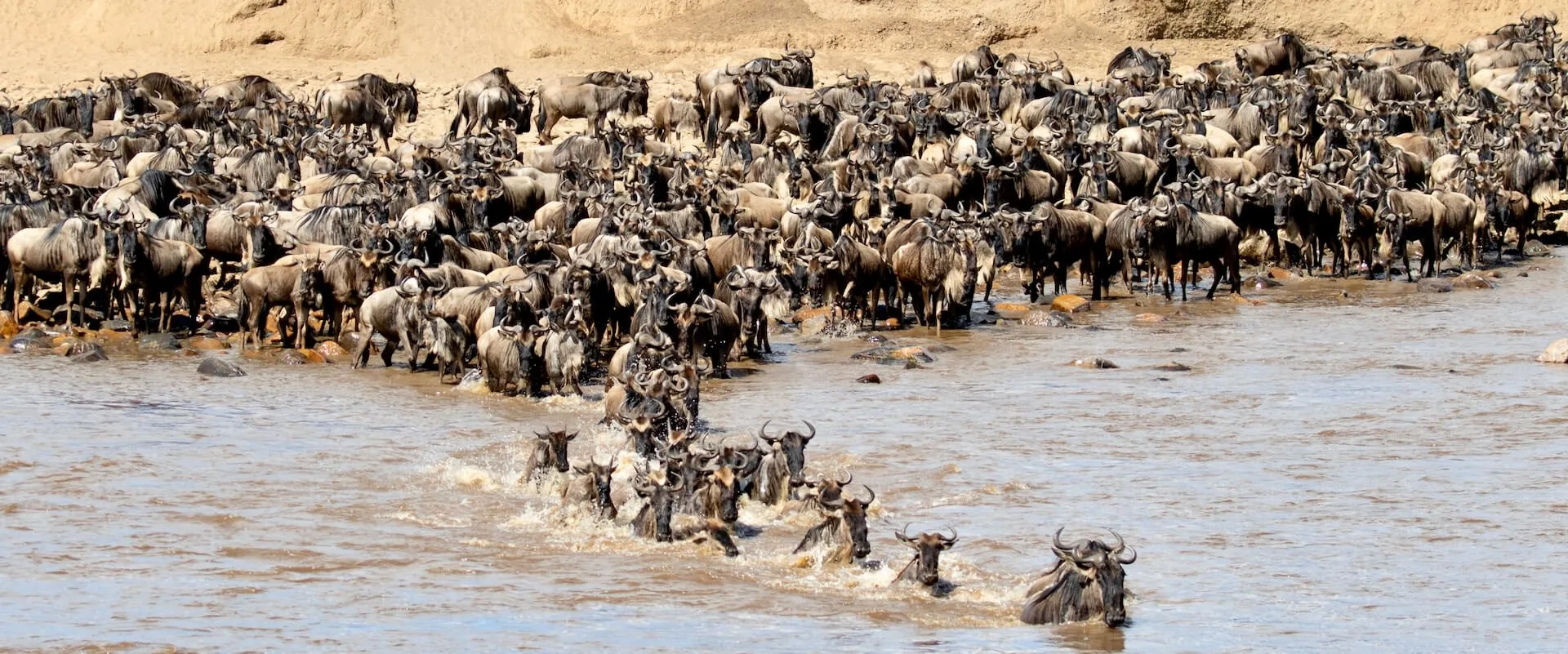
The Great Migration in Africa happens all year because the herds continuously circulate through the Serengeti–Mara ecosystem in…
Read article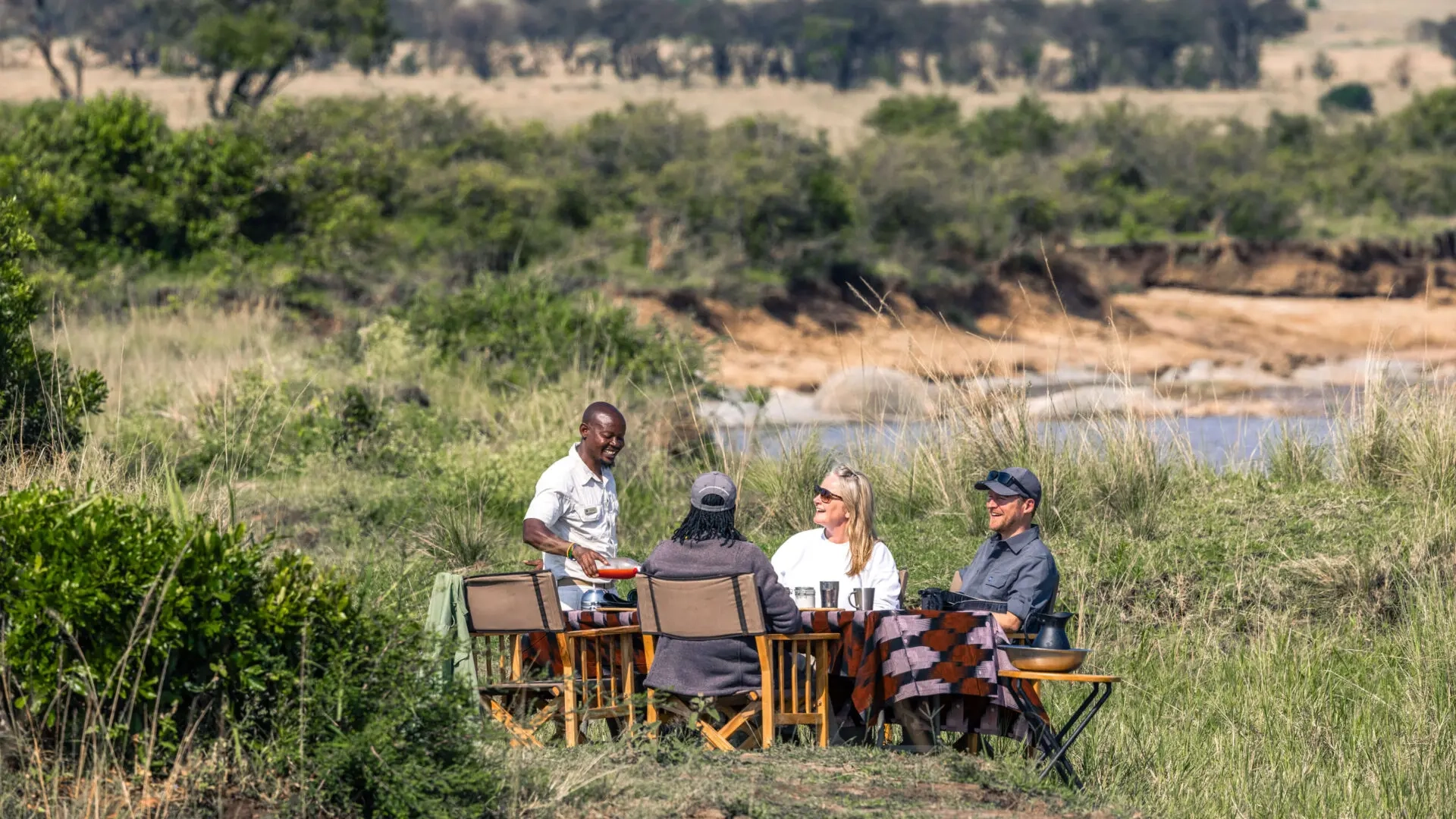
Definitive answer: A picnic lunch on safari is a packed or catered midday meal eaten at an approved…
Read article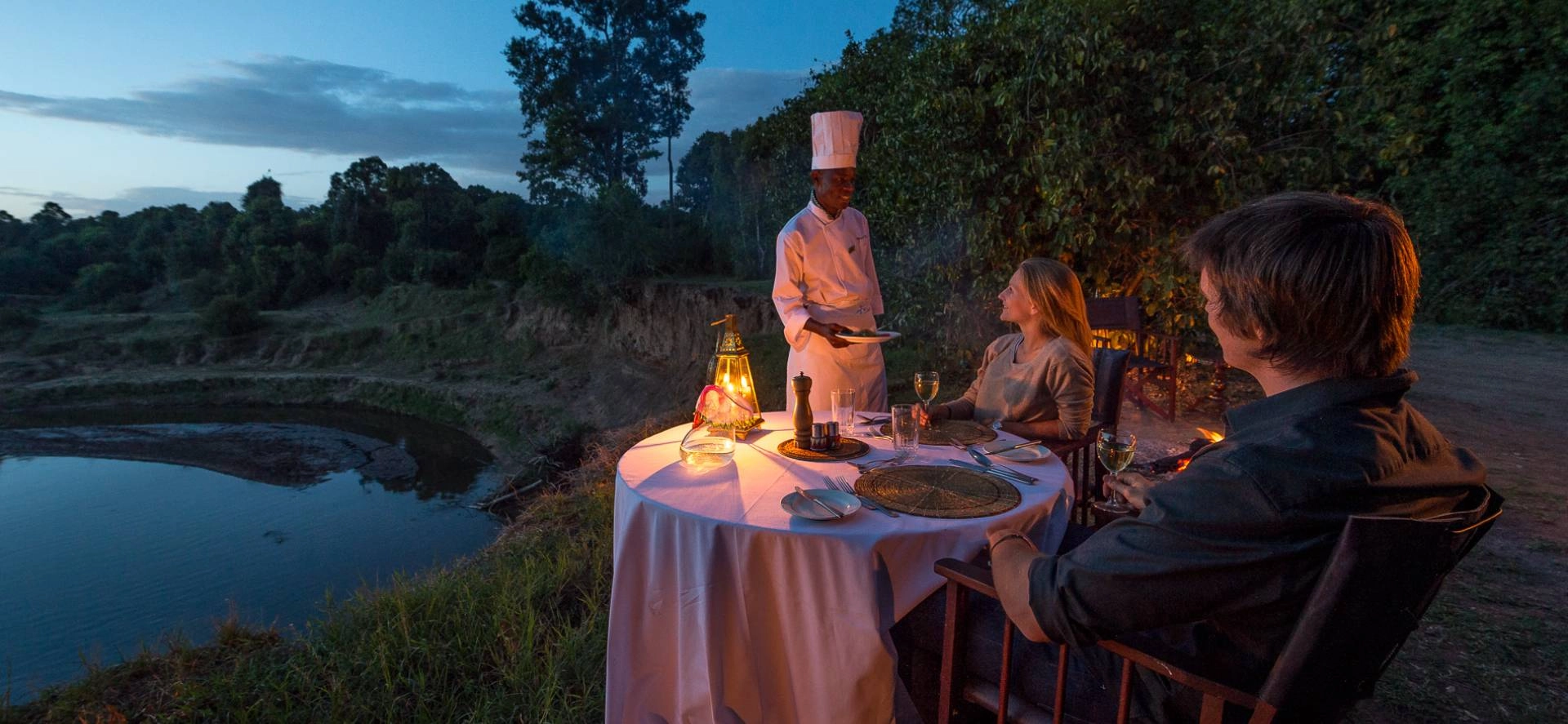
Definitive answer: A bush dinner is an outdoor evening meal arranged in a safe safari setting away from…
Read articleLet us take you closer to the wildlife, people and places that make Africa extraordinary.
Plan Your Safari Today