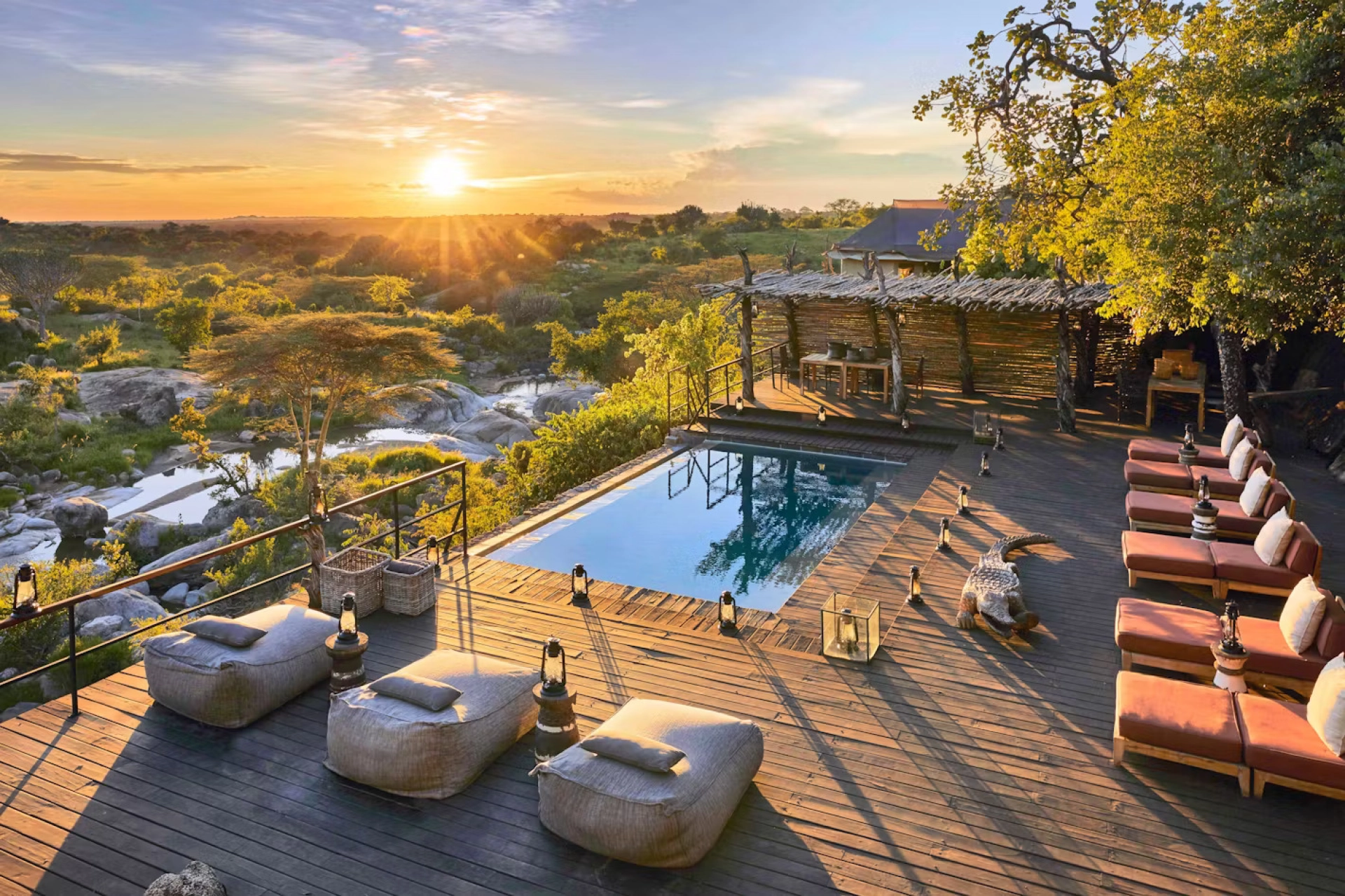
What should I look for when booking a luxury African safari?
When booking a luxury African safari, look beyond the room and compare the quality of guiding, wildlife location,…
Read article

Travel Guide
An African safari does not need to cost thousands of dollars per day. The continent's most expensive private camps receive enormous publicity, creating the impression that a meaningful African wildlife journey requires charter aircraft, private plunge…
An African safari does not need to cost thousands of dollars per day. The continent’s most expensive private camps receive enormous publicity, creating the impression that a meaningful African wildlife journey requires charter aircraft, private plunge pools and ultra-luxury accommodation. Those experiences certainly exist, but they represent only one end of an extremely broad safari market. A carefully planned budget small-group safari in Africa can take travelers into many of the same national parks, search for the same lions and elephants, follow the same migration herds and explore the same landscapes for substantially less money.
The lion seen from a comfortable shared 4×4 is the same lion seen from a private luxury vehicle. A mountain gorilla does not become more impressive because your lodge costs US$1,000 a night. The sunrise over the Serengeti is not reserved for luxury travelers. What changes with budget is usually the style of transportation, exclusivity, accommodation level, group size, meal arrangements and flexibility—not the fundamental value of Africa’s wildlife.
Small-group travel is particularly effective because many major safari expenses are shared. A safari vehicle costs money whether it carries two guests or six. A professional driver-guide must be paid. Fuel must be purchased. Park vehicle fees and logistical costs remain. When several compatible travelers share those expenses, the safari cost per person can decrease substantially. This is why small-group safaris occupy an important middle ground between extremely basic mass-market travel and expensive private safaris. The objective is not to find the absolute cheapest safari in Africa.
It is to find the best-value African safari that protects the quality of wildlife viewing, guiding, safety and itinerary while eliminating unnecessary luxury.
There is no universal definition. One operator may call eight travelers a small group. Another may use six. Overland companies may describe larger groups as small compared with full-size coaches. For wildlife-focused safaris, the important consideration is not simply the marketing label. Ask how many people actually share the vehicle. Vehicle occupancy directly affects the experience. Can everyone have a window seat? Can everyone photograph comfortably? How many rows are there? Will travelers constantly change seats? How quickly can the group enter and exit?
A six-person group in an extended safari Land Cruiser can provide a very different experience from twelve travelers sharing a larger vehicle.
Safari pricing contains fixed and semi-fixed expenses. The vehicle is one of the largest. Fuel is another. The guide’s daily cost does not double because two additional guests join.
Some transfer costs can be shared. This means group travel distributes costs among more people. Accommodation is still generally charged per room or person, and park fees remain individual, but the shared transport component can create significant savings. This is particularly important on road-based safaris through Uganda, Kenya and Tanzania, where a professional safari vehicle may remain with the group throughout much of the journey.
The word “budget” is often misunderstood. A good budget safari should reduce luxury, not safety. You may stay in a simple lodge rather than a designer tented camp. You may share the vehicle rather than travel privately. You may eat set-menu meals instead of elaborate tasting menus. You may drive between parks rather than fly. Those are reasonable savings. Using poorly maintained vehicles, unqualified guides, illegal park access, unsafe accommodation or unrealistic driving schedules is not.
The lowest quote is therefore not automatically the best budget safari. Value matters more than headline price.
A properly quoted group safari should make inclusions clear. Typical inclusions may cover safari transportation, driver-guide services, specified accommodation, meals according to the itinerary and park-related fees. Specialist permits such as gorilla trekking permits or chimpanzee trekking permits should be clearly stated as included or excluded. International flights, visas, travel insurance, alcoholic drinks, personal expenses and gratuities are commonly excluded unless specifically stated.
Never compare two safari prices until you compare their inclusions. A US$200 cheaper itinerary can become more expensive if essential park fees or activities are excluded.
Uganda is one of Africa’s most interesting destinations for travelers who want to combine primates and traditional wildlife. A budget Uganda group safari can include Bwindi Impenetrable National Park, Queen Elizabeth National Park, Kibale National Park, Murchison Falls National Park and Lake Mburo, depending on trip duration. The major attraction is the ability to combine mountain gorilla trekking with savannah game viewing. Few safari destinations offer this ecological contrast so naturally. One morning you may be walking through tropical rainforest searching for mountain gorillas. A few days later you may be photographing elephants and buffaloes in open savannah.
Add chimpanzees, boat safaris and prolific birdlife and Uganda becomes exceptionally diverse.
Much of Uganda’s classic safari circuit is road based. This means sharing a 4×4 can reduce per-person transport costs substantially. Budget and mid-range lodges are available near major destinations.
Group travel is especially attractive to solo travelers because it can reduce the single-person burden of private vehicle costs. The principal fixed expense for gorilla-focused trips is the trekking permit. This means accommodation and transport are the most obvious areas for responsible savings.
Travelers sometimes search for a “cheap gorilla permit.” That is the wrong strategy. Official permit costs are controlled by the relevant authorities rather than negotiated individually by safari companies. A legitimate budget gorilla safari saves money elsewhere. Use a comfortable budget lodge. Share transportation. Avoid unnecessary luxury upgrades. Choose an efficient route. A small-group gorilla safari can therefore provide the same regulated gorilla trekking experience as a luxury itinerary while costing considerably less overall.
Rwanda is famous for high-end gorilla tourism, but travelers can still control overall costs through itinerary design. The primary challenge is that gorilla trekking in Volcanoes National Park represents a significant portion of the trip budget. Accommodation ranges widely. Travelers can select simpler lodging rather than ultra-luxury properties. A group can share transportation. The compact geography also helps reduce travel time. For travelers whose sole objective is mountain gorillas, a short Rwanda itinerary can be efficient. For those seeking broader wildlife, Rwanda can combine Volcanoes National Park with Akagera National Park and potentially Nyungwe.
Kenya is one of the world’s classic safari destinations and works exceptionally well for group travel. A budget Kenya safari can combine the Masai Mara National Reserve, Lake Nakuru, Amboseli and other destinations depending on available days. The country’s long-established safari industry provides accommodation across multiple price categories. Road-based itineraries allow vehicle costs to be shared.
This creates excellent opportunities for first-time visitors.
The Masai Mara is often associated with luxury tented camps, but budget and mid-range properties exist in the broader region. Accommodation location matters. A very cheap camp requiring a long drive to productive wildlife areas may save money while reducing actual safari time. When comparing budget Masai Mara safaris, ask where the property is located, how long it takes to reach key game-viewing areas and which entrance gate is normally used.
Saving money should not mean spending half the morning commuting.
Demand increases when large migration herds occupy the Mara ecosystem. Rates can rise. Availability becomes limited. Travelers on strict budgets should compare travel dates immediately before or after the highest-demand period. Resident wildlife remains excellent throughout the year. The Masai Mara does not become empty when the migration moves elsewhere.
Tanzania contains some of Africa’s most celebrated wildlife landscapes. The Serengeti National Park, Ngorongoro Conservation Area, Tarangire National Park and Lake Manyara region form the famous northern safari circuit. Private Tanzania safaris can become expensive because of park fees, accommodation and vehicle costs. Small-group travel distributes transportation expenses and can therefore improve affordability considerably.
The Serengeti is enormous. Accommodation location is crucial. Travelers should avoid selecting a camp based only on the cheapest room rate. A property positioned far from the wildlife area you want to explore can increase fuel use and reduce game-viewing time. For general wildlife, central Serengeti can provide excellent year-round opportunities. For migration-focused travel, seasonal location becomes more important. A budget Serengeti group safari should therefore balance room price with geography.
Ngorongoro is a premium destination because conservation and vehicle-related costs contribute significantly to itinerary pricing. One way to control expenses is staying outside the most expensive crater-rim properties and driving to the descent area. The trade-off is additional driving. For budget travelers, that compromise can be worthwhile.
A Kenya and Tanzania safari provides one of Africa’s great wildlife combinations. The Masai Mara and Serengeti form part of the broader Serengeti–Mara ecosystem, but international border logistics mean travelers cannot simply drive freely between them at any point. A well-planned group itinerary can combine both countries while sharing major transportation costs. However, a short trip should not attempt too much.
If you have only five days, choose one country. If you have ten to fourteen days, a combined safari becomes much more realistic. Budget travel becomes poor value when too much of the holiday is spent racing between destinations.
South Africa offers some of the continent’s most accessible budget safari options. Kruger National Park is particularly important. Travelers can stay in or around the park at various accommodation levels. Road infrastructure is extensive. Scheduled group safaris can reduce costs. The ability to combine independent travel with guided game drives makes South Africa particularly flexible.
A budget Kruger safari can range from simple self-drive travel to scheduled guided programs. Self-driving can be economical for confident travelers familiar with local driving requirements.
However, first-time visitors often benefit from professional guides. Guides understand wildlife behavior, park geography and productive areas. A shared guided safari can therefore offer a strong compromise between price and expertise.
Botswana is widely considered one of Africa’s more expensive safari destinations. Its premium wilderness tourism model and remote camps can produce high prices, especially where light-aircraft transfers are required. Yet Botswana is not inaccessible to budget travelers. The key is choosing the right safari style. Mobile camping safaris, scheduled group departures and road-based itineraries can reduce costs significantly compared with luxury fly-in safaris.
Chobe National Park is particularly suitable for travelers trying to control Botswana safari costs. Kasane provides a practical gateway. Travelers can combine game drives with boat safaris on the Chobe River. The region is famous for elephants and supports a wide variety of wildlife. Staying in Kasane or using reasonably priced accommodation outside ultra-luxury safari camps can reduce expenses.
The Okavango Delta can be expensive, particularly at remote fly-in camps. Budget-oriented travelers can investigate mobile camping and road-accessible safari combinations involving Moremi and neighboring areas. These trips can still provide exceptional wilderness experiences. However, road conditions can be challenging. This is not an area where inexperienced travelers should choose a cheap self-drive simply to save money without understanding deep sand, water crossings, navigation and remote travel requirements.
Namibia is one of Africa’s great road-trip destinations. Its enormous landscapes, desert scenery and relatively developed self-drive tourism infrastructure make it particularly attractive to adventurous budget travelers. Etosha National Park provides classic wildlife viewing. Sossusvlei adds iconic desert scenery. Swakopmund provides a completely different coastal environment. Damaraland and other northern landscapes create additional variety. A Namibia group safari distributes vehicle and fuel costs while avoiding the complexity of self-driving enormous distances independently.
Zimbabwe provides excellent wildlife and can be incorporated into multi-country southern Africa journeys. Hwange National Park is one of the country’s flagship wildlife destinations. Victoria Falls provides a natural gateway for many international travelers. A group itinerary can combine the falls with safari while sharing transportation. Travelers should distinguish the cost of visiting Victoria Falls from the cost of optional adventure activities, which can increase the budget substantially.
Zambia is strongly associated with wilderness, walking safaris and high-quality guiding. Some remote camps operate at premium prices, but scheduled and simpler safari options can provide alternatives. South Luangwa National Park is one of the country’s most important wildlife destinations. Budget-conscious travelers should examine accommodation location and transfer logistics carefully. The cheapest room can become expensive if reaching it requires costly flights.
These terms are sometimes confused. A small-group safari generally focuses on a relatively limited number of travelers sharing safari transportation. An overland safari often covers longer distances using a larger expedition-style vehicle. Overland travel can be extremely cost effective. It also provides a social experience. However, large overland vehicles are less intimate than smaller 4×4 safari vehicles. Travelers should decide whether the priority is wildlife photography, social travel, long-distance exploration or minimum price.
Camping can reduce costs but varies enormously. Basic participation camping may require travelers to help with tents or camp routines. Mobile tented safaris may be considerably more comfortable. Permanent budget lodges provide proper beds and bathrooms while still controlling costs. Do not assume “camping” automatically means cheaper or “lodge” automatically means expensive. Compare the complete package.
A safari room does not need a private plunge pool to provide a good night’s sleep. For budget travelers, priorities should include cleanliness, safety, mosquito protection where appropriate, functional bathrooms and convenient location. A simple lodge fifteen minutes from a park entrance may provide better value than a more luxurious property ninety minutes away. Location has economic value because it determines how much time and fuel are spent reaching wildlife.
Solo travel is one of the strongest reasons to choose a small-group African safari. Private safaris often become expensive for one traveler because the full vehicle and guide costs are carried by one person. Joining a scheduled group distributes those costs. It also provides companionship. Solo travelers should nevertheless ask whether a single-room supplement applies. A cheap group price can increase substantially when private room occupancy is added.
Couples have more flexibility. They can join a group for maximum savings or choose a private safari where the cost difference is manageable. A useful strategy is comparing both. Sometimes a private safari for two costs only moderately more than a scheduled group departure, particularly outside peak season. In other cases, group travel creates substantial savings.
Families can benefit from private or small-group pricing depending on the number of travelers. A family of four may already fill a significant portion of a safari vehicle. Child policies vary by lodge and park.
Some activities impose age restrictions. Gorilla trekking, walking safaris and certain specialist activities require careful age-related planning. Families should never choose an itinerary based solely on price before confirming activity eligibility.
Travelers often assume the Great Migration requires luxury travel. It does not. Migration viewing depends primarily on being in the correct ecosystem at an appropriate time. A budget or mid-range camp can provide access to the same broad wildlife phenomenon. However, seasonal accommodation demand can make migration-focused trips expensive. Book early. Consider shoulder dates. Stay in a strategically positioned camp. Avoid paying for luxury that does not improve wildlife access.
South Africa and Kenya are strong options for budget-conscious travelers interested in classic wildlife. Uganda can combine Big Five-oriented circuits with primate experiences depending on routing. Zimbabwe can also provide excellent traditional safari opportunities. Remember that wildlife sightings are never guaranteed. A safari should not be judged solely by whether five species were checked from a list.
Uganda is particularly important for travelers seeking an affordable gorilla trekking safari. The gorilla permit itself remains a major fixed cost. Savings come from sharing transport, using budget accommodation and designing an efficient route. Starting and ending in Kigali can sometimes create geographically efficient itineraries for southwestern Uganda, subject to border and entry requirements. Starting and ending in Entebbe allows easy integration with wider Uganda safari circuits. The best route depends on the complete trip.
Longer is not always more expensive on a per-day basis. Fixed transportation costs can be distributed across more days. A seven-day safari may provide better value per day than a three-day trip. However, every additional night adds accommodation and park costs. Choose duration according to geography. Three days works for one compact destination. Seven days allows a meaningful regional circuit. Ten to fourteen days can support multi-park or multi-country travel.
Three days should focus on one destination. Examples might include a short Masai Mara safari, Kruger experience or compact gorilla-focused itinerary depending on logistics. Do not attempt to combine multiple distant national parks. The cheapest safari is not valuable if most of it is spent driving.
Five days allows more depth. Uganda travelers might combine gorilla trekking with another southwestern experience. Kenya travelers can combine two complementary destinations. Tanzania visitors can create a compact northern circuit. South Africa visitors can spend several nights around one wildlife region.
Seven days is one of the best durations for first-time travelers. It provides enough time to slow down. Several ecosystems can be combined. Vehicle costs are spread across a meaningful trip. Travelers have more than one chance to find key wildlife.
Ten days creates opportunities for a substantial Uganda, Kenya, Tanzania, Namibia or southern Africa circuit. It can also support carefully planned cross-border combinations. The key remains route efficiency. A good ten-day itinerary should feel deeper, not merely longer.
Photographers should pay particular attention to group size. Six travelers may sound small until everyone tries to photograph through the same side of a vehicle. Ask whether every traveler receives a window position. Ask about the roof design. Ask how luggage is stored. A slightly more expensive safari with fewer passengers can provide much better photographic value.
Some scheduled safaris allow travelers to pay for a private vehicle. For photographers, couples and families, this may be worth considering. It provides control over stops, sighting duration and daily pace. If the private upgrade exceeds the budget, look for departures with guaranteed low passenger numbers.
Peak wildlife seasons often coincide with peak prices. Traveling in shoulder or green seasons can reduce costs. The trade-off may include rainfall or less predictable road conditions. However, wildlife remains. In some ecosystems, green-season photography and birding are outstanding. Travelers should compare value across seasons rather than assuming July and August are the only acceptable months.
These months can provide excellent East African opportunities.
Tanzania’s southern migration ecosystem is particularly important around the broader calving period. Uganda and Rwanda remain viable for primate trekking. Southern Africa is generally greener. Rates vary by destination and holiday period.
These months can provide some of the strongest savings in parts of East Africa. Rainfall increases. Landscapes become lush. Visitor numbers decrease. Road conditions can be challenging. For flexible travelers, the value can be excellent.
This is prime safari season across many destinations. Wildlife viewing can be excellent. Prices and demand rise. Budget travelers should book early and consider less famous reserves.
November can provide shoulder-season value in certain destinations. December becomes more complicated because festive demand increases around Christmas and New Year. Early December may price very differently from late December.
Road travel is usually more economical. A 4×4 connects parks while also serving as the game-drive vehicle. Fly-in safaris save time but add aviation costs. In remote Botswana and other wilderness regions, flights may be an integral part of certain itineraries. In East Africa, road safaris can provide exceptional value.
The most intelligent savings are structural. Travel in a small group. Choose mid-range or budget accommodation. Travel outside peak season. Stay longer in fewer places. Use road transport where practical. Book a strategically located lodge. Avoid unnecessary luxury upgrades. These choices preserve the core wildlife experience.
Do not compromise on vehicle maintenance. Do not use unqualified guides. Do not avoid legitimate park fees. Do not book unlicensed operators. Do not skip travel insurance merely to reduce the headline trip price. Do not choose an unsafe accommodation property. A budget safari should be economical, not reckless.
A safari price means little without context. Compare: Trip duration. Group size. Vehicle type. Accommodation standard. Room basis. Meals. Park fees. Permits. Activities. Airport transfers. Internal flights. Drinking water. Taxes. A higher quote may actually include substantially more.
Common additional expenses can include visas, insurance, tips, drinks, laundry, optional activities, souvenirs and international flights. Some destinations also require specialist activity permits. Build these into the complete trip budget. Do not spend every dollar on the safari package and arrive without contingency money.
Extremely low prices deserve scrutiny. Verify the company. Confirm the itinerary. Ask for accommodation names. Check what is excluded. Understand payment conditions. Be particularly cautious if a supposed safari price appears impossible once park fees, fuel, accommodation and vehicle costs are considered. Legitimate safari operators have real operating expenses.
Travelers planning a 2027 African safari should begin by identifying the experience rather than asking for the cheapest package. Do you want gorillas? The Great Migration? Big Five wildlife? Birding? Photography? Botswana wilderness? A first safari? A family trip? Once the objective is clear, the route can be optimized around value. Booking early is particularly important for limited permits, migration-season accommodation and small-group departures with few seats.
There is no universally cheapest country because price depends on duration, accommodation, park fees, transport and travel season. South Africa can offer accessible budget options, while Uganda provides strong value for travelers combining primates and savannah wildlife.
Usually, yes, because vehicle, guide and fuel expenses are shared.
It varies. Always ask for the maximum number of travelers sharing the vehicle.
A reputable budget safari should maintain professional safety standards. Budget should describe accommodation and travel style, not reduced safety.
Yes. Wildlife access is not restricted to luxury camps, although seasonal demand affects accommodation prices.
Yes. The permit remains a significant fixed expense, but shared transport and budget accommodation can reduce the total safari cost.
No. Many destinations have affordable lodge and tented-camp options.
Yes. They can substantially reduce the cost of vehicle and guide services while providing companionship.
Often, but inclusions vary. Check the specific itinerary.
They should be clearly stated in the quotation. Never assume.
The answer depends on itinerary, season and accommodation. Compare equivalent routes rather than country names alone.
Yes, particularly through mobile camping, scheduled group travel and carefully chosen road-based routes, although Botswana remains comparatively premium.
Peak-season departures, gorilla permits and migration-focused trips should be booked well in advance.
The best budget safari is not necessarily the itinerary with the smallest number at the bottom of the quotation. It is the trip that gives you the greatest meaningful experience for the money available. A poorly designed five-day safari can be less valuable than a well-designed four-day safari. A lodge costing US$30 less per night can be poor value if it adds two hours of driving every morning.
A crowded vehicle can reduce photography opportunities. A cheap itinerary crossing enormous distances can leave travelers exhausted. Good budget planning asks a better question: Where does spending money actually improve the safari? Spend on legitimate park access. Spend on professional guiding. Spend on reliable transportation. Spend on the wildlife experiences that motivated the trip. Then economize on things that matter less to you. Choose a comfortable room instead of a luxury suite. Share the vehicle. Travel in shoulder season.
Skip unnecessary domestic flights. Stay longer in fewer parks. That is how an affordable African safari remains a genuine safari rather than simply becoming a cheap holiday.
For travelers interested in East Africa, Adventure in the Wild Safaris can structure small-group and private journeys around Uganda, Rwanda, Kenya, Tanzania and compatible regional combinations according to the selected itinerary. Uganda is particularly effective for travelers seeking budget gorilla trekking, chimpanzees and savannah wildlife in one journey. Kenya and Tanzania suit travelers prioritizing the Serengeti–Mara ecosystem and classic plains wildlife. Rwanda works particularly well for compact primate-focused itineraries. The correct group safari depends on dates, group size, accommodation preference and wildlife priorities.
Africa is not reserved for luxury travelers. You do not need a private aircraft to watch elephants. You do not need a plunge pool to hear lions calling at night. You do not need a five-star suite to stand beneath the enormous Serengeti sky.
And you do not need to spend recklessly to experience the continent responsibly. What you need is a well-designed route, a professional guide, enough time in the right wildlife areas, reliable transport and realistic expectations. For many travelers, a budget small-group safari in Africa provides precisely that. It turns expensive private transport into a shared cost.
It gives solo travelers companions. It makes longer safaris more achievable. It allows travelers to spend money on gorilla permits, national park access and meaningful activities rather than unnecessary luxury. Most importantly, it preserves what really matters.
The first lion you see will still stop the conversation inside the vehicle. The first elephant approaching through the bush will still feel enormous. Thousands of wildebeest moving across the Serengeti will still seem almost impossible to comprehend. The mountain gorilla sitting quietly a few meters away will not know whether you slept in a budget lodge or a luxury one.
Africa’s greatest experiences are created by wildlife, landscape, time and attention. A good budget safari simply makes those experiences accessible to more people.

Share This Article
When booking a luxury African safari, look beyond the room and compare the quality of guiding, wildlife location,…
Read article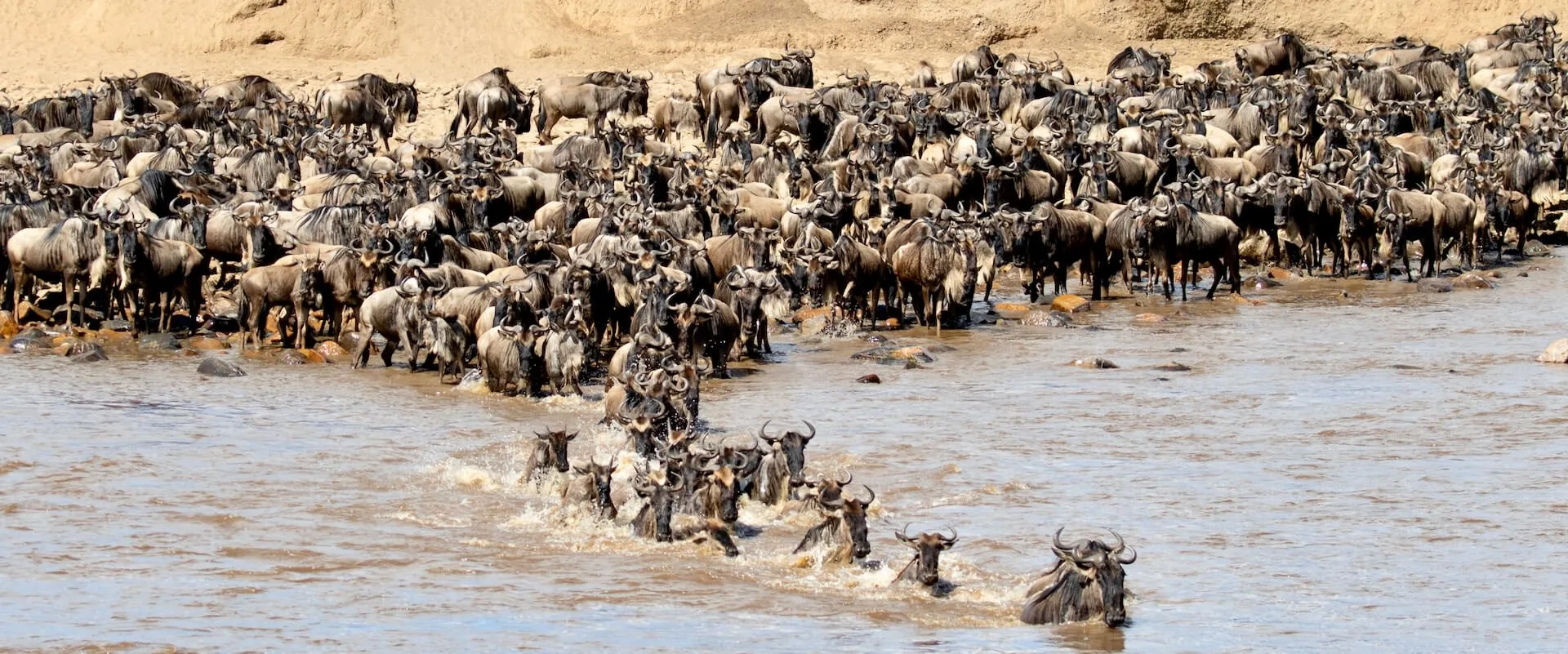
The Great Migration in Africa happens all year because the herds continuously circulate through the Serengeti–Mara ecosystem in…
Read article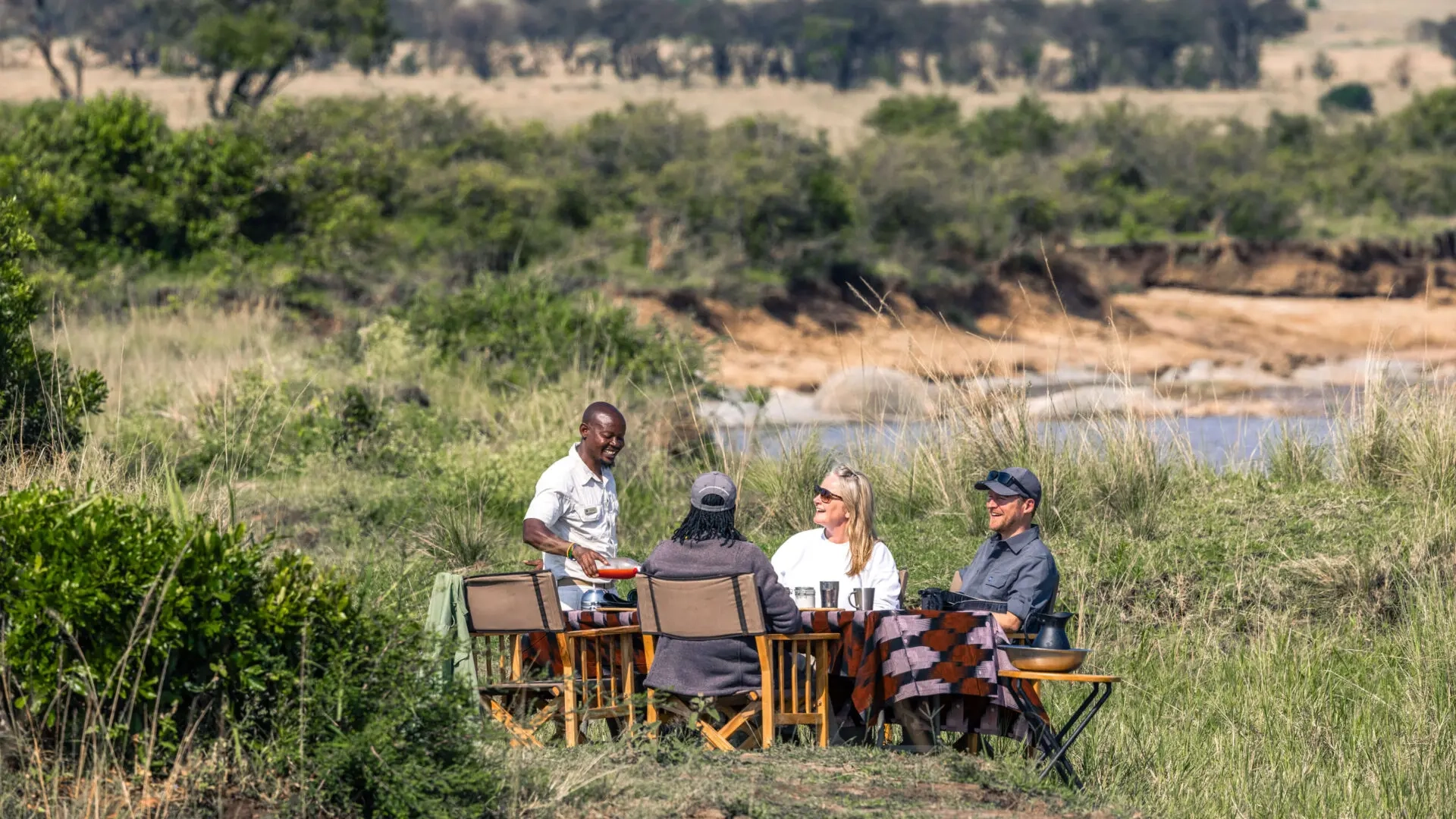
Definitive answer: A picnic lunch on safari is a packed or catered midday meal eaten at an approved…
Read article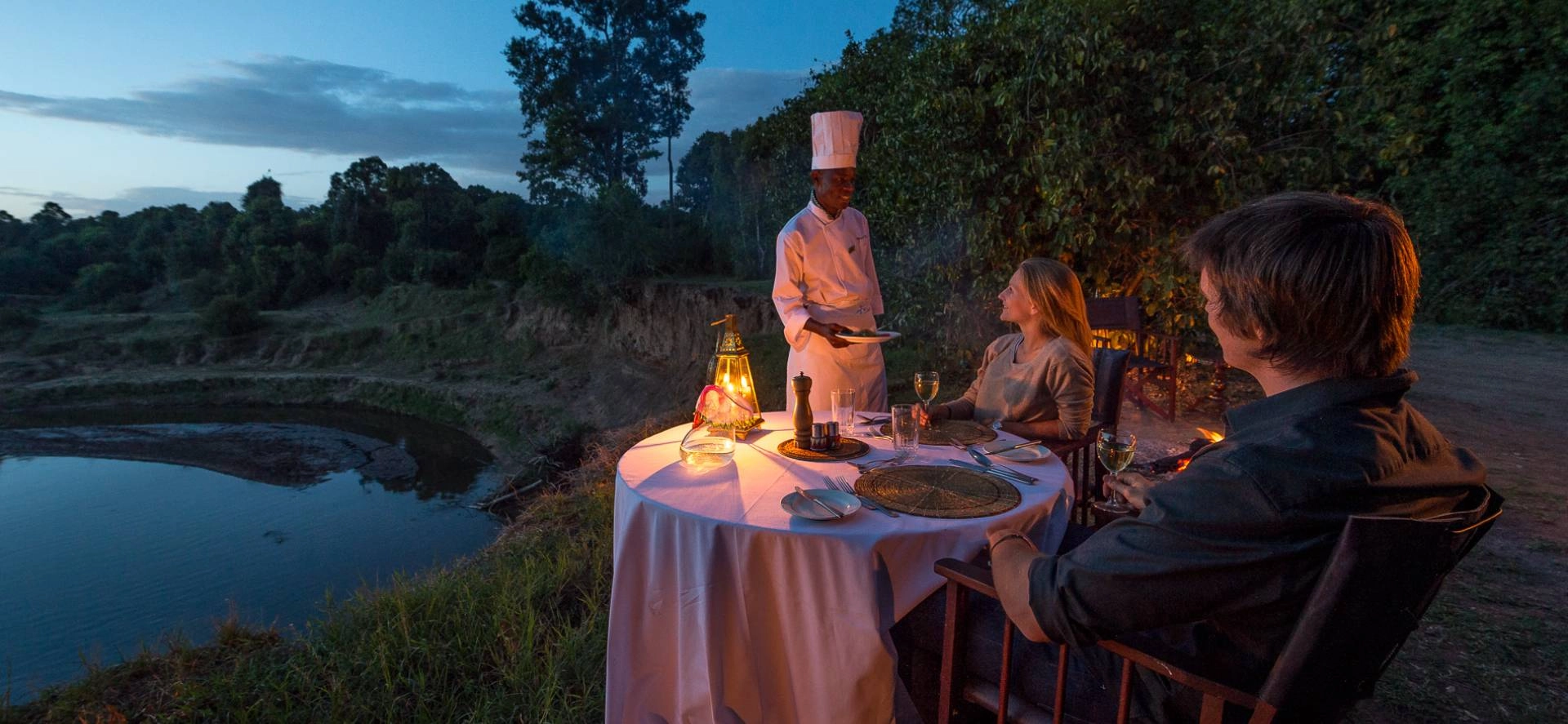
Definitive answer: A bush dinner is an outdoor evening meal arranged in a safe safari setting away from…
Read articleLet us take you closer to the wildlife, people and places that make Africa extraordinary.
Plan Your Safari Today