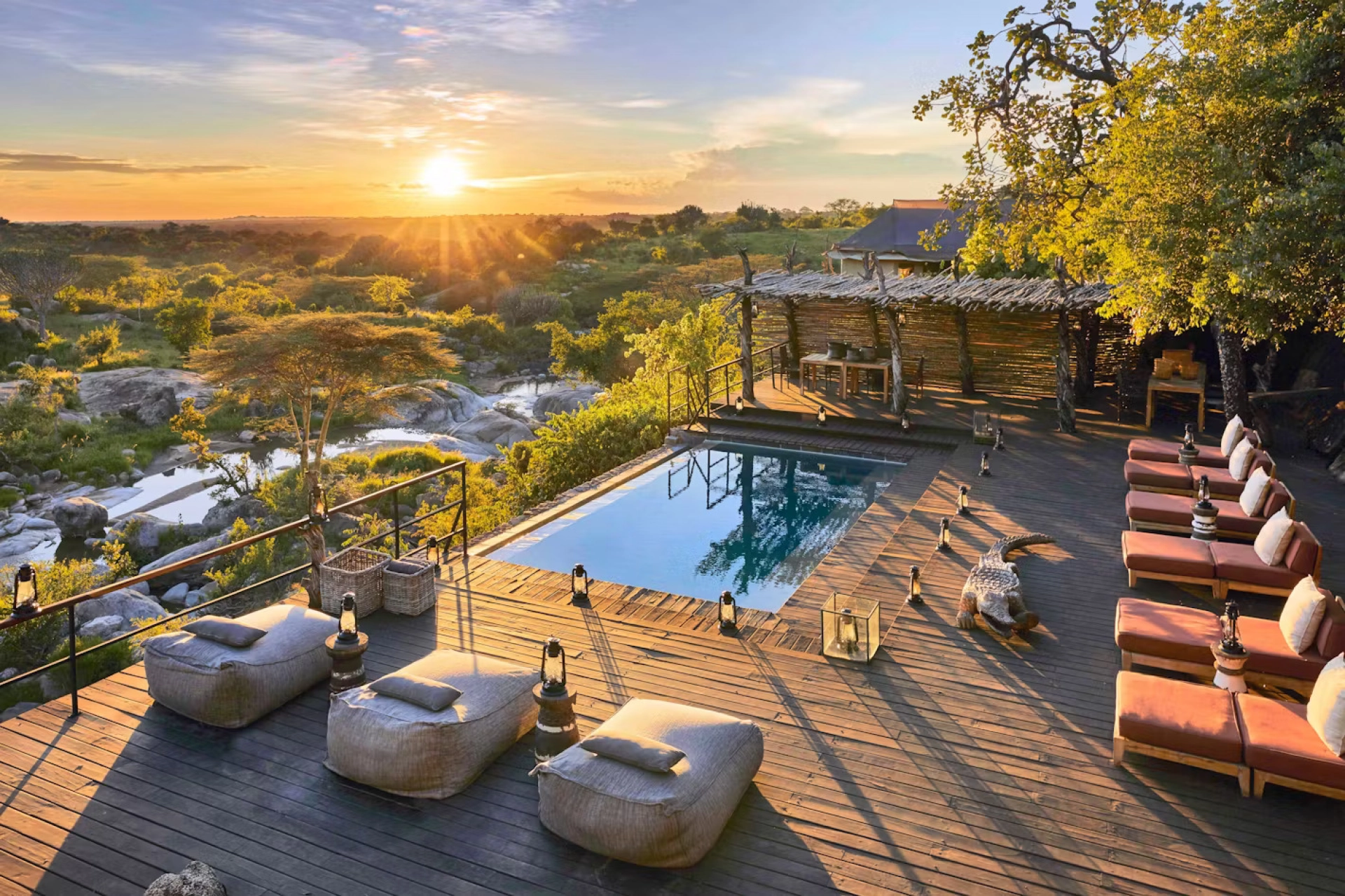
What should I look for when booking a luxury African safari?
When booking a luxury African safari, look beyond the room and compare the quality of guiding, wildlife location,…
Read article

Travel Guide
Travellers often arrive in Africa with their attention fixed on wildlife, beaches, mountains and historical monuments. Those experiences are extraordinary, but they reveal only part of the continent. To understand modern Africa, spend time in its…
Travellers often arrive in Africa with their attention fixed on wildlife, beaches, mountains and historical monuments. Those experiences are extraordinary, but they reveal only part of the continent. To understand modern Africa, spend time in its cities. Africa’s great urban centres are places where musicians experiment with new sounds, designers reinterpret textile traditions, chefs combine local ingredients with global techniques, filmmakers tell contemporary stories and young entrepreneurs build businesses around technology, art, tourism and fashion.
The best cities to visit in Africa for contemporary African culture are therefore not museums preserving a static version of tradition. They are living, changing environments. Accra does not feel like Nairobi. Nairobi does not feel like Dakar. Dakar bears little resemblance to Kigali. Cape Town and Johannesburg, although located in the same country, express completely different urban identities. That diversity is precisely why city experiences should form part of a serious African itinerary.
Recent cultural research covering cities including Accra, Addis Ababa, Cape Town, Dakar, Johannesburg, Kampala, Kigali, Lagos and Nairobi describes creativity as an increasingly important force in African urban development and cultural economies. Here are some of the cities where contemporary African culture can be experienced most vividly.
Accra has become one of West Africa’s most exciting cultural destinations. The Ghanaian capital blends historical significance with a rapidly evolving contemporary identity shaped by music, fashion, art, food and a large international diaspora. For travellers interested in modern African culture, Accra deserves several days rather than a rushed stop. The city is strongly associated with Ghana’s role in Pan-African history. Visiting sites connected with independence provides important context for understanding modern Ghana.
But today’s Accra is equally compelling. Galleries, concept stores and creative spaces showcase contemporary Ghanaian artists. Fashion designers reinterpret kente, batik and other visual traditions for international audiences. Music ranges from highlife heritage to Afrobeats, hip-hop and experimental sounds. Food is central. Visitors should look beyond hotel restaurants and explore Ghanaian dishes such as jollof rice, waakye, kelewele, grilled tilapia and regional soups. Accra also serves as a gateway to Cape Coast, Elmina and Ghana’s Atlantic coastline, making it easy to combine contemporary culture with deeper historical exploration.
Lagos is not a gentle introduction. It is huge, intense, creative and constantly moving. Nigeria’s economic powerhouse has become internationally influential through music, film, fashion, visual art and digital entrepreneurship. For travellers interested in African pop culture, Lagos is one of the continent’s most important cities. Nigeria’s Afrobeats scene has transformed global popular music. Nollywood is one of the world’s major film industries. Fashion designers from Lagos increasingly appear at international events and in global publications.
Contemporary artists attract collectors far beyond Africa. Yet Lagos cannot be understood only through famous names. Its energy lies in the everyday creativity of neighbourhoods, markets, studios, restaurants, beach venues and cultural spaces. Traffic can be formidable, so good planning matters. Base yourself strategically and avoid designing each day around attractions on opposite sides of the city. Lagos rewards travellers who accept its scale rather than fighting it.
For safari travellers, Nairobi is frequently treated as somewhere to sleep before flying to the Maasai Mara.
That is a missed opportunity. Kenya’s capital has one of East Africa’s most dynamic creative scenes. Nairobi combines technology, music, contemporary art, fashion, food and wildlife in a way few world capitals can replicate. You can visit a gallery in the morning, eat modern Kenyan cuisine for lunch and watch wild giraffes or lions inside Nairobi National Park before sunset. The city’s technology sector has contributed to its reputation as a major African innovation centre.
At the same time, young Kenyan creatives are reshaping music, streetwear, photography and visual art. Neighbourhoods and venues vary enormously. Some parts of the city emphasise nightlife and restaurants, while others reveal older architectural or community histories. Travellers continuing on a Kenya safari should consider spending at least one or two full days exploring Nairobi rather than merely transiting through it.
Dakar occupies a distinctive place in African cultural history. Situated on Senegal’s Atlantic coast, the city has long been associated with literature, music, visual art and intellectual life. Contemporary Dakar continues that tradition. Music is central to Senegalese identity, with mbalax among the country’s most recognisable genres. Visual arts are equally important. The Dakar Biennale has helped establish the city as a major meeting point for contemporary African art. Street life, markets, fashion and food provide another layer.
Senegalese cuisine deserves particular attention, especially dishes such as thieboudienne. The city’s coastal location shapes its atmosphere. Atlantic light, beaches and the nearby island of Gorée give Dakar a character very different from inland African capitals. For travellers seeking a destination where African contemporary art connects naturally with history and everyday urban culture, Dakar is exceptional.
Cape Town is visually spectacular, but treating the city merely as a scenic destination under Table Mountain ignores its cultural complexity. It has become one of Africa’s most important centres for contemporary design, food and art. The city’s galleries range from large institutions to independent spaces. Restaurants draw from South Africa’s extraordinarily diverse culinary traditions. Fashion, architecture and design communities contribute to an internationally visible creative scene. But Cape Town must also be approached critically.
The city’s geography reflects South Africa’s history of apartheid and continuing socioeconomic inequality. Contemporary cultural exploration becomes far more meaningful when visitors engage with those realities rather than remaining exclusively inside affluent tourism districts. A thoughtful itinerary might combine major galleries, neighbourhood food experiences, local creative spaces, Cape Malay heritage and historical sites. Cape Town can also be paired with the Cape Winelands, Cape Peninsula, Garden Route and Western Cape safari reserves, creating one of Africa’s most varied holidays.
If Cape Town seduces through scenery, Johannesburg often wins travellers through energy.
Jo’burg was built around gold and remains an economic centre, but its contemporary cultural identity is much richer. Neighbourhood regeneration, galleries, music, fashion, theatre and restaurants have turned parts of the city into major creative centres. Johannesburg also provides essential historical context. Museums and heritage sites associated with apartheid and democratic South Africa make the city one of the most important places for understanding the country’s recent past. Contemporary art is particularly strong.
The city supports galleries, artist studios and collectors connected to wider African and international networks. Johannesburg is also one of the principal gateways for South African safaris, including journeys toward Kruger National Park. Rather than immediately connecting onward, consider giving the city time.
Kigali has changed dramatically over recent decades. Today it is known for orderly streets, expanding hospitality infrastructure, cafés, galleries, fashion and a growing entrepreneurial culture. For travellers heading to gorilla trekking in Rwanda, Kigali deserves more than an airport transfer. The Kigali Genocide Memorial provides essential historical understanding and should be approached respectfully. Beyond this, visitors can explore contemporary art spaces, markets, restaurants and Rwanda’s increasingly visible coffee culture.
Rwandan designers draw from local materials and traditions while creating products intended for modern African and international markets. The city’s hills provide constant views and give Kigali an unusually spacious visual character. Kigali also connects easily with Akagera National Park, Nyungwe and Volcanoes National Park, making it one of Africa’s best cities to combine with wildlife and primate experiences.
Addis Ababa occupies a unique role as the diplomatic centre of Africa and home of the African Union. Its identity is deeply connected with Ethiopian history, Orthodox Christian traditions, political life and Pan-Africanism. But contemporary Addis is equally fascinating. Coffee culture is fundamental. Drinking Ethiopian coffee is not simply caffeine consumption; it can be a social ritual with deep cultural meaning. Food provides another gateway into the city. Injera, various wats and other Ethiopian dishes create one of Africa’s most distinctive culinary traditions.
Music ranges from classic Ethio-jazz influences to contemporary genres. The city’s museums and cultural institutions add historical depth. For travellers interested in African political history and contemporary culture, Addis provides a perspective unavailable elsewhere.
Although Marrakech is famous for historic medina architecture, contemporary creativity increasingly forms part of its appeal.
Moroccan designers, artists and architects draw from centuries-old visual traditions while producing contemporary work in fashion, interiors and fine art. The result is a city where heritage and modern design constantly interact. Riads may retain traditional architectural forms while incorporating contemporary interiors. Restaurants reinterpret Moroccan cuisine. New galleries sit alongside historic souks. For travellers interested in African design and architecture, Marrakech provides an illuminating example of how historical identity can remain commercially and artistically relevant without becoming frozen in time.
Cairo’s ancient heritage requires no introduction. The pyramids alone place the city on countless travel wish lists. Yet reducing Cairo to pharaonic history overlooks one of the Arab world’s most important contemporary cultural centres. Egypt has exercised enormous influence over Arabic-language cinema, television, literature and music. Modern Cairo continues to produce artists, filmmakers, musicians and writers whose work circulates far beyond Egypt. The city can feel overwhelming. Traffic, density and noise form part of the experience.
But those same characteristics create its creative intensity. Spend time away from the most famous archaeological attractions and explore bookstores, cafés, galleries and neighbourhood restaurants.
Uganda’s capital is frequently treated as the departure point for gorilla trekking and Uganda safaris, yet Kampala has a cultural life worth exploring in its own right. Music is one of the city’s strengths. Ugandan artists work across genres including Afrobeat, hip-hop, dancehall, gospel and traditional influences. Nightlife is energetic. Restaurants showcase Ugandan dishes alongside regional and international cuisine. Art spaces and cultural events reveal a growing creative community. Kampala’s hills and neighbourhoods give it a fragmented geography, so visitors benefit from local guidance.
The city also provides useful context before travelling into Uganda’s national parks. Modern Uganda is not represented only by gorillas, elephants and rural landscapes. Kampala is where much of the country’s contemporary identity is negotiated daily.
Abidjan combines business, fashion, music, food and a striking lagoon-side setting.
The city’s cultural identity reflects Côte d’Ivoire’s role within Francophone West Africa. Ivorian music has influenced the wider region through styles including coupé-décalé. Fashion and nightlife are important parts of urban identity. Restaurants provide opportunities to explore regional cuisine, including attiéké and grilled fish. Abidjan feels markedly different from nearby Anglophone West African capitals. For travellers willing to explore beyond the most established tourism circuits, this is part of its attraction.
Marrakech is more immediately romantic. Casablanca reveals another Morocco. It is the country’s major economic centre and has a cosmopolitan, business-oriented identity. Art Deco architecture forms part of the city’s visual character, while modern restaurants, galleries and creative spaces offer a perspective far removed from conventional images of Moroccan tourism. Casablanca works particularly well as part of a broader journey incorporating Rabat, Marrakech, Fez or the Atlantic coast.
A wildlife safari is one of the greatest travel experiences on Earth. But wildlife alone cannot explain Africa. Spending time in cities before or after safari reveals the continent’s contemporary life. Nairobi changes how you understand Kenya. Kigali adds context to Rwanda. Kampala provides another perspective on Uganda. Johannesburg makes South Africa’s history and current debates more tangible. This matters because safari marketing has historically presented Africa primarily as wilderness.
The continent is also urban. It contains megacities, start-up communities, universities, designers, musicians, film industries, restaurants and rapidly changing youth cultures. Modern African travel should make space for both.
Contemporary cultural tourism should involve more than photographing markets.
Choose locally led experiences. Buy directly from artists and designers where possible. Pay fair prices. Ask permission before photographing individuals. Avoid treating neighbourhoods as spectacles of poverty or exoticism. Listen to local perspectives. Cities are homes first and tourist destinations second. The most rewarding cultural experiences usually emerge when travellers approach them with curiosity rather than assumptions.
Some city-and-safari combinations work exceptionally well. Nairobi + Maasai Mara or Amboseli provides contemporary East African culture followed by classic savannah wildlife. Kigali + Volcanoes National Park + Akagera combines city life, gorillas and Big Five safari. Kampala + Murchison + Kibale + Bwindi creates an extraordinarily varied Uganda journey. Cape Town + Kruger or a Western Cape reserve combines food, design, landscapes and wildlife. Johannesburg + Greater Kruger provides deeper South African historical context before safari. These combinations create a more complete picture of each country.
The best cities to visit in Africa for contemporary African culture show a continent that is continually creating rather than merely preserving. Music is changing. Fashion is changing. Food is changing. Architecture, technology, film and contemporary art are changing. That makes African cities exciting precisely because they resist simple descriptions. Adventure in the Wild Safaris can incorporate Nairobi, Kigali, Kampala, Cape Town, Johannesburg, Livingstone and other African cities into longer safari itineraries so that travellers experience the people, creativity and urban culture surrounding the continent’s famous wilderness areas.
Seeing wildlife may bring you to Africa. Understanding its cities can change how you see the continent.
Get quick answers to the most common questions. If you still have questions, our safari experts are here to help.
Accra, Lagos, Nairobi, Dakar, Cape Town, Johannesburg, Kigali, Addis Ababa, Marrakech and Cairo are among the strongest destinations for travellers interested in contemporary culture.
Several cities compete strongly. Dakar, Cape Town, Johannesburg, Lagos, Accra and Nairobi all have significant contemporary-art scenes.
Nairobi is exceptionally convenient for Kenyan safaris, while Kigali and Kampala connect easily with gorilla trekking. Johannesburg and Cape Town provide excellent connections to Southern African wildlife destinations.
Lagos is internationally influential through Afrobeats, but Accra, Dakar, Johannesburg, Kampala and Nairobi also have vibrant music scenes.
Yes. Kigali offers museums, contemporary art, restaurants, coffee culture and important historical context before travelling to Volcanoes National Park.
Yes. Nairobi offers museums, restaurants, galleries, markets and even a national park within the metropolitan area.
There is no single answer. Cape Town, Lagos, Accra, Dakar, Addis Ababa, Marrakech, Cairo and Johannesburg each offer distinctive culinary traditions.
Our safari experts are here to help you plan your safari. Get personalized advice, the latest information and a free, no-obligation quote.
We typically reply within a few hours.

Share This Article
When booking a luxury African safari, look beyond the room and compare the quality of guiding, wildlife location,…
Read article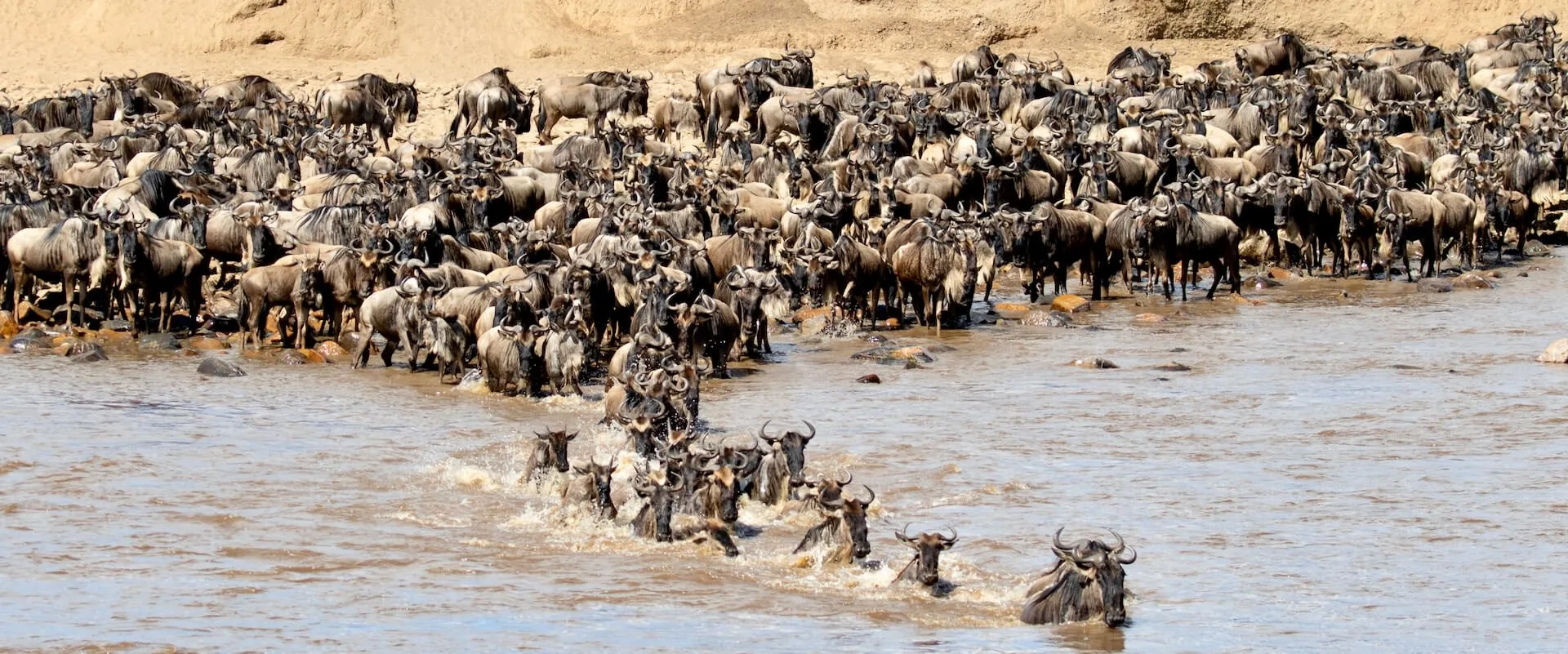
The Great Migration in Africa happens all year because the herds continuously circulate through the Serengeti–Mara ecosystem in…
Read article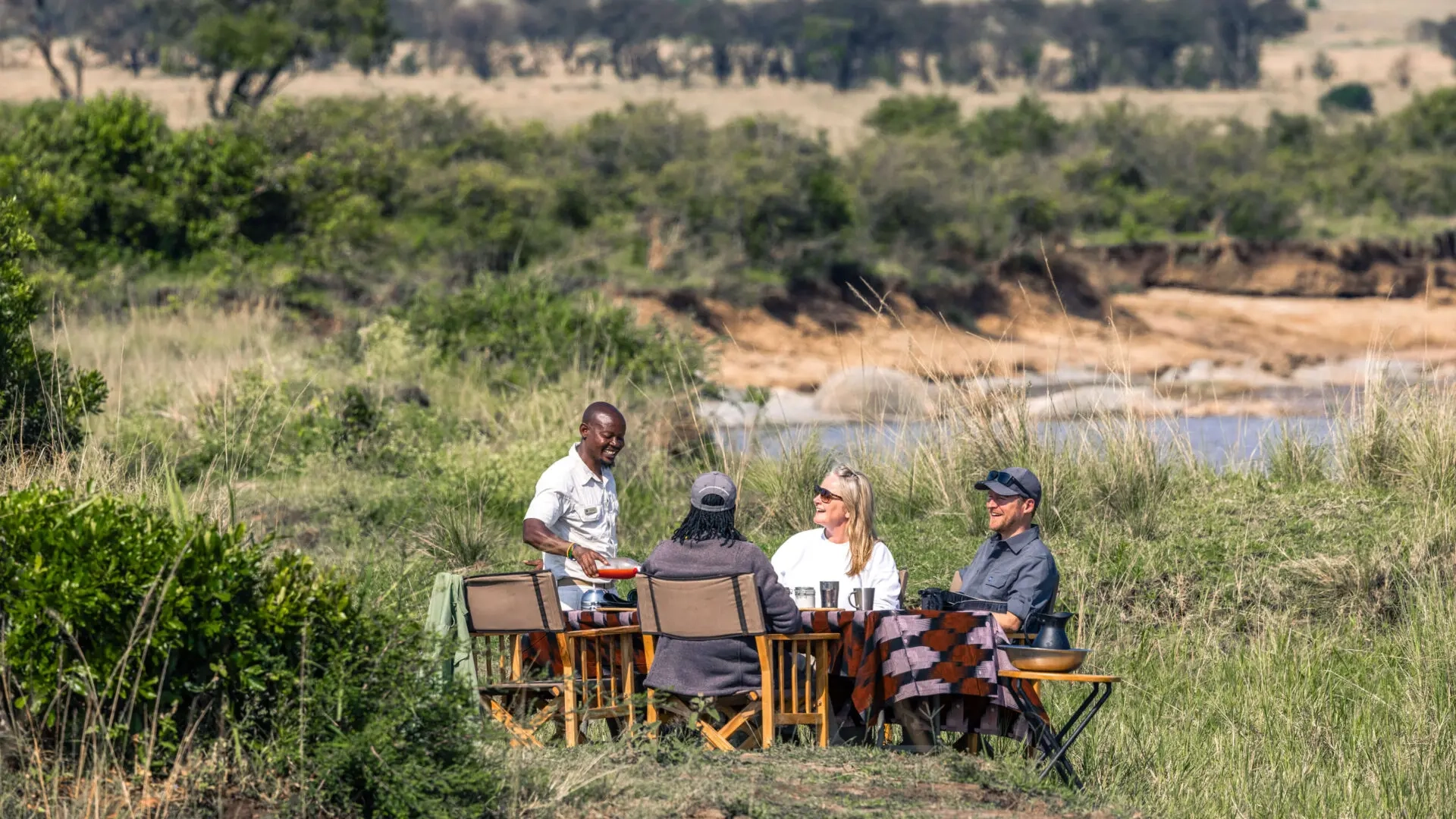
Definitive answer: A picnic lunch on safari is a packed or catered midday meal eaten at an approved…
Read article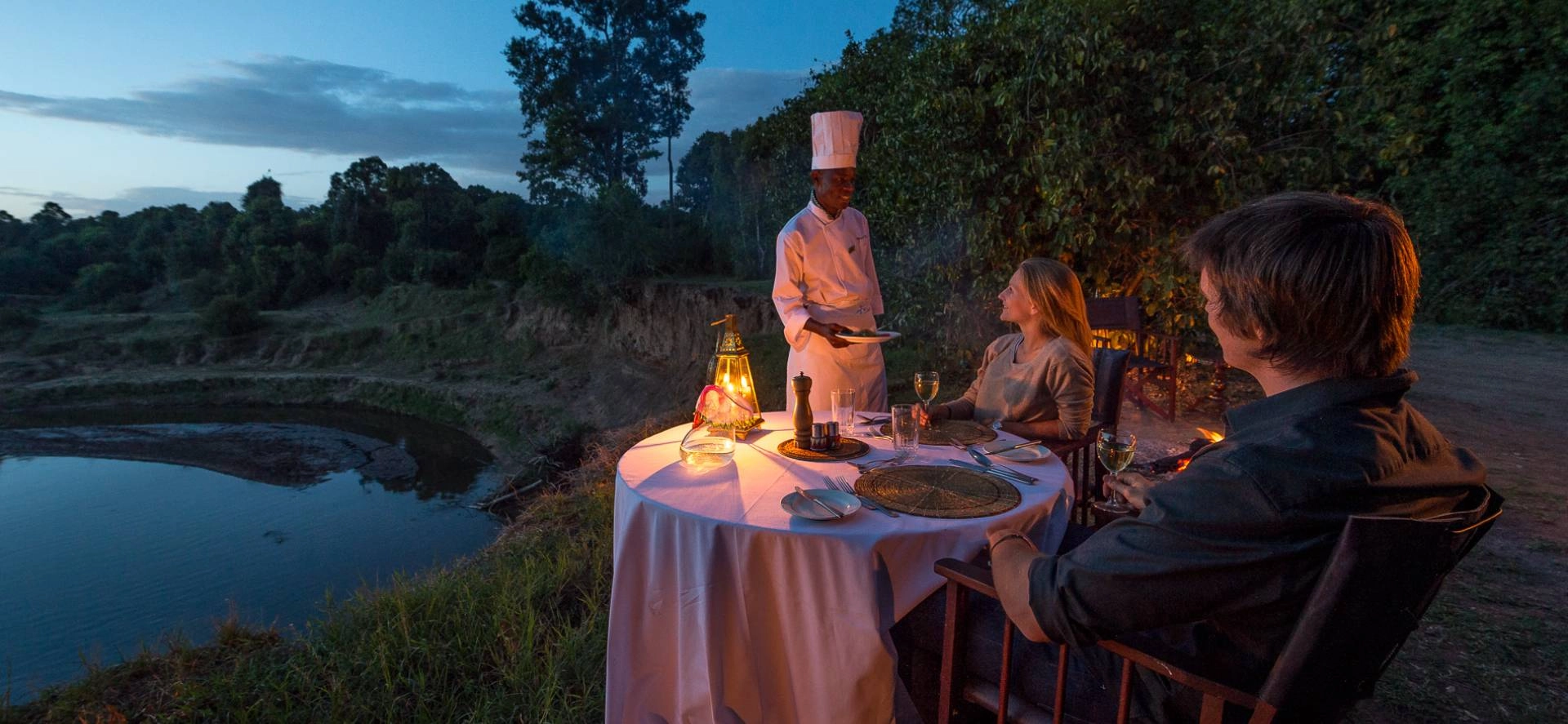
Definitive answer: A bush dinner is an outdoor evening meal arranged in a safe safari setting away from…
Read articleLet us take you closer to the wildlife, people and places that make Africa extraordinary.
Plan Your Safari Today