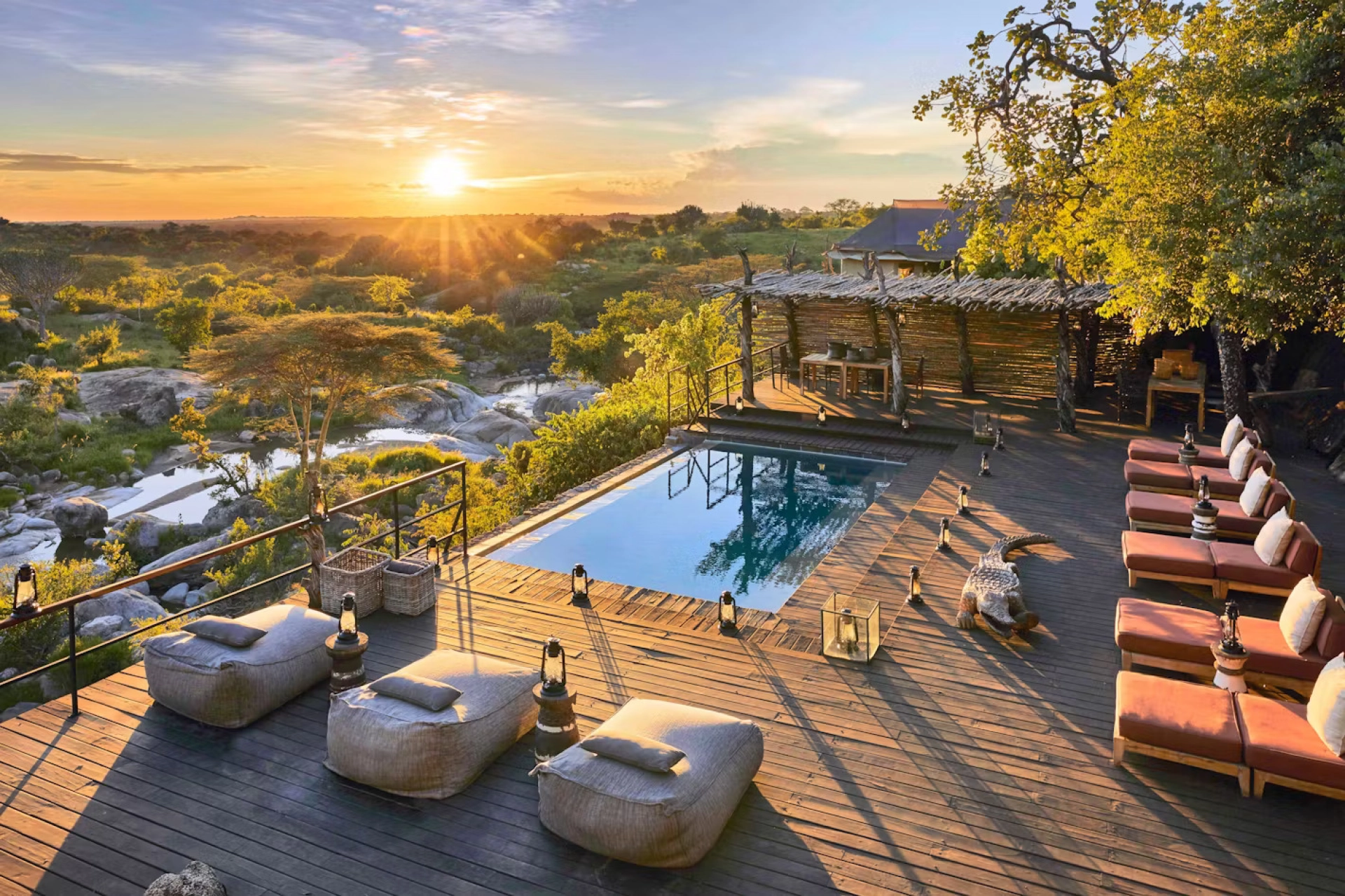
What should I look for when booking a luxury African safari?
When booking a luxury African safari, look beyond the room and compare the quality of guiding, wildlife location,…
Read article

Travel Guide
Africa is not one destination. It is an enormous and extraordinarily diverse continent where travellers can watch millions of wildebeest cross the Serengeti, trek through rainforest to meet mountain gorillas, climb snow-capped peaks, explore ancient cities,…
Africa is not one destination. It is an enormous and extraordinarily diverse continent where travellers can watch millions of wildebeest cross the Serengeti, trek through rainforest to meet mountain gorillas, climb snow-capped peaks, explore ancient cities, relax on tropical Indian Ocean islands and search for elephants beneath desert skies. Choosing among the best countries to visit in Africa therefore depends on what you want from your journey.
For first-time safari travellers, countries such as Kenya, Tanzania and South Africa offer exceptional wildlife viewing and well-developed tourism infrastructure. Uganda and Rwanda are particularly famous for mountain gorilla trekking, while Botswana and Zambia appeal to travellers seeking remote wilderness. Namibia offers extraordinary desert landscapes, and destinations such as Mauritius and Seychelles provide world-class beaches.
The best African holidays increasingly combine several experiences. A traveller might trek gorillas in Uganda, continue to Kenya for the Great Migration, and finish on the beaches of Zanzibar. Another might combine Cape Town with Kruger National Park, Victoria Falls and Botswana’s Okavango Delta. This guide explores 14 of the best African countries to visit in 2027, highlighting what makes each destination special and which types of travellers are likely to enjoy them most.
Uganda deserves a place near the top of any list of Africa’s most rewarding adventure destinations. Often called the Pearl of Africa, Uganda combines rainforest, savannah, enormous lakes, volcanic mountains and the source region of the Nile within a relatively compact country. Its most internationally famous experience is gorilla trekking in Bwindi Impenetrable National Park. Bwindi protects almost half of the world’s remaining mountain gorillas and gives visitors the extraordinary opportunity to spend time with a habituated gorilla family in its natural forest habitat.
Gorilla trekking is only one part of a Uganda safari. In Kibale National Park, travellers can track habituated chimpanzees through tropical forest. Queen Elizabeth National Park offers game drives, boat safaris on the Kazinga Channel and the possibility of searching for the famous tree-climbing lions of Ishasha. Further north, Murchison Falls National Park combines classic savannah wildlife with the dramatic point where the Nile squeezes through a narrow gorge before plunging downstream.
Travellers interested in quieter destinations can explore Kidepo Valley National Park, while Lake Mburo National Park is particularly suitable for walking safaris and other active experiences.
Uganda is particularly attractive for travellers who want more than a conventional vehicle-based safari. A carefully planned Uganda safari itinerary can combine gorilla trekking, chimpanzee tracking, game drives, boat safaris, birdwatching, hiking and community experiences. The country’s position also makes it convenient to combine with Rwanda or Kenya. For primate enthusiasts, photographers and adventurous first-time visitors, Uganda is unquestionably one of the best countries to visit in Africa for wildlife.
Rwanda has transformed itself into one of Africa’s most organised high-end tourism destinations. Its greatest attraction is Volcanoes National Park, where mist-covered Virunga volcanoes provide habitat for mountain gorillas and golden monkeys. One advantage of gorilla trekking in Rwanda is accessibility. Volcanoes National Park is relatively close to Kigali, making it possible to travel from the capital to the gorilla region without the long overland journeys required in some destinations.
Rwanda offers considerably more than gorillas. Akagera National Park protects savannah ecosystems in eastern Rwanda and provides conventional wildlife safaris. The park is home to elephants, lions, rhinos and many other species. In southwestern Rwanda, Nyungwe National Park protects extensive montane rainforest where travellers can track chimpanzees, search for monkeys and explore forest trails. Lake Kivu provides an attractive location for relaxation between wildlife adventures.
Both countries provide outstanding gorilla encounters. Rwanda generally appeals to travellers prioritising convenient access and luxury accommodation, while Uganda provides multiple gorilla sectors and excellent opportunities to combine gorilla trekking with a longer and more varied wildlife safari. For many visitors, the best solution is a combined Uganda and Rwanda safari.
Few destinations represent the popular image of an African safari as strongly as Kenya. The country has been welcoming safari travellers for generations and remains one of the best safari countries in Africa. The legendary Masai Mara National Reserve is Kenya’s best-known wildlife destination. Its open grasslands support lions, leopards, cheetahs, elephants, giraffes, buffaloes and vast numbers of plains animals. During the appropriate migration period, wildebeest and zebras move into the Mara ecosystem from Tanzania’s Serengeti, creating some of Africa’s most dramatic wildlife encounters.
But Kenya extends far beyond the Masai Mara.
Amboseli National Park is famous for elephants and views of Mount Kilimanjaro. Samburu National Reserve protects species adapted to northern Kenya’s drier environments, while Lake Nakuru National Park provides excellent rhino viewing. Laikipia’s conservancies have become important destinations for conservation-focused safaris, and the Kenyan coast offers tropical beaches around Diani, Watamu, Malindi and Lamu.
Kenya is an excellent first safari destination because it combines excellent wildlife, experienced safari guides and a broad range of accommodation. Visitors can choose from affordable camping adventures, comfortable midrange lodges, private conservancies and some of Africa’s most exclusive safari camps. A Kenya safari and beach holiday can also combine the Masai Mara with several days on the Indian Ocean.
Tanzania contains several of the most celebrated wildlife destinations on Earth. The Serengeti National Park alone makes Tanzania one of the best countries to visit in Africa. Its enormous grasslands form the core of the wider Serengeti-Mara ecosystem and host much of the annual Great Wildebeest Migration. The migration is not a single event. Herds move through different parts of the ecosystem throughout the year in response to rainfall and grazing conditions.
Southern Serengeti and Ndutu are associated with the calving season, while later movements eventually take many herds north toward river-crossing areas. Nearby, the Ngorongoro Crater provides exceptional wildlife viewing within one of the world’s largest intact volcanic calderas. Tanzania’s northern circuit also includes Tarangire National Park, known for elephants and baobabs, and Lake Manyara. Further south, destinations such as Nyerere and Ruaha offer extensive wilderness with fewer vehicles. And after safari, travellers can fly to Zanzibar for beaches, Stone Town, spice tours and Indian Ocean relaxation.
This is one of the most common questions in African travel. Kenya can offer easier access and an extraordinary diversity of safari areas, while Tanzania provides the vast Serengeti and Ngorongoro ecosystem. Neither is universally better. Travellers with sufficient time can combine both countries in one Kenya and Tanzania safari, following wildlife-rich routes through the Masai Mara and Serengeti.
South Africa is arguably Africa’s most diverse mainstream holiday destination. A single journey can include a Big Five safari, Cape Town, vineyards, mountains, beaches, whale watching, excellent restaurants and scenic road trips. Kruger National Park is the country’s best-known safari destination. The greater Kruger ecosystem supports elephants, lions, leopards, rhinos, buffaloes, wild dogs, cheetahs and an enormous variety of other wildlife. Private reserves bordering Kruger provide highly personalised game drives, while the national park itself offers an extensive network of safari roads and camps.
Then there is Cape Town, one of Africa’s most visually spectacular cities. Visitors can hike Table Mountain, climb Lion’s Head, explore the Cape Peninsula, visit Robben Island and travel into the Cape Winelands. The Garden Route provides another scenic extension, while malaria-free reserves in the Eastern Cape can be attractive for families. For travellers who want safari plus a broad conventional holiday, South Africa remains one of the best places to visit in Africa for first-time travellers.
Botswana has built much of its safari reputation around low-impact, high-quality wilderness tourism. Its most famous destination is the Okavango Delta, where water flowing from Angola spreads across the Kalahari sands to create an enormous inland wetland. Depending on location and season, safari activities may include traditional game drives, walking safaris and mokoro excursions through shallow waterways. Wildlife includes elephants, lions, leopards, buffaloes, wild dogs, antelopes and extraordinary birdlife.
Northern Botswana also contains Chobe National Park, particularly famous for elephants. Boat safaris along the Chobe River can produce memorable sightings as elephants, buffaloes and other wildlife gather near the water. Botswana is especially suitable for honeymooners, experienced safari travellers and visitors seeking small camps and uncrowded wilderness.
Namibia feels different from almost every other major African safari destination. This is a country of enormous skies, desert mountains, towering dunes and dramatic Atlantic coastline. At Sossusvlei, gigantic orange-red dunes rise above pale salt and clay pans. Nearby Deadvlei has become one of Africa’s most photographed landscapes. Further north, Etosha National Park provides excellent wildlife viewing around waterholes. Elephants, lions, rhinos, giraffes and numerous antelopes inhabit this arid environment, creating wildlife scenes very different from the greener savannahs of East Africa.
The Skeleton Coast adds another dimension, where desert meets the cold Atlantic Ocean. Namibia is particularly appealing to photographers and travellers who enjoy self-drive or road-trip style exploration.
Zambia has long been associated with adventurous, wilderness-focused safari travel. South Luangwa National Park is particularly famous for walking safaris. Travelling on foot with experienced guides allows visitors to pay attention to details that can be overlooked from a safari vehicle: tracks, insects, plants, alarm calls and subtle signs of animal behaviour. South Luangwa is also renowned for leopards and productive game viewing. The Lower Zambezi combines vehicle safaris with river-based activities.
And on Zambia’s southern border lies one of Africa’s greatest natural attractions: Victoria Falls. The Zambezi River plunges into a deep gorge here, creating an immense curtain of spray during periods of high water. Zambia can be combined particularly effectively with Zimbabwe or Botswana.
Zimbabwe is an outstanding safari destination that deserves greater recognition among first-time African travellers. Hwange National Park is the country’s largest national park and is particularly famous for elephants. The park’s mix of woodland and open plains supports lions, wild dogs, buffaloes, giraffes and numerous other species. Mana Pools National Park along the Zambezi is celebrated for walking and canoeing adventures. Zimbabwe is also home to the southern side of Victoria Falls, making it easy to combine one of Africa’s most spectacular natural landmarks with a traditional wildlife safari.
The country’s guiding tradition is particularly respected, making Zimbabwe attractive to experienced safari travellers seeking deeper interpretation of wildlife and ecosystems.
Not every African journey needs to revolve around safari vehicles. The Seychelles is an Indian Ocean archipelago famous for granite boulders, white-sand beaches, turquoise water and tropical vegetation. Mahé is the main gateway, while Praslin and La Digue provide some of the country’s most iconic island scenery. The Seychelles works particularly well for honeymooners and travellers wanting to add a beach extension after an African safari. A journey combining East Africa safari and Seychelles beaches creates an appealing contrast between wildlife-rich savannahs and tropical islands.
Mauritius offers a different Indian Ocean experience. The island has extensive resort infrastructure, beaches, mountain scenery and a rich multicultural heritage.
Activities can include snorkelling, diving, hiking, boat excursions and visits to villages, markets and historical sites. Mauritius is particularly convenient for families and couples seeking comfortable resort-based relaxation. It can also work as a post-safari destination after travelling through Southern or East Africa, depending on flight connections.
Morocco demonstrates just how diverse African travel can be. Instead of classic savannah safari landscapes, travellers encounter historic medinas, Atlas Mountain villages, Atlantic coastline and Saharan scenery. Marrakech is famous for markets, palaces, gardens and historic architecture. Fes offers another deeply atmospheric old city, while the Atlas Mountains provide hiking and cultural experiences. Longer journeys can continue toward desert landscapes where visitors experience dunes and traditional communities. Morocco is an excellent choice for travellers whose priorities are architecture, food, history, culture and landscapes rather than conventional wildlife safaris.
Madagascar has been geographically isolated for millions of years, resulting in extraordinary biodiversity. Many of its plants and animals occur nowhere else. Lemurs are the country’s most famous wildlife, ranging from tiny nocturnal species to the iconic indri. Madagascar also supports colourful chameleons, unusual birds, baobabs and diverse ecosystems ranging from rainforest to dry forest. Infrastructure can make travel more challenging than in mainstream safari countries, but adventurous nature enthusiasts are rewarded with experiences that cannot be replicated elsewhere.
For biodiversity-focused travellers, Madagascar is one of the most unique countries to visit in Africa.
Ethiopia has one of Africa’s richest historical and cultural heritages. The rock-hewn churches of Lalibela, castles of Gondar and archaeological sites in the country’s north reflect centuries of complex history. The Ethiopian Highlands provide dramatic mountain scenery and important wildlife habitat. Ethiopia’s food, languages, religious traditions and cultural landscapes also distinguish it sharply from many other African destinations. Travel conditions and regional access can change, so anyone planning an Ethiopian journey should check current official travel information and work with experienced local specialists.
For culturally motivated travellers, however, Ethiopia remains one of Africa’s most fascinating destinations.
There is no single answer because safari destinations excel in different areas. For classic savannah wildlife and the Great Migration, Kenya and Tanzania are exceptional. For gorillas and chimpanzees, Uganda offers one of the continent’s most complete primate and wildlife combinations, while Rwanda provides convenient access to the Virunga gorillas. For luxury wilderness, Botswana is difficult to beat. For walking safaris, Zambia and Zimbabwe are outstanding. For a journey mixing safari with cities, restaurants, vineyards and road trips, South Africa is particularly versatile.
Travellers hoping to see mountain gorillas should focus primarily on Uganda and Rwanda. Uganda’s Bwindi Impenetrable National Park is one of the world’s premier gorilla destinations, while Mgahinga Gorilla National Park provides another Ugandan option within the Virunga landscape. Rwanda’s Volcanoes National Park is easily accessible from Kigali. A combined Rwanda-Uganda journey can be particularly effective because travellers can enter through Kigali and continue across the border toward Bwindi.
The Great Wildebeest Migration occurs across Tanzania and Kenya. The Serengeti contains migrating herds during much of the annual cycle, while Kenya’s Masai Mara becomes particularly important during periods when substantial numbers of animals move north. Because migration timing depends on rainfall, wildlife never follows an exact calendar. Travellers planning specifically around migration events should build some flexibility into expectations.
Kenya, Tanzania, Uganda and South Africa are all excellent first-time choices. Kenya and Tanzania provide the classic open-savannah experience. Uganda is especially attractive to travellers who want gorillas and chimpanzees alongside conventional safari wildlife. South Africa is convenient for travellers wanting to combine wildlife with Cape Town and other non-safari attractions. Your ideal destination ultimately depends on trip length, budget, desired wildlife and preferred travel style.
A honeymoon can combine adventure and relaxation. Tanzania works particularly well because couples can safari in the Serengeti and Ngorongoro before flying to Zanzibar. Kenya can combine the Masai Mara with Diani or other Indian Ocean beaches. Uganda and Rwanda appeal to adventurous couples seeking a memorable gorilla encounter. Botswana offers exclusive camps in remote wilderness. Seychelles and Mauritius are obvious choices for couples prioritising tropical beaches.
A short safari can last three or four days, but most international visitors benefit from spending at least a week exploring one country. Ten to fourteen days provides considerably greater flexibility. With two weeks, travellers might combine gorilla trekking and savannah safari in Uganda, explore Kenya’s major reserves, complete Tanzania’s northern circuit and Zanzibar, or combine Cape Town with Kruger. Multi-country journeys generally require more time because border crossings, flights and long driving distances need to be considered.
There is no universal best time to visit Africa. East African safari destinations often provide excellent wildlife viewing during drier periods, but green seasons can bring dramatic landscapes, birdlife and fewer visitors. The Great Migration moves throughout the year. Gorilla trekking is available throughout the year in Uganda and Rwanda, although wetter periods can make forest trails more challenging. Southern Africa also experiences major seasonal differences. Botswana’s Okavango Delta, for example, has its own flood cycle, while Cape Town’s warmest and driest weather generally falls during the Southern Hemisphere summer.
The right month therefore depends heavily on the specific country and experience.
East Africa safaris are particularly famous for vast savannah ecosystems, the Great Migration and primate trekking. Uganda, Rwanda, Kenya and Tanzania can be combined into extraordinary multi-country itineraries. Southern Africa safaris offer a different range of landscapes and safari styles. South Africa provides excellent infrastructure, Botswana specialises in remote wilderness, Zambia and Zimbabwe are famous for walking and river experiences, and Namibia offers spectacular desert landscapes. Neither region is objectively better.
They simply provide different interpretations of the African safari.
Absolutely. Some of the continent’s best itineraries cross borders. A Uganda and Rwanda safari is relatively easy to arrange because major attractions lie reasonably close to the shared border. Kenya and Tanzania are another natural combination because the Masai Mara and Serengeti form part of the same wider ecosystem. Southern Africa also lends itself to multi-country journeys combining Botswana, Zimbabwe, Zambia, Namibia and South Africa. Careful route planning is important because Africa is enormous. Trying to include too many countries can turn an exciting holiday into a sequence of airports and transfers.
It is usually better to explore fewer destinations properly.
Start by deciding which experiences matter most. If seeing mountain gorillas is non-negotiable, build your itinerary around Uganda or Rwanda. If the Great Migration is your priority, concentrate on Tanzania and Kenya. If you want remote luxury wilderness, investigate Botswana. If your ideal holiday includes restaurants, wine, mountains and safari, consider South Africa. Then determine your realistic trip length and budget. Safari prices vary significantly according to accommodation level, transport, season, park fees and whether the itinerary is private or shared.
Planning early is especially important when an itinerary involves limited activities such as gorilla trekking permits or highly sought-after safari camps.
The best countries to visit in Africa are ultimately those that match the experiences you have always imagined. For one traveller, that may mean standing quietly in the rainforest as a mountain gorilla feeds only metres away. For another, it might mean watching thousands of wildebeest cross the Serengeti, photographing elephants beneath Kilimanjaro or following lion tracks through Botswana’s wilderness. Africa rewards travellers who resist treating it as a single destination.
Every region has a different landscape, rhythm and character. Adventure in the Wild Safaris specialises in creating personalised African journeys, with particular expertise in Uganda gorilla safaris, Rwanda gorilla trekking, East African wildlife safaris and multi-country itineraries. Whether you want to combine Bwindi gorilla trekking with the Masai Mara, explore Uganda and Rwanda together, experience Kenya and Tanzania’s famous wildlife areas or build a longer African adventure, your itinerary can be designed around your interests, available days, accommodation preference and budget.
The hardest part of planning a journey to Africa is often deciding where to begin. The advantage is that once you experience the continent properly, there is almost always another remarkable country waiting for your next journey.
Get quick answers to the most common questions. If you still have questions, our safari experts are here to help.
Tanzania, Kenya, Uganda, Botswana and South Africa are among the strongest choices, but each provides different wildlife experiences.
Uganda and Rwanda are the principal choices for mountain gorilla trekking. Uganda is particularly suitable for combining gorillas with chimpanzees and savannah wildlife.
Kenya, Tanzania, Uganda and South Africa are all excellent. The best option depends on whether your priority is classic Big Five wildlife, the Great Migration, gorillas or a mixed safari-and-city holiday.
Tanzania and Kenya share the wider Serengeti-Mara ecosystem through which the Great Migration moves.
Seychelles, Mauritius, Tanzania through Zanzibar, Kenya and Mozambique are among the continent’s best-known beach destinations.
Uganda, Rwanda, Namibia, Zambia, Madagascar and Ethiopia can be particularly rewarding for travellers interested in trekking, remote landscapes, wildlife and cultural exploration.
Yes. Uganda can be combined with Kenya using regional flights or overland and air connections, creating an itinerary that combines mountain gorillas with a classic Masai Mara safari.
Many destinations are excellent for families, although minimum ages may apply to activities such as gorilla trekking and certain walking safaris. South Africa, Kenya and Tanzania provide numerous family-oriented safari properties.
Our safari experts are here to help you plan your safari. Get personalized advice, the latest information and a free, no-obligation quote.
We typically reply within a few hours.

Share This Article
When booking a luxury African safari, look beyond the room and compare the quality of guiding, wildlife location,…
Read article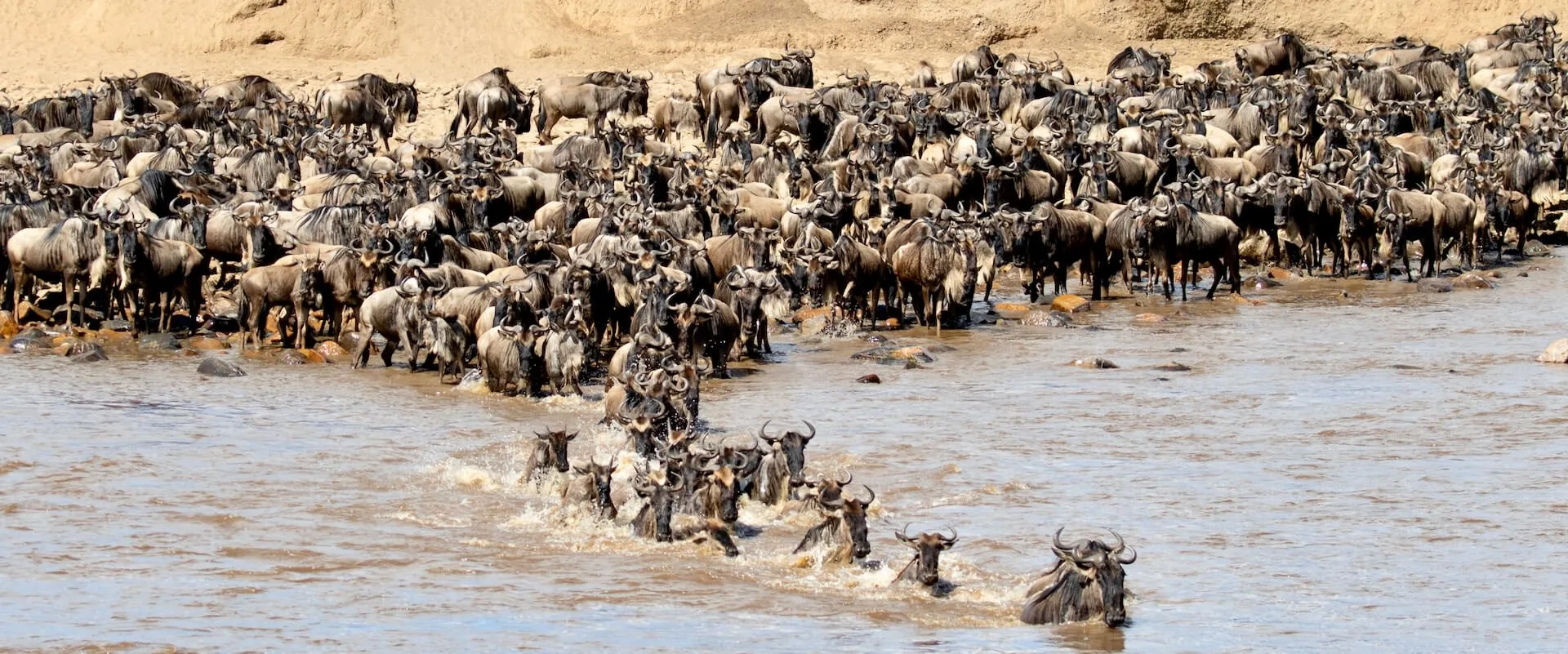
The Great Migration in Africa happens all year because the herds continuously circulate through the Serengeti–Mara ecosystem in…
Read article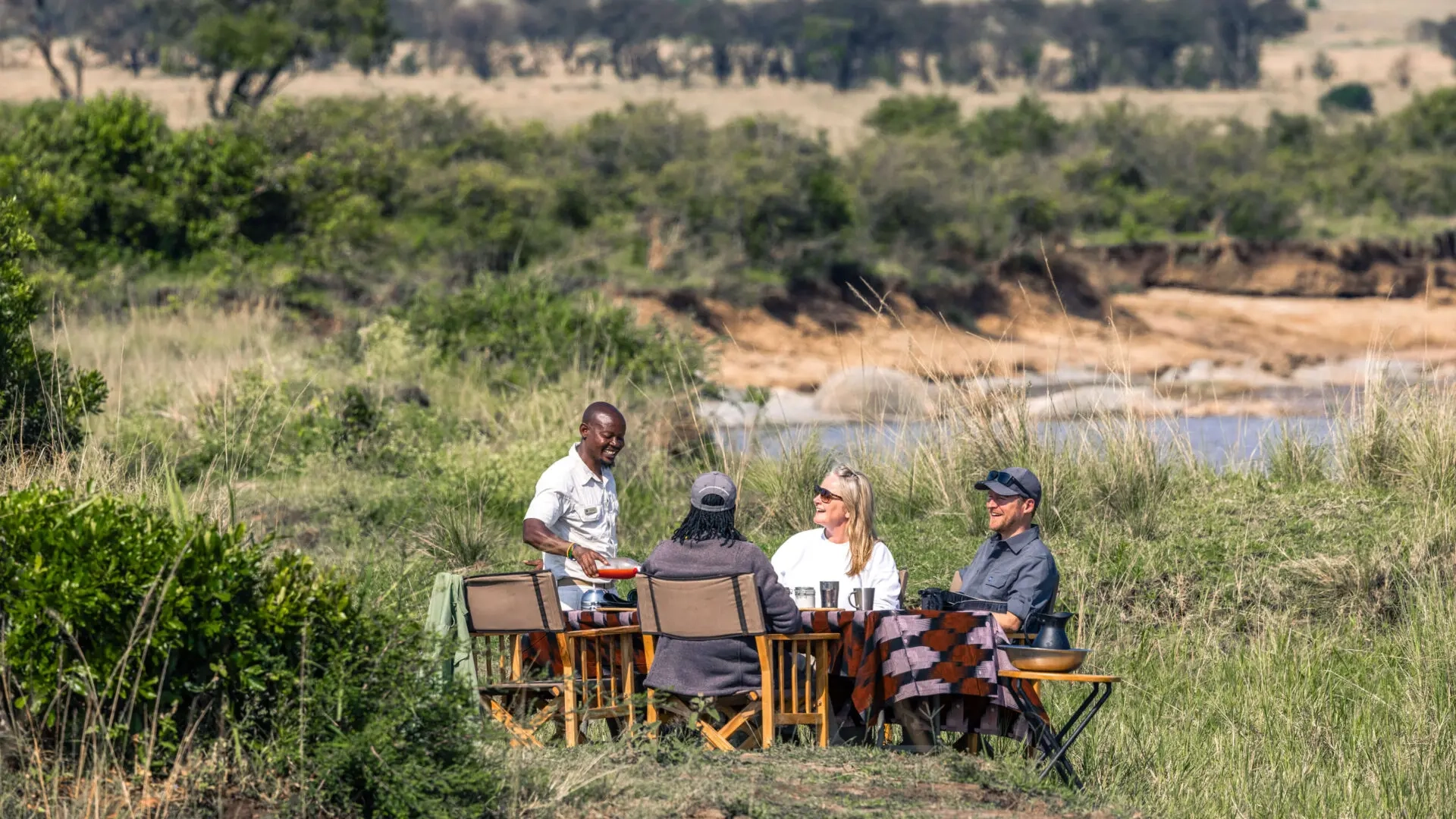
Definitive answer: A picnic lunch on safari is a packed or catered midday meal eaten at an approved…
Read article
Definitive answer: A bush dinner is an outdoor evening meal arranged in a safe safari setting away from…
Read articleLet us take you closer to the wildlife, people and places that make Africa extraordinary.
Plan Your Safari Today