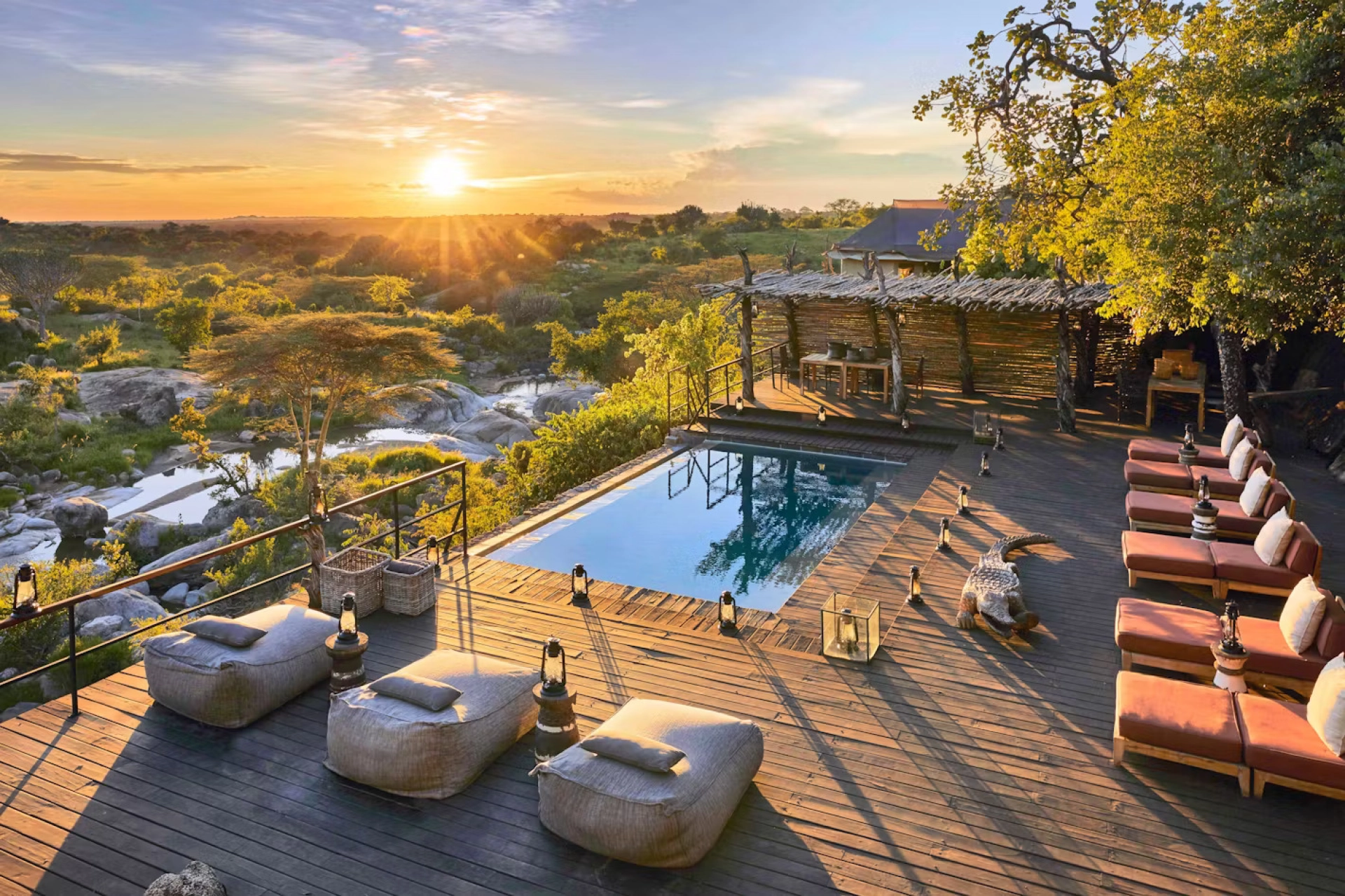
What should I look for when booking a luxury African safari?
When booking a luxury African safari, look beyond the room and compare the quality of guiding, wildlife location,…
Read article

Travel Guide
Africa's wildlife is so famous that it can sometimes overshadow another equally compelling reason to explore the continent: its extraordinary human history. The story of Africa stretches far beyond colonial boundaries and modern nation-states. Ancient trading…
Africa’s wildlife is so famous that it can sometimes overshadow another equally compelling reason to explore the continent: its extraordinary human history.
The story of Africa stretches far beyond colonial boundaries and modern nation-states. Ancient trading civilizations flourished along the Indian Ocean. Kingdoms rose across southern and eastern Africa. Pastoral societies adapted to grasslands and dry environments. Artists painted and engraved rock surfaces thousands of years ago. Communities developed distinctive architectural traditions, languages, religions and systems of governance.
Today, many of the best cultural sites in Africa preserve fragments of these histories. Some are monumental archaeological landscapes. Others are living cities where historic architecture continues to form part of everyday life. Some protect rock art created by people whose descendants and cultural traditions remain deeply connected to the landscape. Others tell painful stories about slavery, colonialism and apartheid. Visiting these places can completely change how travelers understand Africa.
A safari may introduce you to elephants, lions, gorillas and landscapes. Cultural heritage explains something equally important: how people have lived within, interpreted and shaped those landscapes for centuries. For travelers planning a cultural safari in Africa, the richest journeys combine both. Below are 13 extraordinary African cultural sites and the histories, communities and traditions they help protect.
Cultural tourism should be more than photographing people in traditional clothing. Done responsibly, it creates opportunities to learn about history directly from communities, local guides, museums, archaeologists and heritage organizations. It can also help diversify tourism income. In many safari destinations, economic activity concentrates around national parks and lodges. Cultural attractions create opportunities for communities outside protected wildlife areas to benefit from visitors. The best experiences are based on respect.
Travelers should avoid treating communities as museum exhibits. Cultures evolve. People use smartphones, attend universities, run businesses and participate in modern political and economic life while still maintaining important traditions. Understanding this prevents cultural tourism from becoming a search for an imaginary “unchanged Africa.”
Off the coast of Cape Town lies one of Africa’s most powerful historic sites. Robben Island is internationally associated with apartheid-era political imprisonment and, most famously, Nelson Mandela. Mandela spent many years imprisoned on the island before becoming South Africa’s first democratically elected president. But Robben Island’s history extends much farther back. Over different periods, the island was used for imprisonment, isolation and institutional purposes. Its significance today comes from how it represents both oppression and the struggle to overcome it.
Apartheid was a legally enforced system of racial segregation that shaped nearly every aspect of South African life. Political opponents of the system were arrested, banned, exiled and imprisoned. Robben Island became one of the most recognizable symbols of that repression. Visiting the former prison creates an experience very different from reading about apartheid in a textbook. Cells, courtyards and prison spaces give physical scale to the history.
Robben Island should form part of a wider exploration of Cape Town history. Travelers can also visit District Six-related heritage, explore Bo-Kaap and spend time learning about South Africa’s complex colonial and apartheid past. This historical layer adds depth to visits to Table Mountain, Cape Point and the Winelands.
The ruins of Great Zimbabwe are among sub-Saharan Africa’s most important archaeological sites. Massive stone walls constructed without mortar demonstrate the architectural sophistication and political organization of the society that developed here. The site became the center of a powerful state linked to regional and long-distance trade. Gold and other resources connected inland southern Africa with trading networks extending toward the Indian Ocean.
Great Zimbabwe also has an important place in the history of African archaeology. European colonial writers were often unwilling to accept that Africans had created such monumental architecture. Various false theories attempted to attribute the ruins to foreign civilizations. Modern archaeological research firmly established Great Zimbabwe as an African achievement. That history makes the site important not only archaeologically but symbolically.
Travelers should allow enough time to explore different sections rather than treating the ruins as a quick photo stop. A knowledgeable guide can explain architecture, trade, political organization and archaeological discoveries.
Zimbabwe is also one of Africa’s great safari countries. Travelers can combine the cultural site with Hwange National Park, Matobo, Mana Pools or Victoria Falls depending on itinerary length. This creates a superb Zimbabwe culture and wildlife safari.
Stone Town is one of East Africa’s most atmospheric historic urban environments. For centuries, Zanzibar occupied an important position within Indian Ocean trading networks connecting the African mainland with Arabia, Persia, India and beyond. Those connections influenced language, religion, architecture, food and commerce. Today, narrow alleys, coral-stone buildings and elaborately carved doors reveal this layered history.
The Swahili culture of East Africa developed through centuries of interaction along the coast. It is fundamentally African while also reflecting extensive Indian Ocean connections. Kiswahili itself became one of Africa’s most important languages and is spoken widely across East Africa. Visitors should therefore avoid simplistic descriptions of Stone Town as merely “Arab.” Its identity is far more complex.
Zanzibar’s history also includes the East African slave trade. Responsible tours address this painful history carefully and accurately. Understanding slavery is essential to understanding the economic and political forces that shaped Zanzibar and parts of the East African coast.
Stone Town is easily combined with Zanzibar’s beaches. Spend several nights in the historic center before moving to Nungwi, Kendwa, Paje or Jambiani. This produces a far richer Zanzibar holiday than traveling directly from the airport to a beach resort.
Farther north along the East African coast lies Lamu Old Town. Lamu is one of the region’s most distinctive historic settlements. Narrow streets, coral-stone architecture, carved wooden doors, mosques and traditional dhow culture reflect centuries of Swahili life. Unlike an archaeological ruin, Lamu remains a living town. People worship, trade, raise families and conduct everyday life within a historic urban landscape. That is central to its appeal.
Visitors should remember that Lamu is a community rather than an open-air museum. Dress respectfully, particularly around religious areas. Ask permission before photographing people. Use local guides. Spend money in locally owned restaurants and businesses.
Traditional sailing vessels remain visually and culturally important along the coast. A dhow excursion can provide insight into maritime traditions when arranged responsibly. Sunset sailing around the Lamu Archipelago can also be one of Kenya’s most atmospheric coastal experiences.
Lamu can be combined with the Masai Mara, Amboseli, Samburu and other Kenyan wildlife destinations. This creates a journey combining safari with Swahili history and Indian Ocean beaches.
In Namibia’s dramatic northwestern landscapes lies Twyfelfontein, home to an extraordinary concentration of rock engravings. Animals, tracks and symbolic forms carved into rock surfaces provide evidence of how earlier hunter-gatherer communities understood the surrounding environment. The site is particularly powerful because the artwork remains embedded within the landscape that inspired it.
Rock art should not be dismissed as primitive decoration. Images can encode environmental knowledge, spiritual concepts, social relationships and observations of animals. Interpretation is complex, and not every symbol can be understood with certainty. Experienced guides help visitors avoid simplistic explanations.
The wider region contains some of southern Africa’s most dramatic scenery. Travelers may combine Twyfelfontein with Etosha National Park, the Skeleton Coast and desert landscapes. This produces a Namibia itinerary combining archaeology, geology and wildlife.
The granite landscapes of Matobo Hills are culturally and visually extraordinary. Huge balancing rocks, caves and sheltered spaces contain extensive rock art associated with San hunter-gatherer traditions. The landscape also carries continuing spiritual importance for local communities. This combination makes Matobo much more than an archaeological site.
Southern Africa contains one of the world’s richest rock-art traditions. Paintings reveal animals, human figures and complex symbolic scenes. Researchers have shown that understanding many images requires considering spiritual and ritual contexts rather than interpreting them simply as records of hunting.
The region also contains sites connected with later colonial history. These overlapping histories create opportunities to discuss how landscapes can hold very different meanings for different communities.
The broader Matobo area is also associated with wildlife conservation, including rhinos. Guided wildlife activities can therefore be combined with cultural heritage.
Central Tanzania contains another important African rock-art landscape around Kondoa. Rock shelters preserve paintings created over long periods by communities with different cultural traditions. The art provides insight into changing relationships between people, animals and landscapes.
Tanzania tourism is dominated internationally by Serengeti, Ngorongoro, Kilimanjaro and Zanzibar. As a result, culturally significant inland destinations receive far fewer visitors. Kondoa offers an opportunity to expand a Tanzania itinerary beyond conventional safari routes.
Travelers can integrate cultural heritage with wildlife. A carefully designed itinerary could include Tarangire National Park, central Tanzania and then continue toward other destinations. This demonstrates how archaeology can complement safari rather than compete with it.
Uganda is internationally famous for mountain gorilla trekking, but the country’s cultural heritage is equally diverse. One of the most important sites associated with the Kingdom of Buganda is the Kasubi Tombs in Kampala. The site is connected with Buganda royalty and provides insight into one of East Africa’s historically important kingdoms.
Buganda played a major role in the history of the region that became modern Uganda. The kingdom developed sophisticated political structures and remains culturally significant today. Learning about Buganda helps visitors understand Uganda beyond the colonial period.
A cultural tour of Kampala can combine royal heritage with markets, religious sites and museums. This is particularly worthwhile for travelers who otherwise use Kampala or Entebbe only as transit points.
A complete Uganda cultural safari can begin around Kampala before continuing toward wildlife areas. Visitors might explore Murchison Falls National Park, Kibale Forest, Queen Elizabeth National Park and Bwindi. This creates a journey connecting human and natural heritage.
Eastern Uganda contains important rock-art sites, including the Nyero Rock Paintings. The paintings provide evidence of earlier communities and cultural traditions that long predate the modern state. They also demonstrate how much of Uganda’s heritage exists outside its famous national parks.
The region can be combined with Mount Elgon, Sipi Falls and community experiences. This makes eastern Uganda particularly attractive for travelers interested in hiking and culture. Instead of flying directly to western safari parks, visitors can build a more comprehensive itinerary across the country.
Along Kenya’s coast are culturally significant forest sites associated with the Mijikenda peoples. The Kaya forests represent former fortified settlements and sacred spaces. They demonstrate how cultural heritage and environmental conservation can become closely connected.
Sacred traditions can help protect landscapes. Where communities regard particular forests as spiritually important, cultural rules may restrict activities that would otherwise damage them. This provides an important example of indigenous and community-based conservation.
Travelers staying around Mombasa, Diani or other coastal destinations can seek responsible cultural experiences connected with local communities. These should be arranged through appropriate guides rather than entering sacred spaces independently. A Kenya beach and cultural holiday can then continue toward safari destinations.
Southern Ethiopia’s Konso Cultural Landscape demonstrates a remarkable relationship between people and a challenging environment. Terraced agriculture, settlements and social traditions reveal generations of adaptation. The landscape itself becomes cultural heritage because it was shaped through sustained human activity.
Stone terraces help conserve soil and water in a difficult agricultural environment. They illustrate how local knowledge can transform landscapes over centuries. For travelers interested in sustainable land use, Konso provides insights that go far beyond conventional sightseeing.
Ethiopia is one of Africa’s most culturally complex countries. Languages, religions, architectural traditions and political histories vary enormously by region. A journey should therefore avoid treating Ethiopian culture as a single uniform tradition.
Few African cultural sites are as visually extraordinary as Lalibela. The town is famous for rock-hewn churches carved into and from the surrounding stone. The structures demonstrate remarkable architectural ambition. But Lalibela is not simply an archaeological monument. It remains a place of worship. Ethiopian Orthodox Christian pilgrims continue to use the churches, particularly during major religious celebrations.
Visitors should behave accordingly. Dress modestly. Follow local guidance regarding photography. Avoid disrupting worship. A church that appears to a traveler as an architectural masterpiece may simultaneously be a deeply sacred place to someone praying nearby.
The site reveals the long history of Christianity in Ethiopia. This often surprises visitors whose understanding of African Christianity begins with European missionary activity. Ethiopian Christian traditions developed much earlier and possess their own distinctive history, liturgy, art and architecture.
Not all important African cultural experiences are contained within a single monument. The Maasai people of Kenya and Tanzania are among Africa’s most internationally recognizable pastoral communities. Their historic relationship with cattle, grasslands and seasonal movement is deeply connected to landscapes that today include some of East Africa’s most famous wildlife areas.
The Maasai are frequently represented in tourism advertising through red clothing, jumping dances and cattle. These elements have cultural relevance, but reducing Maasai identity to visual symbols creates a distorted picture. Maasai communities are diverse. People participate in education, business, conservation, politics and modern employment while maintaining different levels of connection with pastoral traditions. Responsible cultural tourism should reflect this reality.
Pastoral landscapes can overlap with wildlife movement corridors. This creates both opportunities and challenges. Community conservancies in parts of Kenya have attempted to create economic benefits from wildlife while retaining local land rights and livelihoods. Travelers who stay in community-linked conservancies can contribute directly to these models.
Visitors to the Masai Mara often have opportunities to visit Maasai communities. Choose experiences that are community-led and transparent about where visitor fees go. Ask questions. Learn about cattle, land, education, family structures and contemporary challenges rather than focusing only on staged photographs.
Thirteen sites can only introduce Africa’s cultural heritage. The continent contains thousands of important archaeological, architectural, spiritual and living cultural landscapes. Egypt’s ancient monuments represent one of humanity’s best-known civilizations. Morocco contains historic medinas shaped by North African and Islamic traditions. West Africa contains sites associated with powerful kingdoms, trans-Saharan trade and the Atlantic slave trade. Southern Africa contains extensive San rock art. East Africa preserves Swahili settlements, royal traditions and archaeological evidence central to understanding human evolution.
Travelers could spend a lifetime exploring African cultural heritage sites.
Many famous African cultural sites have been recognized by UNESCO. World Heritage status can increase international awareness and encourage conservation. However, designation also creates challenges. Growing visitor numbers can place pressure on fragile buildings, archaeological remains and local communities. Responsible tourism therefore remains essential even at internationally protected sites. Travelers should follow site rules and use qualified guides.
Rock art is one of the most widespread forms of ancient cultural expression across Africa. Southern Africa contains particularly rich traditions. Sites in Namibia, Zimbabwe and South Africa preserve thousands of paintings and engravings. East Africa also contains important rock-art landscapes. These images can provide clues about animals, rituals, beliefs and changing environments. Yet interpretation requires caution. Modern visitors cannot simply assume that every animal painting represents a hunting scene.
Specialist archaeological research and indigenous knowledge have revealed much more complex meanings.
The East African coast deserves special recognition as one of the continent’s great cultural regions. From southern Somalia through Kenya and Tanzania toward Mozambique, coastal communities participated in Indian Ocean trade for centuries. Cities developed around maritime commerce. Islam became deeply established. Architectural traditions used coral stone and lime. Kiswahili developed into one of Africa’s most widely spoken languages. Stone Town Zanzibar and Lamu Old Town are among the best-known surviving examples, but many other settlements form part of this history.
Travelers combining Kenya and Tanzania safaris with the coast should dedicate time to understanding this heritage.
Precolonial Africa contained numerous sophisticated kingdoms and political systems. Great Zimbabwe represents one famous example. Uganda’s traditional kingdoms provide another. Ethiopia developed complex states with long historical continuity. West and Central Africa contained powerful kingdoms and empires with extensive trading networks. Colonial narratives often portrayed Africa as politically disorganized before European conquest. Archaeology and historical research demonstrate a far more complex reality. Visiting royal and archaeological sites helps correct these misconceptions.
Uganda is particularly well suited to combining culture with wildlife. The country contains numerous ethnic and linguistic communities. Visitors can learn about Buganda in central Uganda, explore eastern rock art and community traditions, experience pastoral cultures in other regions and engage with communities around national parks. This can be integrated naturally into a Uganda safari. A journey might begin with cultural sites around Kampala. It can then continue to Murchison Falls National Park.
Kibale adds chimpanzees and community experiences. Queen Elizabeth National Park introduces savannah wildlife. Bwindi combines mountain gorillas with opportunities to learn about communities living around the forest. The result is far more comprehensive than a wildlife-only itinerary.
Rwanda also offers important cultural experiences alongside gorilla trekking. Kigali provides museums and memorial sites essential to understanding the country’s recent history. Rural cultural experiences can introduce visitors to crafts, agriculture, music and contemporary community life. These experiences should be approached respectfully, particularly when dealing with genocide history. A Rwanda cultural and gorilla safari can combine Kigali with Volcanoes National Park, Akagera and other regions.
Kenya’s diversity extends far beyond the Maasai. The country contains numerous communities with distinct languages and histories. The Swahili coast is particularly important. Lamu, Mombasa and smaller coastal settlements reveal centuries of Indian Ocean interaction. Northern Kenya contains pastoral cultures shaped by arid environments. Central Kenya has its own agricultural and political histories. A responsible Kenya cultural safari should therefore avoid presenting one ethnic group as representative of the entire country.
Tanzania is similarly diverse. The mainland contains numerous ethnic groups, while Zanzibar adds distinctive Swahili and Indian Ocean heritage. Safari itineraries often move quickly between national parks. Adding cultural experiences can provide a better understanding of the landscapes travelers are crossing. Community-led tourism around safari regions can introduce pastoralism, agriculture, food and local history. Stone Town then provides an entirely different coastal cultural environment.
Few combinations are more compelling than African cultural tourism and gorilla trekking. Mountain gorillas survive in landscapes surrounded by human communities. Understanding conservation therefore requires understanding people. In Uganda, Bwindi Impenetrable National Park is surrounded by densely populated areas. Tourism creates employment and revenue, but communities also face complex questions involving land, resource access and conservation. Responsible community tourism can help visitors understand these realities. A gorilla trek becomes more meaningful when travelers appreciate the human context surrounding the forest.
The first rule is simple: remember that culture belongs to people, not tourists. Ask before photographing individuals. Respect religious spaces. Dress appropriately. Use local guides. Do not remove archaeological materials. Avoid buying objects that may have been illegally taken from heritage sites. Listen more than you speak. Avoid asking communities to perform traditions solely for photographs unless the experience has been
Whenever possible, choose tourism businesses with clear local ownership or benefit-sharing.
Photography rules vary. Some museums prohibit photographs. Sacred sites may restrict cameras. Communities may welcome photography in one context and consider it inappropriate in another. Always ask. Drone photography requires even greater caution. Many heritage sites and national parks restrict or prohibit drones. Never launch a drone simply because you do not see a sign.
There is no need to choose. The strongest African journeys often include both. Wildlife reveals the ecological diversity of the continent. Culture reveals how people have lived within those environments. A cultural safari in Africa might combine Great Zimbabwe with Hwange. Twyfelfontein can be paired with Etosha. Stone Town can follow Serengeti. Lamu can follow the Masai Mara. Kasubi can form part of a Uganda gorilla safari. This integrated approach produces a much deeper journey.
First-time visitors should choose sites that fit naturally into their broader itinerary. If visiting South Africa, include Robben Island. If traveling through Tanzania, spend time in Stone Town. For Kenya, consider Lamu or responsibly managed cultural experiences alongside safari. For Uganda, include Kampala’s royal heritage before heading toward the national parks. Zimbabwe travelers should prioritize Great Zimbabwe. Namibia visitors can incorporate Twyfelfontein into a northern road trip. The best cultural site is often the one that helps explain the country you are already visiting.
Avoid rushing. A two-hour guided visit can sometimes be sufficient for a compact archaeological site. Living towns such as Stone Town or Lamu deserve multiple nights. Large landscapes may require a full day. Cultural destinations become much more meaningful when travelers have time to eat locally, walk through neighborhoods and speak with guides rather than simply taking photographs.
East Africa is particularly well suited to combining all three. A Tanzania journey might begin with Serengeti and Ngorongoro, continue to Stone Town and finish on Zanzibar’s beaches. A Kenya itinerary can combine the Masai Mara with Lamu. Uganda can combine royal heritage, gorilla trekking and Lake Bunyonyi. Southern Africa offers similar possibilities. Cape Town provides history and culture before safari, while Mozambique or South Africa’s coastline can provide the beach component.
Wildlife will always be one of Africa’s greatest attractions. But the continent cannot be understood through wildlife alone. People have occupied and transformed these landscapes for thousands of years. Trade networks connected distant regions long before modern borders existed. Kingdoms rose and fell. Religions spread and adapted. Artists recorded beliefs on stone. Communities developed agricultural systems suited to difficult environments. Cities grew along coasts and trade routes. Colonialism then reshaped political boundaries and economies, while independence movements transformed the continent again.
Every cultural site is one small window into this enormous history.
The best cultural sites in Africa do not need to replace traditional safari destinations. They make safaris better. Seeing elephants in Zimbabwe becomes richer when the same journey includes Great Zimbabwe. A Serengeti safari gains another dimension when followed by Stone Town. A Kenya wildlife holiday becomes more complete when travelers explore Swahili heritage. And a Uganda gorilla safari can begin with an understanding of Buganda and continue through communities whose lives are closely connected with protected landscapes.
At Adventure in the Wild Safaris, cultural experiences can be incorporated into customized journeys through Uganda, Rwanda, Kenya, Tanzania and southern Africa. The objective should not simply be to collect famous sites. It should be to understand them. Walk through the streets. Listen to local guides. Ask how communities interpret their own history. Understand why landscapes are sacred. Learn how colonialism affected older political systems. Discover how traditions continue to evolve.
When approached in this way, Africa’s cultural heritage becomes every bit as fascinating as its wildlife. The continent’s greatest journeys are not simply about seeing Africa. They are about understanding the landscapes, histories and people that have made Africa what it is today.

Share This Article
When booking a luxury African safari, look beyond the room and compare the quality of guiding, wildlife location,…
Read article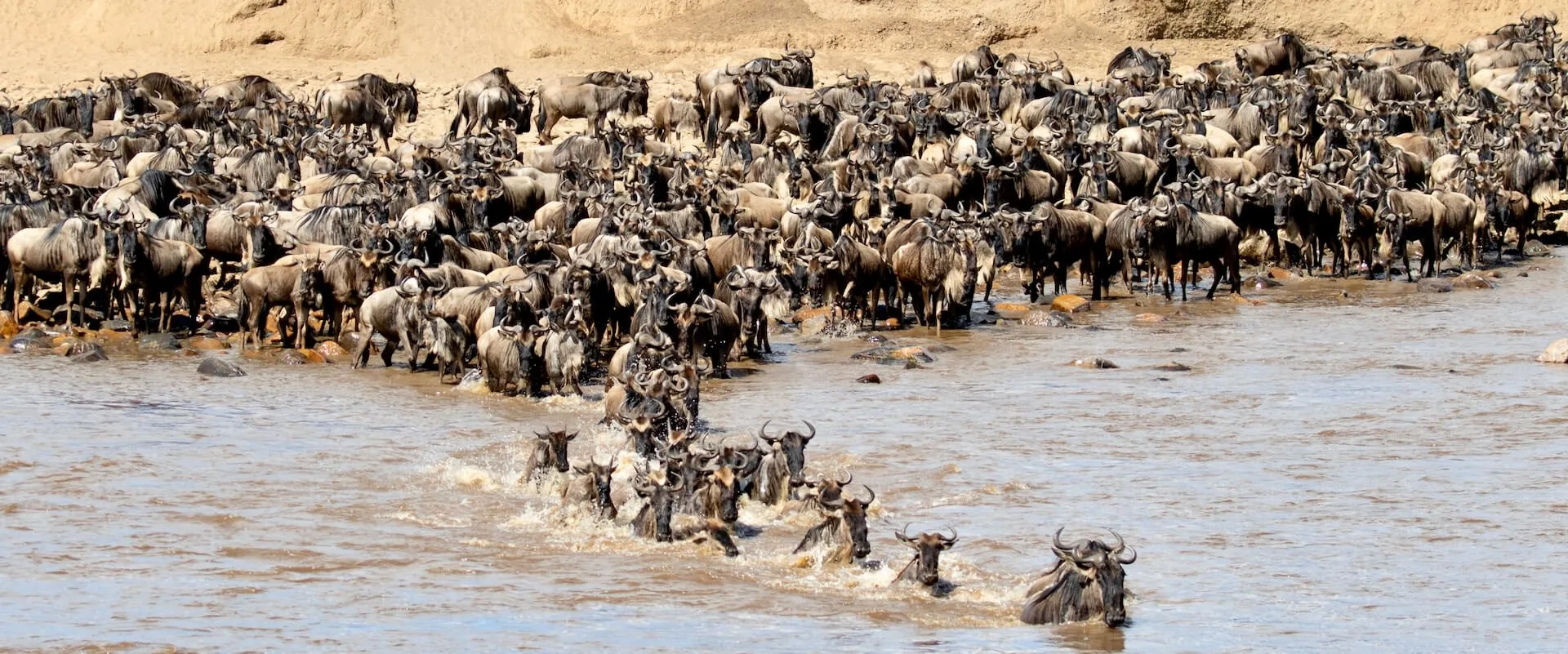
The Great Migration in Africa happens all year because the herds continuously circulate through the Serengeti–Mara ecosystem in…
Read article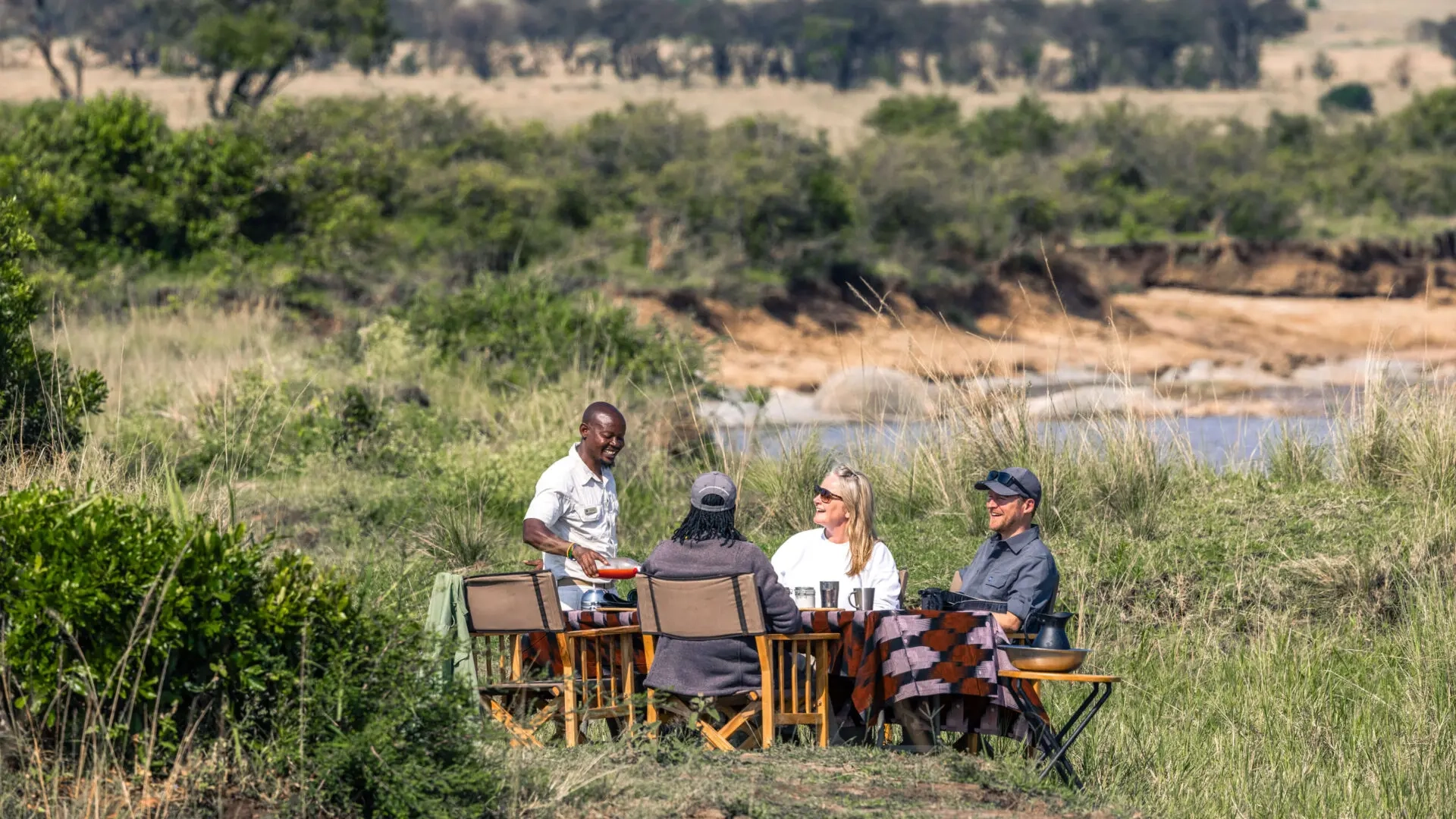
Definitive answer: A picnic lunch on safari is a packed or catered midday meal eaten at an approved…
Read article
Definitive answer: A bush dinner is an outdoor evening meal arranged in a safe safari setting away from…
Read articleLet us take you closer to the wildlife, people and places that make Africa extraordinary.
Plan Your Safari Today