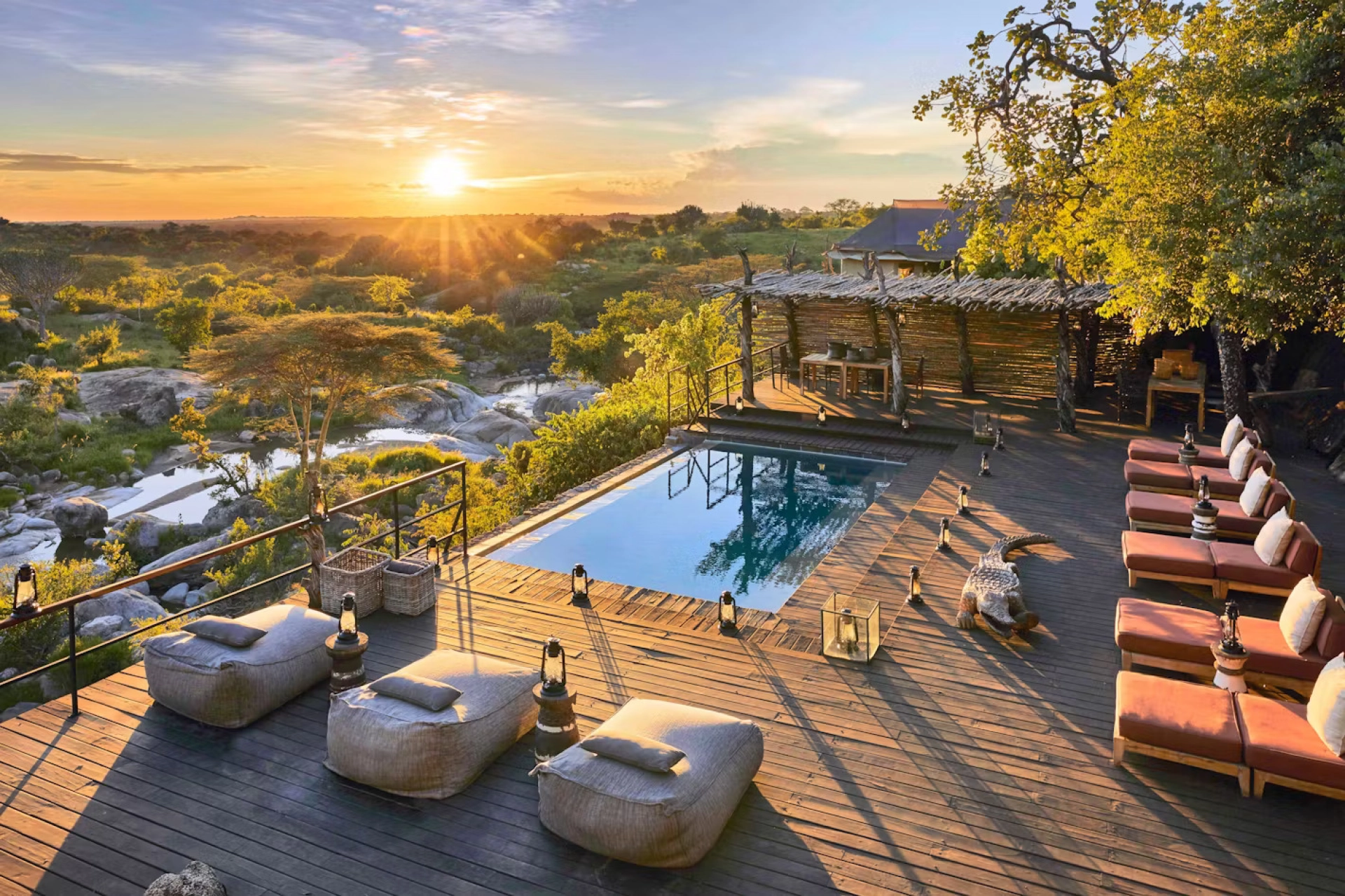
What should I look for when booking a luxury African safari?
When booking a luxury African safari, look beyond the room and compare the quality of guiding, wildlife location,…
Read article

Travel Guide
Africa is a continent that rewards travellers who look beyond the idea of a single "African holiday." Its landscapes range from equatorial rainforest and snow-capped mountains to enormous savannahs, deserts, wetlands, tropical islands and some of…
Africa is a continent that rewards travellers who look beyond the idea of a single “African holiday.” Its landscapes range from equatorial rainforest and snow-capped mountains to enormous savannahs, deserts, wetlands, tropical islands and some of the world’s most spectacular coastlines. Within those landscapes are extraordinary wildlife populations, ancient cultures, modern cities and experiences that cannot be replicated anywhere else.
Choosing the best places to visit in Africa therefore depends on what you hope to experience. Some travellers dream about following lions across the grasslands of the Serengeti. Others want to trek into a mist-covered forest and sit quietly a few metres from a mountain gorilla. Some are drawn to elephants crossing Botswana’s wetlands, while others imagine hiking Table Mountain before relaxing beside the Atlantic Ocean in Cape Town. There are also travellers who want to combine several of these experiences.
An increasingly popular African journey might begin with gorilla trekking in Uganda, continue to Kenya or Tanzania for a classic Big Five safari, and finish beside the Indian Ocean. A Southern Africa itinerary could combine Cape Town, Kruger National Park, Victoria Falls and the Okavango Delta. This diversity is precisely what makes Africa such a rewarding travel destination. Rather than simply ranking countries, this guide explores some of the continent’s most extraordinary destinations and explains what makes each one worth considering when planning an African safari holiday.
Uganda is one of Africa’s most complete adventure destinations. The country lies where East African savannah meets Central African rainforest, creating an unusual combination of ecosystems within a relatively compact area. Uganda’s most famous wildlife experience is undoubtedly mountain gorilla trekking in Bwindi Impenetrable National Park. Walking through Bwindi’s ancient rainforest is an adventure before the gorillas are even found. Trails climb and descend through thick vegetation, guides search for signs left by the gorillas, and forest sounds surround trekkers.
Then comes the moment when the first gorilla appears. A silverback may sit quietly among vegetation while younger gorillas climb nearby. A mother may feed while carrying an infant. Every encounter is different because visitors are observing wild animals rather than a staged attraction.
Bwindi is divided into several gorilla trekking sectors, including Buhoma, Ruhija, Rushaga and Nkuringo. Each area has its own accommodation choices, landscapes and habituated gorilla families. The park is also exceptionally biodiverse. Although gorillas attract most international visitors, Bwindi protects monkeys, forest mammals, butterflies and an extraordinary variety of birds. Travellers interested in longer stays can combine gorilla trekking with forest walks, birding and cultural experiences around neighbouring communities.
Uganda is not only about gorillas. Kibale National Park is one of Africa’s leading destinations for chimpanzee trekking. Tracking chimpanzees creates a completely different experience from gorilla trekking. Chimps are often much more active. They may call loudly through the forest, move rapidly between trees and interact energetically with one another. Combining gorilla trekking and chimpanzee trekking in Uganda creates one of Africa’s strongest primate-focused itineraries.
After the forests of Kibale and Bwindi, travellers can explore classic savannah in Queen Elizabeth National Park. Game drives search for elephants, buffaloes, lions, antelopes and other wildlife. The Kazinga Channel provides one of Uganda’s signature boat safari experiences. Hippos gather in the water while elephants, buffaloes and other animals frequently appear along the shoreline. Southern Queen Elizabeth’s Ishasha sector is particularly famous for tree-climbing lions.
Northern Uganda provides another dramatic safari landscape. At Murchison Falls, the Nile is forced through a narrow rocky gorge before plunging downstream. The national park surrounding the falls supports elephants, giraffes, lions, buffaloes, antelopes and many other animals. A Murchison Falls safari commonly combines game drives with a Nile boat cruise toward the base of the falls.
Uganda works particularly well for travellers who want variety.
Within one itinerary, visitors can experience gorilla trekking, chimpanzees, game drives, boat safaris, mountain landscapes, rainforest and local communities. For travellers searching for one of the best wildlife destinations in Africa, Uganda deserves serious consideration.
Rwanda is one of Africa’s smallest countries, yet it offers an impressive concentration of travel experiences. The country’s most internationally recognised destination is Volcanoes National Park, part of the Virunga mountain ecosystem. Here, travellers trek through bamboo and montane forest searching for mountain gorillas. One advantage of gorilla trekking in Rwanda is accessibility. The Volcanoes region can be reached relatively quickly from Kigali, making Rwanda particularly attractive to travellers with limited time.
The park also provides golden monkey trekking, hiking and cultural experiences.
Eastern Rwanda presents an entirely different landscape. Akagera National Park contains savannah, woodland, lakes and wetlands and offers a conventional wildlife safari experience. Visitors can search for elephants, giraffes, buffaloes, lions, rhinos, antelopes and numerous bird species. Combining Akagera with Volcanoes allows travellers to experience both savannah wildlife and mountain gorillas within one relatively small country.
Southwestern Rwanda contains another major rainforest ecosystem. Nyungwe National Park is famous for primates, including chimpanzees and several monkey species. Forest trails provide excellent opportunities for hiking, birdwatching and botanical exploration.
Because Rwanda and Uganda share a border near important gorilla destinations, the countries work particularly well together. Travellers can arrive in Kigali, explore Rwanda and then cross into southwestern Uganda for Bwindi gorilla trekking, Lake Bunyonyi or additional wildlife destinations. This can reduce unnecessary driving and create an excellent Rwanda and Uganda safari itinerary.
Kenya remains one of the world’s most famous safari countries. Its reputation is built on extraordinary wildlife, diverse landscapes and decades of safari expertise. The Masai Mara National Reserve is Kenya’s flagship wildlife destination. Its open plains support lions, elephants, buffaloes, giraffes, cheetahs, leopards, hyenas and enormous populations of grazing animals. During certain periods of the year, substantial numbers of wildebeest and zebras move into the Mara from Tanzania’s Serengeti ecosystem.
The dramatic river crossings associated with the Great Wildebeest Migration have become some of the most famous wildlife spectacles in the world. However, the Masai Mara is only one part of Kenya.
Amboseli National Park is internationally known for elephants and spectacular views toward Mount Kilimanjaro. Large elephant herds crossing open landscapes beneath Africa’s highest mountain create some of East Africa’s most recognisable safari scenes.
Northern Kenya offers a very different environment. Samburu National Reserve and surrounding conservancies contain arid landscapes inhabited by wildlife adapted to drier conditions. The region provides excellent opportunities to see elephants, predators and distinctive northern species.
After safari, travellers can continue to Diani Beach, Watamu, Malindi or Lamu.
This makes a Kenya safari and beach holiday one of the easiest ways to combine major wildlife viewing with tropical relaxation.
Few countries possess a collection of natural attractions as impressive as Tanzania. The Serengeti National Park is one of the world’s greatest wildlife areas. Its name has become almost synonymous with African safari. The ecosystem supports enormous populations of wildebeest, zebras, gazelles and predators.
The Great Wildebeest Migration is a continuous ecological movement rather than a single annual event. Herds travel through different areas of the Serengeti-Mara ecosystem according to rainfall, grazing and other environmental conditions. Southern areas around Ndutu are particularly associated with calving periods, while herds later move north through the Serengeti. Eventually, substantial numbers may reach northern river-crossing areas and Kenya’s Masai Mara. For travellers planning a Great Migration safari, choosing the correct area is as important as choosing the month.
The Ngorongoro Crater provides a completely different safari environment. Wildlife inhabits the floor of an enormous volcanic caldera, producing excellent game-viewing opportunities. The crater is often incorporated into Tanzania’s northern safari circuit alongside Serengeti and Tarangire.
Tarangire National Park is particularly famous for elephants and ancient baobab trees. During favourable periods, wildlife concentrations around the Tarangire River can be impressive.
After exploring Tanzania’s national parks, travellers can fly to Zanzibar. The island combines tropical beaches with the cultural history of Stone Town, spice-growing traditions and Indian Ocean activities. A Tanzania safari and Zanzibar holiday remains one of Africa’s classic safari-and-beach combinations.
Botswana is a dream destination for travellers who prioritise wilderness. The Okavango Delta is one of Africa’s most extraordinary ecosystems. Water arriving from the Angolan highlands spreads across the sands of the Kalahari, creating seasonal channels, islands, floodplains and lagoons. This supports exceptional wildlife. Elephants, lions, leopards, buffaloes, antelopes and African wild dogs inhabit the wider ecosystem. Depending on camp location and water levels, safari activities may include game drives, walking and traditional mokoro excursions.
Northern Botswana’s Chobe National Park is particularly famous for elephants. Boat safaris along the Chobe River can provide superb opportunities to observe elephants drinking, swimming and interacting along the riverbanks. Botswana works especially well for travellers seeking a quieter, more exclusive safari environment.
South Africa is one of Africa’s easiest countries in which to combine safari with a broader holiday. The Greater Kruger ecosystem is internationally famous for Big Five wildlife. Private reserves adjoining Kruger can provide highly personalised safari experiences with expert guides and trackers.
The national park itself offers an enormous variety of landscapes and wildlife. Then there is Cape Town.
Cape Town is regularly described as one of the world’s most beautiful cities. Table Mountain rises directly behind the city, while the Atlantic Ocean defines its western edge. Visitors can hike Table Mountain, climb Lion’s Head, explore the Cape Peninsula, visit beaches and continue into the Cape Winelands. This makes a Cape Town and Kruger safari an ideal itinerary for travellers wanting more than wildlife alone.
Namibia is one of Africa’s great landscape destinations. At Sossusvlei, enormous dunes rise above the Namib Desert. Nearby Deadvlei, with its dark dead trees standing against pale ground and orange dunes, is one of Africa’s most distinctive photographic locations. Northern Namibia’s Etosha National Park offers a contrasting wildlife experience. Animals frequently gather around waterholes, allowing visitors to watch elephants, giraffes, antelopes, predators and rhinos against a stark semi-arid landscape. The Skeleton Coast adds another dimension where desert meets Atlantic Ocean.
Namibia is particularly suitable for photographers and travellers who enjoy long scenic journeys.
The Zambezi River creates one of Africa’s greatest natural spectacles at Victoria Falls. The waterfall lies on the border between Zambia and Zimbabwe and can be incorporated into itineraries through either country. Zambia’s South Luangwa National Park is one of Africa’s great walking safari destinations. Travelling on foot changes how visitors understand the bush. Instead of simply searching for large animals, walkers learn to interpret tracks, vegetation, sounds and subtle ecological relationships.
Zimbabwe’s Hwange National Park is particularly famous for elephants, while Mana Pools provides exceptional wilderness experiences along the Zambezi. Combining Victoria Falls with Botswana, Zambia or Zimbabwe can create an outstanding Southern African journey.
Madagascar’s long geographical isolation has produced extraordinary biodiversity. Lemurs are its most famous animals, but the island also supports endemic birds, reptiles, plants and unusual ecosystems. Travelling through Madagascar can be more demanding than visiting established safari circuits in Kenya or South Africa, but nature enthusiasts are rewarded with completely unique wildlife encounters. For travellers interested in biodiversity rather than traditional Big Five safaris, Madagascar ranks among the most fascinating places to visit in Africa.
Africa’s islands provide the perfect contrast to a wildlife safari. The Seychelles is famous for white beaches, granite boulders and clear tropical waters. Mauritius combines beaches with excellent resorts, mountains and multicultural traditions. Either destination can provide a relaxing finale after an active safari. Honeymooners may particularly appreciate combining a luxury African safari with several days on an Indian Ocean island.
Not every outstanding African destination revolves around wildlife reserves. South Africa’s Garden Route offers forests, beaches, lagoons and coastal landscapes.
Travellers can drive between Cape Town and the Eastern Cape, stopping at scenic towns and nature reserves. This route works particularly well for visitors who want an African holiday combining independent exploration with organised safari experiences.
First-time visitors often struggle to choose between Uganda, Kenya, Tanzania and South Africa. The answer depends on priorities. Choose Uganda if mountain gorillas and chimpanzees are major priorities and you also want savannah wildlife. Choose Kenya for classic safari landscapes, the Masai Mara and easy safari-beach combinations. Choose Tanzania for the Serengeti, Ngorongoro and Zanzibar. Choose South Africa if you want wildlife combined with Cape Town, food, wine and extensive tourism infrastructure.
Choose Botswana if budget permits and your priority is remote wilderness and intimate safari camps.
Mountain gorillas survive naturally only in a small region of East-Central Africa. The principal tourism destinations are Uganda and Rwanda. Bwindi Impenetrable National Park is Uganda’s most important gorilla destination, while Mgahinga Gorilla National Park protects part of the Virunga ecosystem. Rwanda offers gorilla trekking in Volcanoes National Park. For travellers wanting a more extensive primate safari, Uganda is especially attractive because gorilla trekking can be combined naturally with Kibale chimpanzee trekking.
The term Big Five refers to lion, leopard, elephant, rhinoceros and African buffalo. Excellent Big Five safari opportunities exist in several countries. South Africa’s Greater Kruger ecosystem is particularly famous. Kenya and Tanzania provide exceptional predator and elephant viewing, although rhino distribution varies by reserve. Botswana, Zimbabwe and selected other destinations also offer excellent Big Five possibilities. However, safari quality should never be judged purely by whether all five animals are seen.
Wild dogs hunting, chimpanzees calling in rainforest, a herd of elephants crossing a river or a leopard resting in a tree can be equally unforgettable.
Honeymoon safaris work particularly well when adventure is balanced with privacy and relaxation. Tanzania can combine Serengeti safari camps with Zanzibar. Kenya offers romantic Masai Mara camps followed by Indian Ocean beaches. Uganda and Rwanda offer intimate lodges and unforgettable gorilla encounters. Botswana’s remote camps are excellent for couples seeking exclusivity. Seychelles and Mauritius provide obvious beach extensions.
There is no single best month for the entire continent. Africa spans multiple climatic regions. The ideal timing depends on your destination and objectives.
Dry seasons often provide easier wildlife viewing because vegetation can be thinner and animals gather around permanent water. Green seasons may provide lush landscapes, dramatic skies, migratory birds, newborn animals and fewer visitors. Gorilla trekking in Uganda and Rwanda operates throughout the year. The Great Migration also occurs throughout the year, although the herds occupy different parts of the ecosystem during different periods. Rather than asking for the universal best month for Africa, ask which destination best matches your intended travel dates.
A week can provide an excellent single-country safari, but ten to fourteen days gives travellers more flexibility. A 10-day Uganda itinerary, for example, can incorporate gorillas, chimpanzees and savannah parks. Two weeks can allow Kenya and Tanzania to be combined. A longer journey could combine Uganda or Rwanda with Kenya and then finish on the coast. The key is not to include too many destinations. Africa’s distances are enormous, and a good itinerary should provide enough time to experience each place rather than constantly moving between airports and hotels.
Multi-country journeys can be among Africa’s most rewarding holidays when planned logically. Uganda and Rwanda combine naturally because of their shared border and proximity between Kigali and southwestern Uganda. Kenya and Tanzania are another obvious combination because the Masai Mara and Serengeti form part of one wider ecosystem. Southern Africa itineraries can connect South Africa, Botswana, Zimbabwe and Zambia. Regional flights make many combinations possible, but routing should always be designed carefully to minimise unnecessary transfers.
The best places to visit in Africa are not simply destinations to tick off a list. They are landscapes and experiences that can fundamentally change how travellers understand wildlife and wilderness. You might begin a morning listening to chimpanzees calling through Kibale Forest, spend another day watching elephants crossing the savannah, and later stand quietly in Bwindi as a mountain gorilla looks back through the vegetation. Elsewhere, you might watch the Great Migration unfold across the Serengeti, photograph elephants beneath Kilimanjaro, explore the Okavango Delta by mokoro or hike above Cape Town’s Atlantic coastline.
Adventure in the Wild Safaris can design personalised African safari itineraries combining Uganda, Rwanda, Kenya, Tanzania and other destinations according to your available time, budget and interests. Whether your dream is Uganda gorilla trekking, a Kenya wildlife safari, a Tanzania Great Migration safari, a romantic African honeymoon or a multi-country journey, careful planning allows Africa’s extraordinary diversity to become part of one coherent adventure. Africa does not have one best destination. It has many—and discovering which one speaks most strongly to you is part of the adventure.
Get quick answers to the most common questions. If you still have questions, our safari experts are here to help.
There is no universal number-one destination. Uganda is outstanding for gorillas and primates, Tanzania for Serengeti wildlife, Kenya for classic safari, Botswana for wilderness and South Africa for a varied safari-and-city holiday.
Kenya, Tanzania, Uganda and South Africa are excellent choices. Your best option depends on the wildlife and activities you value most.
Uganda’s Bwindi Impenetrable National Park and Rwanda’s Volcanoes National Park are two of the world’s premier mountain gorilla destinations.
Tanzania’s Serengeti and Kenya’s Masai Mara share the ecosystem through which migrating wildebeest and zebras move.
Uganda provides an excellent combination of gorilla trekking and savannah wildlife. Another option is to combine Uganda or Rwanda with Kenya or Tanzania.
Botswana, Tanzania, Kenya, Uganda, Rwanda, Seychelles and Mauritius can all work exceptionally well depending on whether you prioritise safari, adventure, beaches or luxury.
Yes. Tanzania and Zanzibar are a classic combination, as are Kenya and its Indian Ocean coast. Longer itineraries can combine East African safaris with Seychelles or Mauritius.
African travel can range from budget camping to ultra-luxury private safaris. Costs depend heavily on park fees, accommodation, transportation, season and whether the safari is private or shared.
Our safari experts are here to help you plan your safari. Get personalized advice, the latest information and a free, no-obligation quote.
We typically reply within a few hours.

Share This Article
When booking a luxury African safari, look beyond the room and compare the quality of guiding, wildlife location,…
Read article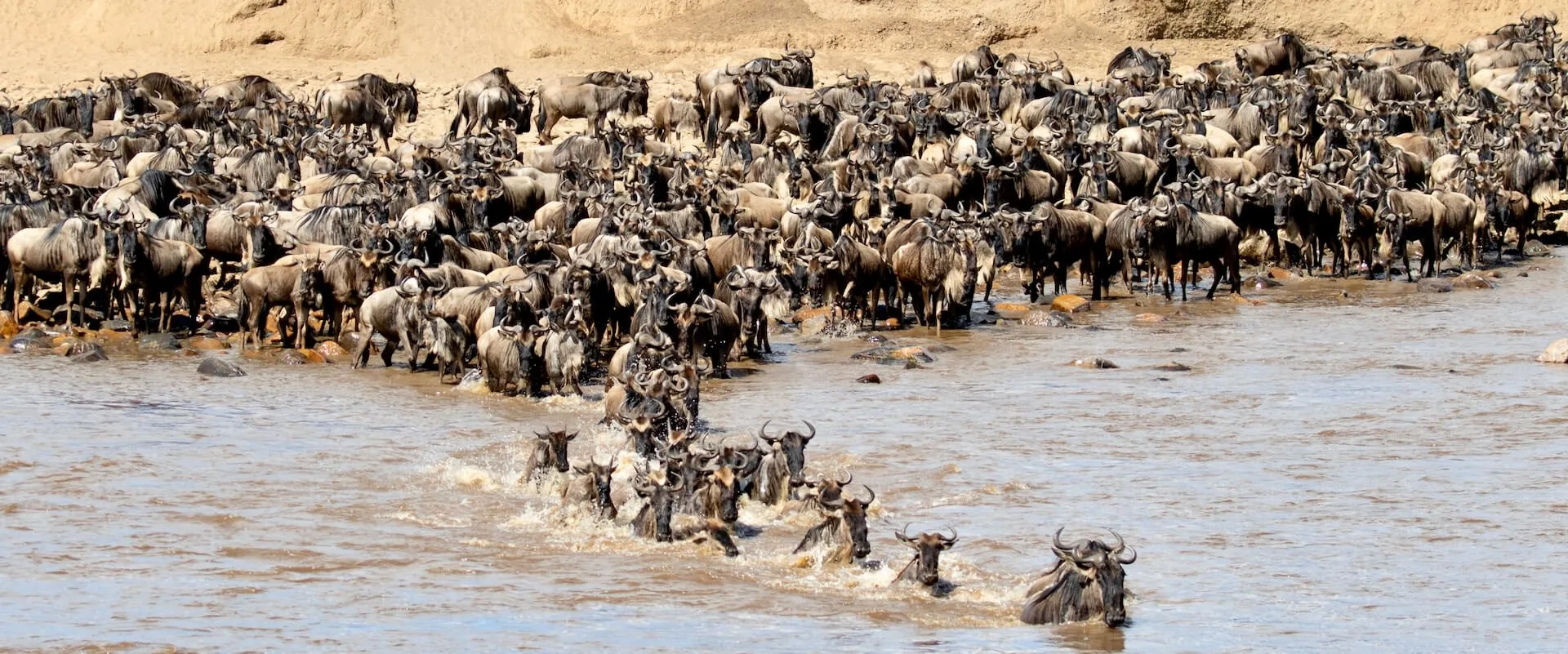
The Great Migration in Africa happens all year because the herds continuously circulate through the Serengeti–Mara ecosystem in…
Read article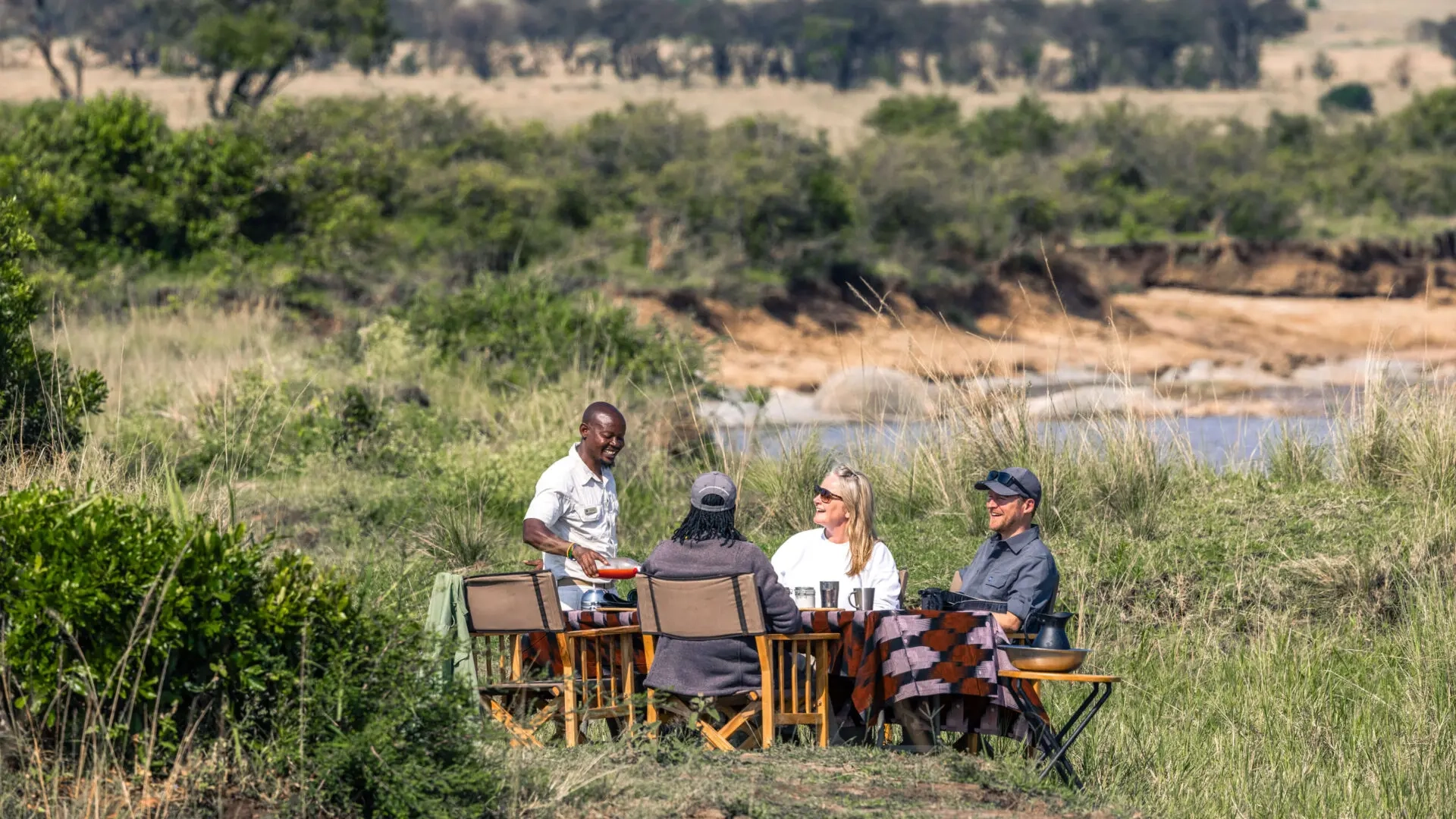
Definitive answer: A picnic lunch on safari is a packed or catered midday meal eaten at an approved…
Read article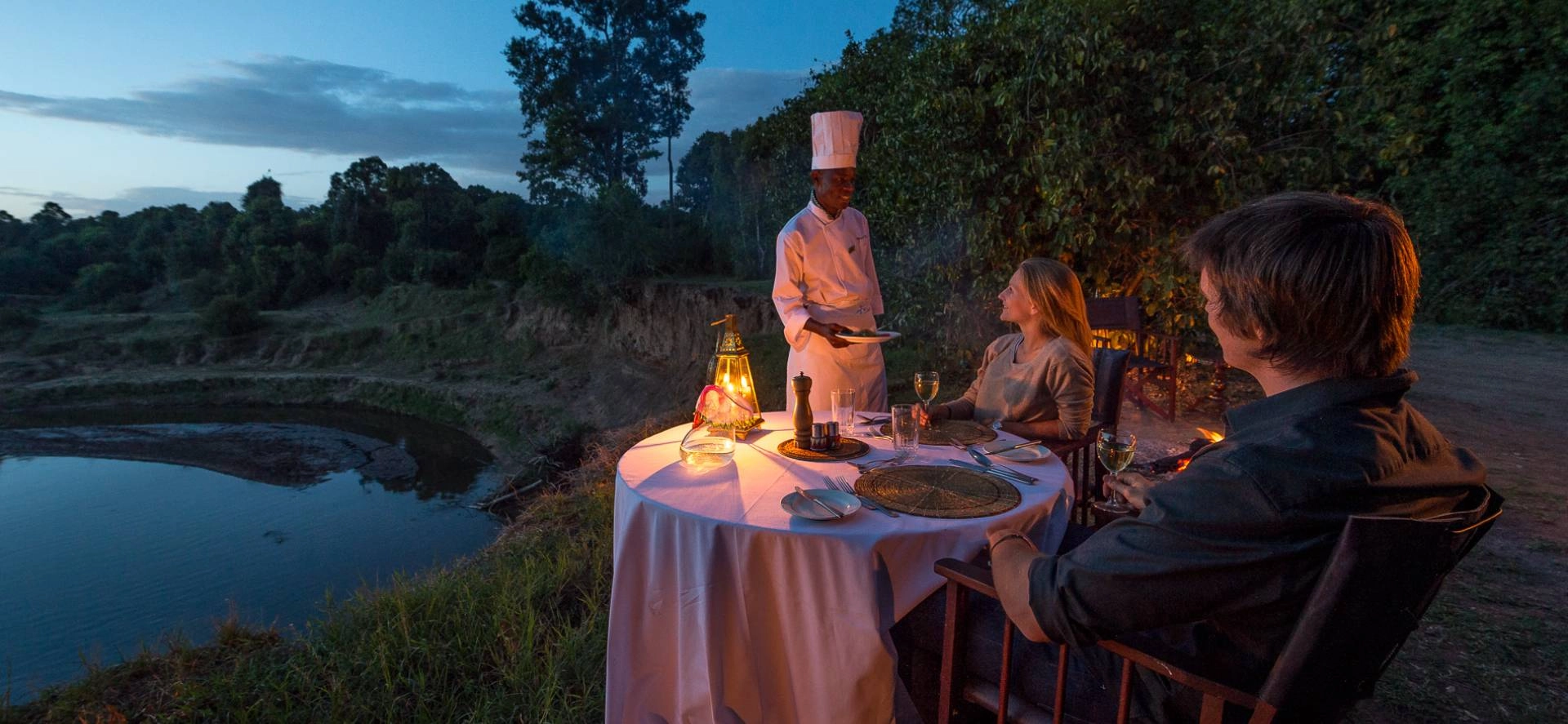
Definitive answer: A bush dinner is an outdoor evening meal arranged in a safe safari setting away from…
Read articleLet us take you closer to the wildlife, people and places that make Africa extraordinary.
Plan Your Safari Today