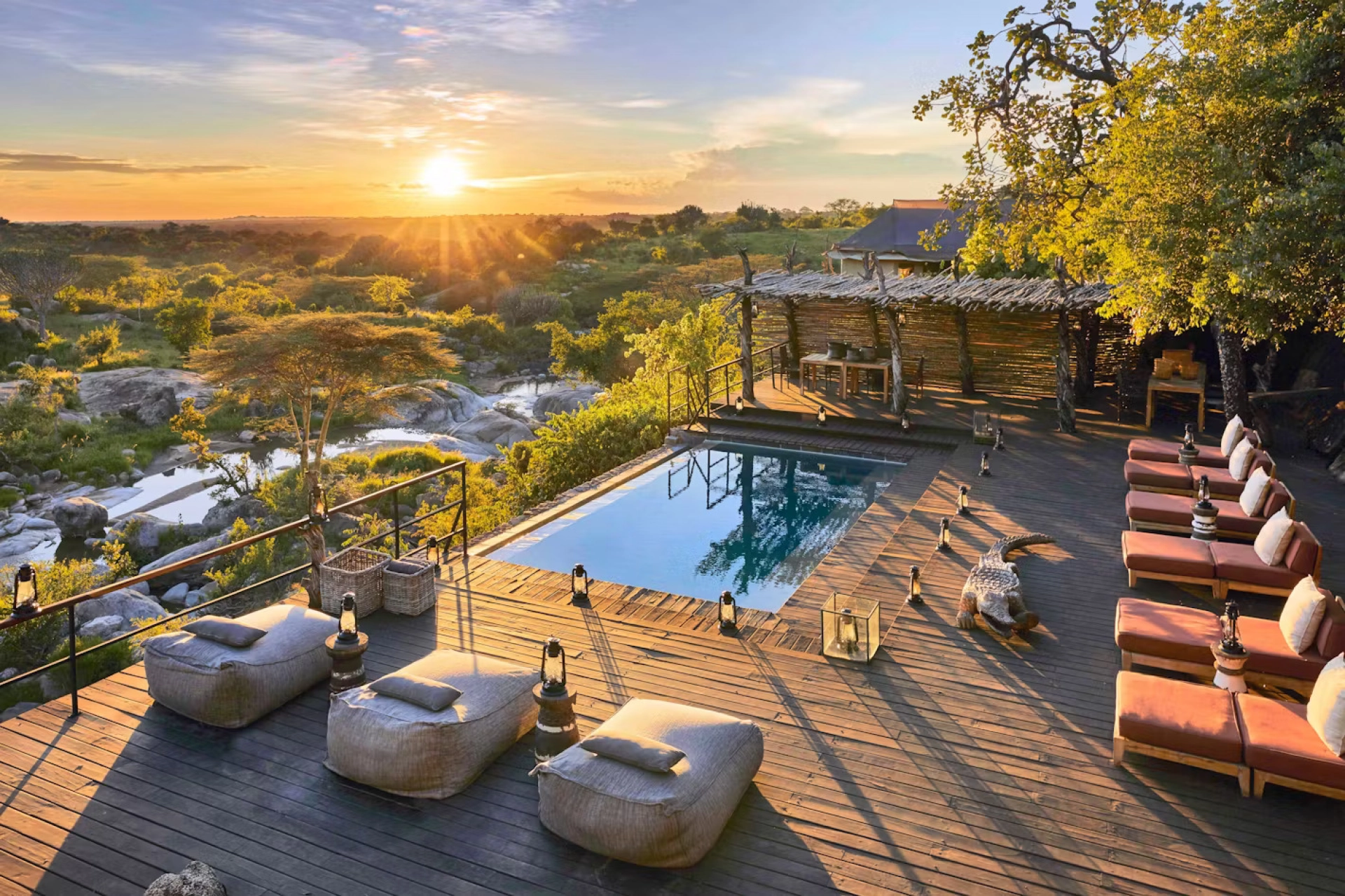
What should I look for when booking a luxury African safari?
When booking a luxury African safari, look beyond the room and compare the quality of guiding, wildlife location,…
Read article

Travel Guide
Taking children on an African safari can become one of the most memorable family holidays imaginable. Instead of learning about elephants, lions, giraffes and primates through books or screens, children encounter wildlife in the landscapes where…
Taking children on an African safari can become one of the most memorable family holidays imaginable.
Instead of learning about elephants, lions, giraffes and primates through books or screens, children encounter wildlife in the landscapes where it naturally lives. They hear hippos calling after dark, watch elephants communicate around a waterhole, follow giraffes across open plains and learn from guides who can turn animal tracks, insects and plants into fascinating stories.
The best family safaris in Africa for families with kids are therefore much more than wildlife-viewing holidays. They can introduce children to ecology, geography, conservation and different cultures while giving families uninterrupted time together away from everyday routines. But successful family safaris require more careful planning than adult-only trips. Driving times matter. Accommodation needs to suit children. Some camps impose minimum ages. Walking safaris, gorilla trekking and other specialist activities may have age restrictions. Parents also need to consider malaria risk, food requirements, swimming pools, room arrangements and how long younger children can comfortably remain in a safari vehicle.
The ideal African safari with kids is therefore not necessarily the itinerary containing the greatest number of parks. It is the itinerary that balances excellent wildlife with realistic travel times, comfortable accommodation, engaging activities and enough downtime for the entire family. Here are eleven of the best destinations and safari regions for families planning an African adventure.
Kenya has been welcoming safari travellers for generations and remains one of the easiest destinations for families seeking a traditional East African wildlife experience. The country offers a wide range of national parks, private conservancies, family-friendly lodges and safari camps. Its wildlife is also immediately exciting for children. Elephants, giraffes, zebras, lions, cheetahs and numerous antelopes can often be observed in relatively open landscapes, making animals easier for younger travellers to spot.
The Masai Mara National Reserve is Kenya’s most famous safari destination. Its broad grasslands support exceptional concentrations of wildlife. Children may see lions resting beside tracks, elephants moving across the plains, giraffes browsing from acacia trees and huge herds of grazing animals. During appropriate periods, migrating wildebeest and zebras add another dimension. A Masai Mara family safari should be designed differently from an intensive photographer’s itinerary. Instead of spending ten hours in a vehicle every day, families often benefit from shorter morning and afternoon drives separated by lunch, swimming and rest.
Private safari vehicles are especially valuable because parents can return to camp when children become tired rather than following the schedule of unrelated travellers.
Private and community conservancies around the Mara and elsewhere in Kenya can provide quieter safari experiences. Some allow activities that may be restricted in national reserves, depending on local regulations and property policies. Family-friendly camps may offer nature walks around safe areas, animal tracking demonstrations, children’s conservation programmes or cultural experiences. These activities can keep younger travellers engaged between game drives.
Amboseli National Park is another excellent family destination. The park is famous for elephants and, on clear days, views of Mount Kilimanjaro. Children often find elephants especially fascinating because their social behaviour is easy to observe. Watching a family herd protect calves, communicate and interact around water can become an informal lesson in animal behaviour.
Tanzania is another outstanding destination for an African family safari. The northern safari circuit combines several internationally famous wildlife areas within one broad region. The Serengeti National Park provides classic open-plains wildlife viewing, while the Ngorongoro Conservation Area adds dramatic scenery and excellent game viewing.
The Serengeti can be magical for children because wildlife encounters can be frequent and visually dramatic. Lions, elephants, giraffes, zebras, wildebeest, hippos and numerous other animals inhabit the ecosystem. During parts of the migration cycle, enormous herds transform the landscape. Families should nevertheless remember that the Serengeti is huge. Poor itinerary design can result in children spending long hours travelling between distant regions. A good Tanzania family safari itinerary should therefore select accommodation strategically and avoid unnecessary backtracking.
The Ngorongoro Crater can be particularly rewarding for families because wildlife is concentrated within a comparatively defined area. A crater game drive may reveal zebras, wildebeest, buffaloes, elephants, lions and numerous other species. The dramatic crater walls also provide children with an easily understandable introduction to volcanic geography.
One of Tanzania’s biggest advantages is the possibility of adding Zanzibar. After several days of early-morning game drives, families can spend time swimming, relaxing and exploring the Indian Ocean coast. A Tanzania family safari and Zanzibar holiday therefore balances wildlife and relaxation particularly well.
South Africa is often one of the first destinations parents consider for a safari with younger children. The country has extensive tourism infrastructure, a broad range of accommodation and several safari regions. Some reserves are located in malaria-free areas, which can be an important consideration for families after obtaining appropriate professional travel-health advice.
The Greater Kruger region provides some of Africa’s most famous wildlife viewing. Families can search for elephants, lions, leopards, rhinos, buffaloes, giraffes and many other species.
Many private lodges offer family accommodation and children’s activities. However, individual properties have different minimum ages for game drives, bush walks and other activities. Parents should never assume that all children can participate in every safari activity.
The Eastern Cape contains several reserves that are often marketed strongly toward families. The region can be particularly attractive when combined with Cape Town and the Garden Route. A family could spend several days exploring Cape Town, travel along South Africa’s scenic coast and finish with a wildlife safari. This creates a varied holiday rather than requiring children to spend the entire trip on game drives.
Cape Town adds enormous value to a South African family holiday. Families can visit beaches, explore the Cape Peninsula, see penguins around Boulders Beach, take the Table Mountain cableway when operating and enjoy numerous outdoor attractions. This makes South Africa one of the best African countries for a family holiday combining safari and city experiences.
Uganda is an extraordinary choice for adventurous families, particularly those travelling with older children and teenagers. The country combines savannah wildlife, rainforest, primates, boat safaris and beautiful landscapes. A family itinerary can include Murchison Falls National Park, Queen Elizabeth National Park, Kibale and southwestern Uganda.
Murchison Falls is particularly appealing because activities are varied. Game drives can reveal elephants, giraffes, buffaloes, lions and antelopes. A boat safari on the Nile gives children a break from sitting in a vehicle and provides excellent opportunities to observe hippos, crocodiles, birds and wildlife along the riverbanks. The waterfall itself adds a dramatic geological attraction.
Queen Elizabeth National Park is another strong family destination. The Kazinga Channel boat safari is especially suitable for families because wildlife can often be observed from a comfortable boat. Large numbers of hippos inhabit the channel, while elephants and buffaloes may appear along the shoreline. Game drives provide additional opportunities to search for lions and other savannah wildlife.
Families often ask whether children can participate in gorilla trekking in Uganda. Gorilla trekking is subject to a minimum age requirement, so families travelling with younger children need alternative arrangements. This is one reason gorilla safaris are particularly suitable for families with teenagers who meet the applicable trekking requirements. Parents should confirm the current permit regulations when booking rather than relying on outdated information. For eligible older children, seeing mountain gorillas can become one of the most profound wildlife experiences of the entire family trip.
Chimpanzee trekking also operates under activity-specific regulations and age requirements that should be confirmed during planning. Even when some family members cannot participate in primate trekking, Uganda offers enough alternative wildlife experiences to create a rewarding itinerary.
Rwanda’s compact geography can make it attractive to families that want to minimise long driving days. Kigali is relatively close to several major tourism regions compared with the distances encountered in larger safari countries. Volcanoes National Park provides mountain gorilla and golden monkey experiences, while Akagera National Park offers conventional savannah safari.
Akagera is particularly suitable for a family wildlife experience. Its lakes, wetlands, savannah and woodland support elephants, giraffes, buffaloes, antelopes and predators. A family can enjoy game drives without needing to travel to another country for traditional safari wildlife.
Families with enough time can combine Rwanda with Uganda. Flying into Kigali and travelling toward southwestern Uganda can be an efficient way to reach Bwindi and nearby attractions. A carefully designed Uganda and Rwanda family safari can therefore combine cultural experiences, savannah wildlife and, for eligible older children, gorilla trekking.
Botswana is one of Africa’s premier wilderness destinations. The Okavango Delta offers an extraordinary safari environment where channels, islands and floodplains support abundant wildlife. Northern Botswana also includes the elephant-rich Chobe National Park. Botswana can be exceptional for families with older children who already have a strong interest in wildlife. The country’s remote camps often create immersive safari experiences where the sounds and rhythms of wilderness become part of everyday life.
However, Botswana requires careful planning for families. Many camps are small and remote. Age restrictions can apply to walking, mokoro trips and other activities. Some properties are more family-oriented than others. Parents should therefore choose accommodation based not simply on luxury level but on how well the camp’s activities and room configuration suit their children’s ages.
Namibia is excellent for families who enjoy landscapes as much as wildlife.
The country offers enormous deserts, dramatic mountains and long scenic roads. Etosha National Park provides the principal traditional safari experience. Wildlife often gathers around waterholes, which can be especially enjoyable for children because families can sometimes remain in one place and wait for animals to arrive rather than constantly driving. Elephants, giraffes, zebras, antelopes, predators and rhinos may all be encountered in the wider Etosha ecosystem. Further south, the dunes around Sossusvlei provide a completely different family adventure.
Climbing sand dunes, exploring desert landscapes and learning how plants and animals survive in extremely dry conditions can be surprisingly engaging for children. Namibia is particularly suitable for families comfortable with road travel.
Zambia has a strong reputation for adventurous safari experiences. South Luangwa National Park is famous for wildlife and walking safaris. Families with older children may appreciate the opportunity to learn about animal tracks, ecology and smaller details of the bush. However, walking activities generally have age and safety requirements. Parents should confirm individual lodge policies. The Lower Zambezi can provide river-based safari activities, adding variety beyond conventional game drives. Zambia can also be combined with Victoria Falls, giving families an opportunity to experience one of Africa’s greatest natural landmarks.
Zimbabwe provides another excellent combination of safari and natural attractions. Hwange National Park is famous for elephants and supports diverse wildlife. Waterholes can create excellent opportunities for families to observe animal behaviour. Zimbabwe’s side of Victoria Falls can be incorporated easily into a broader itinerary. For children old enough to appreciate geography and natural history, seeing the Zambezi River plunge into the gorge can be a memorable educational experience. As with Zambia, adventure activities around Victoria Falls may carry specific age, height or safety restrictions.
Although Mauritius is not a traditional safari destination, it can play an important role in a family African holiday. After a week of game drives, children may appreciate several days with fewer schedules. Mauritius provides beaches, swimming, water activities, resorts and a broad range of family facilities. This makes it a useful extension to a safari elsewhere in Africa. Parents planning a family safari and beach holiday in Africa should consider whether adding a beach stay would improve the overall rhythm of the trip.
For many families, the answer is yes.
Zanzibar is one of the easiest beach extensions after a Tanzania safari and can also be combined with Kenya or other East African destinations depending on flights. Families can relax beside the Indian Ocean, explore Stone Town, visit spice-growing areas and enjoy marine activities appropriate to the children’s ages. A beach extension also allows everyone to recover from early safari mornings. This can make a Serengeti safari and Zanzibar family holiday considerably more balanced than an itinerary filled entirely with game drives.
A famous wildlife reserve is not automatically a good family safari destination. Several practical factors matter. Driving time is one of the most important. Adults may tolerate six or seven hours of road travel between parks because they understand the destination waiting at the end. Young children may experience the same journey very differently. Good family itineraries minimise unnecessary transfers. Accommodation is equally important. Families may need interconnected rooms, family cottages or larger tents. Parents should establish sleeping arrangements before booking rather than discovering at arrival that children are housed in a separate building.
Swimming pools can be valuable during hot afternoons, although wildlife areas require strict supervision. Meal flexibility also matters for younger travellers. The best family-friendly safari lodges in Africa understand these needs and adapt schedules where possible.
For most families, a private safari provides significant advantages. The family controls the pace of the day. If a child becomes tired, the game drive can finish earlier. If everyone is fascinated by elephants at a waterhole, the guide may be able to remain longer. Parents do not need to worry about disturbing unrelated travellers. Private vehicles also make it easier to carry snacks, camera equipment, children’s binoculars and other personal items.
Group departures may reduce costs, but parents should carefully consider whether the fixed schedule suits their children’s ages and personalities.
There is no universal perfect age.
Even young children can enjoy carefully selected safari experiences, but itinerary design becomes increasingly important as age decreases. Children who can remain quietly seated for reasonable periods often gain more from game drives. Older children and teenagers may engage more deeply with animal behaviour, photography, conservation and ecology. Certain activities have formal minimum ages. These may include gorilla trekking, chimpanzee trekking, walking safaris, canoeing and specialist adventure activities. Rules can differ between countries, parks and individual lodges.
Always confirm the current requirement for each planned activity before paying.
For families with eligible teenagers, gorilla trekking can become the highlight of an African holiday. Uganda’s Bwindi Impenetrable National Park is one of the world’s premier gorilla destinations. The experience involves trekking through natural forest to locate a habituated gorilla family. Physical difficulty varies because gorillas move freely. Some groups may be found relatively quickly, while other treks can involve more demanding terrain. Families should discuss fitness and trekking preferences with their operator in advance.
Rwanda’s Volcanoes National Park provides another outstanding gorilla trekking option. Families can also combine Rwanda with Uganda, using Kigali as a convenient gateway to southwestern Uganda.
Children often experience wildlife differently from adults. An adult may happily spend an hour waiting for a leopard to move from a distant tree. A seven-year-old may lose interest after several minutes. Good guides recognise this. Instead of focusing exclusively on rare sightings, they turn the entire environment into a story. Animal tracks become clues. Dung reveals what passed through the area. Bird calls become warning systems. Termite mounds become miniature cities.
A giraffe’s unusual anatomy becomes a biology lesson. This approach can transform an ordinary game drive into an adventure. Parents can also give children binoculars, wildlife checklists or simple cameras. Encouraging children to identify species makes them active participants rather than passengers.
One of the biggest mistakes in planning a safari in Africa with children is attempting to include too much. Five national parks in seven days may look impressive on paper. In reality, the family may spend much of the holiday packing luggage and driving. Children usually benefit from slower travel. Spending two or three nights in selected locations gives them time to become comfortable with a lodge and allows families to enjoy pools, scenery and unscheduled time.
Quality is more important than the number of destinations visited.
African safari accommodation ranges from simple camps to extraordinary luxury lodges. For families, practical design can matter more than luxury. Ask whether rooms are interconnected. Check how far children’s rooms are from the parents’ room. Understand whether the property is fenced. Many safari camps are located in genuine wildlife areas where animals can walk through camp. At unfenced properties, guests may need escorts after dark. Parents should ensure children understand these rules from the beginning.
Some lodges have dedicated family units with multiple bedrooms and shared living areas. These can be particularly comfortable for longer stays.
Safari lodges are generally accustomed to international guests, but parents of selective eaters should communicate requirements in advance. Many properties can provide simpler meals for children when given sufficient notice. Families dealing with allergies or dietary restrictions should provide clear written information before arrival. Road journeys can also be long, so keeping water and suitable snacks available is sensible.
Health planning should begin well before departure. Requirements vary according to destination, travel history, children’s ages and individual medical circumstances. Families should consult an appropriately qualified travel-health professional for personalised advice on vaccinations, malaria prevention and other health considerations. Parents should also pack regular medications in sufficient quantities and keep essential medicine in hand luggage during flights. Sun protection is important. African safari days can involve substantial sun exposure, even when temperatures feel comfortable.
Hats, suitable clothing and sunscreen are valuable. Hydration is equally important, particularly in hot destinations.
Wild animals should never be treated as though they are in a zoo. Even when elephants or antelopes appear calm, they remain wild. Children must follow their guide’s instructions. They should not leave vehicles unless told it is safe, approach wildlife around lodges or wander through unfenced camps. Parents should explain these rules before arriving. Children often respond well when safety is framed as part of becoming a responsible safari traveller.
Comfortable lightweight clothing works well for most safari environments. Neutral colours are practical for wildlife activities. Families should bring sun hats, sunscreen, comfortable closed footwear and warmer layers for early mornings. Temperatures on dawn game drives can be surprisingly cool. Binoculars are among the best items to give children. A child with personal binoculars can independently search trees and grasslands. A small notebook or wildlife journal can also make the experience interactive.
For longer transfers, books, offline games or other quiet entertainment can help.
The best period depends on the destination. Dry seasons can provide excellent game viewing because wildlife often concentrates around water and vegetation may be less dense. However, dry seasons can also coincide with peak visitor numbers and higher prices. Green seasons should not automatically be dismissed. Landscapes may be beautiful, birdlife can be excellent and some destinations experience fewer visitors. Families restricted to school holidays should plan well ahead, particularly for popular safari areas.
For first-time families, approximately seven to ten days of safari can work very well. This provides enough time for meaningful wildlife experiences without overwhelming younger travellers. Longer holidays can be divided into different styles. For example, a family might spend six days on safari followed by four nights at the beach. Another family could combine Cape Town with a shorter wildlife safari. Families with teenagers may enjoy longer, more adventurous itineraries combining multiple countries.
Family safari costs depend on destination, accommodation level, park fees, transportation and season. Private safaris can appear more expensive initially, but for larger families the difference may be less dramatic because vehicle costs are shared among family members. Some lodges offer reduced child rates or family packages. Others charge relatively high rates because family units occupy substantial space. Flights can also influence costs significantly. An itinerary using many internal flights may be convenient but expensive.
A good safari planner should therefore balance comfort, driving time and budget rather than simply selecting the cheapest accommodation.
Families frequently compare these three East African destinations. Kenya is excellent for a classic first safari and offers abundant wildlife in the Masai Mara, Amboseli and other parks. Tanzania provides the Serengeti, Ngorongoro and convenient Zanzibar extensions. Uganda offers the greatest primate diversity and can combine gorillas and chimpanzees with savannah game drives and boat safaris. For families with younger children who cannot participate in primate trekking, Kenya or Tanzania may initially seem simpler.
For families with eligible teenagers, Uganda becomes particularly compelling because the safari can include an experience—meeting mountain gorillas—that is impossible in Kenya or Tanzania.
A combined Uganda and Rwanda family safari can work extremely well for adventurous families. Kigali provides a convenient entry point. Families can explore Rwanda before travelling toward Volcanoes or crossing into southwestern Uganda. Bwindi, Lake Bunyonyi and other southwestern destinations can then be incorporated before continuing deeper into Uganda or returning to Kigali. This route is especially attractive for families whose main priority is primate trekking.
Adding a beach extension is often one of the best decisions parents make. Safari days tend to begin early. After several mornings waking before sunrise, even enthusiastic children may appreciate a few days without alarms. Tanzania combines naturally with Zanzibar. Kenya offers access to Diani, Watamu and other coastal destinations. Southern and East African itineraries can also be combined with Mauritius or Seychelles depending on available flights and budget. The result is a family safari and beach holiday that provides both adventure and genuine relaxation.
Giving children their own camera can dramatically increase engagement. They do not need professional equipment. Even a simple compact camera can encourage them to observe animals carefully. Instead of asking repeatedly when the drive will end, they may begin searching for colourful birds, unusual insects or animal behaviour to photograph. Older children can learn basic wildlife photography principles from guides and parents. Safari therefore becomes both a creative and educational experience.
One of the greatest advantages of taking children to Africa is the opportunity to learn outside a classroom. Ecology becomes visible. Children see predators and prey sharing ecosystems. They learn why water determines wildlife movement. They discover that conservation involves local communities, governments, researchers and tourism. Geography becomes real as they cross the Great Rift Valley or stand beside the Nile. Culture becomes personal through respectful interactions with people whose lives may be very different from their own.
A thoughtfully planned safari can therefore become one of the most educational holidays a family ever takes.
The best African safari with kids is not simply a smaller version of an adult safari. It should be designed around the family. Driving days need to be realistic. Lodges should be chosen for their suitability rather than simply their star rating. Activities should keep children interested, and the itinerary should include enough time to relax. When these details are planned correctly, an African safari can become an extraordinary shared family experience.
Imagine your children seeing their first elephant in the wild rather than behind a zoo barrier. Imagine them learning how to identify lion tracks, watching hippos from a boat or listening to chimpanzees calling through a rainforest. For families with older children, imagine trekking together into Bwindi and encountering a mountain gorilla family. Those experiences can remain vivid decades later. Adventure in the Wild Safaris creates customised family safari holidays in Africa, including journeys through Uganda, Rwanda, Kenya and Tanzania.
We can tailor safari duration, accommodation category, activities and driving distances to the ages and interests of your family. Whether you want a Uganda family safari, Masai Mara safari with kids, Serengeti family safari, gorilla trekking family adventure, or a multi-country East Africa family safari and beach holiday, the most important starting point is designing the journey around how your family actually travels. A successful family safari is not measured by how many parks you visit. It is measured by the experiences your children are still talking about when you return home.
Get quick answers to the most common questions. If you still have questions, our safari experts are here to help.
Yes. Many African destinations are excellent for families, provided the itinerary, accommodation and activities are selected according to the children’s ages.
Kenya, Tanzania and South Africa are popular choices for first-time family safaris. Uganda and Rwanda can be exceptional for families with older children, especially those interested in primates.
Gorilla trekking has minimum age requirements. Families should confirm current regulations when planning because younger children cannot normally participate.
Both are excellent. Kenya offers the Masai Mara, Amboseli and coastal extensions, while Tanzania combines Serengeti, Ngorongoro and Zanzibar. The better choice depends on your dates, desired itinerary and budget.
Yes. Uganda offers excellent family safari possibilities including game drives, Nile and Kazinga Channel boat safaris, waterfalls and wildlife. Primate activities have age requirements that must be considered.
Usually, yes. A private vehicle provides greater flexibility over departure times, duration and breaks, which can be extremely valuable when travelling with children.
Approximately seven to ten days can work well for many families. Longer trips are often more enjoyable when combined with beaches, cities or other activities.
Many do, but policies vary significantly. Some camps have minimum ages, while others specialise in family travel.
Well-planned safaris operated by reputable companies are designed around strict safety procedures. Parents and children must follow guides’ instructions, especially around wildlife and unfenced camps.
This depends on the destination, but possible sightings include elephants, giraffes, zebras, lions, buffaloes, hippos, antelopes, monkeys and numerous birds. Wildlife sightings are never guaranteed because animals move freely.
Booking early is recommended for school-holiday periods, popular family rooms and limited-permit activities.
Our safari experts are here to help you plan your safari. Get personalized advice, the latest information and a free, no-obligation quote.
We typically reply within a few hours.

Share This Article
When booking a luxury African safari, look beyond the room and compare the quality of guiding, wildlife location,…
Read article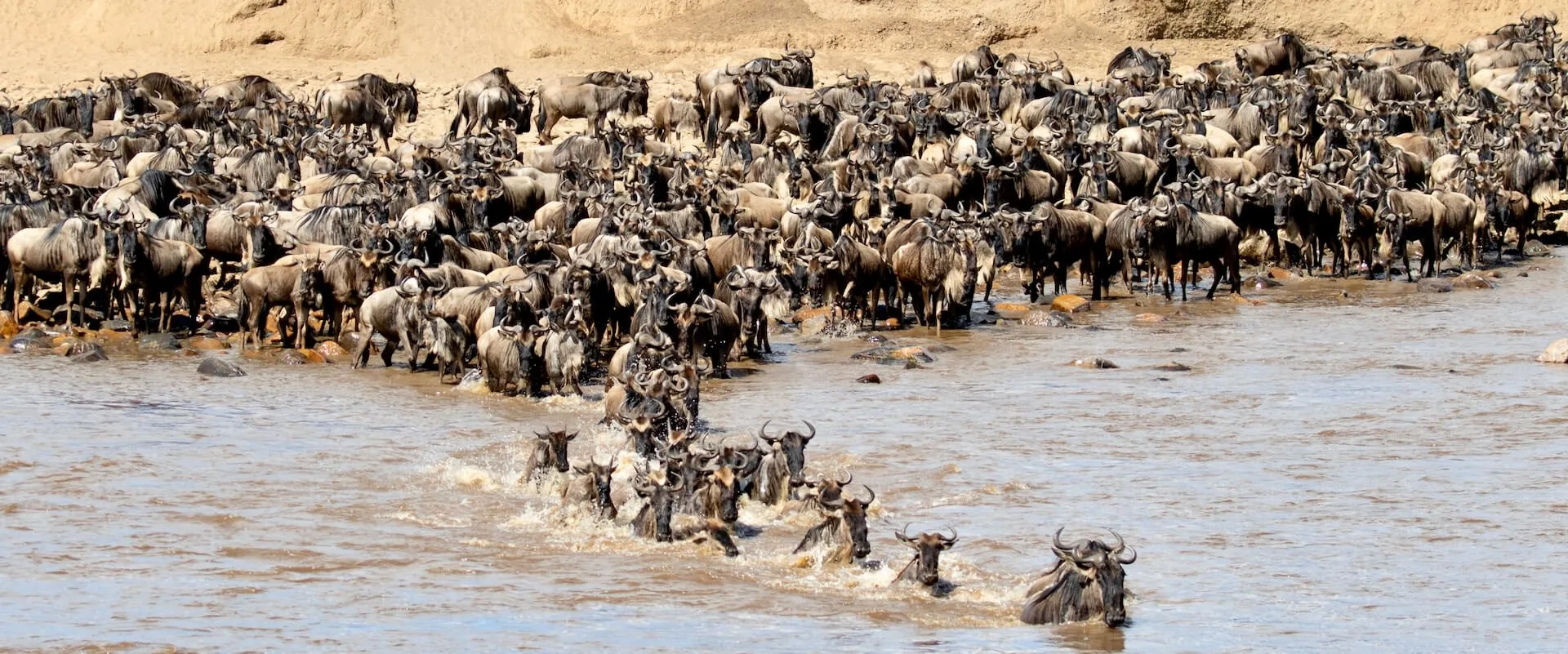
The Great Migration in Africa happens all year because the herds continuously circulate through the Serengeti–Mara ecosystem in…
Read article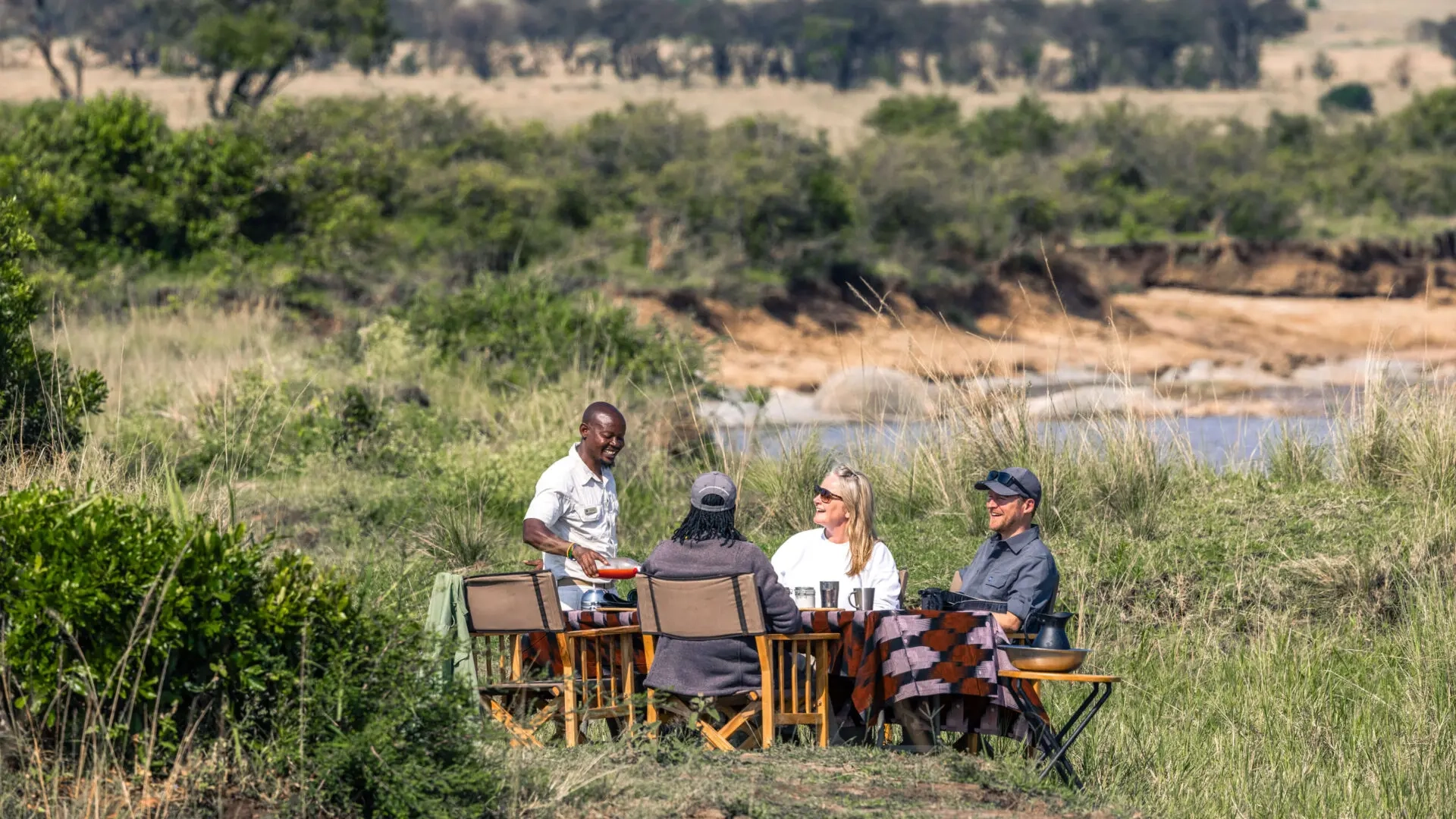
Definitive answer: A picnic lunch on safari is a packed or catered midday meal eaten at an approved…
Read article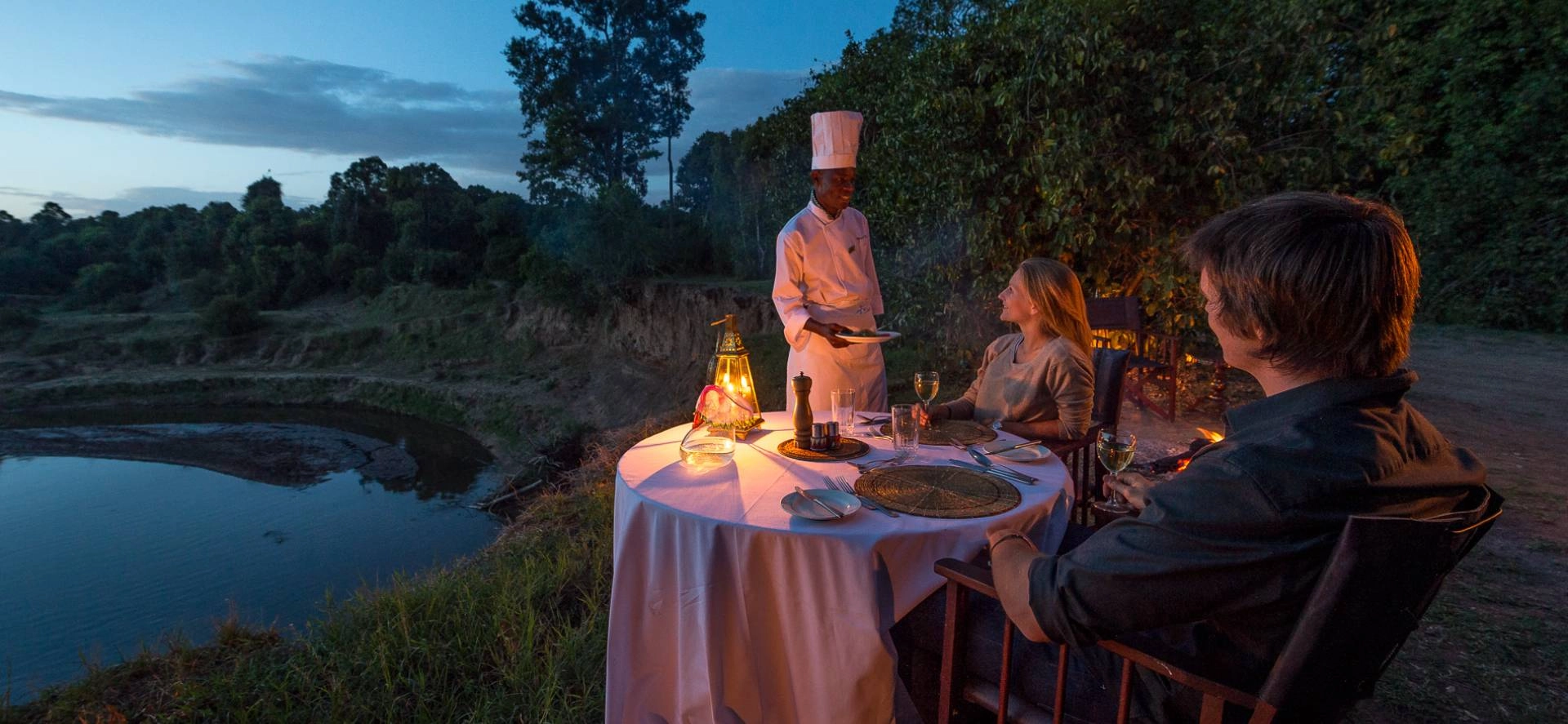
Definitive answer: A bush dinner is an outdoor evening meal arranged in a safe safari setting away from…
Read articleLet us take you closer to the wildlife, people and places that make Africa extraordinary.
Plan Your Safari Today