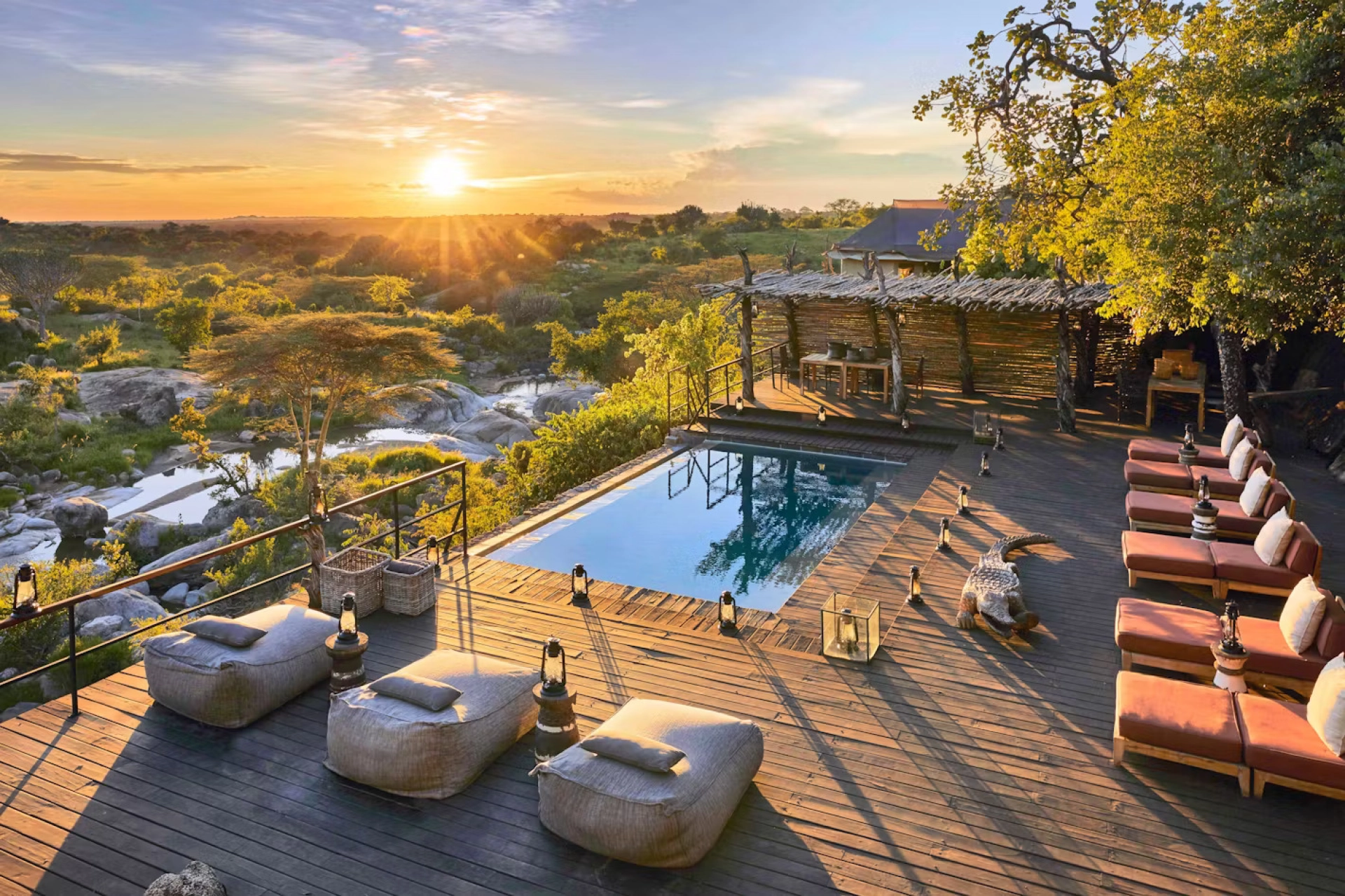
What should I look for when booking a luxury African safari?
When booking a luxury African safari, look beyond the room and compare the quality of guiding, wildlife location,…
Read article

Travel Guide
Cape Town is one of those rare cities where a world-class urban destination sits directly beside mountains, forests, beaches and dramatic coastal wilderness. You can spend the morning drinking coffee in the city centre, climb a…
Cape Town is one of those rare cities where a world-class urban destination sits directly beside mountains, forests, beaches and dramatic coastal wilderness. You can spend the morning drinking coffee in the city centre, climb a mountain before lunch, and watch the sun disappear into the Atlantic Ocean in the evening. For travellers who enjoy exploring destinations on foot, the best hikes in Cape Town are among the most rewarding outdoor experiences in South Africa.
The unmistakable shape of Table Mountain dominates the city skyline, but Cape Town’s hiking possibilities extend far beyond its famous flat-topped landmark. Trails climb through indigenous fynbos, follow rocky ridges above the Atlantic Ocean, cross forested mountain slopes and lead to viewpoints overlooking beaches, suburbs, vineyards and the distant mountains of the Western Cape. For safari travellers, hiking in Cape Town also provides a refreshing contrast to days spent travelling through Africa’s wildlife reserves. A journey combining a South Africa safari with several days in Cape Town can include everything from Big Five game drives to mountain hiking, beaches, wine estates and scenic drives.
Whether you want a short sunrise climb, a challenging ascent of Table Mountain or a relaxed walk through indigenous forest, this guide explores ten of the best day hikes in Cape Town and explains what makes each route worth adding to your South African adventure.
Few major cities have Cape Town’s relationship with wilderness. Table Mountain National Park cuts through much of the metropolitan area, protecting mountains and natural vegetation from Signal Hill and Table Mountain in the north all the way toward the Cape Peninsula. This geography means hiking trails are unusually accessible. From many Cape Town neighbourhoods, excellent trails can be reached within minutes. The landscape is equally remarkable. Cape Town lies within the Cape Floristic Region, one of the world’s great centres of plant diversity. Much of the mountain landscape is covered by fynbos, a vegetation type famous for proteas, ericas and an extraordinary range of endemic plants.
Hiking therefore isn’t simply about reaching viewpoints. Walking through the mountains provides an opportunity to appreciate an ecosystem that exists almost nowhere else on Earth. The scenery changes dramatically depending on which side of the mountains you explore. Atlantic-facing routes reveal Camps Bay, Clifton, the Twelve Apostles and the open ocean. Eastern slopes often pass through cooler forests, while higher trails cross exposed sandstone plateaus with sweeping views across the Cape Peninsula.
Of all the Cape Town hiking trails, Lion’s Head provides one of the best combinations of accessibility, excitement and panoramic scenery. The distinctive peak rises between Table Mountain and Signal Hill and reaches approximately 669 metres above sea level. From its summit, hikers can enjoy a spectacular 360-degree view across central Cape Town, Table Mountain, Camps Bay, Clifton, the Atlantic Seaboard and Robben Island. The standard trail spirals around the mountain, which means the scenery constantly changes during the ascent.
Lower sections are relatively straightforward, but the upper route becomes steeper and involves scrambling. Chains and metal staples assist hikers across some rocky sections. An alternative route allows walkers to avoid some of the more exposed climbing sections. For reasonably active travellers, the return hike usually takes around two to three hours, although stopping frequently for photographs can extend the excursion.
Lion’s Head is especially famous as a Cape Town sunrise hike and Cape Town sunset hike. Watching the first light illuminate Table Mountain can be extraordinary, while evening climbs reveal the city gradually lighting up below. However, darkness makes navigation more difficult. Anyone hiking before sunrise or returning after sunset should carry a proper headlamp and preferably hike with an experienced companion or guide. The trail can also become extremely busy during popular periods. Starting early can provide cooler temperatures and a quieter experience.
Travellers searching for the classic Table Mountain hiking route will almost inevitably encounter Platteklip Gorge. The trail climbs directly up the front face of Table Mountain through a huge natural ravine. It is the most straightforward major hiking route to the upper plateau, but “straightforward” should not be confused with easy. The path climbs steeply for much of the route. Hundreds of rocky steps make the ascent physically demanding, particularly during hot weather.
Depending on fitness and conditions, hikers generally need around two to three hours to reach the top.
What makes Platteklip Gorge attractive is its simplicity. There are few complicated junctions, and the route finishes near the upper cableway station. This allows hikers to climb Table Mountain and, when operating conditions permit, descend using the Table Mountain Aerial Cableway rather than walking back down.
The cableway provides excellent views, but hiking allows travellers to experience the mountain itself. You notice the changing vegetation, enormous sandstone cliffs and increasingly dramatic views across Cape Town. Reaching the plateau on foot also creates a sense of achievement that simply arriving by cable car cannot reproduce. Platteklip Gorge is nevertheless exposed to the sun and offers relatively little shade. Carry sufficient drinking water, sun protection and layers for changing conditions.
For travellers who prefer forests and greener scenery, Skeleton Gorge offers one of Cape Town’s most atmospheric hiking experiences. The route begins in the beautiful Kirstenbosch National Botanical Garden on the eastern side of Table Mountain. Unlike the dry, exposed slopes facing central Cape Town, Skeleton Gorge climbs through dense forest. Wooden ladders and rocky sections add adventure to the route, while shade makes parts of the ascent feel completely different from Platteklip Gorge.
As hikers gain altitude, the forest eventually gives way to mountain vegetation and open landscapes. One popular option is to continue toward the Hely-Hutchinson Reservoir before exploring the Table Mountain plateau. Skeleton Gorge is usually better suited to reasonably fit hikers. Wet conditions can make rocks and wooden sections slippery, and the upper mountain can experience sudden weather changes. For nature lovers, however, it is easily one of the best hikes on Table Mountain.
Kasteelspoort climbs the western side of Table Mountain above Camps Bay and provides some of the most impressive Atlantic Ocean views of any route on the mountain. The trail rises through the Twelve Apostles section of Table Mountain National Park. As elevation increases, hikers gain spectacular perspectives over Camps Bay, the coastline and the deep blue Atlantic. One of the route’s best-known landmarks is the remains of the old aerial cableway infrastructure, often called the “Diving Board” because of the dramatic photographs taken from the rock formation nearby.
The route eventually reaches the Table Mountain plateau, from where experienced hikers can continue toward reservoirs or the central summit area. Compared with Platteklip Gorge, Kasteelspoort often feels quieter and more wilderness-oriented. The climb is still demanding. Much of the route is exposed to sunshine, making early starts particularly sensible during warmer months. For photographers and experienced walkers looking for a scenic Cape Town mountain hike, Kasteelspoort is an outstanding choice.
India Venster is among the most exciting Table Mountain routes, but it should not be treated as an ordinary walking trail. Beginning near the lower cableway station, the route traverses the front of Table Mountain before climbing through rocky terrain toward the upper plateau.
The scenery is exceptional. Hikers enjoy expansive views over Cape Town, Lion’s Head, Signal Hill and the Atlantic coastline. However, India Venster includes exposed scrambling sections requiring the use of hands and good confidence around heights. Route finding can also be more challenging than on Platteklip Gorge. For these reasons, visitors unfamiliar with Table Mountain should strongly consider using a qualified local hiking guide. Experienced hikers who are comfortable scrambling often regard India Venster as one of the best adventurous hikes in Cape Town, but it is not suitable for everyone.
Standing beside Table Mountain, Devil’s Peak forms another dramatic part of Cape Town’s mountain skyline. Several approaches can be used, with routes starting around Tafelberg Road among the most popular. The climb provides broad views over the City Bowl, Table Bay, the Cape Flats and surrounding mountains. One reason Devil’s Peak deserves attention is that it can feel considerably quieter than Lion’s Head or the most popular Table Mountain routes.
The upper slopes are exposed, however, and strong winds can make hiking uncomfortable or unsafe. On clear days, the summit rewards the effort with a wonderful perspective back toward Table Mountain itself. For travellers wanting to escape some of the busier routes while remaining close to central Cape Town, Devil’s Peak is one of the city’s most worthwhile hiking options.
Not every memorable Cape Town hike needs to involve a strenuous mountain summit. The Pipe Track follows the western slopes of Table Mountain above Camps Bay and provides beautiful coastal scenery without the relentless ascent associated with routes such as Platteklip Gorge. The trail historically followed a pipeline constructed to transport water from Table Mountain reservoirs toward Cape Town. Today, it is popular with walkers, trail runners and visitors seeking a moderate outdoor excursion.
Views extend across Camps Bay, Bakoven and the Atlantic Ocean, with the Twelve Apostles towering overhead. Because hikers can turn around whenever they wish, the Pipe Track is easy to adapt to available time and fitness. This makes it one of the best easy hikes in Cape Town for travellers who want mountain scenery without committing to a major summit.
The southern side of Table Mountain provides another excellent network of walking routes.
Starting around Constantia Nek, hikers can climb toward the mountain reservoirs through forested slopes and open fynbos. The route is generally longer than some of Cape Town’s short summit hikes but rewards walkers with a peaceful atmosphere and beautiful mountain landscapes. Reaching the reservoir area reveals an unexpected side of Table Mountain. Instead of looking directly over the city, hikers encounter broad upland spaces that can feel surprisingly remote. This route is particularly appealing to repeat visitors who have already completed Lion’s Head or Platteklip Gorge and want to explore a different part of Table Mountain National Park.
The Cape Peninsula is famous for the spectacular Chapman’s Peak Drive, but the mountains above the road also offer rewarding hiking. A climb toward Chapman’s Peak provides dramatic views over Hout Bay, Noordhoek, the Atlantic Ocean and the surrounding peninsula. The landscape feels considerably more remote than central Cape Town despite being relatively close to the city. Fynbos-covered slopes, rocky ridges and enormous ocean views make this a particularly attractive route for landscape photographers.
Visitors should confirm current trail access arrangements before setting out because conditions and access points can change. Combining the hike with a drive along Chapman’s Peak can create one of the most scenic outdoor days of a Cape Town holiday.
The southern Cape Peninsula offers an entirely different hiking environment. Within the Cape Point section of Table Mountain National Park, walking routes cross coastal fynbos, rocky headlands and beaches. Rather than climbing one dominant mountain, these trails allow hikers to experience the wild coastline of the Cape of Good Hope. Possible sightings may include ostriches, baboons, antelope and numerous bird species, although wildlife should always be observed from a safe distance.
The combination of ocean scenery, biodiversity and historical landmarks makes Cape Point an excellent hiking destination. It also combines naturally with a broader Cape Peninsula tour including Boulders Beach, Simon’s Town, Chapman’s Peak and coastal viewpoints.
Cape Town has a Mediterranean-type climate, meaning conditions vary considerably throughout the year. Summer, roughly December through February, usually brings warmer and drier weather. These months can be excellent for hiking, but exposed trails become extremely hot during the middle of the day. Early morning starts are strongly recommended. Autumn can offer excellent hiking conditions, with comfortable temperatures and fewer peak-season visitors. Winter, approximately June through August, brings more rain and cooler weather. Clear winter days can nevertheless be spectacular, with crisp visibility and greener landscapes.
Spring brings wildflowers and increasingly pleasant conditions. Ultimately, the best time to hike Cape Town depends less on the calendar than on the weather on the specific day.
One of the most important lessons for visitors is never to underestimate Table Mountain. Clear sunshine in central Cape Town does not guarantee good conditions at higher elevations. Cloud can develop rapidly around the summit. Strong winds can appear unexpectedly, visibility may decrease and temperatures can drop considerably. The famous “tablecloth” cloud spilling over Table Mountain is beautiful when viewed from the city but can create difficult conditions for hikers on the mountain.
Always check the latest local weather information before departure and be prepared to turn around if conditions deteriorate.
The beauty and accessibility of Cape Town’s mountains sometimes cause visitors to underestimate them. Carry adequate water, especially during summer. Wear footwear with good grip, apply sunscreen and bring protective clothing even when conditions initially appear warm. A charged mobile phone, offline navigation information and basic first-aid supplies are sensible additions. Whenever possible, hike with other people rather than alone. For difficult routes, unfamiliar trails or sunrise and sunset excursions, hiring a reputable hiking guide can significantly improve both safety and enjoyment.
Guides can also explain the geology, plants, history and ecology of the mountains, transforming the excursion from a simple climb into a deeper Cape Town experience.
Preparation does not need to be complicated, but several essentials make hiking safer and more comfortable. Comfortable hiking or trail shoes are important because many routes contain loose stones and uneven surfaces. Carry sufficient water and snacks, sun protection, a hat and an additional layer. A lightweight waterproof jacket can be useful because conditions change quickly. For early starts or evening hikes, carry a headlamp rather than relying on a mobile phone flashlight.
A small backpack is usually sufficient for most Cape Town day hikes.
Many established Cape Town trails can be completed independently by experienced hikers who understand the route and conditions. However, guided hiking has several advantages.
Local guides understand route variations and can select an appropriate trail based on weather, fitness and experience. They also provide context about Cape Town’s unique fynbos vegetation, geology and history. This can be particularly valuable on more technical routes such as India Venster. Travellers visiting South Africa for a limited period may also appreciate avoiding the time required to research trailheads, navigation and transport.
Cape Town works exceptionally well as either the beginning or end of a broader South Africa safari itinerary. Travellers can spend several days exploring the city before flying to wildlife destinations such as Kruger National Park and surrounding private reserves. A longer South African holiday could combine Cape Town with the Garden Route, Winelands and an Eastern Cape safari. This diversity is one reason South Africa remains one of Africa’s most rewarding destinations.
Within one journey, travellers can hike Table Mountain, explore vineyards, watch whales along the coast and then search for elephants, lions, rhinos, buffaloes and leopards on safari. Adventure in the Wild Safaris can incorporate Cape Town into a customised Southern Africa journey, allowing hiking and city exploration to complement traditional wildlife experiences.
The best hikes in Cape Town reveal a side of the city that cannot be appreciated from roads or sightseeing buses alone. From the summit of Lion’s Head to the forests of Skeleton Gorge and the dramatic coastline around Cape Point, walking allows travellers to experience Cape Town’s landscapes at a slower and more intimate pace.
For many visitors, the ideal African holiday combines these mountain adventures with wildlife experiences elsewhere in Southern or East Africa.
Adventure in the Wild Safaris can help create a personalised African journey combining Cape Town, South African wildlife reserves and other leading safari destinations. Whether your priority is hiking Table Mountain, experiencing a Big Five safari, visiting the Cape Winelands or building a multi-country African itinerary, the journey can be tailored around your available time, preferred accommodation and travel style.
Cape Town may be famous for Table Mountain, but once you start walking its trails, it becomes clear that the mountain is not simply a backdrop to the city. It is one of the experiences that defines it.
Get quick answers to the most common questions. If you still have questions, our safari experts are here to help.
Lion’s Head is an excellent choice for active first-time visitors because it offers exceptional panoramic views within a relatively short hike. Travellers specifically wanting to summit Table Mountain may prefer Platteklip Gorge.
“Easy” is relative because reaching the top of Table Mountain involves significant elevation gain. Platteklip Gorge is one of the simplest routes to navigate, although it is physically demanding. The Pipe Track is a better option for travellers wanting an easier mountain walk without reaching the summit.
The duration depends on the route, fitness and weather. Platteklip Gorge often takes approximately two to three hours uphill, while longer Table Mountain routes can occupy much of the day.
Fit and confident beginners often complete Lion’s Head, but the upper sections involve steep terrain and scrambling. Anyone uncomfortable with heights should carefully consider whether the route is appropriate.
Thousands of people hike Cape Town’s trails, but mountain and personal safety precautions remain important. Hike in groups where possible, use established routes, check weather conditions and avoid carrying unnecessary valuables.
Yes, many visitors climb Table Mountain and descend by cableway when it is operating. However, cableway services can stop because of strong winds, maintenance or other conditions, so hikers should never assume that a cable-car descent is guaranteed.
Wear comfortable walking or hiking shoes and lightweight outdoor clothing. Carry sun protection and an additional warm or wind-resistant layer because mountain conditions can change rapidly.
Yes. Hiking is possible throughout much of the year, but individual conditions vary. Summer requires heat precautions, while winter can bring rain, wind and cooler temperatures.
Our safari experts are here to help you plan your safari. Get personalized advice, the latest information and a free, no-obligation quote.
We typically reply within a few hours.

Share This Article
When booking a luxury African safari, look beyond the room and compare the quality of guiding, wildlife location,…
Read article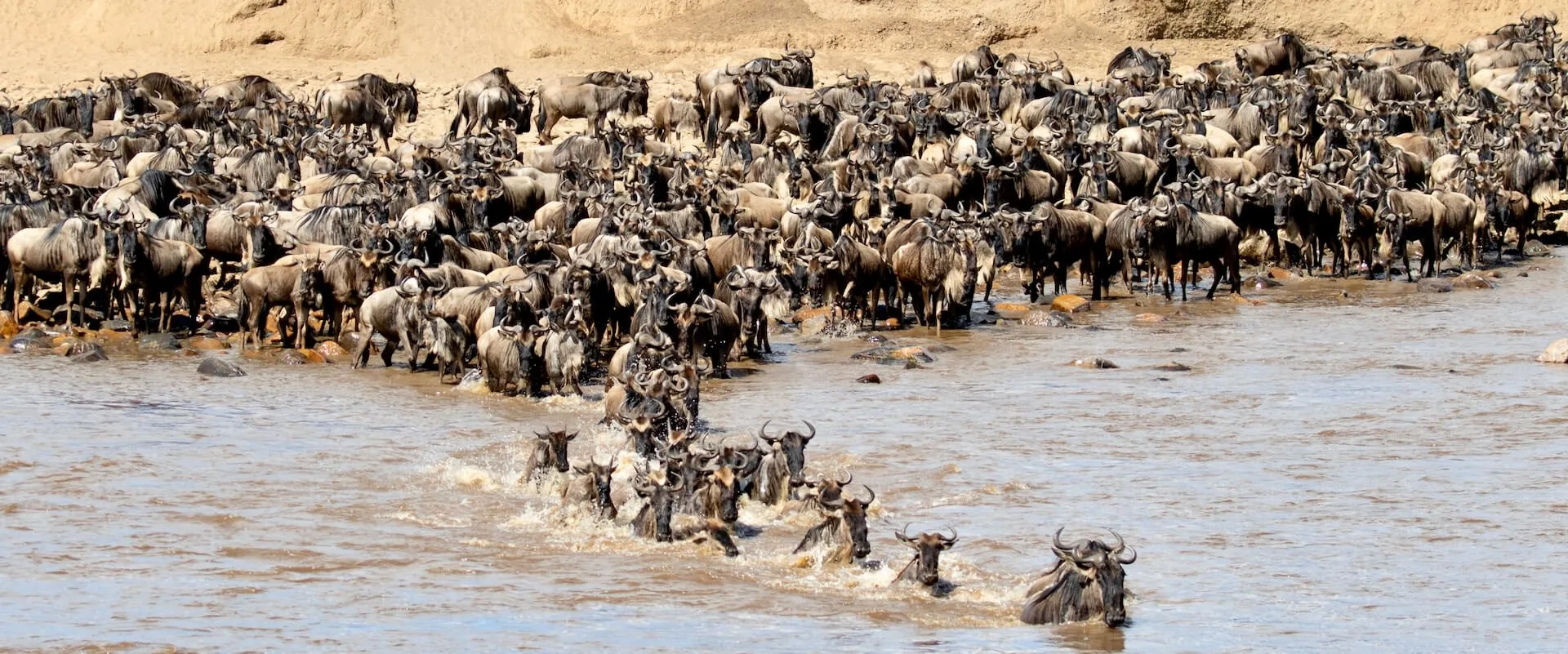
The Great Migration in Africa happens all year because the herds continuously circulate through the Serengeti–Mara ecosystem in…
Read article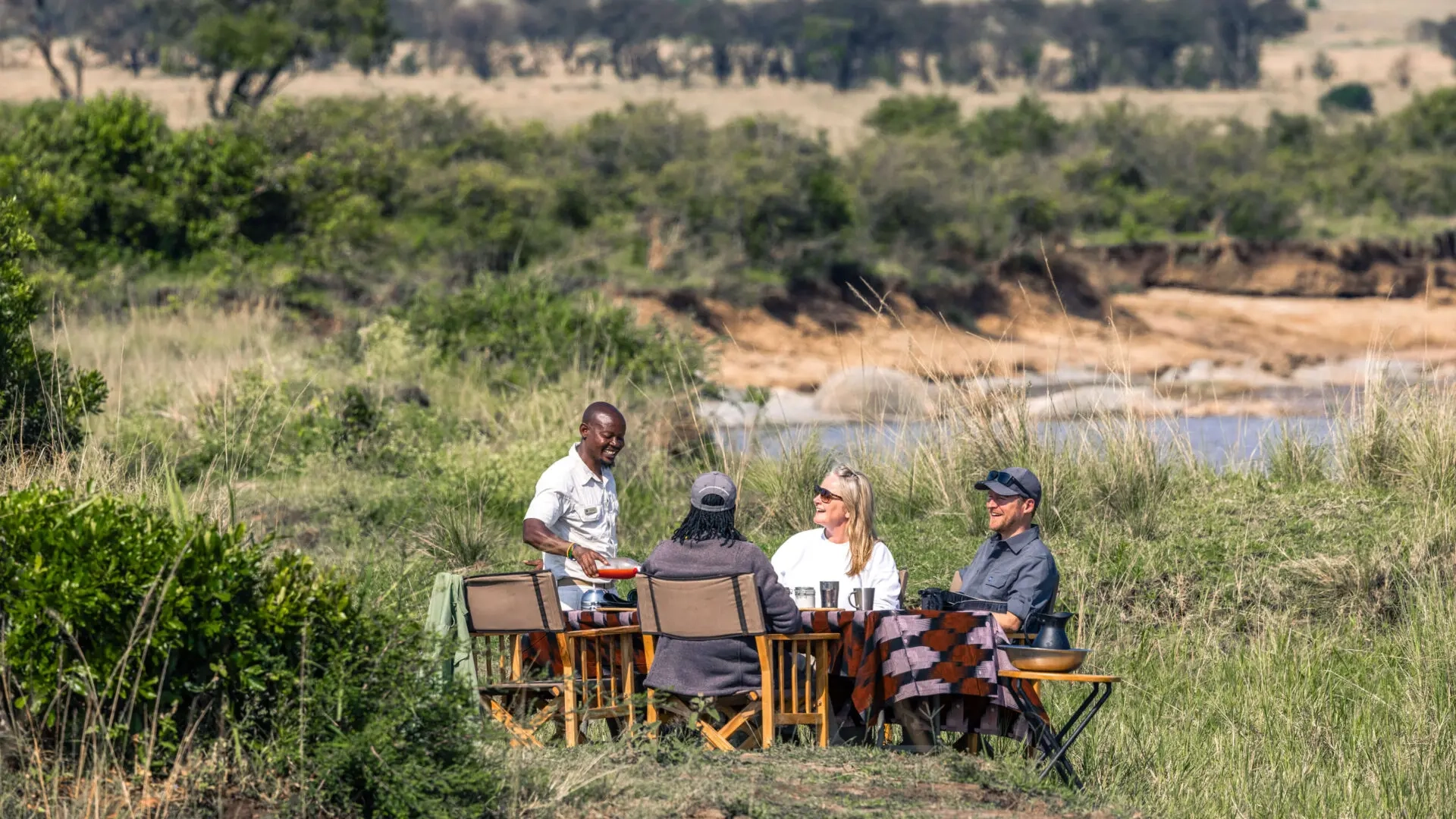
Definitive answer: A picnic lunch on safari is a packed or catered midday meal eaten at an approved…
Read article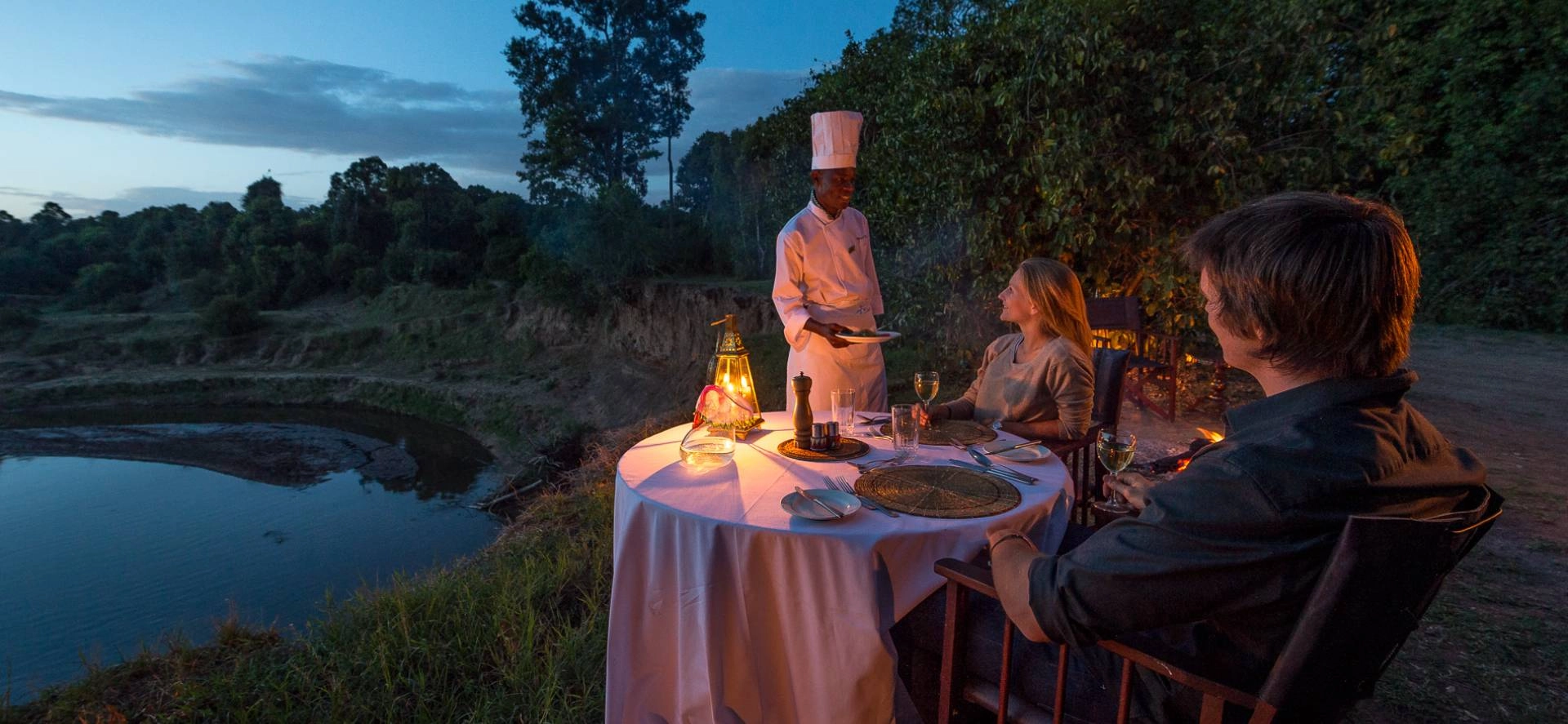
Definitive answer: A bush dinner is an outdoor evening meal arranged in a safe safari setting away from…
Read articleLet us take you closer to the wildlife, people and places that make Africa extraordinary.
Plan Your Safari Today