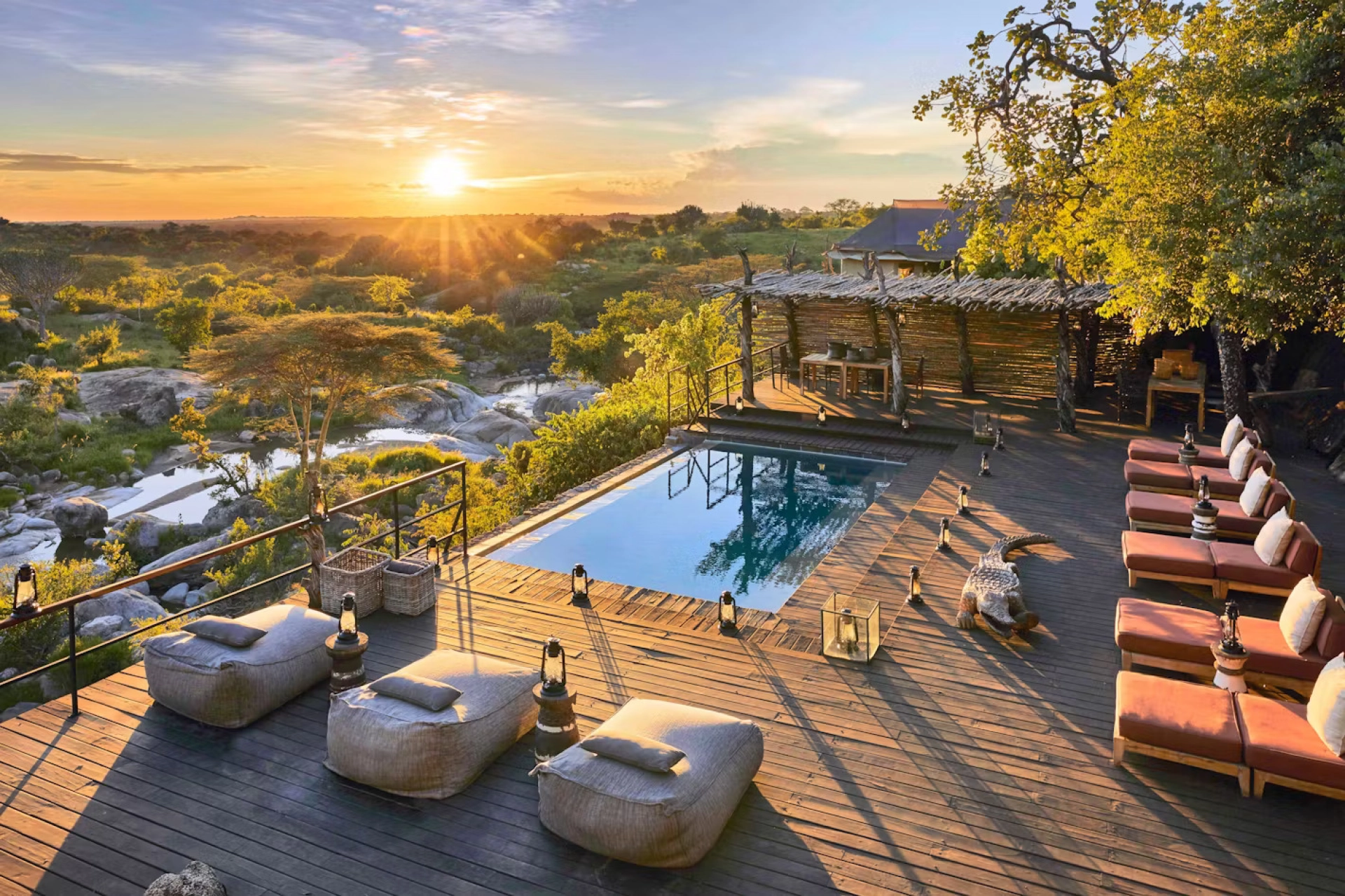
What should I look for when booking a luxury African safari?
When booking a luxury African safari, look beyond the room and compare the quality of guiding, wildlife location,…
Read article

Travel Guide
When winter settles across Europe and North America, Africa is entering some of its most interesting travel seasons. In many destinations, December, January and February bring warm temperatures, green landscapes, Indian Ocean beaches, wildlife activity and…
When winter settles across Europe and North America, Africa is entering some of its most interesting travel seasons. In many destinations, December, January and February bring warm temperatures, green landscapes, Indian Ocean beaches, wildlife activity and long daylight hours—making the continent an outstanding choice for travelers searching for affordable winter sun vacations. Africa also offers something most conventional winter-sun destinations cannot. You do not have to choose between relaxing and exploring.
One trip can include African wildlife safaris, tropical beaches, mountain gorillas, cultural experiences, hiking, snorkeling, wine regions and historic cities. A traveler could watch mountain gorillas in Uganda, photograph elephants in Kenya, witness wildebeest calving in Tanzania, explore Cape Town and finish beside the Indian Ocean in Zanzibar. The key to keeping costs manageable is choosing the right destinations and structuring the journey carefully. Africa contains ultra-luxury safari lodges costing thousands of dollars per night, but that does not mean an African holiday must be expensive. Midrange lodges, locally operated safari companies, private road safaris, guesthouses and carefully selected beach hotels make affordable African vacations possible.
For travelers asking where to escape the cold without spending an entire year’s travel budget, these are five of the best places for affordable winter vacations in Africa.
The Northern Hemisphere’s winter coincides with summer or warm tropical conditions across much of southern and eastern Africa.
But weather varies enormously. Cape Town experiences summer. Zanzibar remains tropical. Uganda sits near the equator. Kenya contains everything from warm coastlines to cool highlands. Tanzania combines tropical beaches with high-altitude safari areas. This diversity allows travelers to design a trip around exactly the kind of winter escape they want. Want beaches? Choose Zanzibar. Want wildlife? Choose Kenya or Tanzania. Want primates? Choose Uganda. Want a mixture of city, wine, mountains and safari? Choose South Africa.
They can be.
The biggest mistake is assuming every safari requires a luxury lodge. Safari costs depend on: Accommodation level, transportation, park fees, number of travelers and activities. A private African safari shared between four travelers can often provide much better value per person than the same itinerary for one traveler. Midrange lodges can offer comfortable rooms, private bathrooms, excellent meals and superb locations without the cost of ultra-luxury camps. Traveling by road rather than flying between every park can reduce costs further.
Uganda is one of the strongest choices for travelers who want their winter escape to feel genuinely adventurous.
The country is often called the Pearl of Africa, and its enormous ecological variety makes the nickname understandable. Within one relatively compact country, travelers can experience: Mountain gorilla trekking, chimpanzee trekking, savannah safaris, boat cruises, waterfalls, lakes, mountains, forests and cultural experiences. For wildlife-focused travelers, few destinations offer such diversity.
Uganda lies across the equator, so it does not experience winter and summer in the same way as Europe.
December through February generally falls within one of the country’s relatively drier periods, although tropical weather means rainfall remains possible at any time. This makes the period popular for Uganda gorilla trekking safaris and general wildlife travel. The landscapes remain green. Temperatures are generally warm. High-altitude areas such as Bwindi can feel cool in the morning and evening.
The main reason many travelers choose Uganda is mountain gorilla trekking in Bwindi Impenetrable National Park.
Few wildlife experiences compare with walking through montane rainforest before meeting a habituated gorilla family. The encounter is fundamentally different from a vehicle safari. There is no vehicle between you and the forest. You walk. You listen. Trackers interpret signs. Then suddenly the gorillas appear among vines and dense vegetation. A large silverback may sit only a short distance away. Young gorillas may climb branches. Females feed quietly. The experience is intimate and emotionally powerful.
A gorilla safari is not “cheap” because permits represent a substantial fixed cost. However, Uganda can offer strong overall value when gorilla trekking is combined with road transport and midrange accommodation. Travelers can choose a short 3-day Uganda gorilla safari or incorporate Bwindi into a longer wildlife itinerary. The longer itinerary often provides better value because transportation costs are distributed across more experiences.
After gorilla trekking, continue to Queen Elizabeth National Park. The park offers classic savannah wildlife alongside wetlands and crater landscapes. Travelers may search for elephants, buffaloes, lions, antelopes and numerous birds. The Kazinga Channel boat safari is one of Uganda’s most enjoyable wildlife experiences. Hippos gather in the water. Buffaloes rest near the shoreline. Elephants may arrive to drink. Fish eagles watch from trees. This combination of road safari and boat safari creates excellent variety.
Southern Queen Elizabeth National Park contains the Ishasha sector, famous for tree-climbing lions. Finding lions stretched across broad fig-tree branches is one of Uganda’s signature safari experiences. Ishasha also sits naturally along the route toward Bwindi, making it an excellent connection between traditional wildlife viewing and gorilla trekking.
Travelers with additional time should include Kibale National Park. The forest is internationally famous for chimpanzees. A chimpanzee trekking safari in Uganda provides an excellent complement to gorilla trekking. Chimpanzees are generally more energetic. They move rapidly. They vocalize loudly. They interact socially. The experience feels completely different from observing gorillas.
For a longer Uganda holiday, head north toward Murchison Falls National Park. The Nile is forced through a narrow rocky gorge before exploding downstream. Game drives can reveal giraffes, elephants, buffaloes, lions and antelopes. Boat trips along the Nile provide opportunities for hippos, crocodiles and birds. A Murchison Falls safari can be combined with gorillas for an excellent 8- to 12-day Uganda itinerary.
Lake Mburo is another valuable addition. The park supports zebras, impalas, elands and other wildlife. It is particularly interesting because activities can extend beyond conventional vehicle safaris. Depending on arrangements, travelers may enjoy walking safaris, boat trips and horseback experiences. This makes Lake Mburo attractive for active visitors.
Choose Uganda if you want: Gorilla trekking, chimpanzee trekking, wildlife safari, smaller tourism crowds, varied landscapes and an active holiday. It is especially suitable for travelers who would rather spend money on extraordinary experiences than luxury hotel facilities.
Kenya is one of Africa’s great all-round destinations. The country helped shape the modern concept of safari, and its wildlife areas remain among the most recognizable on Earth. Yet Kenya is not only about safari. The Indian Ocean coastline provides some of East Africa’s finest beaches. This makes a Kenya safari and beach holiday one of the best winter escapes for travelers seeking both adventure and relaxation.
The Masai Mara National Reserve is Kenya’s most famous wildlife destination. Although the dramatic wildebeest river crossings generally occur outside the northern winter period, the Mara remains excellent throughout the year. Resident wildlife includes lions, elephants, giraffes, buffaloes, cheetahs, hyenas and numerous antelopes. The absence of peak migration crowds can actually make some winter months appealing. Safari is not dependent entirely on migration.
Amboseli National Park is another outstanding choice. The park is famous for elephants and views toward Mount Kilimanjaro when weather conditions are clear. Its open landscapes make wildlife relatively easy to observe. Combining Amboseli with the Masai Mara creates a classic Kenya wildlife safari.
Budget-conscious travelers can add Lake Naivasha. Boat trips provide opportunities to observe hippos and waterbirds. Nearby activities can diversify the itinerary without requiring expensive luxury safari camps. Naivasha also breaks the road journey between Nairobi and other destinations.
After safari, fly or travel toward the coast. Diani Beach is one of Kenya’s most famous beach destinations. White sand, warm Indian Ocean water and a wide range of accommodation make it suitable for different budgets. Travelers can spend several days relaxing after early safari mornings.
Watamu offers another attractive coastal option. The region is associated with coral reefs, marine activities and beautiful beaches. It can feel more relaxed than a large resort destination. A Watamu beach holiday works particularly well for couples, families and travelers interested in snorkeling or diving.
The most economical approach is usually to avoid changing lodges every night. Choose two or three safari destinations. Travel overland where practical. Then stay several nights at one beach hotel. This reduces transfers and provides a better holiday rhythm.
Choose Kenya if you want: A classic African safari, lions and elephants, famous savannah landscapes, strong tourism infrastructure and easy access to Indian Ocean beaches. For first-time African travelers, Kenya remains one of the easiest destinations to understand and enjoy.
Tanzania provides one of the world’s greatest safari-and-beach combinations. The northern safari circuit includes Serengeti National Park, Ngorongoro Crater, Tarangire and Lake Manyara. Then a short flight can take travelers to Zanzibar. This means one winter escape can contain some of Africa’s finest wildlife followed by a tropical island.
December through February can be extremely interesting in the southern Serengeti and surrounding ecosystem. Seasonal rainfall influences the distribution of the migratory herds. Around the early months of the year, large numbers of wildebeest may gather in the southern plains associated with the Great Migration calving season. This creates a dramatically different experience from the famous river crossings. Instead of crocodile-filled rivers, the focus shifts toward newborn wildebeest and predator-prey interactions.
The Ngorongoro Crater is one of Tanzania’s most extraordinary wildlife destinations. The crater floor supports dense wildlife populations. Travelers may encounter lions, elephants, buffaloes, zebras, wildebeest, hippos and numerous other species. Because the wildlife area is relatively compact, Ngorongoro works particularly well for shorter itineraries.
Tarangire National Park deserves more attention than it often receives. The park is famous for baobabs and elephants. Wildlife distribution changes seasonally. The landscape provides a visually different safari from Serengeti. Adding Tarangire creates greater ecological variety.
After several days of game drives, Zanzibar provides the opposite experience. Wake without an alarm. Walk onto the beach. Swim. Explore Stone Town. Take a spice tour. Snorkel. Eat seafood beside the ocean. A Tanzania safari and Zanzibar holiday remains one of Africa’s classic combinations for good reason.
Zanzibar contains ultra-luxury resorts, but affordable accommodation is also widely available. Guesthouses and smaller beach hotels can dramatically reduce costs. Choose the coast carefully. Nungwi and Kendwa are popular for beaches and swimming. Paje and Jambiani appeal to travelers interested in relaxed coastal villages and activities such as kitesurfing.
Choose Tanzania if you want: Great Migration safari, Ngorongoro wildlife, classic East African landscapes and an easy tropical island extension. It is especially strong for honeymooners and first-time safari travelers.
South Africa provides perhaps the greatest variety of any destination on this list. A single trip can combine: Cape Town, beaches, mountains, vineyards, whale-watching regions, the Garden Route and Big Five safari. Northern winter also coincides with Cape Town’s summer. December through February therefore brings some of the city’s warmest and driest weather. For travelers trying to escape European winter, that is extremely appealing.
Cape Town becomes one of Africa’s great summer cities. The days are long. Beaches are active. Restaurants spill outdoors. Hiking trails attract visitors. Table Mountain dominates the skyline. Travelers can spend several days exploring without entering a safari vehicle.
No Cape Town trip is complete without Table Mountain. Visitors can hike or use the cableway depending on weather and personal fitness. From the summit, views extend across the city, Atlantic coastline and surrounding mountains. Weather changes rapidly, so flexibility is important.
A full-day Cape Peninsula tour can include dramatic coastal scenery, Cape Point and the penguin colony at Boulders Beach. The drive itself is one of the highlights. This creates a wildlife component even before the main safari begins.
Stellenbosch, Franschhoek and surrounding wine regions lie within easy reach of Cape Town. A Cape Winelands tour can include vineyards, restaurants, mountain scenery and historic architecture. Travelers who enjoy food and wine can easily spend several nights in the region.
Cape Town has numerous beaches. Camps Bay combines sand with restaurants and views of the Twelve Apostles. Clifton provides sheltered coves. Muizenberg is famous for surfing and colorful beach huts. The Atlantic water is cold, but the scenery is exceptional. Travelers wanting warmer ocean conditions can consider KwaZulu-Natal.
For safari, fly toward Kruger National Park or the Greater Kruger region. Kruger provides opportunities to see lions, leopards, elephants, rhinos, buffaloes and enormous numbers of other species. The summer period is the green season. Vegetation becomes lush. Birding is excellent. Young animals may be present. Afternoon thunderstorms create dramatic skies.
No. Dry winter is traditionally considered easier for wildlife visibility because vegetation is thinner. But summer has major advantages. The landscape is beautiful. Migratory birds are present. There are newborn animals. Photography can be excellent. Travelers combining Cape Town and Kruger during January or February therefore still receive a superb safari.
South Africa is particularly good for travelers who want to control costs. Kruger allows self-driving. Public rest camps provide accommodation at lower prices than private luxury lodges. Travelers can combine a few nights of self-drive with a shorter stay in a private reserve. This creates both value and variety.
Choose South Africa if you want: Cape Town, restaurants, beaches, wine, road trips and safari within one holiday. It is excellent for couples, families and travelers nervous about making their first African trip.
Although Zanzibar can be combined with Tanzania safari, the island deserves its own place on this list because travelers do not need to take a safari at all. For someone whose primary goal is simply to escape cold weather, Zanzibar winter sun holidays can provide exceptional value. The island combines tropical beaches with history, culture, food and marine activities. It is more than a resort destination.
The island’s coastline varies considerably.
Nungwi in northern Zanzibar is one of the island’s most established beach areas. Hotels range from simple guesthouses to luxury resorts. The area has restaurants, boat trips and sunset activities.
Nearby Kendwa Beach is another favorite. Its broad sandy beach makes it particularly popular for relaxing.
Paje on the southeast coast has developed into a major kitesurfing destination. The atmosphere tends to attract younger and more active travelers.
Jambiani provides a more relaxed village atmosphere. It is suitable for travelers who want to slow down and experience coastal life away from the largest resorts.
Spend at least one or two nights in Stone Town. The historic center reveals Zanzibar’s complicated cultural history. Narrow streets wind between old buildings. Markets remain active. Swahili, Arab, Indian, Persian and European influences appear throughout architecture and cuisine. A Zanzibar trip that includes only the beach misses much of what makes the island interesting.
Zanzibar has long been associated with cloves and other spices. A Zanzibar spice tour introduces travelers to plants such as cloves, vanilla, cinnamon and tropical fruits. The experience provides useful historical context for the island’s role in Indian Ocean trade.
The waters around Zanzibar support marine activities. Snorkeling, diving and boat trips are widely available. Conditions vary according to location and season. Travelers interested specifically in diving should select accommodation according to the sites they want to access rather than simply choosing the most famous beach.
Accommodation choices make the biggest difference. A beachfront luxury resort can be expensive. A locally run guesthouse only a short walk from the ocean may cost dramatically less. Eat in local restaurants. Stay longer in one location. Avoid unnecessary private transfers. Combine activities rather than booking expensive excursions every day. These decisions can make Zanzibar one of the more accessible African tropical island vacations.
Each destination suits a different traveler. Uganda is strongest for primates and active adventure. Kenya provides a classic safari and beach combination. Tanzania offers Serengeti wildlife plus Zanzibar. South Africa provides the broadest mixture of city, wine, beaches and safari. Zanzibar works best for travelers primarily seeking tropical beach relaxation. The correct destination therefore depends less on which country is “best” and more on what experience you want.
For pure wildlife diversity, Uganda, Kenya and Tanzania are exceptionally strong. Uganda adds primates. Kenya offers classic savannah safari. Tanzania provides the Serengeti and Ngorongoro. South Africa offers excellent Big Five wildlife with broad accommodation choices.
Zanzibar is the obvious tropical choice. Kenya’s Diani and Watamu are also excellent. South Africa provides spectacular beaches, although Cape Town’s Atlantic water can be cold. Travelers prioritizing warm swimming conditions should focus on the Indian Ocean.
Tanzania and Zanzibar make an exceptional romantic combination. South Africa provides food, wine and safari. Uganda suits adventurous couples who value extraordinary wildlife experiences. Kenya combines iconic safari landscapes with beautiful beaches.
South Africa is particularly family-friendly because infrastructure is excellent and several malaria-free safari areas are available. Kenya also works well for families. Uganda is better suited to families with older children when gorilla trekking is a priority because permit activities have age requirements. Always check current activity restrictions before booking.
Uganda wins. A single trip can include: Gorilla trekking, chimpanzee trekking, game drives, boat safaris, walking safaris, mountain hiking and cultural experiences. Few destinations offer such variety.
The biggest savings usually come from trip structure rather than choosing the cheapest hotel.
Private safari vehicle costs can be divided between travelers. Two couples traveling together may significantly reduce per-person transport costs.
Midrange safari lodges often provide excellent comfort. Luxury is enjoyable but not necessary for seeing wildlife.
Road transfers cost less than flying between every destination. They also reveal landscapes and communities missed from the air.
Changing lodges every night increases transportation costs and reduces relaxation. Three nights in one safari area can be better than one night each in three parks.
Uganda and Rwanda work naturally together. Kenya and Tanzania can be combined. Tanzania and Zanzibar are extremely easy to pair. South Africa can connect with Botswana or Mozambique.
One of Africa’s greatest strengths is the ability to combine completely different experiences. Consider: Uganda gorilla trekking and Zanzibar. Kenya Masai Mara and Diani Beach. Serengeti safari and Zanzibar. Kruger safari and Cape Town. South Africa safari and Mozambique. The safari provides excitement. The beach provides recovery. Together they create a balanced vacation.
Africa is particularly strong for honeymooners escaping northern winter. Imagine spending the first half of the trip watching wildlife. Then fly to an island. Wake beside the Indian Ocean. Have breakfast overlooking the beach. Spend afternoons swimming. Finish the day with sunset. This African safari and beach honeymoon format works exceptionally well in Tanzania, Kenya and southern Africa.
Ten to fourteen days is ideal for most travelers. A shorter seven-day trip can work if visiting one country. For example: A week in Uganda can combine gorillas and Queen Elizabeth National Park. A week in Tanzania can combine Serengeti, Ngorongoro and Zanzibar, although the schedule will be fast. Two weeks allows a much better rhythm. Three weeks opens the possibility of multi-country travel.
Pack lightweight clothing. Bring sunscreen. Use a wide-brimmed hat. Carry comfortable walking shoes. Bring swimwear if visiting the coast. Safari mornings can still be cool, so pack one warm layer. Mountain regions can be significantly cooler. For gorilla trekking, bring long trousers, sturdy hiking shoes and rain protection.
Millions of travelers visit African tourism destinations successfully every year. However, Africa is a continent, not one destination. Conditions differ between countries and regions. Use reputable operators. Follow local advice. Take normal precautions in cities. Do not walk alone in unfamiliar areas late at night. Follow safari guide instructions around wildlife. Check current official travel and health guidance before departure.
Booking with an experienced local operator can reduce complexity. A good operator coordinates: Airport transfers, safari vehicle, driver-guide, accommodation, park fees, permits and domestic logistics. This becomes especially valuable in Uganda, Kenya and Tanzania, where safari routes involve multiple protected areas. Local operators also understand realistic driving times. An itinerary that looks easy on a map may be exhausting in practice.
Travelers often arrive simply wanting sunshine. They leave remembering something else entirely. A lion walking across the road. A mountain gorilla watching from the forest. Elephants silhouetted beneath Kilimanjaro. The Serengeti at sunrise. A meal overlooking Cape Town. The sound of the Indian Ocean outside a Zanzibar room. Africa turns a simple winter escape into a journey.
Finding the best places affordable winter vacations Africa getaways does not require choosing between wildlife and relaxation. Africa gives you both. For an adventurous African winter vacation, choose Uganda and combine mountain gorillas, chimpanzees and safari. For a classic first safari, choose Kenya. For the Great Migration and Zanzibar, choose Tanzania. For city life, wine, beaches and Big Five wildlife, choose South Africa. For pure tropical relaxation, choose Zanzibar. At Adventure in the Wild Safaris, we design customized African safari packages, Uganda gorilla safaris, Kenya wildlife safaris, Tanzania safari holidays, South Africa safari tours, Zanzibar beach holidays and multi-country African journeys.
Trips can be structured around budget, midrange, luxury or high-end safari accommodation, allowing travelers to spend more on the experiences that matter most. So when northern winter arrives, you do not necessarily need another week indoors. Africa is warm. The savannah is alive. The gorillas are in the forest. The Indian Ocean is waiting. And with careful planning, an unforgettable affordable African winter sun holiday may be far more achievable than you imagined.

Share This Article
When booking a luxury African safari, look beyond the room and compare the quality of guiding, wildlife location,…
Read article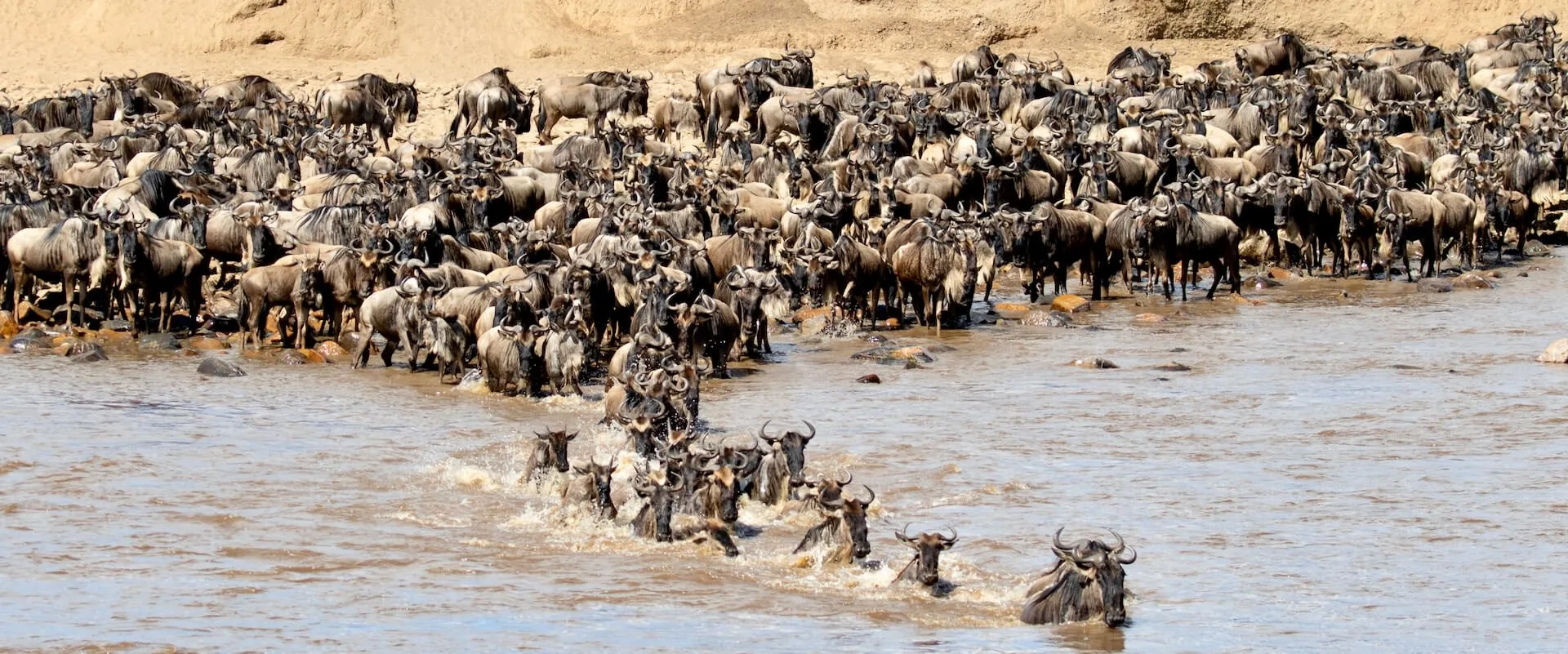
The Great Migration in Africa happens all year because the herds continuously circulate through the Serengeti–Mara ecosystem in…
Read article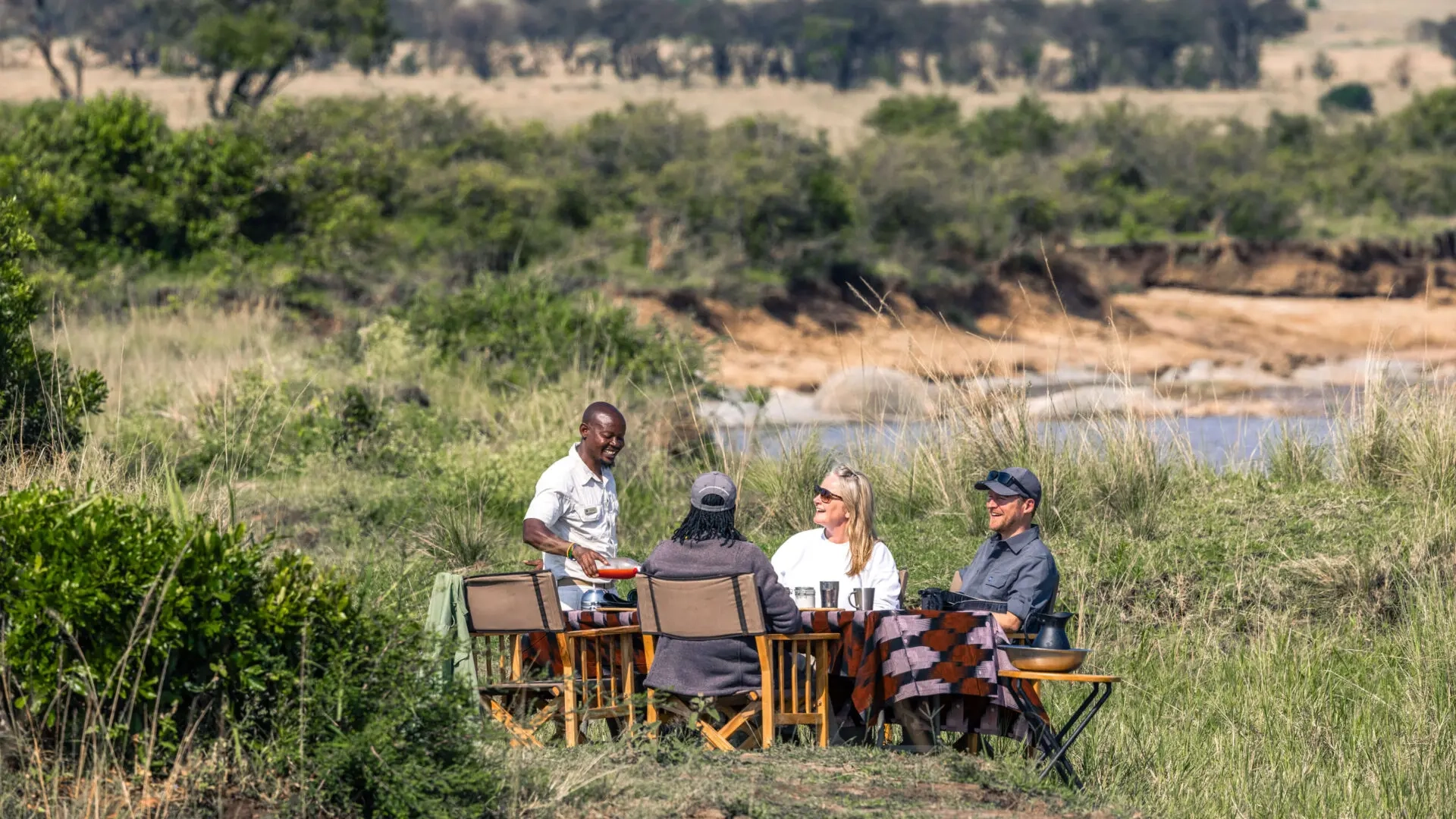
Definitive answer: A picnic lunch on safari is a packed or catered midday meal eaten at an approved…
Read article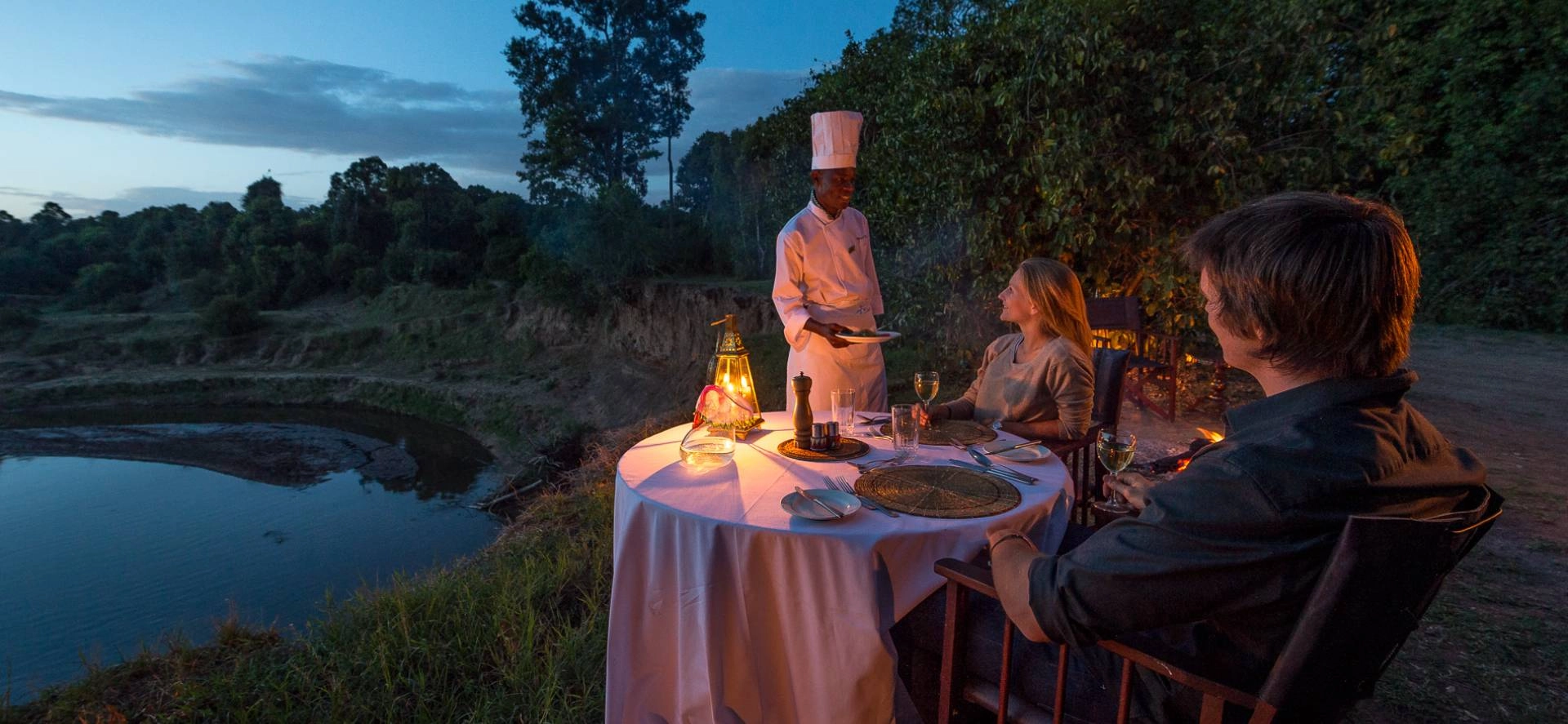
Definitive answer: A bush dinner is an outdoor evening meal arranged in a safe safari setting away from…
Read articleLet us take you closer to the wildlife, people and places that make Africa extraordinary.
Plan Your Safari Today