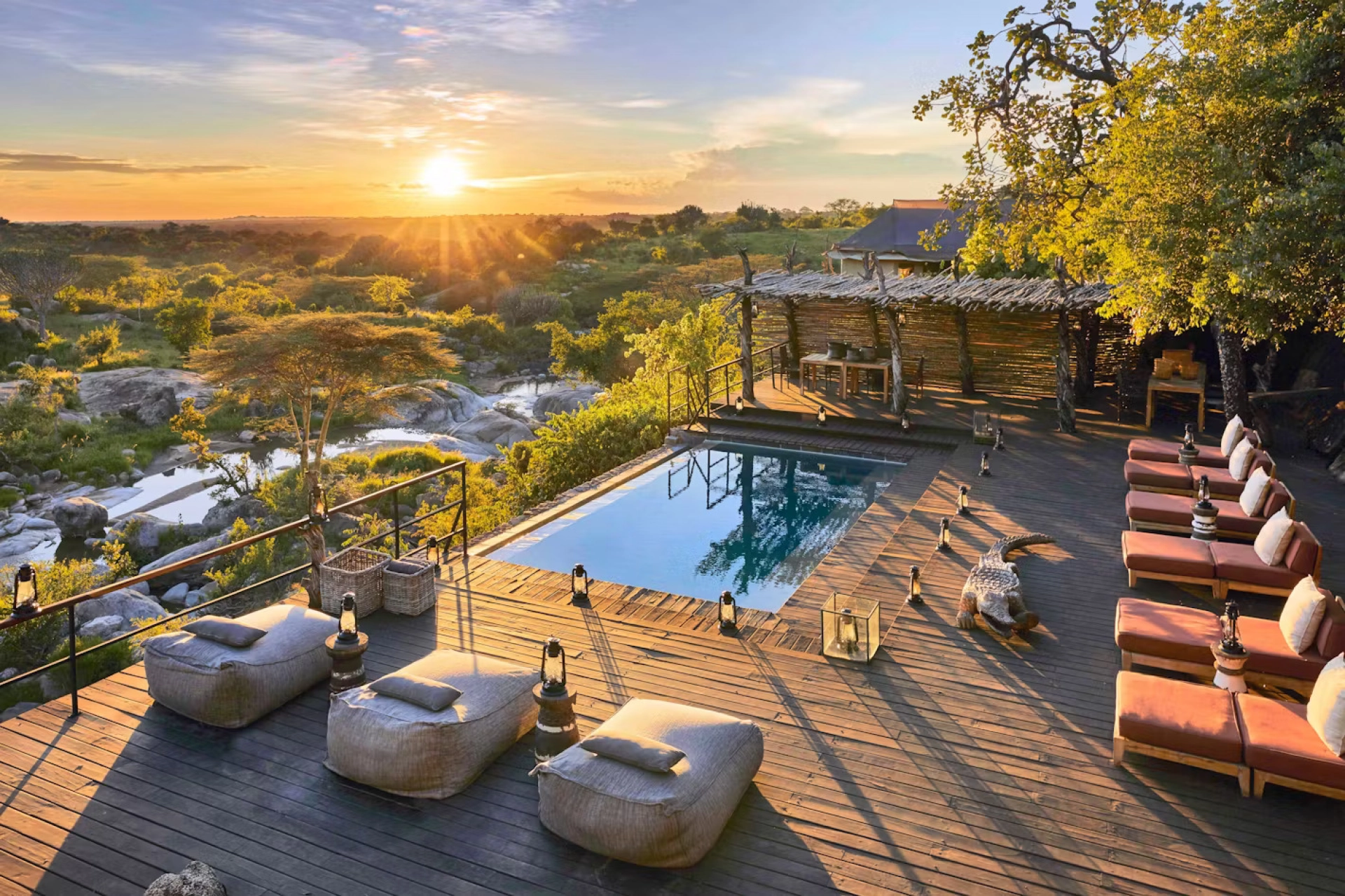
What should I look for when booking a luxury African safari?
When booking a luxury African safari, look beyond the room and compare the quality of guiding, wildlife location,…
Read article

Travel Guide
When winter settles across Europe and North America, Africa offers something far more appealing than another month of grey skies, freezing mornings and short afternoons. You could be watching lions cross the golden plains of the…
When winter settles across Europe and North America, Africa offers something far more appealing than another month of grey skies, freezing mornings and short afternoons. You could be watching lions cross the golden plains of the Serengeti, tracking mountain gorillas through the forests of Bwindi, photographing elephants beneath Mount Kilimanjaro in Amboseli, snorkeling in turquoise water off Zanzibar, exploring Cape Town’s coastline or ending a wildlife safari on a tropical Indian Ocean island. That extraordinary diversity makes Africa one of the world’s best destinations for a winter sun vacation. Yet choosing where to go requires more thought than simply searching for the warmest country. Africa crosses the equator and spans multiple climate zones. December can mean green-season rains in one safari region, outstanding wildlife viewing in another and perfect beach conditions somewhere else. January can be excellent for gorilla trekking, calving wildlife, Cape Town and Indian Ocean islands simultaneously. The strongest African winter vacations therefore combine destinations according to their seasonal strengths. For travelers who want both wildlife and relaxation, a safari and beach vacation in Africa is particularly attractive. Spend the first half of your trip waking before sunrise for game drives, gorilla trekking or wildlife photography. Then move to the coast and spend several days swimming, snorkeling, diving or simply doing nothing.
This detailed guide explores some of the best places to visit in Africa during winter, with particular attention to December, January and February travel from the perspective of Northern Hemisphere visitors.
Africa is not one climatic zone.
That is precisely what makes winter travel so interesting. While Europe is cold, much of equatorial East Africa experiences comfortable tropical conditions. Southern Africa is in its summer. The Indian Ocean islands provide warm coastal escapes. Different wildlife cycles are also underway. In Tanzania, the southern Serengeti ecosystem becomes particularly important during the wildebeest calving period. Uganda and Rwanda remain open for gorilla trekking throughout the year, with the relatively drier December-to-February period often attractive to trekkers.
Cape Town is experiencing summer. Zanzibar offers warm tropical conditions. The result is a remarkable range of possible winter holidays in Africa.
For travelers seeking an experience impossible to replicate on an ordinary beach vacation, Uganda should rank extremely high.
The country’s signature attraction is mountain gorilla trekking in Bwindi Impenetrable National Park. Instead of spending winter wrapped in heavy clothing at home, you can be walking beneath enormous rainforest trees searching for one of the world’s most remarkable primates. A gorilla trek is not a conventional safari. There is no vehicle between you and the forest. You hike with experienced guides and trackers. The route depends on where the assigned gorilla family is located.
Some treks are relatively short. Others require several hours. Then, after the search, you reach the gorillas. The experience becomes intensely personal. A silverback may sit quietly among vegetation. Young gorillas climb around family members. Females feed. The forest becomes filled with small sounds you barely noticed while walking.
December through February can be attractive for Uganda because these months generally fall within one of the relatively drier periods, although tropical mountain weather always remains variable.
Gorilla trekking is possible year-round. The advantage of Uganda is that gorillas can be combined with traditional safari. A longer itinerary can include Kibale National Park for chimpanzee trekking, Queen Elizabeth National Park, Murchison Falls National Park and Lake Mburo National Park. That means a single winter vacation can include gorillas, chimpanzees, elephants, lions, hippos, boat safaris and extensive birdlife.
One of the most attractive winter itineraries combines Uganda gorilla trekking with Zanzibar.
Begin in Uganda. Trek gorillas. Add several days of wildlife. Then fly toward the Indian Ocean and finish on Zanzibar. The contrast is enormous. Rainforest becomes coral sand. Hiking boots become sandals. Early safari mornings become slow beach breakfasts. This is particularly suitable for honeymooners and couples.
Rwanda offers another exceptional winter gorilla trekking vacation.
Mountain gorillas are tracked in Volcanoes National Park. The country’s compact geography makes it possible to combine gorillas with Akagera National Park, Kigali and other attractions without extremely long road journeys. Akagera provides savannah wildlife, including elephants, lions, buffalo and rhinos. The result is an itinerary combining primates and classic safari.
Both are excellent. Uganda generally provides a broader selection of multi-day wildlife circuits around gorilla trekking. Rwanda offers particularly convenient logistics and a strong high-end tourism sector. Travelers should compare the complete itinerary rather than treating gorilla trekking as an isolated activity.
Few combinations define an African winter escape better than Serengeti and Zanzibar. Tanzania delivers two of Africa’s most recognizable travel experiences within one country. First comes wildlife. Then comes the Indian Ocean.
The Serengeti National Park and surrounding ecosystem support extraordinary concentrations of wildlife. Lions, cheetahs, leopards, elephants, giraffes, buffalo and numerous antelope occur across a huge landscape. During the early months of the year, attention increasingly focuses on the southern Serengeti ecosystem and nearby plains associated with the wildebeest calving period. Large numbers of wildebeest gather in the wider southern plains when seasonal conditions are favorable. Calves are born. Predators take advantage of vulnerable young animals. The resulting wildlife activity can be extraordinary.
The Ngorongoro Crater adds another extraordinary wildlife experience. Descending from the highlands into the crater creates one of Africa’s great safari entrances. The floor supports lions, buffalo, elephants, hippos, antelope and other wildlife. Black rhinos may be seen, although sightings are never guaranteed. The crater combines particularly well with Serengeti and Tarangire.
After several days of game drives, Zanzibar provides a completely different rhythm. White beaches meet warm Indian Ocean water. Historic Stone Town adds architecture, markets and Swahili culture. Spice experiences introduce another dimension. Snorkeling and diving reveal marine environments. Travelers can choose between lively beaches and quieter luxury resorts. This is why Tanzania safari and Zanzibar beach holidays remain among Africa’s strongest honeymoon and winter-sun combinations.
Kenya is one of the easiest African countries in which to combine classic wildlife and beach. A traveler can begin in Nairobi, fly or drive to a safari destination and later continue to the Indian Ocean.
The Masai Mara National Reserve is famous for big cats. Although the dramatic river-crossing phase of the Great Migration usually occurs during a different part of the year, the Mara remains a productive wildlife ecosystem outside migration season. Resident lions, leopards, cheetahs, elephants, giraffes and plains game remain. Lower seasonal visitor pressure can also change the safari atmosphere.
Amboseli National Park is famous for elephants and views toward Mount Kilimanjaro. Large elephant families move through open landscapes. When Kilimanjaro emerges clearly from cloud, the mountain creates one of Africa’s most recognizable wildlife backdrops. Amboseli works particularly well in itineraries that also include the coast.
Diani Beach is one of Kenya’s best-known Indian Ocean destinations. Palm-lined beaches and warm water create a natural post-safari escape. Travelers can relax, swim and enjoy water activities after several days of wildlife viewing. Combining the Masai Mara and Diani Beach or Amboseli and Diani Beach creates a complete safari-and-coast holiday within Kenya.
Travelers looking for another coastal option should consider Watamu. The region is particularly appealing to travelers interested in marine environments, snorkeling, diving and a more relaxed coastal setting. It can be combined with safari through domestic flights and road transfers depending on the itinerary.
South Africa becomes particularly attractive during the Northern Hemisphere winter because Cape Town is experiencing summer. Long daylight hours, beaches, vineyards, restaurants, mountain scenery and coastal drives make Cape Town one of Africa’s great urban holiday destinations. Add a wildlife safari and the result is extremely diverse.
Cape Town is not simply a stopover. Travelers can spend several days exploring Table Mountain, the Cape Peninsula, coastal neighborhoods, food, wine regions and beaches. For visitors who want activity, hiking opportunities are outstanding. For food-focused travelers, Cape Town has one of Africa’s strongest restaurant scenes. For couples, the surrounding Winelands add a romantic extension.
For wildlife, Kruger National Park and the surrounding private reserves provide some of Africa’s most established Big Five safari experiences. Lions, leopards, elephants, buffalo and rhinos are among the principal attractions. Private reserves can offer highly guided experiences, off-road approaches under controlled conditions and luxury lodge accommodation. A winter escape might therefore combine Cape Town with several nights in Greater Kruger.
The Cape Town and Kruger combination is ideal for travelers who want more than wildlife. Spend the first portion exploring a world-class city, coastline and vineyards. Then fly north for safari. This works especially well for first-time Southern Africa visitors.
Botswana is one of Africa’s greatest safari destinations, but Northern Hemisphere winter corresponds partly with Botswana’s greener summer season. This changes the experience. Instead of the dry, dusty landscapes associated with peak dry-season safaris, travelers may encounter dramatic skies, greener vegetation, excellent birdlife and young animals. Rates can also differ from peak season.
Chobe National Park remains famous for elephants and the Chobe River. Boat safaris reveal hippos, crocodiles, birds and elephants along the water. The combination of vehicle and river safari creates tremendous variety.
The Okavango Delta offers one of Africa’s most unusual landscapes. Seasonal floodwaters and rainfall cycles influence the experience substantially. Activities vary according to camp location and water conditions. A Botswana trip should therefore be designed around the specific season rather than assuming every Delta camp provides identical activities year-round.
Victoria Falls can be combined with Botswana, Zimbabwe or Zambia safari circuits. The waterfall changes dramatically through the year as river levels rise and fall. The experience is therefore seasonal. Beyond viewing the falls, the region offers adventure activities, river experiences and convenient access to nearby wildlife areas. A particularly popular combination is Victoria Falls and Chobe National Park.
Travelers wanting something less mainstream should consider Malawi. The country combines Liwonde National Park, Majete Wildlife Reserve and Lake Malawi. Instead of flying to a separate island after safari, visitors can finish beside a huge freshwater lake. Lake Malawi provides beaches, snorkeling, kayaking and relaxed lodge stays.
Mozambique’s long Indian Ocean coastline creates outstanding beach possibilities. Destinations such as the Bazaruto Archipelago can be combined with Southern African safaris. For honeymooners, Mozambique offers the classic image of turquoise water, islands and luxury beach accommodation.
For travelers whose priority is beach rather than safari, the Seychelles offers some of Africa’s most celebrated island scenery. Granite formations, clear water and tropical vegetation create extraordinary beaches. The Seychelles does not provide conventional Big Five safari, which is why it works particularly well as an extension after mainland wildlife travel. A Kenya and Seychelles honeymoon, Tanzania and Seychelles holiday or South Africa and Seychelles itinerary can combine intense safari experiences with complete relaxation.
Mauritius offers sophisticated resort infrastructure, beaches, restaurants, water activities and inland attractions. It is particularly suitable for families and honeymooners wanting an easy resort experience after safari. South Africa is one of the most logical mainland combinations.
Madagascar is not a conventional Big Five safari destination. That is precisely its strength. Lemurs, chameleons and extraordinary endemic wildlife create a biological experience completely different from mainland Africa. Beaches can be incorporated as well. Travel logistics are more complex, so Madagascar rewards travelers willing to allocate sufficient time.
Choose Uganda or Rwanda. Uganda is particularly strong for travelers wanting gorillas plus a broader wildlife circuit. Rwanda provides compact logistics and excellent high-end options. Both can combine with East African beach destinations.
For January and February travelers, Tanzania deserves serious attention because the southern Serengeti ecosystem becomes central to the wildebeest calving season. Exact animal locations depend on rainfall and grazing conditions, so no operator should promise that herds will stand in one predetermined location. A flexible itinerary designed around current conditions is preferable.
The Serengeti, Masai Mara and Greater Kruger are all excellent choices. The best option depends on the wider itinerary. Travelers wanting beach afterward may prefer Tanzania or Kenya. Those wanting Cape Town may prefer South Africa.
Amboseli, Chobe and several other African parks offer excellent elephant experiences. Amboseli provides the possibility of Kilimanjaro backdrops. Chobe specializes in riverfront elephants. Uganda’s Murchison Falls and Queen Elizabeth also provide elephant sightings within broader primate-and-wildlife itineraries.
There is no single winner. For adventure and beach, consider Uganda gorillas and Zanzibar. For classic safari and beach, choose Tanzania and Zanzibar. For city, wine and wildlife, choose Cape Town and Kruger. For high-end wilderness, combine Botswana and Victoria Falls. For pure tropical relaxation after safari, consider the Seychelles or Mauritius.
South Africa is particularly convenient because of infrastructure and the range of activities available beyond safari. Kenya also works extremely well for families, particularly with private safari vehicles. Malawi provides a relaxed alternative. Uganda can be excellent for families with older children, although minimum ages apply to gorilla and chimpanzee trekking.
Uganda is exceptionally strong. Combine gorilla trekking, chimpanzee trekking, wildlife drives, boat safaris and potentially hiking. Rwanda offers gorillas and mountain activities. Victoria Falls provides a completely different style of adventure.
December can be an exciting travel month. Holiday demand means popular properties should be reserved early. East Africa begins taking on greener landscapes in many areas. Cape Town enters its summer tourism season. Indian Ocean beach destinations become highly attractive. The correct destination depends on whether wildlife, beach or weather is your first priority.
January is excellent for escaping Northern Hemisphere winter. Tanzania’s southern plains become increasingly important for migration-focused itineraries. Uganda and Rwanda remain strong for primate safaris. Cape Town provides summer conditions. Beach extensions across East and Southern Africa can create excellent combinations.
February is particularly famous among Tanzania wildlife enthusiasts because of the wildebeest calving period in the wider southern Serengeti ecosystem. Predator activity can be intense. Gorilla trekking remains possible in Uganda and Rwanda. Beach destinations provide an easy final stage.
Seven days can provide a focused safari or safari-and-beach introduction. Ten days create far more flexibility. Two weeks are ideal for combining wildlife and coast without rushing. A 14-day trip might include six to eight nights of safari followed by four or five nights at the beach, with travel days built around them. For multi-country itineraries, longer is better.
In most cases, safari first works better. Safari involves early starts and scheduled activities. Beach travel is slower. Finishing beside the ocean therefore creates a natural sense of relaxation after an active itinerary. However, flight schedules sometimes make the reverse sequence more efficient. Logistics should always take priority over arbitrary rules.
Costs vary enormously. Important factors include destination, season, accommodation level, private versus group safari, internal flights, park fees, permits and beach resort category. Gorilla permits represent a significant fixed component of primate itineraries. Remote Botswana camps can be expensive because of logistics. Kenya and Tanzania offer a broad spectrum from scheduled group safaris to luxury private journeys. South Africa provides extensive accommodation choice. The best approach is to define the experience you want before selecting hotels.
Travelers on moderate budgets should consider scheduled group departures, comfortable midrange lodges and efficient routing. Uganda can provide excellent value when gorilla trekking is combined with road-based wildlife circuits. Kenya offers many safari categories. Malawi remains an interesting alternative. Avoid unnecessary flights where practical.
Luxury travelers have extraordinary options. Private concessions in Botswana, exclusive reserves in South Africa, premium lodges in Tanzania and high-end gorilla properties in Rwanda can all be combined with luxury islands. The key is not simply spending more. Luxury should buy better location, guiding, privacy and logistical efficiency.
Couples should prioritize contrast. Do not choose two destinations that provide essentially the same experience. A strong itinerary moves from active to relaxed. Bwindi and Zanzibar works because rainforest trekking is completely different from tropical beach life. Serengeti and Zanzibar works because savannah wildlife contrasts with the Indian Ocean. Kruger and Cape Town works because wilderness contrasts with city, food and coast.
Winter travel from the Northern Hemisphere perspective can provide interesting photographic opportunities across Africa. Tanzania may offer newborn wildebeest and predator activity. Uganda provides primate photography. Cape Town offers landscapes and coast. Green-season conditions in parts of Southern Africa can create dramatic clouds and vivid backgrounds. Photographers should choose destinations according to subject rather than assuming the traditional dry season is always superior.
December through February can be outstanding for birding in many African regions. Migratory species may be present. Breeding plumage can create excellent photographic opportunities. Green-season wetlands become highly productive. Uganda is particularly strong because its geographic position brings together multiple ecological zones. Botswana, Malawi, Kenya and Tanzania also provide excellent birding opportunities.
Do not assume “winter escape” means you need only shorts and swimwear. Safari mornings can be cool. High-altitude destinations such as Bwindi, Volcanoes and Ngorongoro require layers. Pack lightweight neutral clothing, long trousers, a fleece, light jacket, sun protection and comfortable shoes. Gorilla trekkers need proper hiking footwear and rain protection. Beach travelers need swimwear and lightweight coastal clothing.
For Northern Hemisphere winter travel, excellent choices include Uganda, Rwanda, Tanzania, Kenya, South Africa, Botswana and Indian Ocean beach destinations. The best option depends on the experience you want.
Mountain gorilla trekking is available year-round in Uganda and Rwanda, subject to permits and park conditions.
Yes. January can be particularly interesting for Tanzania’s southern migration ecosystem, primate safaris in Uganda and Rwanda, Cape Town and many beach destinations.
Yes. February is particularly associated with the wildebeest calving period in the wider southern Serengeti ecosystem.
Popular options include Tanzania and Zanzibar, Kenya safari and Diani Beach, Uganda gorillas and Zanzibar, and South Africa safari with Mozambique or Mauritius.
Some destinations are warm, but Africa contains many climates. High-altitude and early morning safari conditions can still be cool.
Ten to fourteen days is excellent for a safari-and-beach vacation.
Tanzania and Zanzibar, Uganda and Zanzibar, Botswana and Victoria Falls, or South Africa combined with an Indian Ocean island are excellent options.
The best places to visit in Africa for a winter vacation depend on what you want winter to become. It could become a morning in Bwindi Impenetrable National Park, following a tracker through rainforest until a mountain gorilla appears among the vegetation. It could become a February sunrise over the Serengeti, surrounded by wildebeest and the sounds of the plains. It could become elephants beneath Kilimanjaro in Amboseli National Park.
It could become lions in the Masai Mara, a boat safari along the Chobe River, a summer evening in Cape Town or a quiet afternoon beside the Indian Ocean. The strongest African winter vacations combine these experiences intelligently. At Adventure in the Wild Safaris, we design customized Uganda gorilla safaris, Rwanda gorilla trekking tours, Kenya wildlife safaris, Tanzania migration safaris, safari-and-beach holidays, African honeymoon safaris and multi-country African safari itineraries.
For travelers escaping winter, Africa offers something much better than simply warmer weather. It offers the chance to replace an ordinary winter with one of the most memorable journeys of your life.

Share This Article
When booking a luxury African safari, look beyond the room and compare the quality of guiding, wildlife location,…
Read article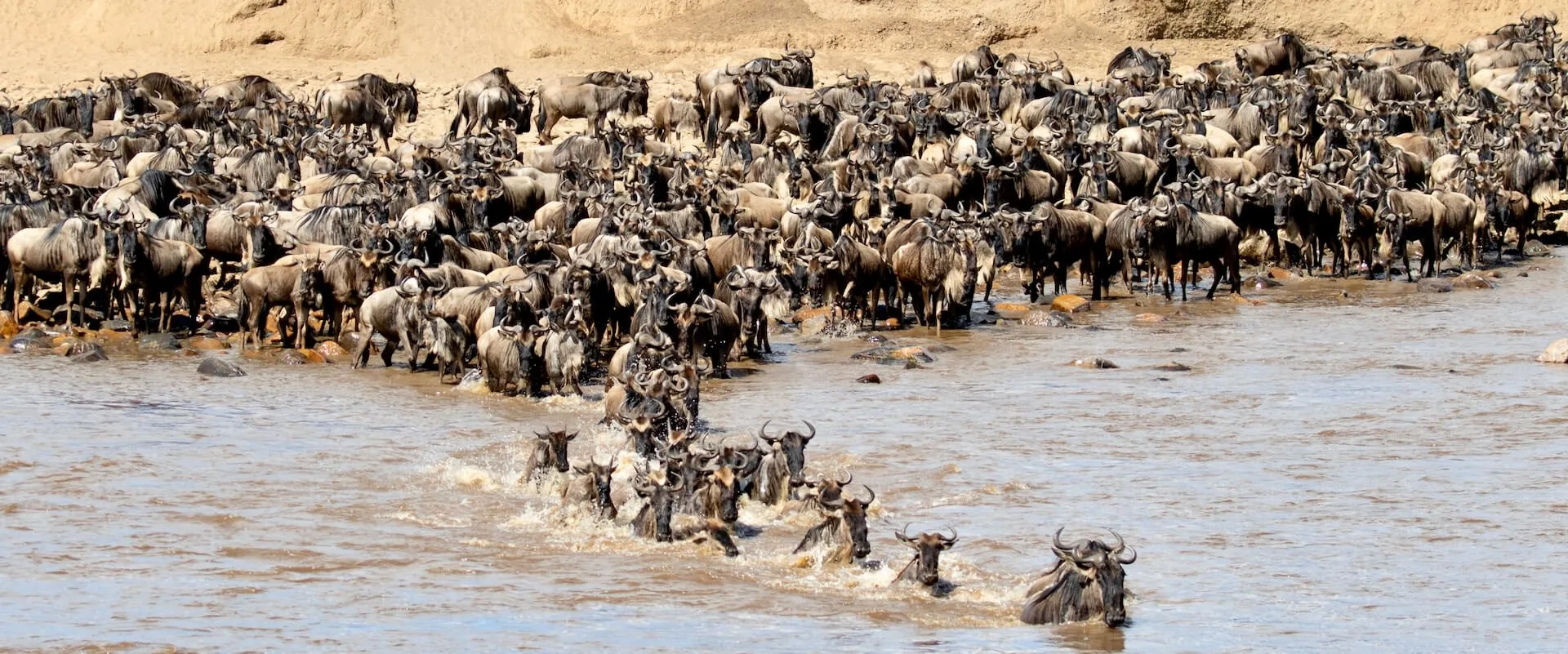
The Great Migration in Africa happens all year because the herds continuously circulate through the Serengeti–Mara ecosystem in…
Read article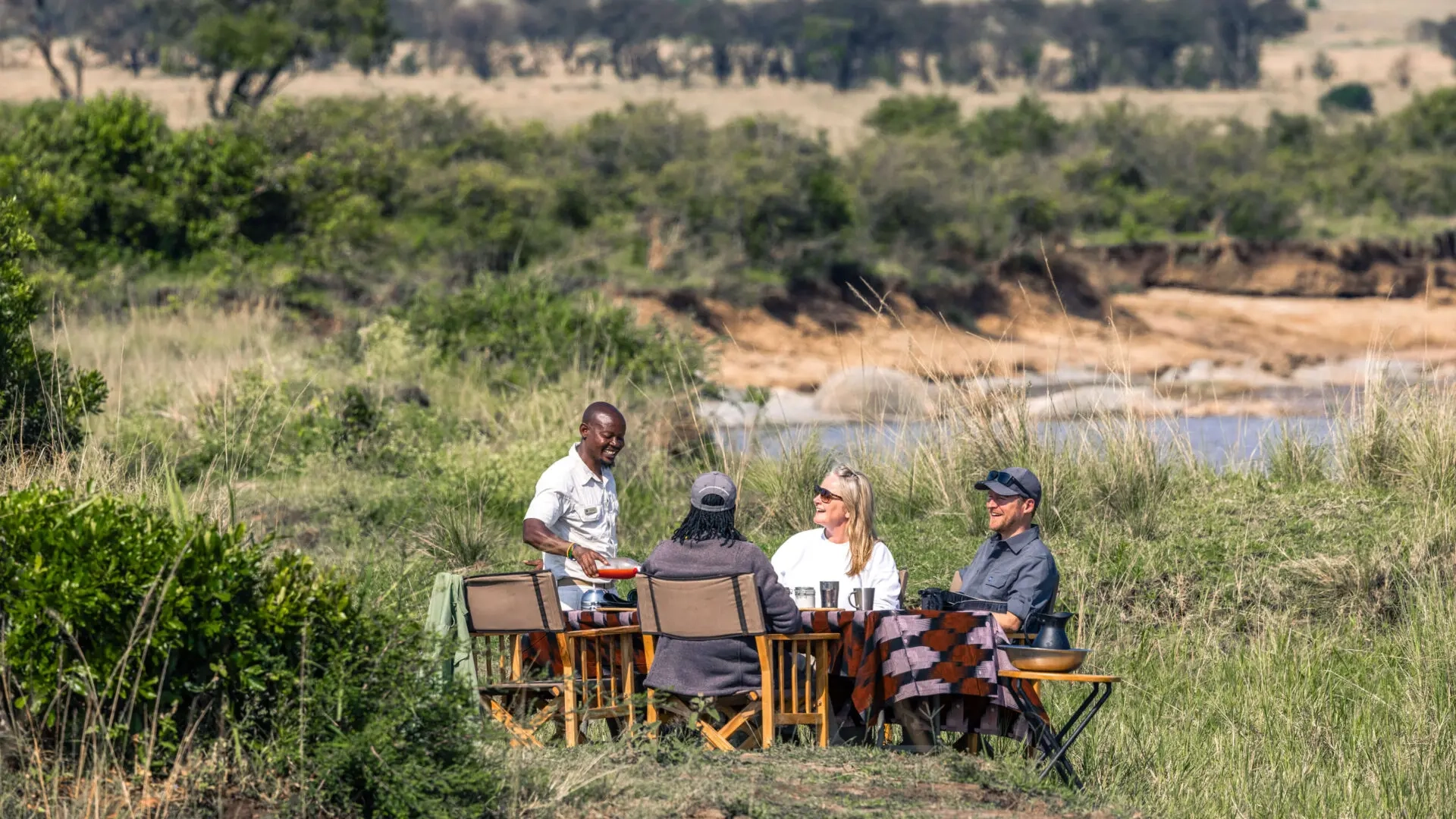
Definitive answer: A picnic lunch on safari is a packed or catered midday meal eaten at an approved…
Read article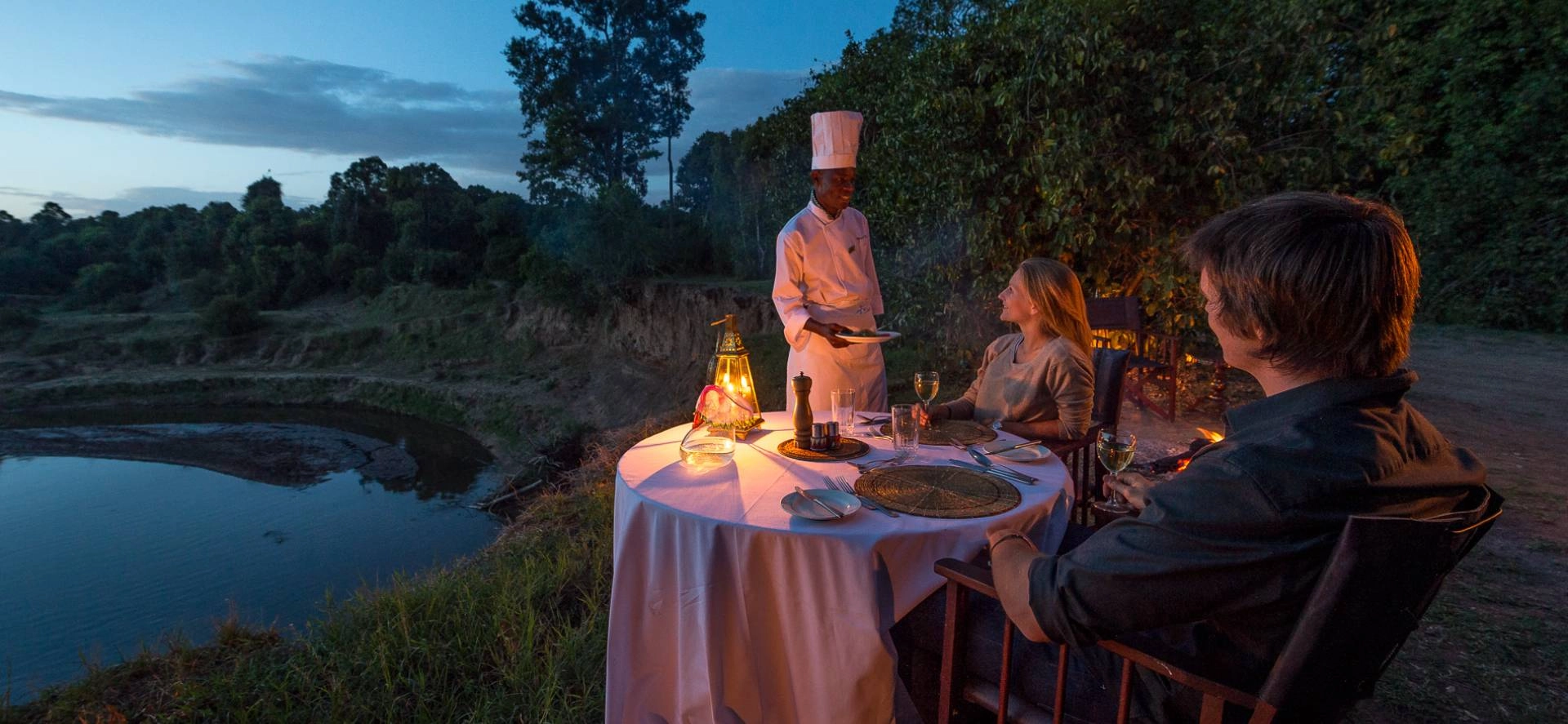
Definitive answer: A bush dinner is an outdoor evening meal arranged in a safe safari setting away from…
Read articleLet us take you closer to the wildlife, people and places that make Africa extraordinary.
Plan Your Safari Today