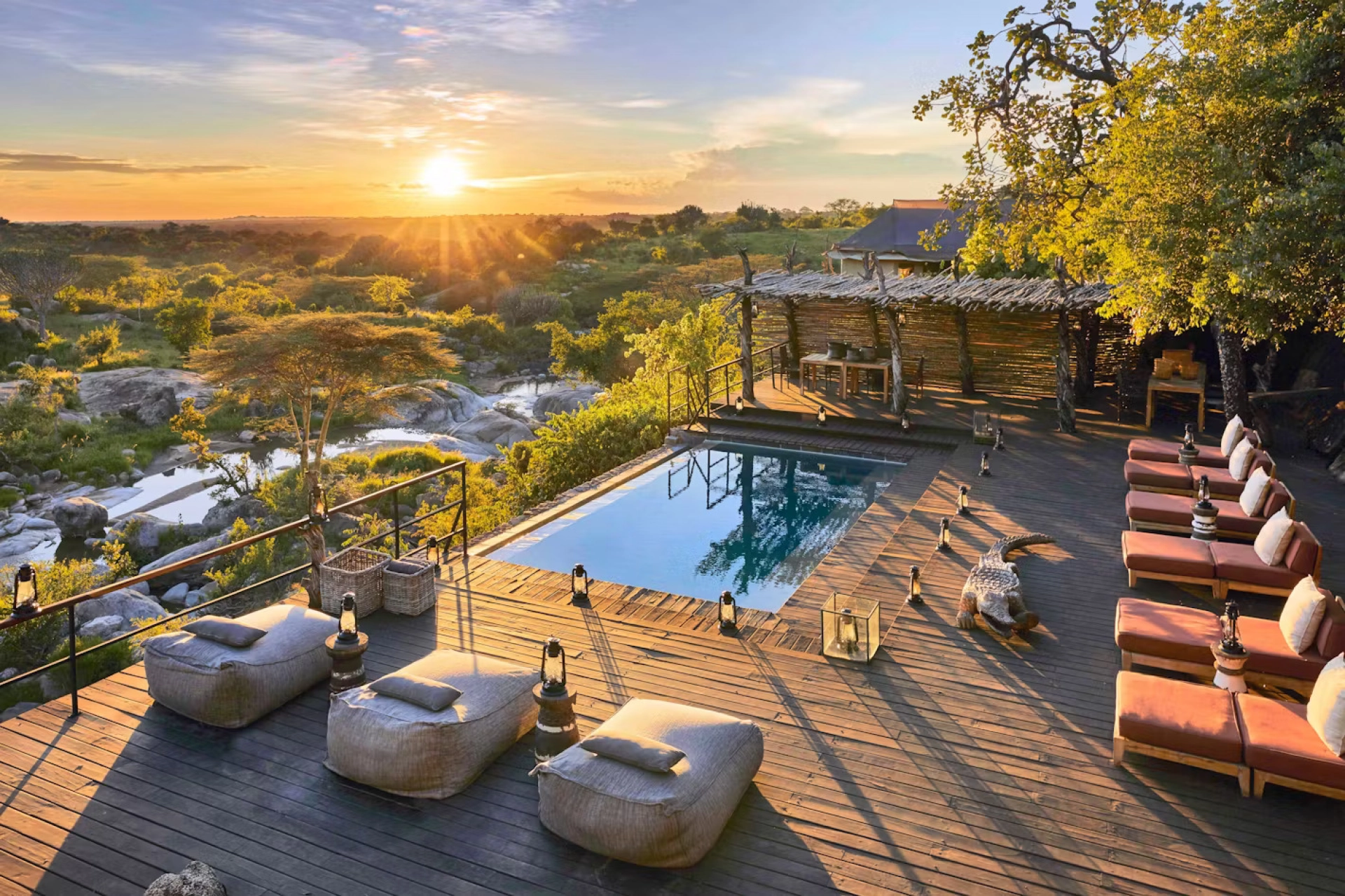
What should I look for when booking a luxury African safari?
When booking a luxury African safari, look beyond the room and compare the quality of guiding, wildlife location,…
Read article

Travel Guide
Kenya is one of the countries that defined the idea of the African safari. Its wildlife reserves, sweeping savannahs, snow-capped mountain views, Rift Valley landscapes, Indian Ocean beaches and diverse cultures have attracted explorers, photographers, conservationists…
Kenya is one of the countries that defined the idea of the African safari. Its wildlife reserves, sweeping savannahs, snow-capped mountain views, Rift Valley landscapes, Indian Ocean beaches and diverse cultures have attracted explorers, photographers, conservationists and holidaymakers for generations. Yet describing Kenya simply as a safari destination does not do it justice. A journey through Kenya can begin among skyscrapers in Nairobi and, within a remarkably short distance, reach a national park where lions, giraffes, buffaloes and rhinos roam with the city skyline in the background.
Travel farther south and enormous elephant herds cross dusty plains beneath Mount Kilimanjaro. Move west and the grasslands of the Masai Mara National Reserve support lions, cheetahs, leopards and seasonal concentrations of wildebeest. Travel north and the landscape becomes drier and more rugged around Samburu National Reserve, where specialised wildlife such as Grevy’s zebras, reticulated giraffes and gerenuks add a completely different dimension to safari. Head east and the immense wilderness of Tsavo National Park stretches toward the Kenyan coast.
Then, after days of game drives, travellers can exchange safari roads for the white sands of Diani Beach, coral reefs around Watamu, or the Swahili heritage of Lamu Island. This combination explains why Kenya remains one of the best countries for safari in Africa. The challenge is not finding somewhere worth visiting. It is deciding which of Kenya’s many destinations deserve the limited days available in your itinerary. This guide explores the best places to visit in Kenya, focusing on wildlife, landscapes, conservation, beaches, culture and practical itinerary combinations.
Kenya offers an unusually complete African holiday.
Wildlife is the obvious attraction, but the country’s appeal extends much further. Travellers can experience Big Five safari in Kenya, watch the Great Wildebeest Migration, photograph elephants beneath Kilimanjaro, visit rhino conservation areas, explore Rift Valley lakes, trek through highlands, discover Swahili coastal culture and relax beside the Indian Ocean. This diversity makes Kenya suitable for first-time safari travellers as well as people returning to Africa for a second or third journey.
It is also one of the easiest countries in East Africa for combining different safari environments. A single itinerary might include the arid landscapes of Samburu, the highlands around Laikipia, flamingo-rich Rift Valley ecosystems, Masai Mara grasslands and tropical coastline. Each region feels different.
For many travellers, the Masai Mara National Reserve is the first destination that comes to mind when they imagine a Kenya wildlife safari.
The Mara is famous for open grasslands, abundant predators and the seasonal movement of enormous numbers of wildebeest and zebras through the wider Serengeti-Mara ecosystem. But the reserve is much more than the Great Migration. Even when the major migratory herds are farther south in Tanzania, the Mara supports outstanding resident wildlife. Lions remain. Leopards remain. Cheetahs remain. Elephants, giraffes, buffaloes, hyenas, jackals and numerous antelope species remain. This is why Masai Mara safari tours can be rewarding throughout the year.
The Great Migration in Kenya is one of the world’s most famous wildlife events.
Large herds may enter the Mara ecosystem during the northern phase of their annual movement. The exact timing depends on rainfall, grazing and ecological conditions. July through October is generally the period most strongly associated with migration activity in Kenya, but no operator can guarantee exactly where the herds will be on a particular day. The animals move according to natural conditions rather than calendars.
The famous Mara River crossings attract travellers and photographers from around the world.
Wildebeest may gather along riverbanks for hours or even days. The herd can approach the water and retreat repeatedly. Then, sometimes without warning, animals begin crossing. The event can become chaotic. Crocodiles may wait in the water. Predators may patrol surrounding areas. But crossings should never be treated as scheduled performances. A well-designed Great Migration safari in Kenya allows several days in the ecosystem rather than relying on one short game drive.
The Mara is one of Africa’s great destinations for lion safaris, cheetah sightings and possible leopard encounters.
Open habitat is particularly favourable for observing predators. Cheetahs use visibility to scan for prey and threats. Lions occupy territories across the ecosystem. Leopards are more secretive and often associated with riverine woodland and suitable trees. Predator behaviour can be more interesting than simply obtaining a photograph. Watching lions interact socially, cheetahs scan the plains or hyenas communicate around a den provides a deeper understanding of the ecosystem.
Travellers should also understand the difference between the national reserve and surrounding Masai Mara conservancies. Private and community conservancies can offer lower vehicle densities and, depending on the conservancy and lodge, activities that may not be available in the same form within the main reserve. These can include walking experiences, night drives or more exclusive wildlife viewing. A safari can combine both environments. Spend time inside the reserve for classic Mara landscapes and migration areas, then stay in a conservancy for a quieter experience.
The Mara is a year-round destination. For migration, roughly July through October is particularly famous. For excellent resident wildlife with fewer visitors, January and February can be attractive. Green-season periods provide beautiful landscapes, birding and photography. The best time to visit Masai Mara therefore depends on whether your priority is migration, predators, scenery, price or privacy.
Few safari landscapes are as instantly recognisable as Amboseli National Park. Large elephants walk across open plains while Africa’s highest mountain rises beyond them. Mount Kilimanjaro is actually located across the border in Tanzania, but some of its most famous photographs are taken from Kenya. Amboseli’s relatively open habitat makes wildlife viewing particularly rewarding.
Amboseli is one of Africa’s best-known destinations for observing elephants. Family groups can often be seen moving between feeding areas and wetlands. Some individuals have impressive tusks. Because elephants have been studied in the ecosystem for decades, Amboseli has also contributed enormously to scientific understanding of elephant behaviour and social structure. For travellers interested in elephant safari in Kenya, Amboseli deserves a prominent place in the itinerary.
The classic image is an elephant with Mount Kilimanjaro rising behind it. But the mountain does not remain visible all day. Cloud can build around the summit. Early morning often provides better opportunities. Travellers should therefore spend more than one night if photographing Kilimanjaro is a major objective. No operator can guarantee clear mountain views.
Amboseli also supports lions, buffaloes, giraffes, zebras, wildebeest, hippos and numerous antelope species. Wetlands attract birds. The contrast between dusty plains and permanent swamp habitat creates unusual photographic opportunities. Amboseli combines particularly well with Tsavo, Nairobi or northern Tanzania.
Travel north from Kenya’s greener central highlands and the environment changes dramatically. The landscapes around Samburu National Reserve are drier, warmer and more rugged. The Ewaso Nyiro River becomes a vital ecological lifeline. Wildlife gathers around riverine habitat. Doum palms and rocky hills create scenery completely different from Masai Mara. Samburu is one of the best destinations for travellers wanting to see that Kenya is much more than one grassland reserve.
Safari guides frequently refer to the Samburu Special Five. These are Grevy’s zebra, reticulated giraffe, gerenuk, Beisa oryx and Somali ostrich. The term is a useful introduction to northern Kenya’s distinctive wildlife. Grevy’s zebra can be distinguished from the more widespread plains zebra by its narrower stripes and different body pattern. Reticulated giraffes have striking geometric markings. Gerenuks are remarkable antelopes capable of standing upright to browse vegetation. Seeing these species adds enormous variety to a Kenya safari itinerary.
Lions and leopards occur in the wider ecosystem. African wild dogs may also range through parts of northern Kenya, although sightings are unpredictable. Leopards are particularly associated with suitable riverine habitat. Elephants regularly use the river corridor. This combination makes Samburu excellent for travellers interested in both specialised northern species and classic large mammals.
Northern Kenya has become internationally important for community-based wildlife conservation. Conservancies surrounding traditional protected areas demonstrate how wildlife tourism, pastoral livelihoods and conservation can interact. A carefully selected northern Kenya safari can therefore add a conservation dimension beyond conventional game drives.
Located in the Laikipia region, Ol Pejeta Conservancy is one of Kenya’s most important wildlife conservation destinations. It is particularly famous for rhinos. For travellers interested in rhino safari in Kenya, Ol Pejeta deserves serious consideration. The conservancy protects black rhinos and southern white rhinos and has also become globally known for its role in efforts surrounding the critically endangered northern white rhino.
Ol Pejeta works particularly well between Nairobi and northern destinations. It provides wildlife, conservation education and excellent scenery. Visitors may encounter elephants, lions, buffaloes and other wildlife in addition to rhinos. The experience is therefore not limited to one species.
The wider Laikipia safari region contains numerous conservancies and private wildlife areas. Depending on the property, travellers may have access to activities beyond conventional game drives. Walking safaris, camel experiences, conservation visits and night drives may be available in suitable areas. This makes Laikipia particularly attractive for repeat safari travellers.
Lake Nakuru National Park is compact compared with Masai Mara or Tsavo, but its location and wildlife make it extremely useful on a Kenya safari. The park is strongly associated with rhino conservation. Both black and white rhinos may occur, although wildlife sightings are never guaranteed. This makes Lake Nakuru one of the best destinations for travellers wanting to strengthen their chances of seeing rhinos during a Kenya Big Five safari.
Lake Nakuru became internationally famous for huge flamingo concentrations. However, flamingo numbers fluctuate considerably as water levels, food availability and ecological conditions change. Travellers should not book Lake Nakuru expecting a fixed number of flamingos. Birdlife remains excellent regardless. Pelicans and numerous other water-associated species can be observed.
The park supports giraffes, buffaloes, zebras, baboons and other wildlife. Leopards occur but can be difficult to find. The relatively compact park can make game viewing efficient. Lake Nakuru also fits naturally between Nairobi and Masai Mara.
Tsavo East National Park is part of one of Kenya’s largest protected wilderness landscapes. The scale is immediately apparent. This is not a compact safari reserve where every animal appears around the next bend. Tsavo requires patience. Its vastness is part of the attraction. The region is particularly associated with elephants whose bodies can become coated with the area’s reddish soil, creating the famous image of Tsavo’s red elephants.
Elephants are a major attraction. Lions, buffaloes, giraffes, zebras and numerous antelope species also occur. The open landscapes and distinctive soil create excellent photographic conditions. Because Tsavo receives less concentrated tourism than Masai Mara, game drives can feel more exploratory.
Tsavo’s geographic location makes it particularly useful for a Kenya safari and beach holiday. Travellers can combine the park with Mombasa, Diani, Watamu or other coastal destinations. This reduces the need to return to Nairobi between safari and beach.
Tsavo West National Park complements Tsavo East. The scenery is more varied and, in places, more rugged. Volcanic landscapes, hills and springs create a distinctive environment. Wildlife can be more challenging to spot because vegetation is thicker in some areas, but the park rewards travellers interested in scenery as much as wildlife density.
Mzima Springs is one of Tsavo West’s famous attractions. Groundwater emerging from the surrounding landscape creates a lush environment that contrasts dramatically with drier areas. Hippos and crocodiles are associated with the aquatic ecosystem. The springs also highlight the importance of underground water systems within apparently arid landscapes.
The parks complement rather than replace one another. Tsavo East provides vast open landscapes and classic elephant country. Tsavo West provides more dramatic topography and geological variety. Travellers heading toward the coast can include both.
Few major cities can offer what Nairobi does. Nairobi National Park lies immediately outside one of Africa’s largest capitals. The juxtaposition is extraordinary. Giraffes, rhinos, lions and other wildlife can appear against distant buildings. This makes Nairobi National Park far more than a convenient stopover attraction.
Absolutely. It is particularly useful for travellers with limited time. A morning game drive can potentially be arranged around international flights depending on arrival and departure schedules. The park is also important for rhino conservation. For travellers beginning a longer safari the following day, Nairobi National Park provides an excellent introduction to Kenyan wildlife.
Nairobi connects easily with Masai Mara, Amboseli, Samburu, Laikipia and Kenya’s coast through roads and domestic flights. Rather than treating Nairobi simply as somewhere to sleep, travellers can incorporate museums, restaurants, conservation experiences and national park visits.
Kenya is not only about wildlife viewed from a vehicle. Mount Kenya provides a completely different adventure. The mountain is Africa’s second-highest peak and dominates the central Kenyan landscape. Its high-altitude ecosystems include forest, bamboo, moorland and alpine environments.
Different routes and objectives suit different trekkers. Some travellers aim for trekking summits accessible without technical climbing. Others pursue more demanding mountaineering objectives. The experience requires proper acclimatisation and professional planning. Combining a Mount Kenya trekking safari with Laikipia or Samburu creates an excellent adventure itinerary.
Lower-elevation forests and surrounding conservancies support wildlife. This means travellers can combine mountain scenery with conventional safari relatively easily. Mount Kenya also provides an attractive backdrop from parts of Laikipia.
The Aberdare National Park provides yet another side of Kenya. Instead of open savannah, travellers encounter forested mountains, mist, waterfalls and high-altitude landscapes. Wildlife can be harder to see in dense vegetation. But that is precisely what makes Aberdare different.
Aberdare works well for travellers seeking landscape diversity. Elephants, buffaloes and various forest-associated species occur. Some lodges have historically focused on wildlife viewing around waterholes. The highlands can be cool, particularly in the evenings and mornings. A visit provides a striking contrast with dry Samburu or open Masai Mara.
Hell’s Gate National Park is unusual because it is known as much for landscapes and outdoor activities as conventional safari. Towering cliffs, geothermal features and dramatic Rift Valley scenery make it visually distinctive. Where regulations and conditions permit, activities can include walking and cycling in designated areas. This provides a completely different perspective from vehicle-based safari.
Hell’s Gate combines naturally with Lake Naivasha. Boat trips on the lake can provide opportunities to see hippos and waterbirds from an appropriate distance. The Naivasha region also contains numerous accommodation options. This makes it a useful stop between Nairobi and western safari destinations.
Lake Naivasha is one of the easiest Rift Valley destinations to include in a Kenya itinerary. It is not a traditional Big Five safari park. Instead, it provides water-based scenery, birding and a relaxed break between longer game-drive destinations. Boat excursions are popular. Hippos inhabit the lake. Numerous waterbirds can be observed.
Safari itineraries can become exhausting. Early mornings, long drives and constant packing can reduce enjoyment. Naivasha provides a slower day. Travellers can take a boat trip, enjoy lodge grounds and prepare for the next safari stage. This makes it particularly useful for Kenya family safari itineraries.
After several days on safari, the Indian Ocean can feel extraordinary. Diani Beach is one of Kenya’s most popular coastal destinations. White sand, warm water, palm trees and a wide range of accommodation make it suitable for honeymooners, families and independent travellers. A Masai Mara and Diani Beach holiday combines two completely different sides of Kenya.
Safari days often begin before sunrise. They can be dusty and physically tiring. Diani provides recovery. Sleep late. Swim. Enjoy seafood. Take optional marine excursions. The contrast makes both experiences stronger.
Watamu is another outstanding destination on Kenya’s coast. The area is associated with beautiful beaches, marine conservation and nearby historical and natural attractions. It appeals particularly to travellers wanting a quieter coastal atmosphere. A Kenya safari and Watamu beach holiday can work well after Masai Mara or Tsavo.
The coastal ecosystem includes coral reefs and marine habitats. Responsible marine activities should prioritise conservation and avoid disturbing wildlife. Conditions vary seasonally, so travellers should choose activities according to the time of year.
Lamu Island offers a completely different ending to a Kenya journey. The attraction is not only the beach. Lamu is strongly associated with centuries of Swahili history and Indian Ocean trade. Narrow streets, traditional architecture and dhow culture create an atmosphere unlike Kenya’s safari regions. For travellers interested in culture as well as wildlife, Lamu can add enormous depth to the trip.
One of the greatest mistakes in planning a Kenya holiday is treating the country simply as a collection of animal-viewing locations. Kenya’s people, languages, food, urban culture, pastoral traditions, coastal history and contemporary creative industries are all part of the journey. Responsible cultural experiences should be based on genuine interaction rather than staged stereotypes. Travellers should approach communities with the same respect they expect when visitors enter their own homes.
Travellers seeking the Big Five in Kenya should combine destinations rather than expecting one park to provide everything. Masai Mara is excellent for lions, leopards, elephants and buffaloes, with rhino sightings possible but less predictable. Lake Nakuru and Ol Pejeta can strengthen opportunities for rhinos. Amboseli is outstanding for elephants. A thoughtfully designed itinerary therefore improves overall wildlife diversity.
Masai Mara is one of Africa’s great lion destinations. Its open landscapes make predators relatively visible. Tsavo also has an important lion history and population. Samburu and other ecosystems support lions as well. For first-time travellers, however, Masai Mara lion safari is difficult to beat.
Masai Mara’s open grasslands provide excellent cheetah habitat. Cheetahs require visibility. They scan landscapes for prey and potential threats. Patient game drives can produce fascinating observations of hunting strategy, maternal behaviour and territorial movement.
Leopards are secretive. Masai Mara, Samburu and several Laikipia areas can provide opportunities. The key is a skilled guide. Rather than simply driving quickly through the landscape, experienced guides look for tracks, alarm calls and habitat features that suggest leopard presence.
Amboseli is the classic answer. The combination of elephant families, open plains, wetlands and Kilimanjaro scenery is exceptional. Tsavo and Samburu also provide excellent elephant viewing.
Ol Pejeta and Lake Nakuru are major choices. Nairobi National Park also provides important rhino habitat. Travellers particularly interested in rhinos should include one of these areas rather than relying solely on Masai Mara.
Choose the Masai Mara ecosystem. But remember that migration timing varies. The herds do not live permanently in Kenya. They move through the wider Serengeti-Mara ecosystem according to rainfall and grazing.
Kenya’s habitat diversity creates extraordinary birding. Rift Valley lakes, forests, savannah, northern drylands, wetlands and coast all contribute. Lake Nakuru, Naivasha, Samburu, Masai Mara, Kakamega-area forests and coastal ecosystems can all provide valuable birding depending on itinerary design. A specialist Kenya birding safari should travel more slowly than a conventional Big Five itinerary.
Masai Mara, Amboseli, Lake Naivasha and the coast combine particularly well for families. A private vehicle provides flexibility. Avoid excessive one-night stays. Children often enjoy safari more when there is enough downtime. A Kenya family safari and beach holiday can therefore be ideal.
Masai Mara conservancies provide intimate safari camps. Laikipia offers exclusivity. Diani, Watamu and Lamu provide romantic coastal extensions. A Kenya honeymoon safari can combine several nights of private wildlife viewing with a relaxed Indian Ocean stay.
Masai Mara is outstanding for predators and open landscapes. Amboseli is exceptional for elephants and Kilimanjaro. Samburu provides distinctive wildlife and dry-country scenery. Lake Nakuru adds rhinos and Rift Valley environments. Photographers should spend longer in fewer places and use private vehicles whenever possible.
A first-time 7-day Kenya safari can focus on three destinations. For example, begin around Nairobi or Lake Nakuru, continue to Masai Mara, and finish in Amboseli. Another option is Samburu, Lake Nakuru and Masai Mara. The exact route depends on road travel, flights and priorities. The objective should be depth rather than collecting park names.
Ten days creates much more flexibility. Travellers can combine Samburu or Laikipia with the Rift Valley and Masai Mara. Alternatively, combine Amboseli, Tsavo and the coast. A 10-day Kenya safari allows meaningful wildlife time without constant transfers.
Two weeks allows Kenya to reveal its full diversity. Spend several nights in northern Kenya. Continue to Masai Mara. Then fly or drive toward the Indian Ocean. Finish with Diani, Watamu or Lamu. This creates a balanced Kenya safari and beach itinerary rather than an exhausting sequence of game drives.
Kenya and Tanzania should not always be treated as competitors. Kenya offers Masai Mara, Amboseli, Samburu, Laikipia and excellent conservancies. Tanzania offers Serengeti, Ngorongoro, Tarangire and enormous southern wilderness areas. Together they form one of the world’s greatest wildlife journeys. A Kenya and Tanzania safari is particularly attractive for travellers interested in the wider Great Migration ecosystem.
Kenya also combines beautifully with Uganda. After watching lions and cheetahs in Masai Mara, travel to Uganda for mountain gorilla trekking in Bwindi Impenetrable National Park. Add chimpanzee trekking in Kibale National Park, a Queen Elizabeth National Park safari, or Murchison Falls National Park. This creates an East African journey combining open savannah, rainforest primates and spectacular landscapes.
Travellers with more time can expand the itinerary through Uganda and Rwanda. This can include gorilla trekking, chimpanzees, cultural experiences, savannah wildlife and the landscapes of the Albertine Rift. Regional flights make multi-country East African safaris increasingly practical.
Masai Mara is Kenya’s most famous safari destination because of its predators, resident wildlife and role in the Great Migration.
Masai Mara, Amboseli and either Lake Nakuru or Samburu make an excellent first safari combination.
Masai Mara provides excellent opportunities for several Big Five species, while Lake Nakuru and Ol Pejeta are particularly useful for rhinos.
Amboseli is one of Kenya’s premier elephant destinations.
Ol Pejeta, Lake Nakuru and Nairobi National Park are important rhino destinations.
The Masai Mara ecosystem is Kenya’s principal migration destination.
Laikipia, Samburu and selected conservancies can provide quieter experiences than the busiest sections of Masai Mara.
Yes. Nairobi National Park, museums, restaurants and conservation attractions make the city worth more than an airport stop.
Diani is the classic choice, while Watamu and Lamu provide excellent alternatives.
Seven days works for a focused safari. Ten to fourteen days allows a more complete safari or safari-and-beach holiday.
Yes. Kenya and Tanzania safari packages are among East Africa’s best multi-country wildlife journeys.
Yes. A Kenya and Uganda gorilla safari can combine Masai Mara with Bwindi and Kibale.
The best places to visit in Kenya are not necessarily the destinations that allow you to tick the greatest number of names from a map. The strongest Kenya itinerary creates contrast. Watch lions across the open grasslands of Masai Mara National Reserve. Observe elephants beneath Kilimanjaro in Amboseli National Park. Travel north to discover the specialised wildlife of Samburu National Reserve. Learn about rhino conservation in Ol Pejeta Conservancy. Explore the Rift Valley around Lake Nakuru and Lake Naivasha.
Discover the scale of Tsavo National Park. Then exchange the safari vehicle for the Indian Ocean at Diani Beach, Watamu or Lamu Island. Kenya’s greatest strength is diversity. Adventure in the Wild Safaris can design personalised Kenya safari packages, Masai Mara safari tours, Great Migration safaris, Amboseli elephant safaris, Kenya Big Five safaris, Kenya family safaris, Kenya honeymoon safaris, Kenya safari and beach holidays, Kenya and Tanzania safari packages, and Kenya and Uganda gorilla trekking safaris.
Whether this is your first journey to Africa or your fifth, the best Kenya safari is not the one that visits the most destinations. It is the one that gives you enough time in the right destinations to understand why Kenya became one of the world’s great wildlife travel countries.

Share This Article
When booking a luxury African safari, look beyond the room and compare the quality of guiding, wildlife location,…
Read article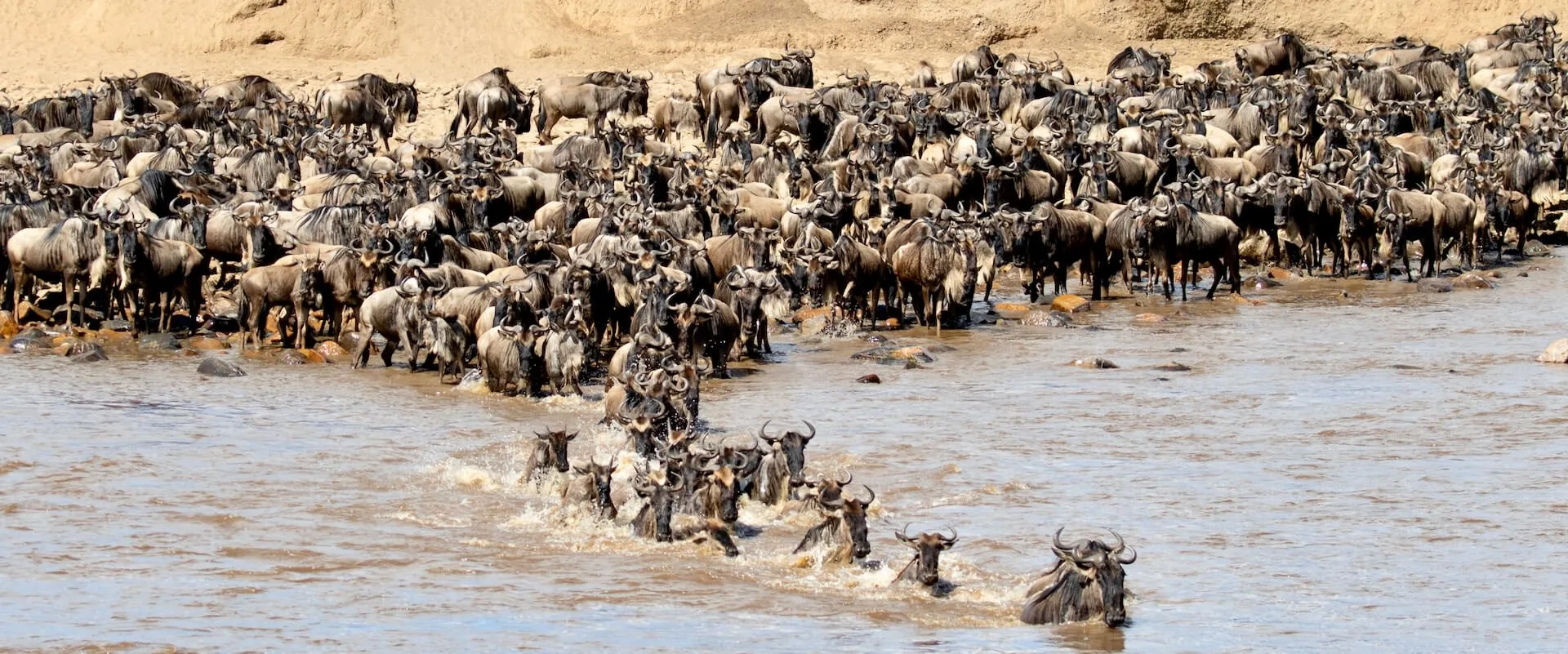
The Great Migration in Africa happens all year because the herds continuously circulate through the Serengeti–Mara ecosystem in…
Read article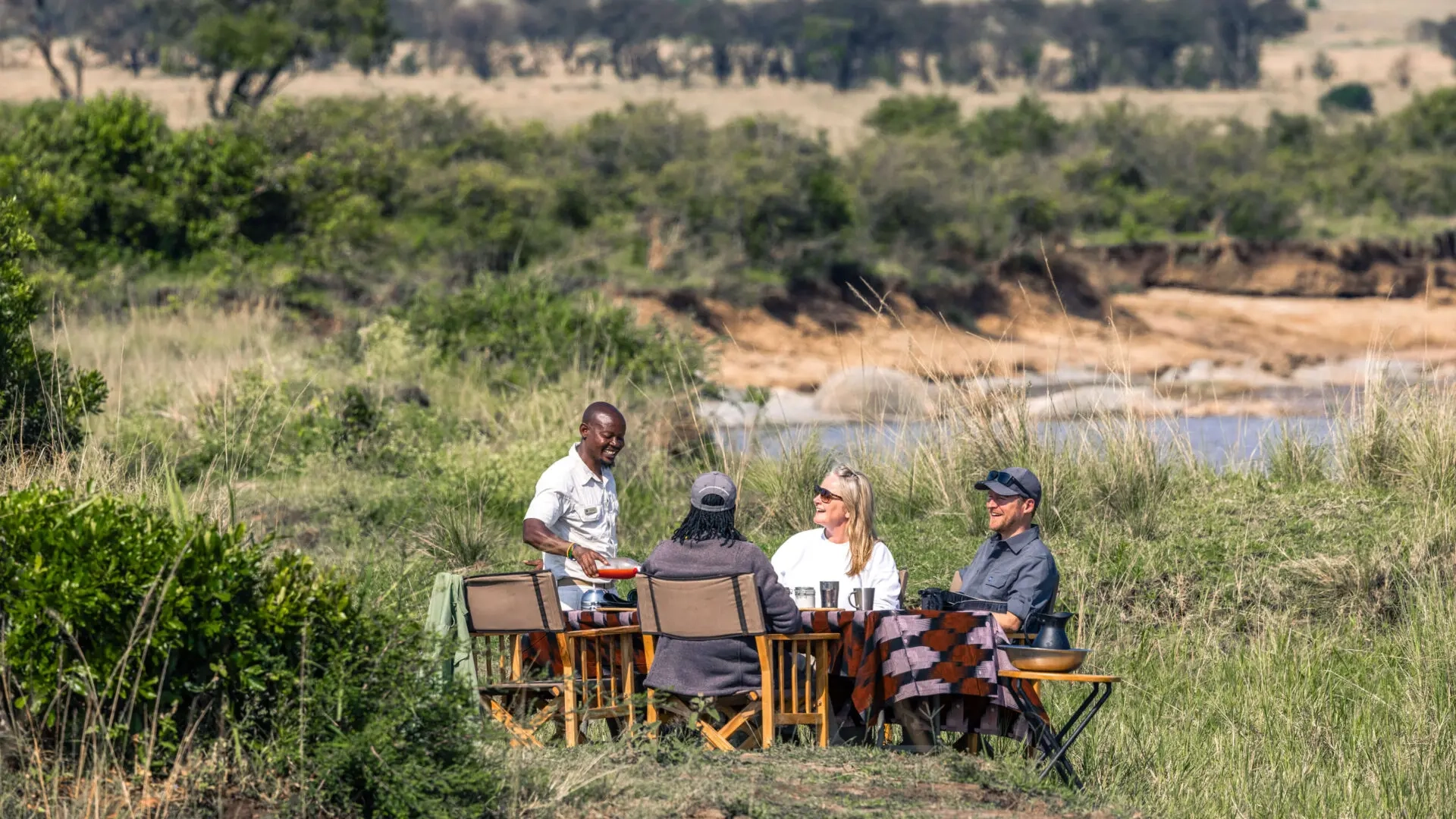
Definitive answer: A picnic lunch on safari is a packed or catered midday meal eaten at an approved…
Read article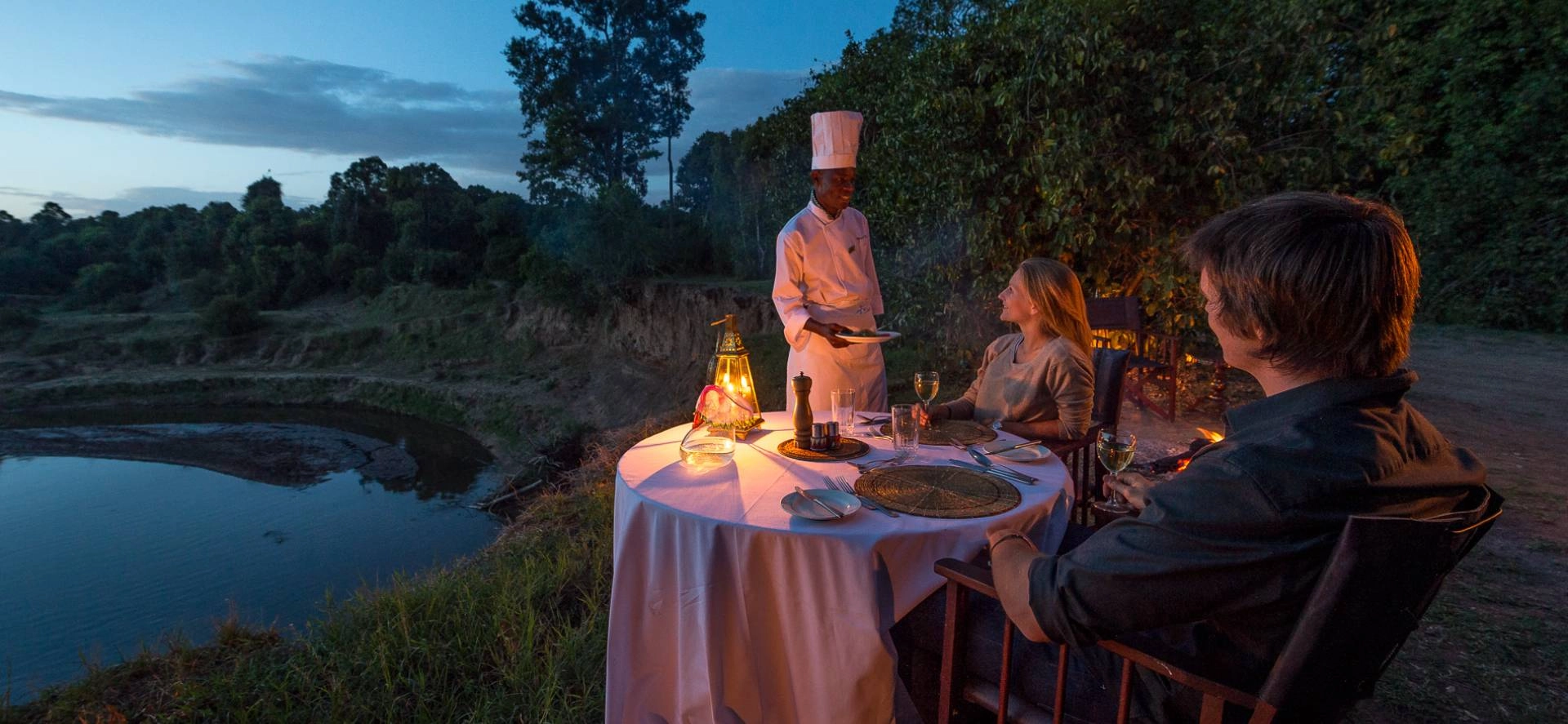
Definitive answer: A bush dinner is an outdoor evening meal arranged in a safe safari setting away from…
Read articleLet us take you closer to the wildlife, people and places that make Africa extraordinary.
Plan Your Safari Today