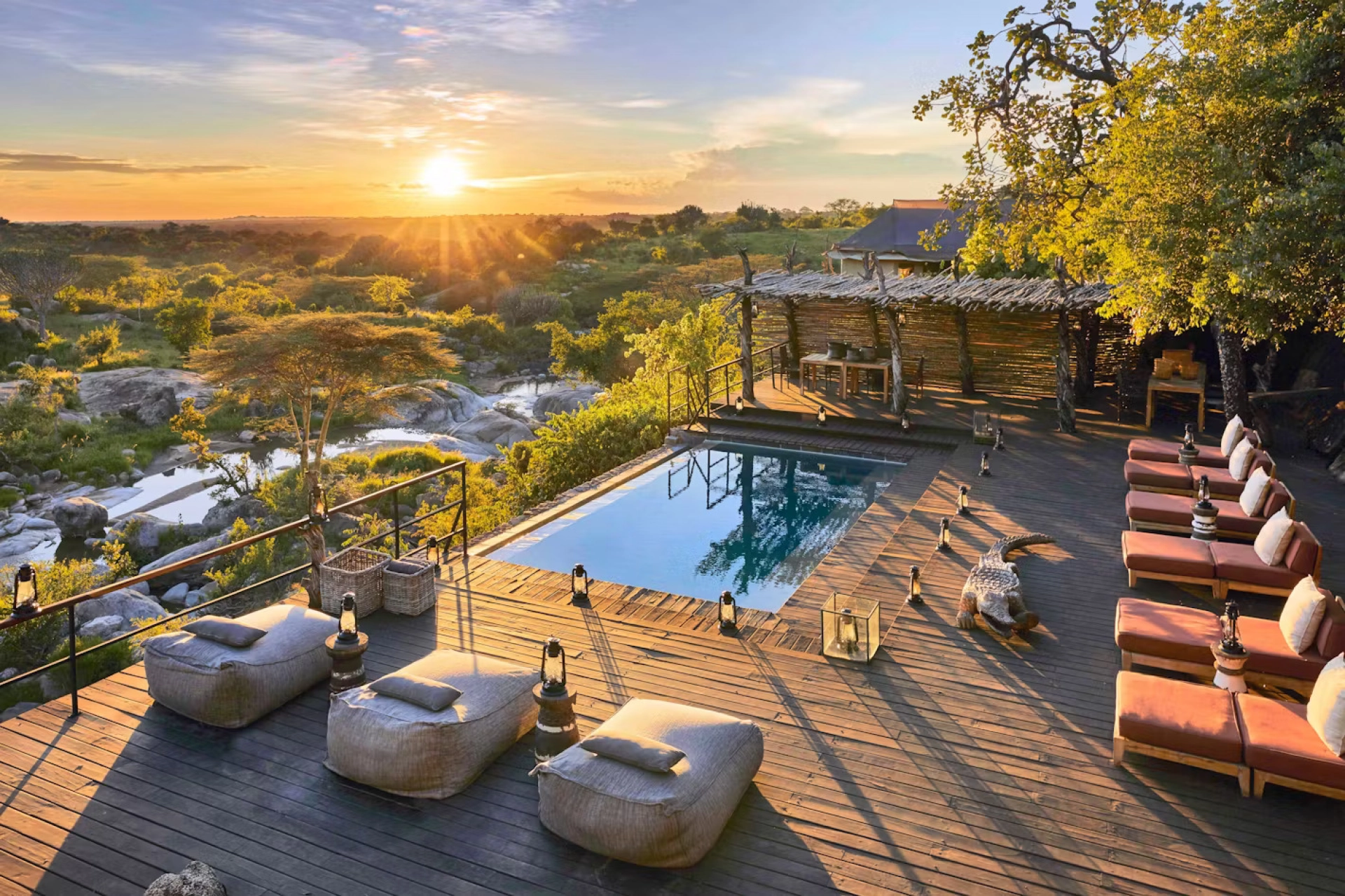
What should I look for when booking a luxury African safari?
When booking a luxury African safari, look beyond the room and compare the quality of guiding, wildlife location,…
Read article

Travel Guide
A family safari does not need to mean spending every day sitting quietly in a game-drive vehicle waiting for animals to appear. Namibia proves that exceptionally well. Few African destinations offer families such a varied combination…
A family safari does not need to mean spending every day sitting quietly in a game-drive vehicle waiting for animals to appear. Namibia proves that exceptionally well. Few African destinations offer families such a varied combination of wildlife, desert scenery, outdoor adventure, coastal activities, cultural experiences and open-road travel. One day children can watch elephants gather at a waterhole in Etosha National Park. A few days later, the same family can climb enormous red dunes at Sossusvlei.
They can kayak beside seals near the Atlantic coast, explore the adventure town of Swakopmund, search for desert-adapted elephants in Damaraland and look at ancient rock engravings. That variety is one of the greatest strengths of a Namibia family safari. The country also feels very different from safari destinations where wildlife viewing dominates almost every day. Namibia’s landscapes often become attractions in themselves. Long roads cross huge open spaces. Mountains rise unexpectedly from dry plains.
Sand dunes reach the ocean. Granite formations appear above apparently empty desert. Wildlife survives in environments that initially seem incapable of supporting life. For children and teenagers, these dramatic changes help maintain interest during a longer African journey. Namibia is also particularly attractive for families who enjoy independence. Well-planned road trips can allow parents to travel at their own pace rather than following a rigid safari schedule. However, Namibia’s vast distances mean good planning is essential.
Choosing the right destinations and allowing sufficient time between them can turn a tiring driving holiday into one of Africa’s finest family safari adventures. Here are eight destinations that work especially well.
If wildlife is a major priority, Etosha National Park should sit near the centre of a family itinerary.
Etosha offers one of Southern Africa’s most accessible and distinctive safari experiences. The park surrounds the enormous Etosha salt pan, an expansive pale landscape visible across huge distances. During the dry season, wildlife concentrates around permanent and artificial waterholes. This creates excellent opportunities for families because sightings often come to you. Instead of constantly driving long distances through dense vegetation, travellers can position themselves near productive waterholes and wait. An empty clearing may suddenly fill with zebras.
Giraffes approach carefully. Elephants walk in from the distance. Antelope gather to drink while predators remain hidden nearby. For younger travellers with limited patience, this style of wildlife viewing can be ideal.
Children often enjoy safari most when animals can be seen clearly and regularly.
Etosha’s open terrain makes that possible. Large mammals may be visible from considerable distances. The waterholes provide natural gathering points. Families can learn to identify species rather than simply rushing from one sighting to the next. A child may quickly learn the difference between springbok and impala, or recognise giraffes before adults spot them. This process turns safari into an interactive experience.
Elephants are among Etosha’s great attractions.
Watching a family herd approach water can become one of the defining moments of a Namibia safari. Young elephants play. Adults spray themselves with water and dust. Herd members interact physically and vocally. These extended encounters often teach children more about animal behaviour than a brief sighting from a moving vehicle.
Lions occur in Etosha, along with other predators such as cheetahs and spotted hyenas.
Predator sightings are less predictable than herbivore encounters, which provides an important lesson about safari. A safari is not a zoo. Animals move freely. There are no guaranteed sightings. Children who understand this before the trip are more likely to appreciate tracking and anticipation rather than becoming disappointed.
One of Etosha’s most family-friendly features is the opportunity at some rest camps to observe waterholes without remaining inside a vehicle all day.
This allows children to move around, eat and rest while still remaining connected to wildlife activity. Night viewing can be especially exciting. Animals that are difficult to see during daytime may approach under darkness. For older children and teenagers, quietly waiting beside a waterhole after dinner can become one of the safari’s most memorable experiences.
Rushing Etosha in a single night reduces its value. Two or three nights provides far greater flexibility. Families travelling slowly may spend longer and use different sections of the park. Multiple days reduce pressure to find every famous species immediately. This is particularly important when travelling with children. Safari should feel adventurous, not like a checklist.
The Namib Desert offers the complete opposite of Etosha. Wildlife density decreases dramatically. Landscape becomes the attraction. Sossusvlei lies within one of Namibia’s most iconic desert environments, where enormous red-orange dunes surround pale clay pans. Photographs convey some of the beauty. Standing beneath the dunes reveals their true scale. For families, Sossusvlei introduces a kind of natural adventure that feels more active than a traditional game drive. Children can climb.
Explore. Photograph tracks. Study how plants and animals survive without reliable water. The desert becomes an enormous outdoor classroom.
Dune climbing is physically demanding but extremely rewarding. Every step in soft sand requires effort. Children often turn the climb into a challenge. Older families may attempt larger dunes, while younger children can enjoy lower slopes. The important point is not reaching the highest possible summit. It is experiencing the landscape. From higher ground, patterns in the sand become visible and the surrounding desert stretches toward the horizon.
Deadvlei is among Namibia’s most extraordinary landscapes. Dark dead camel thorn trees stand against a pale clay pan surrounded by enormous orange dunes. The visual contrast makes the area instantly recognisable. Children interested in photography often enjoy Deadvlei because even simple phone photographs can look dramatic. The site also creates an excellent opportunity to discuss climate. The dead trees remain because extremely dry conditions slow decomposition. A family visit can therefore combine spectacular scenery with a lesson in ecology.
Desert temperatures can become intense. Families benefit from starting early. Morning light also produces beautiful shadows across the dunes. Younger children may tolerate walking much better before midday heat develops. Parents should carry sufficient drinking water, sunscreen and sun protection. The Namib’s dryness can hide how quickly dehydration occurs.
At first glance, the Namib can appear almost lifeless. A closer look tells a different story. Insects, reptiles, birds and small mammals have evolved remarkable desert adaptations. Oryx may be encountered in some areas. Tracks in the sand reveal animals that moved through during the cooler night. A good guide can transform apparently empty desert into a fascinating ecosystem.
After several days in hot interior landscapes, Swakopmund feels almost surreal. German colonial-era architecture, Atlantic fog and cool sea air create a completely different atmosphere. The town lies between the Namib Desert and the ocean, producing one of Namibia’s most unusual travel environments. For families, Swakopmund is valuable because it provides a break from long drives and traditional safari routines. There are restaurants. Comfortable accommodation. Shops. Adventure activities. Beach walks. Families can tailor days according to children’s ages and energy levels.
Teenagers sometimes find conventional safari schedules repetitive after several days. Swakopmund solves that problem. Adventure activities can include dune experiences, cycling and various excursions depending on age restrictions and operating conditions. The town’s relaxed atmosphere also gives families a chance to sleep later and choose activities individually. Not every family member needs to do the same thing. A parent and teenager might join an adventurous excursion while younger children enjoy an easier activity.
One of the best educational activities is a guided living desert tour. The sandy landscapes around Swakopmund initially look empty. Specialist guides reveal an astonishing community of desert-adapted animals. Small reptiles, insects and other creatures survive through highly specialised strategies. For children interested in animals, this can be as exciting as seeing large mammals. It teaches an important ecological lesson: wildlife is not only about size.
Few destinations demonstrate Namibia’s environmental contrasts better than the Swakopmund region. Desert dunes lie immediately beside the Atlantic Ocean. Cold marine air meets hot desert. Fog provides moisture to desert organisms. This unusual climate influences everything from vegetation to architecture. A family journey through Namibia becomes much more interesting when children begin recognising these connections between geography and life.
A short distance from Swakopmund, Walvis Bay offers another set of family-friendly experiences. Its lagoon attracts abundant birdlife. Flamingos may gather in large numbers under suitable conditions. Pelicans, shorebirds and other species provide excellent viewing even for families who are not dedicated birdwatchers. The attraction becomes especially strong when combined with marine excursions.
One of the most memorable coastal activities available in this part of Namibia is kayaking near colonies of Cape fur seals. The experience is radically different from a game drive. Instead of watching wildlife from a vehicle, travellers move quietly across the water. Seals may swim nearby. Young animals can be particularly curious. The experience feels interactive without requiring direct physical contact. For older children who are confident around water, it can become a trip highlight. Activity providers have their own minimum ages and safety requirements, so families should confirm these before booking.
Families preferring a less physically demanding experience can consider boat excursions. Marine cruises provide opportunities to see seals, seabirds and sometimes dolphins or other marine wildlife. They also reveal Namibia’s coast from a completely different perspective. This matters because many safari itineraries focus exclusively on terrestrial animals. The Atlantic adds an entirely different ecosystem.
Children who initially claim not to be interested in birds often change their minds when confronted with hundreds or thousands of flamingos. Their colour, feeding behaviour and social gatherings are visually dramatic. Walvis Bay therefore provides an accessible introduction to birdwatching in Namibia. A pair of binoculars can turn the lagoon into a surprisingly engaging family activity.
Damaraland is one of Namibia’s most visually dramatic regions. Rocky mountains rise above dry valleys. Huge boulders form sculptural landscapes. Riverbeds remain dry for long periods and then briefly carry water after rain. Wildlife survives at surprisingly low densities across enormous territories. For families who enjoy adventure, Damaraland feels genuinely wild. Unlike Etosha, where wildlife congregates around obvious waterholes, animals here can be difficult to find. That challenge is part of the appeal.
Damaraland is famous for desert-adapted elephants. These are African elephants surviving in extremely dry environments. They may travel considerable distances between water and feeding areas. Their movements reflect detailed knowledge of a harsh landscape. Finding them requires patience and experienced guiding. When a herd finally appears among barren mountains or dry riverbeds, the contrast is extraordinary. Children see an animal they recognise from conventional safari photographs living in an environment that appears almost impossible. This creates an excellent discussion about adaptation.
The elephants of Namibia’s arid northwest are not generally treated as a separate elephant species simply because they live in the desert. Their importance lies in behavioural and ecological adaptation. They survive through patterns of movement and resource use suited to extreme conditions. Understanding this difference is a useful lesson in how animals can adapt to local environments without necessarily becoming a completely separate species.
Distances can be substantial. Roads are often gravel. A comfortable vehicle and realistic daily schedule are essential. Parents should resist trying to cover too much ground in one day. The beauty of Damaraland comes from slowing down. Stop at viewpoints. Look for wildlife tracks. Allow children to explore safe areas around camps. Enjoy sunset rather than immediately beginning another drive.
Within the wider Damaraland region, Twyfelfontein introduces families to a very different kind of safari: a journey into human history. The area is internationally important for rock engravings created by people who lived in the region long before modern tourism. Animals, tracks and other images carved into rock reveal how earlier communities interpreted the landscape around them. For children who have already seen some of these animals alive, the connection can be powerful. An engraving of a giraffe is no longer just an archaeological image. The child may have watched a giraffe in Etosha only days earlier.
Rock art gives travellers evidence that Namibia’s apparently empty landscapes have been inhabited and understood for thousands of years. People moved through these environments long before modern roads. They knew water sources. They understood animal movements. They interpreted tracks. Their survival depended on detailed ecological knowledge. A visit to Twyfelfontein therefore combines archaeology, culture and natural history.
Long historical lectures can lose younger visitors. A good guide changes the experience. Ask children to identify animals in the engravings. Look for tracks. Compare carved animals with those seen earlier on safari. Discuss why someone might have recorded particular species. This turns archaeology into a form of discovery.
Twyfelfontein is also surrounded by impressive geology. Rock formations, colours and weathering patterns reinforce the sense that Damaraland is one of Namibia’s great landscape destinations. Families interested in geology can spend significant time exploring the region.
The Skeleton Coast has one of Africa’s most evocative names. The coastline is famous for fog, rough Atlantic waters, shipwreck stories and landscapes where enormous desert spaces meet the sea. For children and teenagers, even the name creates immediate intrigue. This is not a conventional beach holiday. The water can be cold. The landscape can appear austere. Fog often changes visibility dramatically. Yet that atmosphere is exactly what makes the Skeleton Coast special.
The name reflects the dangerous history of this coastline. Treacherous waters, strong currents, fog and isolation made navigation hazardous. Shipwrecks became part of the region’s mythology. Whale and seal bones also contributed to the stark image historically associated with the coast. Today, the name adds to the area’s sense of adventure.
Visible shipwreck remains in certain accessible coastal areas provide a tangible connection with maritime history. Children often find wrecks especially interesting because they prompt obvious questions. How did the ship get there? What happened to the crew? Why was this coast so dangerous? These stories bring geography to life.
The Skeleton Coast demonstrates one of Namibia’s most fascinating environmental adaptations. Rainfall may be extremely low, but fog generated by the cold Atlantic can provide crucial moisture. Plants and animals have evolved ways of using this water source. The landscape therefore teaches children that deserts are more complicated than places where “nothing lives.”
The accessibility of different parts of the Skeleton Coast varies. Some sections fit easily into a self-drive itinerary. More remote areas require specialist planning or fly-in arrangements. Families should choose routes according to children’s ages, driving tolerance and available time. There is little benefit in adding enormous distances simply to say you reached the most remote point possible.
The Waterberg Plateau provides a useful contrast with Namibia’s desert landscapes. Its striking red sandstone cliffs rise above surrounding plains. Vegetation can feel surprisingly lush compared with more arid regions. The area protects wildlife and offers walking opportunities, making it an excellent stop for families who want to get out of the vehicle.
Long Namibia road trips benefit from destinations where the family can stop driving and move. Waterberg offers hiking and nature experiences in dramatic surroundings. Older children can enjoy exploring trails. Birdlife adds interest. The landscape itself is visually distinctive. Families travelling between Windhoek and northern Namibia may find the area useful for breaking up the journey.
Children often need physical movement after hours inside a vehicle. In destinations where walking is safely permitted on designated routes, a hike can completely reset the mood of a family safari. Instead of watching nature pass through the window, children hear sounds, examine insects, look at tracks and feel the terrain. This creates a much more direct connection with the environment.
Namibia’s strongest advantage is variety. A traditional safari destination may offer outstanding wildlife but relatively little change in daily routine. Namibia can shift constantly. Etosha offers classic wildlife viewing. Sossusvlei provides dunes and desert exploration. Swakopmund introduces urban comfort and adventure. Walvis Bay adds marine wildlife. Damaraland provides tracking and ancient landscapes. Twyfelfontein introduces archaeology. The Skeleton Coast adds mystery and maritime history. Waterberg offers walking and mountain scenery. Children who become restless doing one activity can become excited again when the environment changes.
Namibia is widely visited by international families, but normal travel precautions remain essential. Road safety deserves particular attention because self-driving is so popular. Distances are long. Gravel roads require cautious speeds. Wildlife can enter roads. Driving after dark should generally be avoided where possible, particularly in rural areas. Families should carry adequate water and maintain communication plans in remote regions. Urban precautions regarding valuables and personal security also remain sensible. A well-planned itinerary significantly reduces avoidable risks.
A Namibia self-drive family safari can be extremely rewarding because parents control the pace. If children become tired, stop. If an animal sighting becomes particularly interesting, stay longer. If the family loves one destination, a flexible itinerary can allow extra time. However, self-drive itineraries should be designed conservatively. Looking at a map can make distances appear manageable. Actual travel can take much longer on gravel roads. Families should avoid planning marathon driving days.
Namibia is vast. Attempting to include every famous destination in one short holiday creates unnecessary fatigue. Three nights in one well-chosen region can be more rewarding than sleeping in a different lodge every night. Children especially benefit from occasional two- or three-night stays. They have time to become familiar with a location. Parents have less packing. The trip feels like a holiday instead of a logistics exercise.
Namibia offers a broad range of accommodation. Family rooms and chalets are available at many properties, but configurations vary considerably. Some lodges offer interconnected rooms. Others provide larger family units. Remote camps may have age restrictions for certain activities. Families should therefore confirm sleeping arrangements rather than assuming that two adults and two children can automatically share one unit.
This may sound minor when planning an expensive African safari, but a swimming pool can dramatically improve family travel. After a hot morning game drive or several hours in the car, children often want nothing more than to swim. Parents can rest. Everyone returns to the afternoon activity refreshed. When comparing otherwise similar accommodation, families may reasonably consider child-friendly leisure facilities as an important factor.
Not every safari activity accepts children of all ages. Walking safaris, kayaking, quad biking and certain adventure activities may have minimum ages or physical requirements. Parents should confirm restrictions before promising activities to children. This prevents disappointment once the family arrives.
Travelling with young children is possible, but itineraries should be slower. Long driving days should be reduced. Accommodation with flexible meal times can help. Families may prioritise Etosha and accessible desert destinations rather than attempting remote expeditions. Very young children may not appreciate the significance of every landscape, so frequent breaks are essential.
Teenagers can be an ideal age group for Namibia. They are old enough to understand conservation and geology. They can often participate in a broader range of adventure activities. Photography becomes interesting. Longer walks become possible. Dune climbing can turn into friendly competition. Teenagers may particularly enjoy Swakopmund, kayaking, desert tracking and photography.
Lodges generally provide meals designed for international visitors, and many can accommodate reasonable dietary requirements with advance notice. Families self-driving between towns can also purchase snacks and supplies. Carrying familiar food is useful for long road sections. Water is essential. Because the climate is so dry, children may not recognise dehydration quickly. Encourage regular drinking rather than waiting until they feel thirsty.
Namibia’s temperature differences surprise many first-time visitors. Desert days may be hot while nights become cold. The coast can be cool and foggy even when the interior is warm. Layered clothing therefore works better than packing only summer safari wear. Sun hats, sunscreen and comfortable shoes are essential. Binoculars can dramatically increase children’s involvement in wildlife viewing. Giving older children their own inexpensive binoculars often turns safari into a game of discovery.
A basic camera or smartphone can transform the journey. Instead of adults doing all the photography, children can document their own safari. Encourage them to photograph unusual details rather than only lions. Animal tracks. Dune patterns. Insects. Road signs. Plants. Rock engravings. Sunset. The result becomes a personal travel record.
Family safari is educational by nature. Parents do not need to turn every sighting into a lesson. Simply encourage questions. Why does an oryx survive in the desert? Why are flamingos pink? How does a seal stay warm in cold Atlantic water? Why is Deadvlei dry? How does fog support desert insects? A good guide can answer these questions naturally. Learning occurs because children are curious, not because they are completing homework.
The ideal season depends on family priorities. Drier periods can offer strong wildlife viewing around water sources in Etosha. Temperatures, road conditions and holiday schedules also influence decisions. The Atlantic coast has its own climate and can remain cool even when inland regions are hot. Families tied to school holidays should book accommodation well ahead because popular properties can fill early.
One of the greatest educational opportunities is introducing children to conservation. Namibia has developed important community conservation initiatives. Wildlife survives across landscapes that include protected areas and community-managed regions. A family can therefore discuss how tourism, rural livelihoods and conservation intersect. Children who understand that wildlife depends on people and land management gain a much deeper understanding than those who simply collect animal photographs.
Namibia is internationally recognised for community-based conservation approaches in which local communities participate in managing wildlife and tourism resources. In suitable areas, tourism generates income connected with intact landscapes and wildlife. For families, this provides an opportunity to discuss a central conservation question: Why should people living beside elephants, lions or other wildlife benefit from protecting them? The answer is fundamental to the long-term future of African conservation.
Families with more time can extend a Namibia holiday into Botswana. The two countries offer complementary experiences. Namibia provides extraordinary desert landscapes and strong self-drive opportunities. Botswana adds the Okavango Delta, Chobe and water-based safari environments. However, a combined trip requires sufficient time. Trying to cover Namibia and Botswana in ten rushed days would waste much of the journey on transfers.
South Africa is another logical extension. Cape Town can work particularly well after a Namibia road trip. Families gain restaurants, beaches, museums and city activities after spending time in remote landscapes. Flights can make this combination relatively practical compared with long overland routing.
A well-balanced Namibia family trip often begins gently. Families may arrive in Windhoek and rest before driving. Sossusvlei introduces the desert. Swakopmund and Walvis Bay provide several nights of coastal activity. Damaraland adds wilderness and culture. Etosha becomes the major wildlife finale. Waterberg or another convenient stop can break the return journey. This routing is only one example. The correct itinerary depends on available days, children’s ages and interests.
A family safari in Namibia is much more than a wildlife holiday. It is a journey across completely different worlds. Children can watch elephants at an Etosha waterhole and then climb some of the world’s most spectacular dunes. They can photograph the dead trees of Deadvlei. They can discover tiny animals hiding beneath desert sand near Swakopmund. They can watch seals from a kayak. They can search dry riverbeds for desert-adapted elephants.
They can study rock engravings created by people who understood these landscapes thousands of years ago. They can stand beside the Atlantic and learn how fog makes life possible in one of Earth’s driest environments. That diversity makes Namibia one of Africa’s strongest family destinations. The secret is not trying to see everything. Choose the destinations that fit your children’s interests. Allow enough time. Keep driving days realistic. Include active experiences between game drives.
And remember that family travel succeeds when children are participating rather than simply being transported. With the right itinerary, Namibia with children becomes more than a safari. It becomes an enormous outdoor adventure through wildlife, desert, ocean, history and some of Southern Africa’s most remarkable landscapes.
Get quick answers to the most common questions. If you still have questions, our safari experts are here to help.
Yes. Namibia is one of Africa’s most diverse family destinations, combining wildlife, desert landscapes, adventure activities, marine experiences and cultural attractions.
Etosha National Park is the obvious first choice because wildlife concentrates around waterholes and can often be observed clearly.
Yes. Sossusvlei can be excellent for families, provided parents plan around heat, carry sufficient water and choose dune walks appropriate to children’s fitness.
Very much so. Swakopmund provides adventure activities, restaurants, comfortable accommodation and a useful break from long safari drives.
Yes. Self-driving is popular, but road conditions, long distances and gravel surfaces require conservative planning and careful driving.
Around 10–14 days provides a good introduction without rushing. Longer trips allow families to reduce driving and spend more nights in each destination.
Yes, although parents should plan shorter drives and regular breaks. Specific lodge activities may have age restrictions.
Depending on itinerary and luck, wildlife can include elephants, lions, giraffes, zebras, rhinos, antelope, seals, flamingos, desert-adapted elephants and numerous bird species.
Neither is universally better. Namibia is especially attractive to families wanting a combination of wildlife, road-trip adventure and dramatic landscapes rather than game drives every day.
Our safari experts are here to help you plan your safari. Get personalized advice, the latest information and a free, no-obligation quote.
We typically reply within a few hours.

Share This Article
When booking a luxury African safari, look beyond the room and compare the quality of guiding, wildlife location,…
Read article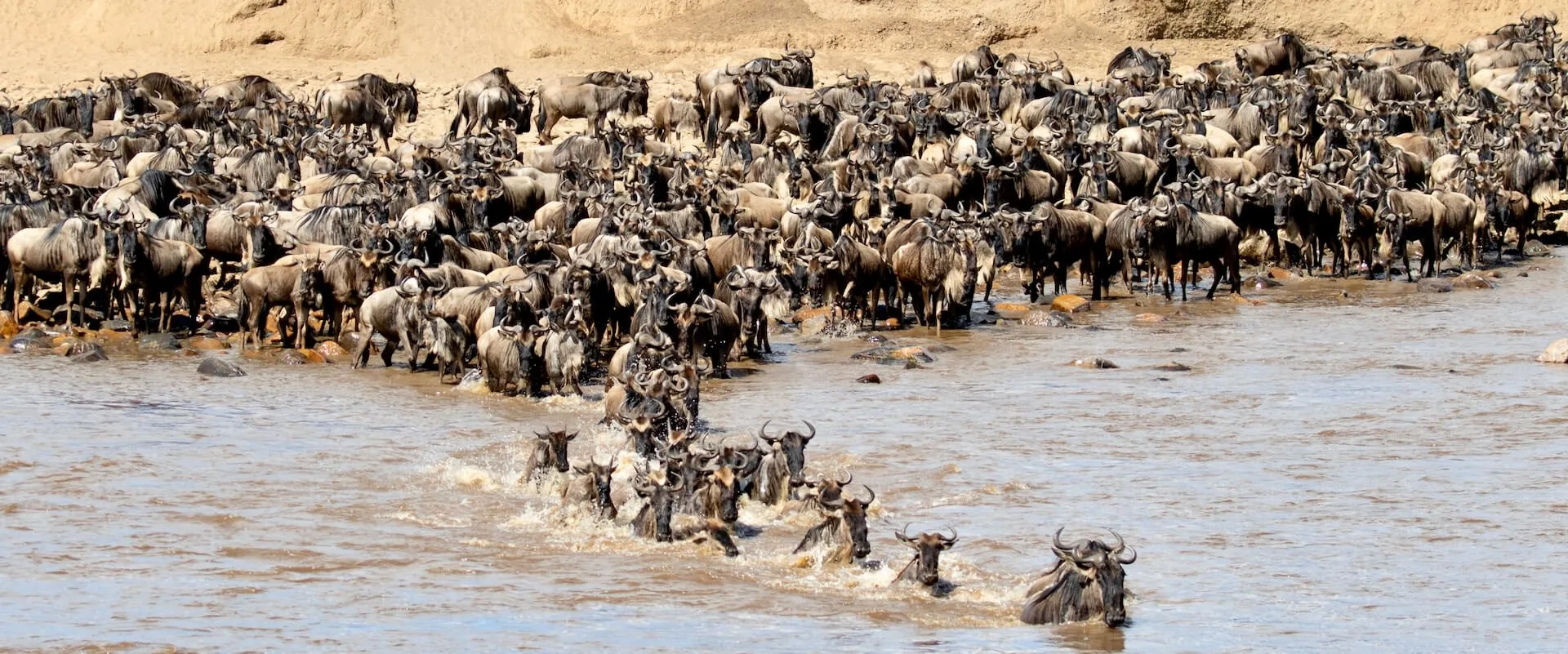
The Great Migration in Africa happens all year because the herds continuously circulate through the Serengeti–Mara ecosystem in…
Read article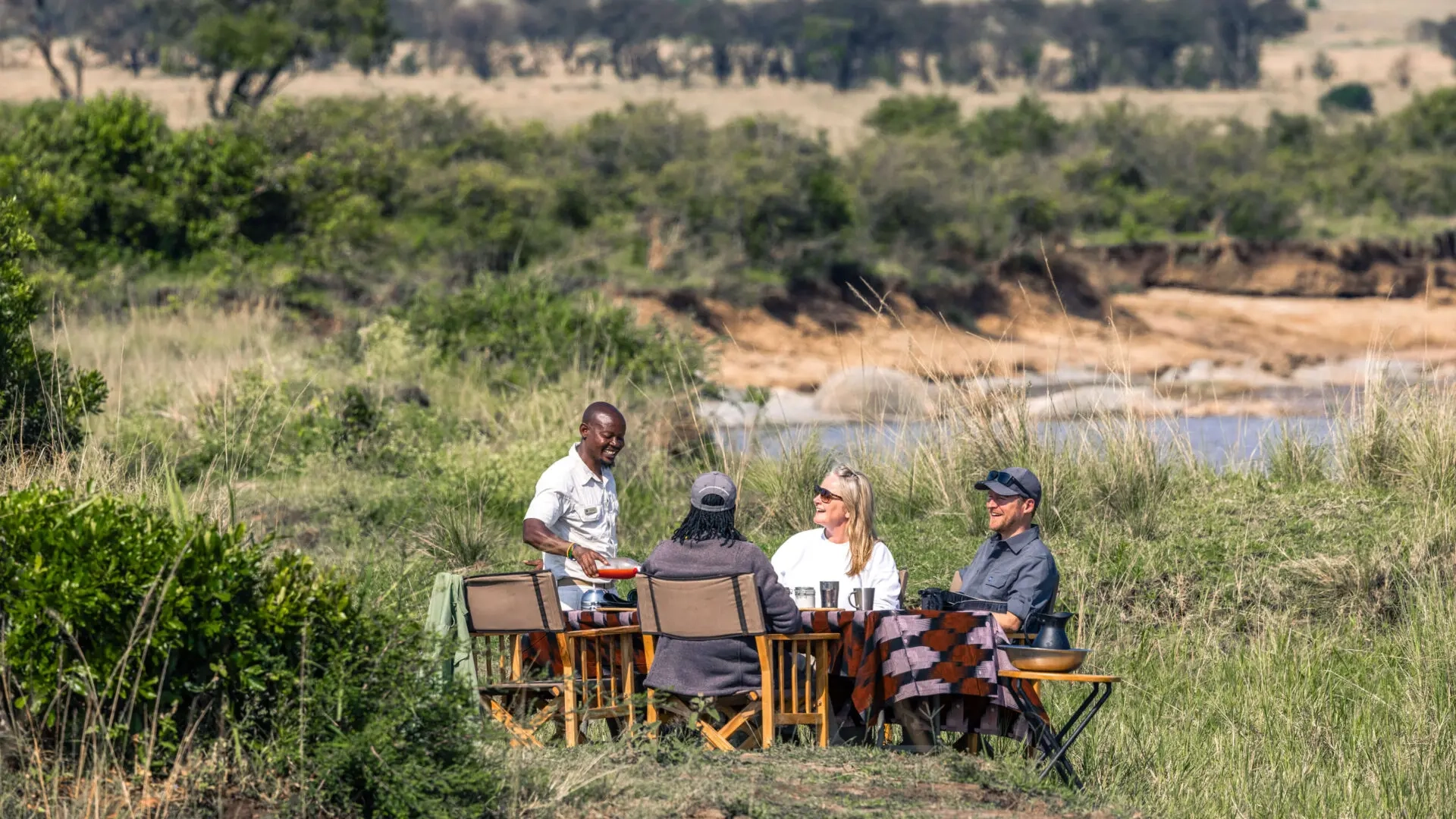
Definitive answer: A picnic lunch on safari is a packed or catered midday meal eaten at an approved…
Read article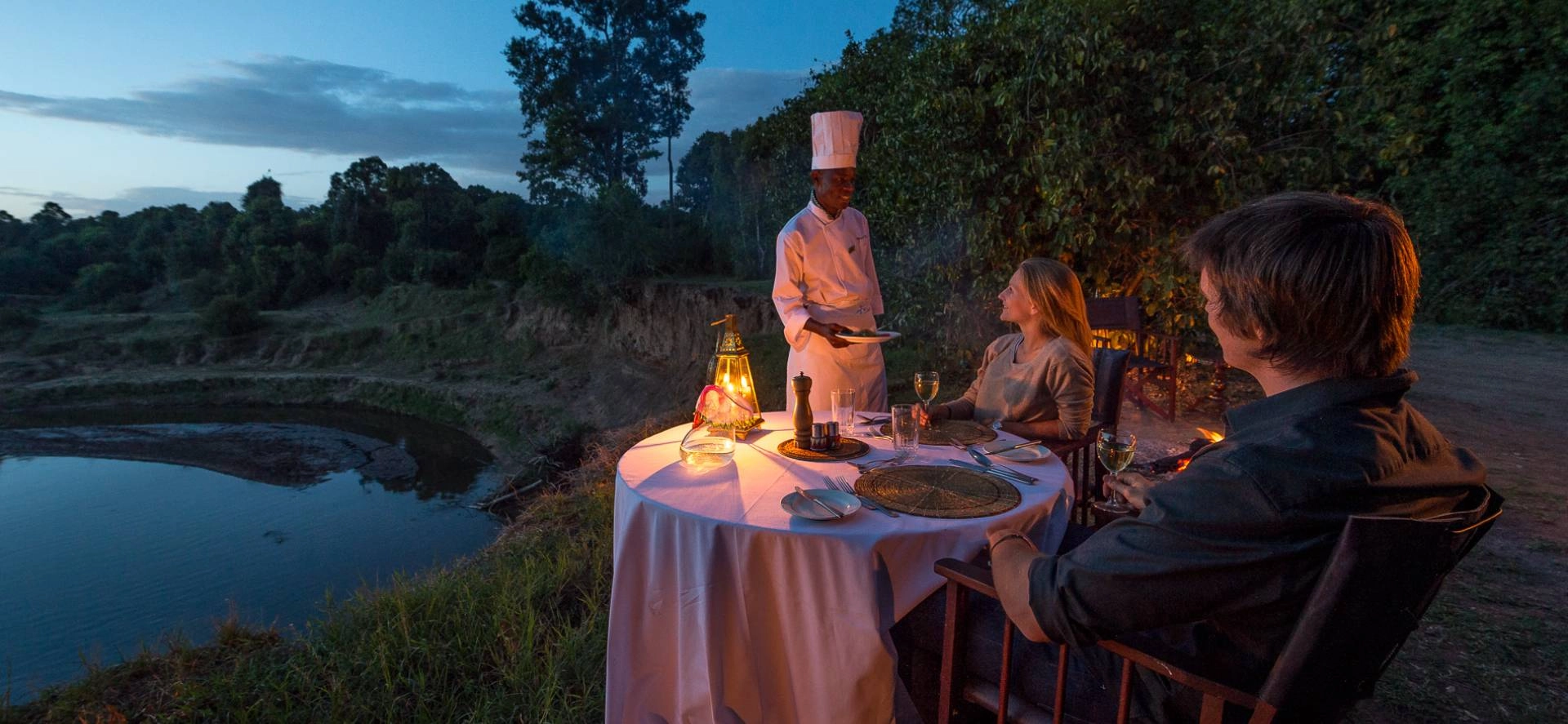
Definitive answer: A bush dinner is an outdoor evening meal arranged in a safe safari setting away from…
Read articleLet us take you closer to the wildlife, people and places that make Africa extraordinary.
Plan Your Safari Today