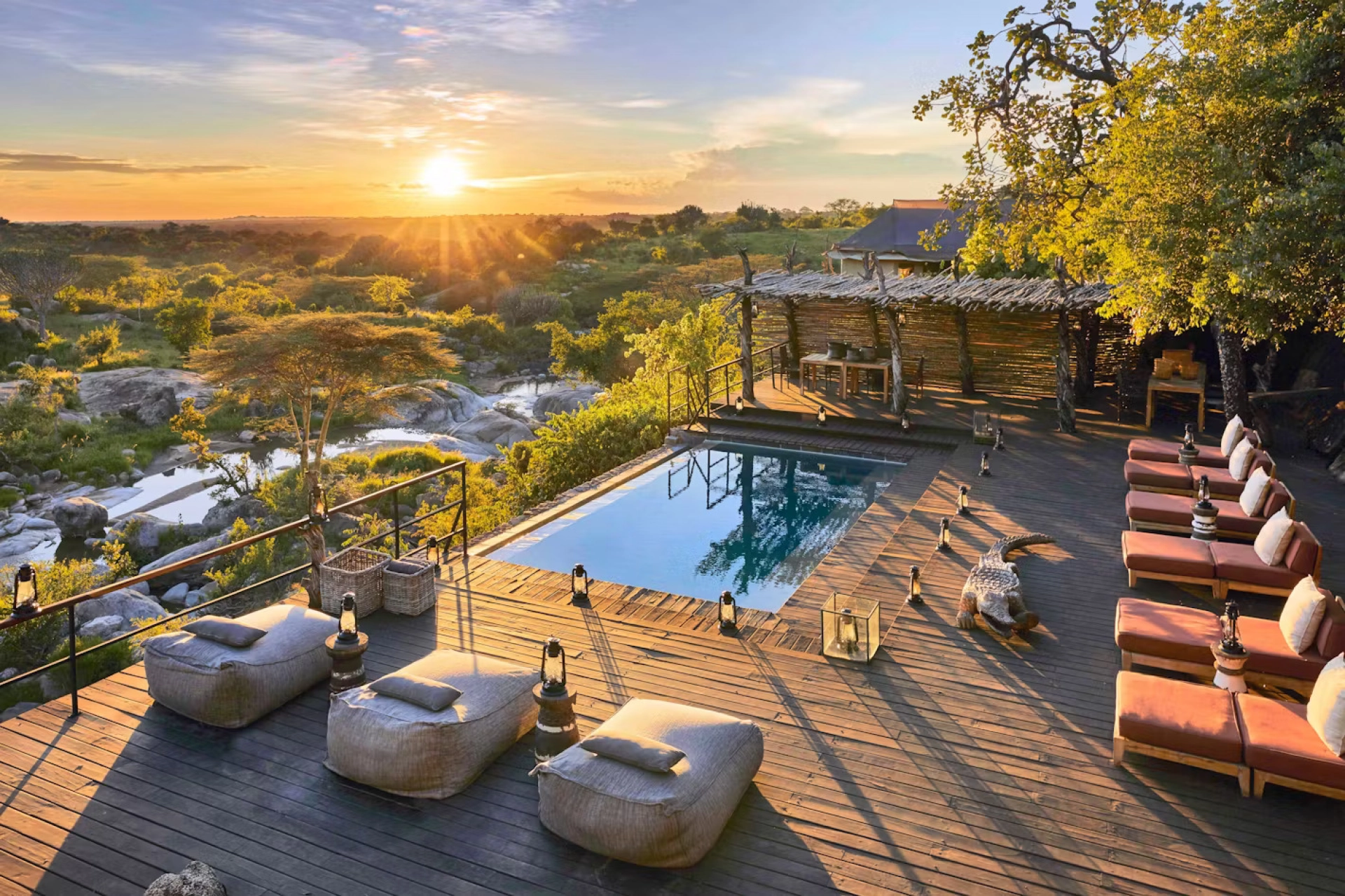
What should I look for when booking a luxury African safari?
When booking a luxury African safari, look beyond the room and compare the quality of guiding, wildlife location,…
Read article

Travel Guide
Few countries have shaped the global image of African safari as profoundly as Tanzania. Mention Tanzania and certain scenes immediately come to mind. Millions of wildebeest moving across the Serengeti. Lions resting on golden plains. Elephants…
Few countries have shaped the global image of African safari as profoundly as Tanzania. Mention Tanzania and certain scenes immediately come to mind. Millions of wildebeest moving across the Serengeti. Lions resting on golden plains. Elephants walking beneath enormous baobab trees. Safari vehicles descending into the Ngorongoro Crater. Chimpanzees moving through forests beside Lake Tanganyika. Remote wilderness where another vehicle may not appear for hours. Tanzania’s extraordinary strength is not simply the quantity of wildlife.
It is diversity. The country contains famous savannahs, volcanic highlands, river systems, wetlands, tropical forests, enormous wilderness reserves and one of the world’s great freshwater lakes. This allows travellers to experience dramatically different forms of safari within one country. The challenge is choosing where to go. A first-time visitor with seven days cannot realistically experience every important park. Someone primarily interested in the Great Wildebeest Migration should plan differently from a repeat safari traveller seeking remote wilderness.
A family may prioritise accessible northern parks. A photographer might spend most of the trip in Serengeti. A chimpanzee enthusiast may travel to western Tanzania. A traveller combining safari with Zanzibar might choose destinations with convenient flight connections. This guide explores 9 of the best places to visit on safari in Tanzania, explains what makes each destination special, when to go, what wildlife to expect and how to combine them into a practical Tanzania safari itinerary.
Tanzania protects some of Africa’s most celebrated ecosystems.
The Serengeti-Mara ecosystem supports one of Earth’s greatest terrestrial wildlife migrations. The Ngorongoro Conservation Area contains extraordinary volcanic landscapes and archaeological importance. Tarangire protects important elephant habitat. Ruaha anchors an enormous wilderness system in central-southern Tanzania. Nyerere forms part of a vast southern ecosystem. Western Tanzania protects chimpanzee habitat and remote wilderness. The country also borders major African lakes and includes Mount Kilimanjaro, Africa’s highest mountain. This ecological variety explains why Tanzania works for both first-time and repeat safari travellers.
Before comparing individual parks, it helps to understand Tanzania geographically.
The famous Northern Tanzania safari circuit includes Serengeti, Ngorongoro, Tarangire and Lake Manyara.
Arusha serves as the principal gateway. This is Tanzania’s most popular safari region. It offers excellent infrastructure, exceptional wildlife and straightforward road connections between parks.
The Southern Tanzania safari circuit includes major wilderness areas such as Nyerere and Ruaha.
Safaris here generally feel more remote. Visitor numbers are lower. Fly-in itineraries are common.
Western Tanzania includes remote destinations such as Mahale Mountains and Katavi.
These journeys require more time and budget. They reward travellers with exceptional wilderness and unusual experiences such as chimpanzee trekking. Understanding these circuits immediately makes Tanzania safari planning easier.
If one destination represents Tanzania safari more than any other, it is Serengeti National Park. The Serengeti is vast. Its landscapes range from open grasslands to kopjes, woodland and river systems. Wildlife is extraordinarily diverse. Lions, leopards, cheetahs, elephants, giraffes, buffaloes, hyenas, jackals, zebras, wildebeest and numerous antelope species occur within the wider ecosystem. But Serengeti’s greatest fame comes from the Great Wildebeest Migration.
Enormous numbers of wildebeest, accompanied by zebras and other grazing animals, move through the ecosystem according to rainfall and grazing conditions. The migration is not a single event. It is a continuous cycle. This distinction is essential when planning a Serengeti migration safari. Southern Serengeti becomes particularly important during the green-season calving period. Central Serengeti provides excellent year-round wildlife and acts as a major transition region. Western areas become relevant during parts of the migration.
Northern Serengeti becomes particularly famous during the period when herds may encounter major river systems. Choosing the correct Serengeti region is therefore more important than simply choosing a famous lodge.
The Seronera Valley and central Serengeti provide some of Tanzania’s most consistently productive predator viewing. Permanent water supports resident wildlife. Leopards are often associated with riverine woodland. Lions occupy surrounding plains and kopjes. Cheetahs can be found in more open habitat. Central Serengeti is particularly useful for travellers visiting outside the main migration peaks because wildlife remains abundant. For a first Tanzania safari, central Serengeti is difficult to exclude.
Southern Serengeti and neighbouring short-grass plains become exceptionally important during the early-year migration period. Fresh grass attracts enormous herds. The wildebeest calving season adds extraordinary energy. Predators respond to the abundance of vulnerable young animals. For photographers and travellers interested in predator-prey interactions, this can be one of the best safari experiences in Africa.
Northern Serengeti is greener and more varied than the stereotypical endless plains. Woodland and river systems create attractive landscapes. During migration season, large herds can arrive in the region. Possible Mara River crossings in Tanzania attract considerable interest. However, crossings cannot be guaranteed. Travellers should spend several nights in the region rather than scheduling a single afternoon and expecting a crossing on demand.
Serengeti is a year-round safari destination. The best month depends on your priority. For southern migration and calving, January-February is important. For general dry-season wildlife, June-October is excellent. For northern migration, roughly July-October can be particularly relevant. For fewer visitors and green landscapes, shoulder and green seasons deserve consideration.
At least three nights in Serengeti is ideal for many first-time itineraries. Two nights can work but often feels short because of travel time. Four or five nights allows deeper exploration. Migration-focused safaris may split time between different Serengeti regions. Serengeti rewards patience. A rushed visit misses much of what makes the ecosystem special.
The Ngorongoro Crater is one of Africa’s most unusual safari environments. Visitors begin on the crater rim. Then safari vehicles descend steep roads toward the floor of an enormous volcanic caldera. Inside is a remarkably varied ecosystem. Grasslands, wetlands, woodland and water support abundant wildlife. The enclosed visual scale creates an experience completely different from Serengeti.
Visitors may encounter lions, spotted hyenas, buffaloes, zebras, wildebeest, hippos, elephants and numerous antelope species. The crater is also an important area for black rhinoceros in Tanzania. Rhino sightings are never guaranteed, but Ngorongoro is one of the country’s key places to search for them. Large elephant bulls can sometimes be encountered. Flamingos and other waterbirds use suitable wetland environments. The wildlife density can make a single crater game drive exceptionally productive.
Lions are among the crater’s most visible predators. Hyenas are also important and highly successful. Observing interactions between predators and prey in this relatively contained landscape can be fascinating. However, the crater’s fame means vehicle numbers can become high. Early descent helps maximise wildlife time.
Accommodation on or near the crater rim provides extraordinary views. Early mornings can be cold and misty. Clouds may move across the highlands. This atmospheric environment feels completely different from the warmer plains below. Travellers should pack a fleece or light jacket even during otherwise warm Tanzania safari months.
Ngorongoro is productive throughout the year. Dry-season wildlife visibility is excellent. Green-season scenery can be particularly beautiful. Because many animals remain in the crater ecosystem year-round, travellers do not need to time Ngorongoro around the Great Migration.
Tarangire National Park is sometimes treated as an optional addition to Serengeti and Ngorongoro. That underestimates it. Tarangire has one of northern Tanzania’s most distinctive landscapes. Ancient-looking baobab trees rise above woodland and savannah. The Tarangire River provides an important water source. Elephants are among the park’s signature animals. During the dry season, the ecosystem can become exceptionally productive.
For travellers wanting elephant safaris in Tanzania, Tarangire deserves priority. Elephant families move through the park. Large herds may gather. Watching elephants beneath baobabs produces some of northern Tanzania’s most iconic scenes. Elephant behaviour itself is fascinating. Family groups communicate constantly. Young calves remain protected by adults. Individuals use trunks to feed, drink, smell and interact. A patient guide can turn an elephant sighting into an extended lesson in social behaviour.
As surrounding seasonal water sources diminish, animals move toward the Tarangire River and other reliable water. This can attract zebras, wildebeest, buffaloes, giraffes and numerous antelope species. Predators follow prey. Wildlife concentrations can therefore become impressive. June through October is particularly popular for Tarangire safari.
Green season changes the park. Vegetation becomes lush. Birding can be outstanding. The landscape photographs beautifully. Wildlife may disperse more widely because water becomes available across a larger area. This can make game viewing less concentrated but still rewarding.
Tarangire creates ecological contrast. Serengeti offers enormous plains. Ngorongoro provides a volcanic caldera. Tarangire offers baobabs, woodland and elephant-rich river systems. A safari including all three feels much more varied than a Serengeti-only trip.
Lake Manyara National Park sits beneath the dramatic Rift Valley escarpment. Although smaller than Serengeti or Tarangire, the park contains surprising ecological diversity. Groundwater forest, woodland, open areas, wetlands and lake habitat occur within a relatively compact space. This makes Manyara visually distinctive.
Elephants, buffaloes, giraffes, zebras and primates may be encountered. Baboons are particularly conspicuous. The lake environment supports abundant birdlife. Flamingos may occur when ecological conditions are suitable, although numbers vary. Manyara has also long been associated in safari literature with tree-climbing lions, although sightings should never be expected as a guaranteed attraction.
For birders, Lake Manyara can add significant value to a northern Tanzania itinerary. Waterbirds, raptors, forest species and savannah birds can all occur within the wider ecosystem. The variety of habitats creates diversity over a relatively short distance.
Yes, particularly for travellers with enough time. However, if someone has only four or five safari days, Serengeti, Ngorongoro and Tarangire may take priority. Manyara becomes more attractive in a seven-day or longer northern circuit.
Ruaha National Park offers a very different Tanzania safari. There are fewer vehicles. Distances feel larger. The wilderness appears less structured around tourism. For repeat safari travellers, this can be deeply attractive. Ruaha is part of a vast ecological landscape in central-southern Tanzania. The Great Ruaha River and associated habitats support diverse wildlife.
Ruaha supports elephants, buffaloes, lions, leopards, giraffes and numerous antelope species. Large carnivores are a major attraction. The wider ecosystem has also been important for African wild dogs. Wildlife densities may not always feel as immediately concentrated as Ngorongoro. But sightings can be more private. This is the trade-off. Ruaha rewards travellers who value wilderness rather than checklists.
Ruaha is particularly renowned among serious safari enthusiasts for its predator ecology. Lion sightings can be exceptional. The vast landscape provides opportunities to observe behaviour without the same density of safari vehicles found in parts of the northern circuit. For photographers, this can be extremely valuable.
The dry season is particularly strong. As water becomes scarce, wildlife concentrates around rivers and remaining water sources. Some camps operate seasonally. Travellers should therefore check exact availability when planning.
Ruaha is ideal for repeat safari travellers, photographers, honeymooners seeking privacy and anyone who dislikes busy sightings. First-time visitors can certainly enjoy it, but travellers wanting Serengeti and Ngorongoro should usually experience the northern circuit first unless wilderness is the primary objective.
Nyerere National Park forms part of one of Africa’s great wilderness landscapes. The region offers a safari style distinct from the northern circuit. Water plays an important role. Depending on camp location and current regulations, itineraries may incorporate boat safari experiences alongside traditional wildlife viewing. This creates a different perspective. Instead of observing everything from a vehicle, travellers can watch riverbanks and aquatic environments from the water.
Elephants, buffaloes, hippos, crocodiles and numerous antelope species occur in the ecosystem. Large carnivores are present. African wild dogs have historically been one of the region’s important attractions, although sightings are naturally unpredictable. Birdlife around waterways can be exceptional.
Choose Nyerere if you want a less conventional Tanzania safari. The landscape feels expansive. Visitor density can be considerably lower than the northern circuit. Boat-based viewing provides variety. For travellers combining safari with Dar es Salaam or Zanzibar, southern Tanzania can also work logistically through scheduled or charter flights.
Dry-season months are generally the easiest for wildlife viewing and access. Some properties close during wetter periods. Travellers planning southern safaris should therefore work with an operator familiar with seasonal logistics.
Katavi National Park is not the easiest Tanzania safari destination. That is precisely why some travellers love it. Located in western Tanzania, Katavi is remote. Reaching it generally requires substantial logistical planning and often air travel. Visitor numbers are low. The reward is an atmosphere of genuine isolation.
Katavi’s seasonal floodplains and river systems support impressive wildlife. During the dry season, animals concentrate around shrinking water sources. Hippos can become particularly conspicuous. Buffaloes and other large mammals gather. Predators respond to concentrated prey. The experience can feel raw and dramatic.
In Serengeti, travellers may share an exceptional lion sighting with several vehicles. In Katavi, another vehicle may be nowhere nearby. This does not mean wildlife is easier to find. It means the wilderness experience is stronger. Katavi is therefore ideal for travellers who have already experienced Africa’s famous safari destinations and want something more remote.
The dry season is particularly important because wildlife becomes concentrated around remaining water. Access and camp operations can become more complicated during wet periods.
Mahale Mountains National Park may be Tanzania’s most unusual major safari destination. The park protects forested mountains beside the extraordinarily beautiful Lake Tanganyika. The principal attraction is not lions or elephants. It is chimpanzees. Visitors travel here for chimpanzee trekking in Tanzania.
Chimpanzees are among humanity’s closest living relatives. Watching them in natural forest can be an extraordinary experience. They communicate vocally. They groom. They form alliances. They care for young. They move between ground and trees. Their social relationships are complex. Chimpanzee trekking differs completely from conventional game drives. Visitors walk through forest with guides and trackers, listening for calls and looking for signs.
The setting makes Mahale particularly special. Forested mountains rise beside Lake Tanganyika. Beaches meet clear freshwater. Safari days can combine forest trekking with time beside the lake. Few African wildlife destinations offer such a dramatic contrast.
Travellers interested primarily in chimpanzees often compare Mahale with Kibale National Park in Uganda. Kibale is considerably easier to incorporate into a broader Uganda safari. It can be combined overland with Queen Elizabeth National Park and Bwindi gorilla trekking. Mahale is more remote and logistically demanding. However, its wilderness and lakeside setting are extraordinary. The best choice depends on the overall journey.
Mahale suits repeat safari travellers, primate enthusiasts, photographers and honeymooners seeking something unusual. It is also excellent for travellers wanting a safari beyond the Big Five.
Arusha National Park receives far less attention than Serengeti or Ngorongoro, but its location makes it valuable. The park lies close to Arusha, the main gateway for northern Tanzania safari. Mount Meru dominates the landscape. Forest, crater environments and open habitats create surprising variety.
Arusha is not a classic Big Five destination. That is part of its appeal. Giraffes, buffaloes, zebras, primates and numerous bird species can be encountered. The park is particularly associated with black-and-white colobus monkeys, which provide a different wildlife experience from open savannah parks.
Where permitted and properly guided, Arusha National Park can offer experiences that differ from conventional vehicle-based safari. This can make it a useful introduction before a longer northern circuit. It can also suit travellers with an extra day before or after Kilimanjaro climbing.
Mount Meru provides a dramatic backdrop. On clear days, views can be spectacular. The park’s higher elevations and forest habitats contrast strongly with Serengeti grasslands. This ecological variety is one reason Tanzania remains such an exceptional safari country.
For most first-time visitors, the classic combination remains: Tarangire National Park + Ngorongoro Crater + Serengeti National Park. This route provides elephants, predators, abundant plains game, dramatic landscapes and possible Great Migration experiences. Add Lake Manyara if time allows. A seven-day safari is particularly well suited to this combination.
Choose Serengeti National Park. But choose the correct region according to season. Southern Serengeti is important around the calving period. Central Serengeti offers year-round resident wildlife. Western and northern regions become particularly important during later migration phases. The correct camp location can dramatically improve migration safari quality.
Serengeti and Ruaha are both outstanding. Ngorongoro also provides strong lion viewing. Serengeti is easiest for first-time travellers because it combines predator viewing with an enormous variety of other wildlife. Ruaha provides a more remote experience.
Tarangire National Park is one of the country’s standout elephant destinations. Ruaha also supports important elephant populations. For classic photographs of elephants moving beneath baobabs, Tarangire is particularly memorable.
Ngorongoro is one of the country’s principal safari areas for possible black rhino sightings. They remain wild animals and sightings cannot be guaranteed.
Choose Mahale Mountains National Park for one of Tanzania’s great chimpanzee experiences. Travellers creating a broader East African primate safari can also consider Kibale chimpanzee trekking in Uganda.
Southern Tanzania has historically been important for African wild dog conservation, including the wider Nyerere ecosystem. Ruaha and other landscapes can also produce sightings. Wild dogs range widely, so no safari should guarantee an encounter.
Ruaha, Nyerere, Katavi and Mahale generally offer greater remoteness than the famous northern circuit. The trade-off is cost and logistics. Remote safaris frequently require small-aircraft flights. Fewer tourists do not necessarily mean cheaper safari. Often the opposite is true.
The Northern Tanzania safari circuit is generally easiest. Infrastructure is strong. Parks combine logically. Arusha provides a convenient gateway. Families can travel privately with their own guide and vehicle. Tarangire, Ngorongoro and Serengeti provide a tremendous variety of wildlife without requiring complicated fly-in logistics.
Serengeti works exceptionally well for honeymooners, particularly when using intimate tented camps. Southern Tanzania can provide greater privacy. Mahale offers a completely different romantic wilderness experience beside Lake Tanganyika. Adding Zanzibar honeymoon accommodation creates one of Africa’s classic safari-and-beach journeys.
Serengeti is difficult to beat because of its predators, landscapes, migration and open habitat. Photographers should consider a private vehicle. Spend several nights in each important region. Do not rush between parks. Photography improves dramatically when travellers can remain with a subject rather than chasing a checklist.
This is one of the most important decisions for repeat travellers. The Northern Tanzania safari circuit provides iconic attractions. Serengeti and Ngorongoro are globally famous for good reason. Infrastructure is excellent. The Southern Tanzania safari circuit provides wilderness and fewer visitors. Ruaha and Nyerere feel less crowded. Flights are often required. For a first safari, choose the north. For a second or third safari, the south becomes extremely attractive.
Western Tanzania is the specialist choice. Katavi and Mahale require commitment. They are remote. They cost more to reach. But they provide experiences unavailable on conventional itineraries. This is where travellers go when the journey itself is partly about wilderness.
More is not automatically better. A seven-day itinerary visiting five parks may look impressive on paper but can involve too much driving. Three well-chosen destinations often produce a better safari. For example: Tarangire + Ngorongoro + Serengeti. Spend meaningful time in each. Wildlife rewards patience.
A 7-day Tanzania safari itinerary can comfortably combine the northern circuit. Day one can begin around Arusha. Continue to Tarangire. Travel through the Ngorongoro highlands. Explore the crater. Then dedicate several nights to Serengeti. This is one of Africa’s strongest first-time safari itineraries.
With ten days, slow down. Add Lake Manyara or extend Serengeti. Split Serengeti between regions if seasonal wildlife makes this useful. Alternatively, combine northern safari with Zanzibar. Ten days provides much greater flexibility.
Two weeks allows a deeper journey. Combine northern parks with Zanzibar. Or incorporate southern Tanzania using flights. Experienced safari travellers can focus entirely on remote destinations. Longer trips also reduce the pressure to treat every game drive as a race to complete the Big Five.
After several days exploring Tanzania national parks, Zanzibar provides a dramatic contrast. Safari mornings begin before sunrise. Beach mornings can begin whenever you choose. Dusty roads give way to Indian Ocean water. Safari boots give way to sandals. A Serengeti safari and Zanzibar holiday is therefore ideal for honeymooners, families and travellers wanting both adventure and relaxation.
Combining Tanzania with Kenya creates one of Africa’s great overland or fly-in safari journeys. The Serengeti and Masai Mara form part of the same wider ecosystem. Amboseli adds elephant viewing and Kilimanjaro scenery. A Kenya and Tanzania safari can therefore provide extraordinary ecological diversity.
For maximum wildlife contrast, combine Tanzania with Uganda. Experience lions, cheetahs, wildebeest and elephants in Serengeti. Then fly or travel toward Uganda and trek into Bwindi Impenetrable National Park for mountain gorillas. Add Kibale National Park chimpanzee trekking if time allows. This creates a journey from open savannah to tropical rainforest. A Tanzania and Uganda safari is one of East Africa’s most complete wildlife combinations.
The countries provide different strengths. Tanzania excels in large savannah ecosystems, the Great Migration and traditional big-game safari. Uganda excels in mountain gorilla trekking, chimpanzees, diverse primates and combinations of rainforest with savannah. Neither replaces the other. Combining them is ideal for travellers with sufficient time.
Kenya and Tanzania both provide world-class safari. Kenya offers Masai Mara, Amboseli, Samburu and numerous conservancies. Tanzania offers Serengeti, Ngorongoro, Tarangire and vast southern wilderness. The decision often depends on travel dates, preferred accommodation, flight routes and specific wildlife interests.
For general wildlife, the dry season from approximately June to October is extremely popular. For southern Serengeti migration and calving, January-February is particularly important. For lower prices and green scenery, shoulder and wet-season travel can be rewarding. The best time to visit Tanzania should always be matched to the specific park.
Serengeti National Park is generally Tanzania’s most famous and comprehensive safari destination.
For first-time travellers, Serengeti, Ngorongoro and Tarangire form an exceptional combination.
The migration moves through different Serengeti regions according to rainfall and grazing conditions.
Tarangire is particularly famous for elephants, while Serengeti, Ruaha and other parks also support elephant populations.
Ngorongoro is one of the key areas where safari travellers may encounter black rhinos.
Mahale Mountains National Park is one of Tanzania’s premier chimpanzee destinations.
Remote areas such as Katavi, Mahale, Ruaha and parts of Nyerere generally receive fewer visitors than Serengeti and Ngorongoro.
Seven to ten days is excellent for a first northern Tanzania safari. Shorter safaris are possible, while longer journeys allow more remote destinations.
Absolutely. Serengeti supports exceptional resident wildlife throughout the year.
It is worthwhile when itinerary time allows, particularly for ecological variety and birding.
They offer different experiences. Serengeti provides iconic wildlife and migration; Ruaha provides greater wilderness and fewer vehicles.
Yes. Combining Tanzania with Uganda gorilla trekking creates one of East Africa’s most diverse wildlife itineraries.
The best places to visit on safari in Tanzania depend on how you want to experience Africa. If this is your first safari, begin with the icons. Explore Tarangire National Park beneath giant baobabs. Descend into Ngorongoro Crater. Then spend several nights searching for predators and grazing herds across Serengeti National Park. If you have visited East Africa before, travel south. Explore Ruaha National Park and Nyerere National Park for a quieter wilderness experience.
If remoteness itself is the attraction, go west. Visit Katavi National Park. Trek chimpanzees in Mahale Mountains National Park beside Lake Tanganyika. If you have only an extra day near Arusha, discover Arusha National Park and the slopes of Mount Meru. The mistake is assuming that the best Tanzania safari must include as many parks as possible. It should not. The best itinerary chooses fewer destinations intelligently and gives each enough time.
Three nights in Serengeti are usually more valuable than rushing through another park simply to add its name to the itinerary. The same principle applies throughout Africa. Wildlife is unpredictable. Time creates opportunities. Adventure in the Wild Safaris can create customised Tanzania safari packages, Serengeti Great Migration safaris, Ngorongoro and Serengeti tours, Tanzania family safaris, Tanzania honeymoon safaris, Tanzania and Zanzibar holidays, Kenya and Tanzania safari combinations, and Tanzania and Uganda gorilla trekking safaris.
Whether your priority is the Great Wildebeest Migration, Big Five safari in Tanzania, elephant herds, remote wilderness, chimpanzees, photography or an East African multi-country adventure, choosing the right destinations—and spending enough time in them—is what transforms a Tanzania safari from a list of national parks into an unforgettable journey.

Share This Article
When booking a luxury African safari, look beyond the room and compare the quality of guiding, wildlife location,…
Read article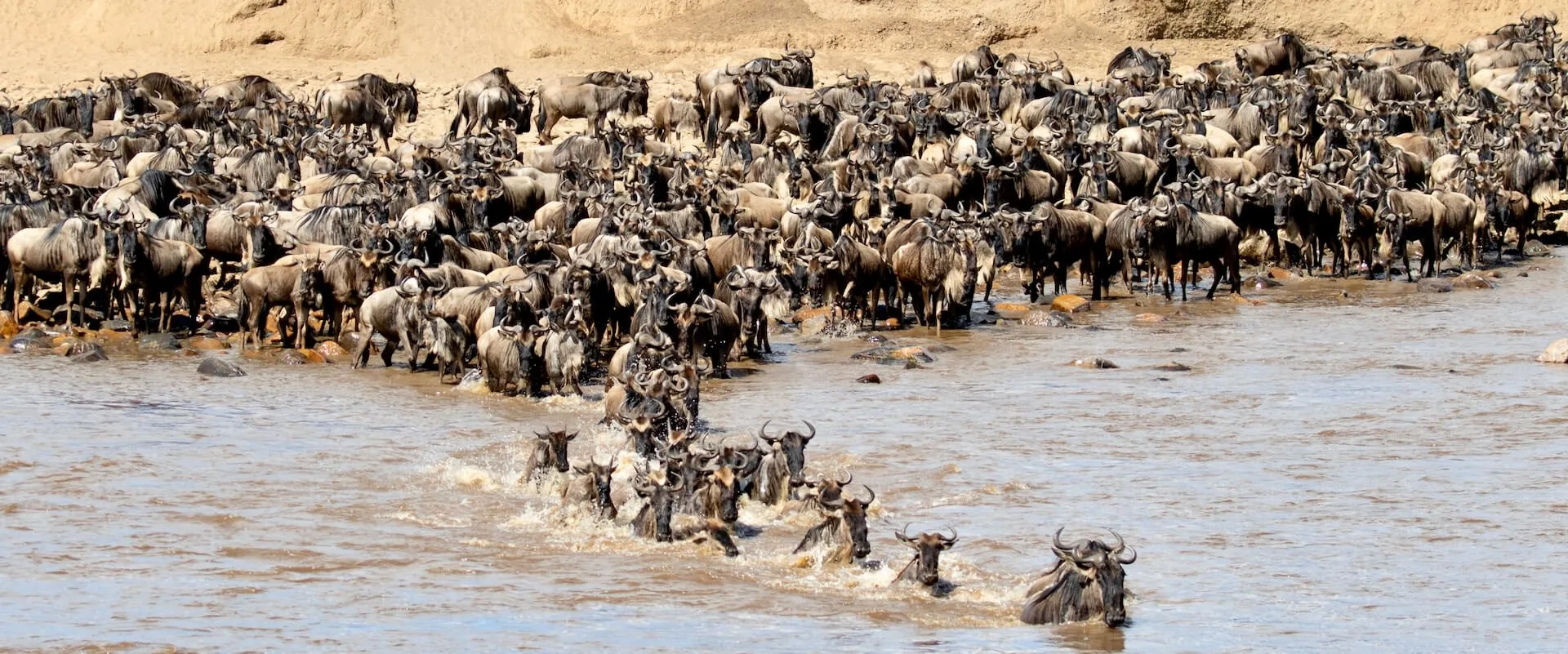
The Great Migration in Africa happens all year because the herds continuously circulate through the Serengeti–Mara ecosystem in…
Read article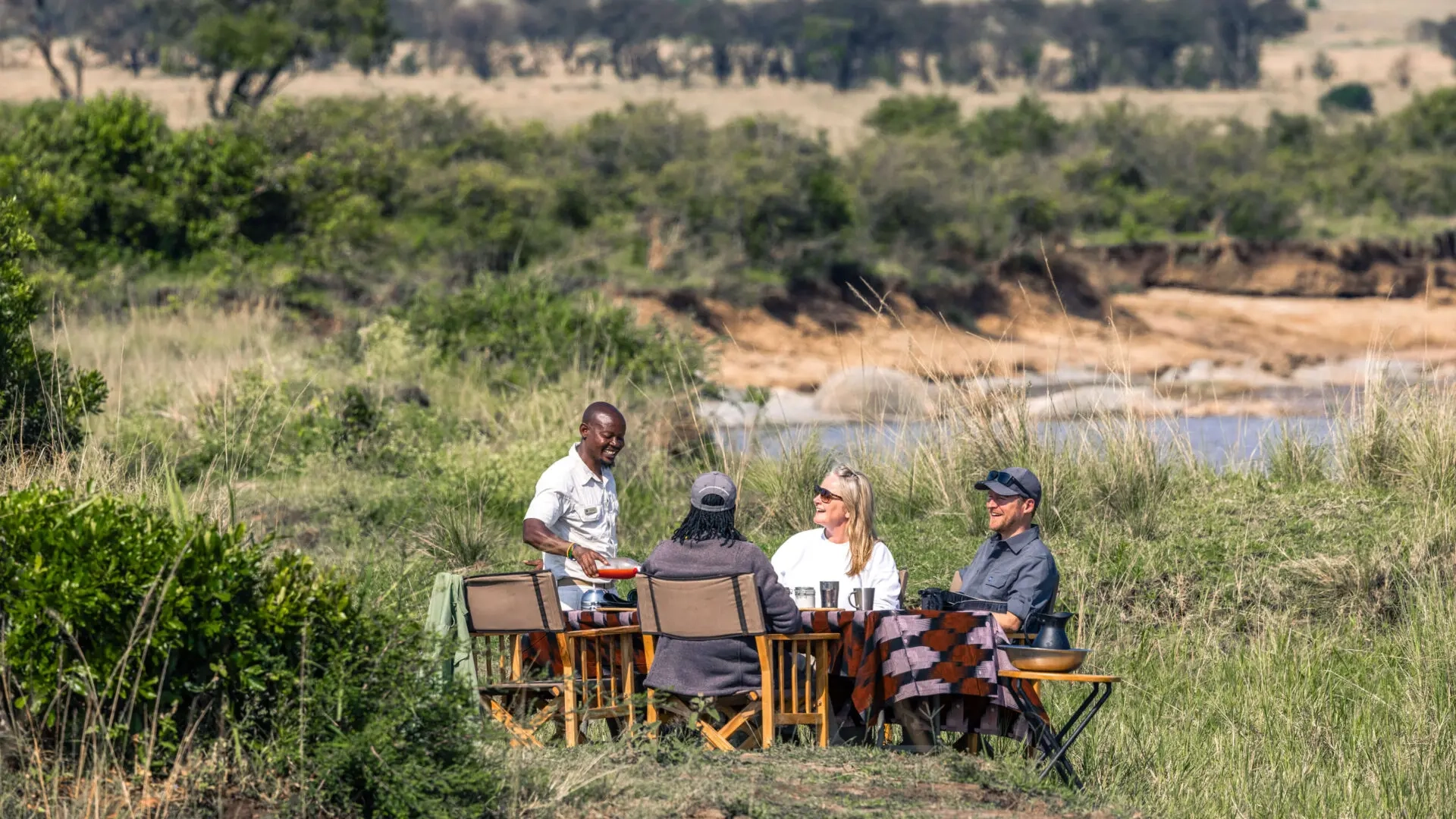
Definitive answer: A picnic lunch on safari is a packed or catered midday meal eaten at an approved…
Read article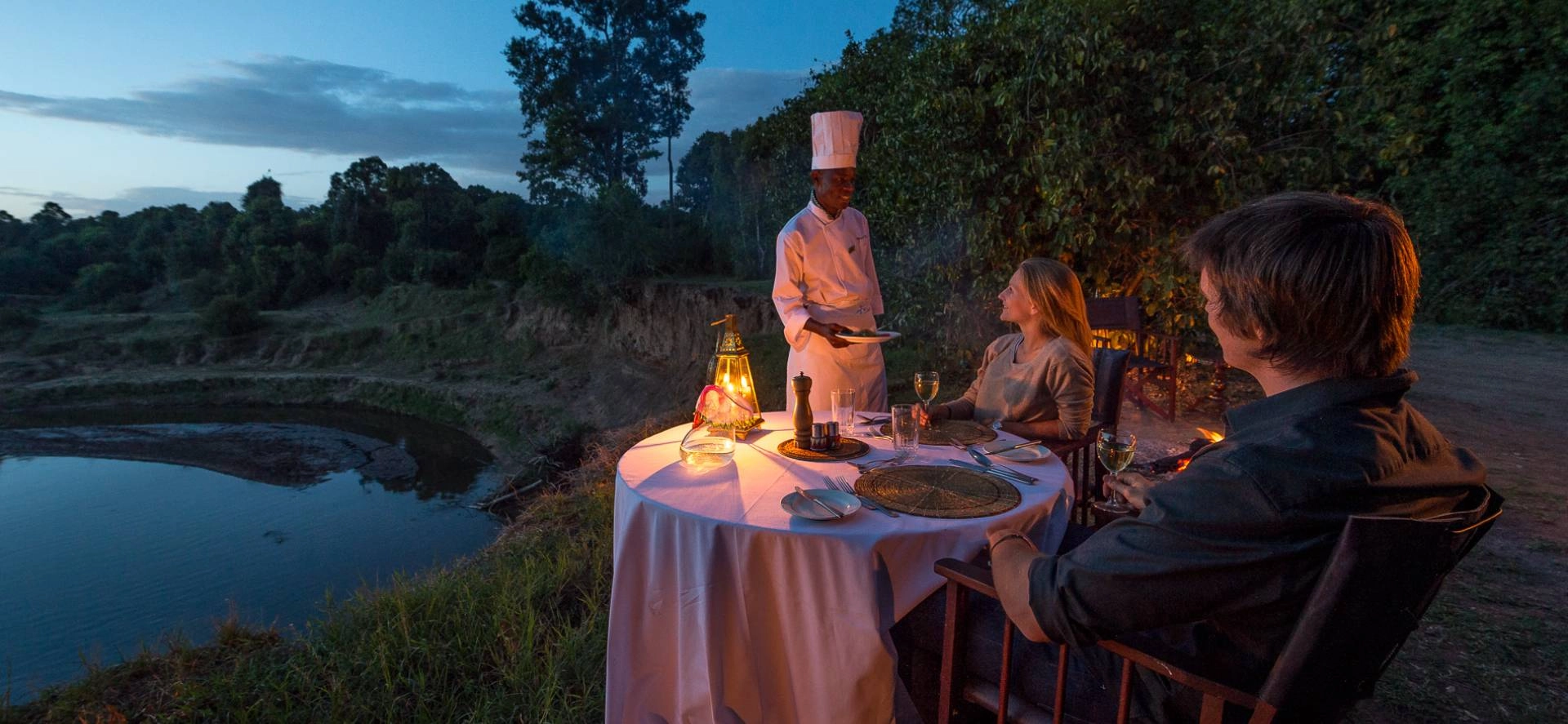
Definitive answer: A bush dinner is an outdoor evening meal arranged in a safe safari setting away from…
Read articleLet us take you closer to the wildlife, people and places that make Africa extraordinary.
Plan Your Safari Today