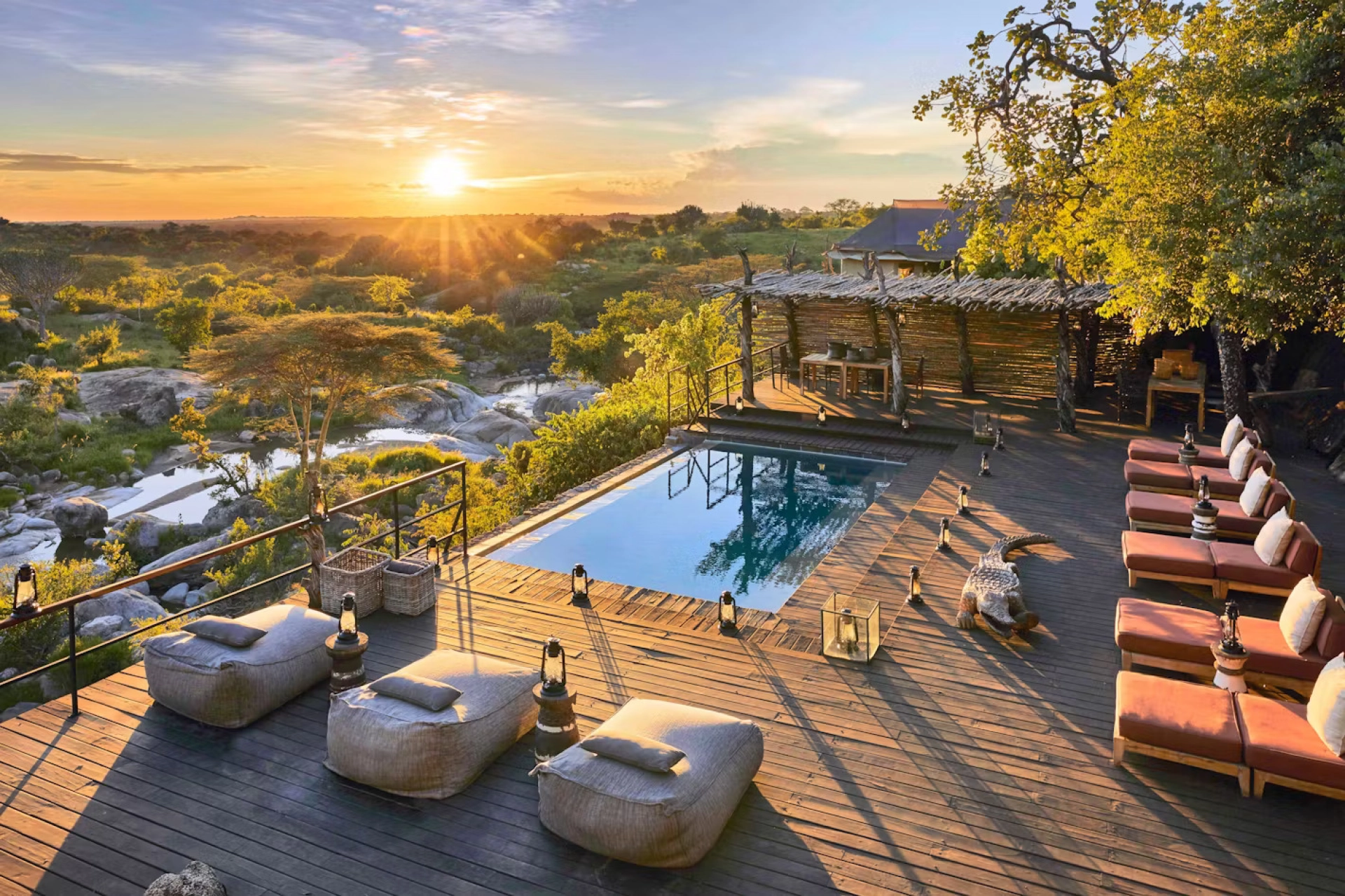
What should I look for when booking a luxury African safari?
When booking a luxury African safari, look beyond the room and compare the quality of guiding, wildlife location,…
Read article

Travel Guide
Most people imagine an African safari from the back seat of an open-sided four-wheel-drive vehicle. The classic picture is familiar: lions resting beside a dusty track, elephants crossing the savanna, giraffes silhouetted against acacia trees and…
Most people imagine an African safari from the back seat of an open-sided four-wheel-drive vehicle. The classic picture is familiar: lions resting beside a dusty track, elephants crossing the savanna, giraffes silhouetted against acacia trees and safari vehicles gathering around a leopard sighting. Yet some of Africa’s most rewarding wildlife encounters happen from an entirely different perspective—on the water.
A river safari in Africa allows travelers to glide quietly along waterways where animals naturally gather to drink, feed, cool themselves and cross from one habitat to another. Instead of following tracks across dry land, a boat follows the river itself, often placing travelers remarkably close to hippos, crocodiles, elephants, buffalo, antelope and enormous numbers of waterbirds.
The experience is fundamentally different from a game drive.
There is usually less dust, fewer bumps and a slower rhythm. You may spend twenty minutes watching a herd of elephants enter the water rather than driving onward in search of the next Big Five sighting. A kingfisher can become as interesting as a lion. Hippos, which may be difficult to appreciate properly from land, become central characters. Crocodiles lie along exposed banks, African fish eagles call from high branches and elephants sometimes swim or wade through channels within astonishingly close view.
For wildlife photographers, river safaris can be exceptional. Boats frequently provide a low viewing angle, while reflections, sunsets and uninterrupted backgrounds create photographic possibilities rarely available from vehicles. River safaris are also ideal additions to longer itineraries because they introduce variety. A traveler who has spent several days on game drives can suddenly experience the same ecosystem from water level. From the elephant-filled Chobe River in Botswana to Uganda’s wildlife-rich Kazinga Channel, Tanzania’s remote Rufiji River, the Zambezi and the waterways of the Okavango system, these are six of the best river safaris in Africa.
The biggest difference is perspective.
A game drive follows roads and tracks, meaning the vehicle must go where the road network allows unless off-road driving is permitted. A boat moves through an entirely different part of the ecosystem. Riverbanks frequently act as wildlife corridors. During dry months, animals may travel considerable distances to drink. Elephants, buffalo and antelope gather near permanent water, while predators sometimes patrol the same areas because prey is concentrated. The river therefore becomes an ecological meeting point.
From a boat, travelers may observe interactions that would be difficult to see from land: elephants splashing one another, hippos defending territories, crocodiles waiting at the water’s edge, monitor lizards searching for food, kingfishers diving and large flocks of birds feeding on exposed sandbanks. A river safari is also unusually relaxing. Instead of holding onto a vehicle across rough tracks, travelers can often sit comfortably with cameras or binoculars ready.
This makes African boat safaris attractive to families, older travelers, birders and photographers as well as experienced safari enthusiasts.
If you asked experienced safari travelers to name the ultimate African river safari, the Chobe River would appear near the top of almost every list.
The Chobe flows along the northern boundary of Chobe National Park in Botswana. Botswana Tourism describes the river as one of Africa’s most beautiful waterways and notes that the Chobe Riverfront supports extraordinary wildlife concentrations, particularly large herds of elephants and Cape buffalo during the dry winter months. That concentration is exactly what makes a Chobe boat safari so special. During the dry season, herds emerge from woodland and move toward the river. Elephants may drink, bathe, spray themselves with water and mud, or cross between islands.
Watching elephants from a boat is completely different from seeing them beside a safari vehicle. From water level, their scale becomes more apparent. You may watch a herd descend an exposed bank, calves hidden between adults. The animals wade into the river, sometimes submerging until only trunks and heads remain visible.
Northern Botswana supports one of Africa’s most significant elephant populations. During dry conditions, the permanent Chobe River becomes an essential resource. This can create astonishing scenes. It is possible to watch several elephant groups arriving independently along the riverfront while buffalo, impala, kudu, warthogs and giraffes occupy the surrounding floodplain. Botswana Tourism highlights the possibility of seeing very large numbers of elephants around the river during the dry season. The experience changes throughout the day.
Morning excursions may offer softer light and active birdlife. Late-afternoon cruises are particularly popular because elephants gather near the river as temperatures fall and the sun eventually sets over the floodplain.
Elephants are the headline attraction, but they are far from the only reason to go. Hippos occupy deeper channels. Nile crocodiles bask along banks and islands. Buffalo congregate near water. Waterbuck, kudu, impala and other antelopes may approach the shoreline. Predators occasionally appear as well, especially lions moving along the riverfront. The river is equally impressive for birds. African fish eagles are conspicuous, while kingfishers, herons, egrets, bee-eaters, storks and numerous other species create excellent birdwatching on the Chobe River. Botswana Tourism specifically identifies the wider Chobe region as an important destination for bird enthusiasts.
The dry season is particularly famous because wildlife becomes increasingly dependent upon permanent water. As seasonal pools disappear, animals concentrate along the Chobe River. This is why the period from roughly the middle of the year into the later dry season is so popular for wildlife viewing. The green season offers a very different experience. Vegetation becomes lush, migratory birds may increase diversity and young animals appear. Photographers may prefer the vibrant landscapes, even though wildlife can be more widely dispersed because temporary water is available elsewhere.
One of Chobe’s greatest practical advantages is its proximity to Victoria Falls. Many travelers combine several nights in Victoria Falls with one or more nights around Kasane and Chobe National Park. The journey links one of Africa’s greatest waterfalls with one of its finest wildlife waterways. This makes a Victoria Falls and Chobe safari an excellent option for travelers with limited time.
Uganda offers one of East Africa’s most productive boat-based wildlife experiences on the Kazinga Channel in Queen Elizabeth National Park.
The channel connects Lake George and Lake Edward, cutting through one of Uganda’s most famous wildlife areas. A boat cruise along Kazinga provides a completely different perspective from game drives across the Kasenyi Plains or Ishasha sector. Hippos are one of the major attractions. Large pods occupy the water while buffalo frequently rest or feed near the shoreline. Elephants may appear on the banks, particularly when they move toward water during warmer parts of the day.
Nile crocodiles can also be seen, along with monitor lizards and antelope.
The Kazinga Channel is particularly rewarding for birders. Its shorelines attract large numbers of waterbirds, creating excellent opportunities to see species at relatively close range. Pelicans, cormorants, herons, egrets, kingfishers and African fish eagles are frequently associated with the system. Seasonal migrants further increase diversity. For travelers planning a Uganda birding safari, the Kazinga Channel is therefore more than a relaxing afternoon excursion. It can be one of the most productive bird photography sessions of the journey.
The biggest strength of the experience is its location. Queen Elizabeth National Park contains multiple safari ecosystems. Visitors can undertake game drives, search for lions and other predators, explore crater landscapes and then move onto the water for the boat safari. A longer itinerary can connect Queen Elizabeth with Kibale National Park for chimpanzee trekking and Bwindi Impenetrable National Park for mountain gorilla trekking. That means one safari can combine:
gorilla trekking, chimpanzee tracking, savanna game drives, boat safaris and birdwatching. Few African destinations provide this variety within such a manageable route.
Kazinga is a year-round attraction. Unlike purely seasonal rivers, the channel provides permanent water. Dry-season periods can produce particularly rewarding concentrations of wildlife around shorelines. Green-season travel has advantages for birding and photography because vegetation is more vibrant. The boat trip can therefore be incorporated into most Uganda safari itineraries regardless of travel month.
Farther north, Uganda offers another exceptional river safari on the Victoria Nile in Murchison Falls National Park.
This is one of the most dramatic waterways in East Africa because the boat journey combines wildlife with the approach toward one of the continent’s most powerful waterfalls. The experience usually begins on relatively broad sections of river. Hippos occupy pools, crocodiles lie along the banks and elephants may emerge from woodland to drink. Giraffes, buffalo, antelopes and other mammals can sometimes be observed along the shoreline. Birdlife is prolific.
Then the landscape gradually changes. The current becomes increasingly obvious and rocky escarpments begin narrowing around the river. Ahead lies Murchison Falls, where the Nile is forced through a narrow rocky gorge before plunging downstream.
A Nile boat safari creates outstanding opportunities for photography because many animals spend time close to the water. Hippos dominate sections of the river. Crocodiles can reach impressive sizes. Elephants frequently use the river margin. African fish eagles, pied kingfishers, red-throated bee-eaters and numerous wetland species make the route especially interesting for birders. Murchison is also one of Uganda’s important areas for travelers hoping to see the shoebill, although sightings are never guaranteed.
The classic excursion moves upstream toward Murchison Falls. As the boat approaches the turbulent water below the gorge, passengers gain a dramatic perspective of the waterfall. The final safe stopping point allows photographs toward the falls before the boat returns downstream. Many travelers combine this cruise with a road visit to the top of Murchison Falls. Seeing the waterfall from both directions makes it easier to understand its extraordinary geology.
Some itineraries also focus on the Nile Delta area toward Lake Albert. These excursions can be particularly attractive for birders and travelers hoping to search for shoebills. The atmosphere is different from the falls cruise. Instead of dramatic white water, the emphasis shifts toward wetlands, birdlife and quiet wildlife observation.
Murchison fits naturally into a comprehensive Uganda itinerary. Travelers may begin in Entebbe, continue north to Murchison, then travel through Kibale and Queen Elizabeth before finishing in Bwindi. This produces a remarkably complete Uganda wildlife safari covering: the Nile, savanna game drives, waterfall landscapes, chimpanzees, gorillas, birding, and boat-based wildlife viewing.
Travelers who have already experienced the busy northern Tanzania safari circuit often discover an entirely different atmosphere in Nyerere National Park.
Located in southern Tanzania, Nyerere protects a vast wilderness of miombo woodland, floodplains, lakes and channels associated with the Rufiji River. Tanzania National Parks describes the Rufiji as one of East Africa’s great wild river systems and specifically identifies boat safaris on the Rufiji as a signature experience. Visitors can encounter hippos, crocodiles, elephants and buffalo around the water, while fish eagles, skimmers, kingfishers and bee-eaters contribute to excellent birding.
The Rufiji experience feels less developed than many classic safari waterways. The surrounding landscapes are enormous. Channels divide, lakes spread away from the main river and wildlife appears along banks framed by palms, woodland and floodplains. Boat excursions usually proceed slowly, allowing guests to watch hippos, crocodiles and birds rather than racing between sightings. At sunset, the Rufiji can be particularly beautiful. Warm light reflects across the water while hippos surface nearby and fish eagles call from riverside trees.
Elephants frequently approach the river and associated lakes. Buffalo, waterbuck and other species also spend time near the water. TANAPA notes that the Rufiji floodplains support substantial big-game populations including elephants, buffalo, hippos and crocodiles. Nyerere is also important for predators. Lions occur across the park, and the wider ecosystem is particularly significant for African wild dogs. This allows travelers to combine a peaceful boat safari with conventional game drives searching for predators.
Birders can spend long periods working the riverbanks. African fish eagles are conspicuous. Kingfishers occupy suitable perches. Bee-eaters use exposed banks and woodland edges. Skimmers may appear around suitable river habitats. Because the river safari moves quietly, birds can sometimes be observed at much closer range than from shore.
Nyerere works particularly well for travelers interested in southern Tanzania safaris. It can be combined with Ruaha National Park or used as an alternative to the Serengeti and Ngorongoro circuit. For repeat visitors to Tanzania, the combination of boating, walking and game drives creates a refreshing change from vehicle-dominated safari itineraries.
The Zambezi River is one of Africa’s great waterways. Its journey through southern Africa creates multiple safari environments, from the areas upstream of Victoria Falls to the Lower Zambezi and Mana Pools landscapes farther downstream. A Zambezi River safari can therefore mean several slightly different experiences.
Near Victoria Falls, sunset cruises are extremely popular. These excursions are generally more relaxed than dedicated wildlife safaris. Travelers may see hippos, crocodiles, elephants and numerous birds while enjoying sunset over the river. They are ideal after a day exploring Victoria Falls. The attraction is atmosphere. The Zambezi above the waterfall can appear remarkably peaceful considering that the same water soon plunges into the famous gorge.
Farther downstream, the river forms one of Africa’s most important wildlife corridors. The Lower Zambezi National Park in Zambia sits opposite Zimbabwe’s Mana Pools ecosystem. This region offers superb opportunities for boating and canoeing. Elephants frequently move close to the river. Hippos and crocodiles are abundant. Buffalo, antelope and predators use the surrounding floodplains and woodland. Zambia Tourism prominently markets the country’s wild Zambezi and waterways as part of its signature safari identity.
For adventurous travelers, canoeing provides an even more intimate experience than a powered boat safari. Sitting near water level makes hippos, elephants and riverbanks feel enormous. The experience should always be undertaken with experienced professional guides because the Zambezi contains dangerous wildlife and powerful currents. A Zambezi canoe safari rewards travelers who enjoy active adventures and are comfortable spending long periods outdoors.
On the Zimbabwean side, Mana Pools National Park is legendary for its wilderness atmosphere. Its floodplains lie along the Zambezi River and support elephants, buffalo, wild dogs and numerous other species. Canoeing has long formed part of Mana Pools’ safari tradition, with both single-day and multi-day excursions historically offered. The combination of walking safari and canoe safari makes Mana Pools one of Africa’s most immersive wilderness destinations.
The Okavango Delta is technically an inland delta rather than a conventional single-river boat safari destination, but no list of Africa’s finest wildlife-on-water experiences would be complete without it. The Okavango River begins far to the north and eventually spreads across Botswana’s Kalahari Basin. Instead of reaching the ocean, its water disperses into a vast network of floodplains, lagoons, channels and islands. Botswana Tourism describes the Okavango as the world’s largest intact inland delta and highlights boating and traditional mokoro excursions among its principal safari activities.
The mokoro is one of Africa’s most distinctive safari experiences. Traditionally carved as a dugout canoe, modern conservation-minded operations may use fiberglass versions. A poler stands at the rear and guides the vessel through shallow channels. There is no engine. The silence changes everything. You hear frogs, birds, splashing water and wind moving through papyrus. Reed frogs may cling to stems almost at eye level. Dragonflies cross the channels. Water lilies spread across open pools.
Large wildlife may appear at the edges of islands.
Botswana Tourism records an extraordinary diversity of mammals, birds, fish, reptiles and plants across the wider Okavango region. Major mammals include elephant, buffalo, giraffe, hippo, crocodile, red lechwe, antelope, lion, leopard and other predators. The experience varies greatly by concession and season. Some areas are permanently wet. Others flood seasonally. Certain camps offer both motorboat and mokoro excursions, while others emphasize game drives because their surrounding terrain is relatively dry.
One unusual feature of the Okavango is that seasonal floodwater can arrive during Botswana’s dry winter months. The timing and extent vary depending on rainfall in the distant Angolan highlands and how that water moves through the river system. For travelers prioritizing water-based safari activities, choosing the correct camp and concession matters just as much as choosing the travel month. A safari planner should confirm whether the selected property normally offers mokoro and boating activities during your dates.
These two Botswana experiences are often compared, yet they are fundamentally different. Choose Chobe if you want large-scale wildlife viewing, especially elephants, from a motorboat on a broad permanent river. Choose the Okavango Delta if you want intimate wetland exploration, quiet channels and a wilderness experience that can include mokoro excursions. Chobe often delivers more immediately dramatic concentrations of animals. The Okavango delivers a greater sense of immersion. Combining both is ideal.
A Botswana itinerary can begin in the Delta before traveling toward Chobe and Victoria Falls, creating one of Africa’s strongest water-based safari circuits.
Uganda and Botswana provide very different experiences. Uganda’s Kazinga Channel and Nile excursions work particularly well within broader itineraries involving gorillas and chimpanzees. Botswana emphasizes vast wilderness and large concentrations of elephants. Travelers wanting maximum biodiversity within a single trip may prefer Uganda. Travelers primarily interested in high-end savanna and wetland safari experiences may lean toward Botswana. Neither is objectively better. They answer different safari priorities.
The Chobe River is arguably Africa’s most famous destination for seeing elephants from the water. Dry-season gatherings can be extraordinary. The Lower Zambezi and Rufiji also produce excellent elephant sightings. In the Okavango, elephants may appear along islands and waterways, although encounters depend heavily on location and season.
Nearly every destination in this guide offers hippos. The Kazinga Channel is particularly famous for large concentrations. The Nile in Murchison, Rufiji River, Chobe, Zambezi and Okavango all provide strong opportunities. Hippos should always be treated with respect. They are territorial and potentially dangerous, which is why travelers should use professional licensed operators and follow guide instructions.
All six destinations are outstanding. The Kazinga Channel is particularly productive because enormous numbers of waterbirds gather along its shores. The Okavango offers exceptional wetland diversity. Chobe combines waterbirds with excellent riverfront viewing. The Rufiji provides both aquatic species and birds associated with miombo and floodplain habitats. Murchison allows birders to search for Nile species and potentially shoebills. For serious birders, river excursions should be treated as core safari activities rather than optional afternoon additions.
Photographers may prefer Chobe because specialized photographic boats are available from some operators and wildlife frequently approaches the river closely. Kazinga offers unusually dense shoreline activity. Rufiji is excellent for atmospheric sunset imagery. The Okavango provides reflections, wetland landscapes and intimate mokoro compositions. The Zambezi delivers dramatic wilderness settings. A boat has one major photographic advantage over a safari vehicle: the possibility of a much lower shooting angle. Water-level images of elephants, hippos and birds can feel dramatically more intimate.
Timing depends entirely on destination. Chobe becomes particularly productive in the dry season when animals concentrate along permanent water. Uganda’s Kazinga Channel and Nile remain valuable throughout the year. The Rufiji responds to seasonal rainfall and road conditions. The Lower Zambezi has a strongly seasonal safari calendar. Okavango water levels depend partly on floodwaters moving south from Angola. The best strategy is therefore to select the destination first and then match the season to your primary wildlife goal.
Sun exposure can be intense because water reflects light. A wide-brimmed hat, sunscreen and sunglasses are useful. Bring binoculars, even if birds are not your primary interest. A camera with a telephoto lens is ideal. Waterproof protection is sensible for equipment, particularly on smaller boats. Neutral clothing works well, although the strict color considerations associated with walking safaris are less important on motorboats. During early-morning or evening excursions, carry a warm layer.
Temperatures can drop quickly once the sun disappears.
Professional river safaris are designed around wildlife safety. Hippos and crocodiles require particular respect. Never trail hands in the water. Do not stand suddenly in small craft unless your guide says it is safe. Follow instructions during elephant encounters and never encourage a guide to approach animals closer than responsible viewing distances. Canoe safaris demand an even greater level of discipline. Travelers should listen carefully to the safety briefing before departure.
A river safari changes the way you see African wildlife. From a vehicle, the landscape moves past you. On the water, the river seems to bring the wildlife toward you. Elephants descend the bank to drink. Hippos surface beside the boat. Crocodiles lie motionless in the sun. Kingfishers dive from exposed branches. Fish eagles call overhead. At sunset, the entire scene reflects across the water. For first-time travelers, Chobe provides one of the strongest introductions.
For Uganda itineraries, the Kazinga Channel and Nile create perfect complements to gorilla trekking and game drives. For wilderness enthusiasts, the Rufiji and Zambezi provide a more remote experience. For quiet immersion, few experiences compare with drifting through the Okavango Delta in a mokoro. The best river safaris in Africa therefore are not substitutes for traditional game drives. They reveal an entirely different layer of the safari. And once you have watched an elephant family crossing a river from water level, it becomes difficult to imagine an African safari without spending at least part of it on the water.
Get quick answers to the most common questions. If you still have questions, our safari experts are here to help.
The Chobe River is one of the strongest all-round choices, particularly for elephants. However, Kazinga is excellent for hippos and birds, the Rufiji for wilderness, the Zambezi for adventure and the Okavango for intimate wetland experiences.
Chobe National Park is especially famous for this. Elephants are also frequently encountered around the Rufiji, Lower Zambezi and Okavango.
Yes. The Kazinga Channel in Queen Elizabeth National Park and the Victoria Nile in Murchison Falls National Park are two of Uganda’s premier boat safari destinations.
Many motorboat safaris are suitable for families, although age restrictions vary among operators. Canoeing and certain specialized activities may have stricter minimum-age requirements.
Depending on destination, you may encounter elephants, hippos, crocodiles, buffalo, antelopes, giraffes, primates, monitor lizards and numerous bird species.
They are complementary rather than competing experiences. Game drives are better for searching broad landscapes and predators, while river safaris provide exceptional access to wildlife concentrated around water.
Yes. Uganda is particularly good for this combination because a journey can connect Bwindi gorilla trekking with Kazinga Channel and Murchison Falls boat safaris.
Our safari experts are here to help you plan your safari. Get personalized advice, the latest information and a free, no-obligation quote.
We typically reply within a few hours.

Share This Article
When booking a luxury African safari, look beyond the room and compare the quality of guiding, wildlife location,…
Read article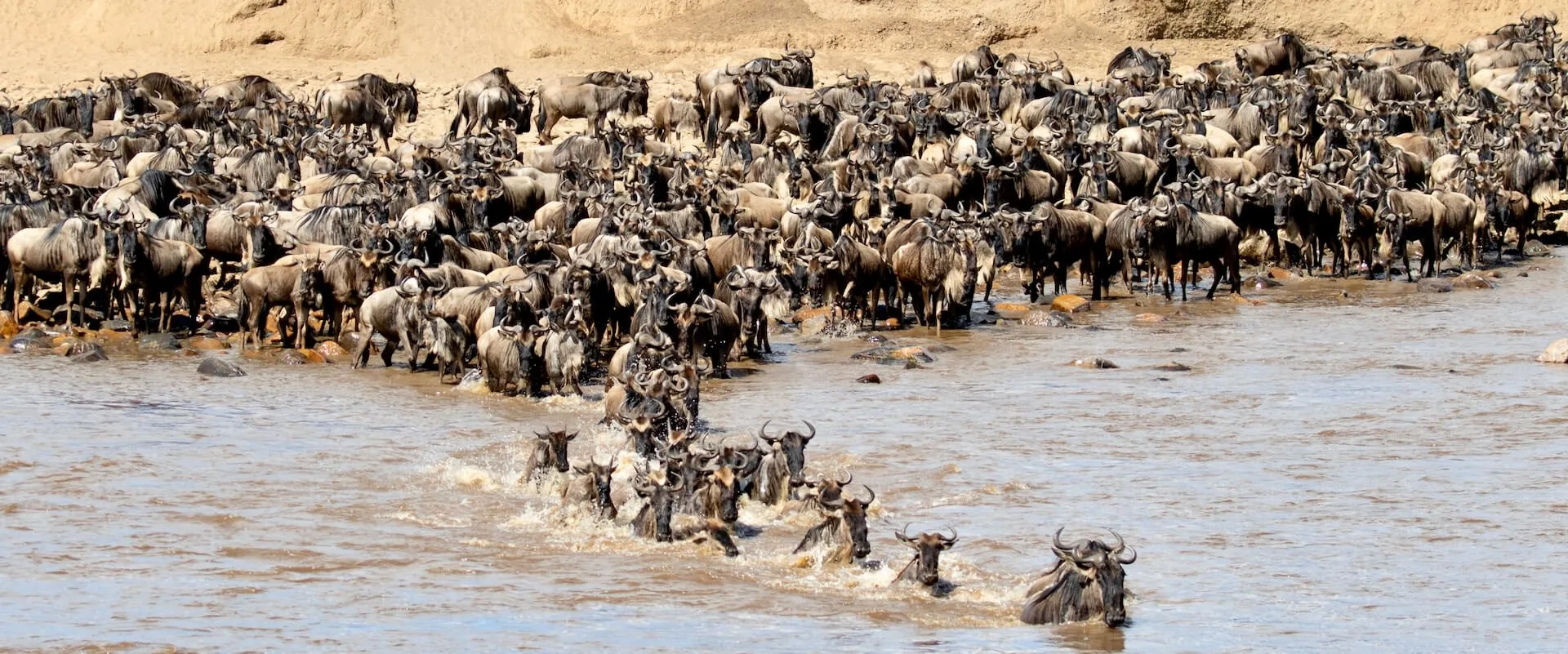
The Great Migration in Africa happens all year because the herds continuously circulate through the Serengeti–Mara ecosystem in…
Read article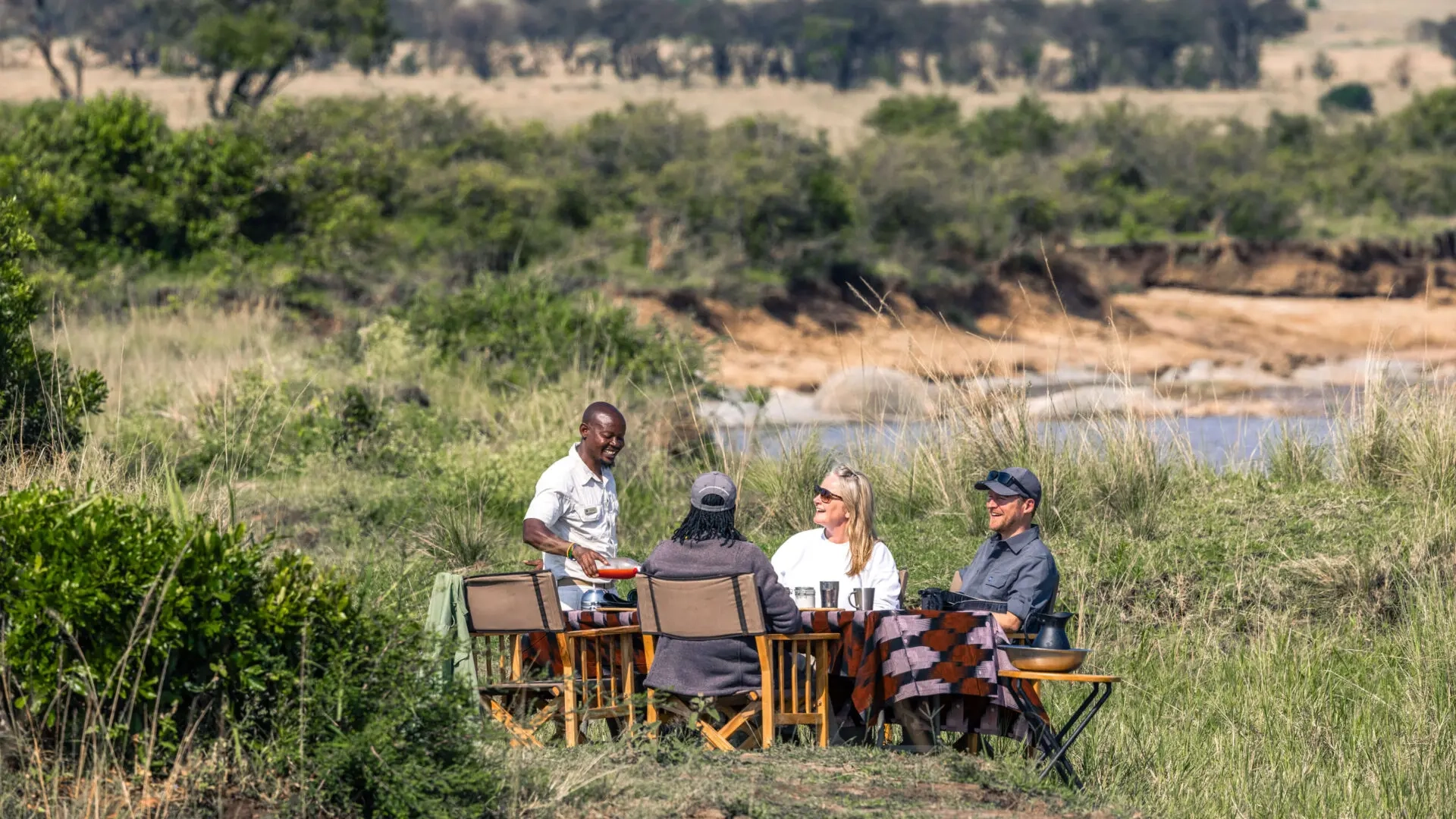
Definitive answer: A picnic lunch on safari is a packed or catered midday meal eaten at an approved…
Read article
Definitive answer: A bush dinner is an outdoor evening meal arranged in a safe safari setting away from…
Read articleLet us take you closer to the wildlife, people and places that make Africa extraordinary.
Plan Your Safari Today