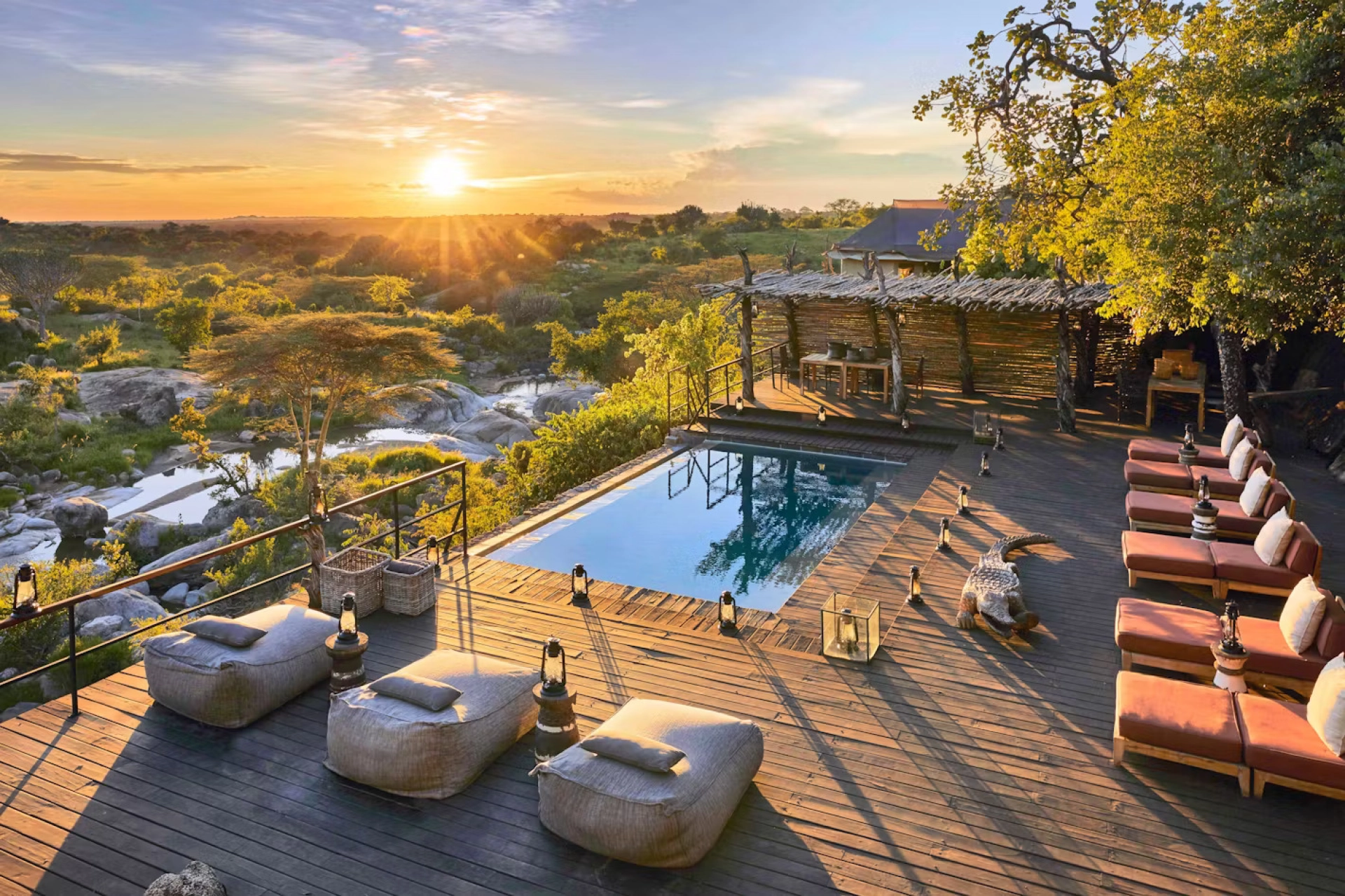
What should I look for when booking a luxury African safari?
When booking a luxury African safari, look beyond the room and compare the quality of guiding, wildlife location,…
Read article

Travel Guide
South Africa is best known internationally for Big Five safaris, Cape Town, Table Mountain, vineyards and extraordinary wildlife. Yet the country also has one of the most varied coastlines in Africa, stretching for thousands of kilometers…
South Africa is best known internationally for Big Five safaris, Cape Town, Table Mountain, vineyards and extraordinary wildlife. Yet the country also has one of the most varied coastlines in Africa, stretching for thousands of kilometers between the Atlantic and Indian Oceans. That enormous coastline means there is no single type of South Africa beach holiday. Around Cape Town, visitors find dramatic mountain-backed beaches, granite boulders, fashionable oceanfront neighborhoods and famously cold Atlantic water. Along the Garden Route, forested mountains meet long beaches, estuaries and lagoons. KwaZulu-Natal delivers warmer Indian Ocean conditions, subtropical vegetation and some of the country’s best swimming, snorkeling and diving environments.
Elsewhere, remote sections of the Wild Coast remain remarkably undeveloped. For travelers planning a safari, the variety becomes even more valuable. South Africa makes it possible to track lions and elephants, explore vineyards, hike mountains and relax beside the ocean without leaving the same country. The challenge is deciding which coastline best suits your trip. This detailed guide explores the best beaches in South Africa, from Cape Town to KwaZulu-Natal, and explains how to combine them with safaris, road trips, wildlife encounters and other highlights.
South Africa’s coastline is unusually diverse because two major oceans influence it. The Atlantic Ocean lies along the west and southwest coast. Its waters are generally cooler because of the Benguela Current. The Indian Ocean influences the eastern coastline and is substantially warmer. The meeting of these oceanic systems contributes to South Africa’s extraordinary marine biodiversity. For travelers, the practical result is simple: beach experiences vary dramatically depending on location.
Cape Town may offer warm sunshine but very cold seawater. Durban can provide subtropical swimming conditions even when the Western Cape is much cooler. This geographical diversity allows travelers to choose beaches according to season and preferred activities.
Few Cape Town beaches are as recognizable as Camps Bay. A wide strip of pale sand lies beneath the dramatic Twelve Apostles mountain range, while restaurants, cafés and bars line the road behind the beach. The setting is spectacular. On clear summer evenings, visitors gather to watch the sun descend toward the Atlantic. Camps Bay is less about isolation and more about combining beach scenery with Cape Town’s social atmosphere.
The Atlantic water is extremely cold compared with tropical Indian Ocean destinations. Visitors expecting Zanzibar-style temperatures may be surprised. Many beachgoers therefore spend more time sunbathing, walking and enjoying the scenery than swimming for extended periods.
Camps Bay is one of Cape Town’s most desirable accommodation areas. Hotels, villas and apartments climb the slopes above the shoreline. Staying here can be ideal for travelers who prioritize ocean views and restaurants but still want relatively quick access to central Cape Town and Table Mountain.
Just north of Camps Bay lie the famous Clifton Beaches. Clifton is divided into four main beaches separated by granite formations. The coves are smaller than Camps Bay and often feel somewhat sheltered from Cape Town’s wind, although conditions vary. White sand, turquoise-looking water and dramatic hillside homes make Clifton particularly photogenic. It is one of the best Cape Town beaches for sunset, relaxing and social beach days. Each section attracts a slightly different crowd, but visitors can easily move between them.
Parking can be challenging during busy summer periods, so transport planning is worthwhile. As elsewhere along the Atlantic Seaboard, water temperatures remain cold.
Continue south and you reach Llandudno, one of Cape Town’s most beautiful beaches. There is less commercial development directly beside the sand than at Camps Bay. Huge granite rocks, steep hills and white sand produce a wild atmosphere despite the beach’s proximity to an affluent residential area. Llandudno is popular with surfers, photographers and local beachgoers. The surf and currents can be powerful, so visitors should pay attention to conditions and lifeguard guidance.
For couples and photographers, sunset can be especially impressive.
Boulders Beach is unlike almost any other beach in South Africa. Its main attraction is not simply sand or swimming. It is the resident colony of African penguins. Large granite boulders create sheltered coves near Simon’s Town on the False Bay side of the Cape Peninsula. Boardwalks allow visitors to observe penguins while helping protect sensitive nesting areas.
Most travelers visit while driving toward Cape Point. This creates an outstanding full-day journey from Cape Town through coastal scenery, penguin habitat and the dramatic landscapes of the Cape Peninsula. Boulders demonstrates why South Africa beach holidays often involve wildlife as much as traditional sunbathing.
African penguins are wild animals. Visitors should maintain appropriate distance, follow protected-area rules and never attempt to touch or feed them. A penguin resting beside a path may appear approachable, but wildlife should always be given space.
On the False Bay coastline lies Muizenberg, one of Cape Town’s classic surfing destinations. The beach is famous visually for brightly painted beach huts arranged along the sand. It is particularly popular with beginner surfers because several surf schools operate in the area. Water temperatures on the False Bay side can be somewhat more tolerable than those on the Atlantic Seaboard, although conditions remain far from tropical.
Muizenberg is one of the most accessible places for visitors interested in introductory surf lessons. Rental shops and schools make equipment easy to arrange. Travelers should always pay attention to daily ocean conditions and local safety information.
Many iconic photographs of Table Mountain are actually taken from Bloubergstrand rather than central Cape Town. From this coastline north of the city, Table Mountain appears across Table Bay in its familiar flat-topped form. That view alone makes Blouberg one of the best beaches near Cape Town for photography. Wind conditions also make parts of the area popular with kite surfers and wind sport enthusiasts. Blouberg works well for travelers who want coastal scenery without necessarily spending the entire day swimming.
Sunset can be especially beautiful.
The vast expanse of Noordhoek Beach feels surprisingly remote considering its proximity to Cape Town. Sand stretches for kilometers beneath mountains at the western side of the Cape Peninsula. The beach is popular for walking and horseback riding. Strong ocean conditions mean it is not necessarily the ideal choice for casual swimming, but as a landscape destination it is outstanding. Driving Chapman’s Peak Drive before or after visiting Noordhoek creates one of South Africa’s great scenic coastal experiences.
For photographers, road-trip travelers and couples looking for a quieter beach, Noordhoek deserves serious consideration.
Fish Hoek offers a more traditional community beach environment on False Bay. Its broad sandy beach and generally sheltered setting make it popular with families and local swimmers. The surrounding town provides restaurants, shops and accommodation. Visitors exploring the peninsula can combine Fish Hoek with Kalk Bay, Simon’s Town and Boulders Beach. Kalk Bay in particular is worthwhile for seafood, harbor scenery and independent shops.
Within the Cape Point region are some of South Africa’s most dramatic beaches. Diaz Beach lies beneath steep cliffs and feels wild and exposed. Reaching it involves a considerable descent and corresponding climb back up. It is not primarily a swimming destination. Instead, the attraction is scenery. Powerful ocean energy, cliffs and isolation remind visitors that the Cape Peninsula is a genuine wilderness environment rather than merely a scenic extension of Cape Town.
Travel east from Cape Town toward the famous Garden Route, and the landscape changes. Forests, lakes, mountains, lagoons and beaches create one of South Africa’s premier road-trip regions. Wilderness is especially well named. Its long sandy coastline appears to stretch endlessly beneath forested hills. The town itself is relaxed and attractive, making it an excellent stop for travelers who want to spend more than one night on the Garden Route.
Nearby lakes and waterways offer canoeing and nature activities. Hiking trails add another dimension. The combination of forest and ocean means Wilderness suits travelers who want an active beach destination rather than only sunbathing.
Near George lies compact Victoria Bay. The beach occupies a small cove surrounded by steep green slopes and holiday homes. It has a completely different atmosphere from huge beaches such as Wilderness. Surfers particularly appreciate the bay. For Garden Route road trippers, Victoria Bay makes a pleasant short stop even when you are not planning to surf. Its small scale and scenic setting provide excellent photography opportunities.
Closer to Knysna, Buffels Bay offers another appealing Garden Route beach. The surrounding area feels less urban than many South African coastal destinations. Long walks, ocean scenery and a quiet holiday atmosphere are the main attractions. Travelers staying around Knysna can incorporate Buffels Bay into a day exploring surrounding coastal areas. It is an especially good choice for visitors who want to escape the busier town centers.
Plettenberg Bay, usually called Plett, is one of the best-established beach destinations along the Garden Route. Its combination of sandy beaches, coastal scenery, restaurants and nearby nature reserves makes it suitable for several nights. Beaches include long open stretches and smaller sections near town. The nearby Robberg Nature Reserve adds exceptional hiking. Trails cross a rugged peninsula with cliffs, beaches and marine views. Wildlife sightings vary naturally, but seals and marine birds may be observed in the broader region.
Accommodation ranges from guesthouses to luxury properties. Restaurants and activities make it convenient for families, while boutique hotels and dramatic scenery attract honeymooners. It also works extremely well as part of a South Africa self-drive holiday.
Nature’s Valley sits between forested mountains and the sea near Tsitsikamma. The area has a much quieter atmosphere than large resort towns. A lagoon, forest and beach exist within a compact natural landscape. For travelers interested in hiking and wilderness, Nature’s Valley is one of the most attractive stops on the Garden Route. It is especially appealing after busier destinations such as Cape Town or Plettenberg Bay. The beach itself can feel remarkably uncrowded outside peak holiday periods.
Jeffreys Bay, commonly known as J-Bay, is internationally famous for surfing. Its long right-hand point breaks have attracted surfers from around the world. Even travelers who do not surf may enjoy the relaxed coastal atmosphere. Beaches stretch along the town, while surf shops and cafés reinforce J-Bay’s identity.
Surfers should obviously include it. Road-trip travelers heading toward the Eastern Cape can also use J-Bay as an overnight stop. Those who prefer wilderness and minimal development may favor Nature’s Valley or parts of the Wild Coast instead.
South Africa’s Wild Coast is dramatically different from Cape Town or Durban. Rolling green hills descend toward undeveloped beaches, rivers and cliffs. Traditional rural communities remain an important part of the region. Coffee Bay is one of the better-known access points for travelers. The atmosphere is informal and adventurous.
A famous natural landmark near Coffee Bay is Hole in the Wall, where erosion created a large opening through a coastal rock formation. Guided hikes can combine coastal scenery with cultural context.
Travelers who value luxury infrastructure may find the region challenging. Road conditions, services and transport can require greater planning. But visitors looking for uncrowded beaches in South Africa may consider it one of the country’s most rewarding areas. Responsible travel is particularly important in communities where tourism forms part of local livelihoods.
Arriving in KwaZulu-Natal introduces an entirely different coastal climate. Durban faces the Indian Ocean and offers considerably warmer water than Cape Town’s Atlantic beaches. The Golden Mile stretches along the city’s waterfront and has long been associated with swimming, surfing, walking and cycling. Durban’s subtropical climate means beach culture is a major part of city life.
The city is one of South Africa’s most culturally diverse. Its large Indian-origin community has profoundly influenced local cuisine. Trying Durban’s food—particularly dishes connected with the city’s Indian heritage—should be part of a visit. Markets, cultural attractions and neighborhoods add depth beyond the beachfront.
KwaZulu-Natal allows travelers to combine beaches with nearby wildlife areas. Game reserves farther north offer traditional safari experiences, while coastal protected areas add wetlands and marine ecosystems. This makes Durban an excellent gateway for a South Africa safari and beach holiday.
North of central Durban, Umhlanga provides a more polished beach-resort atmosphere. Hotels, restaurants, shopping facilities and beachfront promenades attract both domestic and international visitors. The iconic lighthouse adds a recognizable feature to the coastline. Umhlanga is convenient for travelers who want beach access without sacrificing urban services. King Shaka International Airport is also relatively accessible. For families or couples seeking a straightforward resort stay before or after safari, Umhlanga can work extremely well.
One of KwaZulu-Natal’s most interesting coastal experiences lies within the iSimangaliso Wetland Park region. Cape Vidal combines Indian Ocean coastline with protected natural environments. The broader region includes wetlands, forests, lakes, dunes and wildlife habitat. This creates a rare situation where a traveler can experience a beach as part of a wider conservation landscape rather than a developed resort. Depending on conditions, snorkeling and other coastal activities may be possible in appropriate areas, but visitors should always follow local safety information.
The nearby town of St Lucia is a popular base. The surrounding system is known for hippos, crocodiles, birdlife and diverse habitats. Visitors can join boat trips and nature excursions before continuing farther north toward safari reserves. For wildlife-focused travelers, this is one of the strongest beach and safari combinations in South Africa.
Farther north lies Sodwana Bay, one of South Africa’s most important diving destinations. Warm Indian Ocean currents and coral reef systems create underwater conditions dramatically different from the Cape coast. Scuba divers travel here specifically for marine biodiversity. Snorkeling opportunities depend on conditions and location. Sodwana’s remote setting also creates a stronger wilderness atmosphere than urban beach resorts.
The greatest appeal is geographic. Travelers can combine Sodwana with northern KwaZulu-Natal wildlife reserves. This makes it possible to experience coral reefs and Big Five wildlife within the same general region. Few African destinations offer such a convenient contrast.
A list of twenty beaches still cannot capture the entire coastline. South Africa contains numerous smaller beaches, bays and coastal towns deserving exploration. The West Coast north of Cape Town has long beaches, fishing communities and seasonal wildflower attractions. Hermanus and surrounding areas combine coastal scenery with seasonal whale-watching opportunities. The Eastern Cape contains numerous beaches beyond the better-known Garden Route. KwaZulu-Natal extends toward the Mozambique border through increasingly subtropical landscapes.
This diversity is why road travel can be so rewarding.
Travelers frequently ask whether they should choose Cape Town or Durban for beaches. The answer depends on priorities. Cape Town wins for dramatic scenery. Mountains, granite boulders and the Atlantic coastline create some of Africa’s most photogenic urban beaches. The disadvantage is cold water. Durban provides warmer Indian Ocean swimming conditions and a stronger year-round beach culture. The scenery is less dominated by mountains but feels more tropical. If you want sightseeing, food, wine and dramatic landscapes alongside beaches, choose Cape Town.
If warm swimming is the priority, Durban and KwaZulu-Natal generally have the advantage.
Warm water matters to many travelers. KwaZulu-Natal is generally stronger for visitors who prioritize comfortable sea temperatures. Durban, Umhlanga and coastal areas farther north can provide warm Indian Ocean conditions. Cape Town’s False Bay beaches may be somewhat more comfortable than Atlantic-facing beaches, but water remains cool compared with tropical East Africa. Visitors should never assume that visually calm water is safe. Currents, waves and local marine conditions vary considerably.
Swim in appropriate areas and pay attention to lifeguard guidance.
South Africa is one of the world’s great surfing countries. Jeffreys Bay is internationally famous. Muizenberg is particularly suitable for beginners. Llandudno, Durban and numerous other coastal areas attract more experienced surfers. Surf conditions change with swell, wind and season, so local knowledge is important. Beginners should use reputable surf schools rather than entering unfamiliar breaks independently.
Families often prioritize relatively convenient access, lifeguarded swimming areas and nearby facilities. Fish Hoek can work well around Cape Town. Muizenberg offers surf schools and a broad beach environment. Plettenberg Bay combines beaches with numerous Garden Route attractions. Durban and Umhlanga offer extensive facilities. The ideal family beach will also depend on travel season and children’s ages.
For romance and scenery, Cape Town’s Atlantic Seaboard is difficult to beat. Camps Bay hotels can provide extraordinary ocean-and-mountain views. Llandudno and Clifton feel more intimate. Along the Garden Route, Plettenberg Bay has sophisticated boutique accommodation. Couples seeking warmer water and resort facilities might prefer Umhlanga. For adventurous honeymooners, the Wild Coast or remote KwaZulu-Natal can provide greater seclusion. A South Africa honeymoon safari and beach holiday can combine several of these destinations.
Boulders Beach is the obvious choice for African penguins. Cape Point and the surrounding peninsula add marine and terrestrial wildlife opportunities. Hermanus and the broader southern Cape coast become important during whale season. iSimangaliso combines beaches with wetland ecology and nearby wildlife experiences. Sodwana adds coral reef biodiversity. This is why the phrase South Africa wildlife and beach holiday can mean much more than simply going on safari and then lying beside a hotel pool.
Wildlife can remain central even at the coast.
South Africa’s coastline is important for marine mammals. Southern right whales migrate into coastal waters during the broader winter and spring period, with areas along the Western Cape particularly famous for land-based sightings. Hermanus is one of the country’s best-known whale-watching centers. Boat excursions also operate from several coastal locations. Wildlife sightings can never be guaranteed, and travelers should choose responsible operators that respect approach regulations. A whale-focused road trip can be combined with Cape Town and the Garden Route.
African penguins are among South Africa’s most charismatic coastal species. Boulders Beach provides the most famous tourism encounter near Cape Town. However, the species faces serious conservation challenges. Visitors should treat penguin sites as wildlife habitats rather than petting-zoo experiences. Stay on designated routes. Never feed penguins. Avoid blocking their movement. Responsible tourism can help create economic support for protected habitats.
The Garden Route is one of the easiest ways to experience several South African beaches within one journey. A road trip from Cape Town can travel through the Overberg and continue toward Mossel Bay, George, Wilderness, Knysna, Plettenberg Bay and Tsitsikamma. Travelers can then continue toward the Eastern Cape. The route is excellent for couples, families and independent travelers. Beaches form only part of the attraction. Hiking, forests, lagoons, wildlife, restaurants and adventure activities make the region extremely varied.
Rather than driving directly from Cape Town to the Garden Route in one long day, consider breaking the journey. The Cape Winelands can be incorporated near the beginning. Coastal destinations farther east can then be explored at a comfortable pace. Spend multiple nights in one or two bases instead of changing hotels every evening. For example, Wilderness and Plettenberg Bay provide access to numerous nearby attractions. Slow travel allows time for beaches without sacrificing the rest of the Garden Route.
South Africa is one of Africa’s easiest countries for combining traditional safari with beaches. A classic first-time itinerary might begin in Cape Town. Travelers can explore Table Mountain, Cape Point, Boulders Beach and the Winelands. They then fly toward the Greater Kruger region for a Big Five safari. Alternatively, travelers can road-trip along the Garden Route and include private reserves in the Eastern Cape. KwaZulu-Natal offers perhaps the most integrated beach-and-wildlife combination.
Visitors can combine Durban or Umhlanga with iSimangaliso, Hluhluwe-area wildlife destinations and Sodwana. The best route depends on available time.
A Kruger and Cape Town holiday remains one of South Africa’s most popular combinations. Kruger provides classic wildlife. Cape Town supplies beaches, mountains, restaurants and wine. Because the climates differ, travelers need to decide which part of the trip has seasonal priority. Cape Town’s best traditional beach weather usually occurs during its warm summer months. Kruger’s dry winter period can be particularly productive for wildlife viewing. Shoulder seasons can provide an excellent compromise.
KwaZulu-Natal may be even better for travelers who want safari and warm ocean water. A route can include wildlife reserves, St Lucia, iSimangaliso and northern beaches. Distances can be relatively manageable when the itinerary is carefully designed. This is especially useful for repeat visitors who have already experienced Cape Town and Kruger.
Travelers planning a larger African trip sometimes compare South Africa beaches vs Zanzibar. Zanzibar provides warmer tropical water, white coral-sand beaches and a distinctly Swahili cultural environment. South Africa offers much greater coastal diversity and easier integration with road trips, cities and several safari regions. If your main objective is a classic tropical beach stay, Zanzibar may have the advantage. If you want beaches as part of a multi-dimensional holiday involving mountains, wine, wildlife and road trips, South Africa can be more varied.
Mozambique often provides warmer water and a more tropical Indian Ocean atmosphere. Its islands and reefs can be exceptional for honeymooners and divers. South Africa provides stronger overall infrastructure and a broader selection of landscapes. A particularly attractive option is combining both countries. Travelers can safari in South Africa before continuing into Mozambique for a dedicated tropical beach extension.
There is no single best time to visit South Africa beaches because the country is geographically large. Cape Town’s summer generally falls between approximately December and February, with warm, dry conditions extending into neighboring months. KwaZulu-Natal has a subtropical climate and can offer beach opportunities during a much broader portion of the year. The Garden Route sits between these climatic influences and can experience variable conditions. Travelers should therefore plan according to the specific coast rather than asking about South Africa’s weather as if it were uniform.
Summer is the classic season for Camps Bay, Clifton and Llandudno. Long daylight hours create excellent conditions for combining sightseeing with late-afternoon beach time. December and early January can be very busy because of domestic and international holiday travel. February and March may provide a more relaxed balance while retaining attractive weather. Wind is an important factor. Cape Town’s southeaster can become strong during summer, sometimes dramatically changing beach conditions.
KwaZulu-Natal’s warm climate makes it attractive when Cape Town is cooler. South Africa’s winter can therefore be an excellent period for combining northern safari regions with the Indian Ocean coast. This is useful for safari travelers because the dry season is often highly regarded for wildlife viewing in several South African reserves. A trip can focus on safari first and warm-coast relaxation afterward.
A simple Cape Town trip might dedicate two or three afternoons to beaches while focusing the remaining time on sightseeing. A Garden Route holiday deserves longer. Five to seven days allows travelers to explore multiple coastal towns without rushing. A dedicated KwaZulu-Natal beach-and-safari journey can easily fill ten days or more. For a comprehensive first South Africa trip combining Cape Town, safari and beach, around two weeks provides a useful minimum.
Three weeks allows a much more relaxed pace.
South Africa’s coastline is beautiful but powerful. Visitors should respect the ocean. Currents and waves can change rapidly. Swim at appropriate beaches and within lifeguarded areas whenever possible. Pay attention to warning flags and local guidance. Some beaches have shark-safety systems or specific local protocols. Travelers should follow current information rather than relying on assumptions. Never enter rough water simply because other people appear comfortable.
South Africa can have intense ultraviolet exposure. Use high-SPF sunscreen, wear a hat and reapply protection after swimming. Children require particular care. Cloudy weather does not eliminate UV risk. Travelers planning long beach walks should carry water as well.
Pack for variation. Swimwear, sunscreen, sunglasses and lightweight clothing are useful. Cape Town travelers should bring a warm layer even during summer because wind and evening temperatures can be surprisingly cool. Garden Route weather can change rapidly. KwaZulu-Natal requires lighter subtropical clothing but rain protection may still be useful depending on season. Comfortable walking shoes are important if beach time is combined with hiking.
Many of South Africa’s coastal ecosystems are environmentally sensitive. Dunes protect shorelines. Marine protected areas conserve fish, coral and other species. Penguin colonies and seabird nesting areas require special protection. Travelers should remain on designated paths when required and avoid disturbing wildlife. Do not collect shells or marine organisms where regulations prohibit it. Reduce single-use plastics and dispose of waste properly. Responsible travel protects the very landscapes people have come to experience.
Choose Camps Bay for restaurants, mountains and a fashionable Cape Town setting. Choose Clifton for beautiful small Atlantic coves. Choose Llandudno for dramatic scenery and a quieter atmosphere. Choose Boulders Beach for penguins. Choose Muizenberg for beginner surfing. Choose Bloubergstrand for classic Table Mountain views. Choose Noordhoek for long scenic walks. Choose Wilderness for Garden Route nature. Choose Plettenberg Bay for a sophisticated beach-town stay. Choose Jeffreys Bay for surfing.
Choose Coffee Bay for a more adventurous Wild Coast experience. Choose Durban for warm water and urban beach culture. Choose Umhlanga for resort convenience. Choose Cape Vidal for protected coastal wilderness. Choose Sodwana Bay for diving and marine biodiversity.
Travelers planning a larger African journey can combine South Africa with gorilla trekking in Uganda or Rwanda. For example, a trip might begin with Cape Town and the Winelands before continuing to Kruger. The journey can then fly north toward Uganda for Bwindi gorilla trekking. Alternatively, mountain gorillas can form the adventurous first half of the trip, followed by several relaxing days along the South African coast. A gorilla safari and South Africa holiday is particularly attractive to travelers with two to three weeks available.
It combines primates, Big Five wildlife, mountains, cities, food and beaches in one journey.
South Africa is also exceptionally strong for honeymoon travel. Couples can stay beside the beach in Cape Town, spend several days in the Winelands and then fly to a romantic safari lodge. The Garden Route can add a self-drive adventure. KwaZulu-Natal provides warmer beaches and wildlife. Couples who want a more tropical ending can continue from South Africa to Mozambique, Mauritius, Seychelles or Zanzibar. This flexibility explains why South Africa safari honeymoon packages remain so popular.
Absolutely—but travelers should choose them for the right reasons. If you want uninterrupted tropical warmth and bath-like water, some Indian Ocean islands may be a better match. South Africa’s strength is diversity. Where else can you photograph penguins in the morning, drive beneath dramatic mountains in the afternoon and watch the sun set over the Atlantic? Where else can a road trip move from vineyards and forests to world-famous surf breaks?
Where else can a beach holiday incorporate Big Five wildlife, coral reefs, whales, mountains and cosmopolitan cities within the same country? That diversity makes the best South Africa beaches much more than places to lie on the sand. They are gateways to broader landscapes and experiences.
A successful South African beach itinerary should begin with your priorities. If Cape Town is the focus, combine Camps Bay, Clifton and Boulders with Table Mountain, Cape Point and the Winelands. For a road trip, continue east toward the Garden Route and spend time around Wilderness and Plettenberg Bay. If warm ocean water is essential, focus more heavily on KwaZulu-Natal. For wildlife lovers, connect the beaches with Kruger or reserves in KwaZulu-Natal.
For adventurous travelers, add the Wild Coast. At Adventure in the Wild Safaris, South Africa can also be incorporated into longer multi-country African journeys, including Uganda gorilla trekking, Rwanda safaris, Kenya wildlife tours, Tanzania safaris and Indian Ocean beach holidays. The key is understanding that South Africa does not have just one coastline experience. It has many. From the mountain-backed sands of Cape Town and the forested Garden Route beaches to Durban’s warm Indian Ocean and the remote wilderness of northern KwaZulu-Natal, South Africa offers beaches for surfers, families, honeymooners, wildlife enthusiasts, divers, photographers and road-trip travelers.
And when those beaches are combined with one of Africa’s greatest safari destinations, the result can become one of the most varied holidays anywhere on the continent.

Share This Article
When booking a luxury African safari, look beyond the room and compare the quality of guiding, wildlife location,…
Read article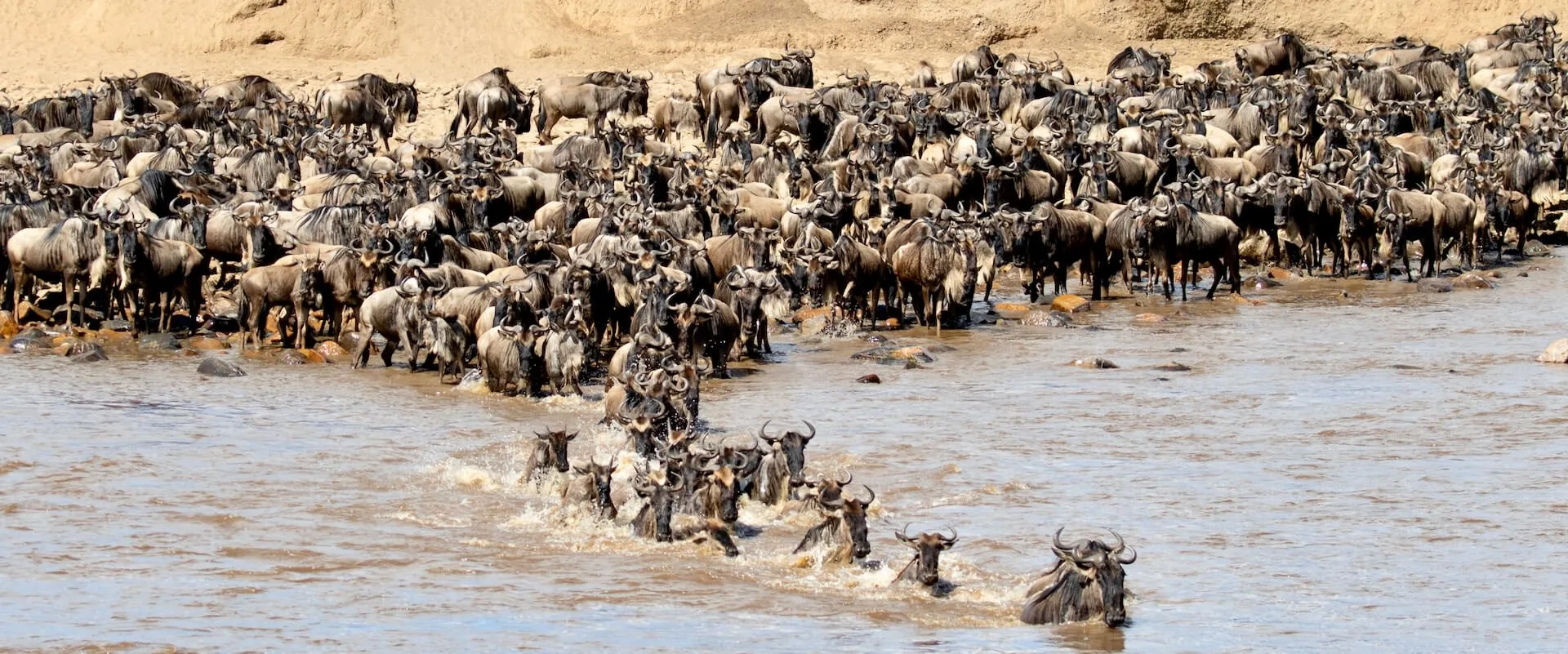
The Great Migration in Africa happens all year because the herds continuously circulate through the Serengeti–Mara ecosystem in…
Read article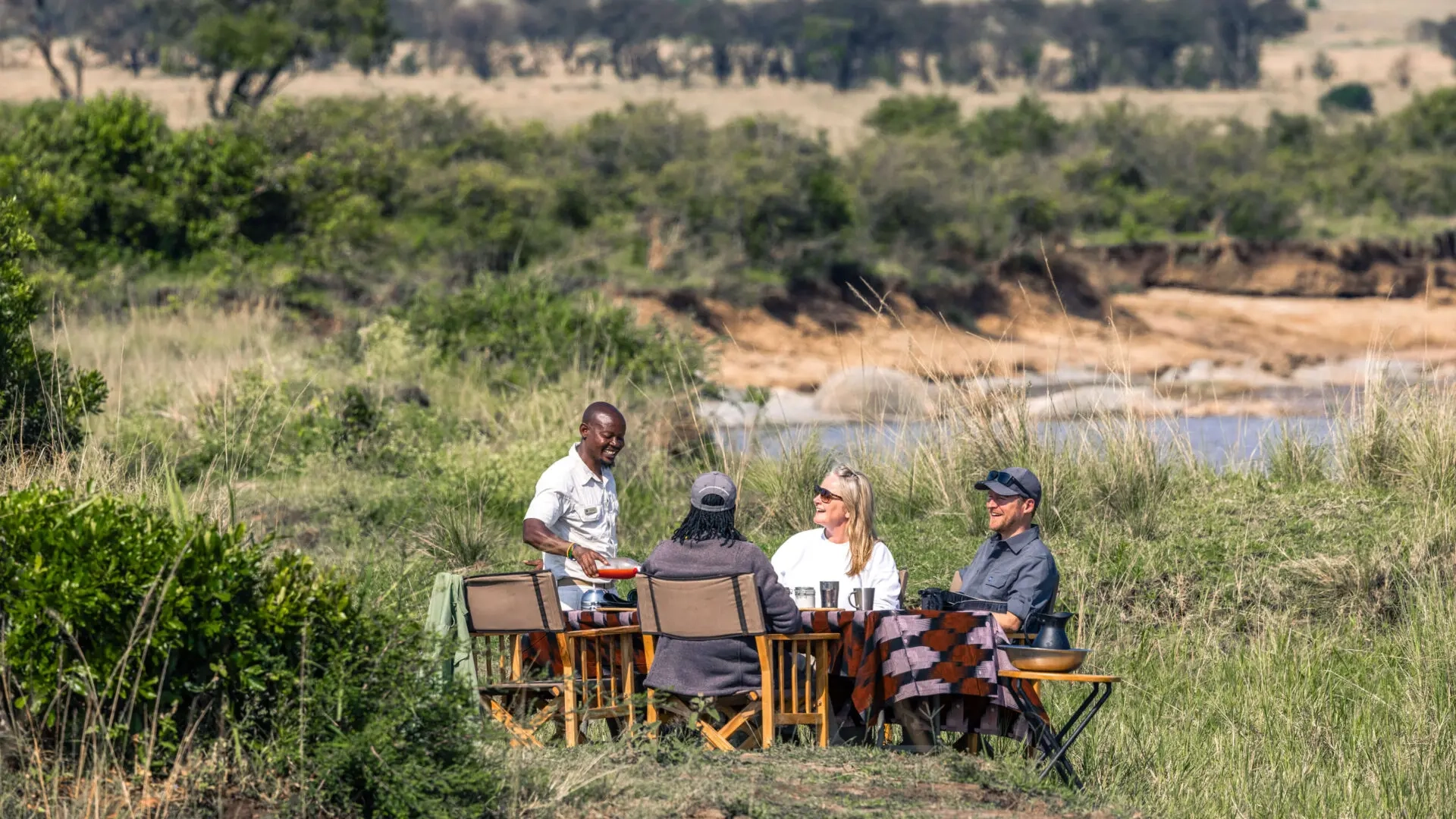
Definitive answer: A picnic lunch on safari is a packed or catered midday meal eaten at an approved…
Read article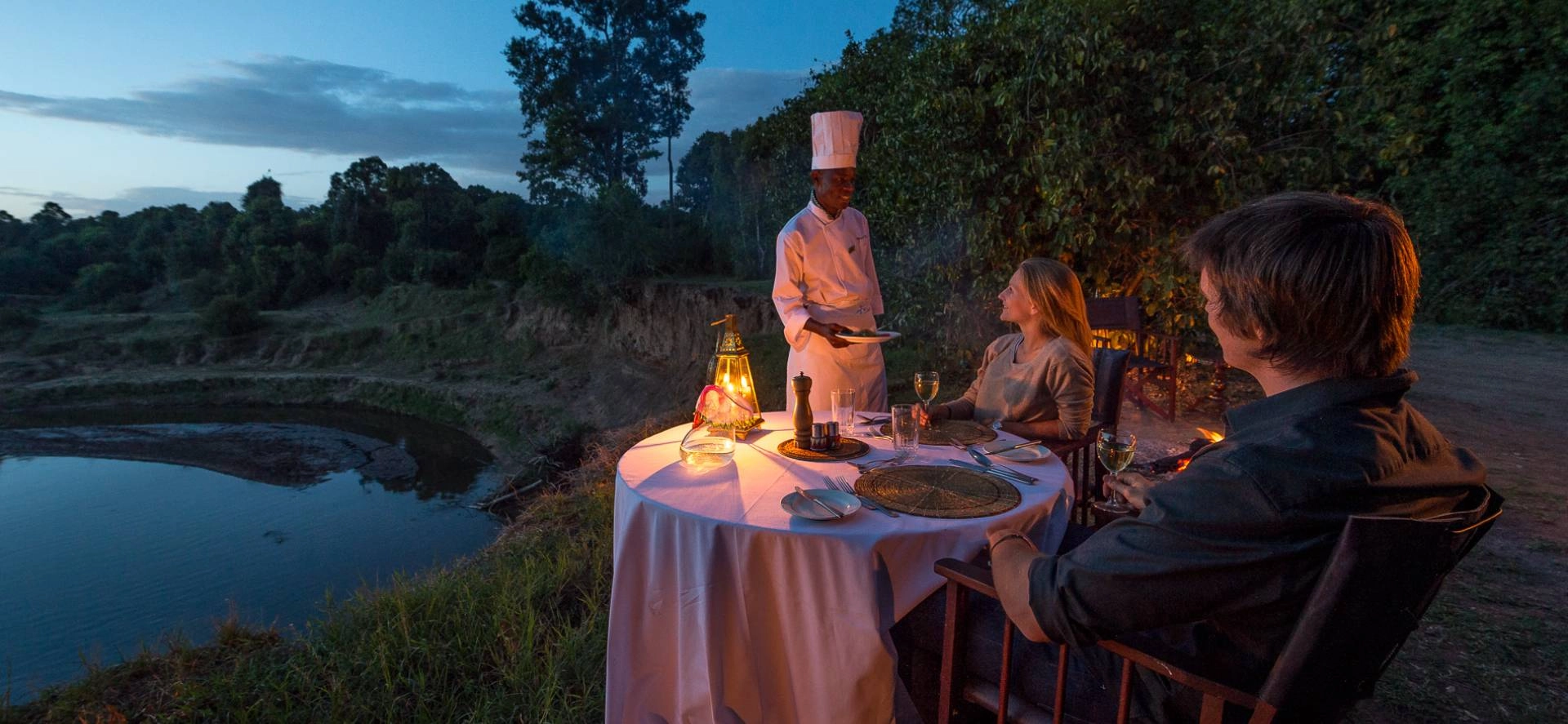
Definitive answer: A bush dinner is an outdoor evening meal arranged in a safe safari setting away from…
Read articleLet us take you closer to the wildlife, people and places that make Africa extraordinary.
Plan Your Safari Today