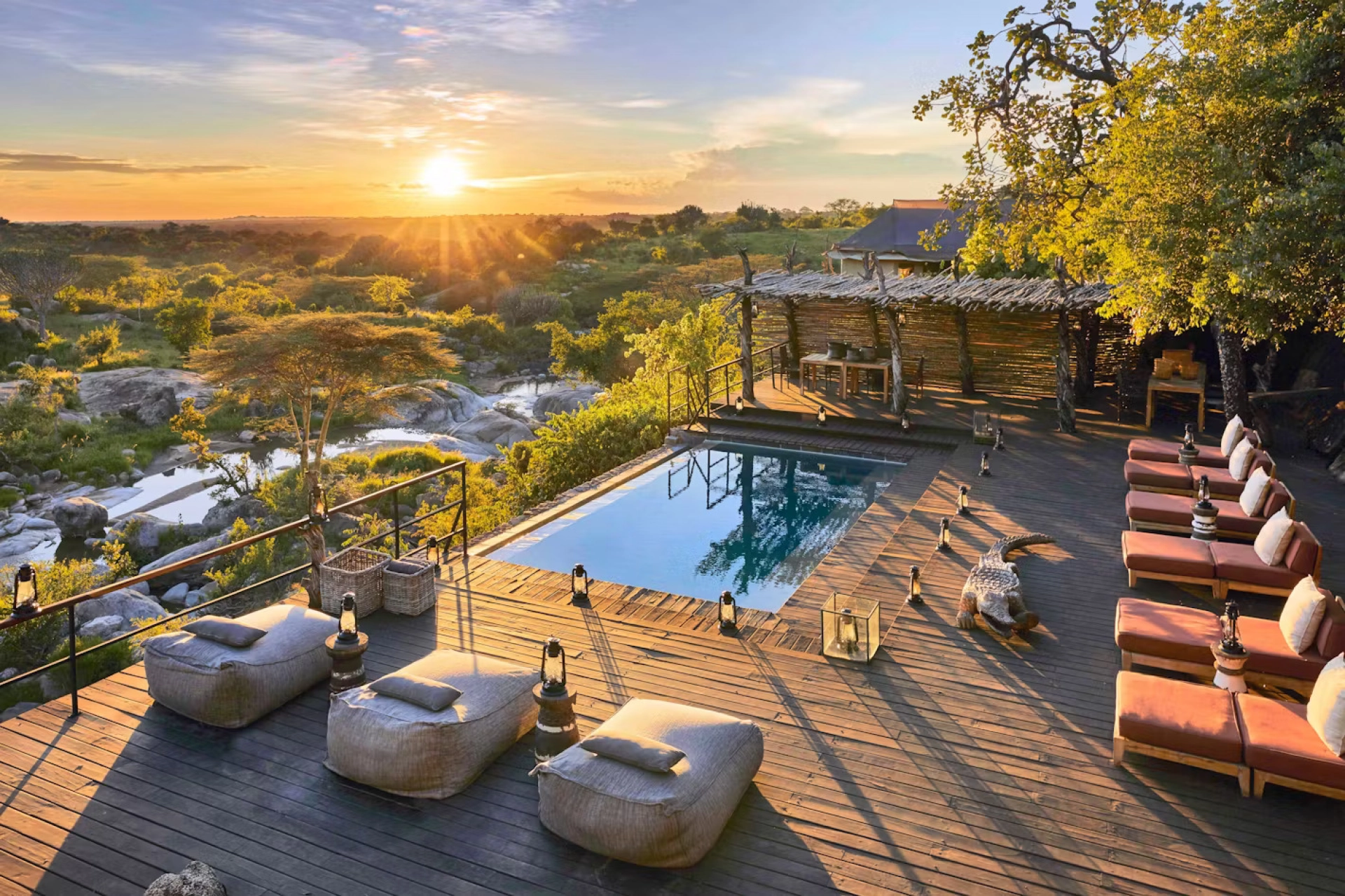
What should I look for when booking a luxury African safari?
When booking a luxury African safari, look beyond the room and compare the quality of guiding, wildlife location,…
Read article

Travel Guide
Southern Africa is one of those rare parts of the world where a traveller can begin the morning tracking lions through the bush, spend the afternoon paddling through a pristine wetland and find themselves standing beside…
Southern Africa is one of those rare parts of the world where a traveller can begin the morning tracking lions through the bush, spend the afternoon paddling through a pristine wetland and find themselves standing beside one of the world’s greatest waterfalls a few days later. Adventure here does not mean only bungee jumping or white-water rafting. Some of the region’s most powerful experiences are much quieter.
It can mean sitting silently in a mokoro as an elephant appears between the reeds of Botswana’s Okavango Delta. It can mean walking across the ochre dunes of Namibia before sunrise, hiking through the Drakensberg beneath towering basalt cliffs or driving for hours through the Kalahari without seeing another vehicle. The best Southern Africa adventures combine wildlife, landscapes, culture and physical experiences in ways that are difficult to reproduce anywhere else.
South Africa alone offers activities ranging from hiking and surfing to rafting, diving and the famous Bloukrans Bridge bungee, while Victoria Falls has developed into one of the major adventure hubs of the region with rafting, bridge activities, aerial flights and seasonal experiences on the Zambezi. Yet the real strength of Southern Africa is variety.
Botswana provides some of Africa’s most exclusive wilderness safaris. Namibia offers desert road trips and enormous open landscapes. South Africa combines Big Five wildlife with mountains, beaches, wine regions and adventure sports. Zambia and Zimbabwe share Victoria Falls and exceptional wildlife areas. Mozambique provides tropical islands and Indian Ocean adventures. Eswatini and Lesotho offer mountain landscapes, culture and outdoor activities away from the busiest tourism routes.
For travellers who want more than a standard safari, Southern Africa can become one enormous adventure playground.
Definitions vary depending on geography and political groupings, but for travellers planning an adventure holiday, Southern Africa commonly includes destinations such as: South Africa, Botswana, Namibia, Zimbabwe, Zambia, Mozambique, Malawi, Eswatini and Lesotho. Angola is also geographically part of southern Africa and is increasingly interesting for adventurous travellers, although tourism infrastructure differs substantially from the more established safari countries. Each country has its own identity. It would be a mistake to think of Southern Africa as one homogeneous safari destination.
Botswana’s wetlands feel completely different from Namibia’s deserts. Mozambique’s Indian Ocean coastline bears little resemblance to South Africa’s Drakensberg. Victoria Falls creates an entirely different experience from the Kalahari. The best journey therefore combines contrasting environments rather than repeating the same safari experience in several countries.
Few activities capture the spirit of adventure travel in Southern Africa more beautifully than moving through the Okavango Delta in a mokoro. The Okavango is one of the world’s great inland wetland systems. Water originating in the highlands of Angola travels south before spreading across northern Botswana, creating a complex landscape of channels, floodplains, permanent lagoons, islands and seasonal wetlands. Instead of eventually reaching the ocean, much of the water disappears into the Kalahari.
For safari travellers, the result is extraordinary. Traditional-style mokoro canoes allow visitors to move through shallow waterways almost silently. A skilled poler stands at the rear and guides the craft between reeds and aquatic plants. You sit close to the surface of the water. The experience feels dramatically different from travelling in a conventional safari vehicle. There is no diesel engine. No high driving position. No road. You begin noticing smaller details.
Tiny frogs cling to reeds. Dragonflies hover over the water. Fish move beneath the surface. African fish eagles call from trees. Red lechwe appear on floodplains. Sometimes elephants move along distant islands. A mokoro safari in the Okavango Delta is not designed around chasing the Big Five. Its appeal comes from becoming temporarily absorbed into the wetland itself. For travellers who want a broader wildlife experience, mokoro excursions can be combined with game drives, walking safaris and motorboat trips depending on the camp and seasonal water levels.
For many travellers, the ultimate African adventure remains a traditional wildlife safari. Few destinations deliver this as consistently as Kruger National Park and the surrounding Greater Kruger ecosystem in South Africa. Kruger is one of Africa’s most famous wildlife areas and provides opportunities to see lion, leopard, elephant, rhino and buffalo alongside giraffes, zebras, hippos, crocodiles, wild dogs, cheetahs, hyenas and numerous antelope species. What makes Kruger particularly attractive is accessibility.
Travellers can join guided safaris or explore substantial parts of the national park independently. Those seeking greater exclusivity can stay in private reserves associated with the broader ecosystem. A Greater Kruger safari usually offers smaller camps, professional guides and excellent opportunities for close wildlife observation. The adventure is not merely finding animals. It is learning to read the bush. Fresh tracks across a sandy road may indicate that lions passed during the night.
A sudden alarm call from an impala can suggest a hidden predator. Vultures circling above woodland may indicate a carcass. Once you understand these signs, game drives become detective work. That is one reason even experienced safari travellers return repeatedly. The bush is never exactly the same.
Victoria Falls is famous for its beauty, but below the waterfall the Zambezi becomes something altogether different. The river plunges into Batoka Gorge and races between towering basalt walls. This creates one of the world’s most celebrated white-water rafting environments. Zambia Tourism describes the gorge as offering numerous major rapids and identifies rafting as one of the region’s signature adventure experiences. A Zambezi white-water rafting trip is not a gentle sightseeing excursion.
Participants encounter powerful rapids and must follow professional guides carefully. Water levels influence which sections of the river operate and how particular rapids behave. This means rafting is seasonal. When the Zambezi is extremely high, some activities may be suspended because conditions become unsuitable. As water levels fall, rafting seasons and routes change. For adrenaline-focused travellers, this is one of the best adventure activities at Victoria Falls. For everyone else, simply viewing the river from above provides a good explanation of why the Zambezi inspires so much respect.
South Africa’s Garden Route contains one of the world’s best-known bungee experiences. The Bloukrans Bridge towers roughly 216 metres above the gorge and is promoted by South African Tourism as the world’s highest commercial bridge bungee. Standing on the bridge platform is an adventure before the jump even begins. The gorge opens below. Forested slopes frame the valley. Then comes the countdown. For a few seconds, there is nothing between you and the landscape.
Travellers who want the experience but cannot imagine actually jumping can still enjoy bridge-based activities in the area. The wider Garden Route also provides kayaking, hiking, canopy tours, mountain biking, surfing and numerous other activities. This makes Bloukrans much easier to incorporate into a varied South Africa adventure holiday rather than travelling solely for a single bungee jump.
You do not have to jump from a bridge or raft the Zambezi for Victoria Falls to qualify as an adventure.
Simply walking alongside Mosi-oa-Tunya — the Smoke that Thunders can be overwhelming. During periods of high water, spray rises hundreds of metres above the gorge. Paths become soaked. Rainbows appear and disappear. The sound of falling water dominates the surrounding forest. Victoria Falls straddles Zambia and Zimbabwe, and each side provides a different perspective. Zimbabwe generally offers broad panoramic views across a substantial section of the waterfall. Zambia provides extremely close access to the Eastern Cataract and seasonal attractions such as Livingstone Island and Devil’s Pool when river conditions allow.
For the fullest experience, travellers with appropriate visas and enough time can explore both sides. An aerial Flight of Angels over Victoria Falls provides another completely different perspective. From above, the geological structure becomes obvious: the broad Zambezi suddenly falls into a narrow gorge before zigzagging through a sequence of basalt channels.
Few natural swimming locations have become as famous as Devil’s Pool at Victoria Falls. The pool forms close to the waterfall’s edge near Livingstone Island. During appropriate low-water conditions, organised guided excursions may allow visitors to enter the natural pool. The experience creates the extraordinary impression of sitting beside the edge of Victoria Falls. It is extremely important to understand that this is a seasonal and controlled activity. Access depends entirely on Zambezi water levels.
Visitors must never attempt to reach the pool independently. High-water periods make the activity impossible. This is an excellent example of why Southern Africa itineraries should be planned around seasons rather than simply copying a photograph seen online.
Botswana’s Chobe National Park provides one of Africa’s great elephant experiences. During the drier part of the year, large numbers of elephants depend on the Chobe River. Herds emerge from woodland and descend toward the water. Calves stay close to mothers. Adults drink, bathe and sometimes swim between sections of riverbank or islands. A safari vehicle gives you one perspective. A boat provides another. This is why the ideal Chobe itinerary includes both game drives and river safaris.
From the water, elephants can sometimes be observed from remarkably low angles. Hippos, crocodiles, buffalo and abundant birdlife contribute to the experience. Chobe also combines exceptionally well with Victoria Falls. Travellers can move between Livingstone or Victoria Falls town and Kasane relatively easily, creating one of the most rewarding Victoria Falls and Botswana safari combinations.
Luxury safari lodges are wonderful, but wilderness does not necessarily require elaborate accommodation. A Botswana mobile camping safari can create an entirely different connection with the landscape. Camps are established in remote wildlife areas. Evenings are spent around the fire. Animals may call from the darkness. There is something deeply memorable about lying inside a tent and listening to elephants breaking branches nearby or lions roaring in the distance. Camping also creates a stronger sense of journey.
Instead of flying between high-end lodges, travellers physically move across the landscape. The sandy roads, river crossings and long distances become part of the adventure. For travellers who value experience over luxury, this can be one of the most authentic ways to explore Botswana.
Namibia was designed for road trips. Few countries combine good tourism infrastructure with such enormous spaces. Routes stretch through dry mountains, desert plains and apparently empty horizons. A journey might connect Windhoek with Sossusvlei, Swakopmund, Damaraland and Etosha National Park. The distances are substantial. That is part of the experience. The landscape continuously changes. Roadside wildlife appears unexpectedly. Small desert towns provide fuel and supplies. At night, the lack of light pollution creates spectacular skies.
A Namibia self-drive safari gives independent travellers considerable freedom, although route planning, fuel and water management remain essential. Some roads are gravel. Driving speeds should be conservative. Distances should never be underestimated. The objective is not to race between attractions. The road itself is one of Namibia’s attractions.
Namibia’s Namib Desert contains some of the planet’s most recognisable dunes. At Sossusvlei, huge orange-red dunes surround pale salt and clay pans. The landscape becomes particularly spectacular around sunrise. Climbing a dune may look straightforward from below. It is not. Loose sand makes every step more demanding than expected. The ridge narrows. The sun rises. Colours change across the desert. Eventually, the view opens across layers of dunes. Nearby Deadvlei is equally striking.
Ancient dark tree skeletons stand against a pale pan surrounded by red dunes and deep blue sky. For photographers, this is one of Africa’s most remarkable landscapes. For adventure travellers, it demonstrates that Southern Africa is much more than wildlife safari.
Some of Namibia’s most fascinating wildlife survives far beyond the landscapes tourists usually associate with African animals. Northwestern Namibia supports desert-adapted elephants and other species capable of moving through extremely arid environments. Tracking them requires patience. Animals may travel enormous distances between food and water sources. A sighting can therefore feel particularly rewarding. The surrounding scenery also transforms the experience. Instead of lush vegetation, animals appear among gravel plains, dry riverbeds and rugged mountains.
Seeing a giraffe or elephant in such an environment forces travellers to reconsider assumptions about what African wildlife habitat should look like.
Etosha provides a completely different Namibian wildlife experience.
The national park is dominated by the enormous Etosha salt pan and a network of waterholes. During dry periods, animals congregate around reliable water. Travellers can sometimes sit at one location and watch a continuous sequence of species arrive. Elephants appear. Zebras approach nervously. Giraffes spread their front legs awkwardly to drink. Antelope gather at the edges. Predators may appear unexpectedly. This waterhole-centred style of wildlife observation is very different from constantly driving in search of animals.
It rewards patience. Photographers especially appreciate the opportunity to wait for behaviour rather than chase sightings.
South Africa’s Drakensberg Mountains provide a sharp contrast to safari landscapes. Towering escarpments, high grasslands, deep valleys and dramatic rock formations create some of Southern Africa’s finest hiking country. Routes vary from relatively easy day walks to demanding multi-day adventures. South African Tourism highlights the Drakensberg among the country’s major mountain adventure regions, alongside other hiking destinations such as the Cederberg and coastal trails. The mountains also contain culturally important rock art associated with San communities.
This gives hiking an additional historical dimension. Conditions at altitude can change rapidly. Hikers should carry appropriate clothing, water and navigational equipment and use qualified guides for challenging routes.
Few cities have a mountain wilderness rising directly from their urban centre. Cape Town does. Table Mountain hiking ranges from relatively accessible routes to steep and physically demanding ascents. The reward is an extraordinary perspective across Cape Town, Table Bay, the Atlantic coastline and surrounding mountains. Popular routes should not be underestimated. Weather changes quickly. Cloud can obscure trails. Summer temperatures can become intense. Anyone attempting a challenging route should begin with sufficient water and realistic knowledge of their fitness.
For travellers combining city exploration and adventure, few African destinations offer this kind of accessibility. You can eat breakfast in Cape Town, hike a mountain and still be back in the city for dinner.
South Africa’s coastline provides some of the continent’s most rewarding multi-day walking. The Garden Route combines forests, rocky coastline, beaches and marine environments. Farther east, the Wild Coast offers more remote coastal landscapes. South African Tourism specifically identifies trails around Tsitsikamma and the Wild Coast among the country’s major hiking attractions. These journeys appeal to travellers who want physical activity without extreme mountaineering. The changing scenery keeps walking interesting. Forests give way to beaches.
Rivers cross the route. Cliffs provide ocean views. Wildlife may include marine mammals and coastal birdlife.
Tsitsikamma is one of the Garden Route’s adventure centres. The region’s forests, rivers and coastline allow activities such as kayaking, canopy tours, hiking and other outdoor experiences. For many travellers, the appeal is that several activities can be combined in a single day or short stay. You do not need to be an extreme athlete. A moderate adventure itinerary might include a forest canopy experience, coastal walk and kayaking excursion.
Adrenaline-focused travellers can continue toward Bloukrans for bungee jumping. This flexibility makes the Garden Route ideal for couples or families whose members have different adventure tolerances.
South Africa has more than 3,000 kilometres of coastline, with surfing opportunities ranging from beginner-friendly waves to internationally famous breaks. South African Tourism highlights Cape Town, Durban, Jeffrey’s Bay and East London among recognised surfing areas. Jeffrey’s Bay is internationally famous. Durban provides warm Indian Ocean conditions. Cape Town offers numerous breaks around the peninsula, although water temperatures on the Atlantic side can be cold. Beginners should choose professional surf schools and conditions appropriate for their experience.
The ocean around Southern Africa can be powerful. Respecting local advice is essential.
After days of dusty safari roads, Mozambique offers one of Southern Africa’s greatest contrasts. The country’s Indian Ocean coast is associated with tropical beaches, coral reefs and excellent marine experiences. Destinations around Tofo, Vilanculos and the Bazaruto Archipelago provide opportunities for diving, snorkelling, island excursions and marine wildlife encounters. Whale sharks and manta rays are among the species that have made parts of Mozambique internationally famous among divers, although sightings are naturally seasonal and never guaranteed.
The Bazaruto region adds turquoise water, sand dunes and island landscapes. This creates an exceptional safari and beach holiday in Southern Africa. A traveller can experience Botswana’s elephants and predators before continuing to Mozambique for several days by the ocean. Few holidays provide a stronger contrast.
Zimbabwe’s Hwange National Park is sometimes overshadowed by nearby Victoria Falls.
That is unfortunate. Hwange is one of Southern Africa’s important wildlife areas and fits naturally into a Zimbabwe itinerary. Elephants are particularly prominent. During dry periods, waterholes become centres of activity. Predators including lions inhabit the park, while numerous herbivores provide constant game-viewing opportunities. Hwange’s location makes it remarkably easy to combine with Victoria Falls. Instead of treating the Falls as the end of a journey, travellers can use them as the beginning of a deeper Zimbabwe safari.
The Zambezi creates adventure both above and below Victoria Falls, but one of the region’s most intimate wildlife experiences occurs farther downstream. In Zambia’s Lower Zambezi National Park, canoe safaris allow travellers to explore channels and river edges from water level. Elephants may appear along the banks. Hippos occupy the river. Crocodiles rest near shorelines. Birdlife is exceptional. Canoeing in an area inhabited by large wildlife obviously requires experienced professional guides.
The appeal is precisely that sense of vulnerability. A safari vehicle places you above the landscape. A canoe puts you much closer to it.
Zambia has a particularly strong tradition of walking safaris. South Luangwa is one of the destinations most closely associated with exploring wildlife areas on foot. Walking changes every aspect of safari. Large mammals remain important, but suddenly tracks, plants, insects, bones and animal droppings become fascinating. The guide explains wind direction. You learn why certain animals leave particular tracks. Distance feels different when you are no longer inside a vehicle.
Responsible walking safaris prioritise safety and interpretation rather than approaching animals as closely as possible. For experienced safari travellers, walking can provide an entirely new understanding of the African bush.
Botswana’s Makgadikgadi Pans seem almost extraterrestrial. During dry periods, huge salt flats stretch toward the horizon. During wetter periods, parts of the region transform and wildlife movements change dramatically. Adventure activities may include quad biking in appropriate areas, cultural experiences and nights spent in remote landscapes. Some lodges also offer interactions focused on habituated meerkat groups, although travellers should choose responsible operators and avoid experiences that compromise animal welfare. The biggest attraction is space.
After wildlife-rich safari areas, the apparent emptiness of the Makgadikgadi can be surprisingly powerful.
Mountainous Lesotho offers another completely different Southern African adventure. Known as the Kingdom in the Sky, much of the country lies at significant elevation. Pony trekking has long been one of the distinctive ways to experience rural mountain landscapes. Routes pass villages, rivers and highland terrain. Instead of searching for the Big Five, travellers gain insight into Basotho culture and a landscape shaped by altitude and agriculture. For visitors already exploring South Africa, Lesotho can add a culturally and geographically contrasting extension.
Eswatini is small enough to be overlooked on maps but rich enough to reward travellers who make the detour. Mountain landscapes, wildlife reserves and cultural experiences can all be included within relatively short driving distances. Walking, mountain biking and community-based tourism provide alternatives to conventional game drives. Eswatini works particularly well within overland journeys linking Kruger National Park, KwaZulu-Natal and Johannesburg.
Not every adventure needs an adrenaline rush. Cycling, hiking or exploring the Cape Winelands provides a slower counterpoint to safari. Stellenbosch, Franschhoek and surrounding valleys combine dramatic mountains, historical estates, restaurants and vineyards. Active travellers can incorporate cycling routes or mountain walks. Food-focused visitors can spend time exploring South African cuisine. This is one reason South Africa works so well for mixed-interest groups. One traveller can prioritise hiking. Another can focus on wine and food.
Both can join the same safari afterward.
If wildlife is your absolute priority, build the trip around Botswana, South Africa, Zambia or Zimbabwe.
Botswana is superb for wilderness and exclusivity. South Africa offers extraordinary diversity and accessible safari infrastructure. Zambia is excellent for walking safaris and river-based experiences. Zimbabwe combines strong wildlife areas with Victoria Falls. For maximum contrast, combine two countries rather than spending the entire holiday in one ecosystem.
For pure adrenaline, the Victoria Falls region and South Africa are particularly strong. Victoria Falls offers rafting, bridge-based activities, aerial experiences and seasonal river adventures. South Africa adds bungee jumping, surfing, diving, hiking, kayaking, canopy tours and numerous other activities. A route from Cape Town along the Garden Route, followed by Victoria Falls, would satisfy even an ambitious adventure traveller.
Photographers should prioritise variety. Consider combining: Sossusvlei for desert landscapes. Etosha for waterhole wildlife. Okavango Delta for wetlands and aerial views. Chobe for elephants along the river. Victoria Falls for waterfalls and aerial photography. Cape Town for mountains, coastline and urban landscapes. This creates an extraordinary visual journey across a relatively small part of the continent.
There is no single best time to visit Southern Africa because the region is enormous. Safari areas in Botswana, Zimbabwe, Zambia and northern South Africa often become particularly productive during the dry season as animals gather around water. Namibia is similarly popular during cooler, drier months. Cape Town follows a Mediterranean-style pattern, with warm, dry summers and cooler, wetter winters. Victoria Falls changes enormously according to Zambezi water levels. Mozambique’s marine seasons differ again.
The ideal travel date therefore depends on the experiences you prioritise. A good itinerary should be built around seasonality rather than choosing dates first and forcing activities into them.
A single country deserves at least one week. A two-country combination works better with approximately 10–14 days. For three or more countries, two to three weeks produces a considerably more relaxed journey. A classic itinerary might combine Cape Town, Kruger and Victoria Falls. Another might connect Victoria Falls, Chobe and the Okavango Delta. Adventure-focused travellers could combine Namibia and Botswana. Safari-and-beach travellers can pair Botswana or South Africa with Mozambique. Trying to visit every country in one trip usually reduces the quality of the experience.
Some of the best include an Okavango Delta mokoro safari, Chobe River safari, Kruger Big Five safari, Victoria Falls rafting, Namibia road trip, Sossusvlei dune climb, Drakensberg hiking, Bloukrans bungee jumping and diving in Mozambique.
South Africa provides the broadest selection of activities, while Botswana excels in wilderness safari, Namibia in road trips and desert adventures, and Zambia/Zimbabwe around Victoria Falls.
Botswana and South Africa are exceptional all-round choices, while Zambia and Zimbabwe offer outstanding wildlife with fewer visitors in many areas.
Yes. Victoria Falls, Chobe National Park and the Okavango Delta form one of Southern Africa’s best multi-country safari routes.
Absolutely. South Africa is particularly accessible for first-time visitors, while Botswana is excellent for travellers wanting a more remote wilderness experience.
Yes. Mozambique combines exceptionally well with South Africa or Botswana for a safari and Indian Ocean beach holiday.
Around 10–14 days works well for two major regions. Three weeks provides much greater flexibility for multi-country journeys.
Yes. Many destinations offer family-friendly lodges and activities, although age restrictions can apply to walking safaris, rafting, bungee jumping and certain wildlife experiences.
The best Southern Africa adventures are rarely about a single activity. They come from combining experiences that should not logically fit into the same holiday but somehow do. You might watch lions at sunrise, paddle through a wetland the following week and stand on top of an enormous desert dune shortly afterward. You can feel the spray of Victoria Falls, hike beneath the cliffs of the Drakensberg, photograph elephants from the Chobe River and finish beside the warm Indian Ocean in Mozambique.
That extraordinary range is what gives Southern Africa its appeal. Adventure in the Wild Safaris can design tailor-made journeys combining Botswana safaris, Victoria Falls, South Africa, Namibia, Zambia, Zimbabwe and Mozambique, with the itinerary adapted around your preferred balance of wildlife, physical adventure, photography, accommodation style and travel time. Southern Africa rewards curiosity. The more varied your route, the more clearly you understand just how many different versions of Africa can exist within one remarkable region.

Share This Article
When booking a luxury African safari, look beyond the room and compare the quality of guiding, wildlife location,…
Read article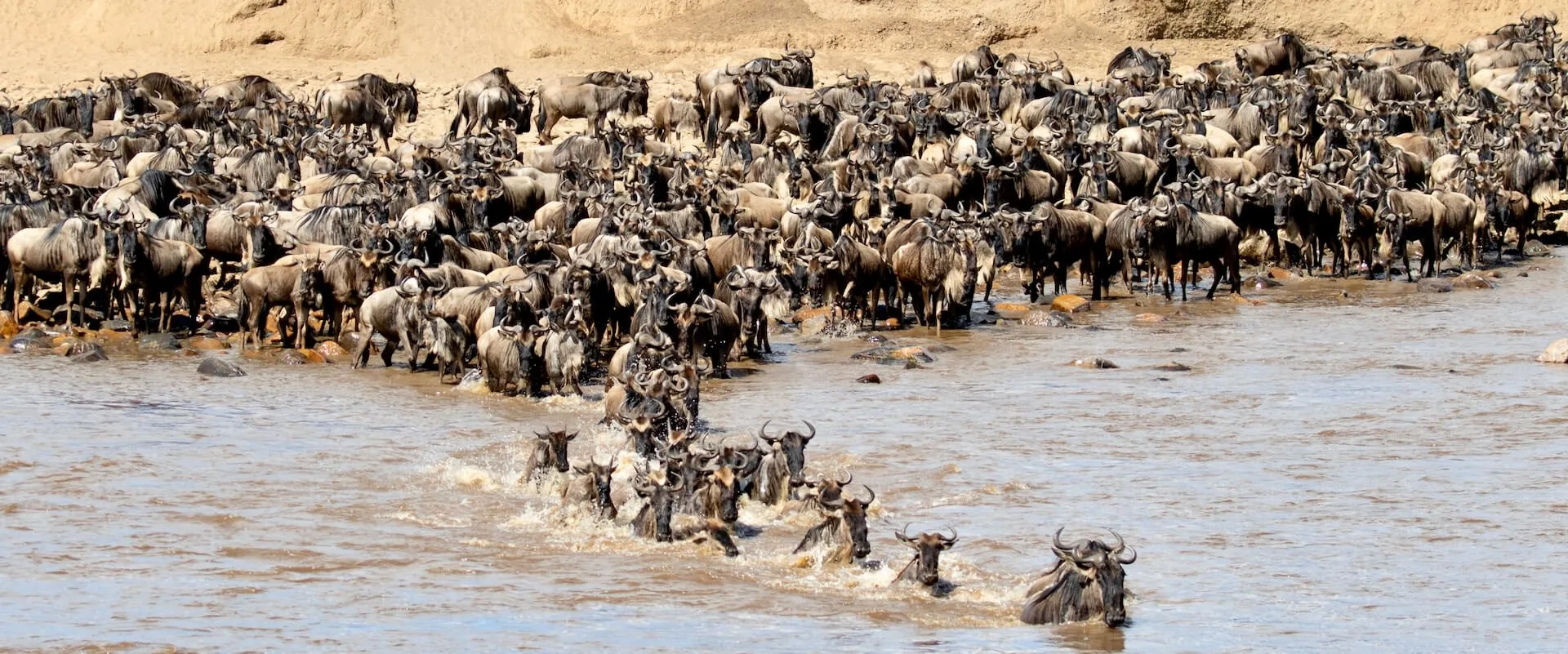
The Great Migration in Africa happens all year because the herds continuously circulate through the Serengeti–Mara ecosystem in…
Read article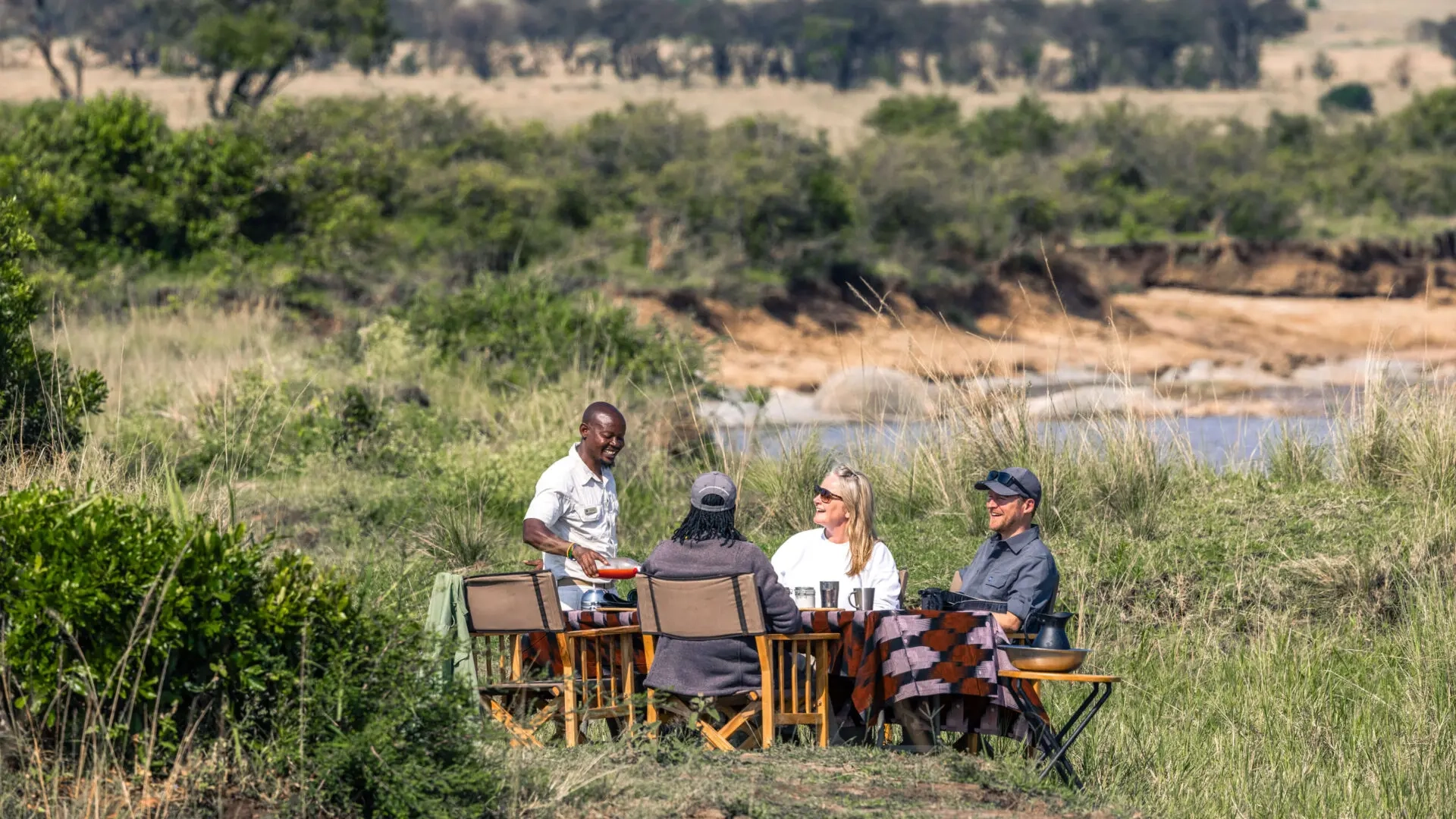
Definitive answer: A picnic lunch on safari is a packed or catered midday meal eaten at an approved…
Read article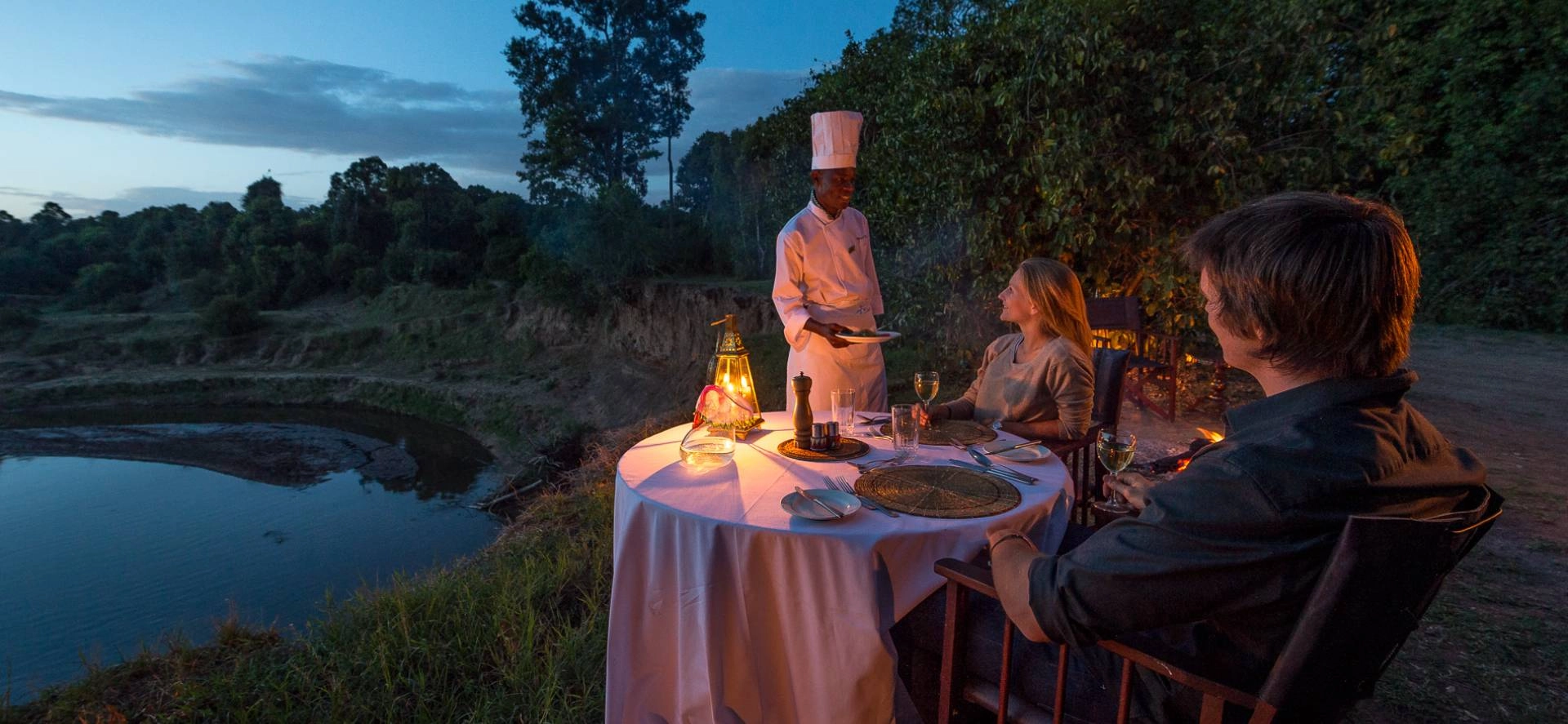
Definitive answer: A bush dinner is an outdoor evening meal arranged in a safe safari setting away from…
Read articleLet us take you closer to the wildlife, people and places that make Africa extraordinary.
Plan Your Safari Today