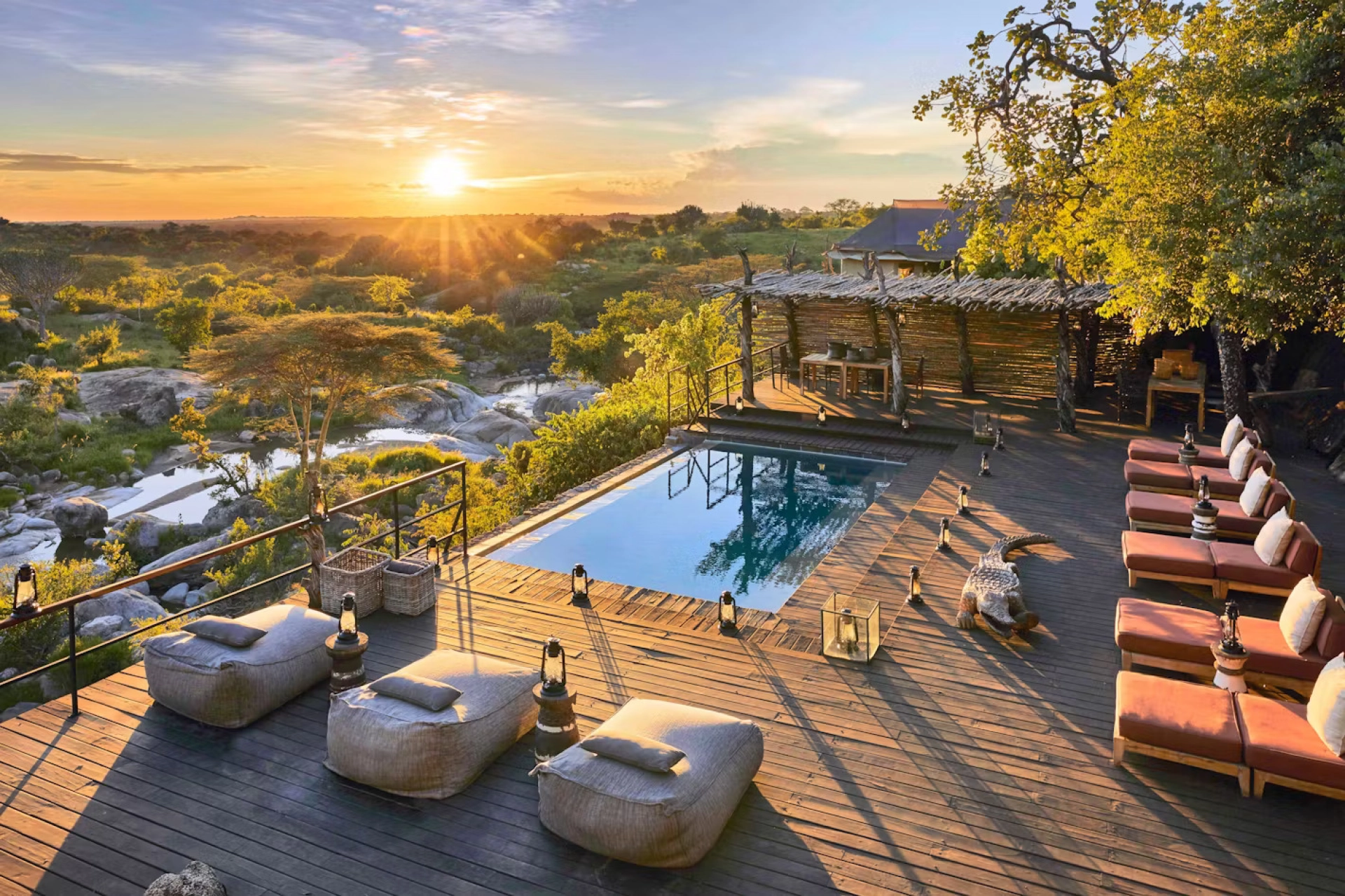
What should I look for when booking a luxury African safari?
When booking a luxury African safari, look beyond the room and compare the quality of guiding, wildlife location,…
Read article

Africa Travel Guide
The best time for Rwanda gorilla trekking is often described as the dry season, particularly the periods from roughly June to September and December to February. That answer is useful, but it is also incomplete. Mountain…
The best time for Rwanda gorilla trekking is often described as the dry season, particularly the periods from roughly June to September and December to February. That answer is useful, but it is also incomplete.
Mountain gorillas do not migrate away when the rains arrive. Gorilla trekking in Volcanoes National Park operates throughout the year, and some travellers may actually prefer the greener, quieter months when forest landscapes are particularly lush and visitor pressure can feel lower. The best month therefore depends on whether your priority is easier trail conditions, photography, lower visitor numbers, combining gorillas with a Rwanda wildlife safari, or coordinating Rwanda with a longer East African journey.
This is especially important because gorilla trekking is very different from a conventional savanna safari. On the plains of East Africa, wildlife viewing can change dramatically with rainfall because animals may concentrate around water or follow fresh grazing. Mountain gorillas, by contrast, live year-round within the high-elevation forests of the Virunga Mountains. Rain affects the difficulty and comfort of the trek more than whether gorillas are present.
A visitor trekking in July may experience a beautifully clear morning followed by an afternoon shower. Another traveller visiting in April may begin in heavy rain and later enjoy wonderful soft forest light. At nearly 2,500 metres and above, mountain weather can change rapidly regardless of what the calendar says. For this reason, there is no genuinely bad month for a Rwanda gorilla safari. There are instead different seasons suited to different travellers.
All commercial mountain gorilla trekking in Rwanda takes place in Volcanoes National Park, situated in the northwestern corner of the country near Musanze. The park protects the Rwandan portion of the Virunga Massif, a dramatic chain of volcanic mountains extending across Rwanda, Uganda and the Democratic Republic of the Congo. Volcanoes National Park protects steep montane slopes containing bamboo forest, evergreen vegetation, heath, grassland and other high-altitude ecosystems. It is also home to endangered mountain gorillas and rare golden monkeys.
The volcanic peaks include Karisimbi, Bisoke, Sabyinyo, Gahinga and Muhabura, creating one of the most spectacular landscapes associated with gorilla trekking anywhere in Africa. The park’s altitude is central to understanding its weather. This is not a hot lowland tropical forest. Early mornings can be cold. Mist can settle around the volcanoes. Rain can occur in any month, and even during Rwanda’s drier periods the forest remains humid enough to support dense vegetation. Therefore, travellers asking about the best season for gorilla trekking in Rwanda should think less in terms of “rain versus no rain” and more in terms of less rain versus more rain.
Yes. Rwanda gorilla trekking tours operate throughout the year, subject to permit availability and normal park management. There is no annual season when mountain gorillas disappear from Volcanoes National Park. The animals remain within the forest, moving through their home ranges according to food availability, family behaviour and other ecological factors. This makes gorilla trekking fundamentally different from trying to time the Great Wildebeest Migration in Tanzania or Kenya. You do not need to arrive in one narrow month to see the gorillas. Instead, the season mainly affects: trail conditions, rainfall, temperature, photography, visitor demand, availability of accommodation, and how easily Rwanda can be combined with other safari destinations.
For safari planning, Rwanda’s weather can broadly be understood through four seasonal periods. The longer dry season usually occurs around June through September. A shorter wetter period generally follows around October and November. Another relatively drier period usually occurs between December and February. The longer rainy season generally falls from around March through May. These patterns provide useful planning guidance, but climate should never be treated as a fixed timetable.
Rain may fall during a dry month. A rainy month can contain beautiful sunny days. The high mountains around Volcanoes National Park create their own local weather patterns. A waterproof jacket is sensible in every month.
For many travellers, June to September is the best time for gorilla trekking in Rwanda. This period generally corresponds with the longer dry season and tends to produce more manageable forest conditions than the wettest months. “Dry,” however, is relative. You are still entering a montane rainforest. The ground may remain damp. Vegetation can be wet in the morning. Mud is possible. Rain showers can appear unexpectedly. What improves is the overall probability of encountering relatively firmer trails and fewer prolonged periods of heavy rain.
The attraction is practical rather than biological. Mountain gorillas are present all year, but walking through forest is generally more comfortable when the trails are less saturated. Steep slopes become easier to negotiate. Roots are less slippery. Your camera equipment is easier to protect. Clothing may stay dry for longer. Porters can assist more easily on firmer ground. This matters because a gorilla trek can range from a relatively straightforward walk to several hours of demanding hiking. The animals determine where the trek leads.
June gorilla trekking in Rwanda is an excellent option for travellers beginning the East African dry-season safari period. The countryside remains beautifully green following the wetter months, while trail conditions often begin improving. June can be particularly attractive for travellers combining Rwanda with Uganda safaris, Kenya safaris or Tanzania safaris, because many regional safari destinations are also entering favourable wildlife-viewing periods. A journey might therefore begin with Rwanda gorilla trekking before continuing to the Serengeti, Masai Mara or another classic savanna destination.
July sits firmly within one of Rwanda’s busiest international travel periods. The combination of European and North American summer holidays, comparatively favourable trekking conditions and strong safari conditions elsewhere in East Africa makes July Rwanda gorilla safaris extremely popular. This means early planning becomes important. The standard Rwanda gorilla permit costs US$1,500 per person per trek, and permits are limited. Luxury and well-located midrange lodges can also fill significantly in advance. If you want specific accommodation near Volcanoes National Park, July is not the month to wait until the last minute.
August provides similar advantages. For many visitors, August gorilla trekking offers relatively favourable hiking conditions and works particularly well with longer East African holidays. A traveller might trek mountain gorillas in Rwanda before flying to Kenya for the Masai Mara migration season, or continue into Tanzania for a Serengeti safari. This creates one of Africa’s classic wildlife combinations: great apes in high-altitude rainforest followed by big cats and enormous herbivore herds on open savanna. The disadvantage is demand. August is not generally the month for travellers seeking solitude or the broadest accommodation choice at short notice.
September can be an excellent transitional month.
Conditions are often still favourable, but travel patterns may begin changing toward the later part of the month. For photographers, September can provide attractive combinations of relatively manageable trekking and lush vegetation. A September Rwanda safari can also combine nicely with Tanzania or Kenya depending on the migration stage and exact travel dates.
The second major period commonly recommended for Rwanda gorilla trekking is roughly December through February. This shorter dry season can be particularly attractive to travellers escaping the northern-hemisphere winter. It also works extremely well for travellers combining gorilla trekking with Christmas holidays, honeymoons, East African safari circuits or winter sun trips.
December can be busy, especially around Christmas and New Year. If your travel dates are fixed around the holiday period, secure your Rwanda gorilla permit early. High-quality accommodation around Musanze and Volcanoes National Park can also become limited. The advantage is that December can provide good trekking conditions while Rwanda remains extremely green. For families travelling with older teenagers, it can fit neatly into school-holiday schedules, remembering that the minimum age for gorilla trekking is 15 years. Visit Rwanda currently confirms both the US$1,500 standard permit rate and the minimum trekking age of 15.
January can be an excellent month for a Rwanda gorilla safari. Temperatures around the Virunga highlands remain comfortable compared with many hotter African safari destinations. Early mornings may be cool. The forest can be misty. The volcanic scenery can be atmospheric. January also combines well with Tanzania’s southern Serengeti and Ndutu region, where travellers may be approaching the important wildebeest calving season. For wildlife enthusiasts, a Rwanda gorilla and Tanzania safari in January or February creates an extraordinary contrast.
February is another strong month. The relatively drier conditions can simplify hiking, while photographers benefit from Rwanda’s permanently green landscapes. Later in February, conditions can begin trending toward the longer rainy season, although precise timing varies each year. A traveller who does not mind occasional showers may find February an excellent compromise between peak holiday demand and the wetter months ahead.
Many generic travel guides tell visitors to avoid Rwanda from March through May. That recommendation is often too simplistic. This period is generally wetter, and trekking can certainly become more difficult. But the gorillas remain present, the forest becomes intensely green, and travellers willing to accept mud and rain can have an outstanding experience. The real question is not whether rainy-season gorilla trekking is possible. It is whether you are comfortable hiking in wet conditions.
Rain transforms the trail. Clay becomes slippery. Steep forest slopes require more concentration. Vegetation becomes soaked. Streams may carry more water. You may need to grab branches or use a walking stick for support. Photography can also become technically more challenging because light levels beneath the canopy are lower. Yet the atmosphere can be spectacular. Mist hangs between trees. Rain beads on gorillas’ fur. The forest feels extraordinarily alive. For a photographer comfortable with low-light shooting and weather protection, these conditions can produce some of the most evocative images of the entire year.
March is usually a transition into wetter conditions. Early March may sometimes feel very different from late March. Travellers considering a March gorilla safari in Rwanda should prepare fully for rain rather than hoping to avoid it. Good waterproof hiking boots become essential. A lightweight waterproof jacket is necessary. Camera rain protection matters. A porter becomes even more valuable when the trail is slippery.
April is typically among Rwanda’s wetter months. For travellers who strongly dislike rain, muddy paths or uncertain mountain weather, this is probably not the first month to choose. But adventurous travellers should not automatically dismiss it. The forest is extraordinarily lush. Visitor pressure may be lower than during peak dry-season months. Photography can feel intimate and atmospheric. You are still seeing the same species of mountain gorilla. The experience does not become biologically inferior simply because your boots are muddier.
May often remains wet, particularly earlier in the month, before conditions begin transitioning toward the drier period ahead.
Late May can sometimes be interesting for travellers who want to arrive ahead of peak June–August demand. However, weather should never be guaranteed. Pack as if you expect rain. If the sun appears, consider it a bonus.
October and November are often described as the short rainy season in Rwanda. Again, this does not mean continuous rain from morning to night. A typical day can contain periods of sunshine, cloud and showers. For gorilla trekkers, the main implication is that paths become more slippery and waterproof equipment becomes increasingly important. These months can nevertheless appeal to travellers who prefer fewer peak-season crowds.
October can offer a rewarding combination of green scenery and less intense visitor pressure than July or August. Photographers may appreciate softer forest light. Accommodation availability can sometimes be more flexible. If you are comfortable hiking in wet conditions, an October Rwanda gorilla safari can be excellent.
November is generally wetter and demands good preparation. Yet there is another interesting regional comparison. Uganda Wildlife Authority introduced discounted low-season gorilla permits for April, May and November under its current 2026 changes, making neighbouring Uganda particularly attractive to price-sensitive travellers during those months. UWA’s current rate information and tariff-change materials confirm the new tariff structure. This means a traveller considering November may want to compare Rwanda gorilla trekking versus Uganda gorilla trekking carefully. Rwanda offers exceptionally convenient access from Kigali. Uganda can provide a substantially lower permit cost. The best decision depends on the broader itinerary.
There is no single perfect month for gorilla photography in Rwanda. Dry-season conditions simplify equipment management and hiking. Rainy-season conditions can create richer colour, atmospheric mist and dramatic wet fur. The forest itself creates more photographic difficulty than the month. Light levels can be low even at midday. Branches and leaves can obstruct clear views. Gorillas have black fur, creating exposure challenges against bright foliage. A fast lens and a camera capable of performing well at higher ISO settings are useful.
During the drier months, photographers benefit from: less rain on equipment, easier trail movement, and potentially brighter forest conditions. You may have more freedom to adjust position when rangers permit because you are not constantly protecting your camera from rain. However, bright shafts of sunlight can create high contrast between dark gorilla fur and illuminated vegetation. Exposure still requires care.
Rainy weather can produce beautiful diffuse light. Cloud acts as a giant softbox. Highlights become easier to manage. Vegetation appears deeply saturated. Gorilla fur can look particularly textured when damp. The main challenge is keeping equipment dry while remaining ready for brief behavioural moments. A proper rain cover is more useful than carrying several unnecessary lenses.
Volcanoes National Park offers more than mountain gorillas. The park is also home to rare golden monkeys, which inhabit the bamboo-dominated Virunga landscape. A two- or three-night stay can therefore include both gorilla trekking and golden monkey trekking. The same broad seasonal considerations apply, although golden monkey experiences can be more active because the monkeys move rapidly through vegetation. For photographers, dry conditions can make it easier to react quickly.
Travellers may also combine gorillas with hikes such as Mount Bisoke or other Virunga activities. For serious hiking, the drier months generally provide more manageable trail conditions. Rain on steep volcanic slopes can create mud, reduce visibility and make the descent particularly challenging. If the itinerary combines gorilla trekking and volcano hiking, June through September or December through February may therefore offer the strongest overall conditions.
A popular Rwanda itinerary combines the mountain forests of Volcanoes National Park with Akagera National Park, Rwanda’s principal savanna safari destination.
For wildlife viewing in Akagera, drier conditions can help concentrate animals around reliable water sources and reduce vegetation density in some areas. This means the long dry season can work particularly well for travellers seeking both gorillas and conventional safari wildlife. The experience is wonderfully contrasting. One morning you are hiking through cool mountain forest looking for a silverback. A few days later you may be watching elephants, buffalo, giraffes and predators in warmer savanna country. A Rwanda gorilla and Big Five safari is therefore one of the strongest compact itineraries available in East Africa.
Travellers interested in primates can combine mountain gorillas with Nyungwe National Park. Nyungwe offers forest hiking, birding and chimpanzee experiences. Because both destinations involve forest environments, rainy-season travel can make several consecutive activities physically demanding. Travellers particularly concerned about mud may therefore prefer drier months for a Rwanda primate safari involving multiple forests. However, forest birding can be excellent during wetter periods because vegetation and biological activity are high. The best month depends on whether primates, birding or hiking comfort is the dominant priority.
A few days around Lake Kivu can provide a relaxing break after gorilla trekking. The lake’s scenery remains attractive year-round, but clearer conditions are particularly appealing for walking, cycling, boating and lake views. A classic itinerary might include: Kigali, Volcanoes National Park, gorilla trekking, Lake Kivu, and perhaps Nyungwe. This is an excellent way to slow the pace after the physical effort of a forest trek.
Travellers who want to compare the two countries can combine Rwanda and Uganda gorilla trekking in one journey. Volcanoes National Park connects geographically with the broader Virunga landscape containing Uganda’s Mgahinga Gorilla National Park, while Bwindi Impenetrable National Park lies farther north and west. The dry seasons generally provide the easiest overall conditions for a multi-trek itinerary. However, budget travellers should consider Uganda’s new low-season permit pricing during April, May and November when comparing the total cost. A well-designed cross-border itinerary can include: Kigali Volcanoes National Park Mgahinga Bwindi and potentially Lake Bunyonyi.
For travellers seeking a classic first African safari, July through September is particularly attractive. Complete gorilla trekking in Rwanda, then fly to Kenya for a Masai Mara safari. During parts of this period, major Great Migration herds may be present in the wider Mara ecosystem. The contrast between rainforest primates and open savanna wildlife is exceptional. A single trip can include: mountain gorillas, lions, elephants, giraffes, cheetahs, wildebeest, and numerous other species.
Tanzania provides even more seasonal options. A Rwanda and Serengeti safari can be designed around different migration stages. January and February can work beautifully with southern Serengeti and Ndutu wildlife. June through September can combine Rwanda’s popular trekking season with other migration zones farther north. Rather than asking for one universal best month, choose the period according to which Serengeti experience interests you most.
If the safari ends with a beach holiday, Rwanda gorilla trekking and Zanzibar is an excellent honeymoon or anniversary combination. Drier travel periods can provide particularly comfortable conditions in both destinations, although Zanzibar’s own seasonal patterns should also be considered separately. The journey offers dramatic contrast. Cool mountain rainforest comes first. Warm Indian Ocean beaches follow. For couples, this prevents the holiday from feeling dominated entirely by early safari mornings and hiking.
Yes. The number of daily gorilla permits is limited. This is particularly important during peak months. A traveller who books international flights first and waits several months before securing the gorilla permit risks discovering that the desired trekking date is unavailable. Therefore, the permit should be treated as one of the first elements of trip planning. Visit Rwanda currently lists standard permits at US$1,500 per person per day. Once the permit date is confirmed, the correct accommodation and transport can be built around it.
If the objective is purely to reduce cost, season alone does not transform Rwanda into a cheap gorilla destination because the standard international permit remains expensive. Savings generally come from accommodation, group size and itinerary design. Travel outside the highest-demand holiday periods. Use a comfortable midrange lodge rather than an ultra-luxury property. Share transport. Keep the route efficient. Alternatively, fly into Kigali and cross into Uganda for Bwindi gorilla trekking, where permit costs can be substantially lower. This is why many budget-conscious travellers research Kigali to Bwindi gorilla safaris.
Luxury travellers have different priorities.
They may want the strongest weather probabilities, premium accommodation availability and smooth combinations with additional destinations. June through September and December through February are therefore particularly popular. However, a luxury lodge during the greener months can also be deeply atmospheric. Fireplaces, forest views and misty volcanoes create a completely different mood from dry-season safari. Luxury travel should therefore not automatically mean peak season.
For honeymooners, weather matters because the trip extends beyond the forest trek. You may want outdoor lodge dining, scenic views, photography and additional activities. The drier seasons usually make the overall itinerary easier. January, February, June and September can all be particularly attractive depending on the onward destination. December can also work beautifully, although festive demand increases.
Remember that gorilla trekking in Rwanda has a minimum age of 15. Families travelling with younger children need alternative activities. School holidays often push families toward July, August and December, which are already popular periods. Early booking becomes particularly important when a family needs several permits on the same day. If four eligible family members want to trek together, securing all four permits simultaneously is more important than simply finding one available space.
Regardless of month, prepare for mountain rainforest conditions. Visit Rwanda recommends sturdy clothing, solid walking shoes and rain protection such as gaiters and a lightweight waterproof. Long trousers protect against vegetation. Long sleeves provide additional protection. Good hiking boots with grip are essential. Gloves can help when holding vegetation for balance. A lightweight rain jacket should remain in your daypack even in July. The mistake is not travelling during a rainy month. The mistake is entering rainforest assuming it cannot rain because the calendar says “dry season.”
A porter is valuable throughout the year and especially useful when conditions are wet. Porters carry daypacks and assist on steep or slippery sections. This can significantly reduce fatigue. Hiring a porter also creates direct employment connected with gorilla tourism. Do not wait until you are exhausted halfway up the mountain to wish you had hired one.
July, August, January and February are among the most popular choices because they generally fall within relatively drier periods, but gorilla trekking operates throughout the year.
Yes. July generally offers favourable trail conditions but is also a busy month, so permits and accommodation should be booked early.
Yes. August is one of the most popular months for Volcanoes National Park gorilla trekking and combines especially well with East African savanna safaris.
Yes. January is within Rwanda’s shorter dry period and can combine beautifully with Tanzania’s southern Serengeti.
Absolutely. Gorillas remain in the forest year-round. Expect muddier trails, heavier rain and more challenging hiking.
No. April is wetter, but the forest is lush and visitor pressure may be lower. It suits travellers who are comfortable with rain and mud.
Not normally. Trekking occurs in rainforest where showers are a normal part of the environment. Extreme conditions can occasionally affect activities, but ordinary rain is expected.
Not necessarily. Dry weather makes walking easier, but it does not guarantee a shorter trek or better gorilla sighting.
The current standard permit is US$1,500 per person per day.
For peak months, secure permits many months ahead when possible, especially if your dates cannot change.
June through September and December through February generally provide easier trail conditions in both countries, although Uganda’s current low-season pricing can make April, May and November financially attractive.
Both seasons work. Drier months simplify equipment management, while rainy months offer rich colours, mist and softer forest light.
The best time for Rwanda gorilla trekking tours is not determined simply by finding the driest month on a weather chart. The gorillas live in Volcanoes National Park throughout the year. Every season changes the experience around them. Travel from June to September and you generally gain easier trails, popular East African safari combinations and relatively favourable hiking conditions. Travel from December to February and you receive another excellent trekking window, with particularly strong opportunities to combine Rwanda with Tanzania.
Visit during March, April or May and the forest may challenge you with rain, mud and slippery slopes, but it can reward you with extraordinarily green scenery and atmospheric photography. Travel in October or November and you enter another wetter period, often with fewer of the peak-season pressures associated with July and August. There is no month when the mountain gorillas suddenly become less extraordinary. A silverback sitting in the rain is still a silverback.
An infant climbing over its mother in misty forest is no less memorable than the same behaviour beneath a clear sky. The most important decisions are therefore practical. Book the permit early. Choose accommodation close to the correct park area. Carry proper waterproof gear. Hire a porter. Give yourself enough time. And select the season according to the rest of your African journey. If your dream is a Rwanda gorilla and Masai Mara safari, July through September can be particularly attractive.
If you want Rwanda gorillas and Serengeti calving season, consider January or February. If your focus is photography and green landscapes, rainy-season travel deserves serious consideration. If budget is your overriding priority, compare Rwanda with Uganda gorilla trekking, including Uganda’s lower permit prices and current low-season options. Whatever month you choose, the essential experience remains the same: entering the forests of the Virunga Mountains with trained trackers and eventually meeting one of the world’s last wild populations of mountain gorillas.
Adventure in the Wild Safaris organises Rwanda gorilla trekking tours, Volcanoes National Park gorilla safaris, Rwanda and Uganda gorilla safaris, Kigali to Bwindi gorilla tours, golden monkey trekking, Rwanda honeymoon safaris, Rwanda family safaris, Akagera wildlife safaris, Rwanda and Kenya safaris, Rwanda and Tanzania safaris, and customised East Africa gorilla and wildlife safaris throughout the year.
“Gorilla trekking is more than a safari — it’s a powerful reminder of our shared humanity and the importance of protecting our natural world.”
— Adventure in the wild Safaris

Share This Article
When booking a luxury African safari, look beyond the room and compare the quality of guiding, wildlife location,…
Read article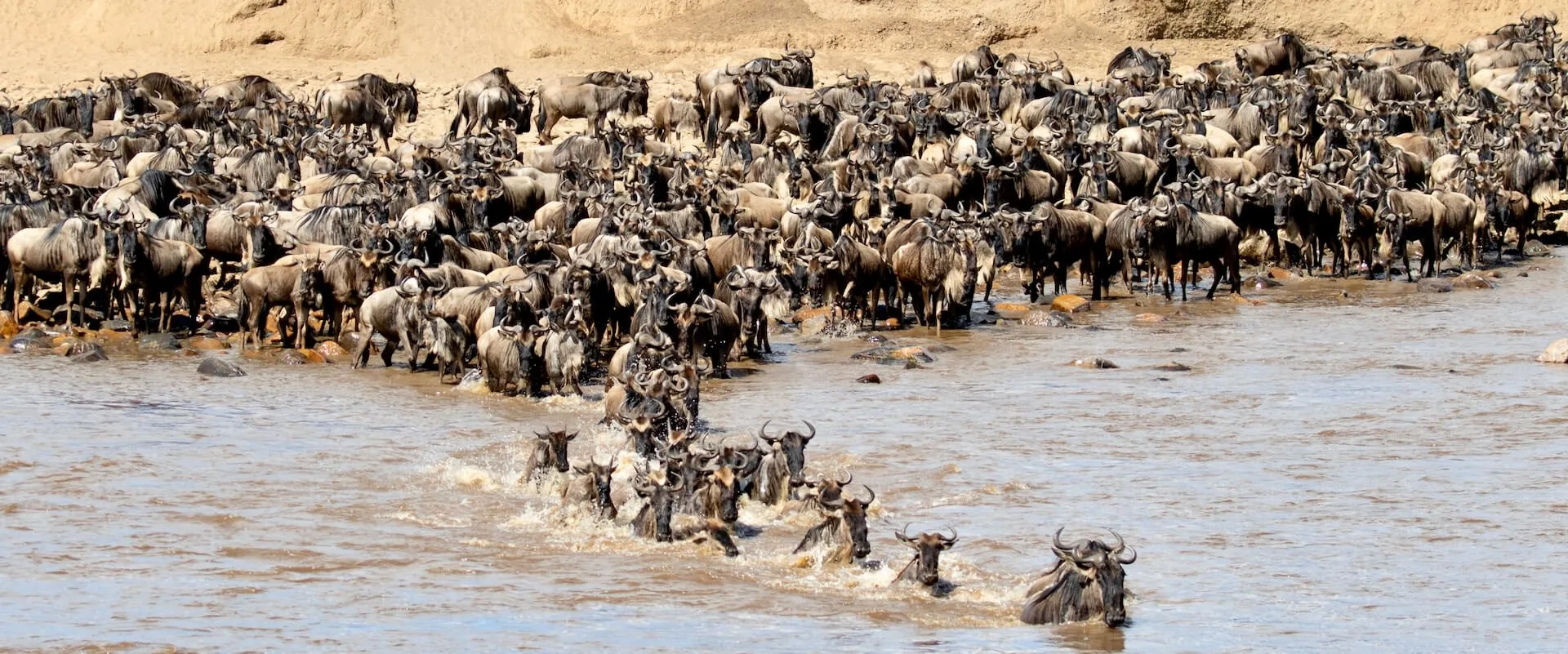
The Great Migration in Africa happens all year because the herds continuously circulate through the Serengeti–Mara ecosystem in…
Read article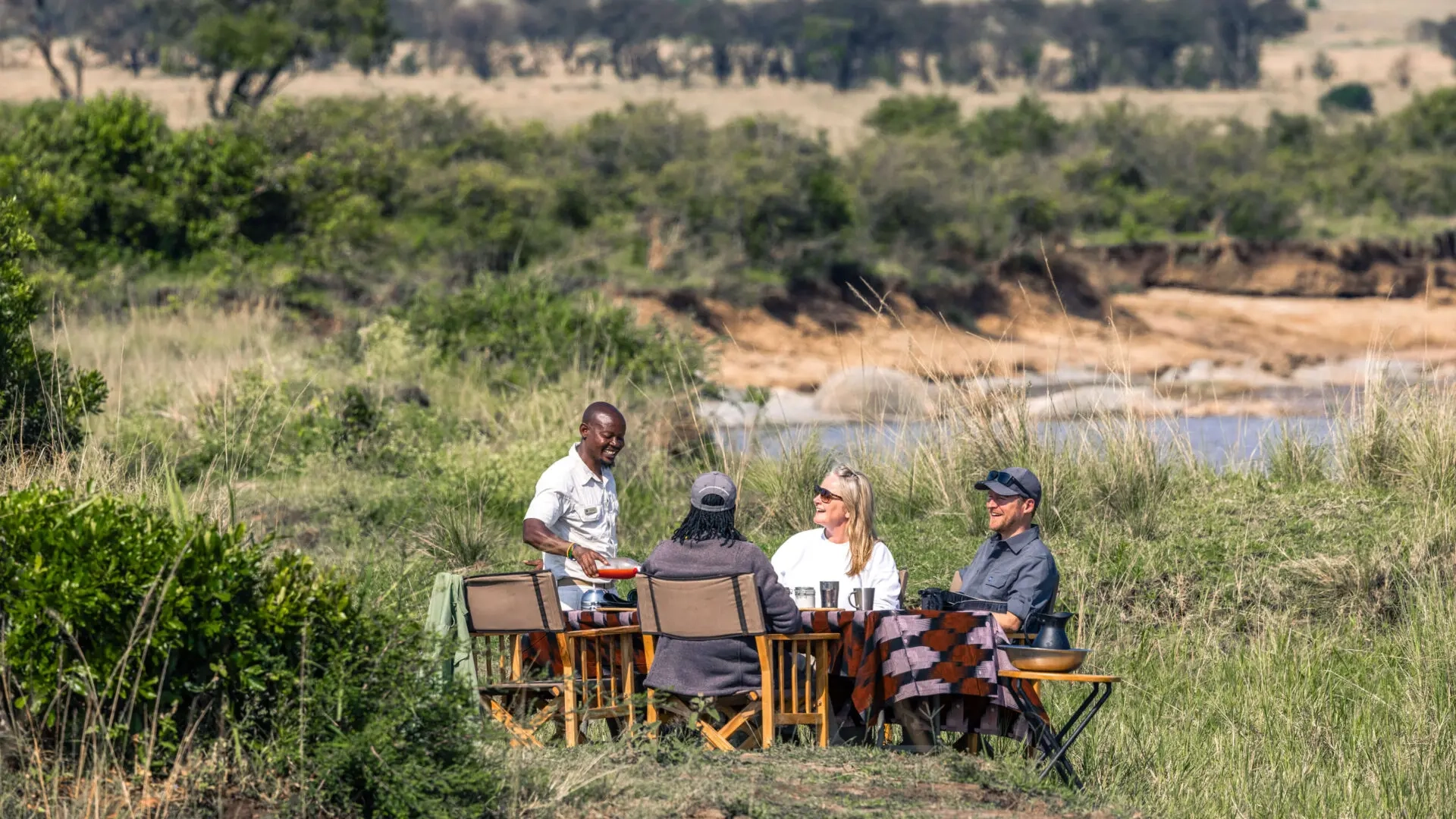
Definitive answer: A picnic lunch on safari is a packed or catered midday meal eaten at an approved…
Read article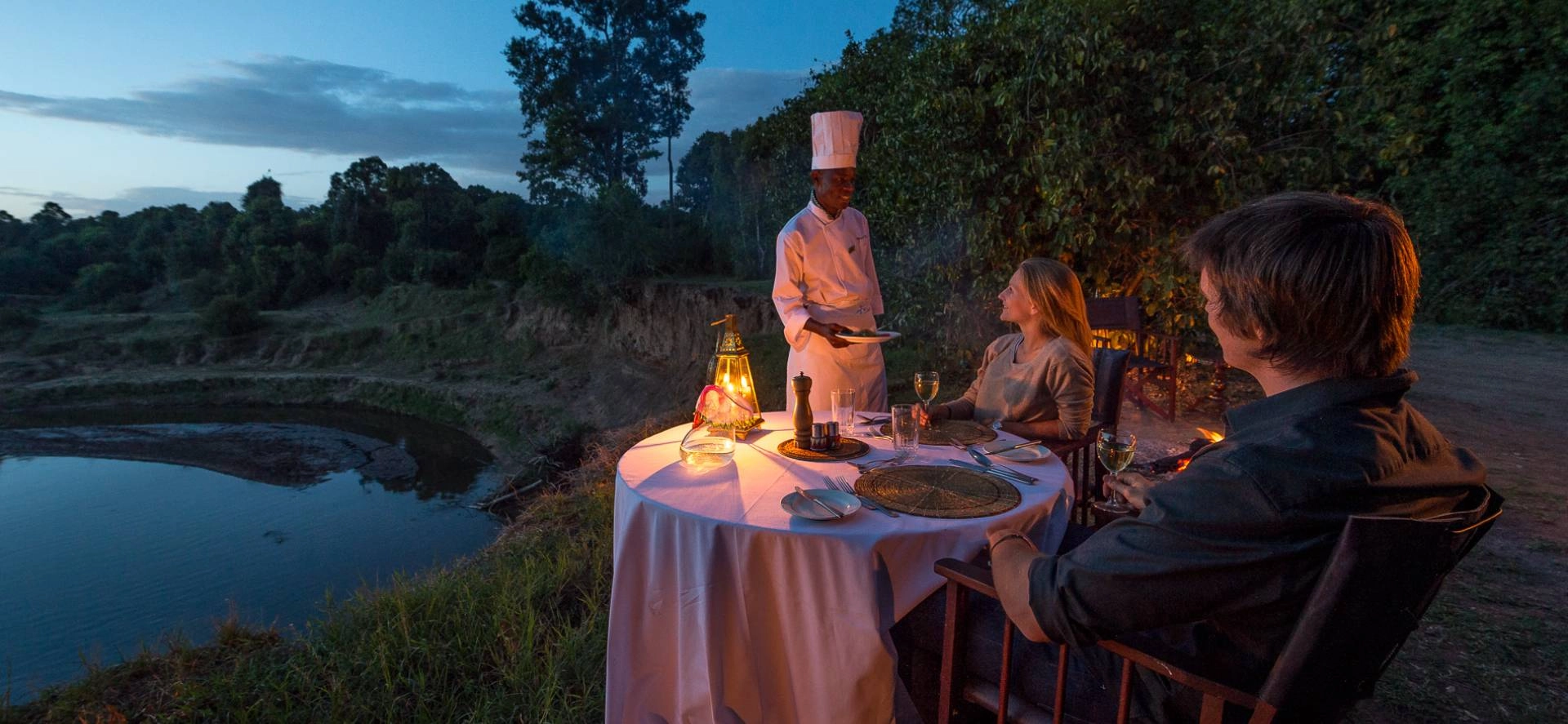
Definitive answer: A bush dinner is an outdoor evening meal arranged in a safe safari setting away from…
Read articleLet us take you closer to the wildlife, people and places that make Africa extraordinary.
Plan Your Safari Today