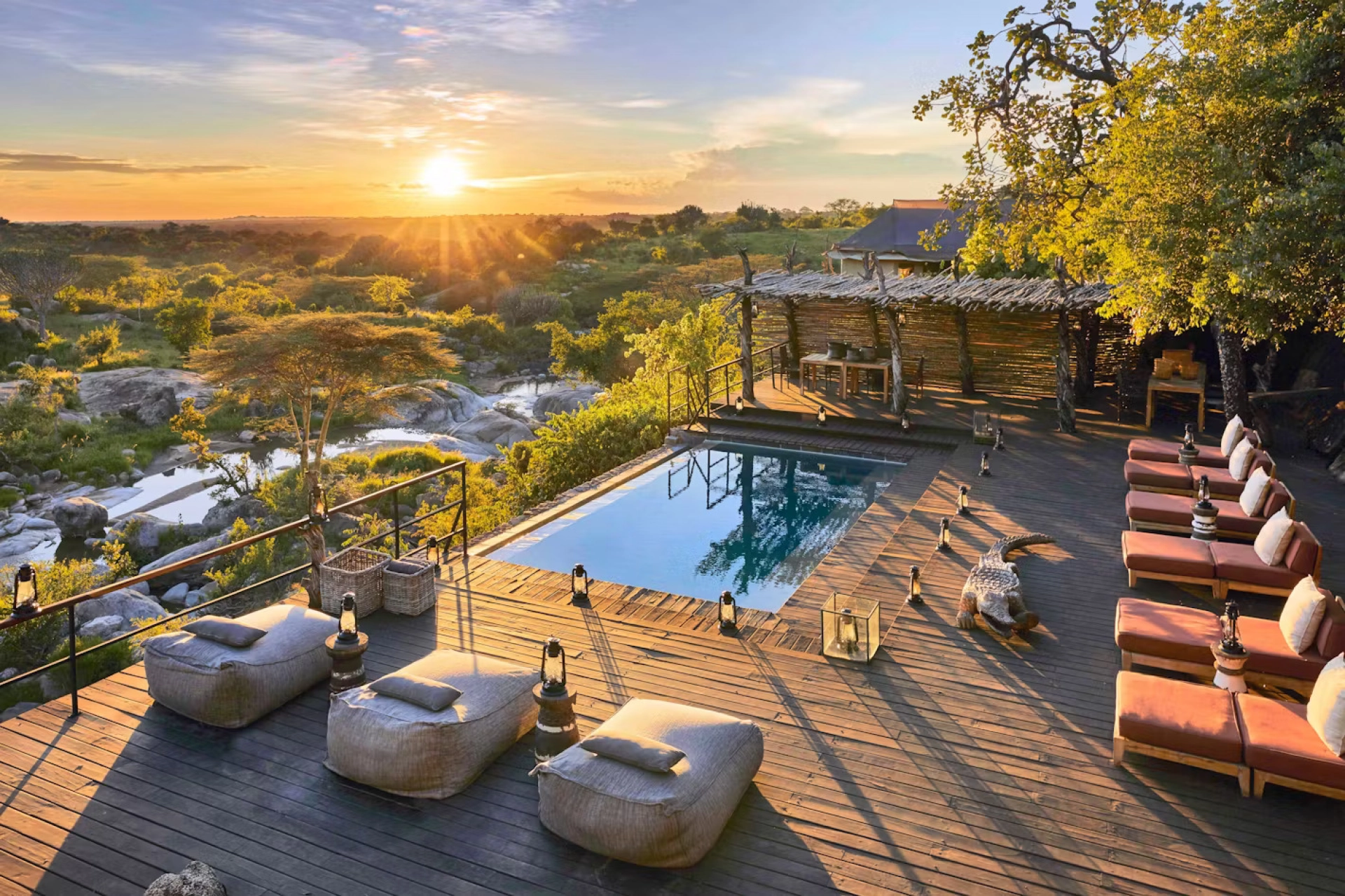
What should I look for when booking a luxury African safari?
When booking a luxury African safari, look beyond the room and compare the quality of guiding, wildlife location,…
Read article

Travel Guide
Choosing the best time to go on safari in South Africa depends on much more than simply finding the driest month of the year. South Africa is a large and geographically diverse country, and its safari…
Choosing the best time to go on safari in South Africa depends on much more than simply finding the driest month of the year. South Africa is a large and geographically diverse country, and its safari regions experience different seasonal patterns from Cape Town, the Garden Route and the country’s Indian Ocean coastline. The month that delivers excellent game viewing in Kruger National Park may therefore be very different from the month you would choose for a Cape Town beach holiday.
For travelers whose highest priority is wildlife, particularly the Big Five in South Africa, the dry winter months from approximately May through September are generally among the strongest periods for safari in the northeastern reserves. SANParks describes Kruger’s April-to-September period as the dry season, when vegetation becomes sparse and wildlife is increasingly concentrated around rivers and waterholes. The park itself lists May through September as its primary recommended visiting period.
But that is only part of the story.
The wetter green season brings newborn animals, lush landscapes, dramatic skies and exceptional birding. Private reserves can provide excellent predator sightings throughout the year. The Eastern Cape follows somewhat different conditions. KwaZulu-Natal can combine wildlife with warm Indian Ocean beaches, while the Western Cape has a Mediterranean climate where winter is wetter rather than drier.
This detailed guide explains when to go on safari in South Africa, month by month and region by region, so that you can choose the period that best suits your interests.
For a traditional wildlife safari in Kruger National Park and the Greater Kruger region, the period from May to September is generally the safest recommendation. These are the cooler and drier months. Rainfall becomes limited, vegetation gradually thins and many seasonal water sources disappear. As a result, wildlife tends to depend more heavily on permanent rivers and waterholes. This can improve visibility and make animal movements more predictable. SANParks specifically notes that winter has traditionally provided the best game viewing in Kruger because vegetation is sparse and water availability is more restricted.
The dry season also makes safari driving more comfortable. Daytime temperatures are usually pleasant, humidity is lower and mosquitoes are generally less troublesome than during the height of summer. The trade-off is cold mornings. An open safari vehicle before sunrise in June or July can be surprisingly chilly, particularly when driving at speed. Warm jackets are essential.
South Africa does not have one universal safari climate. However, the Greater Kruger region follows a fairly clear pattern.
The dry season brings increasingly sparse vegetation, cooler temperatures and less surface water. May through September are especially popular. Wildlife frequently gathers near permanent water sources, making animals easier to locate. Road conditions are generally reliable. The landscape can become dusty and brown, particularly late in the dry season. This period is excellent for travelers whose primary objective is maximizing traditional game-viewing opportunities.
Summer brings heat, humidity and rainfall to Kruger. SANParks describes October through March as the park’s rainy season, when summer rainfall transforms the bush into a greener landscape. Increased foliage can make wildlife more difficult to spot, but the season brings its own significant advantages. Migratory birds arrive. Many animals give birth. The landscape becomes photogenic and dramatic. Thunderstorms can produce spectacular skies. For birders and repeat safari visitors, this season can be outstanding.
January is midsummer across much of the country’s northeastern safari region. Expect heat. Kruger can be hot and humid, particularly around midday. Rain often falls as afternoon or evening thunderstorms rather than continuous all-day rain, although weather varies considerably. Vegetation is lush. Rivers and seasonal water sources are fuller. This means animals have more places to drink and may be more widely dispersed than during the dry months. Game viewing can therefore require greater patience.
However, January has several major advantages.
The bush is beautifully green. Photography can be excellent because dusty winter backgrounds are replaced by rich vegetation. Storm clouds can create dramatic sunsets.
Summer coincides with a period when many antelope and other species have young. Seeing calves, lambs and other juveniles adds another dimension to safari. Predators may naturally take advantage of the abundance of inexperienced prey.
This is one of the strongest periods for bird watching in South Africa. Migratory species join resident birds, while breeding plumage can add additional color. For serious birders, the wet season should not be considered inferior.
February remains hot and often humid. Thunderstorms are possible, and vegetation remains thick. Wildlife visibility may therefore be more challenging than during winter. Yet February is particularly rewarding for travelers interested in: Birding, lush scenery, photography and fewer dry-season crowds. Morning and late-afternoon game drives are especially important because wildlife activity often decreases during the hottest part of the day. Private safari lodges adapt daily schedules to conditions, frequently leaving early in the morning before returning for breakfast and resting through midday.
Game drives then resume later in the afternoon.
March begins the gradual transition away from peak summer. Temperatures remain warm but may become somewhat more comfortable. Rain is still possible, and the bush remains green. March can be a very attractive compromise for travelers who want lush landscapes but would prefer to avoid the hottest part of summer. Predator sightings remain possible throughout the year. Lions, leopards, wild dogs and cheetahs do not disappear simply because vegetation is green.
The difference is visibility. Experienced trackers and guides become especially valuable when vegetation is dense.
April is one of the most interesting transitional months. Rainfall generally declines. Temperatures become more comfortable. The vegetation may still retain much of its green-season beauty. This combination makes April particularly attractive to photographers. The bush has not yet reached the dry, dusty appearance of late winter, but safari conditions are beginning to shift toward the dry season. April can therefore be an excellent shoulder-season safari month in South Africa.
Travelers combining Kruger with Cape Town should remember that the two regions follow different climatic patterns. Cape Town is moving into autumn while Kruger is entering its increasingly dry safari season.
May is one of the strongest months to begin a dry-season safari in Kruger National Park. Rainfall has dropped considerably. Temperatures are comfortable during the day. Vegetation begins thinning. Water sources become increasingly important. The mornings can already feel cool, so warm clothing is necessary. May also offers a useful balance between wildlife conditions and winter temperatures. Travelers who dislike very cold early mornings may prefer May over June or July.
June is firmly within the dry season. This is classic safari weather. Days are generally warm and dry. Nights can become cold. Before sunrise, open safari vehicles can feel extremely chilly. However, wildlife viewing can be excellent. With less grass and foliage, animals become easier to see. Permanent rivers, dams and waterholes become increasingly productive areas for game viewing. Elephants, buffaloes and antelope frequently rely on these resources. Predators may patrol the same areas because prey becomes concentrated.
June is therefore one of the strongest answers to the question when is the best time for Big Five safari in South Africa?
July is one of the driest and coolest periods. Game viewing can be outstanding. The landscape is increasingly open. Animals often spend more time close to water. Morning drives can be bitterly cold by African standards, particularly in open vehicles. Pack properly. A warm jacket, fleece, hat and gloves can transform the experience. Travelers sometimes arrive believing Africa will be hot every day and find themselves unprepared.
Wildlife visibility is excellent. Mosquito activity is generally reduced. Daytime weather is comfortable. Rain disruptions are relatively unlikely.
Demand can be high. South African school holidays and international summer travel can increase occupancy in popular reserves. Book high-quality lodges early.
August is another exceptional month for wildlife. The bush is very dry. Vegetation is sparse. Water becomes limited. Animals are frequently concentrated around permanent water sources. The increasing dryness can create excellent visibility. Dust can actually enhance photography when warm evening light catches particles around elephants or buffalo herds. August is particularly strong for travelers whose main goal is wildlife photography in South Africa. Daytime temperatures begin gradually increasing as spring approaches.
September sits at the end of the classic dry season. For many safari enthusiasts, it is one of the finest months. Water scarcity can be significant. Wildlife concentrations around rivers and dams may be impressive. Vegetation is at its thinnest. Temperatures are becoming warmer. This can make September especially appealing for visitors who want excellent wildlife viewing without the colder mornings of June or July. SANParks includes September within Kruger’s recommended May-to-September visiting period.
However, the landscape can appear extremely dry. Visitors expecting lush green African scenery may be surprised by the dusty browns and muted vegetation. From a pure game-viewing perspective, that dryness is precisely part of the advantage.
October is a transition month. Temperatures rise. The first significant rains may begin changing the landscape. Timing varies from year to year. A dry October can continue to provide excellent traditional game viewing. Once rains arrive, the transformation can be rapid. New vegetation appears, seasonal water sources refill and animal distribution changes. October can therefore provide the best of both worlds—or rapidly changing conditions. For repeat visitors, that unpredictability can be part of the appeal.
November moves firmly toward summer. Heat and humidity increase. Thunderstorms become more frequent. Vegetation becomes greener and thicker. This is an exciting period for photographers and birders. Migratory birds are returning. Many animals are entering breeding or birthing periods. The landscape becomes vibrant. Game viewing may require more effort than during September, but sightings can still be extraordinary.
December is midsummer and part of South Africa’s festive holiday season. Kruger is green, hot and alive. Birdlife is exceptional. Young animals can add interest. Storms create atmospheric skies. However, the festive season can be busy. Public rest camps and popular private lodges may fill well in advance. Travelers considering a Christmas safari in South Africa should book early.
For straightforward Big Five game viewing, May through September is generally the best period for Kruger. Kruger covers nearly two million hectares and is South Africa’s flagship national park, offering self-drive options, guided activities, public camps and luxury lodges. The park supports an exceptional variety of wildlife. Visitors can search for: Lions, leopards, elephants, rhinos, Cape buffalo, cheetahs, African wild dogs, hyenas, giraffes, zebras, hippos and numerous antelope species. The enormous size means different areas offer different habitats.
A four- or five-night Kruger safari usually produces a better experience than attempting to see the park in one or two days.
Travelers frequently encounter both terms while researching a South Africa safari. Kruger National Park is the government-managed national park operated by SANParks. The Greater Kruger concept includes Kruger itself plus several adjacent private reserves forming part of the broader ecosystem. Some private reserves share unfenced boundaries with the national park or neighboring reserves, allowing wildlife to move across large areas. These private reserves can provide a different safari style. Game drives are typically guided.
Vehicles may have fewer road restrictions in appropriate areas. Trackers work alongside guides. Many lodges offer bush walks, sundowners and intimate accommodation.
The same broad seasonal pattern applies. May through September generally delivers dry-season visibility. However, private reserves can produce outstanding sightings throughout the year. Skilled guides and trackers significantly reduce the disadvantage of thick summer vegetation. If a leopard disappears into woodland, experienced trackers may identify signs and anticipate where it could emerge. This is one reason private reserves can be so rewarding during the green season.
Lions can be seen year-round. There is no single “lion season.” Dry-season conditions may make prides easier to locate because vegetation is thinner and prey concentrates around water. Early morning and late afternoon are productive times because lions tend to be more active during cooler conditions. Night drives in reserves that permit them can also reveal nocturnal predator activity. No safari can guarantee lions, but Kruger and the Greater Kruger ecosystem provide excellent opportunities.
Leopards are famously elusive. They occur throughout Kruger and many surrounding reserves. Dry-season visibility helps, but leopard sightings can be outstanding at any time. Private reserves with skilled trackers can be particularly good because guides learn individual leopard territories and behavior. Dawn, dusk and nighttime are often productive.
Elephants are present year-round. During the dry season, permanent water becomes increasingly important, making river systems and waterholes productive places to observe herds. Late dry-season elephant encounters can be spectacular. During the green season, elephants spread more widely because food and water become abundant. This can make sightings less predictable, but lush landscapes provide beautiful photographic settings.
South Africa remains one of the important countries for seeing both white and black rhinos, although conservation pressures and poaching remain serious concerns. Rhino sightings depend on reserve, habitat and luck. For security reasons, some conservation areas deliberately restrict location information. Travelers should never share precise real-time rhino locations publicly. Responsible wildlife tourism should support rather than undermine conservation.
African wild dogs are among Africa’s most exciting and endangered predators. They range widely, meaning sightings are unpredictable. Certain periods associated with denning can sometimes make packs more localized, but the exact timing and locations vary. Rather than choosing an entire South Africa trip around wild dogs, stay several nights in strong wildlife areas and allow guides to track current pack movements.
For serious birders, the summer green season can be exceptional. Migratory species increase diversity. Breeding behaviors and plumage create additional photographic possibilities. Kruger supports remarkable bird diversity; SANParks highlights species including ground hornbill, martial eagle, saddle-billed stork and other major birds of interest. Birders should therefore think carefully before defaulting automatically to winter. The best general wildlife season is not necessarily the best birding season.
Photography depends on personal style. Dry season provides: Better visibility, concentrated wildlife, dusty atmospheric light and fewer obstructing leaves. Green season provides: Rich backgrounds, dramatic skies, newborn animals, colorful birds and fewer brown landscapes. Professional photographers often value both. First-time travelers whose priority is photographing large mammals may find June through September easier.
Walking safaris depend on reserve policies, weather and local conditions. Dry winter weather can be particularly comfortable because temperatures are lower and vegetation is less dense. Some Greater Kruger lodges specialize in guided walking experiences. The objective of a bush walk is usually not simply to approach large animals. Guides interpret tracks, plants, insects, birds, geology and the subtle ecological details easily missed from a vehicle.
Safari wildlife activity changes throughout the day. Morning drives usually begin around or before sunrise. SANParks guided morning drives in Kruger operate for roughly three to three-and-a-half hours and are designed to take advantage of early access and cooler wildlife activity. Late-afternoon drives continue toward sunset. Private reserves may extend these into darkness where permitted. During hot summer months, early and late drives become particularly important because many animals rest during midday heat.
Families often prefer the dry season because weather is predictable and mosquitoes are less troublesome. July and August can coincide with school holidays in many countries, making scheduling convenient. However, lodge age restrictions should be checked carefully. Some properties limit young children on shared game drives. Private vehicles can be worth the additional expense for families because game-drive timing becomes more flexible.
For honeymooners, May, June, September and October can be particularly appealing. These months can provide strong safari conditions without always overlapping with the busiest international holiday periods. Couples should also consider the second half of their trip. If the honeymoon includes Cape Town, Mozambique, Mauritius or Seychelles, the overall climate combination matters more than optimizing safari alone.
This is one of the most common itinerary challenges. Kruger’s strongest dry-season wildlife period overlaps with Cape Town’s wetter winter. Cape Town’s warm, dry summer overlaps with Kruger’s hot, rainy season. There is therefore no single month when both regions are always at their absolute climatic peak. The solution is compromise.
These can be excellent for travelers prioritizing safari but wanting increasingly pleasant Cape weather.
These months can also balance reasonably comfortable Cape conditions with improving dry-season wildlife viewing.
Choose this period if Cape Town beaches matter more than ideal dry-season safari conditions. Kruger still delivers excellent wildlife experiences—it is simply greener and more challenging for visibility.
The Garden Route is relatively flexible. It can therefore be added to a safari during several seasons. April, May, September and October can create particularly attractive combinations. Travelers can fly into Cape Town, drive the Garden Route, enjoy coastal landscapes and then continue toward wildlife areas.
KwaZulu-Natal provides one of South Africa’s strongest safari-and-beach combinations. The Indian Ocean coastline is warmer than Cape Town’s Atlantic side. Wildlife reserves, iSimangaliso Wetland Park and beaches can be incorporated within the same broader region. Winter can be particularly attractive because safari weather is dry while coastal temperatures remain relatively mild.
The Eastern Cape is popular because it combines easily with the Garden Route and can include malaria-free safari areas. Its seasonal patterns are not identical to Kruger. Wildlife viewing can remain productive throughout the year. Families traveling through Cape Town and the Garden Route may find an Eastern Cape safari more convenient than flying all the way to Greater Kruger. Travelers whose highest priority is a classic large-scale safari ecosystem may still prefer Kruger.
No. This is one of the biggest misconceptions in safari planning. Rain does not mean continuous downpours every day. Summer often brings thunderstorms followed by clear conditions. The landscape is beautiful. There are more insects, which means increased food for birds and smaller animals. Young animals are abundant. The main disadvantage is visibility. Dense vegetation makes wildlife harder to locate. Animals are less dependent on predictable water sources. For experienced safari travelers, these differences can make the green season more interesting rather than worse.
Safari rates depend heavily on individual lodge policies. Some lodges charge the same throughout the year. Others offer seasonal rates. Green-season or shoulder-season promotions can produce excellent value. Travelers should compare the total package carefully. A cheap room rate that excludes game drives, meals and conservation fees may be less attractive than an inclusive safari package. Look at what is included rather than focusing solely on the nightly accommodation price.
For a first safari, three nights should generally be considered the minimum, while four to five nights provides a stronger experience. One night is rarely enough. Wildlife is unpredictable. The leopard you fail to see today might walk past your vehicle tomorrow morning. Longer stays also reduce pressure to chase sightings. You begin appreciating birds, trees, tracks and behavior rather than treating safari as a checklist.
Neutral, comfortable clothing works best. You do not need to dress entirely in khaki. Avoid extremely bright colors during walking activities. Layers are essential. Winter morning drives require warm jackets. Summer needs lightweight breathable clothing. A hat and sunscreen are useful year-round. Comfortable closed shoes are recommended for walking activities. Binoculars dramatically improve the experience, particularly for birds and distant predators.
Parts of northeastern South Africa, including areas around Kruger, are malaria-risk regions. Risk varies by location and season. Travelers should seek current professional medical advice before departure. Do not rely exclusively on old travel articles for health recommendations. Use appropriate mosquito precautions even when traveling during the drier months. Families specifically wanting malaria-free safari destinations can consider suitable reserves elsewhere in South Africa.
Choose Kruger if you value: A huge national park, extensive self-drive opportunities, varied accommodation and the freedom to explore at your own pace. Choose a private Greater Kruger reserve if you value: Professional guided game drives, trackers, smaller lodges, off-road opportunities where permitted, bush walks and a more inclusive safari format. Many travelers combine both. A few nights inside Kruger followed by a private reserve can provide the strengths of each experience.
For travelers planning a larger African journey, South Africa combines extremely well with gorilla trekking in Uganda or Rwanda. A trip could begin with Kruger before flying north to Entebbe. Uganda can then add chimpanzee trekking in Kibale National Park, wildlife in Queen Elizabeth National Park and mountain gorillas in Bwindi Impenetrable National Park. Alternatively, travelers can begin with the primates and finish with South Africa. A South Africa and Uganda safari provides an exceptional contrast.
Kruger’s open bushveld delivers traditional Big Five game viewing. Bwindi provides intimate rainforest trekking. Kibale introduces chimpanzees. Cape Town can add food, wine, mountains and beaches. Few African itineraries are more varied.
If forced to choose one period purely for traditional wildlife viewing in Greater Kruger, June through September is exceptionally strong. If you want slightly warmer conditions, consider September. If you dislike peak-season demand, May can be excellent. For photographers seeking lush landscapes, choose January through March. For birders, the summer months deserve serious consideration. For a Cape Town and safari combination, April, May, September and October can provide useful compromises.
The important point is that there is no genuinely bad month for safari. There are simply different seasons offering different advantages.
The best time to go on safari in South Africa depends on what you want most. Choose the dry season if Big Five visibility is the priority. Choose the green season if birding, landscapes and newborn wildlife excite you. Choose shoulder season if you want to combine safari with Cape Town. Stay long enough for wildlife encounters to unfold naturally. And avoid planning the trip as a checklist. A great safari is not defined only by whether you see all five members of the Big Five.
It may be watching elephants quietly drinking at sunset. It may be following wild dog tracks with an experienced guide. It may be a leopard appearing unexpectedly from dry grass. It may be hearing lions calling before sunrise. At Adventure in the Wild Safaris, South Africa can be combined with Uganda gorilla trekking, Rwanda safaris, Kenya wildlife safaris, Tanzania safaris, Cape Town, the Garden Route and Indian Ocean beach holidays.
Whether you travel in January or September, understanding South Africa’s seasons allows you to design the journey around the wildlife, weather and experiences that matter most to you. And for most first-time visitors seeking classic Big Five game viewing, the dry months from May through September remain the strongest place to start.

Share This Article
When booking a luxury African safari, look beyond the room and compare the quality of guiding, wildlife location,…
Read article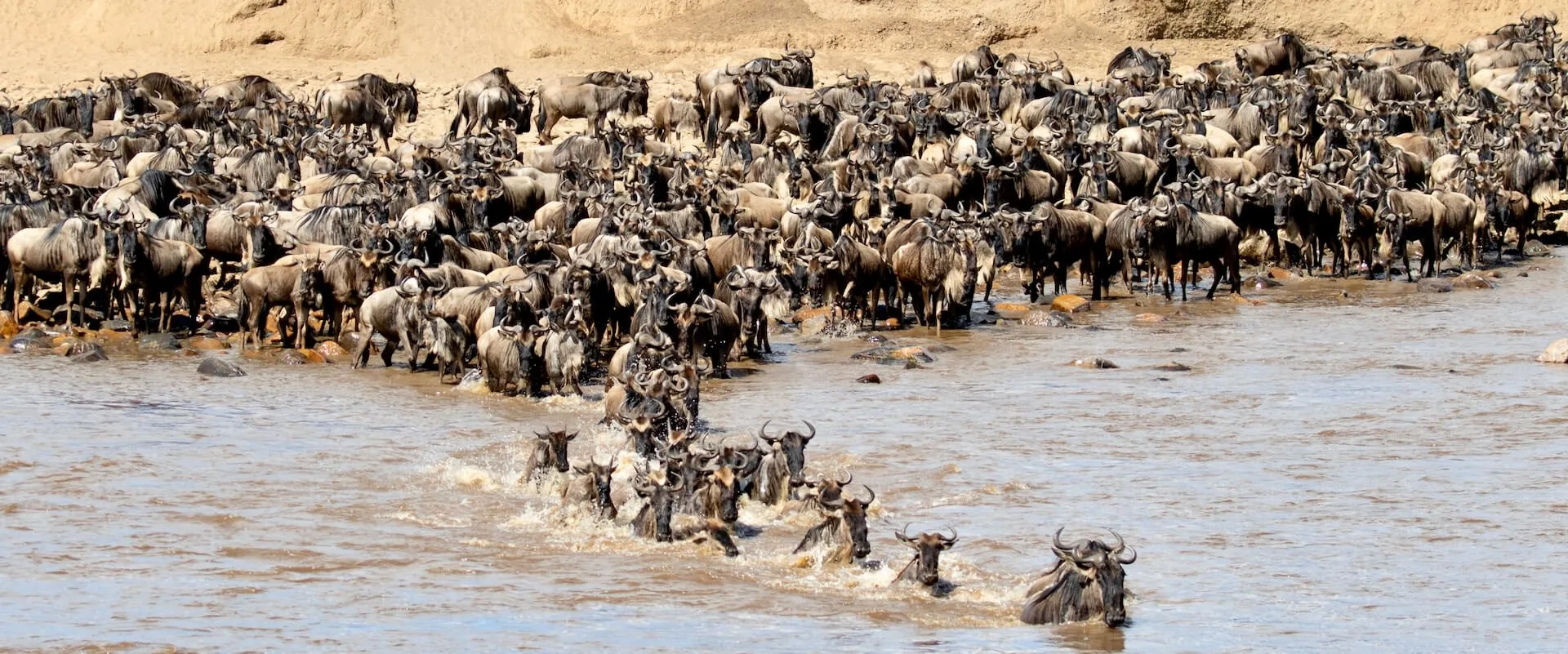
The Great Migration in Africa happens all year because the herds continuously circulate through the Serengeti–Mara ecosystem in…
Read article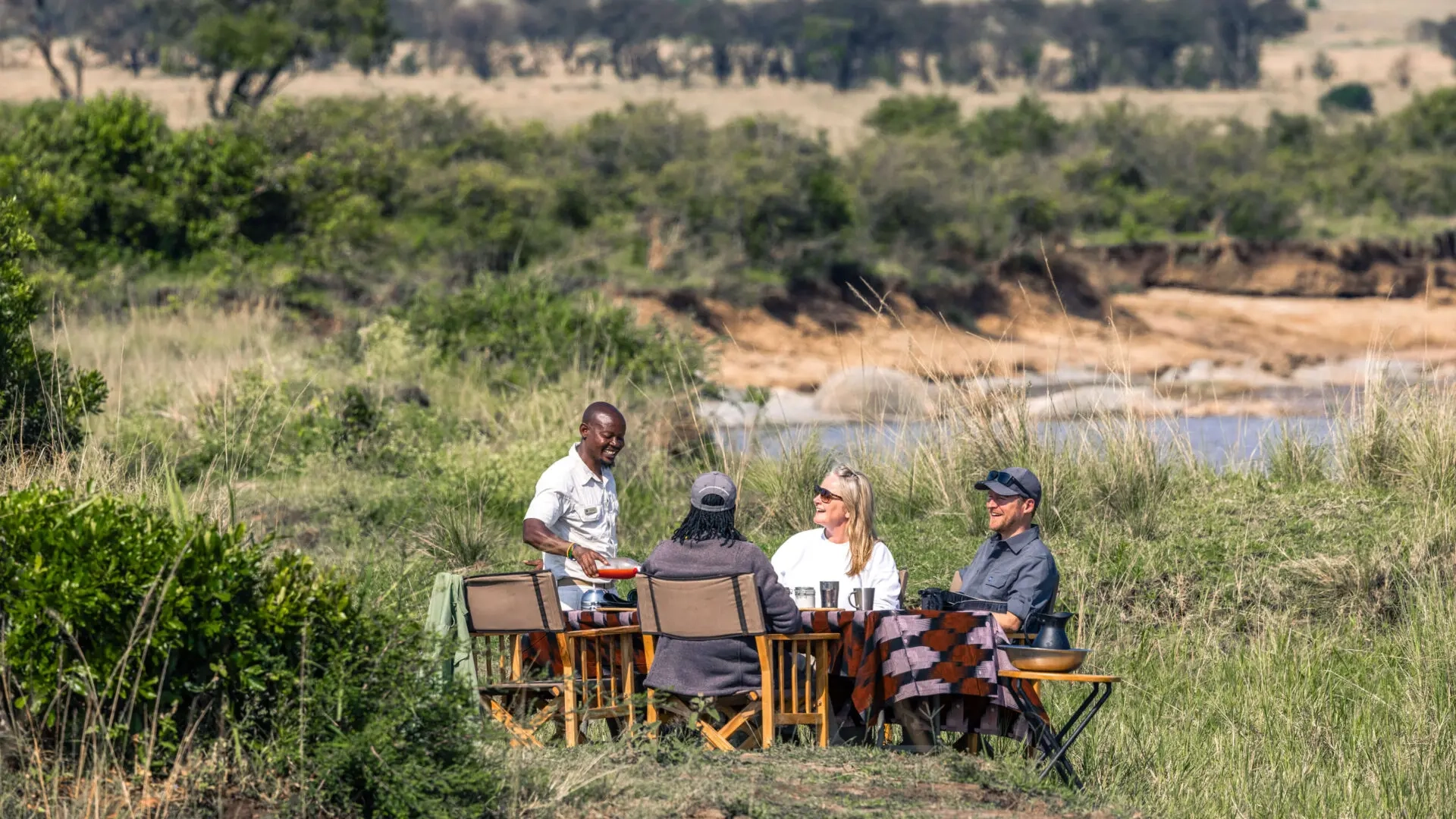
Definitive answer: A picnic lunch on safari is a packed or catered midday meal eaten at an approved…
Read article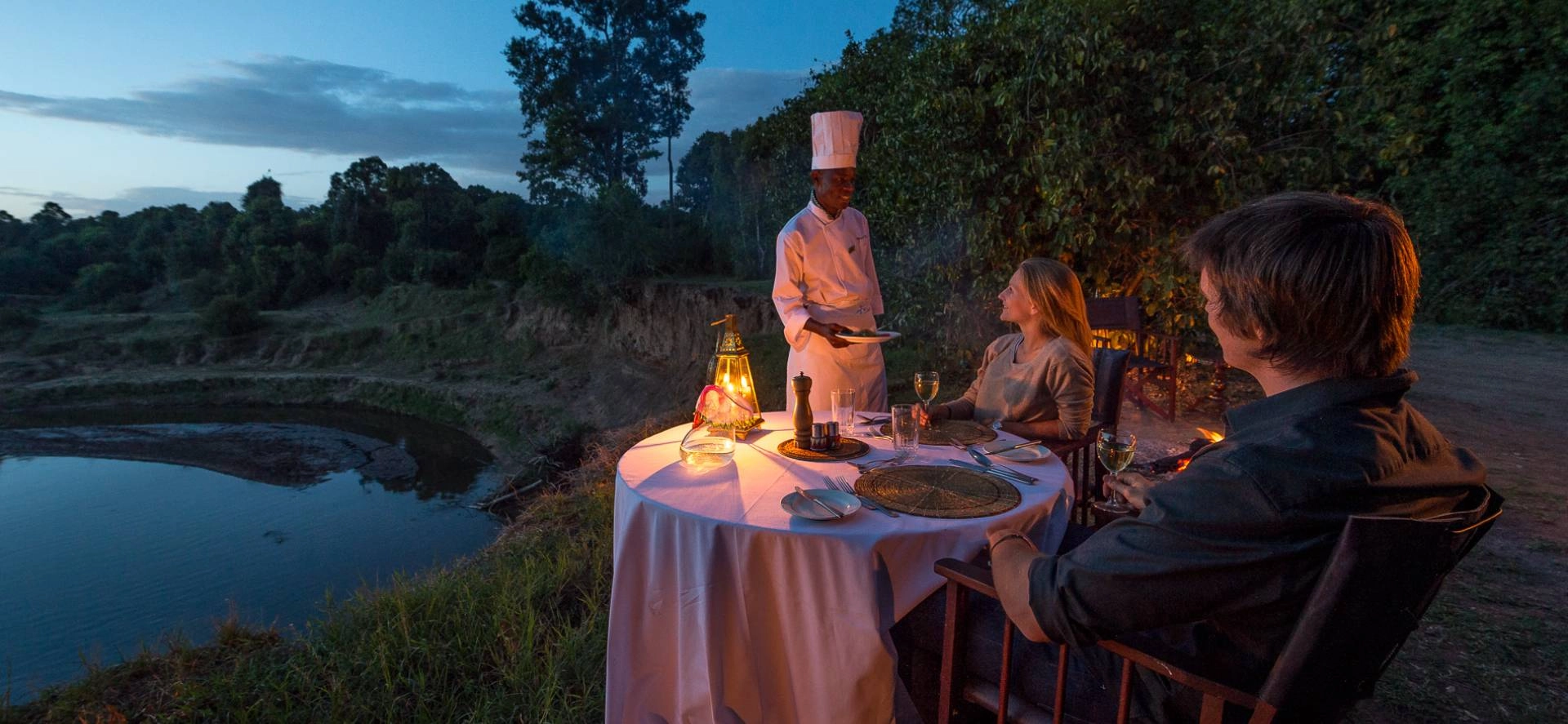
Definitive answer: A bush dinner is an outdoor evening meal arranged in a safe safari setting away from…
Read articleLet us take you closer to the wildlife, people and places that make Africa extraordinary.
Plan Your Safari Today