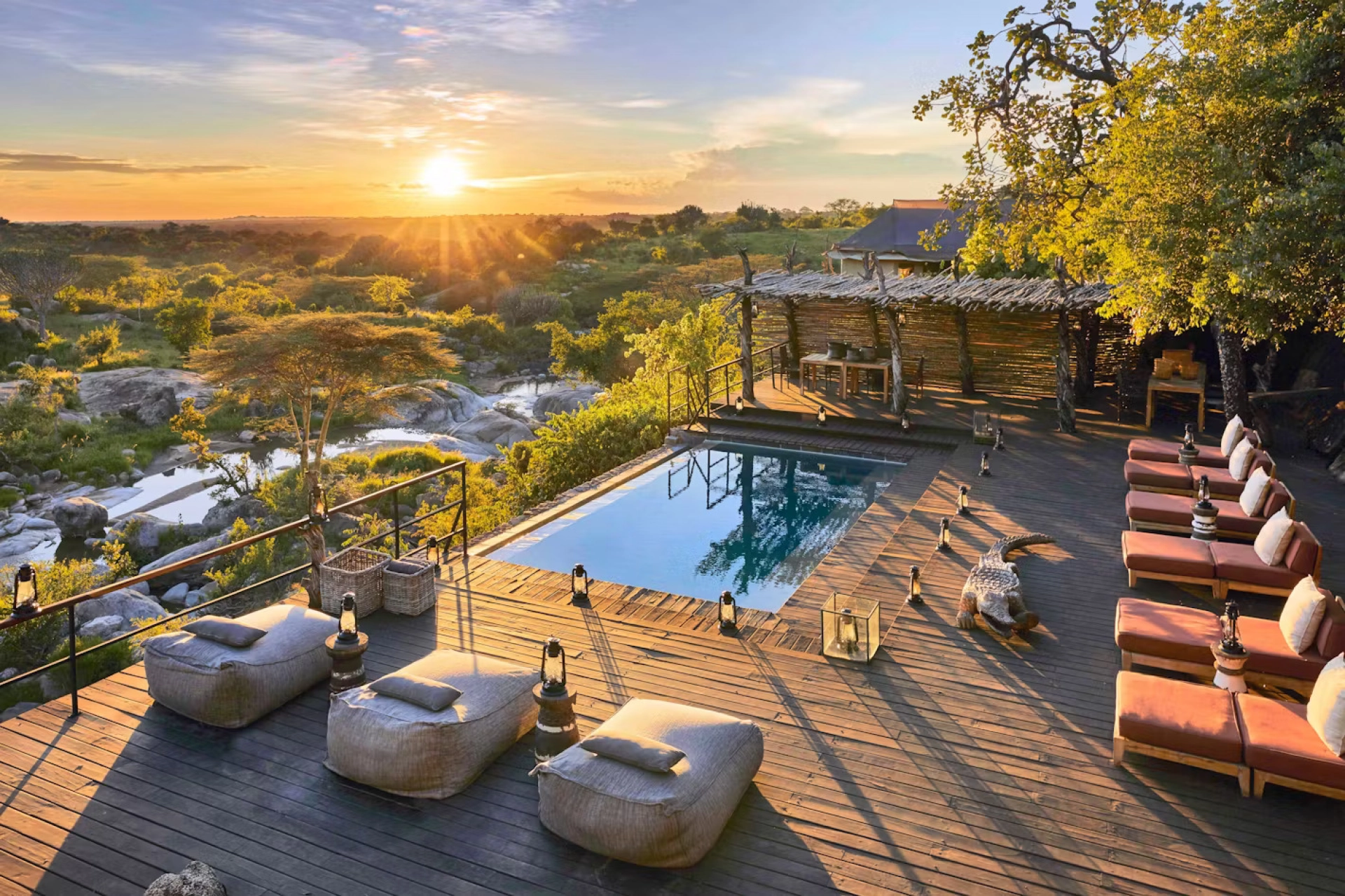
What should I look for when booking a luxury African safari?
When booking a luxury African safari, look beyond the room and compare the quality of guiding, wildlife location,…
Read article

Travel Guide
The best time to visit Africa depends much more on what you want to experience than on finding one supposedly perfect month. Africa is an enormous continent containing equatorial rainforests, tropical savannahs, highland ecosystems, deserts, Mediterranean…
The best time to visit Africa depends much more on what you want to experience than on finding one supposedly perfect month. Africa is an enormous continent containing equatorial rainforests, tropical savannahs, highland ecosystems, deserts, Mediterranean climates and subtropical coastlines. A month that produces excellent wildlife viewing in Botswana can coincide with very different conditions in Uganda, Kenya, Tanzania or South Africa. Even within the same country, conditions may vary considerably between highlands, savannah national parks, forests and coastal areas.
For this reason, planning an African safari around a generic statement such as “June to October is the best time to visit Africa” can be misleading. June through October is indeed an excellent period for many famous safari regions, particularly where the dry season concentrates wildlife around permanent water. Yet travelers who automatically avoid every wetter month can miss some of Africa’s most beautiful landscapes, excellent birding, newborn animals, lower accommodation rates and less crowded safari experiences.
The best time for an African safari should therefore be selected by matching your dates with your wildlife priorities, destination, preferred weather, tolerance for rain, budget and desired level of exclusivity.
A traveler hoping to photograph huge wildebeest herds on Tanzania’s southern plains has different timing considerations from somebody hoping to see river-crossing activity in the northern Serengeti or Masai Mara. A visitor planning gorilla trekking in Uganda does not need the same seasonal strategy as a traveler visiting Botswana’s Okavango Delta. Someone looking for a quieter, more affordable safari may deliberately choose the green season, while a first-time visitor primarily interested in traditional Big Five viewing may prefer a classic dry-season journey.
Understanding these differences allows you to choose the best safari period for your trip, rather than simply following a calendar created for somebody else’s priorities.
One of the biggest misconceptions about African travel is that the continent has one wet season and one dry season. It does not. Africa stretches across the equator and encompasses an extraordinary range of climatic systems. East Africa’s seasonal patterns differ from southern Africa’s. Equatorial Uganda and Rwanda receive rainfall differently from the arid landscapes of Namibia. Cape Town’s Mediterranean-style seasonal pattern differs markedly from the summer-rainfall safari regions farther north and east in South Africa.
Even neighboring destinations can behave differently.
The Serengeti in Tanzania and Masai Mara in Kenya form part of the same broader ecosystem, yet the seasonal location of the Great Migration can make one side of the border more strategically attractive at a particular time. Uganda’s Bwindi Impenetrable National Park receives rainfall throughout the year because it is a tropical forest, meaning even a so-called dry-season gorilla trek can encounter rain.
Instead of asking only, “What is Africa’s dry season?”, a better planning question is, “What happens in the specific destination I want to visit during my travel month?”
The traditional African safari dry season is popular for good reasons. As rainfall decreases, temporary water sources may disappear and vegetation can become thinner. Wildlife becomes increasingly dependent on permanent rivers, waterholes and wetlands. Animals that were previously dispersed across large landscapes can therefore become easier to locate. Thinner vegetation may also improve visibility. This is especially useful for spotting predators or animals that disappear easily into thick bush. Road conditions can become more predictable, and travelers undertaking remote safaris may appreciate the reduced likelihood of rain-related disruptions. However, the dry season also brings trade-offs.
Popular parks may receive more visitors. Premium lodges can become more expensive. Dust increases. Landscapes may appear brown or pale rather than green. Famous wildlife sightings can attract multiple safari vehicles. The green season, by contrast, transforms many safari landscapes. Grasslands become vibrant. Trees produce fresh foliage. Storm clouds create dramatic photographic backgrounds. Migratory birds arrive in many regions. Herbivores may give birth during favorable periods, and the presence of young animals can create fascinating predator-prey interactions.
Accommodation prices may also become more attractive. The green season should therefore not be treated as an inferior safari season. It is a different safari experience.
Across many important safari areas in East and southern Africa, substantial portions of the period from roughly June through October tend to be comparatively dry, but local patterns differ considerably. In Uganda and Rwanda, relatively drier periods commonly occur around June through August and again around parts of December through February, although tropical rainfall can occur at any time. In Kenya and northern Tanzania, seasonal patterns are more complex because there can be both shorter and longer rainy periods.
Across much of the southern African safari region, the cooler dry months generally occur during the middle of the year, while rains are more associated with the warmer months. These are broad patterns rather than guarantees. Climate variability means actual rainfall can begin earlier, later or more irregularly than historical averages suggest.
For conventional wildlife safaris, June, July, August, September and October are among the most requested months across Africa. In southern African destinations such as Botswana, Zimbabwe, Zambia and many parts of South Africa, the dry season progressively concentrates wildlife near permanent water. Vegetation becomes less dense, making animals easier to observe.
In East Africa, these months also overlap with major travel periods and important phases of the Great Migration ecosystem. For first-time travelers seeking classic wildlife viewing and relatively predictable safari conditions, this period is understandably attractive. But popularity has consequences. High-demand camps may fill months in advance. Rates can rise substantially. Famous destinations such as the Masai Mara and particular areas of the Serengeti may become busy.
Travelers who value solitude should therefore consider whether peak season is genuinely necessary for their goals.
Uganda is unusually versatile because its safari experiences combine tropical forests, savannah national parks, lakes, wetlands and highlands. The best time to visit Uganda for many travelers is during the relatively drier periods, particularly when the itinerary includes gorilla trekking in Bwindi Impenetrable National Park, chimpanzee trekking and wildlife game drives. Drier weather can make forest trails somewhat easier to negotiate. Roads through rural and mountainous areas may also be more predictable. However, Uganda remains green for much of the year, and rainfall should always be expected as a possibility. This is especially true in Bwindi. The word “dry” is relative in a tropical rainforest.
Gorilla trekking in Uganda operates throughout the year. There is no month when the mountain gorillas disappear. The principal seasonal difference concerns trekking conditions rather than gorilla presence. During relatively drier periods, trails may contain less mud, making steep forest sections easier for many visitors. This is why June through August and portions of December through February are often popular. During wetter months, trekking can be muddier and more physically demanding. Yet wetter periods also have advantages.
The forest becomes intensely green. Visitor demand may be lower. Photographers can enjoy lush vegetation, mist and atmospheric forest conditions. Travelers should therefore choose the best time for gorilla trekking according to fitness, budget and wider safari plans rather than worrying that gorillas can only be seen during one season.
A Uganda journey becomes even more rewarding when gorilla trekking is combined with chimpanzee trekking in Kibale National Park, game drives in Queen Elizabeth National Park, boat safaris on the Kazinga Channel, wildlife viewing in Murchison Falls National Park, or a remote safari to Kidepo Valley National Park. Seasonal conditions affect these environments differently. During drier periods, savannah wildlife may become easier to locate around water. During greener periods, landscapes become more photogenic and birdlife can be particularly rewarding. This makes Uganda an excellent destination for travelers who cannot travel only during conventional peak months.
Rwanda is also a year-round destination, particularly for travelers focused on mountain gorilla trekking in Volcanoes National Park. Relatively drier periods generally make trekking more comfortable because trails may be less slippery. However, Volcanoes National Park is a high-altitude tropical environment where rainfall remains possible throughout the year. Rwanda’s compact geography also allows visitors to combine gorilla trekking with Akagera National Park, Nyungwe National Park, Kigali and Lake Kivu.
The best travel period therefore depends on whether your journey is primarily a gorilla safari or a broader Rwanda wildlife itinerary.
The best time to visit Kenya for safari depends heavily on where you intend to travel. Kenya’s safari landscapes range from the Masai Mara and Amboseli to Samburu, Tsavo, Lake Nakuru and numerous private or community conservancies. Dry periods can provide excellent wildlife viewing because animals gather around reliable water and vegetation becomes less dense. However, Kenya’s green seasons can also provide outstanding wildlife experiences with fewer visitors and lush photographic conditions.
The Masai Mara National Reserve provides excellent resident wildlife throughout the year. Travelers sometimes mistakenly believe the Mara is only worth visiting during the Great Migration. That is incorrect. Lions, elephants, giraffes, buffaloes, cheetahs, leopards, hyenas and many herbivores remain part of the wider ecosystem beyond migration periods. The months associated with large migration herds entering the Mara naturally attract considerable attention, but timing varies according to environmental conditions. Travelers focused specifically on dramatic migration activity should allow several nights rather than expecting a particular event on a particular day.
The green season can be one of the most beautiful times for photography. Landscapes are transformed by rain. Birdlife becomes particularly interesting. Fewer safari vehicles may improve the intimacy of sightings. Travelers seeking value should therefore compare green-season Kenya safari rates before automatically choosing peak season.
Tanzania is one of the clearest examples of why there is no single “best month” for Africa. The best time to visit Tanzania changes according to whether you want the Great Migration, predator activity, calving, general Big Five viewing, southern Tanzania wilderness or Zanzibar. The Serengeti alone changes dramatically throughout the year.
Serengeti National Park offers exceptional wildlife throughout the year. The Great Migration moves through different parts of the ecosystem according to rainfall and grazing. This means travelers should not merely ask for a “Serengeti lodge.” They should ask whether the lodge is appropriately positioned for their travel period and objectives. Central Serengeti can provide excellent general wildlife viewing during much of the year. Southern areas become important during periods associated with the migration’s calving cycle. Western and northern regions become increasingly relevant as the herds progress through the ecosystem.
The broader calving period on the southern Serengeti plains and neighboring ecosystems is one of Africa’s most remarkable wildlife seasons. Large numbers of wildebeest gather in productive grasslands. Many calves are born over a relatively concentrated period. Predators respond to the abundance of vulnerable prey. For travelers interested in wildlife behavior and photography, this can rival the drama of river crossings. It also demonstrates why “dry season equals best safari” is too simplistic. Some of Tanzania’s greatest wildlife spectacles occur during greener conditions.
Northern Serengeti and the Masai Mara become famous for migration river crossings. These scenes can be dramatic, but they are also unpredictable. No safari operator controls when a herd decides to cross. Travelers may wait for hours or days. Therefore, the best strategy is to spend enough nights in the relevant ecosystem rather than attempting a rushed one-night migration safari.
Botswana is one of Africa’s premier wilderness destinations.
The best time for a Botswana safari often depends on the relationship between seasonal rainfall and water movement through the Okavango system. The drier middle and later months of the year are highly popular because wildlife becomes concentrated and water-based safari experiences can be particularly rewarding in suitable areas. Temperatures can be surprisingly cool during early mornings, particularly in open safari vehicles. As the dry season progresses, daytime heat can become intense.
The wetter months transform Botswana. Vegetation becomes green, many animals give birth and birding becomes excellent. Some regions can offer especially good value outside peak season.
South Africa is too geographically diverse to describe with one safari season. For wildlife viewing in Kruger National Park and surrounding private reserves, the dry winter period is highly regarded because vegetation becomes thinner and wildlife concentrates around water. Morning temperatures can be cold, especially in open vehicles. Summer brings heat, rainfall, green landscapes and excellent birding.
However, Cape Town follows a different seasonal pattern. Travelers combining Kruger and Cape Town therefore need to balance two different climatic regions. This is an important example of why multi-destination African trips should be planned around the complete route.
Namibia’s dry landscapes make it one of Africa’s most visually distinctive safari destinations. Wildlife viewing in Etosha National Park can become particularly productive during the dry season when animals gather around waterholes. The dry months also suit road travel across Namibia’s enormous landscapes. However, nighttime and early-morning temperatures can become cold. The hotter period brings different photographic conditions and occasional dramatic weather. Travelers interested in desert landscapes should remember that Namibia is as much about scenery as conventional game viewing.
Zambia is renowned for wilderness, walking safaris and destinations such as South Luangwa National Park and the Lower Zambezi. The dry season progressively concentrates wildlife and creates excellent conditions for traditional safari activities. As water sources diminish, predator-prey interactions can become increasingly visible. The wet season transforms the landscape dramatically, but some camps or routes may operate differently according to access.
Travelers planning Zambia should therefore confirm seasonal lodge operations rather than assuming every camp is open year-round.
Zimbabwe’s major safari destinations include Hwange National Park, Mana Pools and the Victoria Falls region. Dry-season wildlife viewing in Hwange can be exceptional as animals gather around water. Mana Pools is particularly associated with seasonal safari experiences and wilderness activities. Victoria Falls itself changes character according to water levels. At very high water, the spray can be spectacular but may obscure some views. At lower water, the geological structure becomes more visible. The “best” time therefore depends on whether your priority is wildlife, the waterfall or a combination.
Victoria Falls is shared by Zambia and Zimbabwe and is strongly influenced by seasonal water flow. Travelers who imagine the waterfall looks identical every month may be surprised. Higher-water periods create immense spray and thunderous volume. Lower-water periods reveal more of the gorge structure and may make some viewpoints clearer. There is no universally superior state. A photographer wanting an enormous wall of spray may choose differently from someone wanting to see the rock formations.
January can be an excellent month for East African travel. Parts of Uganda and Rwanda may experience relatively drier conditions suitable for gorilla trekking. Tanzania’s southern Serengeti ecosystem becomes increasingly important for migration-related activity. Southern Africa is generally in its warmer, wetter season, producing lush landscapes and strong birding. This makes January particularly appealing to travelers who want green scenery rather than the dry-season aesthetic.
February can be exceptional for Tanzania because of the broader wildebeest calving season in the southern Serengeti ecosystem. Predator activity can be fascinating. Uganda and Rwanda remain attractive for primate trekking. Southern Africa remains green and warm. For wildlife photographers, February deserves far more attention than generic safari calendars often give it.
March can represent a transition in parts of East Africa. Rainfall may become more frequent.
This can reduce visitor numbers and sometimes create attractive value. Travelers comfortable with unpredictable showers can still enjoy excellent wildlife. Forest destinations remain beautiful, although trekking conditions may become muddier.
April is associated with substantial rainfall in parts of East Africa. Some travelers avoid it entirely. Yet this can produce exceptionally green landscapes, dramatic skies and reduced crowds. Road conditions may become challenging in certain areas, making professional itinerary planning particularly important. Travelers focused on photography rather than peak-season predictability may find the month rewarding.
May often remains part of the wetter period in several East African regions while southern Africa begins moving toward its cooler dry season. This transitional character can create interesting value opportunities. Safari planning should be highly destination-specific.
June is one of the most attractive all-round safari months. Southern African regions enter the dry season. East African conditions become favorable in many areas. Uganda and Rwanda trekking becomes popular. Temperatures can be comfortable, although mornings may be cold. Demand begins increasing significantly in many destinations.
July is peak safari season across many parts of Africa. Wildlife viewing can be excellent. The northern migration cycle becomes increasingly important in East Africa. Southern Africa’s dry season supports productive game viewing. The trade-off is higher demand, greater visitor numbers and premium pricing. Book well in advance.
August is another classic safari month. Botswana, Zimbabwe, Zambia, South Africa, Kenya and Tanzania can all offer outstanding experiences. Uganda and Rwanda remain popular for gorilla trekking. This is one of the easiest months for a multi-country African safari, but also one of the busiest.
September is arguably one of the strongest months for traditional safari viewing across multiple regions. Southern African landscapes are very dry, concentrating wildlife around water. East Africa remains highly productive. Temperatures begin increasing in some areas, but conditions can still be excellent. Travel demand remains high.
October can produce spectacular wildlife viewing but increasingly hot conditions in parts of southern Africa. Water becomes scarce in many ecosystems. Animals may congregate around remaining sources. In East Africa, seasonal transitions begin becoming more apparent. Travelers should prepare for heat in appropriate destinations.
November is a fascinating transition month. Rain may return to many regions. The first storms transform dry landscapes almost overnight. Migratory birds arrive. Young animals begin appearing in some ecosystems. Visitor numbers may decrease. Travelers who accept weather variability can receive excellent value.
December works particularly well for travelers combining festive holidays with African travel. Uganda and Rwanda can be attractive for gorilla trekking. Tanzania’s migration ecosystem continues shifting toward southern areas. Southern Africa is green, warm and often stormy. Christmas and New Year demand can make popular properties expensive, so early booking is important.
Travelers focused primarily on the Big Five often benefit from dry-season conditions because wildlife becomes easier to locate around permanent water.
South Africa, Botswana, Zimbabwe and parts of East Africa all provide excellent opportunities. However, seeing all five should never be treated as guaranteed. A safari is not a controlled checklist. Season, habitat, guide knowledge and simple luck all matter.
Gorilla trekking in Uganda and Rwanda is available throughout the year. Relatively drier months can make trekking more comfortable. Wetter months offer lush forests and potentially fewer visitors. The gorillas remain in their forest habitat year-round. The best period is therefore the one that fits your wider safari route, budget and tolerance for muddy trails.
Chimpanzee trekking in Uganda is also possible year-round in major destinations. Seasonal food availability and forest conditions influence chimpanzee movements. Kibale National Park is the country’s best-known chimpanzee trekking destination, while other options include Budongo Forest and Kalinzu Forest. A combined gorilla and chimpanzee trekking safari can be planned during most months.
Birding changes the conventional safari calendar. Green seasons can be particularly productive because migratory species arrive and resident birds enter active breeding periods. Wetlands expand. Vegetation becomes productive. Birds display breeding plumage. Travelers focused heavily on birds should therefore not automatically choose the driest months. The ideal birding period depends on country and target species.
There is no universal best photography season. Dry seasons make wildlife easier to locate and can create dramatic dusty scenes. Green seasons provide saturated landscapes, dramatic clouds and attractive light. Migration periods create scale. Calving periods create behavioral opportunities. Rain can produce reflections and atmospheric photographs. Photographers should choose the season according to the images they want to make rather than simply maximizing animal numbers.
The cheapest time for an African safari often falls outside peak demand. Green and shoulder seasons may offer reduced lodge rates and occasional stay-longer promotions. However, lower price should be balanced against access and activity availability. Some remote camps close during heavy rains. Others remain open and provide outstanding value. A knowledgeable safari operator can identify destinations where lower-season travel genuinely works rather than simply selecting the cheapest month.
Travel just outside major peak periods. Shoulder seasons can provide excellent wildlife without the highest visitor numbers. Another strategy is choosing less famous destinations. A traveler visiting Ruaha instead of only Serengeti, Kidepo instead of only Uganda’s busiest circuits, or private conservancies rather than heavily visited reserve sectors can experience greater solitude even during popular months. Where you go can matter as much as when you go.
Historical weather patterns remain useful for planning, but they should not be treated as guarantees. Rainfall is increasingly variable in many regions. Migration movements respond to actual water and grazing conditions rather than dates printed in travel brochures. A river crossing that occurred on a particular date last year may happen earlier or later the next year.
Good safari planning therefore combines seasonal knowledge with realistic expectations.
Peak-season travel should generally be booked early, particularly if the itinerary includes gorilla permits, small luxury camps, migration-focused properties or specific room categories. Travelers planning for July, August, Christmas or New Year may encounter limited availability well in advance. Green-season travel can sometimes be arranged more flexibly, but early booking remains sensible for specialized activities.
Travel dates can have a substantial effect on price. The same lodge may operate different seasonal rates. Traveling a few weeks before or after peak season can sometimes produce meaningful savings without dramatically changing wildlife quality. This is particularly valuable for travelers planning private safaris where accommodation represents a major part of the total cost.
Instead of asking only for the cheapest safari, ask which dates provide the best value.
Multi-country safaris require more careful timing because you are trying to optimize several ecosystems simultaneously. A Uganda and Tanzania safari might combine gorilla trekking with Serengeti wildlife. A Kenya and Tanzania safari may follow the broader migration ecosystem. A Uganda, Rwanda and Kenya safari can combine primates with the Masai Mara. There may be no month when every destination is theoretically at its absolute seasonal peak. That is fine. The goal should be a period when all components work well enough to create a coherent journey.
First-time visitors who prioritize reliable traditional game viewing and straightforward conditions may find the drier months easiest. June through September is particularly strong across numerous safari regions. However, travelers with flexible dates should not ignore January and February, particularly for East Africa. Likewise, green-season travel can be exceptional for visitors who dislike crowds and enjoy photography.
Repeat visitors often become less obsessed with the traditional dry season. Once you have watched elephants gathering at dry-season waterholes, seeing the same ecosystem transformed by summer rain can be fascinating. Experienced safari travelers may deliberately seek calving periods, birding seasons, green landscapes or remote camps. There is always another version of Africa to experience.
At Adventure in the Wild Safaris, selecting travel dates should be part of itinerary design rather than an afterthought. A traveler interested in Uganda gorilla trekking needs different seasonal advice from somebody planning a Great Migration safari in Tanzania. A photographer needs different timing from a family prioritizing school holidays. A birder may actively prefer months other travelers overlook.
A honeymoon couple may value privacy and attractive lodge rates more than the driest possible weather. For multi-country journeys, the challenge is finding dates that work across several destinations without forcing the entire itinerary around one wildlife event. This is where destination-specific planning becomes particularly valuable.
If your priority is classic dry-season wildlife viewing across several countries, June through September is an excellent starting point. If you want wildebeest calving and predator activity in Tanzania, consider the southern Serengeti’s broader green-season cycle. If you want migration activity farther north, plan according to the expected movement toward northern Serengeti and the Masai Mara. If you want gorilla trekking in Uganda or Rwanda, you can travel throughout the year, with relatively drier periods generally making forest hiking easier.
If you want Botswana’s famous dry-season wildlife concentrations, the middle and later parts of the dry season are particularly attractive. If you want lush landscapes, migratory birds, newborn animals, lower visitor numbers and potentially better rates, do not underestimate the African green season. Most importantly, do not search for a magical month when every part of Africa is simultaneously perfect. It does not exist.
Africa is too large, too ecologically diverse and too dynamic for that. The best time to visit is the period when the wildlife experiences you value most overlap with the conditions, budget and style of travel you enjoy. Sometimes that will be August beneath a cloudless sky. Sometimes it will be February among thousands of wildebeest calves.
Sometimes it will be a misty morning in Bwindi after overnight rain. Sometimes it will be November when the first storm turns a dry savannah green. Each is Africa. Each can produce an extraordinary safari. The secret is not finding the universally perfect season. It is understanding why you are traveling, then choosing the right season for that experience.
Get quick answers to the most common questions. If you still have questions, our safari experts are here to help.
There is no single best month, although July through September provide excellent traditional safari conditions across many major destinations. The best month depends on your country and wildlife priorities.
Yes. July is excellent for many East and southern African safari destinations, but it is also peak season and can be expensive.
August is one of Africa’s strongest general safari months, especially for dry-season wildlife viewing and East African migration experiences.
Yes. January is particularly interesting for East Africa, including Uganda and Rwanda primate trekking and Tanzania’s migration ecosystem. Southern Africa is generally greener and wetter.
The Great Migration is a year-round movement through the Serengeti–Mara ecosystem. Different locations become important during different periods.
Gorilla trekking is available throughout the year. Relatively drier periods generally provide easier hiking conditions.
No. Rainy seasons can provide lush landscapes, fewer visitors, excellent birding and attractive rates. Some remote areas can become difficult to access, so destination selection matters.
Lower-demand green and shoulder seasons often offer better rates, although the exact months vary by country and lodge.
This varies by destination, but wetter and shoulder periods generally receive fewer visitors than July, August and festive-season peaks.
Absolutely. December is particularly attractive for parts of East Africa, while southern Africa offers lush green-season conditions.
Our safari experts are here to help you plan your safari. Get personalized advice, the latest information and a free, no-obligation quote.
We typically reply within a few hours.

Share This Article
When booking a luxury African safari, look beyond the room and compare the quality of guiding, wildlife location,…
Read article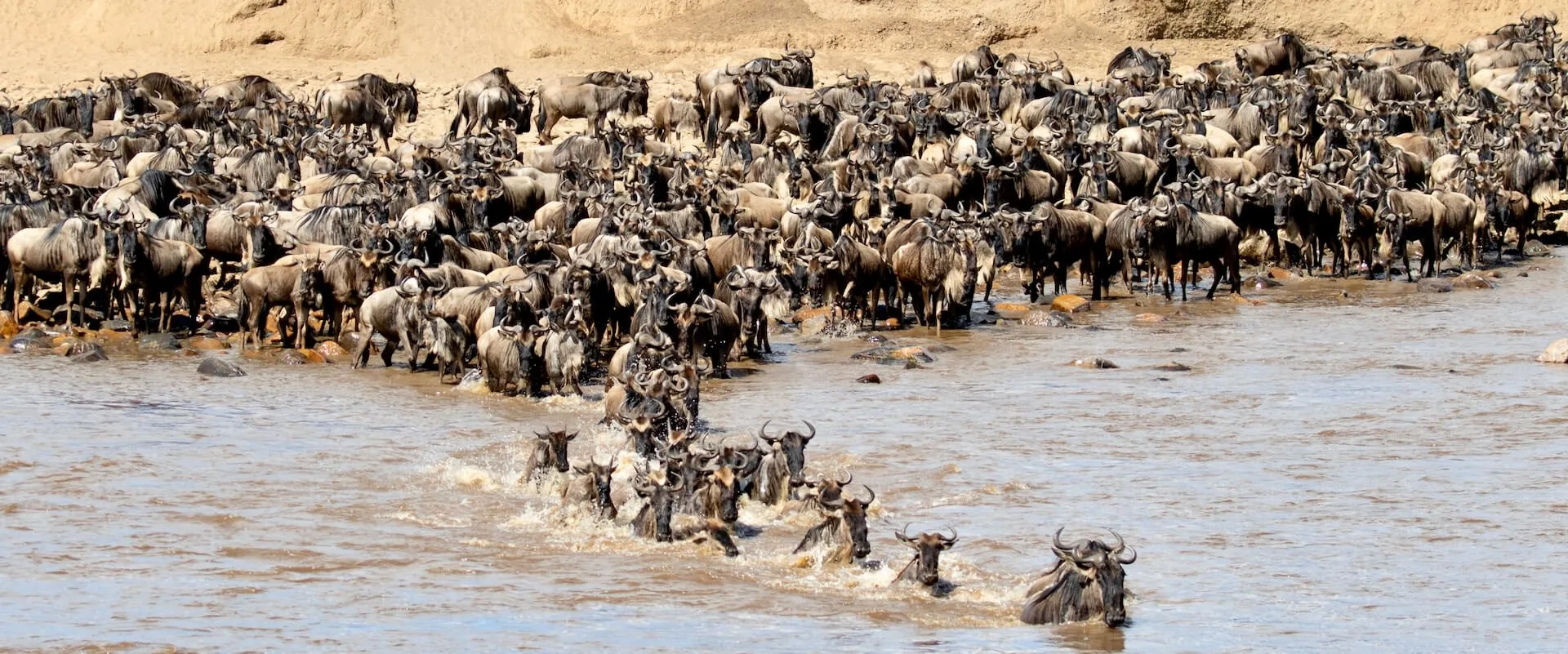
The Great Migration in Africa happens all year because the herds continuously circulate through the Serengeti–Mara ecosystem in…
Read article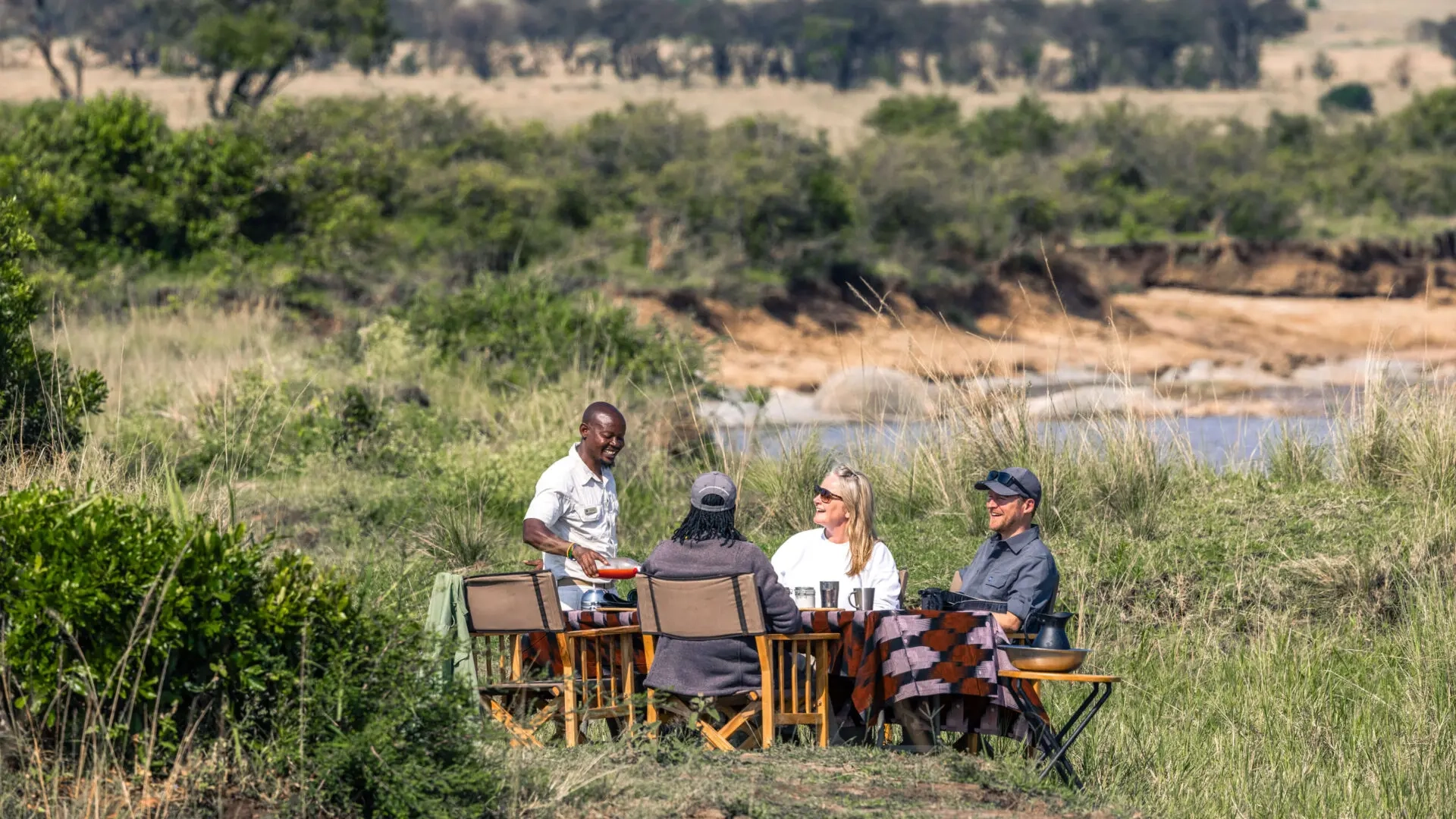
Definitive answer: A picnic lunch on safari is a packed or catered midday meal eaten at an approved…
Read article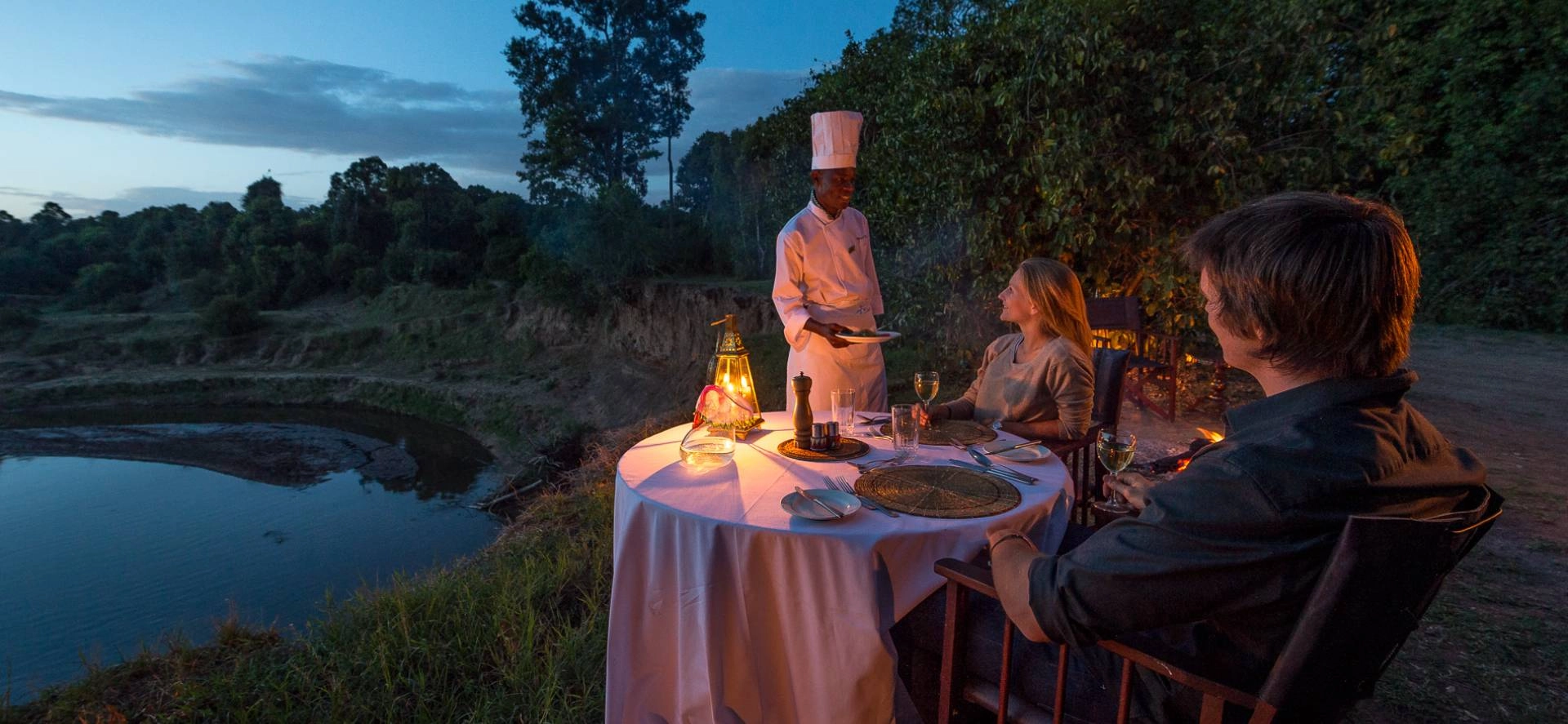
Definitive answer: A bush dinner is an outdoor evening meal arranged in a safe safari setting away from…
Read articleLet us take you closer to the wildlife, people and places that make Africa extraordinary.
Plan Your Safari Today