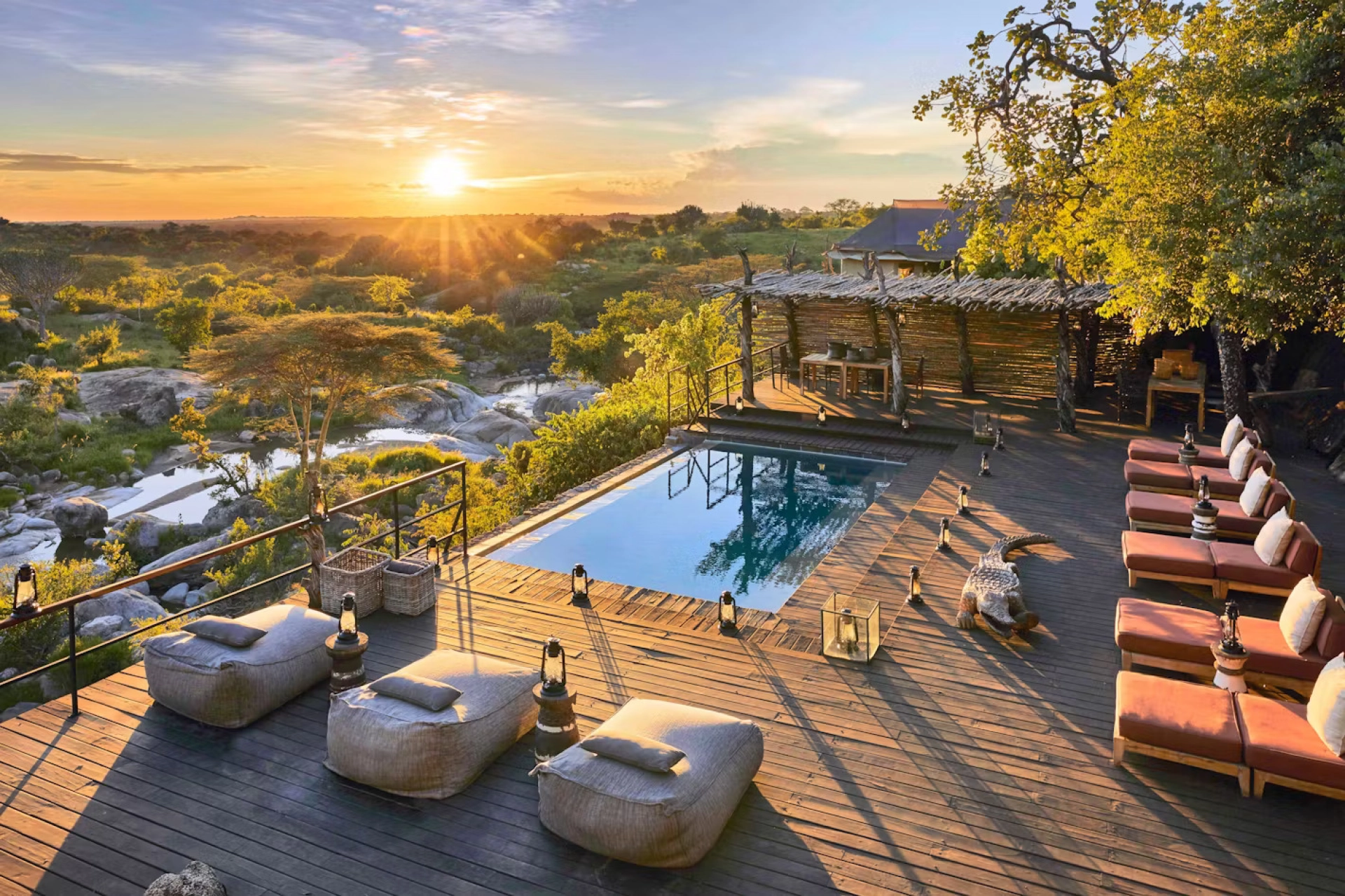
What should I look for when booking a luxury African safari?
When booking a luxury African safari, look beyond the room and compare the quality of guiding, wildlife location,…
Read article

Travel Guide
The best time to visit Botswana depends on what kind of safari you want. Wildlife in Botswana That answer may sound less satisfying than being given one perfect month, but it is far more useful. Botswana…
The best time to visit Botswana depends on what kind of safari you want.
That answer may sound less satisfying than being given one perfect month, but it is far more useful. Botswana changes dramatically through the year. During the dry season, vegetation thins, temporary water sources disappear and wildlife increasingly gathers around rivers, permanent lagoons and waterholes. These conditions can produce outstanding Botswana wildlife viewing, particularly across northern destinations such as the Okavango Delta, Moremi Game Reserve, Khwai, Savuti and Chobe National Park.
Then the summer rains arrive. The landscapes become greener. Birdlife increases. Young antelope appear. Storm clouds create spectacular photographic conditions. The Central Kalahari, Makgadikgadi Pans and Nxai Pan can become especially fascinating during periods when rainfall stimulates grass growth and wildlife movement. Botswana’s official tourism organisation describes the country as a year-round destination, emphasising that the green season and dry winter season produce different but equally valid travel experiences. It identifies lush scenery, young plains game and migratory birds as important green-season attractions, while the dry season concentrates wildlife as temporary water sources disappear.
So the correct question is not simply, “What is the best month for Botswana?” It is: What do you want to experience in Botswana?
Botswana lies in Southern Africa, so its seasons are opposite to those in Europe and North America.
The year can broadly be understood as a warm, wetter summer and a cooler, predominantly dry winter, with transitional periods between them. The official Botswana Tourism Organisation describes the winter season as running approximately from May to August, when rainfall is minimal and days are generally sunny, while nights and early mornings can become surprisingly cold. Summer brings high temperatures and most of the country’s annual rainfall, with January and February typically among the wetter months. April/early May and September/October are transitional periods. But Botswana cannot be understood from rainfall alone. The Okavango Delta flood cycle introduces another layer of complexity.
The Okavango Delta behaves differently from what first-time visitors might expect.
You might logically assume that the Delta is fullest during Botswana’s rainy summer. But much of its floodwater originates far to the north in the highlands of Angola. Rain falls there, enters the Okavango River system and travels slowly southward. By the time this water spreads across the Delta, Botswana itself may already be well into its dry season. This delayed flood is one of the great ecological phenomena of Southern Africa.
It means that the Botswana dry season can coincide with expanding waterways in the Delta. As surrounding drylands lose surface water, the Delta becomes increasingly important for wildlife. This interaction between drought and flood contributes to the remarkable game viewing associated with northern Botswana.
For travellers prioritising classic large-mammal safari viewing, the dry season is often regarded as the most reliable period.
As rainfall disappears, temporary pans and pools dry. Vegetation becomes less dense. Animals must visit increasingly limited water sources. Guides can therefore predict wildlife movements more effectively. Elephants gather near rivers. Buffalo move toward permanent water. Predators understand where prey will concentrate. The shorter vegetation can also improve visibility. This combination is why the dry months are commonly considered the peak Botswana safari season. Botswana Tourism notes that April through October generally provides excellent weather and game-viewing conditions, with wildlife becoming more visible as dry-season water availability declines and grass becomes lower.
Excellent conditions attract travellers.
As demand rises, so do Botswana safari prices. Popular Okavango camps may fill months ahead. Premium rooms disappear first. Families needing multiple rooms have even less flexibility. Light-aircraft schedules become busier. Travelling at the most popular time therefore brings both advantages and costs. If your goal is the strongest possible classic wildlife experience and budget is secondary, the dry season is difficult to beat. If you value lower prices, fewer guests, greener scenery or birding, another season may actually suit you better.
Yes. It can be exceptional. The Botswana green season is often underestimated because people hear the phrase “rainy season” and imagine constant rain. That is usually not how Southern African summer rainfall works. Rain frequently arrives in thunderstorms or intense showers, with substantial dry periods between them. Conditions vary year by year and location by location. The ecological response can be dramatic. Brown grasslands become green. Flowers appear. Insects increase.
Birds begin breeding. Migratory species arrive. Herbivores give birth. Predators take advantage of inexperienced young prey. For photographers, dark clouds over green plains can create far more dramatic images than cloudless peak-season skies. The official tourism board specifically highlights the green season for lush landscapes, young plains game, predators and migratory birds.
This is one of the biggest misconceptions about Botswana safari seasons. Wildlife does not migrate out of the country when rain arrives. What changes is distribution. When temporary water becomes widely available, animals no longer need to crowd around a few permanent sources. They can spread across larger areas. This may make game viewing less predictable in some northern regions. But in other ecosystems, rainfall creates exactly the conditions that produce outstanding wildlife. The Central Kalahari is an important example.
The best time to visit the Okavango Delta depends greatly on whether your priority is high water, wildlife, birding, photography, lower prices or some combination. During the dry winter period, incoming floodwaters can spread through the ecosystem while local rainfall remains minimal. Animals become increasingly concentrated as the surrounding countryside dries. This creates one of the most fascinating safari situations in Africa: water becomes more abundant within parts of the Delta while the wider region becomes drier.
When channels and floodplains carry substantial water, mokoro safaris and boating can become major highlights at suitable camps. The landscape looks extraordinary from the air. Islands appear surrounded by channels. Elephants may cross water. Red lechwe move across floodplains. Birds feed along lagoon edges. However, water conditions differ across the enormous Delta. One camp may have reliable boating while another is primarily land based. Never assume that the phrase Okavango Delta camp automatically guarantees year-round mokoro trips. Ask specifically about the activities typically available at your chosen camp in your travel month.
Summer provides a different Delta. The surroundings become greener. Birding can be exceptional. Photographic light can be dramatic. Some safari rates are more attractive. Predator and general wildlife sightings can still be excellent, particularly in areas with strong resident populations. Experienced safari travellers often enjoy this season precisely because it does not resemble the classic dry-season experience.
For many travellers seeking elephants, the dry season is the standout period for Chobe National Park. As inland water becomes scarce, wildlife increasingly depends on the Chobe River. Elephants may appear in remarkable numbers. Large herds descend toward the water. Buffalo gather. Hippos occupy deeper channels. Crocodiles rest along exposed banks. Predators move through surrounding woodland. A Chobe River safari during dry conditions can therefore deliver some of Botswana’s most dramatic large-mammal scenes.
The wet season gives Chobe a softer, greener character. Wildlife becomes less concentrated around the river because water is available across a broader landscape. But birdlife improves. The vegetation becomes attractive. Newborn animals provide opportunities for interesting behaviour. Visitor numbers may be lower. Travellers who have already experienced the Chobe dry season may find the green season surprisingly rewarding.
Moremi Game Reserve benefits from its position within the greater Okavango ecosystem. It contains floodplain, woodland, lagoons and drier habitats. The dry months generally provide excellent game viewing, especially as vegetation thins and wildlife movements become more predictable. Lion, leopard, African wild dog, elephant and buffalo opportunities can all be strong. During the wetter season, road conditions may become more complicated in some areas, but the reserve takes on extraordinary colour. Birders and photographers may find this a major advantage.
For a first safari, the drier months provide the simplest combination of wildlife visibility and generally predictable access. This is particularly valuable for self-drive travellers. However, those travelling with professional guides can consider a much wider seasonal window. Experienced guides understand changing road conditions and wildlife distribution.
The Khwai region sits beside Moremi and is known for diverse wildlife and safari activities. Dry-season conditions can produce excellent elephant and predator encounters. Waterways remain important. Depending on where you stay, activities may include game drives, mokoro experiences and night drives. Green-season Khwai can also be beautiful. Because different concessions and camps have different access to water, travellers should choose according to habitat rather than treating Khwai as a single uniform destination.
Savuti is famous for predators, elephants and dramatic ecological variation. Dry conditions can concentrate wildlife around remaining water. Lions are an important attraction. Elephants move through the area. The open landscape provides strong photographic opportunities. Yet Savuti can also respond impressively to rain. Fresh grass changes herbivore distribution. Zebra movements and other seasonal animal patterns may influence wildlife activity. This makes Savuti a destination worth understanding seasonally rather than visiting purely according to a generic Botswana calendar.
This is where conventional Botswana safari wisdom changes. The Central Kalahari Game Reserve can be particularly rewarding during and after the summer rains. Water transforms the dry environment. Grass emerges. Herbivores move toward productive areas. Young animals appear. Predators respond. The famous Deception Valley and surrounding regions can become surprisingly green. For travellers interested in lions, cheetahs, gemsbok, brown hyenas, birdlife and desert photography, the warmer green season may actually be preferable to the period normally marketed as Botswana’s peak safari season.
Rain reveals how misleading the word desert can be. The Kalahari is not simply barren sand. Its ecology is waiting for moisture. When rain arrives, seeds germinate. Insects emerge. Grass grows. Antelope feed. Predators follow. The whole food web becomes more visible. This is one of the best reasons to consider a Botswana safari in January, February or March.
The Makgadikgadi Pans are among Botswana’s most unusual destinations. During the dry season, enormous salt pans produce a stark landscape of pale open horizons. The experience is about scale, geology and atmosphere. When rains arrive, the wider ecosystem changes profoundly. Seasonal grazing and water attract wildlife to suitable areas. Zebra movements become an important attraction. Birdlife can increase dramatically where water collects. The best time therefore depends on whether you want the surreal dry-pan landscape or a more dynamic green-season wildlife experience.
Nxai Pan National Park is another destination that becomes especially fascinating following summer rainfall. Green grass attracts herbivores. Predators respond. Baines’ Baobabs remain photogenic throughout the year, but changing skies and vegetation can create particularly dramatic summer photography. A Nxai Pan safari combines especially well with Makgadikgadi and the Central Kalahari during a broader green-season itinerary.
January falls within Botswana’s summer rainy season. Days can be hot. Humidity increases compared with winter. Thunderstorms are possible. Across many regions, landscapes become lush and colourful. For birdwatchers, January can be outstanding. Migratory species add to resident populations, and breeding behaviour increases. Photographers benefit from clouds and saturated colours. The Central Kalahari and pan systems may become particularly rewarding. Travellers primarily interested in concentrated dry-season elephants along permanent rivers may prefer another month, but anyone interested in Botswana green-season safaris should take January seriously.
February remains within the peak summer rainfall period in many areas. The official Botswana Tourism Organisation identifies January and February as generally the peak rainfall months. Temperatures can be high, but storms often provide temporary relief. Wildlife may remain widely dispersed in wetter northern landscapes. Meanwhile, Kalahari and pan ecosystems can be extremely productive. This is an excellent month for Botswana birdwatching safaris, dramatic landscape photography and travellers seeking seasonal rates below peak dry-season pricing.
March can still offer green landscapes and significant summer character, but seasonal transitions gradually begin. The exact timing varies from year to year. Some areas may remain wet. Others start drying. Young animals and birdlife continue providing interest. For photographers, March can offer a rewarding combination of lush scenery and changing skies. It can also be a good month for travellers seeking a safari that feels different from the dusty peak-season image of Botswana.
April is one of Botswana’s most interesting transitional months. Rainfall generally begins to decrease. Temperatures become more comfortable. Landscapes can remain green. Road conditions gradually improve where summer rain had caused difficulties. Wildlife begins responding to declining temporary water. Botswana Tourism includes April among the favourable months for weather and wildlife viewing, while also recognising it as part of the transition toward the dry winter season. For travellers seeking a balance between scenery, wildlife and value, Botswana in April deserves serious consideration.
May introduces the dry winter season more clearly. Rain becomes increasingly unlikely. Days are generally pleasant. Nights begin becoming noticeably colder. Vegetation remains relatively attractive following summer rains but starts losing moisture. Wildlife movements become easier to interpret. The Okavango flood cycle also becomes increasingly important in suitable regions. May is an excellent month for travellers wanting strong safari conditions before the coldest winter mornings and the highest peak-season pressure.
June is classic Botswana dry-season safari territory. Rain is unusual. Morning temperatures can be surprisingly cold, particularly in open safari vehicles. Travellers who arrive expecting tropical heat are often unprepared. A fleece, warm jacket and layered clothing are essential for dawn game drives. By afternoon, temperatures can become pleasantly warm. Wildlife viewing strengthens as natural water becomes scarcer. In the Delta, waterways may be expanding according to the annual flood cycle. June is therefore one of the strongest all-round months for a Botswana wildlife safari.
July is among Botswana’s most popular safari months. Dry conditions dominate. Vegetation is increasingly thin. Wildlife concentrations strengthen. Daytime temperatures are comfortable. Nights and early mornings can be very cold. This is an excellent period for Okavango Delta safaris, Moremi wildlife viewing and Chobe game drives. The disadvantage is demand. Popular lodges fill well in advance, and rates can be high. Families travelling during school holidays should book especially early.
August delivers many of the conditions travellers imagine when dreaming about a classic Botswana safari. The landscape becomes increasingly dry. Water sources are critically important. Elephants gather around permanent rivers. Predators patrol areas where herbivores concentrate. Visibility improves as vegetation thins. Days become warmer compared with the coldest winter period. For first-time visitors whose primary goal is large-mammal wildlife, Botswana in August is extremely difficult to beat. It is also firmly within peak season, so expect premium pricing.
September is another exceptional wildlife month. The dry season is advanced. Temperatures rise. Dust becomes increasingly noticeable. Wildlife may gather in impressive numbers around reliable water sources. Chobe elephant viewing can be outstanding. Northern Botswana’s game-viewing regions are highly productive. Photographers can use dust creatively because backlit particles around animals create beautiful atmosphere. However, afternoons can become hot.
October is often among Botswana’s hottest and driest periods before significant summer rains arrive. Wildlife can be spectacular precisely because conditions are difficult. Animals depend heavily on water. Vegetation is sparse. Predator-prey interactions can become easier to observe. The trade-off is heat. The Botswana Tourism Organisation notes that summer temperatures can climb into the upper 30s Celsius, and exceptionally hotter conditions can occur. Travellers sensitive to heat may prefer June through August. Dedicated wildlife enthusiasts often accept the temperature because October game viewing can be superb.
November is a month of anticipation. Heat builds. Thunderstorms may begin. The timing of meaningful rain varies from year to year. The first substantial showers can transform the landscape remarkably quickly. Bird activity increases. Fresh vegetation begins appearing. The air can feel dramatically different after months of dry-season dust. November is therefore a transition between classic dry-season wildlife concentration and the Botswana green season. It can be unpredictable, but that unpredictability is part of its appeal.
December generally delivers summer conditions. Temperatures are warm to hot. Rainstorms can occur. Landscapes become progressively greener. Birding improves. New life becomes increasingly visible across the ecosystem. Christmas and New Year travel can increase demand at some camps despite the rainy season, so travellers should not automatically assume holiday dates will be inexpensive. For families tied to school schedules, December can still provide an excellent safari when the route is designed around seasonal strengths.
For concentrated large-mammal viewing, June through October is generally the classic choice, with particularly strong conditions later in the dry season. Wildlife visibility improves as vegetation thins. Animals become dependent on reliable water. However, this statement should not be applied equally to every ecosystem. The Central Kalahari and Makgadikgadi region can be especially interesting during the summer green season. This regional difference is central to good Botswana safari planning.
Travellers whose main priority is elephants should strongly consider the dry season in northern Botswana. The Chobe Riverfront is internationally famous for its elephant concentrations. As dry conditions intensify, water becomes increasingly important. Elephant families move toward the river to drink, bathe and socialise. Boat safaris provide superb viewing. Elephants also occur throughout the greater Okavango ecosystem, so a route combining Chobe and the Okavango Delta creates excellent opportunities.
Lions are resident throughout the year. Their behaviour and visibility change according to prey, vegetation and temperature. During the dry season, prey concentration around water can help guides locate predators. The Kalahari green season can also offer exceptional lion experiences because herbivores respond to fresh grazing. For travellers specifically interested in predators, combining northern Botswana with the Central Kalahari can broaden the seasonal opportunities considerably.
African wild dogs in Botswana occur primarily in northern wilderness areas, including parts of the Okavango and Moremi ecosystems. They are highly mobile. No month guarantees sightings. During certain periods when packs den, movements may become more geographically concentrated, but denning sites must be approached responsibly and guide behaviour should always prioritise the animals. Rather than choosing one month solely around wild dogs, choose a region with a strong history of pack activity and allow several safari days.
Leopards are resident year-round. Dry conditions can make visibility easier because vegetation is thinner. However, sightings depend heavily on the quality of local habitat, guiding and individual leopard territories. Certain Okavango Delta concessions, Moremi and Khwai can be productive. Spending at least three nights in a strong leopard area is generally more important than obsessing over one particular month.
For birders, the green season is one of the most exciting periods. Summer migrants increase the number of species. Breeding plumage appears. Courtship behaviour becomes active. Wetlands and temporary pools provide feeding opportunities. Botswana Tourism specifically identifies the wet green season as an excellent period for migratory birds and breeding activity. A Botswana birding safari may therefore be deliberately planned for a period many conventional safari brochures describe as low season.
Photography has no single best season. The dry period is excellent for concentrated wildlife. Sparse vegetation creates cleaner sightlines. Dust produces atmosphere. Animals gathering around water create interaction. But the green season brings spectacular skies, rich colours, newborn animals and dramatically different landscapes. A photographer who wants conventional wildlife portraits may favour the dry season. A photographer interested in environmental images and dramatic weather may prefer summer. The best Botswana photography safari may even combine seasons across multiple visits.
For many families, the cooler dry months are convenient. Wildlife sightings can be more frequent. Road conditions are usually easier. Mosquito activity may be lower than during wet periods, although families should always seek current professional health advice. The challenge is that school holidays coincide with some of the busiest safari periods. Family suites and private vehicles have limited availability. Booking far ahead is therefore important. Families with preschool children should prioritise camp policies rather than season alone because minimum ages for walking, mokoro and other activities vary.
Botswana is outstanding for honeymoon travel almost year-round. Couples seeking peak wildlife and classic dry-season conditions may favour June through September. Those wanting better value and greener scenery may choose the shoulder or green season. A summer thunderstorm viewed from a private Delta deck can be as romantic as a dry-season sunset. The choice depends on whether wildlife concentration, weather, budget or privacy is the highest priority.
The most expensive months generally correspond with high demand and strong dry-season wildlife viewing. Travellers seeking affordable Botswana safari prices should investigate green-season and shoulder-season dates. Published 2026 market estimates show substantial price variation between safari tiers and seasons, particularly at remote luxury camps. Saving money does not necessarily mean accepting poor wildlife. It means choosing a season whose strengths match your interests. A birder paying less in February may actually be travelling at the ideal time for the experience they value most.
Self-driving is generally easier in dry conditions. Remote Botswana roads can involve deep sand even when there has been no rain. Summer water and mud create additional complexity. Travellers entering Moremi, Savuti or the Central Kalahari need suitable vehicles and real preparation. For first-time Botswana self-drivers, the dry season often provides the most manageable conditions. Experienced travellers may deliberately choose more challenging seasonal environments, but road conditions should always be checked locally.
Choose the Botswana dry season if your priority is concentrated wildlife, easier visibility, predictable road conditions and the classic first-time safari experience. Choose the Botswana green season if you prioritise birding, dramatic landscapes, young animals, seasonal Kalahari wildlife, fewer visitors in some areas and potentially better safari rates. Choose the transitional months if you want a compromise between those two extremes. There is no wrong season. There is only a season that is better or worse suited to your particular expectations.
Peak season provides some of the strongest wildlife conditions but requires planning. Book early. Expect premium rates. Do not try to cover too many destinations. The temptation to maximise an expensive safari often leads travellers to rush. Three nights in one excellent region generally provides more value than constantly changing camps. Wildlife does not appear according to your flight schedule. Time is an important safari asset.
The phrase low season Botswana safari can be misleading because it implies low-quality travel. In reality, visitor demand is lower, not necessarily ecological interest. Some destinations are at their most colourful. Bird diversity may be exceptional. Young herbivores attract predators. Rainstorms create unforgettable scenery. For experienced African travellers, the so-called low season can become a favourite.
Botswana combines easily with several Southern African destinations. A Botswana and Victoria Falls safari works particularly well because Chobe lies close to the falls. A Botswana and Namibia safari connects the wetlands and wildlife of Botswana with Namibia’s deserts. A Botswana and South Africa safari can combine wilderness camps with Cape Town or another contrasting destination. Season should be considered across the complete itinerary rather than only within Botswana. Cape Town, for example, follows a very different rainfall pattern from northern Botswana.
The biggest mistake is assuming that Botswana is always hot. Winter mornings can be extremely cold. Open vehicles amplify wind chill. A warm jacket, fleece and layers are essential. By afternoon, travellers may be comfortable in lightweight clothing. This daily temperature variation makes layering much more practical than one heavy coat. Sun protection remains important throughout the year.
Summer clothing should be light and breathable. Rain protection is useful. A lightweight waterproof jacket is normally more practical than heavy gear. Sun protection remains essential. Insect repellent should be included. Travellers should consult medical professionals regarding destination-specific health precautions. Good binoculars are valuable in every season, but especially during the bird-rich summer months.
For classic wildlife viewing, roughly May/June through October is generally highly regarded, with wildlife becoming increasingly concentrated through the dry season. Botswana’s tourism organisation identifies April through October as particularly favourable for weather and game viewing.
There is no single best month. The dry-season period can combine strong wildlife viewing with substantial Delta flooding, while summer provides greener scenery, excellent birding and different wildlife behaviour.
The dry season is particularly strong because elephants become increasingly dependent on the Chobe River.
The summer green season can be particularly rewarding when rain stimulates fresh grazing and increased wildlife activity.
No. December is warm and can be wet, but landscapes become green, birding improves and young animals begin appearing.
Yes, particularly for birding, photography and green-season ecosystems such as parts of the Kalahari and pan regions. February is generally within the peak summer rainfall period.
Yes. July is one of the classic dry-season safari months, with strong wildlife viewing, comfortable days and cold mornings.
October can become very hot, but wildlife viewing may be exceptional as animals concentrate around water. Travellers who dislike heat may prefer earlier dry-season months.
Green-season and selected shoulder-season dates generally provide better rates than peak dry-season periods, although exact lodge pricing varies.
The summer green season is excellent because migratory birds arrive and breeding activity increases.
For popular peak-season camps, booking many months in advance is sensible. Families and travellers wanting specific luxury camps should begin especially early because room numbers are limited.
The best time to visit Botswana is not determined by a calendar alone. It is determined by what you want the country to show you. Visit during the dry months and Botswana reveals the drama of scarcity. Elephants gather along the Chobe River. Animals concentrate around permanent water. Vegetation thins. Predators patrol the places where prey must drink. The Okavango Delta becomes a lifeline within an increasingly dry region. Travel during the green season and Botswana tells a completely different story.
Thunderstorms roll across the plains. Grass emerges. Birds arrive. Antelope give birth. The Central Kalahari comes alive. The Makgadikgadi and Nxai Pan ecosystems respond to rain. The landscapes become richer and more colourful. Neither Botswana is more authentic. They are simply different chapters in the same ecological cycle. For a first safari focused overwhelmingly on large mammals, the Botswana dry season remains the easiest recommendation. For birders, photographers, repeat safari travellers and those looking for better value, the Botswana green season can be every bit as compelling.
And for travellers with flexibility, transitional months such as April, May and November can provide fascinating compromises between the two. Ultimately, the smartest way to choose when to go on a Botswana safari is to begin with the experiences you care about most—Okavango Delta mokoro safaris, Chobe elephant viewing, Moremi predators, Kalahari lions, Botswana birdwatching, family travel, photography or safari value—and then choose the season that makes those experiences strongest. That approach produces a much better safari than simply following the crowd into the most expensive month of the year.

Share This Article
When booking a luxury African safari, look beyond the room and compare the quality of guiding, wildlife location,…
Read article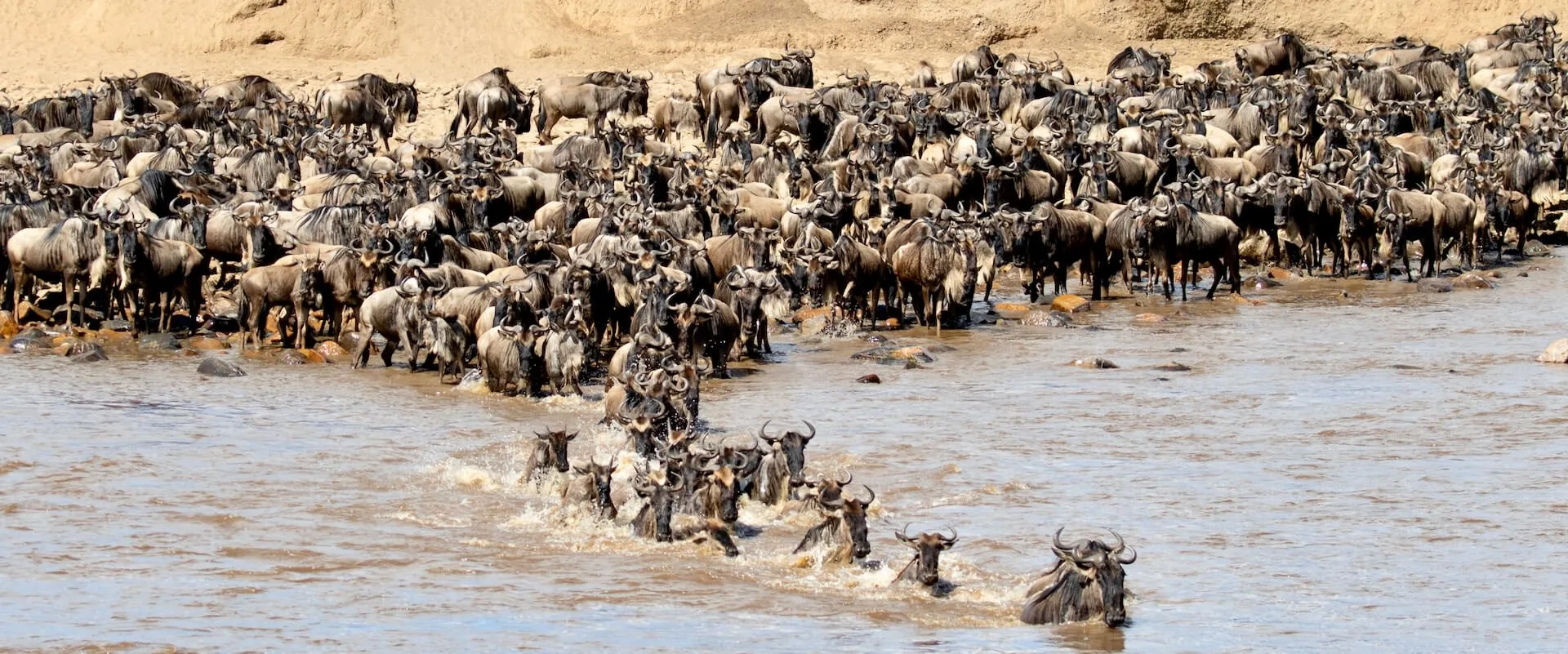
The Great Migration in Africa happens all year because the herds continuously circulate through the Serengeti–Mara ecosystem in…
Read article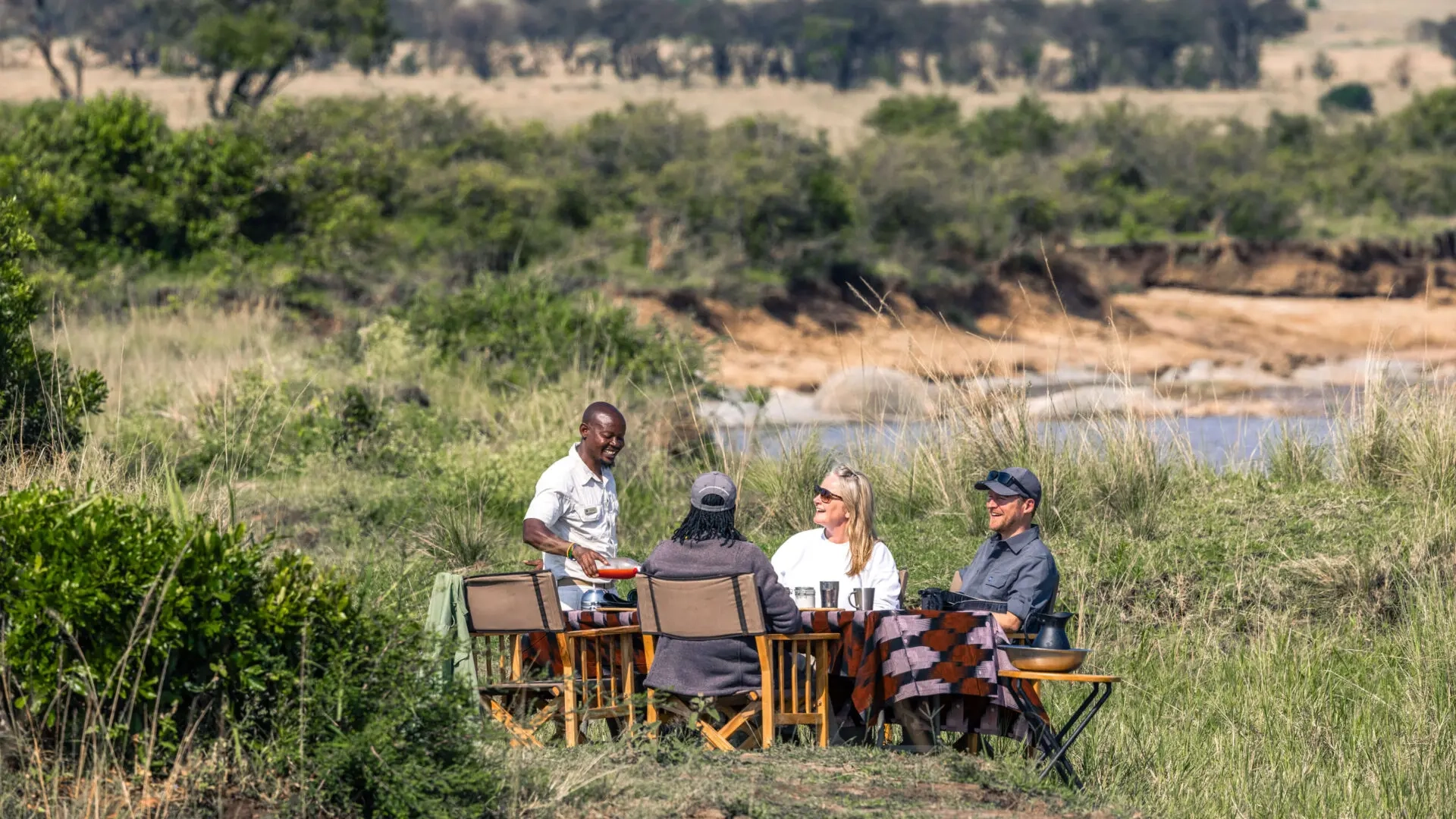
Definitive answer: A picnic lunch on safari is a packed or catered midday meal eaten at an approved…
Read article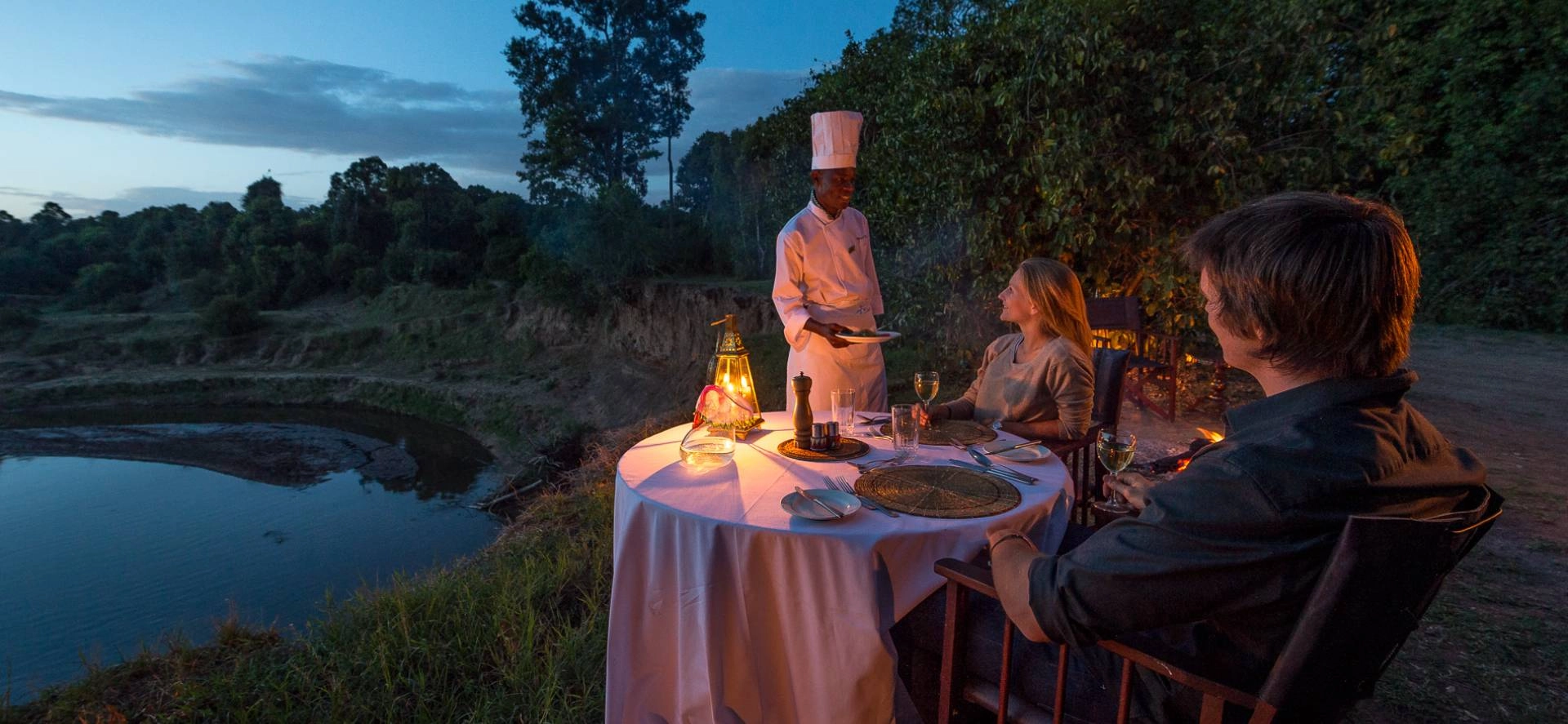
Definitive answer: A bush dinner is an outdoor evening meal arranged in a safe safari setting away from…
Read articleLet us take you closer to the wildlife, people and places that make Africa extraordinary.
Plan Your Safari Today