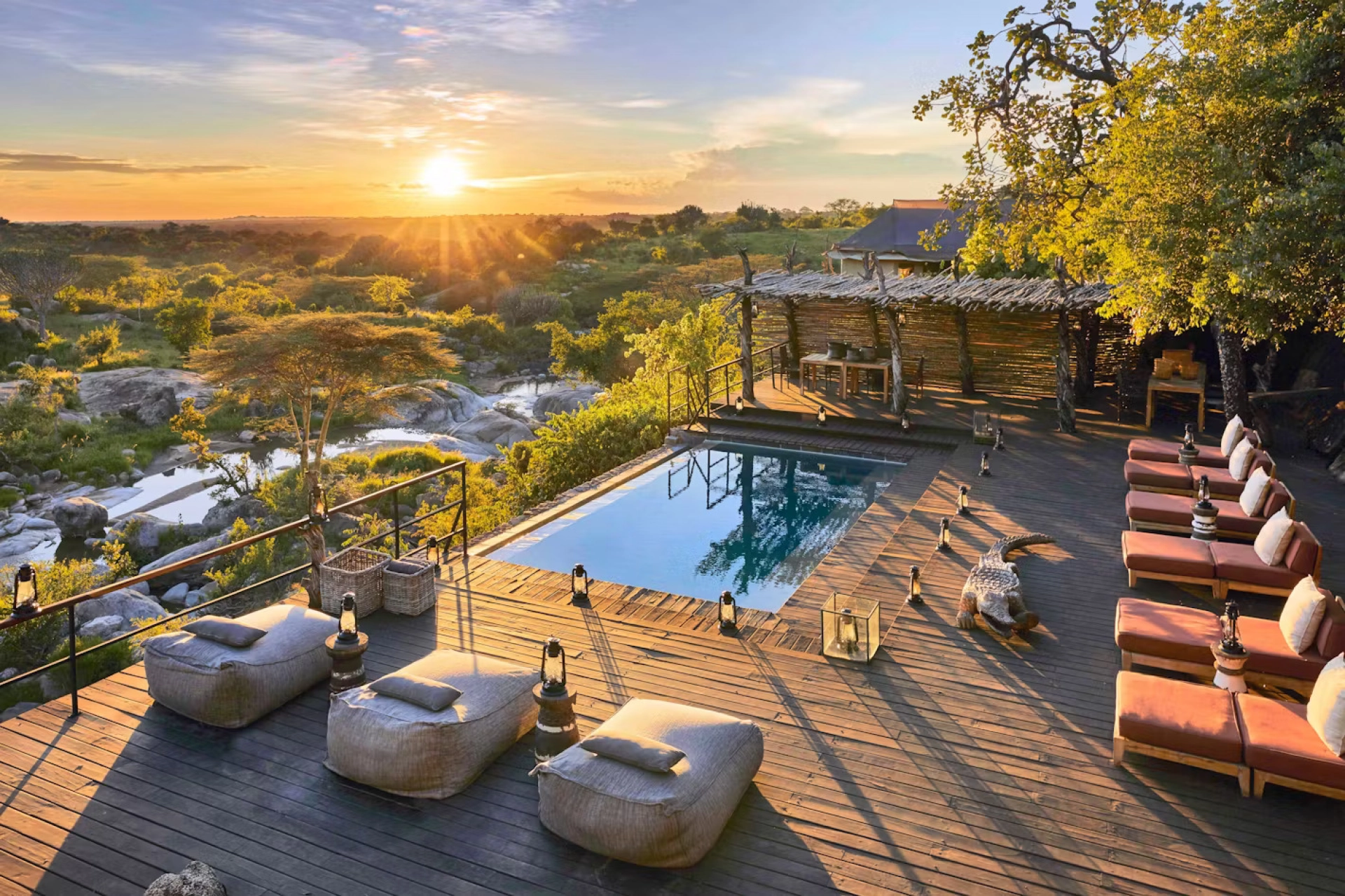
What should I look for when booking a luxury African safari?
When booking a luxury African safari, look beyond the room and compare the quality of guiding, wildlife location,…
Read article

Travel Guide
Choosing the best time to visit Namibia depends on what you most want from your trip. Namibia is not a destination with one narrow "perfect" travel season. Its enormous desert landscapes, wildlife reserves, Atlantic coastline, mountain…
Choosing the best time to visit Namibia depends on what you most want from your trip. Namibia is not a destination with one narrow “perfect” travel season. Its enormous desert landscapes, wildlife reserves, Atlantic coastline, mountain regions and semi-arid wilderness areas all respond differently to changing weather. A traveller planning an Etosha wildlife safari may prefer a different month from someone interested in Namibia birdwatching, Sossusvlei photography, family safari travel, desert wildflowers or a quieter self-drive journey.
This is one of Namibia’s great strengths. The country rewards travel throughout much of the year. During the dry season, wildlife often concentrates around water sources and conditions are particularly good for classic safari viewing. During the wetter summer months, landscapes become greener, migratory birds arrive and dramatic skies transform the normally dry scenery. The Atlantic coast follows yet another climatic pattern. Swakopmund, Walvis Bay and the Skeleton Coast can remain cool and foggy while the interior is hot. Understanding these regional and seasonal differences is the key to choosing the best month for a Namibia safari.
Namibia is one of the driest countries in sub-Saharan Africa.
The famous Namib Desert extends along much of the Atlantic coast, while the country’s interior includes semi-desert, savannah, rocky highlands and dry woodland. Rainfall generally increases as you travel from west to east and from southwest toward northeastern Namibia. The coastal Namib can receive very little rain, while northern and northeastern regions receive considerably more. For safari planning, the year is usually discussed in terms of a dry season and a summer rainy season, although exact conditions vary from year to year.
The main Namibia dry season generally runs through the cooler winter months and into spring.
Rain becomes uncommon across much of the interior. Vegetation dries. Natural water sources shrink. Animals increasingly rely on permanent or artificial waterholes. This is why the dry season is usually considered the best time for wildlife viewing in Namibia. In destinations such as Etosha National Park, waterholes become central gathering points. Elephants, giraffes, zebras, antelope and other animals may appear in impressive numbers. Predators understand this concentration too. Lions and other carnivores often move through areas where prey regularly gathers.
Namibia’s wetter period occurs primarily during the warmer months.
Rainfall tends to arrive as localised showers or thunderstorms rather than constant day-long rain. Some regions receive considerably more precipitation than others. When rain falls, the landscape can transform rapidly. Dry plains become green. Seasonal pools fill. Wildflowers emerge. Young animals appear. Migratory birds arrive. For photographers, the dramatic summer skies can be exceptional. The Namibia green season therefore deserves much more attention than it often receives. It may not provide the concentrated waterhole wildlife of the dry season, but it offers completely different rewards.
For many travellers, Etosha National Park is the wildlife centrepiece of a Namibia itinerary.
The park is famous for its enormous salt pan and network of productive waterholes. The best time to visit Etosha for wildlife is generally during the dry season when animals become increasingly dependent on reliable water. Vegetation is also thinner, improving visibility. A waterhole that appears empty may suddenly attract zebras, springbok, giraffes and elephants. For first-time safari travellers, this can make Etosha particularly rewarding.
The early and middle portions of the dry season bring pleasant daytime conditions and cooler nights.
Wildlife sightings begin improving as water becomes less widely available. The landscape may still retain some colour after the rains. For travellers who want a balance between comfortable temperatures and good wildlife viewing, this period can be excellent.
As the dry season progresses, conditions become increasingly harsh. Water becomes extremely important. Wildlife concentrations around selected waterholes can become exceptional. This is often considered the peak Namibia safari season. However, the same conditions that improve wildlife viewing can also mean more vehicles and higher demand for accommodation. Travellers planning a Namibia safari during peak season should therefore book well in advance.
Etosha is still fascinating during the wetter months. The visual experience changes dramatically. Rather than dusty brown plains, visitors may find greener landscapes. Bird activity increases. Young animals are more common. The enormous salt pan can sometimes hold water in parts, attracting birdlife under suitable conditions. Wildlife becomes more dispersed, so traditional big-game viewing may require more effort. Yet for birders and photographers, this season can be outstanding.
The dunes around Sossusvlei and Deadvlei can be visited throughout the year. Unlike Etosha, the main attraction is landscape rather than concentrated wildlife. The biggest seasonal consideration is temperature. The Namib Desert can become extremely hot, particularly during warmer months. This makes early morning exploration important at almost any time of year.
Cooler winter mornings make dune climbing more comfortable. Temperatures can still rise considerably during the day, but dawn conditions are generally pleasant. For active travellers planning to climb dunes or walk to Deadvlei, this is a major advantage. Photography is also excellent because the low morning sun creates dramatic shadows across the dunes. The contrast between illuminated orange sand and deep shadow produces some of the classic Sossusvlei photography associated with Namibia.
Summer can produce intense heat. Visitors should enter the dunes as early as possible. However, the warm season can also bring dramatic cloud formations and occasional thunderstorms. Rain in the Namib is relatively rare, but when it occurs, temporary water can transform parts of the desert. For experienced photographers, unusual weather can create extraordinary opportunities.
Deadvlei is most photogenic during the early morning. The dead camel thorn trees appear almost black against the pale clay pan while the surrounding dunes glow orange. As the sun rises higher, the light becomes flatter. Serious photographers should therefore prioritise early access whenever possible.
The coastal town of Swakopmund follows a very different climatic pattern from Namibia’s interior. Cold Atlantic currents influence temperatures strongly. Fog is common. Even when inland regions experience intense heat, Swakopmund may remain cool. This makes the coast particularly appealing during the hottest months.
During Namibia’s hotter interior season, Swakopmund can offer welcome relief. The ocean remains cold, and morning fog is common. Families and adventure travellers often enjoy spending several nights here to break up a road trip. Activities can include living desert tours, cycling, scenic flights, coastal excursions and adventure sports.
Winter conditions remain relatively cool. Morning mist and coastal wind can make temperatures feel colder than expected. Travellers should pack layers even if the rest of the Namibia itinerary is warm.
Walvis Bay is also strongly influenced by the Atlantic. The lagoon supports impressive birdlife throughout much of the year. Flamingos, pelicans and many other coastal birds may be observed. For families and birders, Walvis Bay complements a broader Namibia coastal safari exceptionally well.
Bird numbers vary seasonally, but the lagoon is generally important throughout the year. Migratory species increase the diversity during suitable periods. For travellers interested in Namibia birdwatching, combining Walvis Bay with Etosha and northern habitats can produce an excellent variety of species.
Damaraland is one of Namibia’s most dramatic wilderness regions. It is particularly famous for desert-adapted elephants, rocky scenery, ancient geological formations and the rock art of Twyfelfontein. Wildlife exists at lower densities than in Etosha. Finding elephants requires tracking and patience. The dry season can make animal movements around water sources somewhat easier to interpret. However, Damaraland remains highly scenic throughout the year.
Dry weather generally makes remote travel easier. Road conditions are more predictable. Wildlife may concentrate around dry river systems where water remains available. The clear skies and cool mornings are excellent for exploration.
Rain transforms the region. Apparently barren landscapes can become surprisingly green. Temporary watercourses flow. Clouds add drama to the mountains. Photographers may find these changing conditions extremely rewarding. However, unusual heavy rain can affect roads in remote areas, making route planning important.
The Skeleton Coast is defined more by the Atlantic than by Namibia’s interior seasons. Fog, wind and cool air are common. This creates the mysterious atmosphere for which the region is famous. For travellers seeking photography and dramatic scenery, the coast is rewarding throughout much of the year. More remote expeditions may depend on lodge operating seasons, access conditions and flight arrangements.
A Namibia self-drive safari is possible during much of the year, but road conditions become an important factor. Dry-season roads are generally more predictable. Gravel remains the dominant surface across many routes. During periods of heavy rain, temporary flooding can affect certain remote roads. Families and first-time visitors often find the dry season simpler. Independent travellers visiting during summer should monitor local road conditions and avoid unnecessary risks after heavy storms.
Families often benefit from the cooler dry months. Temperatures are comfortable. Wildlife viewing in Etosha is strong. Road conditions are generally predictable. However, family schedules often depend on school holidays. Travelling during warmer months is still very possible if the itinerary is designed intelligently. Include coastal stops. Avoid midday desert activities. Choose lodges with swimming pools. Reduce excessively long driving days. A carefully planned Namibia family safari can work well in several seasons.
Namibia is one of Africa’s premier photography destinations. The ideal timing depends on your photographic priorities. For wildlife photography in Etosha, the dry season is particularly strong. For desert photography at Sossusvlei, early morning light matters more than the month. For dramatic skies and greener scenery, summer can be exceptional. For astrophotography, travellers should consider lunar cycles and locations with minimal light pollution. Namibia’s extremely dark skies make remote desert regions outstanding for night photography.
Few African countries offer such strong landscape variety. Photographers can move from red dunes to granite mountains, salt pans, dry river valleys and the Atlantic coast. The quality of light can be extraordinary. Sunrise and sunset are particularly valuable because low-angle light reveals texture. Midday light can be very harsh. Professional and serious amateur photographers should therefore design itineraries around light rather than simply visiting sites at convenient times.
Birders may prefer the wetter summer months. Migratory species arrive. Breeding activity increases. Many birds display stronger colours and greater activity. Rain creates temporary wetlands. Northern regions can become particularly productive. The best time for birding in Namibia therefore differs from the classic peak wildlife season. A dedicated birding itinerary may deliberately target the green season.
Walvis Bay remains one of Namibia’s best-known flamingo destinations. Numbers vary according to food availability, water conditions and migration. Etosha can also attract flamingos when sufficient water accumulates in suitable areas of the pan. Because these conditions are variable, travellers should avoid expecting one guaranteed spectacle on a fixed date. Nature does not follow tourism calendars precisely.
Desert-adapted elephants in Damaraland may be tracked throughout much of the year. Dry conditions can make their movements around water easier to follow. However, these elephants cover large territories. Sightings are never guaranteed. Professional local guides who understand recent movement patterns greatly improve the experience.
January is part of the summer rainy period. Temperatures can be high across the interior. Thunderstorms may occur. Northern regions become greener. Birding is excellent. Young animals may be seen. For photographers who enjoy dramatic clouds and green landscapes, January can be rewarding. However, heat and rain require flexible planning. Sossusvlei activities should be scheduled very early.
February remains hot and can receive significant summer rainfall in some regions. Landscapes may be at their greenest. Birdlife remains strong. Wildlife in Etosha may be more widely distributed because natural water is more available. Travellers should expect less predictable classic waterhole viewing but more colourful scenery.
March often remains part of the green season. Vegetation can be beautiful. Storm clouds create atmospheric photography. Road conditions in some remote regions depend on recent rainfall. For repeat safari travellers who have already experienced Namibia’s dry season, March can reveal a completely different country.
April can be an excellent transitional month. Rain generally begins decreasing. Landscapes may still retain green colour. Temperatures start becoming more comfortable. Wildlife viewing gradually improves as seasonal water sources begin shrinking. This can be a particularly attractive month for travellers wanting to avoid peak season.
May usually brings increasingly dry conditions and cooler nights. The countryside can still show some green following the summer rains. Road travel is generally comfortable. Wildlife becomes progressively easier to locate. For many travellers, May represents an excellent balance between climate, scenery and safari quality.
June marks the cooler dry season. Morning temperatures can become surprisingly low, especially in desert and inland regions. Etosha wildlife viewing improves. Clear skies are common. Dune walks become more comfortable. June is an excellent month for a broad Namibia safari itinerary.
July is one of the classic Namibia safari months. Conditions are dry. Wildlife increasingly concentrates around water. Daytime temperatures are pleasant. Nights and early mornings can be cold. Demand increases, particularly at popular Etosha and Sossusvlei properties. Advance booking becomes important.
August provides some of the strongest general safari conditions. Etosha waterholes can be highly productive. Days become progressively warmer while nights remain cool. Dry landscapes provide excellent visibility. This is peak season for good reason. However, availability can be limited and prices may reflect strong demand.
September is an excellent wildlife month. The dry season is well established. Water is scarce. Large numbers of animals may depend on reliable Etosha waterholes. Temperatures begin rising. Photographers benefit from strong wildlife concentrations, but dusty conditions become increasingly noticeable.
October can be extremely rewarding for wildlife but also very hot. This is often one of the harshest periods before summer rains arrive. Wildlife gathers around water. The landscape becomes dry and dusty. Visitors should schedule activities carefully to avoid excessive midday heat. October can deliver exceptional Etosha safari sightings.
November is transitional. Temperatures remain high. Early rains may begin, although timing varies significantly. The first thunderstorms can dramatically change the landscape. Bird activity increases. Travellers should expect conditions to vary from year to year.
December generally falls within the warmer summer period. Families travelling during holiday season should prepare for heat. Rain may occur. Green vegetation begins expanding in suitable regions. Birding becomes increasingly strong. Coastal destinations such as Swakopmund can provide relief from hot interior conditions.
Peak safari season generally corresponds with the dry months when wildlife viewing is strongest. This means higher accommodation demand. Travellers who want famous lodges or particular family rooms should reserve early. Green-season travel may provide better value and fewer visitors. This can be especially attractive to photographers, birders and repeat African travellers who value atmosphere over maximum big-game concentration.
Absolutely not. The term “low season” often reflects visitor demand rather than the quality of the environment. Green-season travellers may see dramatic thunderstorms, newborn animals, extraordinary birdlife and landscapes that peak-season visitors never experience. The best season is therefore the one matching your priorities.
Popular properties in Etosha, Sossusvlei and remote wilderness regions can fill early during peak travel months. Booking several months ahead is wise. Families needing specific room configurations should plan particularly early. Specialist fly-in safaris and luxury camps also have limited capacity. Flexible travellers visiting shoulder or green seasons may have more options.
A classic route connecting Windhoek, Sossusvlei, Swakopmund, Damaraland and Etosha National Park works particularly well during the dry season. Summer itineraries can place more emphasis on birding, photography and coastal relief. Travellers interested in wildlife alone may spend additional time in Etosha. Those prioritising landscapes should allocate more time to the Namib Desert and Damaraland. The important point is to design the itinerary around seasonal strengths rather than simply copying a standard route.
Namibia’s climate requires layers. Winter mornings can be very cold. Open safari vehicles amplify wind chill. Warm jackets and fleeces are useful. Daytime temperatures may still become pleasant or hot. Summer travellers need lightweight clothing, strong sun protection and rain protection. The coast can remain cold in any season. A jacket belongs in almost every Namibia packing list.
There is no single perfect month, but the dry season from roughly June through October is generally regarded as excellent for wildlife viewing, particularly in Etosha.
The dry season is usually best for concentrated wildlife around waterholes.
Sossusvlei is accessible year-round. Cooler months make dune climbing more comfortable, while early morning is the best time of day regardless of season.
Yes. The green season offers dramatic landscapes, excellent birding, young animals and fewer visitors.
Late spring and summer can become extremely hot, particularly in interior desert regions.
June, July and August can have very cold nights and early mornings, especially in desert and inland regions.
The cooler dry months are especially convenient because temperatures are pleasant and wildlife viewing is strong.
Dry season is superb for wildlife, while green season produces dramatic skies and richer landscape colours. Sossusvlei is spectacular throughout the year.
The best time to visit Namibia depends less on finding a universally perfect month and more on identifying the experience you want. For the strongest Etosha wildlife safari, choose the dry season. For Namibia birding, greener summer months can be exceptional. For Sossusvlei and Deadvlei, concentrate on early morning light. For a family safari in Namibia, cooler months often provide the easiest overall conditions. For photographers who value dramatic skies and unusual landscapes, the rainy season can reveal a Namibia that peak-season travellers rarely see.
Namibia is not simply a seasonal wildlife destination. It is a country of deserts, mountains, salt pans, coastlines, wildlife, birdlife and enormous open spaces. Understanding how these environments change through the year allows you to build a safari around their strongest seasonal qualities. Whether your priority is Etosha National Park, Sossusvlei, Damaraland, Swakopmund, Walvis Bay, the Skeleton Coast or a complete Namibia self-drive safari, choosing the right season will make the journey significantly more rewarding.

Share This Article
When booking a luxury African safari, look beyond the room and compare the quality of guiding, wildlife location,…
Read article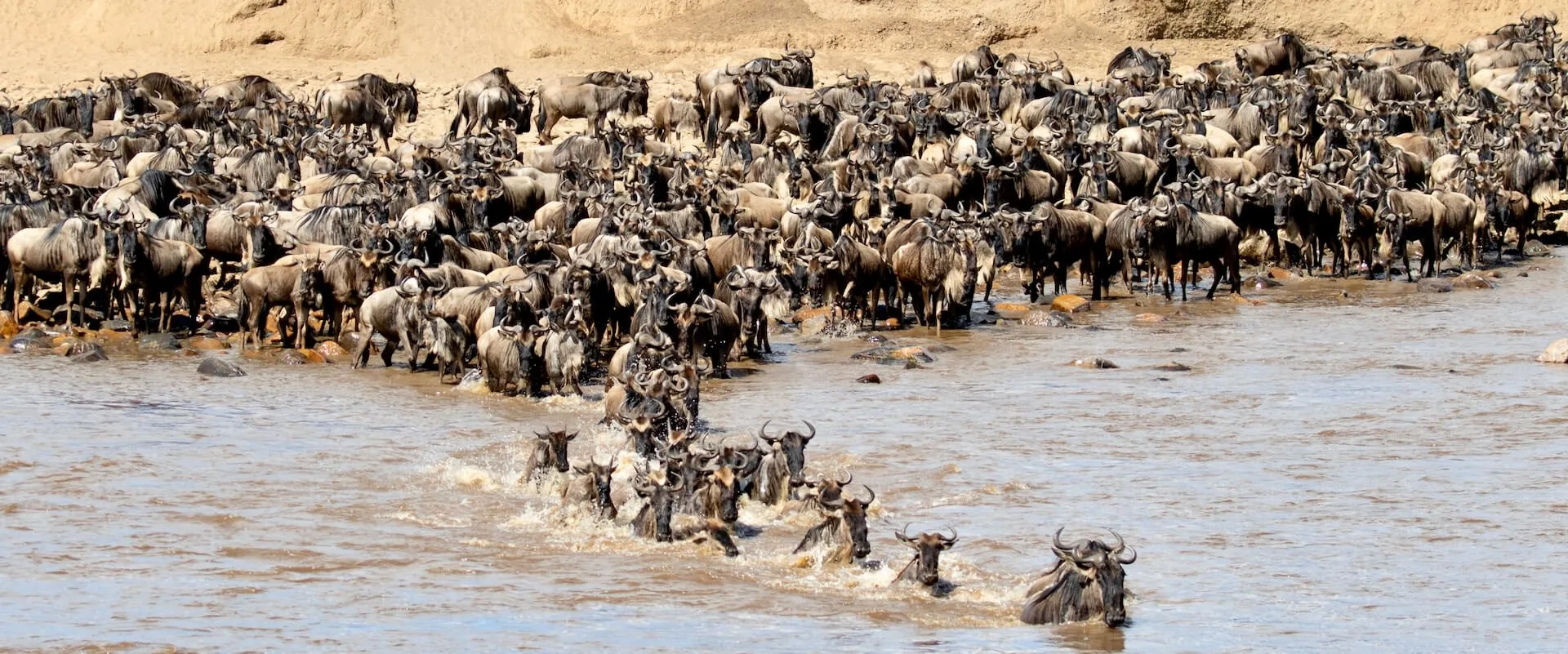
The Great Migration in Africa happens all year because the herds continuously circulate through the Serengeti–Mara ecosystem in…
Read article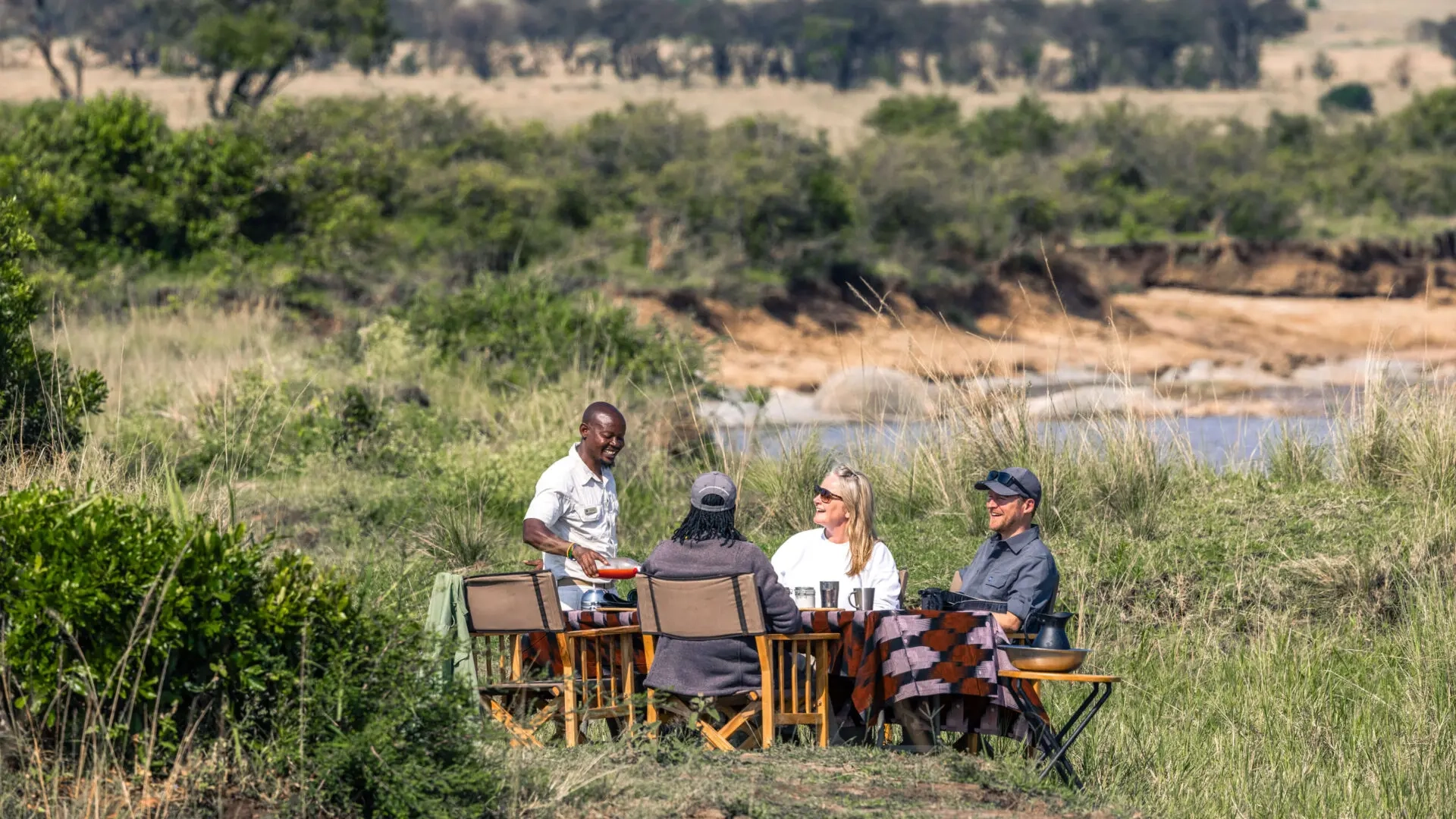
Definitive answer: A picnic lunch on safari is a packed or catered midday meal eaten at an approved…
Read article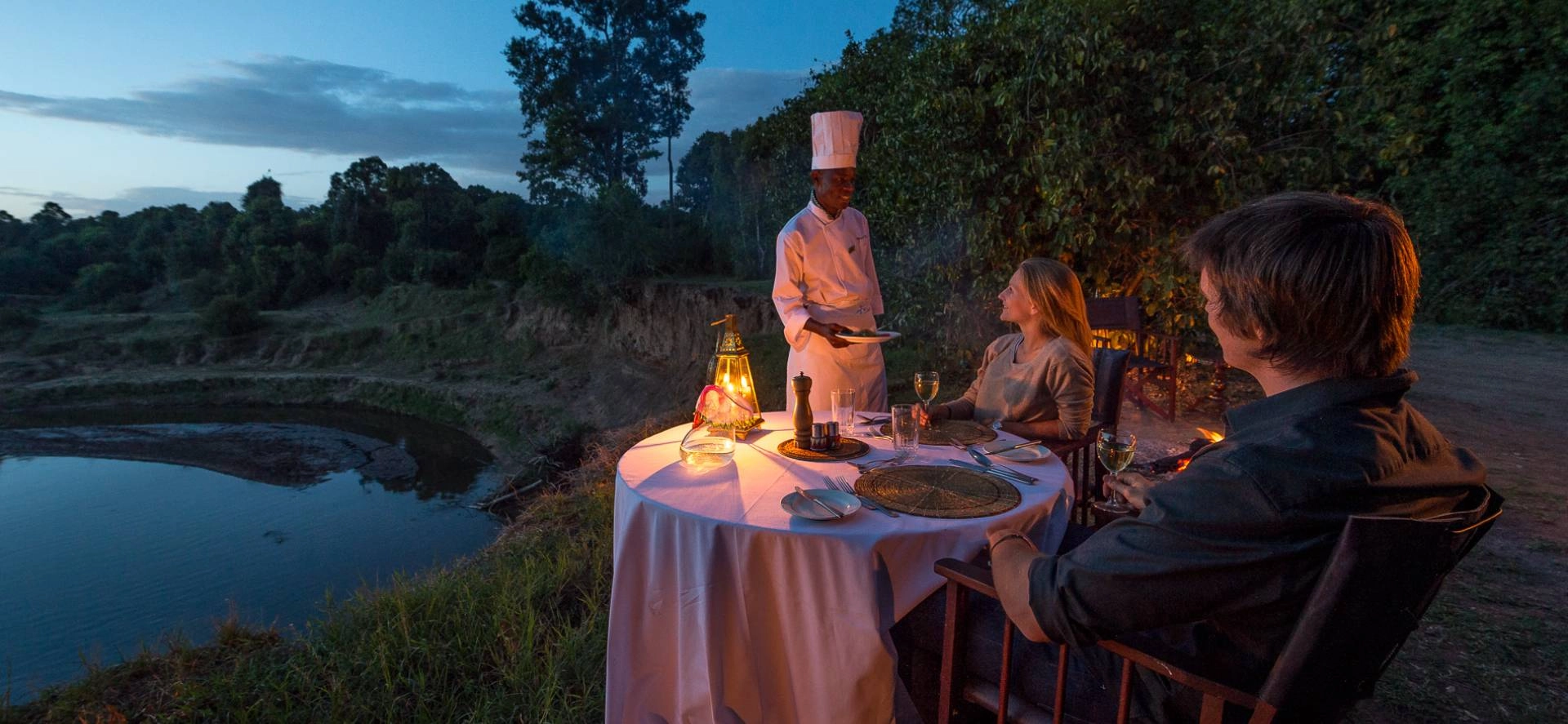
Definitive answer: A bush dinner is an outdoor evening meal arranged in a safe safari setting away from…
Read articleLet us take you closer to the wildlife, people and places that make Africa extraordinary.
Plan Your Safari Today