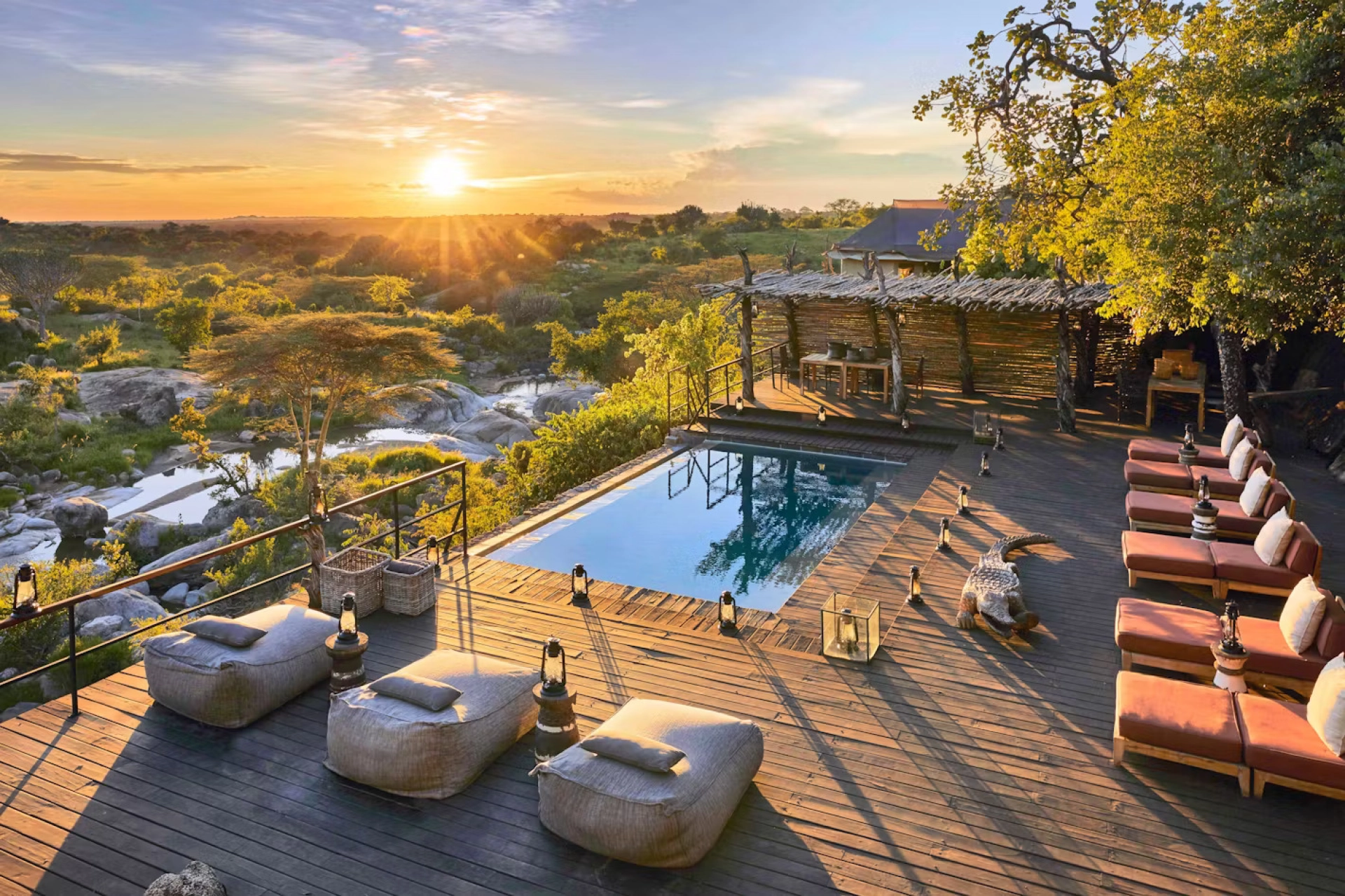
What should I look for when booking a luxury African safari?
When booking a luxury African safari, look beyond the room and compare the quality of guiding, wildlife location,…
Read article

Travel Guide
The best time to visit Ngorongoro Crater depends on what you want from your Tanzania safari. Travellers searching for reliably productive wildlife viewing and generally drier conditions often favour the main dry season, while visitors who…
The best time to visit Ngorongoro Crater depends on what you want from your Tanzania safari. Travellers searching for reliably productive wildlife viewing and generally drier conditions often favour the main dry season, while visitors who prefer greener scenery, fewer safari vehicles and dramatic photography may find the wetter months equally rewarding. One of the great advantages of Ngorongoro is that it is not a highly seasonal wildlife destination in the same way as some other African ecosystems.
Large numbers of animals remain within or around the crater throughout the year. Lions do not disappear when rain arrives. Buffaloes continue feeding across the crater floor. Hippos remain around permanent water. Zebras, wildebeest, gazelles and other herbivores can be encountered during different seasons. This makes the Ngorongoro Crater safari one of Tanzania’s most reliable year-round wildlife experiences. However, the appearance of the landscape changes dramatically with the seasons. During drier months, grasslands become increasingly pale, animals can be easier to see in shorter vegetation, and safari conditions are often straightforward.
During wetter periods, the crater transforms into an intensely green landscape beneath dramatic highland skies. Migratory birds add to the resident birdlife, young animals appear, and photographic conditions can be extraordinary. Visitor numbers also fluctuate. Ngorongoro is one of Tanzania’s most famous safari attractions and is often included alongside Serengeti National Park, Tarangire and Lake Manyara. Peak-season dates can therefore produce considerably more safari traffic than quieter periods. This detailed guide explains when to visit Ngorongoro Crater, what to expect month by month, how rainfall affects wildlife viewing, and how to combine Ngorongoro with the Great Wildebeest Migration in the Serengeti.
The first view from the rim explains why Ngorongoro has become one of Africa’s iconic safari destinations. The land falls away into an enormous volcanic caldera stretching across the landscape below. From the rim, the crater floor appears almost like a self-contained natural world. Grasslands, marshes, woodland and water sources create habitats for an extraordinary concentration of wildlife. Descending into the crater brings that distant landscape suddenly close. Zebras and wildebeest may graze across open grassland. Buffaloes move through productive areas. Lions rest beside tracks or watch prey. Hippos occupy pools, while elephants may appear around woodland and forested areas.
The combination of scenery and wildlife makes Ngorongoro very different from a conventional savannah park.
The crater was formed following the collapse of a huge ancient volcano. The resulting caldera became the landscape visitors see today. Over time, varied habitats developed across the floor, supporting an impressive community of animals. The wider Ngorongoro Conservation Area extends far beyond the crater itself and includes highlands, archaeological areas, grasslands and regions that connect ecologically with the Serengeti. This wider landscape is important when planning a Tanzania safari because the Ngorongoro Conservation Area is not simply a single crater.
Yes. One of Ngorongoro’s greatest strengths is reliable year-round wildlife viewing. Unlike destinations where animals undertake enormous seasonal movements away from particular areas, many species remain within the crater throughout the year. Rain changes vegetation and water distribution, but it does not empty the crater of wildlife. For travellers restricted by work schedules, school holidays or international flights, this is excellent news. You do not necessarily need to postpone a Tanzania safari because your travel dates fall outside the conventional July-to-October high season.
The more useful question is: What will Ngorongoro be like during the month I plan to travel?
For travellers prioritising drier weather, comfortable safari logistics and excellent wildlife visibility, approximately June through October is commonly considered one of the strongest periods. Rainfall is generally lower, and vegetation can become shorter as the dry season progresses. Animals remain abundant. However, these advantages attract visitors. July, August and parts of September can be particularly popular because they coincide with international summer holidays and the broader East African safari high season.
Travellers who value lower visitor numbers may prefer shoulder or green-season months. The best time for Ngorongoro Crater therefore depends on the balance you want between weather, scenery, crowd levels and safari pricing.
The dry season is the traditional high season for a Tanzania wildlife safari. Days are often pleasant, although temperatures on the crater rim can be surprisingly cold, especially in the early morning and at night. Remember that Ngorongoro sits at significant elevation. Travellers sometimes arrive in Tanzania expecting constant tropical heat and are surprised to need jackets during early morning departures.
Wildlife viewing remains excellent. As grasses become shorter, animals may become easier to spot across open areas. Permanent water sources continue attracting wildlife. Lions, buffaloes, zebras, wildebeest, gazelles, hippos and elephants are among the species visitors may encounter.
The crater is also an important location for travellers hoping to include black rhino among their Tanzania wildlife sightings, although sightings are never guaranteed.
Road conditions are generally more predictable. Rain is less likely to interrupt a full safari day. Photography can benefit from open visibility and golden dry-season colours. The dry season also combines naturally with other northern Tanzania safari destinations.
The biggest disadvantage is popularity. Ngorongoro is already one of Tanzania’s busiest attractions, and peak travel months can produce many safari vehicles on the crater floor. Accommodation around the crater rim and nearby highlands can also be in strong demand. Prices may be higher than during lower-demand periods. Travellers planning a July or August Tanzania safari should therefore book early.
The wet or green season is sometimes described as though it were a period when safari becomes impossible. That is inaccurate. Rainfall can complicate travel, but it also transforms the landscape. Grass becomes green. Wildflowers may appear. Clouds create dramatic backgrounds against the crater walls. For photographers, this can be spectacular. Rainfall often occurs in showers rather than continuous rain throughout every day, although patterns vary. The landscape can look considerably more vibrant than during late dry season.
November often marks the arrival of the short rains in northern Tanzania. The exact timing and intensity vary because rainfall does not follow a perfectly predictable calendar. As rain returns, dry landscapes begin to recover. Fresh grass appears, and the wider ecosystem becomes increasingly green. Ngorongoro wildlife remains excellent. Visitor numbers may be lower than during the peak months of July and August, making November attractive to travellers willing to accept occasional rainfall.
Photographers may appreciate the combination of green vegetation, dramatic skies and reduced dust.
December can be an excellent month for Ngorongoro. The landscape is often greener than during the dry season, and wildlife remains abundant. However, the festive holiday period can create a significant increase in visitor numbers. Christmas and New Year dates are popular for East African safaris. Travellers planning a December Ngorongoro safari should therefore reserve accommodation well in advance. December also works well with the Serengeti because migrating wildebeest may be moving toward southern parts of the ecosystem as seasonal conditions develop.
January can be one of the most rewarding months for a Ngorongoro and Serengeti safari. Ngorongoro remains productive, while the wider southern Serengeti and Ndutu region may hold large numbers of migratory wildebeest. This makes January attractive to travellers who want both the concentrated resident wildlife of the crater and migration activity in nearby ecosystems. Conditions are generally green. Photography can be excellent. The crater rim may experience cool mornings, so layered clothing remains important.
February is particularly interesting because it often overlaps with the wildebeest calving season in the broader southern Serengeti-Ndutu ecosystem. This does not mean millions of migrating wildebeest enter Ngorongoro Crater itself. That is an important distinction. The famous migration herds are associated primarily with the wider Serengeti ecosystem and surrounding conservation landscapes. However, Ngorongoro can be incorporated into an itinerary that continues toward areas where large herds are concentrated. During the calving period, enormous numbers of young wildebeest can be born over a relatively compressed timeframe.
Predators respond to this abundance. Lions, cheetahs, hyenas and other carnivores may take advantage of vulnerable young animals. For wildlife enthusiasts, combining Ngorongoro Crater with the Serengeti calving season can create one of Tanzania’s most compelling safari itineraries.
March can provide superb scenery.
Vegetation is often green, and wildlife remains present across Ngorongoro. Visitor numbers may begin decreasing as the month progresses toward the heavier rains. For travellers comfortable with some uncertainty around weather, March can offer excellent value. The crater’s enormous walls look particularly dramatic beneath changing clouds. Birding is also rewarding.
April is associated with Tanzania’s long rains. Rain can be heavier and more persistent than during the short-rain period. Roads may become muddy, and some safari logistics become less predictable. This is one reason April generally receives fewer visitors. But low visitor numbers can be a major advantage. Travellers may experience a much quieter crater than during August. Accommodation promotions may also be available at some properties. Wildlife does not disappear.
The trade-off is accepting wetter conditions and occasional disruption. For experienced Africa travellers who prioritise atmosphere and lower crowds over perfect weather, April should not automatically be dismissed.
Rain may continue into May, although conditions can begin transitioning toward the dry season. The crater remains green and photogenic. Visitor numbers are often still lower than during the coming high season. Late May can be an interesting compromise for travellers wanting greener landscapes without the peak visitor pressure of July and August. However, weather patterns vary from year to year.
June is an excellent month for many travellers. Rainfall generally decreases, roads improve and wildlife remains strong. The landscape may retain more green than later in the dry season. Visitor numbers begin increasing but may not yet reach the intensity of peak holiday periods. For these reasons, June can offer an excellent balance of Ngorongoro weather, wildlife and crowd levels.
July is one of East Africa’s busiest safari months. Dry conditions make wildlife viewing excellent across much of northern Tanzania. Ngorongoro is highly popular. The crater floor can therefore experience substantial safari traffic, particularly around high-profile predator or rhino sightings. Accommodation demand is high. The advantage is dependable safari conditions and easy combination with Serengeti. For families travelling during school holidays, July may also be one of the most practical months.
August offers many of the same advantages as July. Weather is generally dry. Wildlife visibility can be excellent. However, this is firmly within the peak safari season. Travellers seeking a quiet Ngorongoro experience may prefer June, November or another shoulder period. Those travelling in August should focus on good itinerary design and experienced guiding. Entering the crater efficiently and avoiding unnecessary delays can improve the experience considerably.
September remains an excellent safari month. The landscape may be increasingly dry, which can make wildlife easier to observe in some areas. Temperatures can be comfortable during the day, although mornings around the highlands remain cool. Visitor numbers can remain significant but may gradually change after the main northern-hemisphere holiday period. September combines very well with broader northern Tanzania safari routes.
October can be warm and dry as the ecosystem waits for the short rains.
Wildlife viewing remains excellent. Dry conditions can create strong concentrations around available water. Dust can influence photography, although backlit dust around wildlife can also create beautiful images. As the month progresses, the possibility of changing weather increases. October can be an excellent time for travellers wanting classic dry-season safari conditions before the short rains refresh the landscape.
January: Green scenery, excellent wildlife and a strong combination with southern Serengeti. February: Excellent for combining Ngorongoro with the wildebeest calving season. March: Green, photogenic and potentially quieter. April: Long rains, fewer visitors and potentially lower seasonal rates. May: Green landscapes and transition toward drier weather. June: Excellent balance of conditions, wildlife and visitor numbers. July: Very good wildlife viewing but peak-season demand. August: Dry and excellent for safari, with relatively high visitor numbers.
September: Strong wildlife viewing and generally dry conditions. October: Late dry-season wildlife and increasingly dry scenery. November: Short rains, renewed vegetation and often fewer visitors. December: Green landscapes, strong safari conditions and higher festive-season demand.
Ngorongoro is frequently promoted as a Big Five safari destination. The crater supports lion, elephant, buffalo and black rhino. Leopard also occurs within the broader landscape, although it can be difficult to see and is not among the crater’s easiest sightings. Therefore, travellers should not arrive expecting to complete a guaranteed Big Five checklist in a single morning. No responsible safari operator can guarantee wild-animal sightings. What Ngorongoro does provide is a remarkable concentration of large mammals within a visually dramatic environment.
Dry-season months can improve visibility, but Big Five-related wildlife can be present year-round.
Lions are resident within the crater ecosystem. They can therefore be encountered throughout the year. Early mornings can be particularly rewarding because temperatures are cooler and predators may be more active than during the middle of the day. A lion sighting against the immense crater backdrop is one of Ngorongoro’s signature experiences. The green season can provide particularly beautiful photographic backgrounds, while dry-season vegetation may make lions easier to locate.
Ngorongoro is one of Tanzania’s important locations for black rhino conservation. Rhinos may be seen on the crater floor, but sightings are not guaranteed. They can remain far from roads, and individual animals move according to their own behaviour. Good guides use knowledge, binoculars and information from other professional guides to search likely areas. There is no month when a rhino sighting becomes guaranteed. Travellers should treat any encounter as a privilege rather than an entitlement.
Birdwatchers may particularly appreciate the wetter months when migratory species supplement resident birdlife. The crater and wider conservation area support an impressive range of birds associated with grassland, wetlands and highland habitats. Even travellers who arrive focused entirely on mammals often become interested in Ngorongoro’s birds once they begin recognising raptors, cranes, bustards, waterbirds and smaller species. The green season can therefore be especially rewarding for a Tanzania birding safari.
There is no single best photography season. Dry-season photographers benefit from shorter vegetation, open visibility and golden-brown landscapes. Green-season photographers gain saturated vegetation, dramatic cloud formations and cleaner atmospheric conditions after rain. Early mornings provide softer light throughout the year. Cloud cover can create beautifully diffused light during wetter months. Photographers should consider their preferred aesthetic rather than assuming that dry season automatically produces better images.
If avoiding crowds is a major priority, consider periods outside July, August and the Christmas/New Year holidays.
Rainier months generally attract fewer visitors. April and May can be particularly quiet, although weather is less predictable. November can also provide a good compromise. June may offer another useful balance before the busiest part of the high season. Remember that Ngorongoro is world famous. Even during quieter periods, you should not expect complete isolation.
Early entry is highly desirable. Wildlife may be more active during cooler morning conditions, and entering early provides more time to explore different habitats. The descent itself is spectacular. Mist may hang around the crater walls as the landscape gradually becomes visible below. Starting early can also help visitors enjoy productive wildlife viewing before the busiest part of the day. A good Tanzania itinerary therefore places guests close enough to the crater access points to avoid wasting valuable morning hours.
Most travellers devote a substantial portion of one day to the crater floor. This can provide excellent wildlife viewing because the crater is relatively compact compared with Serengeti. However, the wider Ngorongoro Conservation Area deserves additional consideration. Travellers may stay in the highlands, explore surrounding landscapes or combine Ngorongoro with nearby cultural and archaeological attractions. A Tanzania itinerary should therefore distinguish between “a crater game drive” and “time in the Ngorongoro region.”
Accommodation choice influences both price and convenience. Properties located on or close to the crater rim provide extraordinary views and convenient access for early descents. Some are among Tanzania’s most prestigious safari lodges. The disadvantage is cost. Accommodation around Karatu and the surrounding highlands can provide excellent alternatives. These properties may offer beautiful gardens, farms and views while generally providing broader price options. Driving time to crater entry points needs to be considered.
For travellers prioritising a very early start, location becomes particularly important.
Do not assume Tanzania will always be hot. The crater rim can be cold, especially early in the morning. Layered clothing is the best approach. Start with a warm fleece or jacket and remove layers as temperatures increase. Neutral-coloured comfortable clothing works well. A hat, sunscreen and sunglasses are useful during daytime game drives. Binoculars are particularly valuable for rhinos and other wildlife that may remain some distance from the road.
A common planning mistake is treating Ngorongoro Crater as though the Great Migration passes through the crater itself. The famous large-scale migration is associated with the wider Serengeti-Mara ecosystem. However, the Ngorongoro Conservation Area borders important migration landscapes, particularly toward the southern Serengeti and Ndutu region. This is why Ngorongoro combines so naturally with a migration safari. In January, February and parts of March, travellers may combine a crater game drive with areas where migrating herds gather around southern grasslands.
During other months, the migration shifts to different Serengeti regions.
A classic northern Tanzania itinerary usually combines Ngorongoro Crater and Serengeti National Park. The two destinations complement each other perfectly. Ngorongoro provides concentrated wildlife within a dramatic caldera. Serengeti provides enormous landscapes, wider-ranging game drives and seasonal migration activity. A traveller who visits only one misses much of what makes northern Tanzania special. Adding Tarangire National Park creates an even more varied safari.
Ngorongoro and Serengeti should not really be competitors.
The crater provides a relatively concentrated safari experience. Serengeti is enormous. You can spend multiple days travelling between Serengeti regions. Ngorongoro is particularly strong for seeing diverse wildlife within one day, while Serengeti excels in landscape scale, predators and the Great Migration. For first-time Tanzania travellers, combining both is strongly preferable where time and budget allow.
After several days of safari, many travellers fly to Zanzibar. This creates one of Africa’s classic safari and beach holidays. The northern circuit provides wildlife, landscapes and early morning game drives. Zanzibar then offers Indian Ocean beaches, Stone Town, spice experiences and relaxation. A typical itinerary might combine Tarangire, Ngorongoro and Serengeti before flying from the safari region toward Zanzibar.
Travellers looking for an even more diverse East African journey can combine Tanzania with gorilla trekking in Uganda or Rwanda. This creates an extraordinary contrast. In Tanzania, you explore open savannah and volcanic landscapes. In Uganda, you enter tropical rainforest in search of mountain gorillas. A longer itinerary might include Bwindi Impenetrable National Park, Serengeti and Ngorongoro. For wildlife enthusiasts, few African journeys offer greater diversity.
Yes, provided you understand the trade-offs. Rain means greener landscapes and fewer visitors. It can also mean muddy roads and less predictable weather. Wildlife remains present. For photographers, repeat safari travellers and visitors seeking better seasonal value, the rainy season can be excellent. Travellers who strongly dislike rain or whose schedule allows no flexibility may prefer drier months.
Ngorongoro is not one of Tanzania’s cheapest safari destinations. Conservation and access fees contribute significantly to safari costs. However, the combination of geological scenery and wildlife concentration is difficult to replicate. For first-time Tanzania visitors, Ngorongoro is usually worth including when the budget allows. The important consideration is building the crater into a logical route rather than adding expensive backtracking.
The best time to visit Ngorongoro Crater ultimately depends on the safari you want. Choose the dry season if your priorities are generally reliable weather, open visibility and a classic Tanzania safari experience. Consider January and February if you want to combine Ngorongoro with the southern Serengeti wildebeest calving season. Look at November, March or parts of the shoulder season if you prefer greener scenery and potentially fewer visitors. And do not automatically reject April and May if lower visitor numbers, photography and seasonal value are important to you.
Ngorongoro’s greatest strength is that wildlife remains rewarding throughout the year. Adventure in the Wild Safaris can combine Ngorongoro Crater, Serengeti National Park, Tarangire, Zanzibar, Kenya, Rwanda and Uganda gorilla trekking into a personalised East African itinerary. The right month is important. But matching the correct destination, wildlife region and route to that month is what turns a good Tanzania safari into an exceptional one.
Get quick answers to the most common questions. If you still have questions, our safari experts are here to help.
There is no single best month. June through October offers generally dry safari conditions, while January and February are excellent for combining Ngorongoro with southern Serengeti migration and calving experiences.
Yes. Ngorongoro is a year-round safari destination, although weather and road conditions vary seasonally.
The wider Ngorongoro ecosystem supports the Big Five, but sightings are never guaranteed. Black rhinos are particularly special sightings.
Northern Tanzania generally experiences short rains around November and a longer wetter period roughly from March into May, but rainfall patterns vary.
Not necessarily. April is wetter and can involve challenging road conditions, but it offers green scenery, fewer visitors and potentially attractive seasonal rates.
Yes. August generally provides excellent dry-season wildlife viewing, but it is also a popular month with relatively high visitor numbers.
The southern Serengeti and Ndutu region can host large migrating herds during the green-season and calving period. Exact timing depends on rainfall.
The famous migration does not take place as a mass movement across the crater floor. Migration activity is associated with the wider Serengeti ecosystem and surrounding conservation landscapes.
The crater rim can become surprisingly cool because of its elevation, particularly at night and in the early morning. Warm layers are recommended.
They provide different experiences. Ngorongoro offers concentrated wildlife and dramatic geology, while Serengeti offers enormous landscapes, predators and the Great Migration. Ideally, visit both.
Our safari experts are here to help you plan your safari. Get personalized advice, the latest information and a free, no-obligation quote.
We typically reply within a few hours.

Share This Article
When booking a luxury African safari, look beyond the room and compare the quality of guiding, wildlife location,…
Read article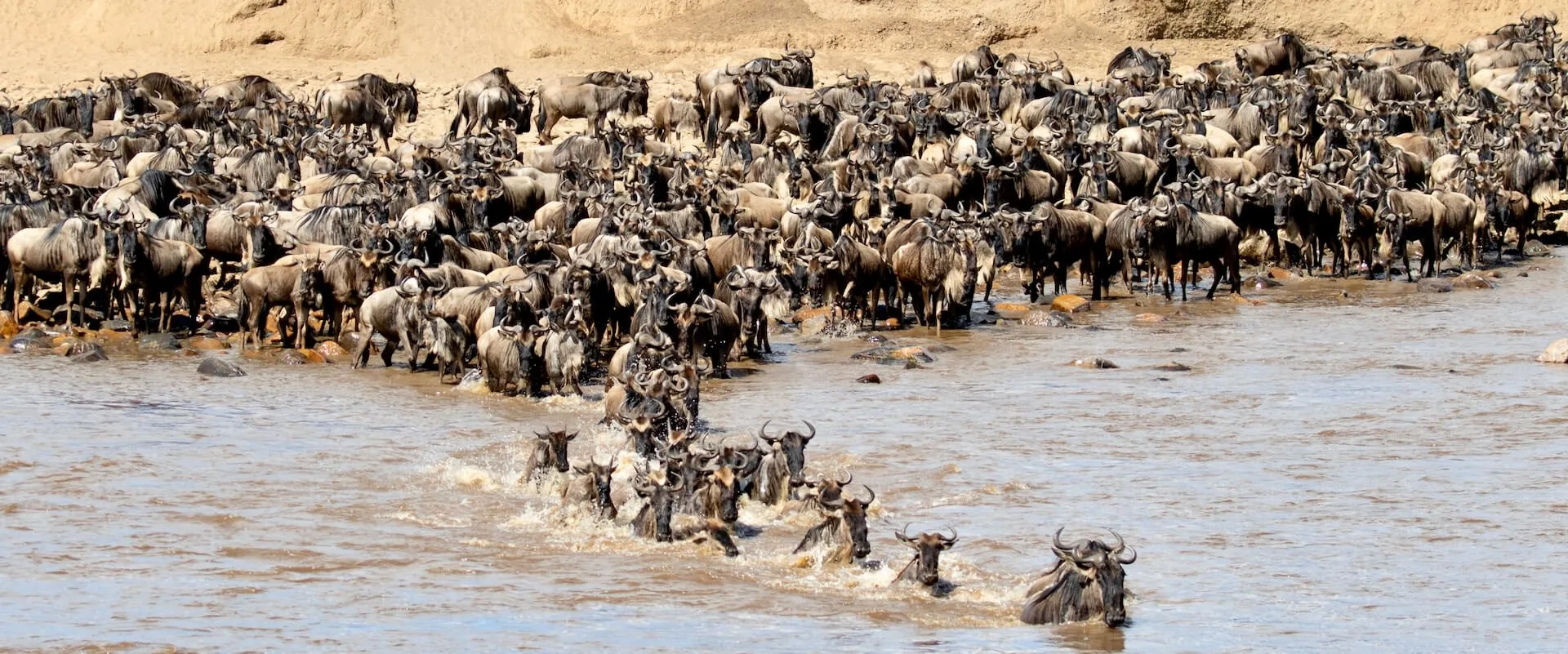
The Great Migration in Africa happens all year because the herds continuously circulate through the Serengeti–Mara ecosystem in…
Read article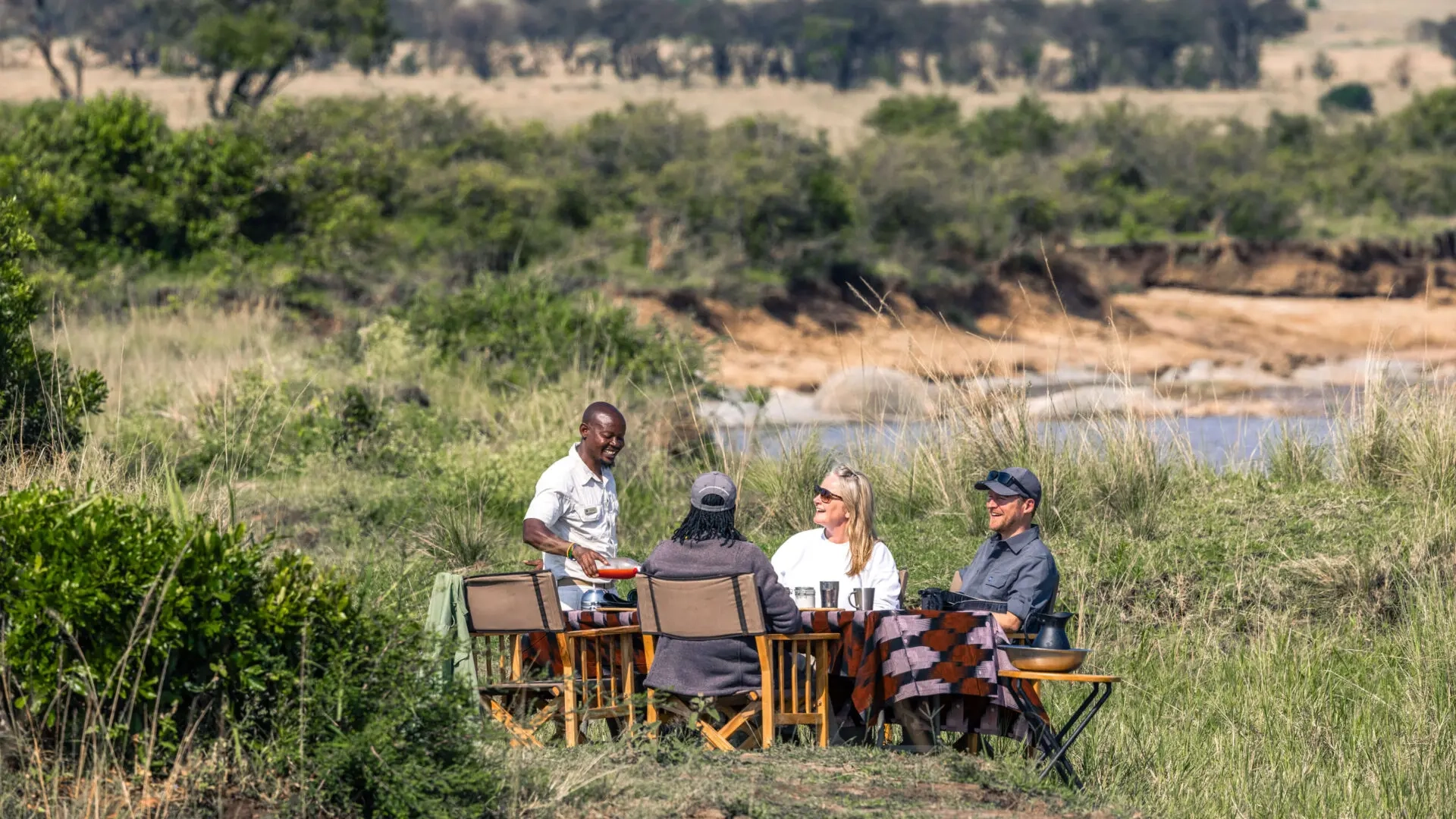
Definitive answer: A picnic lunch on safari is a packed or catered midday meal eaten at an approved…
Read article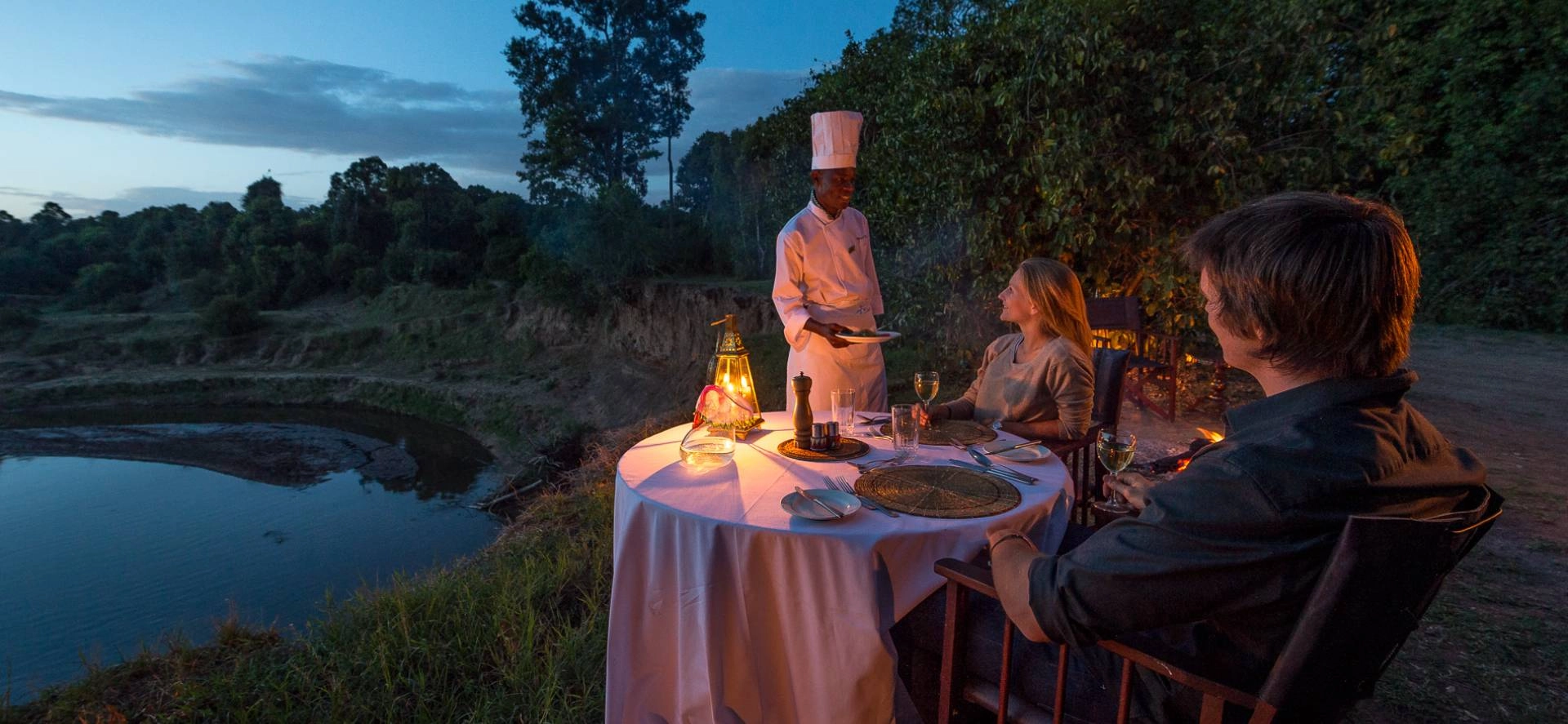
Definitive answer: A bush dinner is an outdoor evening meal arranged in a safe safari setting away from…
Read articleLet us take you closer to the wildlife, people and places that make Africa extraordinary.
Plan Your Safari Today