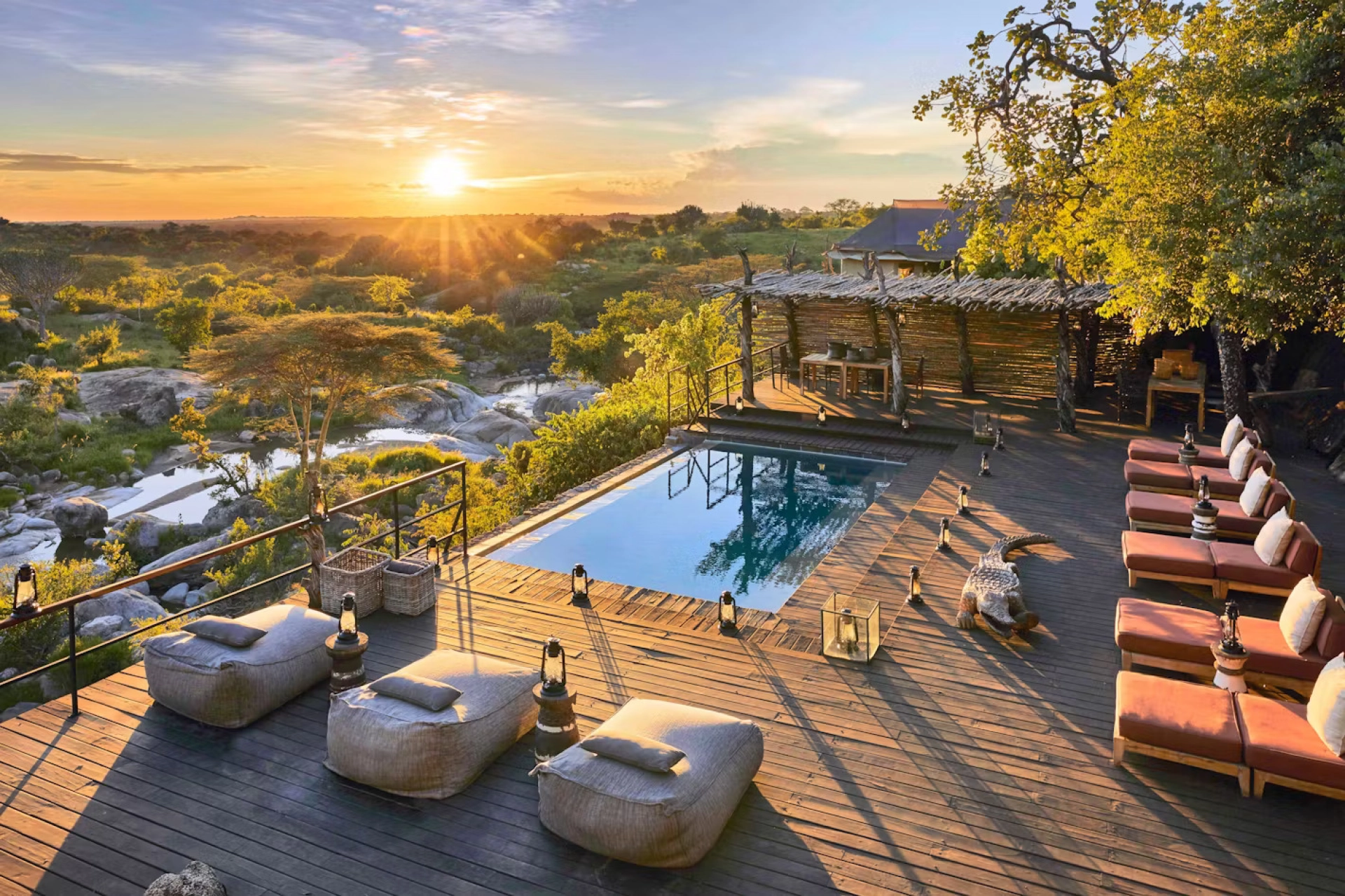
What should I look for when booking a luxury African safari?
When booking a luxury African safari, look beyond the room and compare the quality of guiding, wildlife location,…
Read article

Travel Guide
The best time to visit Volcanoes National Park depends on much more than choosing a dry month. Rwanda's famous mountain gorilla destination is open for wildlife tourism throughout the year under normal operating conditions, and every…
The best time to visit Volcanoes National Park depends on much more than choosing a dry month. Rwanda’s famous mountain gorilla destination is open for wildlife tourism throughout the year under normal operating conditions, and every season brings a different combination of trail conditions, visitor demand, forest light, vegetation, photography opportunities and safari prices. Travelers who understand those differences can choose a period that suits their priorities rather than simply following a generic recommendation to travel in the dry season.
Volcanoes National Park lies in the highlands of northwestern Rwanda, where the Virunga volcanoes create a cool, moist mountain environment. Rain can occur even during months normally described as dry, while sunny intervals can appear during wetter periods. This is a rainforest and montane ecosystem, so weather rarely follows a perfectly predictable calendar.
For gorilla trekking in Rwanda, the most popular travel periods generally coincide with the relatively drier parts of the year because trails can be easier to negotiate. However, wetter months can offer beautifully green scenery, atmospheric mist, softer forest light and sometimes more attractive accommodation value. Golden monkey tracking, birding and cultural activities can also be enjoyed in different seasons, while volcano hiking is especially sensitive to trail and weather conditions.
The correct question is therefore not simply, “What is the driest month?” It is, “When is the best time for the particular Rwanda safari I want to experience?” This detailed month-by-month guide explains the seasons, gorilla trekking conditions, rainfall, photography, permit demand, accommodation considerations and how to combine Volcanoes National Park with Akagera National Park, Nyungwe Forest, Lake Kivu, Bwindi and Mgahinga.
There is no universally bad month. Mountain gorillas live in the park throughout the year, and regulated trekking normally operates year-round. The main seasonal differences concern comfort and logistics rather than whether gorillas suddenly disappear. Rain can make forest trails slippery and physically demanding. Drier weather can improve footing but may coincide with stronger demand for permits and accommodation.
Travelers who are flexible, properly equipped and realistic about mountain weather can have an exceptional trek in almost any month.
Rwanda lies close to the equator, so seasons are not defined by dramatic summer and winter temperature changes. Instead, travelers generally think in terms of relatively wetter and drier periods. The broad pattern commonly includes a longer wetter period around March to May, a relatively drier period around June to September, another wetter period around October and November, and a shorter relatively dry period around December to February. These are useful planning patterns, not guarantees. Climate variability means rain can fall in a dry month and dry spells can occur during the rainy season.
Altitude changes everything. The Volcanoes region is cooler and wetter than many lower-elevation areas of Rwanda. Clouds can build around the Virunga peaks while Kigali experiences different conditions. Within the park, elevation, slope orientation and vegetation can create local differences. This is why travelers should pack a waterproof jacket even when visiting during the most popular dry-season months.
For travelers whose main concern is easier trail conditions, the relatively drier periods are generally preferred. June through September is particularly popular, and the shorter dry period around December to February can also be attractive. Less rain can mean firmer trails, although the forest never becomes completely dry. The trade-off is demand. Popular months may require earlier gorilla permit reservations and can bring higher lodge occupancy.
No. A dry-season trek can still involve rain, deep mud and a long climb. Gorillas move freely and do not remain near trailheads because tourists selected a supposedly perfect month. Likewise, a wet-season trek may occur on a beautiful morning with manageable conditions. Season influences probabilities; it does not control wildlife or mountain weather.
Relatively dry periods can provide: better trail footing, easier road logistics, more predictable hiking conditions and comfortable combinations with other East African safari destinations. June to September also aligns well with popular Kenya and Tanzania safari travel, making Rwanda easy to combine with the Great Migration and classic savannah wildlife. For travelers planning a first African safari with gorillas plus the Serengeti or Masai Mara, this timing can be especially attractive.
The main disadvantages are demand and price pressure. Preferred gorilla trekking dates can fill early. Popular lodges may have limited room availability. International airfares can also be higher during major holiday periods. Travelers seeking a quiet or value-focused safari should therefore not automatically reject wetter months.
The wetter months create an intensely green landscape. Mist and cloud can add drama to the volcanoes. Forest photography can benefit from softer, more diffused light. Visitor pressure may be lower in some periods, and selected accommodation properties may offer better seasonal value. Birding can also be excellent. For photographers and repeat Africa travelers who are comfortable with mud, the wet season can be extremely rewarding.
Trails can become slippery. Steep sections require more effort. Clothing and camera equipment need reliable waterproof protection. Volcano hiking can be more demanding. Travelers with significant mobility limitations may prefer relatively drier conditions if their dates are flexible. Even then, no month guarantees an easy trek.
January generally falls within Rwanda’s shorter relatively dry period. It can be a very good month for Volcanoes National Park gorilla trekking because trails may be more manageable than during the major rains. The mountains remain green because this is not an arid environment. January also works well for travelers escaping the northern-hemisphere winter. Demand can be significant around the New Year period, so early booking is wise.
February can offer attractive trekking conditions, particularly earlier in the month. Rainfall patterns vary, and showers remain possible. As the month progresses, conditions can begin transitioning toward the wetter season. February is a good option for travelers combining Rwanda with Uganda because southwestern Uganda follows a broadly similar seasonal rhythm. It is also useful for travelers who want to avoid the peak June-August travel period.
March is commonly associated with increasing rainfall. The forest becomes wetter and trails can become more slippery. For travelers focused solely on the easiest possible walking conditions, March may be less attractive than January or July. However, gorilla trekking continues. The vegetation is lush, mist can create excellent atmosphere, and travelers prepared for rain can still have outstanding encounters.
April is generally among the wetter periods. Trekkers should expect mud and rain and should arrive with proper footwear and waterproof clothing. The reward is a vivid mountain landscape. Cloud, mist and wet vegetation can create beautiful environmental portraits of gorillas. Travelers who prioritize photography should not assume that bright sunshine produces the best images. Soft overcast light can be extremely flattering in dense forest.
May often begins wet and moves gradually toward the drier middle of the year. Conditions vary considerably from one year to another. Late May can be an interesting compromise for travelers who want green scenery and potentially lower visitor pressure while approaching the more popular dry season. Do not plan based on rainfall averages alone; prepare for wet trails regardless.
June is widely considered one of the best months to visit Volcanoes National Park. Rainfall generally reduces relative to the preceding months, and trekking conditions can improve. It is also a strong month for multi-country East African travel.
Travelers can combine Rwanda gorillas with Uganda, Kenya or Tanzania. Permit demand rises, so advance planning becomes important.
July is one of the most popular months. Relatively dry weather, European and North American summer holidays and excellent East African safari combinations all contribute to demand. If July is your preferred month, secure permits and accommodation well in advance. The park’s regulated trekking system prevents unlimited gorilla-group sizes, but the wider tourism region can feel busier.
August remains a strong trekking month. Trails are often comparatively manageable, though rain is always possible. It is one of the easiest months for combining Rwanda gorilla trekking with the Masai Mara or Serengeti. Families traveling during school holidays also favor August. Book early if you need several permits on the same day.
September can be one of the most appealing months. Earlier in the month, conditions may retain much of the dry-season character. Later, rainfall can increase as the next wetter period approaches. For travelers who want a strong balance between trekking conditions and seasonal transition, September deserves serious consideration.
October is generally wetter. Forest trails can become muddy, and waterproof gear is essential. The landscape becomes intensely green. Travelers who enjoy atmospheric weather and are comfortable with physical trekking can have an excellent experience. October can also be a good period to build a broader Rwanda itinerary rather than treating Volcanoes as a one-night stop.
November often continues the shorter wet season. It is not the first recommendation for somebody whose overriding priority is dry hiking conditions. Yet it remains entirely viable for gorilla trekking. Photographers may appreciate the forest mood, and value-conscious travelers can investigate seasonal accommodation offers. Check permit and lodge availability rather than assuming low season means everything can be booked at the last minute.
December often transitions toward relatively drier conditions. The second half of the month can be busy because of Christmas and New Year travel. Travelers considering late December should reserve early. The month combines well with festive-season Rwanda trips and Uganda extensions. Weather can still be changeable, so pack exactly as you would for a mountain rainforest.
Golden monkey tracking in Volcanoes National Park is available throughout the year under normal operating conditions. Drier months can make walking more comfortable. Wetter months create lush bamboo habitat and beautiful colors. Golden monkeys are active and fast-moving, so photography depends as much on light and animal position as season. If gorillas are your primary activity, simply schedule golden monkeys on the following day rather than trying to select a separate season for them.
For strenuous hiking, relatively drier conditions are generally preferable. Routes such as Mount Bisoke can become muddy and demanding after rain. High-altitude weather remains unpredictable. Travelers considering longer or more strenuous mountain routes should verify current park operations, route conditions and equipment requirements.
Fitness and preparation matter at least as much as month.
The relatively drier months often provide more comfortable climbing conditions. However, summit visibility is never guaranteed. Cloud can gather rapidly around the volcano. Treat the hike as a mountain experience rather than booking solely for a crater-view photograph. Good boots and rain protection remain essential in every season.
There is no single perfect month. Dry weather can make movement through the forest easier, but strong shafts of sunlight create difficult contrast. Overcast and misty conditions can produce soft, even light ideal for portraits. Wet foliage adds rich color. Professional and serious amateur photographers should prioritize multiple trekking opportunities, suitable equipment and weather protection over searching for a mythical guaranteed sunny month.
Birding can be rewarding year-round. Seasonal movements, breeding behavior and regional migration patterns can influence what is observed. The Volcanoes region is particularly valuable because of its Albertine Rift setting. Dedicated birders should combine Volcanoes with Nyungwe National Park and, where time permits, Uganda’s Bwindi and Mgahinga forests. A specialist guide is highly recommended.
June to September and December to February are popular for honeymoon travel because of relatively drier conditions. However, couples seeking greater lodge value and a quieter atmosphere may prefer shoulder or wetter periods. Rwanda’s high-end gorilla lodges are designed to be enjoyed in all weather. A misty afternoon beside a fireplace can be as romantic as a clear volcano view.
Combine Volcanoes with Lake Kivu for a slower finish.
Families are often constrained by school holidays, making July, August and late December common choices. These periods can be excellent but should be booked early. Confirm the current minimum age for gorilla trekking before purchasing permits for children. Families with younger children need alternative activities or supervision while eligible adults trek.
Travelers concerned about slippery trails may prefer relatively drier months. Nevertheless, fitness and daily gorilla location remain major variables. A dry month does not guarantee a short or easy trek. Senior travelers can improve comfort by hiring a porter, choosing a well-located lodge and allowing an extra recovery day.
Wetter and shoulder-season periods can be worth investigating. The gorilla permit is a major fixed expense, but accommodation pricing and promotions can vary seasonally. A lower lodge rate can reduce the total safari cost meaningfully. Ask for current low-season offers rather than relying on old online prices. Never compromise on legitimate permits, reliable transport or adequate travel insurance simply to save money.
Luxury gorilla travel works year-round. High-end lodges provide comfortable spaces even when weather is wet. Travelers wanting the strongest chance of clear volcano views may lean toward relatively drier periods, but mountain cloud is always possible. Luxury travelers should focus on securing the preferred lodge and trekking dates rather than expecting weather perfection.
Akagera National Park can be visited year-round, making it straightforward to combine with Volcanoes.
Drier periods may concentrate some savannah wildlife around water sources and make game-drive conditions comfortable. Greener periods transform the landscape and can be excellent for birding. A Rwanda itinerary should consider both parks rather than optimizing one destination at the expense of the other.
Nyungwe is a rainforest destination where rain is part of the ecosystem. A combined Rwanda primate safari can work throughout the year. Travelers seeking relatively easier trail conditions often choose drier periods. Those prioritizing lush forest and birding may accept wetter weather. Allow sufficient travel time between the parks.
Rwanda’s seasons broadly align with southwestern Uganda. June to September and the shorter dry period around December-February are popular for combining Volcanoes, Mgahinga and Bwindi. These periods can provide relatively favorable trekking conditions across the region. Demand for gorilla permits in both countries can be high, so coordinate them before finalizing hotels.
July through September is especially popular for a Rwanda and Kenya safari because it overlaps with major Great Migration activity commonly associated with the Masai Mara ecosystem. Migration timing is natural and varies annually, so no exact crossing can be guaranteed. The combination is nevertheless excellent: mountain gorillas in Rwanda followed by open savannah, big cats and large herbivore herds in Kenya.
June through October is a popular broader Tanzania safari period, while different parts of the Serengeti migration cycle occur throughout the year. A Rwanda-Tanzania itinerary can therefore be designed in many months. Choose the Tanzania region according to the wildlife experience you want rather than assuming the migration exists in only one season.
Permit availability is a critical part of deciding when to travel. Theoretical perfect weather is irrelevant if no permit is available on your dates. Check permits first when your schedule is flexible. Then coordinate accommodation. Large groups should plan especially early because finding many permits on the same date is more difficult than finding one or two.
Lodge pricing varies by property. Some maintain relatively stable rates, while others may offer low-season promotions or packages. Luxury lodges can still be expensive during wetter months, so never assume rain automatically means cheap travel. Ask for current rates for your exact dates.
Gorilla trekking itself is regulated. You do not enter the forest as part of an unlimited crowd. However, popular months can create more activity at lodges, briefing areas and around Musanze. Travelers who prefer a quieter overall atmosphere may enjoy shoulder periods.
Rain does not mean gorillas disappear. It can influence their behavior and where they feed or shelter, but tracking teams follow their movements. The main impact on visitors is usually trail comfort and photography. Prepare for rain rather than fearing it.
No. This is one of the most important misconceptions. Even in a relatively dry month, gorillas may be high on a steep slope several hours from the starting point. Terrain and altitude remain.
Choose the dry season for better odds of firmer trails, not for a promised easy trek.
Regardless of travel date, pack waterproof outerwear, sturdy hiking footwear, long trousers, long sleeves, gloves, good socks and protection for camera equipment. Layers are important because mornings can be cool. A small daypack is enough. Hire a porter so that water and equipment do not drain your energy.
Choose January or February for relatively dry conditions outside the main mid-year peak. Choose March to May if you accept wetter trails in exchange for lush scenery and potentially quieter travel. Choose June to August for popular dry-season trekking and excellent Kenya/Tanzania combinations. Choose September for an attractive transition period. Choose October and November for green, wetter landscapes and potentially quieter travel. Choose December for the shorter dry-season pattern, while booking early around the festive holidays.
Day 1: Kigali to Volcanoes National Park, arriving early enough to settle into your lodge. Day 2: Gorilla trekking followed by a relaxed afternoon. Day 3: Return to Kigali. This is the minimum comfortable structure for a focused gorilla trip.
Day 1: Kigali to Musanze. Day 2: Gorilla trekking. Day 3: Golden monkey tracking. Day 4: Return to Kigali. This itinerary works in every season and gives a much richer understanding of the Virunga ecosystem.
A comprehensive route can connect Akagera National Park – Volcanoes National Park – Lake Kivu – Nyungwe National Park – Kigali. The exact direction depends on flight timing and accommodation. Allow enough nights that the safari does not become a daily packing exercise. Rwanda is compact, but road transfers still consume time.
The best time to visit Volcanoes National Park is the period that best balances your priorities: trail comfort, permit availability, budget, photography, wider East African safari plans and tolerance for rain. For relatively drier trekking, June to September and roughly December to February are popular choices. For lush scenery, softer forest light and potentially quieter travel, the wetter months deserve far more consideration than they usually receive.
Most importantly, do not allow weather averages to become more important than the gorilla permit itself. Mountain weather is unpredictable, while permits are limited and date-specific. Secure a workable trekking date, choose appropriate accommodation, pack for rain regardless of month and give yourself enough time to enjoy the Virunga region. Adventure in the Wild Safaris can arrange Volcanoes National Park gorilla safaris, Rwanda gorilla permits, golden monkey tracking, Rwanda-Uganda gorilla tours, seasonal Rwanda safaris, Akagera combinations, Nyungwe extensions and East Africa safari packages around your preferred travel month.
Get quick answers to the most common questions. If you still have questions, our safari experts are here to help.
There is no single best month. June to September is popular for relatively dry trekking conditions, while January-February can also be attractive.
Yes, under normal park operations. Expect wetter and muddier conditions.
Yes, but it is popular, so permits and lodges should be booked early.
No. Trekking remains possible, but waterproof equipment and good footwear are particularly important.
Yes. Volcanoes is a high-altitude, moist environment and rain can occur year-round.
Accommodation value may improve in some wetter or shoulder periods, but rates vary by lodge and gorilla permit pricing should be confirmed separately.
Both dry and wet conditions have advantages. Overcast forest light can be excellent for gorilla portraits.
As soon as dates are firm, especially for popular travel months or groups needing multiple permits.
July-September is especially popular for combining gorillas with the Masai Mara, though excellent combinations are possible in other months.
Yes. Late December is popular, so early reservations are advisable.
Our safari experts are here to help you plan your safari. Get personalized advice, the latest information and a free, no-obligation quote.
We typically reply within a few hours.

Share This Article
When booking a luxury African safari, look beyond the room and compare the quality of guiding, wildlife location,…
Read article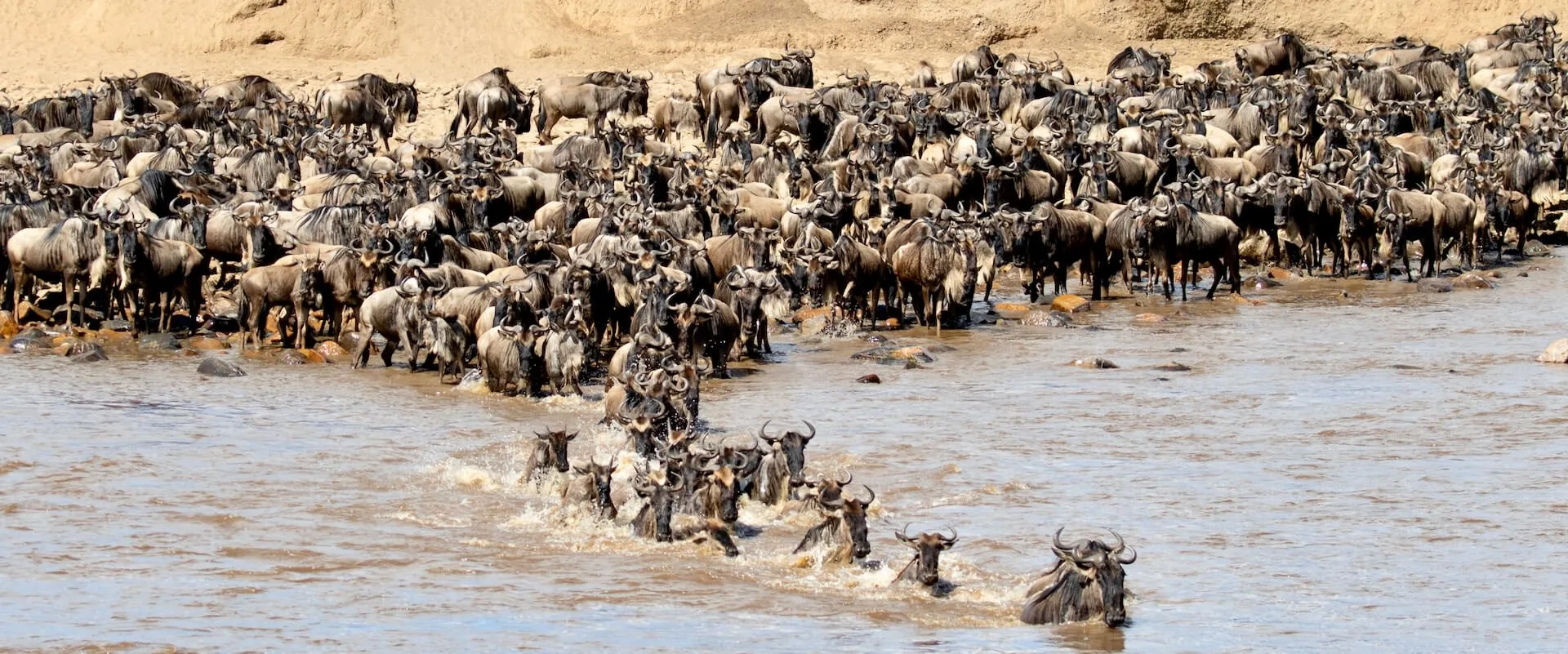
The Great Migration in Africa happens all year because the herds continuously circulate through the Serengeti–Mara ecosystem in…
Read article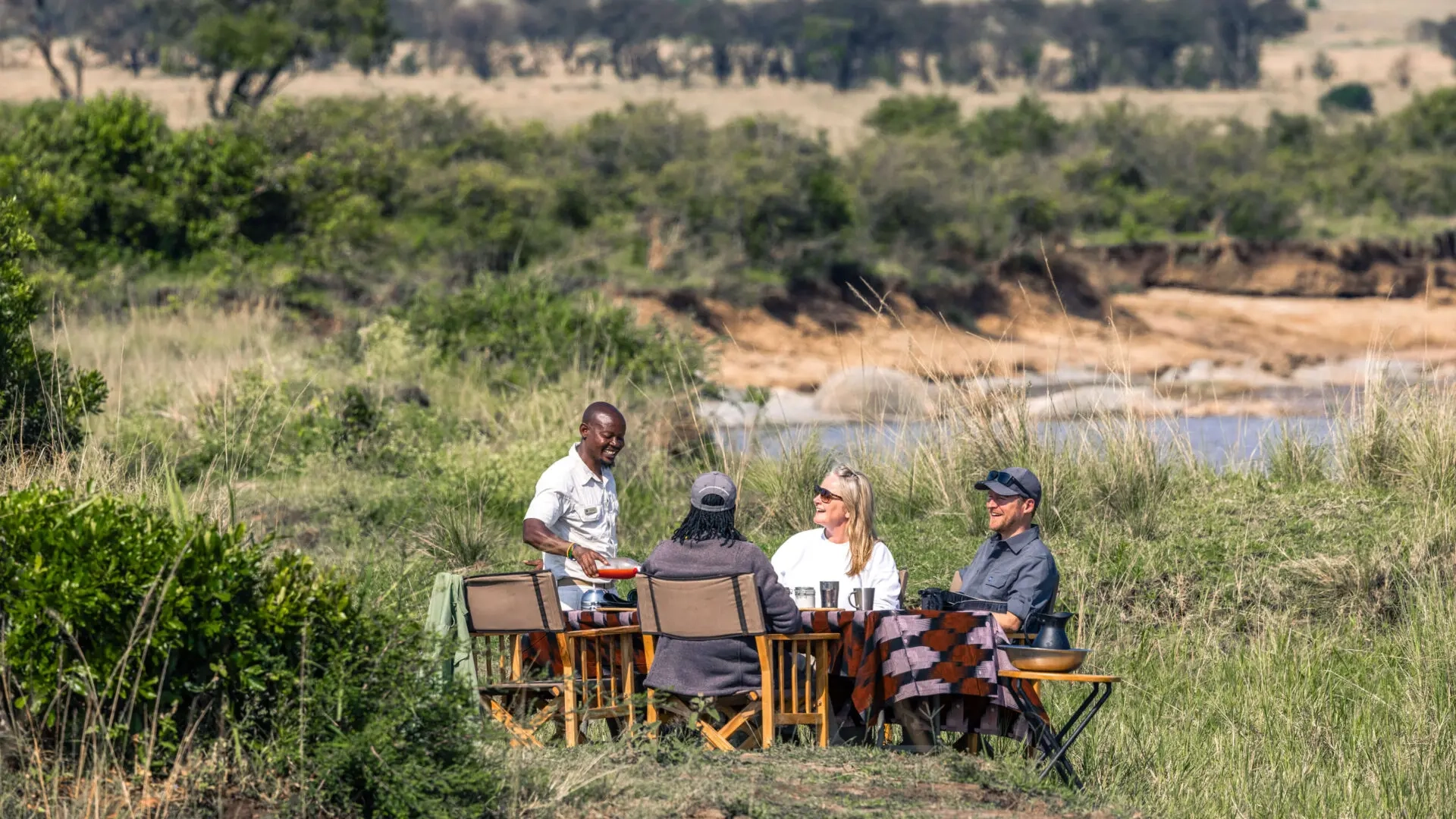
Definitive answer: A picnic lunch on safari is a packed or catered midday meal eaten at an approved…
Read article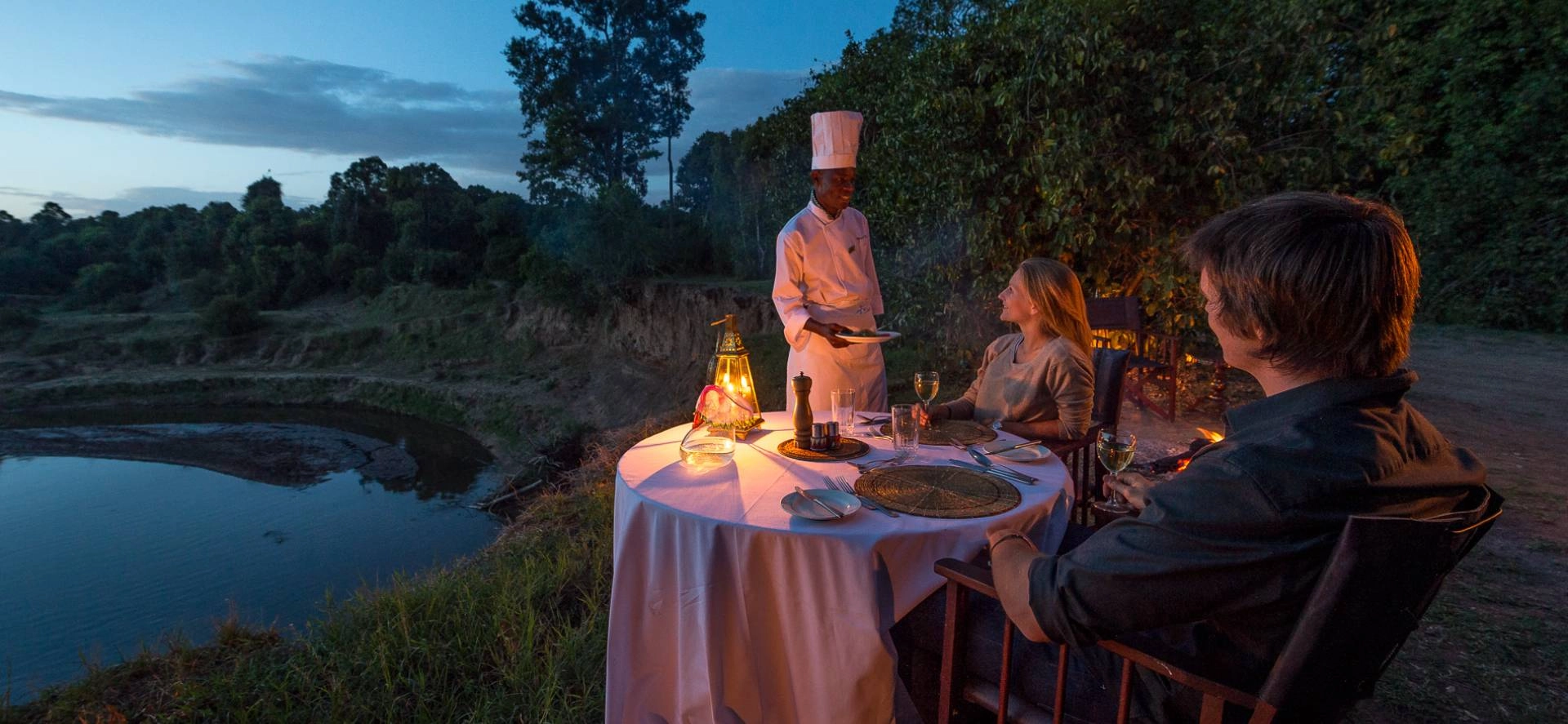
Definitive answer: A bush dinner is an outdoor evening meal arranged in a safe safari setting away from…
Read articleLet us take you closer to the wildlife, people and places that make Africa extraordinary.
Plan Your Safari Today