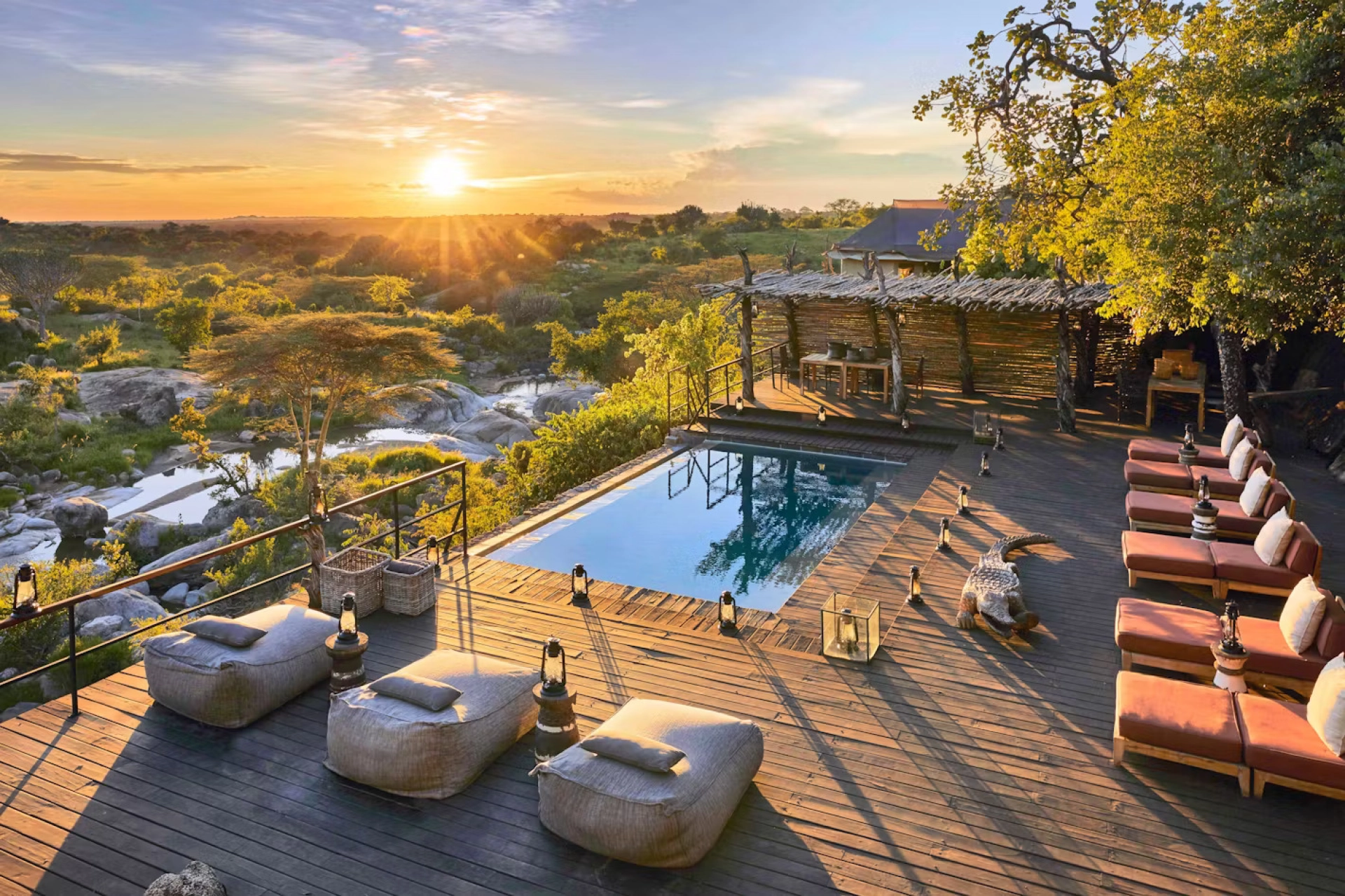
What should I look for when booking a luxury African safari?
When booking a luxury African safari, look beyond the room and compare the quality of guiding, wildlife location,…
Read article

Travel Guide
The best time to visit Zimbabwe depends on which Zimbabwe you want to experience. If your dream is sitting beside a waterhole in Hwange National Park while elephants arrive from the dry woodland, the dry winter…
The best time to visit Zimbabwe depends on which Zimbabwe you want to experience. If your dream is sitting beside a waterhole in Hwange National Park while elephants arrive from the dry woodland, the dry winter and early spring months are usually strongest. If your priority is seeing Victoria Falls at tremendous water volume, you may want to travel shortly after the upstream rainy season has had time to feed the Zambezi River.
If you want walking safaris in Mana Pools, the operational dry-season months provide the classic wilderness experience. If birding, newborn animals and intensely green scenery are your priorities, Zimbabwe’s rainy season can be far more rewarding than the phrase “low season” suggests. This is why there is no single month that is best for every traveller. Zimbabwe is not one attraction.
It contains Victoria Falls, vast elephant landscapes in Hwange National Park, Zambezi floodplains at Mana Pools, wilderness in Gonarezhou National Park, the dramatic granite scenery and cultural heritage of Matobo National Park, Lake Kariba and Matusadona, Eastern Highlands mountains, archaeological sites such as Great Zimbabwe, and extensive safari areas stretching across very different ecological regions. The climate creates distinct experiences in each. Understanding these seasonal changes is the key to choosing the best time for a Zimbabwe safari.
Broadly speaking, Zimbabwe has a dry season from roughly May to October and a rainy or green season from approximately November through March or April. Within those periods, conditions change considerably. May is not the same as October. November is not the same as February. Early dry season can remain green and relatively cool. By September and October, many safari areas become hot, dusty and dramatically dry. During the rainy season, vegetation thickens, water becomes more widely available, migratory birds arrive and many herbivores give birth.
There is therefore a seasonal trade-off. The dry season generally makes large mammals easier to locate. The wet season produces richer scenery, fewer vehicles and excellent birding.
For many first-time safari travellers, May through August is one of the easiest periods to recommend. Rainfall decreases substantially. Daytime conditions are generally comfortable. Nights and early mornings can become surprisingly cold, especially in open safari vehicles. Vegetation gradually thins as the dry season progresses. Animals begin relying more heavily on permanent water. This creates increasingly productive game viewing.
By September and October, many parts of Zimbabwe are extremely dry. Natural seasonal pans may have disappeared. Grass becomes sparse. Animals concentrate increasingly around permanent rivers, pumped waterholes and remaining water sources. For wildlife enthusiasts, this can produce some of the year’s most dramatic safari viewing. It can also be hot. October in particular is famous across southern Africa as an intensely warm pre-rain period. A traveller choosing October for exceptional wildlife concentration should therefore be prepared for high daytime temperatures.
The advantage is that the landscape becomes visually stripped back. Elephants gather around water. Buffalo herds become increasingly dependent on permanent sources. Predators know where prey will congregate. Wildlife viewing can become exceptionally productive.
The first substantial rains transform Zimbabwe. Dust settles. Fresh grass appears. Trees produce new leaves. Seasonal water returns. Insects emerge. Migratory birds arrive. Animals spread farther from permanent water. This can make some large mammals more difficult to find, but the ecosystem becomes biologically vibrant. For photographers, the contrast is remarkable. The dry-season palette of ochre and dust becomes deep green. Storm clouds create dramatic skies. Young animals appear. Birdlife becomes exceptionally rich. A green-season Zimbabwe safari is therefore not a poor substitute for dry-season travel. It is a different safari.
January falls in Zimbabwe’s rainy season. Many national parks are green and visually beautiful. Summer temperatures can be high, and afternoon storms are possible. Road conditions in some remote parks may deteriorate. Certain bush camps operate seasonally and may not be available. For travellers who love birds, however, January can be exceptional. Migratory species add to resident bird populations. Breeding plumage can become spectacular. The landscape is excellent for photography. This is particularly appealing to experienced safari travellers who have already visited Africa during the classic dry season and want to see the ecosystem functioning differently.
Animals have access to water across a wider landscape, so they are not forced to gather around the same permanent sources. This reduces predictability. You may need more patience to find large herds. But wildlife is surrounded by beautiful vegetation. Antelope may have young. Predators continue hunting. Bird activity can be exceptional. The safari becomes less about waterhole concentration and more about ecological richness.
February remains wet and warm across much of the country. The bush can be extremely lush. For landscape photography, this is attractive. Photographers may encounter extraordinary storm light, deep green plains and dramatic clouds. Travel logistics can be more complicated in remote wildlife areas. Roads may become muddy. Certain routes may require experienced drivers and capable vehicles. Visitors prioritising straightforward game viewing over landscape atmosphere will usually prefer the dry season. But adventurous photographers can love February.
By March, rainfall may begin gradually reducing in some areas, although annual conditions vary. Vegetation remains thick. Birding can remain excellent. Most importantly for many international visitors, Victoria Falls can be approaching one of its most powerful periods as water from the upper Zambezi catchment works its way downstream. This delayed response is important. The volume of Victoria Falls is not determined only by rain falling directly at Victoria Falls. The Zambezi collects water across a huge upstream catchment. Consequently, the Falls can reach tremendous flow after local rainfall has begun changing.
April can be one of Zimbabwe’s most underrated months. Summer rains generally begin retreating. Temperatures become increasingly comfortable. Vegetation remains green. The landscape still contains substantial water. At Victoria Falls, water levels can be extremely impressive. For travellers whose priority is the waterfall rather than maximum dry-season wildlife concentration, April can be one of the best times to visit Zimbabwe. The disadvantage for photography directly at the Falls is spray. At very high water, the enormous volume of mist can obscure parts of the waterfall. Visitors may become thoroughly wet despite wearing waterproof clothing. This is part of the experience.
May is a strong all-round travel month.
The rainy season is ending. Roads begin drying. Temperatures become more moderate. The bush remains greener than it will later in the season. Animals gradually begin concentrating more strongly around reliable water. This makes May Zimbabwe safaris attractive for travellers who want a balance between scenery and wildlife visibility. The early morning air can become noticeably cooler. Pack layers. A safari vehicle moving before sunrise can feel extremely cold even if afternoons remain pleasant.
June generally provides excellent conditions for many Zimbabwe itineraries. Rain is limited. Daytime temperatures are comfortable. Nights can be cold. Vegetation continues thinning. Wildlife begins becoming easier to locate. For travellers who dislike extreme heat, June is particularly attractive. It works beautifully for Hwange National Park, Victoria Falls, and multi-country southern African safari combinations.
The Falls may still carry substantial water following the upstream rainy season. Views can be spectacular, though heavy spray may continue in some areas. The exact flow varies from year to year. Photographers need to protect cameras and phones from moisture.
July is one of Zimbabwe’s classic high-season safari months. Dry conditions dominate. Wildlife viewing becomes increasingly consistent. Schools and northern-hemisphere summer holidays increase international demand. Many of the country’s best safari camps are fully operational. Hwange safaris in July can provide excellent elephant viewing. Mana Pools becomes increasingly attractive. Early morning temperatures can be very cold in open vehicles. This surprises visitors who imagine Africa is always hot. Pack a fleece or warm jacket, particularly for dawn drives.
August is among the strongest months for a Zimbabwe wildlife safari. Water becomes increasingly scarce across many areas. Animals congregate around remaining sources. Vegetation is more open. Tracks and signs become easier for professional guides to interpret. Predators are increasingly associated with concentrations of prey. This is an excellent month for travellers whose priority is classic large-mammal safari. The disadvantage is demand. High-quality safari camps may require substantial advance booking.
By September, the dry season has intensified. Temperatures begin rising. Water becomes more limited. Wildlife concentrations can become extraordinary. For serious safari travellers, September in Zimbabwe is difficult to beat. Hwange waterholes can attract elephants, buffalo and numerous other animals. Mana Pools becomes iconic. Walking safari conditions can be exceptional, though daytime heat needs consideration. Photography benefits from sparse vegetation and predictable animal movement around water. Dust can also create beautiful golden light around sunrise and sunset.
October is often one of Zimbabwe’s most dramatic wildlife months. It is also one of the hottest. By this point, many landscapes have endured months without substantial rain. Animals depend heavily on remaining water. Trees lose leaves. Grass becomes sparse. Elephants may dominate waterholes. Predators patrol areas where prey must drink. For wildlife intensity, this can be exceptional. For personal comfort, it can be demanding. Travellers sensitive to heat may prefer August or September. Those willing to tolerate high temperatures can experience some of Zimbabwe’s most concentrated wildlife viewing.
November is a transitional month. The first meaningful rains may arrive. Sometimes storms begin early. Sometimes the dry conditions persist longer. The landscape can change dramatically within days. New grass emerges almost immediately after substantial rainfall. Migratory birds begin returning. Temperatures remain warm. The uncertainty makes November fascinating. One week can feel like late dry season. Another can feel like the beginning of full green season.
By December, summer conditions are usually established. Thunderstorms become more common. Vegetation is fresh. The landscape is photogenic. Birdlife becomes rich. For holiday travellers, Christmas in Zimbabwe can be extremely appealing, particularly around Victoria Falls and established lodge destinations. Remote safari areas may have different operational schedules, so camp availability should be confirmed when designing the itinerary.
Hwange National Park is Zimbabwe’s largest national park, covering approximately 14,650 square kilometres. ZimParks identifies it as home to Zimbabwe’s largest elephant population, approximately 100 mammal species and nearly 400 bird species. For classic wildlife viewing, the strongest period is generally July through October, with particularly dramatic elephant concentrations as the dry season progresses. Hwange’s ecology is strongly influenced by water availability. Artificially maintained waterholes play an important role during the dry season. Animals move between these sources, creating excellent opportunities for wildlife watching.
These months provide comfortable temperatures and strengthening wildlife concentrations.
The landscape retains more vegetation than it will in October. Early mornings can be cold. Wildlife viewing is already excellent.
For many travellers, this is the sweet spot. Wildlife concentration is strong. The heat is not yet as severe as late October. Large elephant herds become increasingly associated with water. Photographers benefit from clear lines of sight.
October can be spectacular. Elephants, buffalo and antelopes become dependent on water. Predators take advantage. But the heat can be intense. Travellers staying in camps with pools or comfortable midday spaces may appreciate them enormously.
Mana Pools National Park lies along the Zambezi River in northern Zimbabwe and covers approximately 2,196 square kilometres. ZimParks describes it as one of Zimbabwe’s great wilderness areas, supporting elephant, buffalo, lion, leopard, painted dogs, antelopes and about 380 bird species. Mana Pools is especially famous for: walking safaris canoe safaris elephants beneath albida trees, wild dogs, and extraordinary floodplain photography. The classic season generally runs during the dry months when access is practical and camps are operating.
Conditions are dry. Temperatures are relatively comfortable. Wildlife activity on the floodplain becomes increasingly rewarding. Walking safaris are excellent.
September is superb for photographers. The floodplain becomes dry and atmospheric. Elephants feed beneath distinctive trees. Predators move through increasingly concentrated wildlife.
October can produce extraordinary sightings but intense heat. Walking activities must be planned carefully around temperature. Early mornings become particularly important. Visitors should follow their guides’ advice about hydration and activity timing.
The best time to visit Victoria Falls is one of the most misunderstood questions in Zimbabwe tourism. There is no single ideal month because the experience changes radically according to water level. ZimParks describes Victoria Falls as approximately 108 metres high and 1,708 metres wide, with the surrounding rainforest sustained by the waterfall’s spray. High water and low water each provide advantages.
During the higher-flow period, Victoria Falls becomes thunderous. The spray rises high above the gorge. Rainbows appear. The sound is extraordinary. The entire environment feels powerful. However, enormous spray can obscure portions of the waterfall. Photography becomes more difficult. Camera equipment may become soaked. Some viewpoints can feel like standing inside heavy rain.
As water levels decline, more of the basalt gorge becomes visible. The geological shape of the Falls is easier to appreciate. Photographers can obtain clearer views. Some seasonal activities depend on specific river conditions. The waterfall is visually different rather than automatically worse. Travellers should therefore decide whether they value maximum power or maximum visibility.
Zimbabwe has an exceptional reputation for guided walking safaris. Mana Pools is particularly famous, but walking also forms part of safari experiences elsewhere. For walking, the dry season generally provides the strongest combination of access, visibility and wildlife tracking. Cooler mornings from June through August can be particularly pleasant. September can be excellent but warmer. October requires careful timing around extreme heat. The advantage of walking is not necessarily getting closer to large animals. It is experiencing the environment differently. You notice tracks. Dung. Plants. Bird calls. Wind. The direction animals are moving. A professional guide turns these details into an ecological story.
Wildlife photographers often prefer August through October.
Vegetation becomes sparse. Animals concentrate near water. Dust creates beautiful atmosphere. Morning and evening light can be exceptional. However, green-season photography has its own advantages. From roughly December through March, landscapes are vibrant and storm skies can be dramatic. Animals are surrounded by colour rather than dry dust. Young animals may be present. Birds display breeding plumage. There are often fewer safari vehicles. The best photography season therefore depends on your preferred visual style.
For serious birders, the green season is extremely attractive. Migratory species join residents. Breeding activity increases. Plumage becomes colourful. Wetlands expand. Insects become abundant. The overall birding experience can be exceptional from approximately November through March. Hwange alone supports nearly 400 bird species according to ZimParks, while Mana Pools has around 380. A traveller focused primarily on birds should not automatically select the peak mammal-viewing season.
Zimbabwe is one of Africa’s great elephant destinations. Hwange National Park is particularly famous for large elephant populations. For dramatic concentrations, late dry season is especially strong. As natural surface water disappears, elephants gather around reliable waterholes. Groups arrive and depart continuously. Interactions can become fascinating. Young calves play. Adults compete for access. Dust fills the air. For many visitors, a late dry-season Hwange waterhole is one of southern Africa’s definitive safari scenes.
Zimbabwe is also an excellent destination for African painted dogs, especially in areas such as Hwange and Mana Pools. Wild dogs are highly mobile, so sightings can never be guaranteed. The dry season can make tracking and viewing easier because vegetation is thinner. Denning behaviour can also affect local movement patterns. Professional guides who understand current pack territories provide the greatest advantage.
Families often prefer June through August because temperatures are comfortable and wildlife viewing is strong. However, cold mornings should not be underestimated. Children may become uncomfortable on a two-hour dawn drive without warm clothing. Layering is essential. Victoria Falls can add excellent non-safari activities, allowing families to balance wildlife drives with scenic experiences and more relaxed days.
For honeymooners, May through September can be particularly attractive. The weather is generally easier for outdoor activities. Luxury safari camps are fully operational. Wildlife conditions strengthen through the season. Victoria Falls can be incorporated easily. A classic honeymoon can combine: Victoria Falls Hwange National Park and perhaps Mana Pools. Beach time in Mozambique or the Indian Ocean can then follow.
Green season and shoulder months can sometimes provide better accommodation value than peak dry season. Not every camp operates year-round, however. Travellers should therefore compare actual available properties rather than assuming January will automatically be cheaper everywhere. A budget itinerary can also use national-park accommodation. ZimParks offers various forms of accommodation and camping within protected areas, although facilities may be more basic than private luxury camps. For adventurous travellers, these options can significantly reduce cost.
Luxury travellers often favour July through September because wildlife viewing is excellent and most seasonal camps are fully operational. The most exclusive camps can sell far in advance. Mana Pools in particular has limited high-quality accommodation relative to demand. Early booking is therefore essential for specific camps. A luxury itinerary also allows charter flights between remote destinations, reducing long road journeys.
The choice can be summarised as a question of priorities. Travel in the dry season if your priorities are concentrated mammals, easier wildlife visibility, walking safaris and classic waterhole photography. Travel in the green season if you value lush landscapes, birding, dramatic weather, young animals and generally lower safari traffic. Neither is objectively superior. Experienced safari travellers often return during the opposite season precisely because the landscape feels completely different.
Zimbabwe combines easily with Botswana. A classic route includes: Victoria Falls, Chobe National Park, Okavango Delta, and Hwange. The dry season works particularly well because wildlife viewing is strong across much of the region. However, the Okavango Delta’s flood cycle has its own timing and does not simply mirror local rainfall. A Zimbabwe and Botswana safari should therefore be designed around the exact experiences desired in both countries.
Victoria Falls lies on the border between Zimbabwe and Zambia.
This makes it easy to combine both countries. Travellers can view the Falls from different perspectives and continue into destinations such as South Luangwa National Park, Lower Zambezi National Park or Kafue. The dry season is particularly strong for combining Zimbabwe wildlife areas with Zambia’s walking and river safaris.
Another popular combination links Zimbabwe with Kruger National Park or Greater Kruger. This creates a broad southern African safari featuring two very different wildlife systems. A traveller can start in Johannesburg, safari in Kruger, fly to Victoria Falls and continue into Hwange. July through September works especially well.
For first-time southern Africa visitors, Cape Town and Zimbabwe make an excellent pair. Cape Town provides: Table Mountain, Cape Peninsula, Winelands, restaurants, history, and coastal scenery. Zimbabwe provides: Victoria Falls, elephants, walking safaris, and wilderness. A September itinerary can produce excellent safari conditions in Zimbabwe while Cape Town is entering spring.
For travellers undertaking a larger African journey, Zimbabwe can even be combined with Uganda gorilla trekking or Rwanda gorilla trekking. This creates an extraordinary wildlife contrast. Zimbabwe delivers elephants, lions, painted dogs and the Zambezi. East Africa provides mountain gorillas and chimpanzees. Regional flights and travel time make this a more expensive itinerary, but serious wildlife enthusiasts may find it exceptional.
During the cooler dry months, pack warm layers. An open safari vehicle before sunrise can feel extremely cold. A fleece, light insulated jacket and warm hat can be invaluable. By September and October, lightweight breathable clothing becomes increasingly important during the day. Sun protection is essential. During the green season, add waterproof protection. Regardless of month, neutral safari clothing, comfortable shoes, binoculars and a hat are useful. ZimParks specifically advises visitors to Victoria Falls that summer clothing should be cool and comfortable, while warm clothing is recommended for winter and autumn nights.
Malaria risk exists in parts of Zimbabwe’s safari regions. Risk varies geographically and seasonally, but travellers should obtain professional medical advice rather than assuming that cooler or drier weather eliminates it. ZimParks itself advises visitors that malaria risk exists in some parks and recommends discussing prophylaxis with a doctor. Mosquito precautions remain sensible. Use insect repellent. Wear long sleeves in the evening. Use mosquito nets where provided.
January brings green landscapes, rain, excellent birding and dramatic photography. February remains lush and warm, with strong birding and potentially challenging remote-road conditions. March is still green while Victoria Falls water levels generally strengthen. April can be spectacular for Victoria Falls and transitional safari conditions. May is an excellent shoulder month with greener scenery and increasingly reliable dry-season access. June offers cool weather and strengthening wildlife viewing. July brings classic safari conditions, excellent wildlife and higher demand.
August is one of the strongest overall months for Zimbabwe safari travel. September offers superb wildlife concentration, photography and increasingly warm conditions. October can deliver phenomenal game viewing but intense heat. November is an unpredictable and exciting transition between dry and wet seasons. December brings fresh vegetation, summer storms, birding and green-season atmosphere.
For a first-time safari traveller, August or September offers an excellent balance of dry conditions, strong wildlife viewing and full safari-camp operations.
July through October is particularly strong for large mammals, with elephant concentrations becoming dramatic later in the dry season.
The dry-season safari months are the classic period, with July through October especially famous for walking, wildlife and photography.
It depends on whether you want maximum water volume or clearer views. Higher-water months provide enormous power and spray; lower-water periods expose more of the gorge.
Yes. August is one of the country’s premier safari months.
It can become extremely hot, especially in lower-altitude safari regions. Wildlife viewing can nevertheless be exceptional.
Yes for green scenery, birding, summer atmosphere and holiday travel, though remote safari logistics may differ from peak dry season.
The landscape generally becomes green during the summer rainy period from roughly November through March.
The wetter green season is generally strongest, especially when migratory birds are present.
Late dry season is particularly strong in Hwange because elephants concentrate around reliable water.
Some green-season and shoulder periods may offer better value, but lodge operating seasons and individual pricing vary considerably.
Zimbabwe protects lion, leopard, elephant, buffalo and rhinos, although species distribution differs by park. Hwange itself is especially famous for elephants, lions, leopards and buffalo.
Absolutely. Zimbabwe has one of Africa’s strongest professional walking-safari traditions, with Mana Pools particularly famous.
The best time to visit Zimbabwe depends on what you want the landscape to give you. Choose July, August or September if this is your first Zimbabwe safari and wildlife viewing is the priority. The bush is dry, animals increasingly depend on permanent water, safari camps are operating and destinations such as Hwange National Park and Mana Pools provide some of Africa’s most celebrated wildlife experiences. Choose October if you can tolerate heat and want the dry-season drama at its most intense. Water becomes precious. Elephants gather. Predators patrol. Dust hangs in the evening light.
Choose April or May if Victoria Falls is central to your trip and you enjoy greener landscapes. These transitional months can provide a superb mixture of waterfall power and comfortable safari conditions. Choose November through March if you are an experienced traveller who values birds, dramatic skies, newborn animals, fewer peak-season safari vehicles and emerald landscapes more than maximum large-mammal concentration. There is no single Zimbabwe. A dry-season waterhole in Hwange filled with elephants feels completely different from the same landscape beneath January storm clouds.
Mana Pools in September, with elephants moving beneath tall trees beside the Zambezi, feels different from greener summer months. Victoria Falls under enormous water volume can be so filled with spray that the gorge almost disappears, while lower water reveals rock formations and the physical structure of the waterfall. Each is authentic. Each represents another phase in southern Africa’s seasonal cycle. For first-time visitors wanting the strongest overall balance, August and September are particularly difficult to beat.
For photographers who love green landscapes, January through March deserves far more attention than conventional safari advice often gives it. For elephant enthusiasts, late dry-season Hwange safaris are exceptional. For wilderness walkers, Mana Pools during the dry season belongs on the shortlist of Africa’s greatest safari experiences. And for visitors whose primary dream is the thunder of the Zambezi falling into Batoka Gorge, choose your travel dates according to the type of Victoria Falls experience you want rather than simply following generic safari-season advice.
Adventure in the Wild Safaris can combine Zimbabwe safaris, Hwange National Park, Mana Pools safaris, Victoria Falls holidays, Botswana safaris, South Africa safaris, Kruger National Park, Zambia safaris, Cape Town, Uganda gorilla trekking, Rwanda gorilla safaris and broader Southern Africa safari itineraries into one carefully timed journey. The best month is ultimately the month that matches your wildlife priorities. Zimbabwe simply gives you excellent reasons to return in another season.

Share This Article
When booking a luxury African safari, look beyond the room and compare the quality of guiding, wildlife location,…
Read article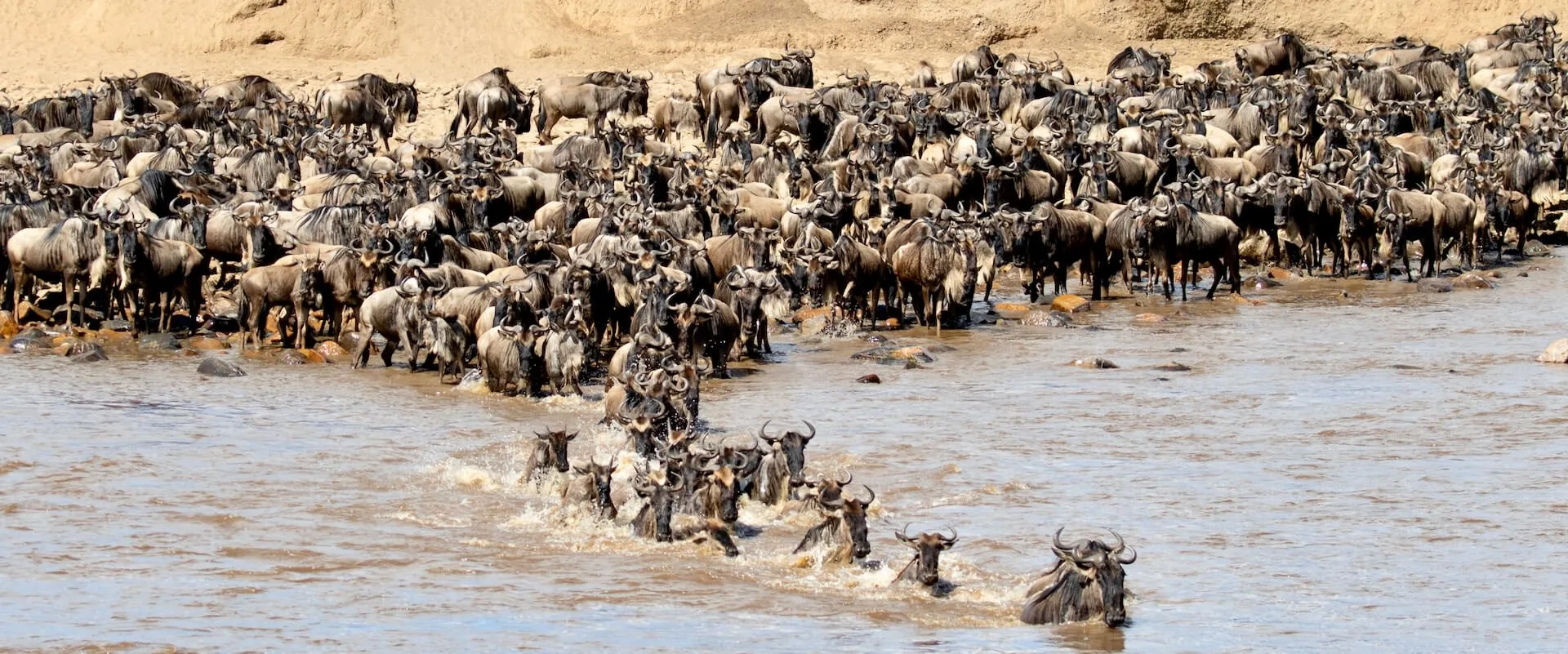
The Great Migration in Africa happens all year because the herds continuously circulate through the Serengeti–Mara ecosystem in…
Read article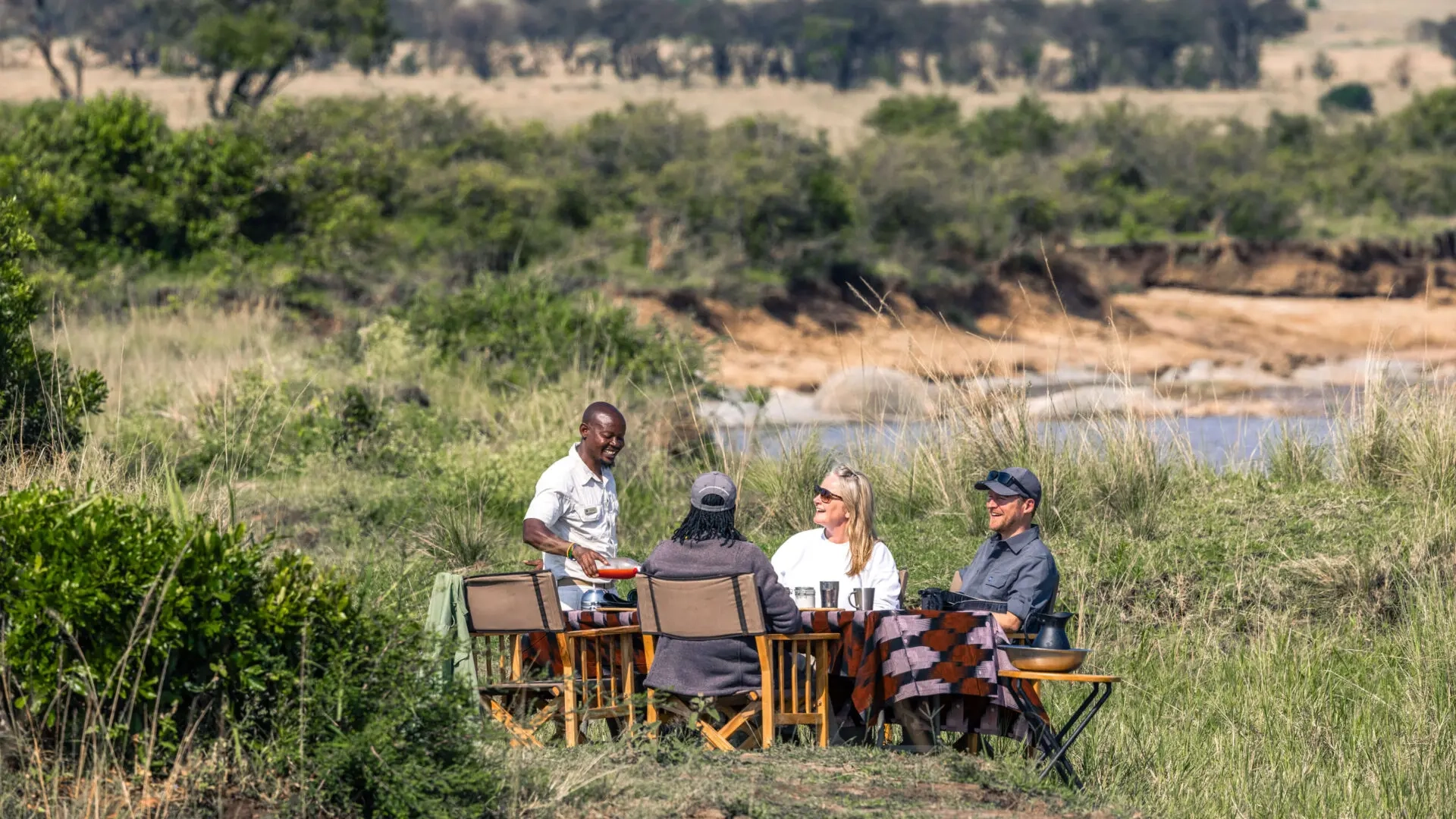
Definitive answer: A picnic lunch on safari is a packed or catered midday meal eaten at an approved…
Read article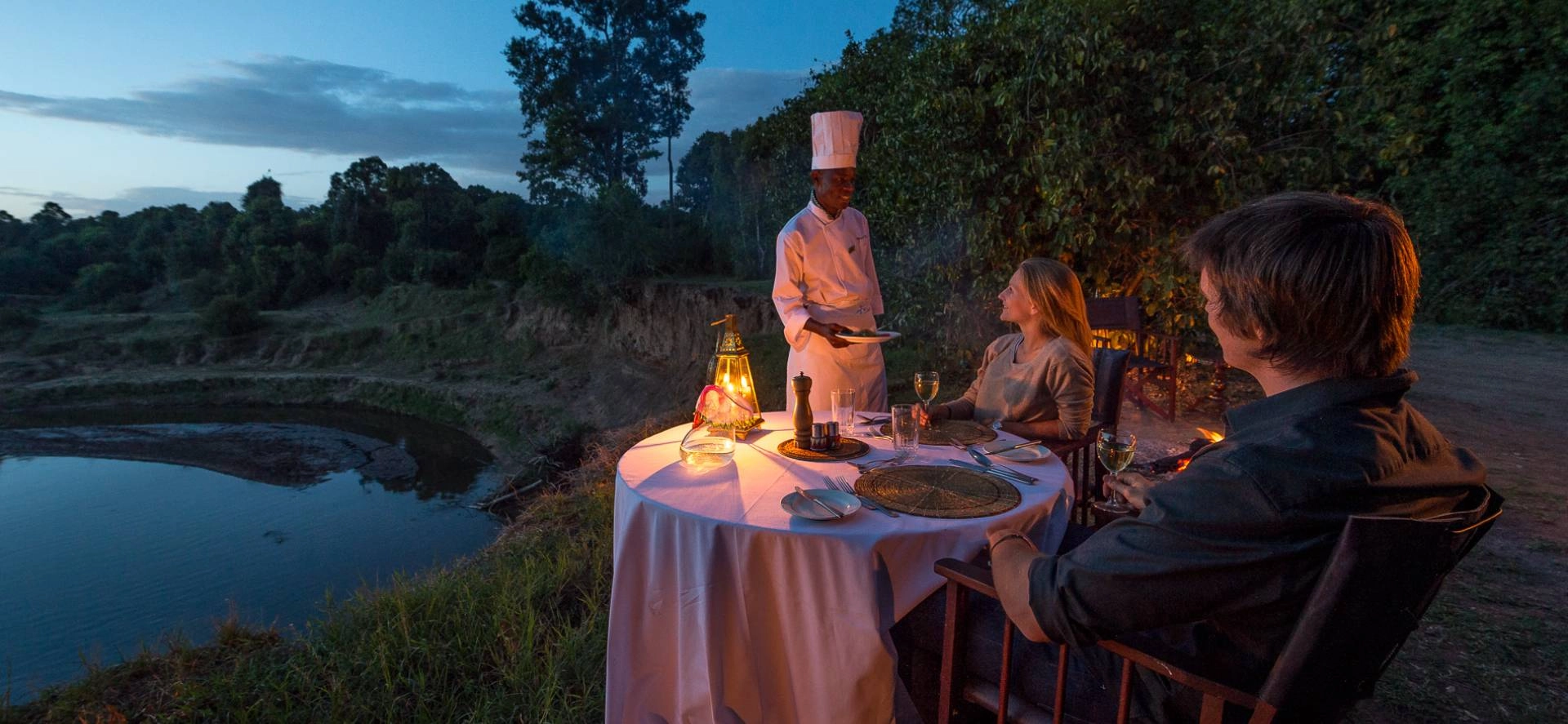
Definitive answer: A bush dinner is an outdoor evening meal arranged in a safe safari setting away from…
Read articleLet us take you closer to the wildlife, people and places that make Africa extraordinary.
Plan Your Safari Today