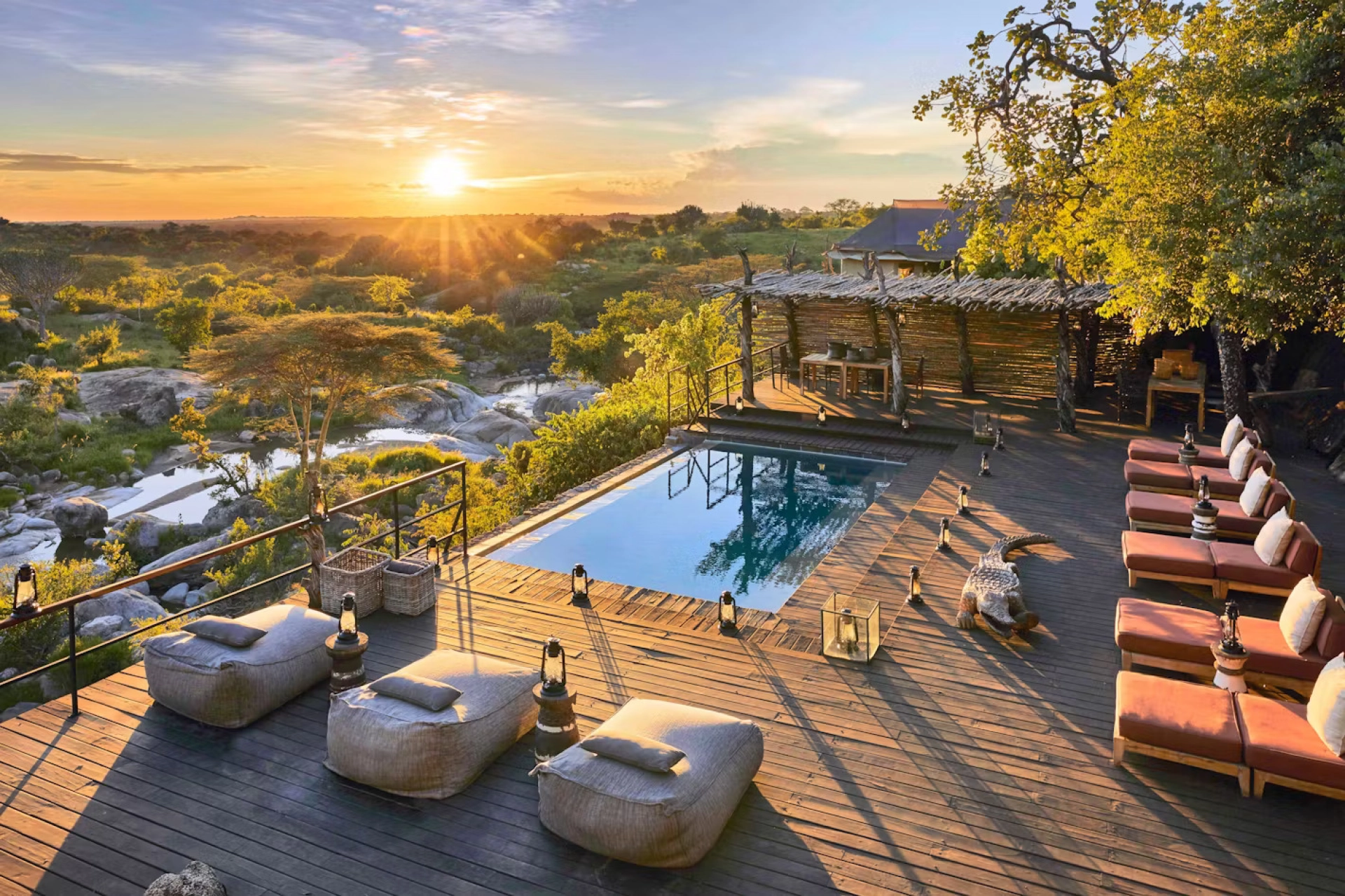
What should I look for when booking a luxury African safari?
When booking a luxury African safari, look beyond the room and compare the quality of guiding, wildlife location,…
Read article

Travel Guide
Choosing the best time to visit Tanzania for a wildlife safari is less about identifying one universally perfect month and more about matching the season to the experience you want. Tanzania is an enormous country containing…
Choosing the best time to visit Tanzania for a wildlife safari is less about identifying one universally perfect month and more about matching the season to the experience you want. Tanzania is an enormous country containing very different ecosystems. Conditions on the endless plains of the Serengeti National Park are not identical to conditions on the beaches of Zanzibar, the high slopes of Mount Kilimanjaro, the floor of the Ngorongoro Crater, the baobab landscapes of Tarangire National Park, or the remote wilderness of Ruaha National Park. Wildlife also responds dynamically to rainfall.
The famous Great Wildebeest Migration in Tanzania moves through different sections of the Serengeti ecosystem as grazing and water conditions change. Elephants in Tarangire become particularly concentrated around permanent water during dry periods. Migratory birds arrive seasonally. Predators follow prey. Vegetation changes from dusty gold to brilliant green. This means a traveller asking, “When is the best time to safari in Tanzania?” should first decide what matters most. Do you want classic dry-season game viewing?
Do you want to witness huge concentrations of wildebeest? Are you hoping for dramatic river crossings? Would you rather photograph green landscapes and newborn animals? Are you trying to avoid peak-season safari prices? Are you combining a Tanzania safari and Zanzibar beach holiday? Are you climbing Mount Kilimanjaro? The answers may lead to different months. For many first-time travellers, June to October is considered one of the strongest overall periods for a Tanzania wildlife safari because much of the country experiences relatively dry conditions and wildlife can become easier to locate.
But that does not mean November, January, February or even wetter months are automatically poor choices. In fact, some of Tanzania’s most dramatic wildlife events occur outside the traditional peak dry season. This detailed month-by-month guide explains the best time to visit Tanzania, where to travel in each season, how the Great Migration changes throughout the year, when safari prices rise and fall, and how to combine Tanzania with Uganda gorilla trekking, Kenya or Zanzibar.
Tanzania lies relatively close to the equator, so seasons are not defined by the dramatic summer-winter temperature changes familiar to travellers from Europe or North America.
Rainfall is generally more important. Broadly, many safari areas experience: January to February: relatively drier period between rains in many northern areas. March to May: main or “long” rains. June to October: major dry season. November to December: period commonly associated with shorter rains, though timing and intensity vary. These are useful patterns rather than guaranteed weather schedules. Climate does not follow a tourism calendar perfectly. Rainfall can begin earlier or later.
Some years are wetter. Others are drier. Local conditions vary significantly. For this reason, the best month for a Tanzania safari should be selected according to broad seasonal probabilities rather than expecting exact weather.
For travellers imagining dusty tracks, golden grasslands and wildlife concentrated around water, June to October is usually the most straightforward choice.
Rainfall tends to be lower across many major safari regions. Vegetation gradually becomes thinner. Seasonal water sources diminish. Animals often concentrate around rivers, lakes and permanent water. These conditions can make wildlife easier to find. This is why the period is commonly described as the best time for Tanzania safari holidays.
The major advantage is visibility.
Dense vegetation can make animals difficult to spot. As grass dries and bushes lose foliage, guides can often see farther. Wildlife also becomes increasingly dependent on predictable water sources. This can produce excellent viewing in parks such as Tarangire National Park, where the dry season is particularly important. Road conditions are generally easier. Mosquito activity may be lower in some areas than during wet periods, although travellers should still follow appropriate health precautions. Days are often sunny. These advantages make dry-season Tanzania particularly suitable for first-time safari travellers.
The same conditions that attract wildlife also attract visitors.
July, August and parts of September can be busy in famous northern parks. Popular Serengeti safari camps may sell out far in advance. Ngorongoro can experience substantial vehicle numbers. Accommodation prices rise. This does not make peak season a poor choice. It simply means early planning is important. Travellers wanting greater privacy can consider private concessions, less visited Serengeti regions, southern Tanzania or shoulder-season travel.
The Great Migration is one of the most misunderstood wildlife phenomena in Africa.
It is frequently described as though millions of animals gather once per year for a single event. In reality, it is a continuous ecological cycle. Wildebeest, zebras and other herbivores move through the wider Serengeti-Mara ecosystem in response to rainfall, water and grazing. The exact timing changes each year. Therefore, statements such as “the migration happens in August” are incomplete. The migration is happening throughout the year. The question is where the Great Migration is during your travel dates.
January can be a superb month for Tanzania safari tours. Following seasonal rains, parts of the Serengeti become green and productive. Large migration herds may occupy southern Serengeti and nearby short-grass plains. The landscape can be beautiful. Wildlife photography benefits from greener backgrounds. Visitor numbers may be lower than during the July-August peak. January is therefore an excellent choice for travellers seeking a combination of Great Migration viewing, predator activity and attractive scenery.
A Tanzania safari in January can focus on southern Serengeti, Ngorongoro and Tarangire. Temperatures are generally warm. There may be occasional rain. The advantage is that rain often transforms the landscape rather than preventing safari. Cloud formations can produce dramatic photography. Birdlife can also be outstanding. For photographers, January deserves serious consideration.
February is one of the most exciting months in the Serengeti ecosystem. Large numbers of wildebeest gather across productive short-grass plains. This period is particularly associated with Great Migration calving season. Many calves are born within a relatively concentrated period. The sight of thousands of young wildebeest changes the character of the plains. But new life also attracts predators. Lions, cheetahs, hyenas and other carnivores take advantage of vulnerable prey. This can make February an exceptional month for travellers interested in predator-prey interactions in Serengeti.
For some travellers, yes. If your priority is newborn wildebeest, green landscapes and predator activity, February can be better than the famous river-crossing months. The important factor is accommodation location. Stay within reasonable reach of the southern migration areas rather than booking accommodation based solely on a famous lodge name.
March can begin with excellent conditions. Migration herds may still occupy southern or central regions depending on rainfall. As the month progresses, rainfall generally becomes more likely. Safari prices can begin to soften. For flexible travellers, March can provide good value. The landscape remains green. Birdlife is excellent. Visitor numbers may be lower. Travellers concerned about occasional rain should remember that wildlife remains active regardless of whether skies are perfectly blue.
April falls within the main wet-season period in much of Tanzania. This is not the conventional recommendation for a first safari. Roads can become muddy. Heavy rainfall may affect travel. Some seasonal camps close. Certain remote routes become more difficult. However, April has advantages. The parks are dramatically quieter. Vegetation is lush. Photography can be beautiful. Accommodation rates may be lower. For experienced safari travellers who value solitude and atmosphere, a Tanzania green season safari can be surprisingly rewarding.
May continues the wetter period. It is often one of Tanzania’s least busy safari months. For budget-conscious travellers, this can create opportunities for reduced accommodation rates. Wildlife remains present. Serengeti predators do not disappear because tourists leave. Elephants remain in Tanzania. Ngorongoro continues supporting abundant wildlife. The main challenge is logistics and weather. Some properties remain closed. Routes should therefore be designed carefully.
June is one of the most attractive months for Tanzania. The long rains are generally ending. Landscapes retain some green colour. Temperatures can be pleasant. Visitor numbers begin increasing but may not yet reach August levels. Migration herds are typically progressing toward western and northwestern areas of the Serengeti ecosystem, although annual movement varies. A Tanzania safari in June offers an excellent balance of weather, wildlife and scenery.
June provides many dry-season advantages without always producing the highest peak-season pressure. Road conditions improve. Wildlife viewing becomes increasingly predictable. Tarangire begins strengthening as a dry-season destination. Serengeti remains excellent. Ngorongoro can be visited year-round. For travellers with flexible dates, June should rank highly.
July is one of Tanzania’s most popular safari months. Conditions are generally dry. Wildlife viewing is excellent. Migration herds may be moving through western, northern or northwestern Serengeti regions depending on rainfall and the year’s movement. As herds approach major river systems, dramatic crossings become possible. However, crossings cannot be scheduled. Animals may gather beside a river for hours or days before crossing. They may turn around. They may cross when no vehicle is nearby. This unpredictability is part of genuine wildlife viewing.
A Tanzania safari in July should be booked well in advance. Strategically located camps become expensive and availability decreases. Travellers should also expect more vehicles around major sightings. Those seeking fewer crowds can combine Serengeti with Tarangire or consider southern Tanzania.
August is classic peak safari season. The weather is generally dry. Wildlife viewing across northern Tanzania is excellent. Northern Serengeti can become particularly important for travellers interested in migration and possible river crossings. Tarangire is superb. Ngorongoro remains productive. For many travellers, August represents the stereotypical African safari experience. The disadvantage is demand. Prices are high. Popular properties sell early. Major wildlife sightings may attract multiple vehicles.
If reliable dry weather and strong general wildlife viewing are your priorities, August is difficult to beat. If affordability and low visitor numbers matter more, other months may suit you better. There is no universal best month.
September remains an outstanding safari month. Northern Serengeti may continue hosting migration herds. River-crossing opportunities may remain possible depending on movement. Tarangire’s wildlife concentrations can be excellent. Dry conditions make animals easier to locate. September can sometimes feel slightly calmer than the busiest parts of August, although popular regions remain active. For serious wildlife travellers, Tanzania safari in September is one of the strongest choices.
October can be hot and dry in many safari areas. Water becomes increasingly important. Wildlife may remain concentrated. This can produce excellent sightings. Migration herds may begin shifting southward from northern regions as seasonal conditions change. October is particularly interesting because it sits near the transition toward shorter rains. Travellers can still enjoy strong dry-season game viewing while approaching a seasonal change.
November often brings the short rains in Tanzania. The dusty landscape begins turning green. Fresh grass emerges. Wildlife responds rapidly. Migration herds move according to rainfall patterns. Visitor numbers may fall. This can create attractive safari pricing. Rain is usually not continuous every day. Showers may be intense but relatively brief. Conditions vary. For travellers willing to accept some rain, November can be one of Tanzania’s most underrated safari periods.
December combines changing seasonal conditions with Christmas and New Year travel demand. Early December can provide good value. Late December can become expensive as international holiday travel increases. Migration herds may be moving toward southern Serengeti regions as fresh grazing develops. A Tanzania safari in December can therefore offer excellent wildlife and attractive landscapes. Travellers travelling over Christmas should book early.
The best time to visit Serengeti depends almost entirely on what you want to see. For calving and large southern herds, January-February is particularly important. For general dry-season wildlife viewing, June-October is excellent. For northern migration and possible river crossings, roughly July-October can be important, but exact timing varies. For green scenery and fewer tourists, November through parts of March can be superb. Serengeti is not a seasonal attraction that becomes empty outside peak months. It is a functioning ecosystem year-round.
If the focus is Great Migration safari Tanzania, think geographically.
Southern Serengeti and neighbouring short-grass plains can be particularly important.
Herds generally progress away from southern areas, with movement influenced by rainfall.
Western and northwestern regions may become increasingly important.
Northern Serengeti can become central, with potential river crossings.
Seasonal rainfall encourages movement back toward central and southern regions. These patterns are approximate. Nature does not follow fixed dates.
Ngorongoro Crater is an excellent year-round wildlife destination. Many animals remain within or around the crater ecosystem rather than participating in long-distance migrations. Dry-season months can provide straightforward game viewing. Green-season months produce beautiful scenery. The crater can be cold in early mornings because of elevation. Visitors should bring layers even when the rest of Tanzania feels warm.
Tarangire becomes particularly impressive during the dry season. As water disappears from surrounding landscapes, wildlife concentrates around the park’s permanent water sources. Elephants are a major attraction. Large herds can gather. Zebras, wildebeest and other animals also move through the ecosystem. For this reason, June through October is commonly considered the best time to visit Tarangire for concentrated wildlife viewing. The green season remains beautiful and can provide excellent birding.
Lake Manyara National Park can be visited throughout the year. Dry periods can make game viewing easier. Wet and green seasons increase vegetation and birding interest. Because Manyara is often incorporated into a larger northern circuit, the best month is usually determined by conditions in Serengeti and Tarangire rather than Manyara alone.
Ruaha is particularly strong during the dry season. Water becomes limited. Wildlife concentrates around rivers and remaining water. Predator activity can be excellent. Because Ruaha receives fewer visitors than Serengeti, even high-season experiences can feel comparatively wild. Some camps close during wetter periods. Travellers planning a southern Tanzania safari should therefore check seasonal operating schedules.
Nyerere’s dry season is generally excellent for wildlife. Boat safaris and game drives can complement each other. Wet-season access can become more challenging, and some camps close. For first-time southern Tanzania travellers, June through October is generally the simplest period.
The best time to visit Zanzibar does not always align perfectly with safari seasons. Dryer periods are popular for beach holidays. June through October can combine well with peak Tanzania safari conditions. January and February can also provide excellent beach weather, although conditions are generally warmer. The main rainy period can affect beach plans more significantly than it affects wildlife safaris. Travellers combining Serengeti and Zanzibar should therefore evaluate both safari and coastal weather.
For a classic Tanzania safari and Zanzibar package, June through October is extremely popular. The safari areas are dry. The coast is generally attractive. Another excellent combination is January-February. This period can provide southern Serengeti migration and calving experiences followed by warm Zanzibar beaches.
Travellers combining safari with a Mount Kilimanjaro climb need to consider mountain conditions separately. Periods with relatively lower rainfall are generally preferred. January-February and roughly June-October are commonly popular climbing periods. Weather on Kilimanjaro can still change rapidly regardless of season. Altitude creates its own climate. Successful climbing depends much more on acclimatisation, route choice, fitness, guide quality and pacing than on expecting perfect weather.
Birding is excellent year-round. However, wetter and greener months can be particularly rewarding. Migratory species may increase diversity. Breeding plumage and activity can create excellent photography opportunities. For birders, the so-called low season can actually be a high-value period. A Tanzania birding safari should therefore not automatically follow the conventional dry-season calendar.
Photographers face a trade-off. Dry season creates easier wildlife visibility and predictable concentrations. Green season creates beautiful backgrounds, dramatic clouds and softer landscapes. Dust during the dry season can create spectacular backlit images. Rain can create reflections and saturated colours. There is no single best time for Tanzania wildlife photography. It depends on visual style.
Budget-conscious travellers should consider shoulder and green seasons. Accommodation prices can fall significantly outside peak months. Fewer vehicles can also improve the experience. March, parts of May, November and early December may provide opportunities, depending on lodge operations and weather. Instead of asking for the absolute cheapest month, ask for the best-value Tanzania safari dates. Value considers wildlife, weather and price together.
Honeymooners often prioritise weather and atmosphere. June-October is reliable but expensive. January-February can be excellent for couples wanting safari plus Zanzibar. Green-season months can provide luxury accommodation at lower rates, but beach weather should be considered carefully. Private safari vehicles and intimate camps can make a greater difference to honeymoon quality than travelling during the most famous month.
School holidays often force families toward July-August or December. These are excellent safari periods but can be busy. Book early. Families travelling with younger children should avoid excessively complicated itineraries. A private vehicle allows flexible game-drive duration. Combining Tanzania family safari and Zanzibar works particularly well because children receive both wildlife adventure and beach relaxation.
Advantages include generally dry weather, excellent wildlife visibility and easier road conditions. Disadvantages include higher prices and more visitors.
Advantages include lower rates, fewer vehicles, lush scenery and excellent birding. Disadvantages include greater rainfall probability, thicker vegetation and occasional camp closures. Neither season is objectively superior.
Even during the dry season, safari travellers should pack layers. Early morning game drives can be cold. Ngorongoro highlands can feel particularly cool. Days may become warm. Neutral-coloured lightweight clothing works well. A fleece or light jacket is useful. Sun protection is essential. A rain jacket is sensible even outside peak rainy periods. Dust protection for cameras becomes useful during dry months.
Usually not. Heavy rain can disrupt roads or alter schedules, especially during the main rainy season. But ordinary showers do not stop wildlife from existing. Rain can actually create memorable experiences. Animals become active after storms. Skies become dramatic. Dust disappears. The landscape changes colour. Travellers who accept some weather uncertainty often discover that green-season safari is exceptionally atmospheric.
For July-August, Christmas-New Year and high-demand migration camps, booking well in advance is wise. Travellers seeking particular small camps or family room configurations should also book early. Green-season travel can allow more flexibility. However, international flights and popular properties may still fill. Planning early provides more choice regardless of season.
A Kenya and Tanzania safari is particularly attractive for travellers interested in the wider Serengeti-Mara ecosystem. Migration herds move across an ecological landscape rather than respecting international tourism boundaries. Northern Serengeti and Kenya’s Masai Mara become especially relevant during parts of the dry season. A combined itinerary can reduce dependence on predicting exactly where herds will be.
A Tanzania and Uganda safari provides a completely different kind of seasonal flexibility. Tanzania contributes savannah wildlife and the Great Migration. Uganda adds mountain gorilla trekking in Bwindi, chimpanzees and additional savannah parks. Gorilla trekking operates year-round. Drier periods can make forest trails somewhat easier, but rainforest weather remains possible at any time. This combination is particularly powerful because the two countries provide contrasting ecosystems.
There is no single best month. July-September provides excellent dry-season safari conditions, while January-February is outstanding for southern Serengeti migration and calving experiences.
Serengeti is excellent year-round. Choose the month according to which region and wildlife event interests you.
The migration is a year-round cycle. Different Serengeti regions become important during different months.
January-February, particularly February, is strongly associated with calving across southern Serengeti and surrounding short-grass plains.
Northern Serengeti river-crossing opportunities are generally associated with the dry-season migration period, often July-October, but crossings are unpredictable.
Lower-demand rainy and shoulder periods can offer reduced accommodation prices.
Yes. November can provide green landscapes, fewer visitors and good wildlife, although short rains are possible.
Absolutely. January is particularly attractive for southern Serengeti migration viewing and green landscapes.
February is one of the best months for travellers interested in wildebeest calving and predator activity.
Popular northern safari areas can be busy, but careful camp selection and itinerary design can reduce crowding.
The major dry season is particularly productive because wildlife concentrates around permanent water.
Dryer periods are generally preferred, particularly when combining the island with safari.
The best time to visit Tanzania for wildlife safaris depends on what you want Africa to show you. Travel in January or February for green plains, migration herds, newborn wildebeest and predator activity. Travel in June for a beautiful transition into dry-season conditions. Choose July through September for classic dry-season safari, strong wildlife visibility and northern migration possibilities. Travel in October for late dry-season wildlife. Choose November or early December for greener scenery, fewer visitors and potentially better value.
Even the wetter months have advantages for travellers who value solitude, photography and lower rates. The most important step is matching your Tanzania safari itinerary to the season. Do not simply book a Serengeti hotel and hope the migration is nearby. Choose the correct region. Match Tarangire to seasonal wildlife movements. Consider Zanzibar separately. Think about whether your priority is migration, predators, elephants, birding, photography, affordability or privacy. Adventure in the Wild Safaris can design personalised Tanzania safari packages, Serengeti Great Migration safaris, Tanzania and Zanzibar holidays, Kenya and Tanzania safaris, and Uganda gorilla trekking and Tanzania safari combinations around your exact travel month.
There is no wrong season to discover Tanzania. There is simply a better itinerary for each season.

Share This Article
When booking a luxury African safari, look beyond the room and compare the quality of guiding, wildlife location,…
Read article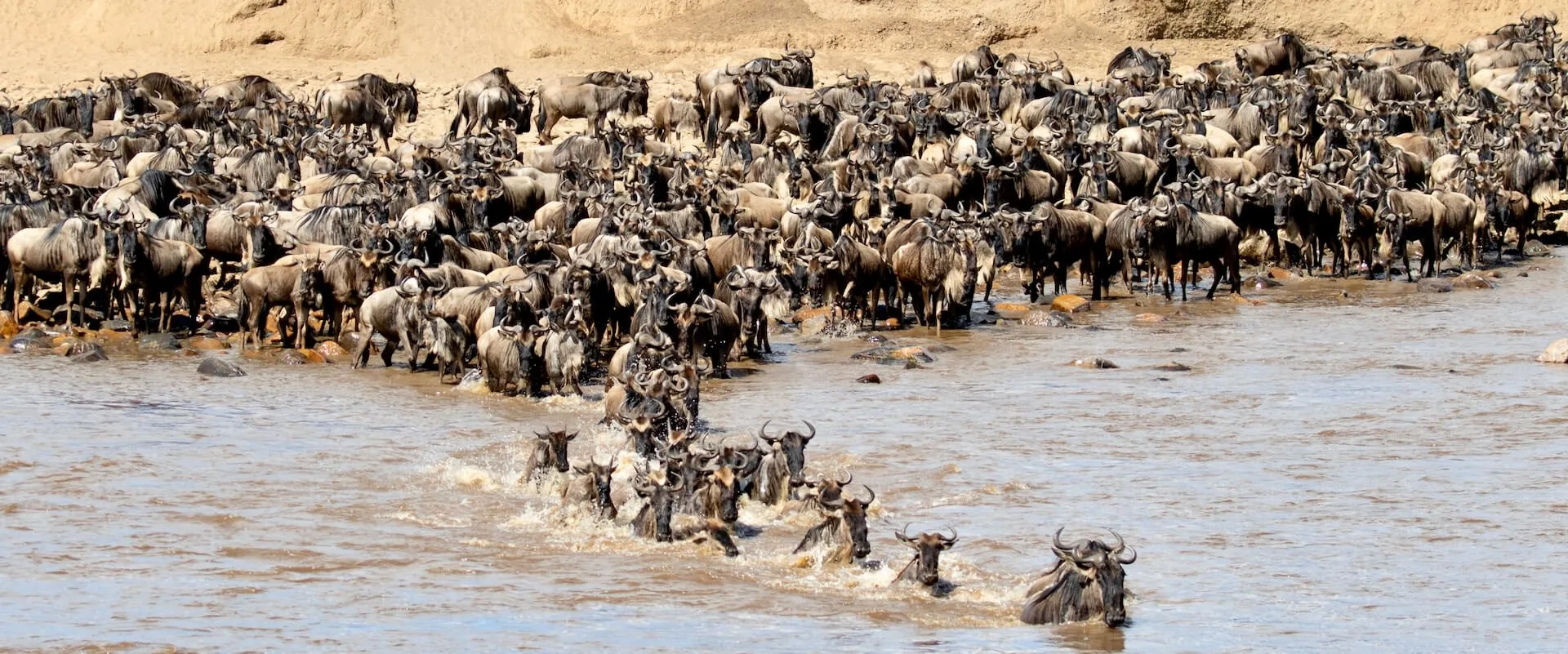
The Great Migration in Africa happens all year because the herds continuously circulate through the Serengeti–Mara ecosystem in…
Read article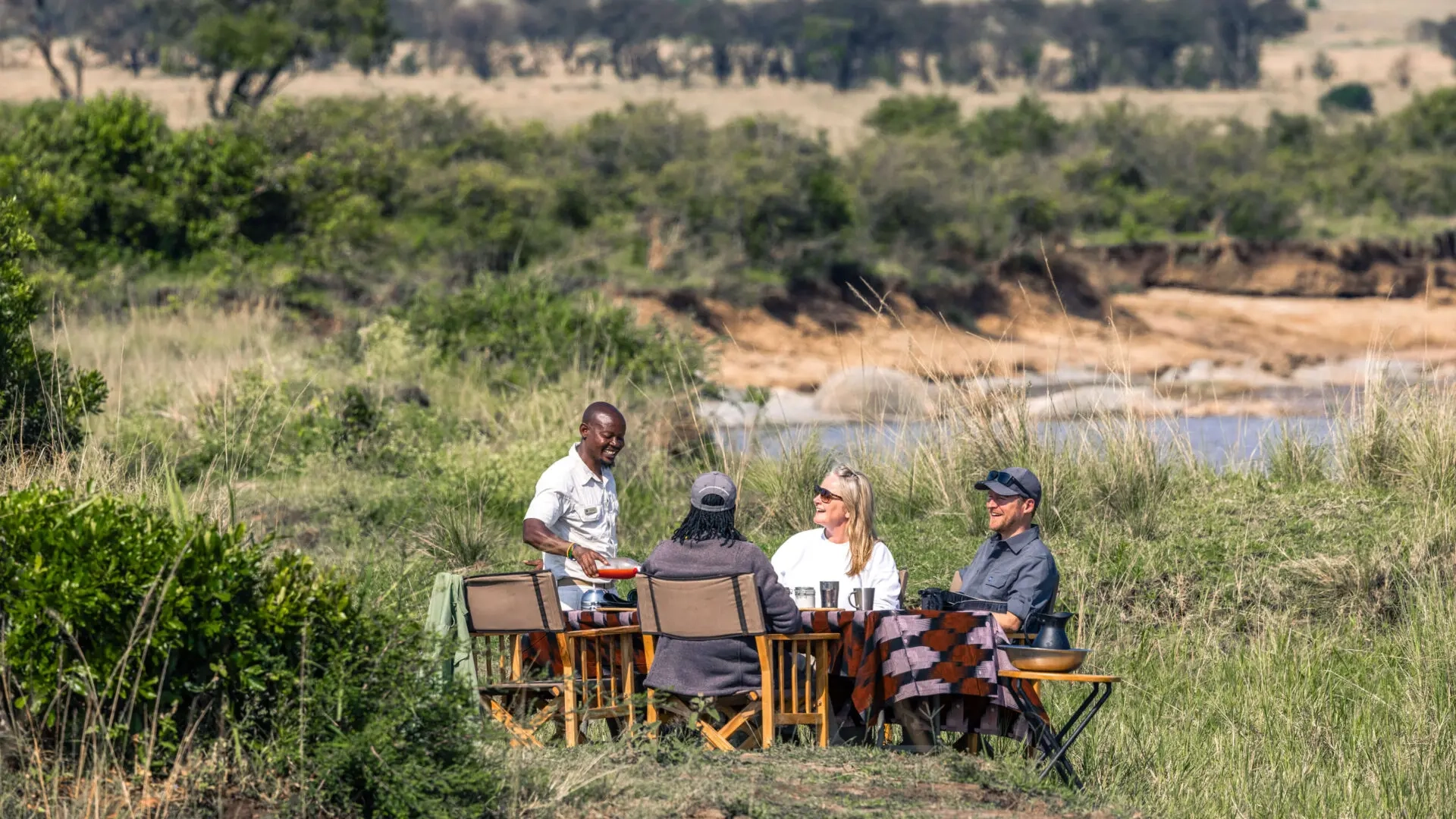
Definitive answer: A picnic lunch on safari is a packed or catered midday meal eaten at an approved…
Read article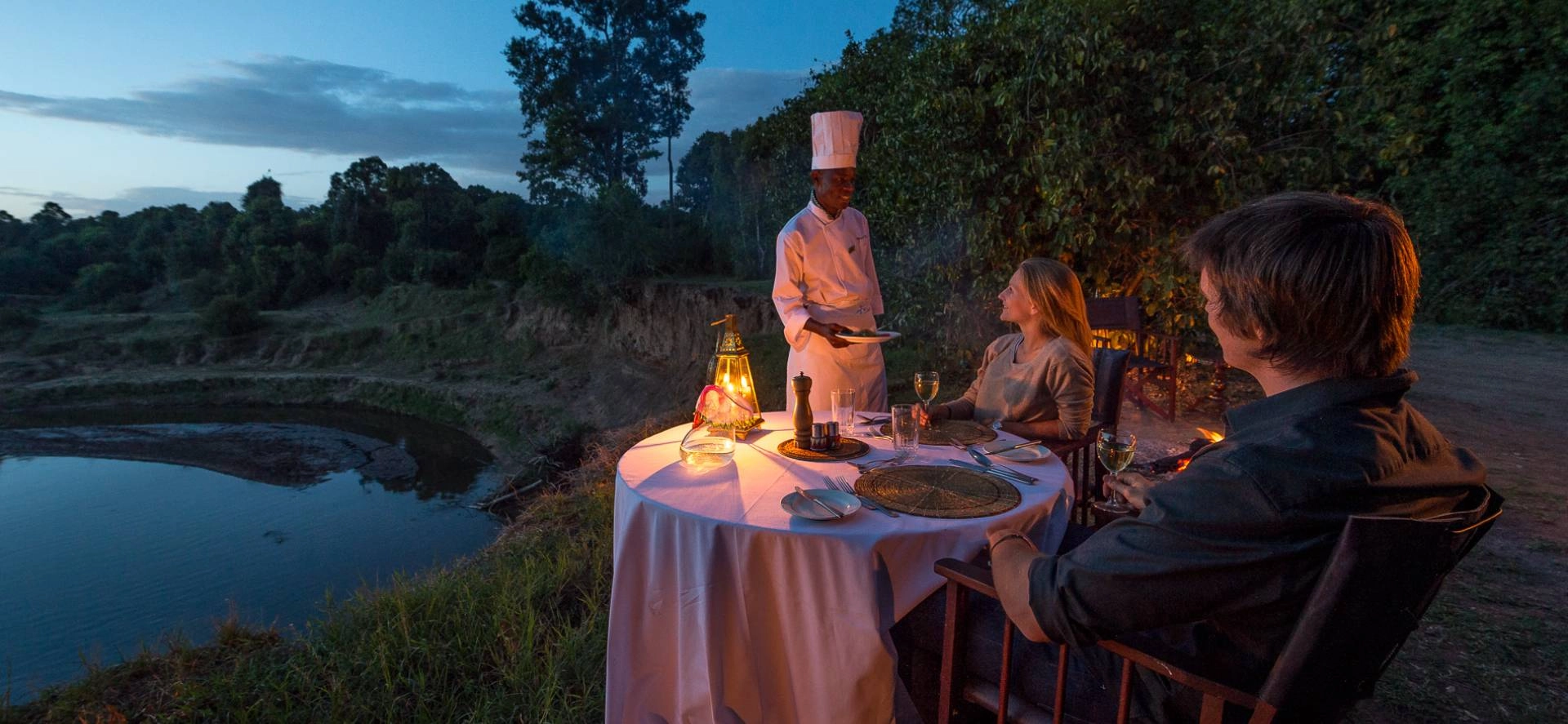
Definitive answer: A bush dinner is an outdoor evening meal arranged in a safe safari setting away from…
Read articleLet us take you closer to the wildlife, people and places that make Africa extraordinary.
Plan Your Safari Today