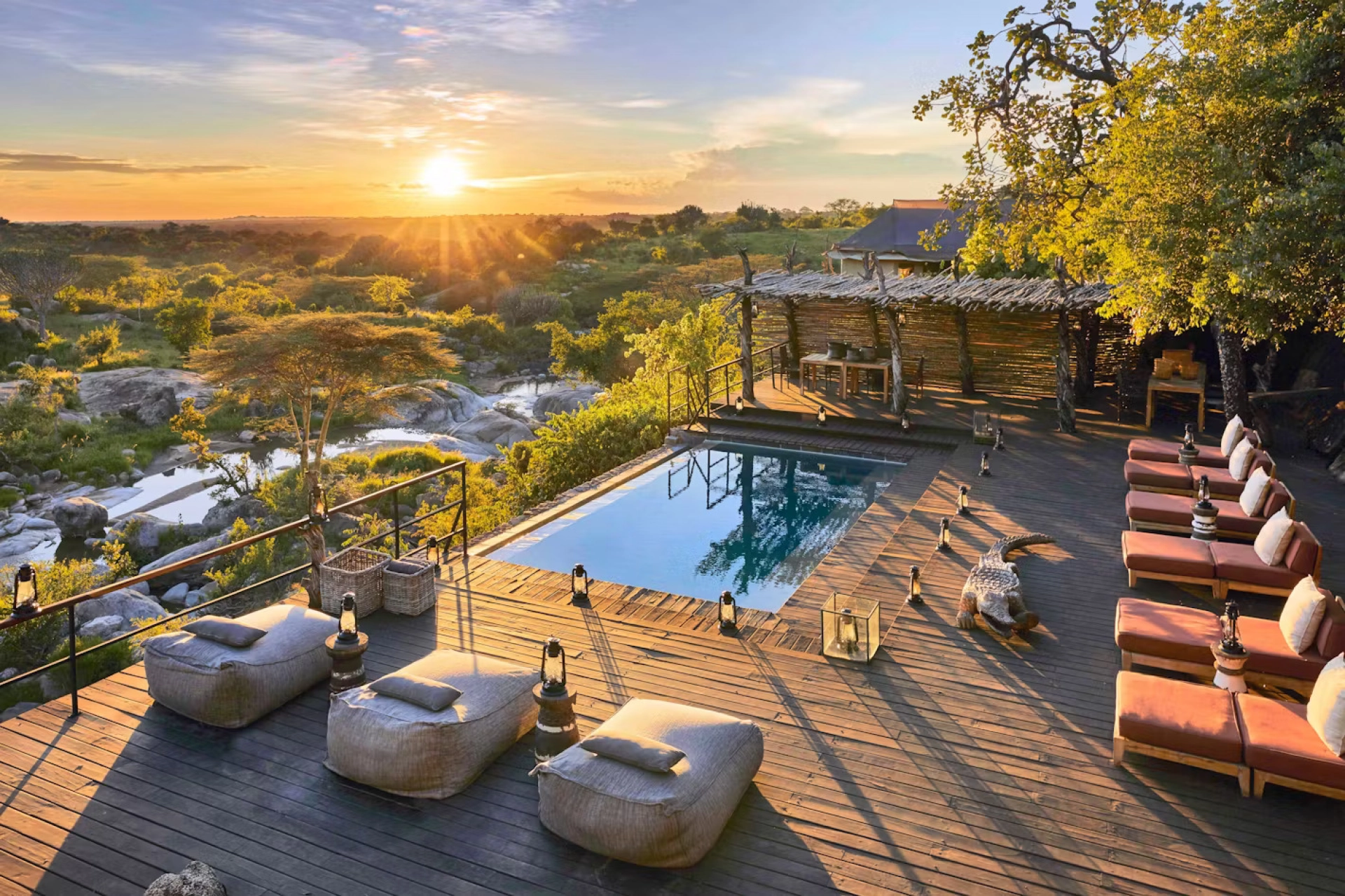
What should I look for when booking a luxury African safari?
When booking a luxury African safari, look beyond the room and compare the quality of guiding, wildlife location,…
Read article

Travel Guide
Finding the best value safaris in Africa is not the same thing as finding the cheapest safari. That distinction can save travellers thousands of dollars and, more importantly, prevent an expensive African holiday from becoming a…
Finding the best value safaris in Africa is not the same thing as finding the cheapest safari. That distinction can save travellers thousands of dollars and, more importantly, prevent an expensive African holiday from becoming a rushed or disappointing experience.
A safari advertised at a remarkably low price may use accommodation far outside the wildlife area, place too many passengers in one vehicle, exclude essential park fees, create exhausting driving days or require expensive optional activities to deliver the experiences travellers assumed were included. At the other extreme, an ultra-luxury safari can cost several times more than a carefully selected mid-range itinerary while visiting the same national park and searching for exactly the same lions, elephants, gorillas or chimpanzees.
The real objective is therefore maximum safari experience per dollar, not minimum invoice value.
For 2027 safari planning, this matters more than ever. Accommodation pricing varies substantially according to season, destination and property. Park and conservation fees represent significant costs in many wildlife areas. Gorilla and chimpanzee permits can form a large part of primate-safari budgets. Private vehicles become cheaper per person as more travellers share them. Domestic flights save time but increase direct costs. Poor route planning consumes fuel and holiday days without necessarily adding wildlife value.
A traveller who understands these variables can often design a substantially stronger safari without increasing the budget. The secret is not simply “book cheap.” It is spend intelligently.
Safari value is the relationship between total cost and the quality of the complete experience. That includes wildlife. It includes time. It includes guide quality. It includes vehicle comfort. It includes lodge location. It includes meals. It includes permits.
It includes park access. It includes the amount of the holiday spent actually experiencing Africa rather than transferring between hotels. A USD 250-per-person day with eight hours of quality wildlife viewing may provide better value than a USD 180 day dominated by driving between distant destinations. Similarly, a more expensive lodge inside or immediately adjacent to an important wildlife area can sometimes save enough transfer time to justify its higher room rate.
This is why African safari cost comparisons should never be made using accommodation prices alone.
This is the first principle of intelligent safari budgeting. Travellers frequently compare two lodges and conclude that the cheaper room will produce the cheaper safari. Not necessarily. Suppose one lodge is conveniently positioned for the national park and another is significantly farther away. The cheaper lodge may require more fuel. More driving. Earlier departures. Later returns. Possibly additional park-entry timing considerations. The traveller loses time. The vehicle works harder. The wildlife experience may become less flexible.
The correct calculation is therefore: Accommodation + park fees + permits + transport + guide + vehicle + fuel + meals + activities + transfers + taxes + unavoidable extras = real safari cost. Anything less is an incomplete comparison.
Park and conservation fees are not incidental expenses. They can represent a meaningful portion of the safari budget. Kenya Wildlife Service currently notes that safari costs vary according to trip style and duration and directs travellers to applicable tariffs for park entrance, vehicle and other charges. Tanzania National Parks likewise maintains separate conservation and related tariffs, while Uganda Wildlife Authority publishes conservation tariffs and specific permit guidelines. The exact 2027 amounts should therefore be confirmed when booking rather than copied from an older article. This is particularly important because park fees are often excluded from eye-catching accommodation advertisements. A USD 150 lodge does not mean a USD 150 safari day.
Uganda can provide excellent value for travellers who want several fundamentally different wildlife experiences in one country. A single itinerary can combine chimpanzee trekking in Kibale National Park, savannah wildlife in Queen Elizabeth National Park, a Kazinga Channel boat safari, mountain gorillas in Bwindi, birding, wetlands and scenic highlands. Longer journeys can add Murchison Falls and Lake Mburo. This diversity reduces the need for international flights between different safari styles. A traveller interested in both great apes and conventional wildlife can therefore obtain remarkable variety from one overland circuit.
The major priority for many travellers is the primate experience. If gorilla trekking in Uganda is the reason for travelling, the gorilla permit should be treated as a core cost rather than an optional extra. Trying to compensate for that cost by selecting an unreliable vehicle or badly positioned accommodation is false economy. A better strategy is to use clean, comfortable budget or mid-range lodges while protecting the essential permit, transport and guiding quality.
The gorillas do not care whether the traveller slept in a USD 100 room or a USD 1,000 suite. The fundamental wildlife encounter takes place in the same forest under the applicable trekking system. This is one reason mid-range Uganda gorilla safaris can provide exceptional experiential value.
The difference between budget and luxury gorilla safaris is primarily the surrounding travel experience. Luxury accommodation may provide exceptional architecture, food, views, service and privacy. A budget lodge may provide a simpler room, straightforward meals and fewer amenities. But if both guests hold valid permits for appropriate trekking arrangements, the core gorilla encounter is not “budget gorillas” versus “luxury gorillas.”
This is important. Travellers with limited budgets should not assume they need luxury accommodation to have a world-class primate experience. Instead, invest in the permit, sensible routing and enough time.
A short gorilla-only trip can be excellent, particularly when starting from Kigali or another convenient gateway. However, travellers flying long distances to East Africa may gain more value by extending the journey. Adding Queen Elizabeth National Park introduces savannah wildlife. Adding Kibale introduces chimpanzees. Adding Lake Mburo can create another ecological contrast. The additional cost per day may be relatively efficient because the international airfare has already been paid. This is a critical principle in safari budgeting. The most expensive part of reaching Africa should be leveraged by spending enough time on the continent to justify it.
Rwanda is frequently associated with premium gorilla tourism. For travellers, its value proposition is different from Uganda’s. The country is geographically compact, Kigali provides convenient international access and Volcanoes National Park can be reached without the very long road transfers associated with some other safari circuits. This saves time. Time has value. A traveller with only four or five days available may therefore find Rwanda’s logistical efficiency extremely attractive even when individual wildlife activities are expensive. The correct comparison is not permit price alone.
It is total trip cost plus time.
Rwanda can make particular sense for travellers who have limited holiday days, are already travelling through Kigali or want a compact primate-focused extension. A short Rwanda gorilla safari may require fewer overland days than a longer circuit elsewhere. The accommodation market also includes different categories, allowing some control over non-permit spending. For travellers with more time and a stronger interest in a broader wildlife circuit, Uganda may provide a different type of value.
Neither country is universally “cheaper” in every meaningful sense. The itinerary determines the answer.
Kenya’s mature safari industry provides a wide range of accommodation categories and destinations. This competition creates opportunities for travellers willing to look beyond the most famous lodge during the busiest week of the year. The Masai Mara can be expensive during major migration demand, but Kenya is much larger than the Mara.
Amboseli, Tsavo, Samburu, Lake Nakuru, Meru, Laikipia and other wildlife areas can be combined according to season and interest. This diversity is one of Kenya’s greatest value advantages.
Travellers who want excellent wildlife but do not need to witness a river crossing can consider the Mara outside the most heavily demanded migration period. Resident predators remain. Plains game remains. Elephants remain. The landscapes change with rainfall. The safari does not stop simply because migrating wildebeest have moved elsewhere. This can make a Masai Mara safari outside peak season particularly attractive. Accommodation pricing may be more favourable at certain properties and periods, while wildlife viewing can remain outstanding.
The trade-off may be greener vegetation, some rain or reduced migration activity. For many travellers, that is an excellent exchange.
This is one of the simplest safari-value rules. If your dream is specifically to experience the Great Migration in Kenya, then peak seasonal positioning may justify the additional cost. If your dream is simply to see lions, elephants, cheetahs and classic African scenery, you may not need to travel during the most expensive migration period. The same principle applies in Tanzania.
Pay premium seasonal rates when the season itself is the product you want. Do not pay them automatically because travel magazines describe that month as “best.”
Conservancies may have higher apparent accommodation rates than some alternatives, but value needs to be judged by experience. Lower vehicle density, high-quality guiding and additional permitted activities can make the overall safari feel more exclusive without requiring the most expensive luxury tier. For photographers, avoiding crowded sightings can be worth more than a larger hotel room. For honeymooners, privacy may be a priority.
For repeat safari travellers, walking and night activities may add more value than another conventional daytime game drive. Again, value is personal.
Amboseli National Park can be attractive for travellers seeking a relatively focused Kenya safari. The park is famous for elephants and the possibility of Mount Kilimanjaro views. A carefully designed short itinerary can therefore produce a strong sense of place without attempting to cross half the country. This illustrates another major budget principle: geographical concentration saves money.
Every kilometre has a cost. Fuel. Vehicle time. Driver time. Traveller energy. A compact itinerary can therefore outperform a cheaper-looking itinerary with excessive transfers.
Tanzania can become expensive, particularly when premium accommodation, park fees, concession charges, domestic flights and peak-season demand combine. Yet Tanzania also provides extraordinary value when the itinerary is designed around the wildlife experience rather than luxury branding. The northern Tanzania safari circuit allows Serengeti, Ngorongoro, Tarangire and other destinations to be connected overland. The challenge is to avoid unnecessary movement.
The Serengeti is enormous. A cheaper camp in the wrong area for the traveller’s seasonal objective can be poor value. If the priority is the southern migration and calving period, accommodation should reflect that. If northern migration activity is the priority, a camp positioned much farther south may create long daily drives. A well-located seasonal camp can therefore be worth more than a more luxurious property in the wrong region. This is why Serengeti safari planning requires seasonal geography.
No operator can guarantee a river crossing. Wildebeest do not follow hotel calendars. Rainfall influences movement. Herds may gather and wait. They may cross when guests are elsewhere. The best-value migration safari therefore invests in time in the correct ecosystem, not in promises. Three nights in a well-positioned area usually provide more opportunity than one expensive night marketed around a guaranteed spectacle that nature cannot guarantee.
The green season can provide excellent value for travellers comfortable with variable weather. Landscapes become photogenic. Birding can be excellent. Visitor numbers may be lower. Some accommodation rates may be more favourable. The key is destination selection. Certain roads or remote areas can become more challenging during heavy rain. An experienced operator should design the route accordingly rather than simply applying a discount to a peak-season itinerary.
For wildlife enthusiasts, the southern Serengeti and Ndutu region during the broader calving period can be extraordinary. Large wildebeest concentrations. Young animals. Predators. Green plains. Dramatic skies. For some travellers, this offers a richer ecological experience than waiting beside a river for a crossing. Depending on exact dates and accommodation, the pricing dynamics may also differ from the highest-demand northern migration period. Travellers should therefore compare wildlife events, not simply months.
Botswana is often considered one of Africa’s more expensive safari destinations, particularly in high-end Okavango Delta camps. Low-density tourism and remote logistics contribute to costs. Yet travellers determined to experience Botswana can still think strategically. Season matters. Camp category matters. The balance between land and water activities matters. Combining expensive remote camps with more affordable safari areas can control total cost. The objective is not necessarily to make Botswana cheap.
It is to ensure every expensive night produces an experience worth the premium.
South Africa offers a broad accommodation spectrum, good infrastructure and numerous self-drive or guided possibilities. This makes it attractive for travellers who want more control over spending. Kruger National Park safaris can range from relatively affordable park accommodation and self-drive travel to some of Africa’s most luxurious private reserves. The wildlife ecosystem is the common attraction.
The surrounding service level varies enormously. For independent travellers comfortable driving, South Africa can provide exceptional value. For those wanting guided experiences, private reserves offer a different product.
Namibia is another destination where self-drive travel can reduce costs for experienced independent travellers. The country’s major appeal lies not only in wildlife but in scale, desert landscapes and extraordinary scenery. Etosha provides classic wildlife viewing, while Sossusvlei and other regions add environments unlike those found in East African safari circuits. The distances are large, however.
Fuel and vehicle quality matter. A cheap rental vehicle that is unsuitable for the route is not good value.
Travellers comparing best-value African safari destinations should not ignore Zambia and Zimbabwe. Both offer exceptional wildlife areas and strong guiding traditions. Victoria Falls can also be incorporated into broader regional journeys. Seasonal pricing and lodge categories vary, making careful comparison important. Walking-safari enthusiasts may find particularly strong value in destinations where guided walking is central to the safari culture rather than an expensive optional extra.
The shoulder season sits between major high and low periods. It can offer a valuable compromise. Weather may remain favourable. Wildlife can still be excellent. Demand may be lower than during peak holiday periods. Some lodges adjust pricing. The exact dates vary enormously between destinations, so there is no universal “Africa shoulder season.” The strategy is to identify the destination first and then examine its demand curve. This is much more effective than assuming May or November is cheap everywhere.
Many travellers hear “rainy season” and imagine continuous rain. African rainfall patterns are far more complex. Some destinations receive intense afternoon storms followed by clear periods. Others experience prolonged rain. Altitude and geography matter. Green-season travel can produce extraordinary value because travellers gain lush scenery, newborn wildlife in some ecosystems, birding and dramatic photography. The key is accepting unpredictability. If every day must be cloudless, green season is a poor choice.
If atmosphere and price matter, it can be excellent.
Festive periods often generate strong demand. Families travel. Hotels fill. Flights become expensive. Holiday supplements may apply. If the traveller has flexible dates and value is the priority, moving the safari by several weeks can sometimes make a substantial difference. This is especially relevant to beach extensions, where festive demand can combine with safari costs.
Safari accommodation can become extraordinarily elaborate. Private pools. Wine cellars. Huge suites. Designer interiors. Personal butlers. These features can be wonderful if the traveller values them. But someone who leaves before sunrise, spends all day on safari and returns after sunset may barely use them. This creates an important question: What are you actually paying to experience? If the answer is wildlife, consider allocating more budget to time in the ecosystem and less to room size.
Luxury can provide real safari value when it changes more than décor. Exceptional guiding is valuable. A superb location is valuable. Low vehicle density is valuable. Private access can be valuable. High staff-to-guest ratios may improve service. A fly-in camp can save a full day of road travel. A beautifully positioned lodge can transform a honeymoon. The objective is not to avoid luxury. It is to pay for luxury deliberately.
For many travellers, mid-range African safaris provide the strongest balance. Accommodation is comfortable. Rooms are private. Meals are good. Locations can be excellent. The safari vehicle and wildlife experiences remain the central focus. Savings compared with luxury travel can then fund additional nights or activities. An eleven-day mid-range safari can sometimes provide far more memorable wildlife than a six-day ultra-luxury itinerary at a similar total budget. Time is one of the most valuable things money can buy on safari.
Budget travel requires discipline. Save on unnecessary luxury. Use simpler lodges. Share transport where comfortable. Travel in shoulder periods. Avoid unnecessary domestic flights. Choose compact routes. But do not compromise on critical safety and logistics. Use appropriate vehicles. Use qualified guides. Protect important permits. Allow realistic travel times. A cheap safari that misses a chimpanzee trek because transport was unreliable is extremely expensive in experiential terms.
Vehicle cost is one of the biggest differences between solo, couple and group pricing. A private vehicle costs roughly the same to operate whether carrying one guest or several within appropriate capacity. This is why solo safaris can be expensive. A shared group safari in Uganda, Kenya or Tanzania can therefore provide excellent value. The disadvantage is reduced flexibility. Departure dates are fixed. The group follows a common schedule. Photography stops must consider everyone.
For travellers comfortable with those compromises, the savings can be significant.
Small private groups can achieve excellent economics. Vehicle costs are distributed across several people while the group retains private control of the itinerary. Families and groups of friends therefore often obtain particularly good value from private safari travel. The important consideration is vehicle capacity.
Do not fill every seat simply because it exists. Wildlife viewing improves when passengers have space.
Solo travellers should compare three approaches: joining a scheduled group, paying a private vehicle supplement or combining private and shared elements. For example, the road portion may be private while gorilla or chimpanzee trekking naturally takes place with other permit holders under ranger supervision. A solo traveller can therefore enjoy independence without every activity being individually private.
Short safaris appear cheaper because the total invoice is smaller. But they can be expensive per meaningful experience. International flights remain the same whether the safari lasts four days or twelve. Arrival and departure days consume time. Long transfers consume a larger percentage of a short trip. Extending a safari can therefore improve value even though the total cost rises. This is particularly true for travellers flying from North America, Europe, Asia or Australia.
A seven-day itinerary can provide an excellent focused safari. A ten-day itinerary allows more breathing room. The extra three days may reduce the need to rush, allow an additional ecosystem and create time for lodge enjoyment. When comparing quotations, travellers should therefore calculate not only total cost but also cost per full safari day.
Bad routing is expensive. Driving north, then south, then north again wastes fuel and time. A logical route progresses geographically. In Uganda, Kibale, Queen Elizabeth and Bwindi form a natural western circuit. In northern Tanzania, parks can be connected according to seasonal priorities. In Kenya, destinations should be selected with road distances in mind. A map can save more money than a hotel discount.
An open-jaw itinerary arrives in one city and departs from another. For multi-country safaris, this can prevent expensive backtracking. A traveller might arrive through Entebbe and depart from Kigali when the safari ends in Rwanda. Another might combine regional flights to avoid returning overland to the original starting point. International airfare should be compared carefully, but the saving in safari vehicle days can sometimes justify the approach.
A Uganda Rwanda safari can be excellent value when border geography is used properly. Southwestern Uganda lies relatively close to Rwanda. Starting or ending through Kigali can therefore make sense for certain gorilla itineraries. But crossing a border simply to say two countries were visited adds little value. The route should be designed around experiences.
Regional flights make it possible to combine Uganda’s primates with East Africa’s classic savannah destinations. This is not the cheapest type of safari, but it can provide outstanding value for travellers who might otherwise make two separate long-haul trips to Africa. A Uganda gorilla and Tanzania safari combines mountain rainforest with the Serengeti. A Uganda and Kenya safari can combine Bwindi and Kibale with the Masai Mara or Amboseli.
The additional regional airfare buys enormous ecological diversity.
Zanzibar extensions vary from simple beach hotels to extremely expensive resorts. Travellers who have spent heavily on safari may control the total budget by choosing a comfortable mid-range beach property. Conversely, honeymooners may deliberately save on some safari accommodation and invest in a premium beach finale. The correct allocation depends on which part of the holiday matters most.
One-night stops create hidden costs. Packing. Checking out. Driving. Checking in. Orientation. They reduce the amount of time actually enjoying the destination. A lodge that appears cheap becomes poor value when guests use it only for eight hours of sleep. Two- and three-night stays often create a better experience and can sometimes interact favourably with lodge packages or seasonal offers.
Two safari quotations can differ dramatically because one is comprehensive and the other excludes important items. A useful comparison should determine whether the price includes park fees, wildlife permits, accommodation, meals, vehicle, fuel, driver-guide, airport transfers, scheduled activities and relevant taxes. Optional items should be clearly separated. The lowest headline price can become the highest final price after exclusions are added.
Primate permits are among the safari expenses travellers should verify directly for the applicable travel period. Uganda Wildlife Authority publishes conservation tariffs and permit guidelines, and these can change over time. Do not plan a 2027 safari using a permit price copied from an old blog. Ask the operator to confirm the rate and availability for the actual date.
This protects both budget and itinerary.
If gorilla trekking is the central purpose of the trip, permit availability should shape the itinerary. There is little value in securing a discounted lodge if the required trekking permit is unavailable. The order of planning matters. First establish the essential experience. Then build accommodation and routing around it.
A flight arriving at midnight may require an extra hotel night. A flight departing very early may require repositioning near the airport. A cheaper ticket with difficult connections can increase the risk of missed safari days. International flight value should therefore be evaluated together with the land itinerary. Sometimes paying slightly more for better arrival and departure times reduces the safari cost.
Domestic flights are expensive compared with road transport, but they can create value when they buy back an entire safari day. Suppose a road transfer takes most of a day while a flight and transfers require only part of it. If the traveller has limited holiday time, the additional cost may produce another game drive or lodge night. That is a real return.
For longer trips, road travel may remain the better value.
A safari vehicle is not the place to chase the absolute lowest price. Mechanical reliability matters. Tyres matter. Suspension matters. Driver competence matters. Viewing configuration matters. Air-conditioning or ventilation may matter according to destination. The vehicle is where travellers spend a large proportion of their safari. A slightly cheaper quotation using an unsuitable vehicle can be a poor trade.
A great guide transforms safari. They understand wildlife behaviour. They read tracks.
They know when to wait. They position the vehicle thoughtfully. They communicate with other guides without turning sightings into races. They understand birds, plants, culture and geography. They manage timing. They solve logistical problems before guests notice them. A weak guide can make an expensive safari ordinary. A strong guide can make a mid-range safari exceptional.
Travellers sometimes focus on conservation fees as though they were an irritating surcharge. Protected areas require funding. Roads, ranger operations, habitat management, tourism infrastructure and conservation programmes all cost money. Safari value should not be created by expecting protected areas to be free. The better objective is to ensure the itinerary uses paid park time effectively. If a park fee has been paid, do not spend most of the available period unnecessarily driving outside the wildlife area.
Properties outside a park can be significantly cheaper. Sometimes they provide excellent value. But gate-opening times and driving distances may affect wildlife access. Properties inside or strategically adjacent to a park can reduce transfers but may carry higher rates or additional charges. The correct answer depends on the specific destination. Never apply one rule across Africa.
Most safari lodges include substantial meal arrangements, but inclusions vary. Some packages include all meals but exclude drinks. Others include selected beverages. Budget properties may operate differently. Travellers should understand meal plans before calculating spending money. A remote lodge is not somewhere guests can simply walk to a supermarket if dinner is excluded.
Tipping practices vary by destination and service. Travellers should request current guidance from the operator rather than relying on rigid internet formulas. Laundry, premium drinks, souvenirs, visas, travel insurance and personal purchases should also be budgeted separately. These may not be large compared with the safari itself, but they prevent surprises.
A safari can involve substantial prepaid expenses. Permits may have strict conditions. Remote lodges may have cancellation policies. Flights can be disrupted. Comprehensive travel insurance therefore protects the value of the money already spent. The cheapest insurance policy is not useful if it excludes the activities or destinations included in the trip.
Early booking is important when the safari depends on limited permits, small camps or peak-season dates. However, travellers with flexible dates may sometimes benefit from seasonal offers. The strategy should reflect scarcity. A specific gorilla date is scarce. A particular small luxury camp during migration season may be scarce. A general mid-range safari during a quieter period may have more flexibility.
A discounted lodge is not a bargain if it forces a four-hour detour. A discounted flight is not a bargain if it removes a safari day. A discounted group departure is not a bargain if the itinerary excludes the wildlife experience you actually want. The correct question is always: “What do I give up for this saving?” If the answer is something you do not care about, take the saving. If the answer is the central purpose of the trip, do not.
First-time safari travellers often benefit from a varied but geographically coherent itinerary. Uganda is excellent for travellers prioritising primates. Kenya is strong for classic savannah and relatively straightforward wildlife circuits. Tanzania provides exceptional northern-circuit experiences. South Africa offers broad infrastructure and different budget styles. The “best value” destination therefore depends on the wildlife objective.
Couples can share vehicle and room costs, making private safari travel more economical than it is for solo guests. A mid-range private safari can therefore offer an excellent balance of flexibility and price. Couples should prioritise route design and lodge location before luxury features.
Families often benefit from private vehicles because the daily schedule can adapt to children. A family group also spreads vehicle costs across several travellers. Lodges should be selected according to room configuration, age policies and activity restrictions rather than simply nightly rate.
Honeymooners do not necessarily need luxury every night. One strategy is to use excellent mid-range safari accommodation for wildlife-heavy days and invest in one or two exceptional properties where there is time to enjoy them. A premium final beach stay can also provide a memorable finish. This targeted luxury approach can create far greater value than paying maximum rates throughout.
Photographers should spend on vehicle space and guiding. A cheap group safari with every seat occupied may make photography difficult. A more expensive arrangement with fewer passengers can produce dramatically better results. The photographer is therefore buying access and positioning rather than thread count.
Birders can find extraordinary value in destinations such as Uganda because specialist wildlife exists across numerous habitats. However, a specialist guide may cost more than a general driver-guide. That additional expense is usually worthwhile. Someone who can identify calls and understand habitat transforms the trip.
Fixed departures and small groups are usually the first options to investigate. Solo supplements should be compared carefully. Travellers should also ask whether a departure requires a minimum number of participants. A cheap advertised group rate is irrelevant if the departure is not guaranteed.
Safari prices are dynamic. Lodges change rates. Park authorities revise tariffs. Fuel prices change. Permit fees can change. Taxes and concession fees evolve. Currency movements affect costs. This is why an article about best value safaris in Africa 2027 should teach pricing strategy rather than pretending that one static table can remain accurate indefinitely. Use current quotations. Request clear inclusions. Confirm permit prices.
Check park fees. Compare like with like.
Do not simply look at the total. Compare the number of nights. Accommodation category. Exact lodges. Room type. Meal plan. Private versus shared vehicle. Number of passengers. Park fees. Permits. Activities. Domestic flights. Airport transfers. Guide language. Arrival and departure arrangements. Once those elements are aligned, the price difference becomes meaningful.
There is no universal winner. Uganda can offer exceptional value for primate and multi-experience journeys, Kenya and Tanzania for classic East African wildlife, and South Africa for travellers wanting broad accommodation and self-drive options.
The complete itinerary should be compared rather than permit cost alone. Uganda and Rwanda have different permit structures, travel distances and accommodation markets. Current official rates should be confirmed for the actual travel date.
A properly organised budget safari can be safe and excellent. Budget should mean simpler accommodation and shared costs, not poorly maintained vehicles, unqualified guides or unrealistic logistics.
For many travellers, mid-range offers the strongest balance of comfort, location and price.
It varies by destination. Green and shoulder seasons can offer attractive rates, but there is no single low season covering the entire continent.
Sometimes. But calculate additional driving, fuel and reduced wildlife-viewing time before deciding.
Usually on a per-person basis, especially for solo travellers, because transport costs are shared.
Trips dependent on gorilla permits, migration-season camps, festive dates or small high-demand properties should be planned early. More flexible shoulder-season itineraries may provide greater availability.
It can be operationally efficient, particularly when transfers and regional flights are coordinated as one itinerary. The total should still be compared carefully.
Not until you compare inclusions, accommodation locations, vehicle arrangements, permits, park fees and itinerary pace.
At Adventure in the Wild Safaris, value begins with route design. If two destinations create unnecessary backtracking, we look for a better sequence. If a luxury lodge consumes the budget without improving the wildlife experience, we can suggest a strong mid-range alternative. If a domestic flight meaningfully improves a short itinerary, we can evaluate whether the time saved justifies the price.
If the traveller has flexible dates, we can consider shoulder or green-season options. If gorilla trekking is the priority, we build the safari around the permit rather than treating it as an afterthought. If the traveller wants the Great Migration, we consider where the herds are broadly expected to be during that seasonal phase rather than simply booking “the Serengeti.” If a solo traveller wants to reduce cost, shared departures can be explored where appropriate.
The goal is not to remove everything expensive. It is to remove spending that does not improve the journey.
Imagine your safari budget as a series of choices rather than one number. Some spending buys wildlife access. Some buys time. Some buys comfort. Some buys privacy. Some buys convenience. Some buys status. There is nothing wrong with any of those categories. Problems arise when travellers pay heavily for one while believing they are buying another. A USD 1,500-per-night suite may buy extraordinary privacy and service. It does not buy a guaranteed leopard. A domestic flight may look expensive.
But it may buy an entire additional afternoon in the national park. A gorilla permit may appear expensive. But it buys access to an experience available in only a tiny part of the world. A professional private guide may add to the quote. But that guide influences almost every waking hour of the safari. Understand what each dollar buys. Then spend according to your priorities.
The best value safari in Africa is not necessarily the one that produces the lowest daily cost. It is the journey where the budget has been aligned so well with the traveller’s priorities that little money feels wasted. You sleep comfortably enough. You travel in a reliable vehicle. You have a knowledgeable guide. Your lodge is positioned logically. Your permits are confirmed. Your route progresses naturally. You spend enough time in each destination. You pay peak-season rates only when the peak-season event matters to you. You use shoulder or green seasons when they improve value. You spend on luxury where you will actually experience it.
You save where luxury adds little. Most importantly, you protect time. Africa is too far to travel merely to rush through it. One additional night can be worth more than a room upgrade. One well-positioned lodge can be worth more than a cheaper property two hours away. One excellent guide can be worth more than a luxury vehicle. One thoughtfully designed route can save more money than dozens of small discounts. For 2027, begin with your non-negotiable experiences.
If that is gorilla trekking in Uganda, protect the permit and build around Bwindi. If it is chimpanzees, include Kibale properly. If it is the Great Migration, choose the seasonal region carefully. If it is elephants and Kilimanjaro, give Amboseli enough time. If it is photography, protect vehicle space. If it is family time, reduce exhausting transfers. If it is a honeymoon, create room to relax. Then examine the budget.
That is how you find the best value African safari. Not by buying the cheapest Africa available. By buying more of the Africa you actually came to experience.

Share This Article
When booking a luxury African safari, look beyond the room and compare the quality of guiding, wildlife location,…
Read article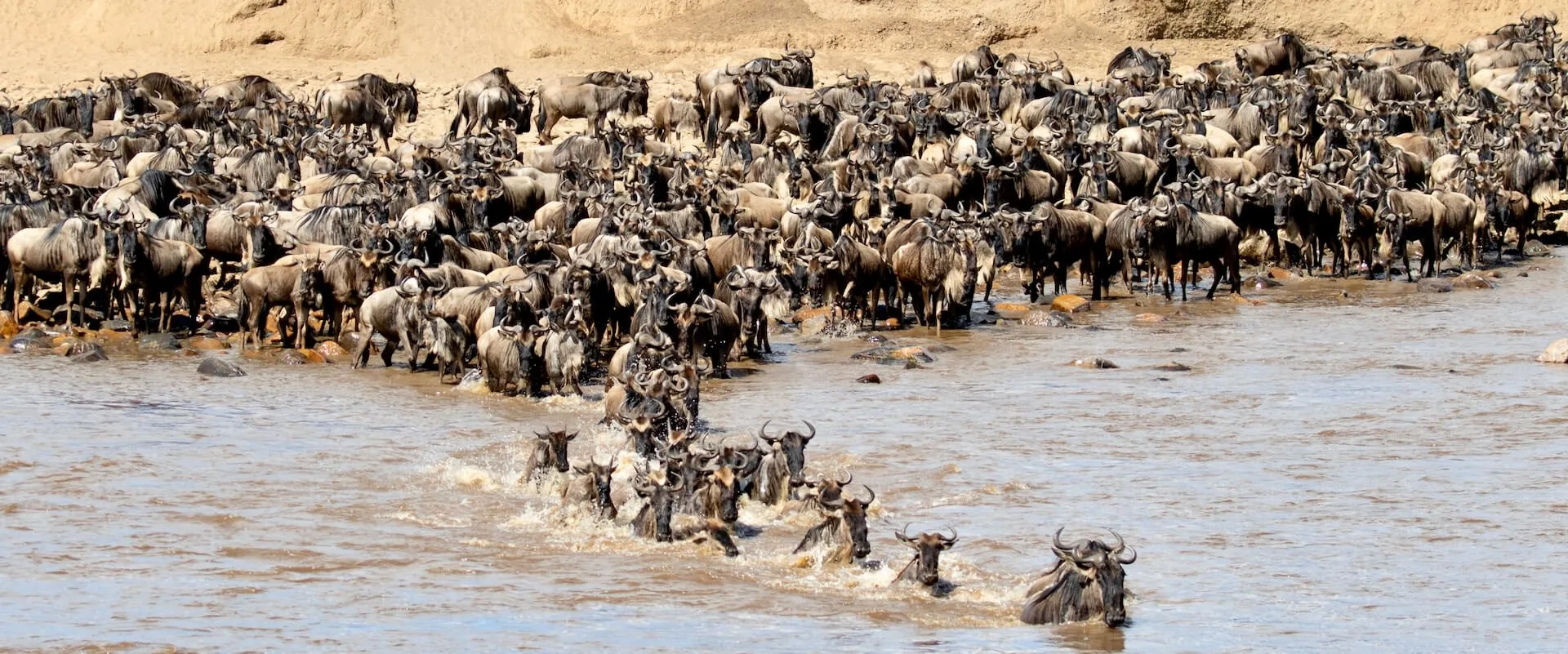
The Great Migration in Africa happens all year because the herds continuously circulate through the Serengeti–Mara ecosystem in…
Read article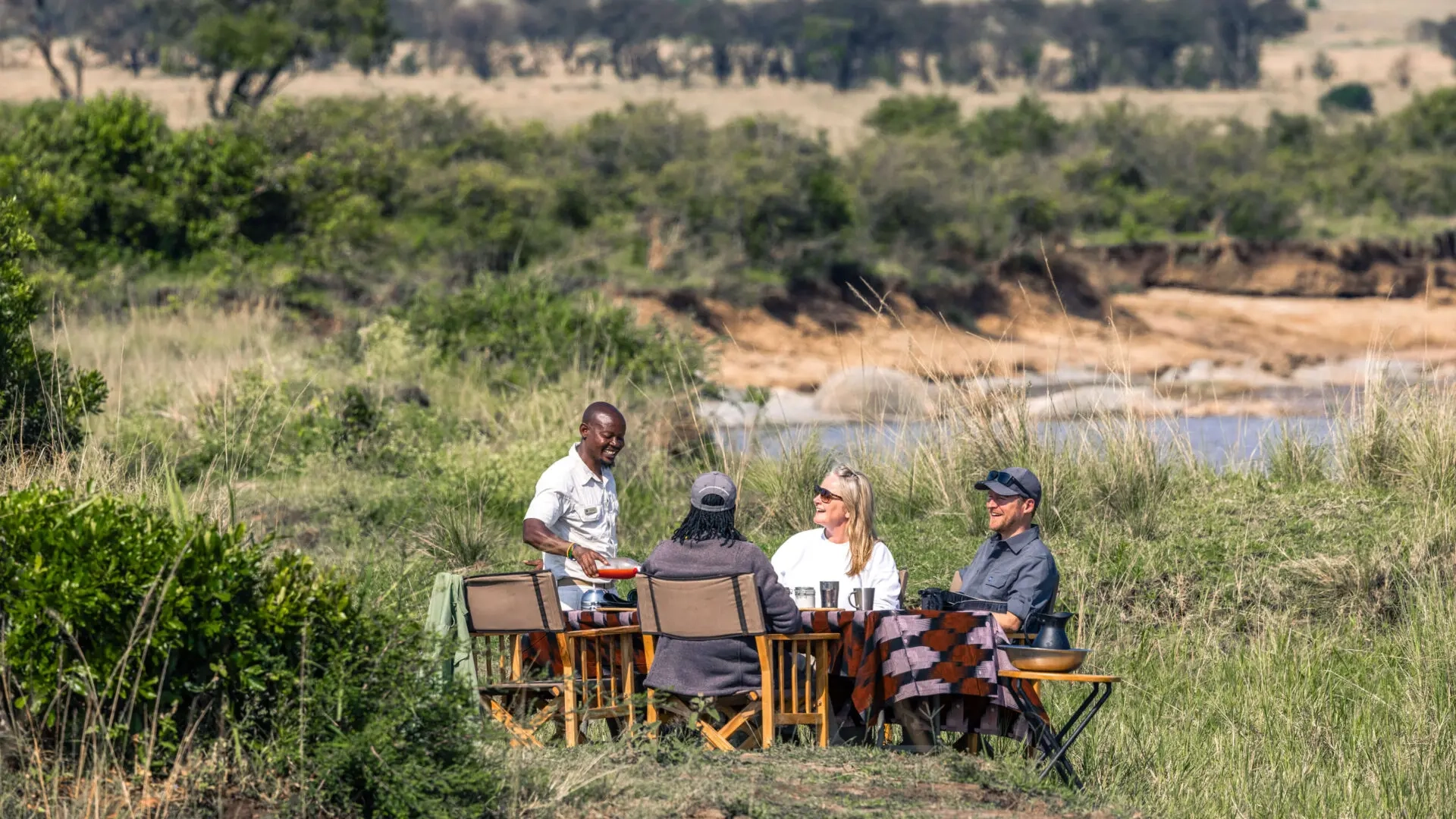
Definitive answer: A picnic lunch on safari is a packed or catered midday meal eaten at an approved…
Read article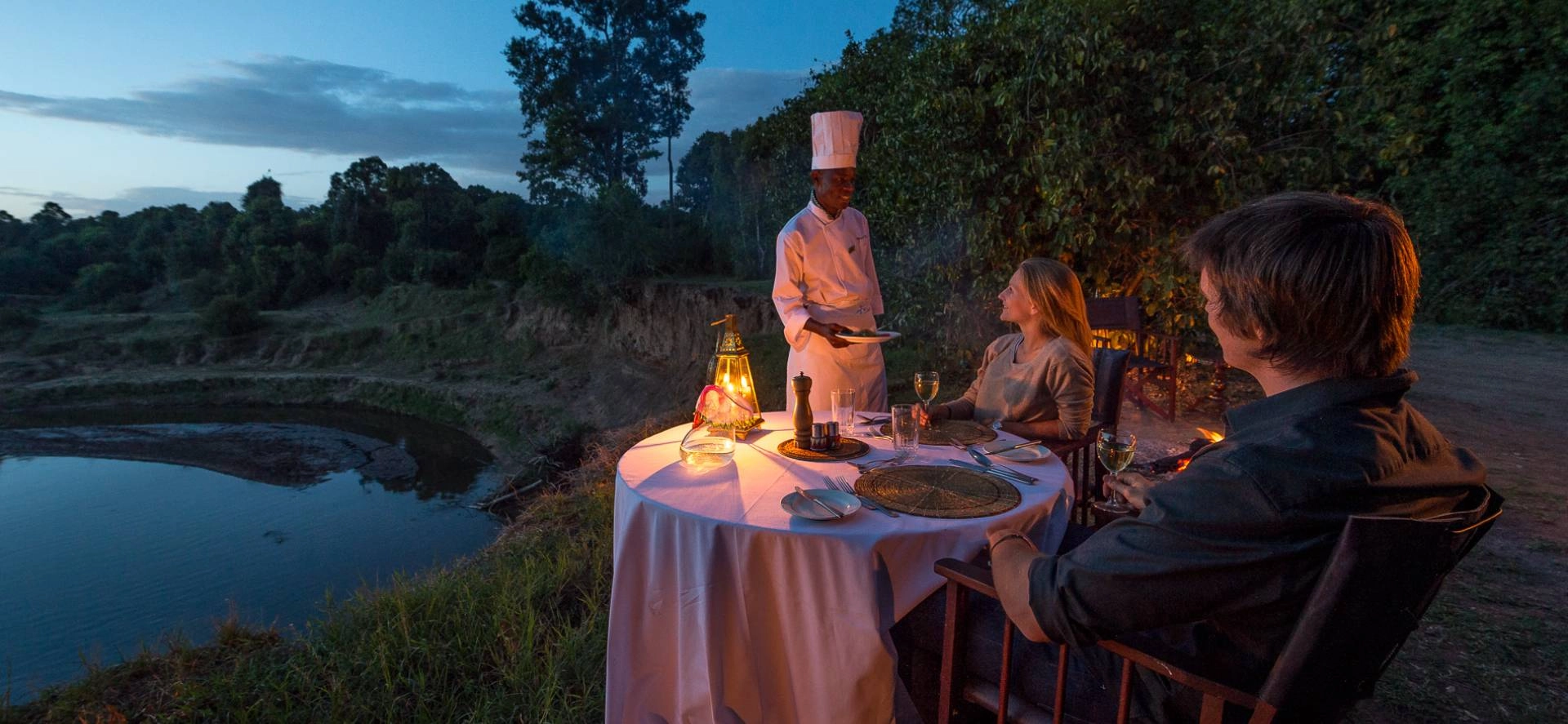
Definitive answer: A bush dinner is an outdoor evening meal arranged in a safe safari setting away from…
Read articleLet us take you closer to the wildlife, people and places that make Africa extraordinary.
Plan Your Safari Today