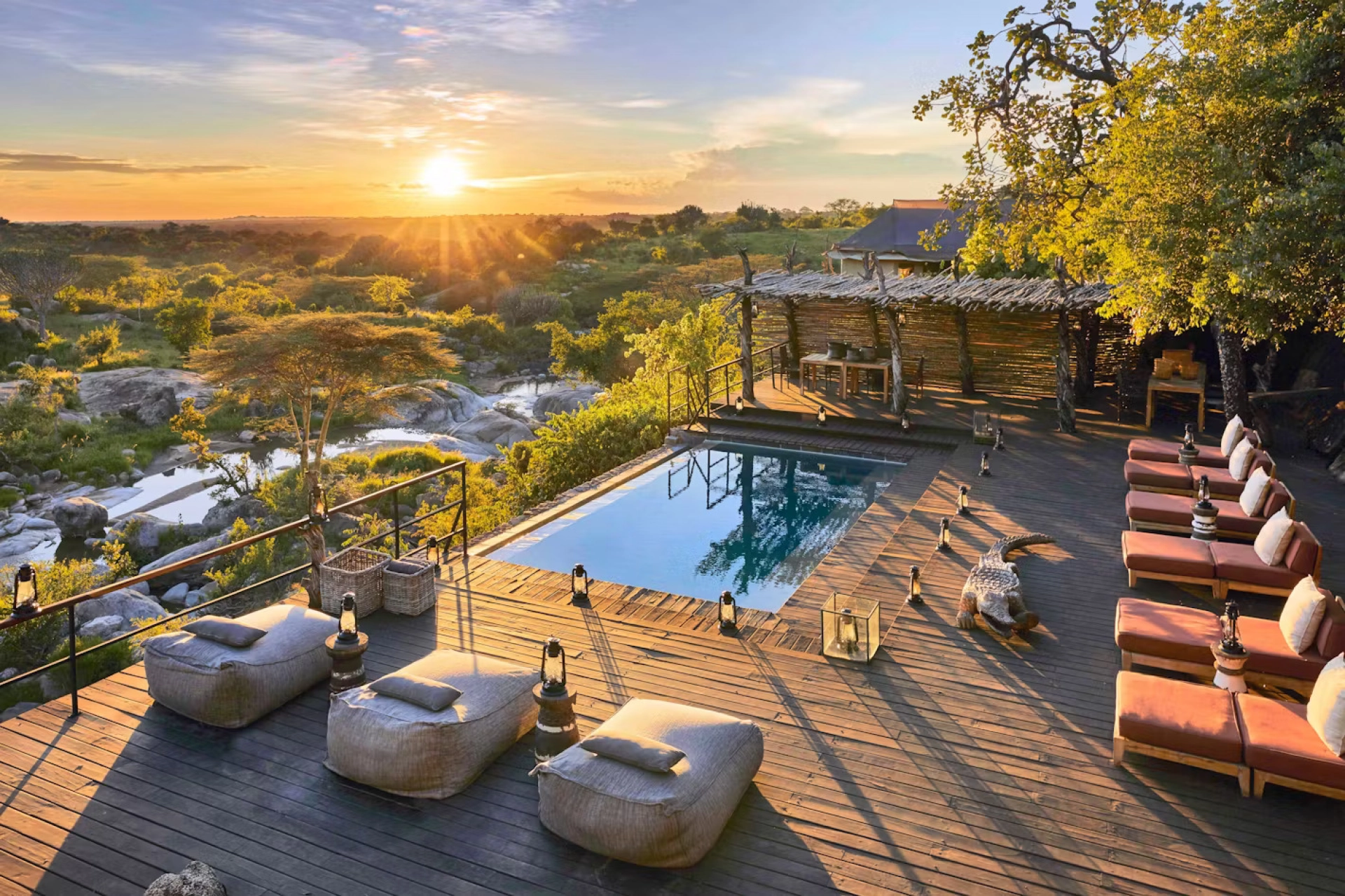
What should I look for when booking a luxury African safari?
When booking a luxury African safari, look beyond the room and compare the quality of guiding, wildlife location,…
Read article

Travel Guide
Zambia is one of the best countries in Africa for travellers who want their safari to feel genuinely wild. It has famous predators, enormous national parks, major rivers, wetlands filled with birds, remote bush camps, world-class…
Zambia is one of the best countries in Africa for travellers who want their safari to feel genuinely wild. It has famous predators, enormous national parks, major rivers, wetlands filled with birds, remote bush camps, world-class walking safaris, excellent guides and some of the lowest-density safari experiences in southern Africa. Yet Zambia remains less immediately familiar to many first-time safari travellers than Kenya, Tanzania, Botswana or South Africa. That relative anonymity is part of its appeal.
A Zambia safari is rarely about racing between crowded sightings. It is about space. It is about sitting beside the Luangwa River at sunset while hippos call from below. It is about walking through dry woodland behind a professional guide and discovering how much information is written into a single animal track. It is about canoeing slowly along the Lower Zambezi, watching elephants feed on the riverbank. It can mean standing in the almost endless grasslands of Liuwa Plain National Park during the seasonal wildebeest movement or visiting the Bangweulu Wetlands in search of the extraordinary shoebill.
And then there is Victoria Falls, one of Africa’s greatest natural landmarks, where the Zambezi plunges into a narrow basalt gorge before continuing downstream. For travellers searching for the best Zambia safari destinations, the challenge is not finding wilderness. The challenge is choosing between very different wilderness areas. Some parks are famous for predators. Others for walking. Others for canoeing. Some are best for experienced safari travellers seeking isolation. Others are ideal for a first visit. This guide explores eight of the most rewarding Zambia safari destinations and explains what makes each of them special.
Zambia occupies a remarkable position in southern Africa. The country contains vast protected landscapes shaped by major rivers including the Zambezi, Luangwa and Kafue. These waterways create fertile floodplains, riverine woodland, lagoons and permanent water sources that support extraordinary wildlife. What distinguishes Zambia is not simply the number of national parks. It is the style of safari. The country has a particularly strong reputation for professional guiding and walking safaris in Africa.
While walking exists in several safari countries, Zambia has made it central to its tourism identity. Night drives are another important part of many Zambia wildlife safaris, revealing leopards, hyenas, genets, civets and other nocturnal animals that are often missed during daytime-only safari programmes. Then there is the sense of remoteness. Parks such as North Luangwa, parts of Kafue National Park and the more isolated sectors of Liuwa Plain can feel far removed from mainstream tourism routes. For repeat safari travellers, that wilderness quality can become more valuable than simply seeing another lion beside a busy road.
For most travellers, South Luangwa National Park is the obvious place to begin. It is Zambia’s most famous wildlife destination and one of Africa’s great safari ecosystems. The park is structured around the Luangwa River, which creates a network of channels, oxbow lakes, lagoons and riverine woodland. During the dry season, wildlife becomes increasingly dependent on permanent water. This concentration produces excellent viewing. Elephants, buffalo, hippos, crocodiles, Thornicroft’s giraffes, Crawshay’s zebras, impalas, puku, lions, leopards, spotted hyenas and African wild dogs are among the species travellers may encounter. The park is especially famous for its predators.
South Luangwa is repeatedly associated with outstanding leopard sightings. The combination of productive riverine habitat, suitable trees, dense cover and plentiful prey supports a healthy leopard population. Night drives improve the chances of seeing these secretive cats during more active periods. A leopard may spend daylight hours hidden in vegetation, then begin moving around sunset. Guides listen for alarm calls from antelope and baboons. They inspect tracks. They understand traditional territories. No sighting can be guaranteed, but South Luangwa remains one of the strongest destinations for travellers specifically interested in leopard safaris in Africa.
The South Luangwa walking safari is arguably even more important than the predators. Zambia is closely associated with the development of modern guided walking safari traditions, and South Luangwa remains one of the finest places to experience the bush on foot. Walking transforms safari. Tracks become important. Plants become interesting. Dung tells stories. Bird calls have meaning. The guide considers wind direction and visibility. Instead of simply searching for animals, visitors begin understanding how wildlife uses the landscape. This is why many experienced safari travellers regard walking as one of the most rewarding forms of wildlife tourism.
The dry season is traditionally regarded as the strongest time for concentrated wildlife viewing. As water becomes scarcer, animals gather around the Luangwa River and remaining lagoons. Vegetation becomes thinner and visibility improves. Later dry-season months can become very hot, but wildlife concentrations can be exceptional. The green season in South Luangwa creates a completely different experience. Vegetation becomes lush. Migratory birds arrive. Young animals appear. Storm clouds create dramatic photographic light. Some remote camps close because roads become difficult, while other properties remain open and offer attractive seasonal rates.
A minimum of three nights provides an introduction. Four or five nights allows a much better combination of game drives, night drives and walking safaris. Photographers and serious wildlife travellers can easily spend a week. The longer you remain, the more the ecosystem begins to feel familiar. That familiarity often produces better safari experiences than constantly moving between parks.
If South Luangwa is Zambia’s classic walking destination, Lower Zambezi National Park is defined by water. The park lies along the northern bank of the Zambezi River, opposite Zimbabwe’s Mana Pools region. This creates one of southern Africa’s most extraordinary transboundary wilderness landscapes. Mountains rise behind the floodplain. River channels and islands provide wildlife habitat. Elephants move between woodland and river. Hippos occupy the water. Crocodiles rest on sandbanks. Buffalo and antelope use the floodplain. Predators follow. The landscape immediately feels different from South Luangwa.
One of the signature experiences is a Lower Zambezi canoe safari. From water level, wildlife appears dramatically larger. Elephants feeding on the bank tower above the river. Hippos demand respect and distance. Crocodiles slip from shorelines. Kingfishers flash past. The experience is peaceful and intensely focused at the same time. Canoeing in a river inhabited by large wildlife should only be undertaken with experienced professional guides. The objective is not to get dangerously close. It is to observe the ecosystem from a quieter perspective.
Travellers who do not want to canoe can still experience the river by motorboat. A Zambezi boat safari works particularly well in the late afternoon. Elephants may come to drink. Hippos become active. Fish eagles call from trees. The sunset reflects across the water. A boat allows safari visitors to experience species and behaviour difficult to observe from a game-drive vehicle. Combining boat safari, canoe safari, game drives and walking is one of the reasons Lower Zambezi works so well for travellers who want variety.
Elephants are particularly prominent.
Buffalo, lions, leopards, wild dogs, hippos, crocodiles and antelope also occur. Birdlife is outstanding. The Zambezi ecosystem attracts waterbirds as well as woodland species and raptors. Lower Zambezi therefore works exceptionally well for both wildlife photography and birdwatching safaris in Zambia.
The dry season is the principal safari period. As water becomes limited away from the river, wildlife increasingly concentrates toward the Zambezi. Many safari camps operate seasonally. Peak periods can be expensive because the destination relies heavily on fly-in access and intimate camp operations. For travellers who can afford it, the combination of river activities and low vehicle density can provide exceptional value.
Kafue National Park is one of Africa’s largest protected areas and one of Zambia’s most diverse safari landscapes. Its immense scale is its greatest strength. Kafue contains rivers, woodland, wetlands and open floodplains. The northern Busanga Plains are particularly famous. During the dry season, these seasonal wetlands transform into open grasslands attracting large concentrations of herbivores and predators. The scale creates a different style of safari. You may travel considerable distances without encountering many other vehicles. For travellers seeking a remote Zambia safari, this is precisely the attraction.
The Busanga Plains are the most internationally recognised section of Kafue. Wide-open grassland creates exceptional visibility. Large herds of red lechwe, puku and other antelope use the plains. Lions are prominent predators. Cheetahs may also occur in suitable areas. The sunrise and sunset landscapes can be spectacular. Seasonality matters because parts of the plains become inaccessible when heavily flooded. This means the classic Busanga safari season is relatively concentrated.
Kafue is an excellent destination for lion safaris. The open plains allow visitors to observe pride behaviour over large areas. Lions use the abundance of herbivores and can become central to many Busanga game drives. However, Kafue is not only about lions. Wild dogs, leopards, cheetahs and hyenas all contribute to the predator community. For repeat safari travellers, finding predators in a vast low-density environment can feel especially rewarding.
Kafue does not always provide the immediate concentration of wildlife associated with smaller parks. Its appeal comes from scale, diversity and exploration. You may work harder for sightings. But when they occur, there may be few or no other vehicles nearby. This is one reason serious photographers, birders and repeat African travellers often appreciate Kafue enormously.
North Luangwa National Park sits north of South Luangwa within the same broader valley system, but the tourism experience is very different. North Luangwa is far more remote. Infrastructure is limited. Visitor numbers are low. Much of the park feels genuinely wild. This destination suits experienced safari travellers who value isolation over extensive lodge choice. Walking safaris form an important part of the experience. The absence of heavy tourism traffic creates a wilderness atmosphere increasingly difficult to find.
North Luangwa is also important within Zambia’s black rhino conservation story. Rhinos disappeared from Zambia due to poaching but were later reintroduced into the North Luangwa ecosystem as part of long-term conservation efforts. The programme represents one of the country’s important wildlife restoration stories. However, rhino tourism is managed carefully because of the species’ vulnerability. Travellers should not expect unrestricted access or precise information about rhino locations. Responsible conservation takes priority.
North Luangwa is ideal for travellers who: Have already experienced conventional African safaris. Want remote walking safaris. Prefer small camps. Value wilderness more than luxury infrastructure. Are comfortable with limited connectivity. Want to understand conservation at landscape scale. For a first African safari with limited time, South Luangwa may be simpler. For a second or third safari, North Luangwa can be extraordinary.
Western Zambia contains one of the country’s most distinctive wilderness areas: Liuwa Plain National Park. The landscape consists largely of vast open grasslands. The horizon seems almost endless. Seasonal flooding transforms the ecosystem. Wildlife responds to changes in water and grass. Liuwa is best known internationally for its wildebeest migration, often described as one of Africa’s significant but less-famous mammal movements. The scale may not match the Serengeti-Mara migration, but its remoteness creates a very different safari atmosphere.
Large numbers of blue wildebeest move across Liuwa according to seasonal conditions.
The migration is linked to rainfall and fresh grazing. As with all wildlife movements, timing varies. Travellers should never expect nature to operate according to a precise date. What makes Liuwa special is that this migration unfolds in an extremely remote landscape with far fewer tourists than East Africa’s famous migration circuit. For travellers seeking an alternative African migration safari, Liuwa deserves serious attention.
Liuwa is also particularly interesting for spotted hyenas. These intelligent social predators play a major ecological role. In many safari destinations, hyenas receive less attention than lions. At Liuwa, they become central characters. Watching hyena clans interact reveals complex social relationships and hunting strategies. This alone can make Liuwa rewarding for experienced wildlife enthusiasts.
Liuwa also has a remarkable lion conservation history. At one stage the famous lioness known as Lady Liuwa became symbolic of the park’s depleted predator population. Conservation efforts later helped restore a viable lion presence. This transformation demonstrates how active conservation, tourism and landscape management can contribute to ecological recovery.
Seasonal wetlands attract impressive birdlife. Large flocks can gather when water spreads across the plains. For birding safaris in Zambia, Liuwa is an exceptionally interesting destination. The combination of open landscapes and seasonal water also creates outstanding photographic opportunities.
Not every unforgettable safari spectacle involves large mammals. Kasanka National Park is famous for one of the world’s great mammal migrations: the seasonal gathering of straw-coloured fruit bats. Millions of bats can congregate within a relatively small section of forest during the migration period. At dusk, the sky fills with movement as bats leave their roosts to feed. The spectacle is difficult to appreciate through photographs. The scale is extraordinary. For travellers interested in unusual natural phenomena, the Kasanka bat migration is one of Zambia’s most distinctive experiences.
Bats are often overlooked in wildlife tourism. Yet they perform important ecological roles. Fruit bats can contribute to seed dispersal and forest regeneration. Their movements connect ecosystems over vast distances. Watching millions of bats emerge at sunset therefore represents more than a visual spectacle. It provides an opportunity to appreciate animals rarely treated as headline safari species.
Kasanka also supports antelope, primates, birds and wetland wildlife. The park is not designed primarily as a Big Five destination. That is part of its appeal. Visitors come for ecological diversity and the bat migration rather than a conventional checklist safari. Kasanka combines naturally with Bangweulu Wetlands, creating a highly distinctive wildlife journey.
The Bangweulu Wetlands provide another completely different safari environment. “Bangweulu” is commonly associated with the idea of a place where water meets the sky, an appropriate description for this enormous wetland landscape. Floodplains stretch toward the horizon. Fishing communities depend on wetland resources. Birdlife is extraordinary. And the area is one of Africa’s famous places to search for the remarkable shoebill.
The shoebill is one of Africa’s most unusual birds. Its enormous shoe-shaped bill gives it an almost prehistoric appearance. Birdwatchers travel internationally specifically to see this species. Bangweulu is one of the major African destinations for shoebill searches. Finding one requires patience. Wetland conditions and seasonal water levels influence access. Qualified local guides dramatically improve the experience. For dedicated birders, a Bangweulu shoebill safari can justify travelling to Zambia on its own.
Bangweulu is also famous for the black lechwe, an antelope strongly associated with these wetlands. Large numbers can gather across floodplains. Their dependence on the wetland makes them an important part of the ecosystem’s identity. Watching black lechwe moving through shallow water while shoebills and other birds occupy the surrounding marsh demonstrates how different Bangweulu is from conventional savannah safari.
Bangweulu is not an empty wilderness.
Local communities live within and around the broader wetland ecosystem. Fishing and other traditional livelihoods have long depended on its resources. Conservation therefore requires balancing biodiversity protection with human needs. Responsible tourism can contribute by creating employment and revenue linked to maintaining healthy wetlands. This makes Bangweulu especially interesting for travellers wanting to understand community conservation in Africa.
The eighth destination differs from Zambia’s large wilderness parks but belongs on almost every first-time itinerary. Mosi-oa-Tunya National Park lies beside Victoria Falls near Livingstone. The park combines wildlife with one of the world’s great natural attractions. Travellers can experience the Zambezi, visit the Zambian side of Victoria Falls and explore protected wildlife areas within the same region.
The Zambian side of Victoria Falls provides close access to sections of the waterfall and seasonal activities associated with Livingstone Island and Devil’s Pool. Water levels transform the experience throughout the year. High water creates enormous spray. Low water exposes more of the basalt gorge and can enable seasonal swimming experiences under controlled conditions. Travellers interested in seeing the broadest range of waterfall viewpoints can also cross into Zimbabwe.
The Mosi-oa-Tunya area is also known for controlled rhino walking experiences. These guided activities allow visitors to observe white rhinos on foot while accompanied by appropriate professionals. The rhinos are heavily protected because of ongoing poaching risks. Visitors must follow guide instructions carefully. For travellers unable to include more remote rhino destinations, this experience can add an important conservation dimension to a Victoria Falls stay.
Livingstone makes an excellent beginning or ending point for a Zambia safari itinerary. Visitors can combine: Victoria Falls. South Luangwa National Park. Lower Zambezi National Park. Kafue National Park. Chobe National Park in Botswana. The waterfall therefore functions not only as a destination but as a regional safari hub.
For first-time Zambia safari travellers, South Luangwa National Park is difficult to beat. It offers: Excellent general wildlife. Predators. Walking safaris. Night drives. Strong accommodation choice. Professional guiding. Then add Victoria Falls. This creates an excellent introduction to Zambia. Travellers with more time can add Lower Zambezi National Park for river-based safari.
South Luangwa is the classic choice. North Luangwa offers an even more remote experience. Lower Zambezi can also include walking alongside river activities. For dedicated walkers, combining South Luangwa and North Luangwa creates an extraordinary journey.
South Luangwa has the strongest reputation for leopard viewing in Zambia. Productive habitat and night drives help create excellent opportunities. However, all wildlife remains unpredictable. Choose enough nights rather than expecting one game drive to deliver everything.
South Luangwa and Kafue both provide excellent opportunities. The Busanga Plains in Kafue are especially interesting for lion-focused travellers because the open environment makes pride behaviour easier to observe. Liuwa Plain adds a fascinating conservation dimension.
South Luangwa, Lower Zambezi and Kafue can all produce wild dog sightings. These wide-ranging predators can move enormous distances. No park guarantees them. For travellers lucky enough to locate an active pack, the encounter can become one of the safari’s greatest moments.
Lower Zambezi is especially memorable because elephants are observed around the river.
South Luangwa also supports strong elephant populations. For travellers continuing to neighbouring Zimbabwe or Botswana, Hwange and Chobe add even larger elephant-focused opportunities.
Zambia is an outstanding birding destination overall. For specialist trips: Bangweulu Wetlands – shoebills and wetland birds. Kasanka – bats plus varied birds. Liuwa Plain – seasonal wetland species. South Luangwa – excellent all-round birding. Lower Zambezi – river and woodland birdlife. A dedicated Zambia birding safari can combine several ecosystems.
South Luangwa offers exceptional predator photography. Lower Zambezi provides elephants and river scenes. Busanga Plains creates huge landscapes. Liuwa provides minimal vehicle congestion and enormous skies. Victoria Falls adds dramatic landscape photography. There is no single best answer because each destination produces a different visual language.
Seven days provides a useful introduction. Ten to fourteen days is much better. A first itinerary could include: Three or four nights South Luangwa. Three nights Lower Zambezi. Two or three nights Victoria Falls. With more time, add Kafue. Specialist travellers can build an entire two-week safari around remote destinations such as Liuwa, Kasanka and Bangweulu.
Most conventional big-game safari travel focuses on the dry season. This is when wildlife concentrates around permanent water and roads are generally most accessible. However, specialised attractions have different seasons. Kasanka’s bat migration is seasonal. Liuwa’s wildebeest movement follows rainfall. Bangweulu birding varies with water levels. Victoria Falls changes according to the Zambezi’s seasonal flow. There is therefore no universal best month. Choose the experience first. Then choose the date.
A safari should almost always consider Victoria Falls if international flights and itinerary length make it practical. Two or three nights is enough for many visitors. Activities can include: Viewing the waterfall. Sunset cruises. Helicopter flights. Seasonal Devil’s Pool excursions. Rafting. Mosi-oa-Tunya wildlife experiences. The Falls add landscape and adventure to a wildlife-heavy itinerary.
Zambia combines naturally with Botswana safaris. Livingstone lies relatively close to the Botswana border. Travellers can continue toward Chobe National Park, famous for elephants and river safaris. From Chobe, fly-in itineraries can continue into the Okavango Delta. A journey combining South Luangwa, Victoria Falls, Chobe and Okavango offers four completely different ecosystems.
Zimbabwe lies directly across the Zambezi from Zambia at Victoria Falls. Travellers can easily combine Zambia with: Hwange National Park. Mana Pools National Park. Victoria Falls Zimbabwe. Matobo Hills. Great Zimbabwe Ruins. The strongest Zimbabwe-Zambia combination for wilderness enthusiasts may involve Mana Pools and Lower Zambezi, which occupy opposite sides of the same river ecosystem.
For a truly diverse African journey, Zambia can be combined with gorilla trekking in Uganda. Begin with predators and walking safaris in South Luangwa. Continue to Victoria Falls. Fly toward Entebbe. Trek mountain gorillas in Bwindi Impenetrable National Park. Add chimpanzee trekking in Kibale National Park. This creates a safari spanning savannah, rivers, waterfalls and rainforest primates.
Rwanda provides another primate extension. A traveller can combine Zambia with Volcanoes National Park gorilla trekking, Akagera National Park and Kigali. This works especially well for travellers seeking a high-end multi-country safari built around contrasting ecosystems.
The leading destinations include South Luangwa National Park, Lower Zambezi National Park, Kafue National Park, North Luangwa National Park, Liuwa Plain National Park, Kasanka National Park, Bangweulu Wetlands and Victoria Falls/Mosi-oa-Tunya.
South Luangwa is usually the strongest all-round choice because of its wildlife, predators, walking safaris, night drives and guiding.
South Luangwa has an excellent reputation for leopard viewing.
The Bangweulu Wetlands are one of Zambia’s premier shoebill destinations.
The huge straw-coloured fruit bat migration occurs seasonally in Kasanka National Park.
Yes. Liuwa Plain supports an important seasonal wildebeest movement.
Yes. Zambia is one of Africa’s most famous walking-safari destinations, particularly in South Luangwa and North Luangwa.
It can be. Remote fly-in camps are expensive, while road-accessible and midrange options can lower costs. Pricing depends heavily on park, season and accommodation.
Yes. Victoria Falls and Livingstone connect naturally with Chobe and the Okavango Delta.
Around 10–14 days provides an excellent introduction involving two wildlife areas plus Victoria Falls.
The best Zambia safari destination depends on what kind of wilderness experience you want. Choose South Luangwa National Park for predators, walking safaris and classic wildlife. Choose Lower Zambezi National Park for elephants, canoeing and river-based safari. Choose Kafue National Park for scale, lions and the Busanga Plains. Choose North Luangwa National Park for remote walking and genuine wilderness. Choose Liuwa Plain National Park for open landscapes, hyenas and an unusual wildebeest migration.
Choose Kasanka National Park for one of the planet’s greatest bat spectacles. Choose Bangweulu Wetlands for shoebills, black lechwe and wetland ecology. And choose Victoria Falls and Mosi-oa-Tunya for a combination of waterfall adventure, wildlife and easy regional safari connections. Better still, combine several. Adventure in the Wild Safaris can create tailor-made Zambia safari packages, South Luangwa walking safaris, Lower Zambezi canoe safaris, Kafue wildlife safaris, Victoria Falls holidays, Zambia and Botswana safaris, Zambia and Zimbabwe tours, and Zambia plus Uganda gorilla trekking itineraries.
The best Zambia safari is not the one that visits the greatest number of parks. It is the one that gives you enough time to understand why each wilderness is different.

Share This Article
When booking a luxury African safari, look beyond the room and compare the quality of guiding, wildlife location,…
Read article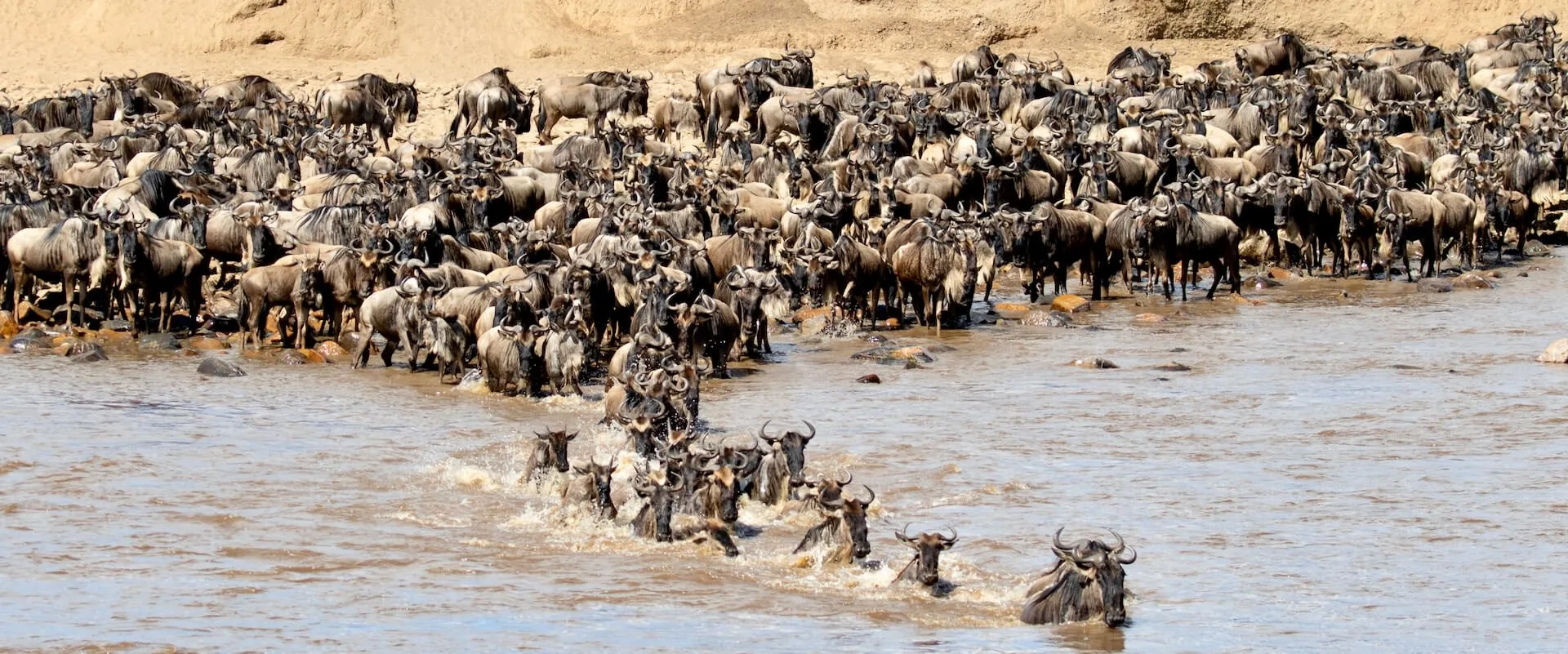
The Great Migration in Africa happens all year because the herds continuously circulate through the Serengeti–Mara ecosystem in…
Read article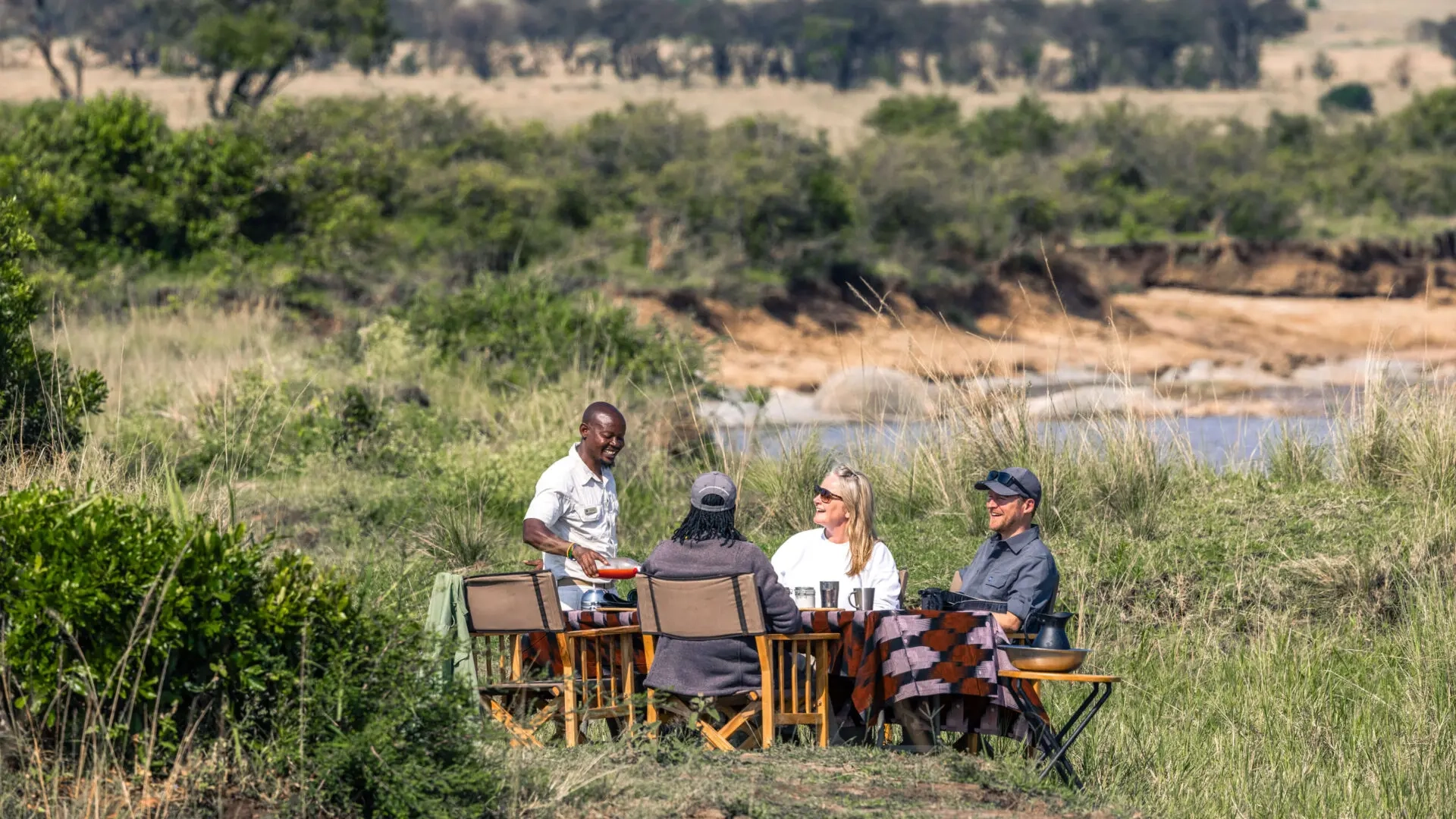
Definitive answer: A picnic lunch on safari is a packed or catered midday meal eaten at an approved…
Read article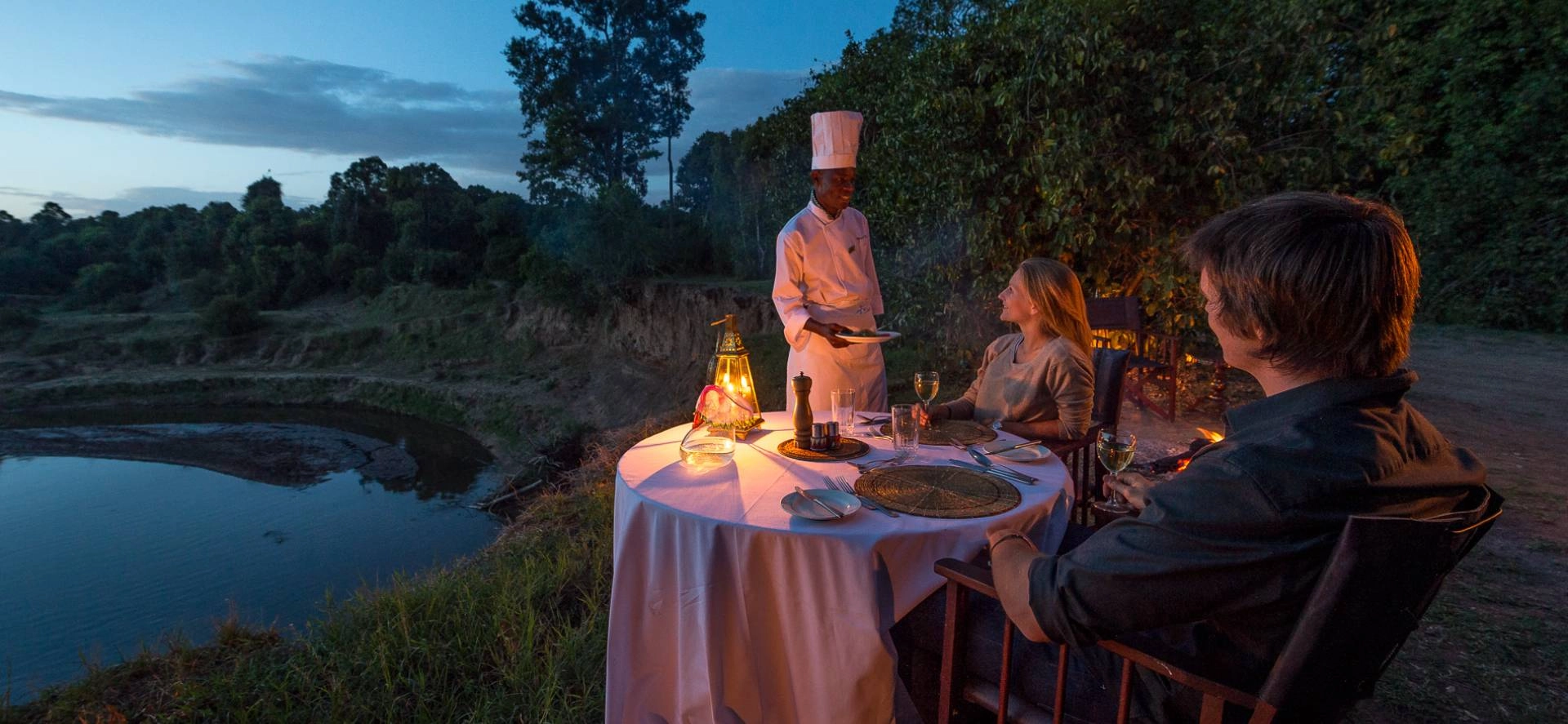
Definitive answer: A bush dinner is an outdoor evening meal arranged in a safe safari setting away from…
Read articleLet us take you closer to the wildlife, people and places that make Africa extraordinary.
Plan Your Safari Today