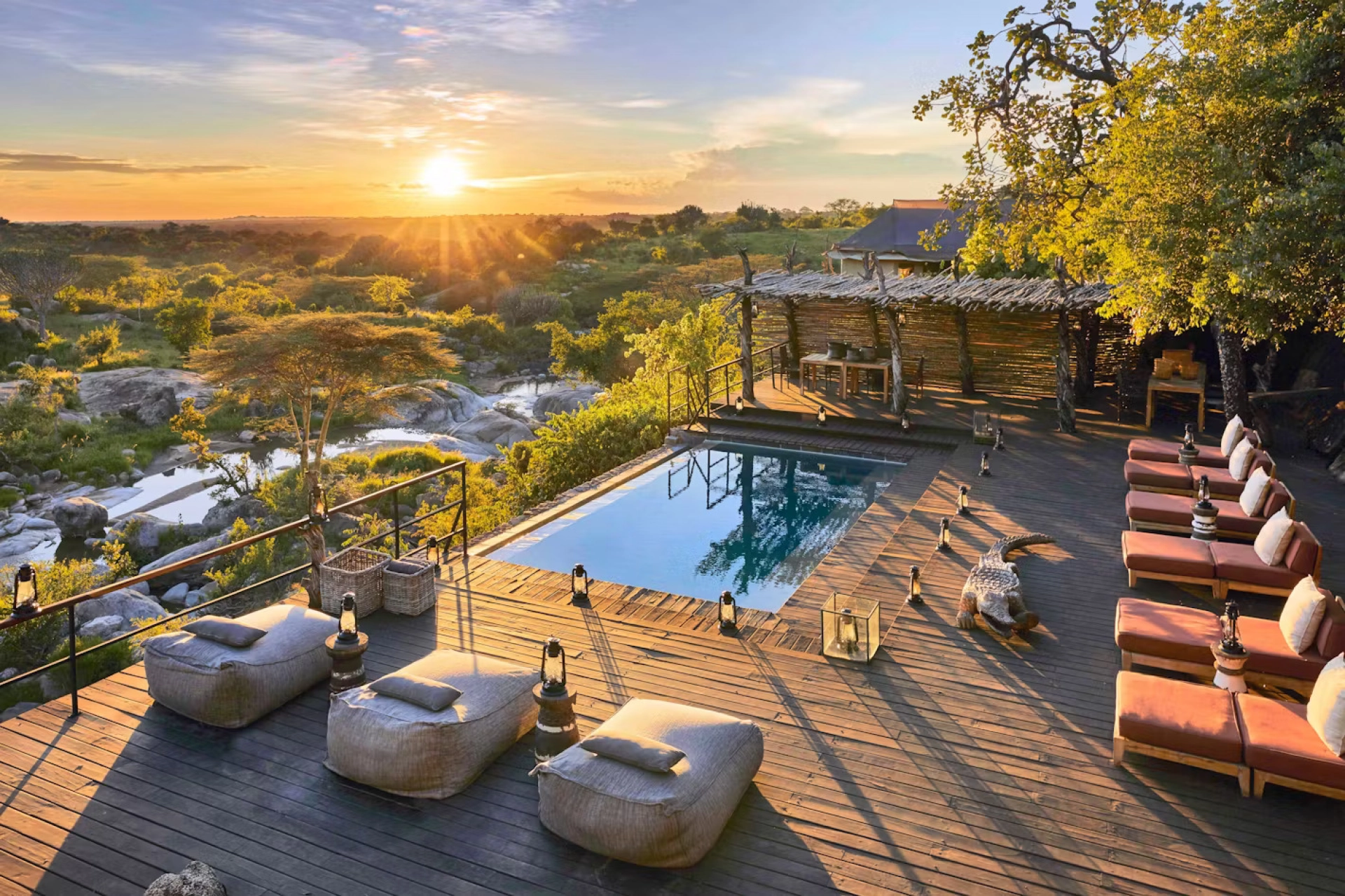
What should I look for when booking a luxury African safari?
When booking a luxury African safari, look beyond the room and compare the quality of guiding, wildlife location,…
Read article

Travel Guide
Africa's famous Big Five animals are usually discussed through the language of safari. Travellers ask where they can see lions. They compare the best destinations for leopards. They photograph elephants, search for rhinoceros and watch buffalo…
Africa’s famous Big Five animals are usually discussed through the language of safari. Travellers ask where they can see lions. They compare the best destinations for leopards. They photograph elephants, search for rhinoceros and watch buffalo herds crossing savannah. But African wildlife has never existed separately from African people. For thousands of years, communities across the continent have lived beside lions, elephants, buffaloes, leopards, rhinos and countless other species. Animals have influenced stories, identities, artistic traditions, place names, oral histories, livelihoods, beliefs and ideas about courage, authority, intelligence and the natural world.
The relationship is not simple. Wild animals can inspire admiration while simultaneously threatening crops or livestock. An elephant can be a powerful symbol and also destroy a farmer’s harvest in a single night. A lion may occupy an important place in storytelling while creating real risks for pastoral communities. Conservation can protect wildlife and tourism income while also creating difficult debates around land, access and the costs borne by communities living beside protected areas.
Understanding the connection between the Big 5 animals and African cultures therefore requires more than collecting attractive legends. Africa contains thousands of communities, languages and cultural traditions. There is no single “African culture,” just as there is no single European or Asian culture. The meaning of a lion in one society may be different from its meaning elsewhere. Traditions also change over time. This guide therefore explores broad themes connecting the lion, leopard, elephant, rhinoceros and African buffalo with selected African cultural traditions while avoiding the assumption that one story represents an entire continent.
It also examines how safari tourism, conservation and local communities are creating new relationships between people and wildlife today.
The expression Big Five did not originally describe Africa’s five largest animals. Giraffes and hippos would make such a list difficult to explain. Instead, the phrase emerged from colonial-era hunting terminology. It referred to lion, leopard, elephant, rhinoceros and African buffalo because these animals were regarded as particularly dangerous or challenging to hunt on foot. That history matters. Modern safari tourism has largely transformed the term. Today, travellers usually “hunt” the Big Five with cameras and binoculars.
The animals appear on tourism marketing, conservation campaigns and safari itineraries. For many visitors, completing the Big Five is a symbolic achievement. But African communities interacted with these animals long before the modern safari industry existed. To understand wildlife more deeply, travellers should look beyond the tourism label.
Humans everywhere use animals to think about human qualities. The eagle can represent power. The owl can represent wisdom. The fox may represent cleverness. African societies have similarly drawn meaning from animals living within their environments. Lions may become associated with courage or authority. Elephants can represent strength, memory, leadership or social bonds. Leopards may symbolise power, secrecy or prestige. Buffaloes can represent strength and danger. Rhinos can evoke power and resilience.
These meanings are not universal. A responsible cultural interpretation should always identify the particular community, region or historical context rather than claiming that “Africans believe” one thing.
Before wildlife documentaries, books or photography, knowledge travelled primarily through human observation and storytelling. People needed to understand animal behaviour. Knowing where predators moved could protect livestock and people. Understanding elephant movements could help communities avoid dangerous encounters. Recognising bird calls, tracks and seasonal changes provided practical environmental information. Stories therefore served multiple functions. They entertained. They communicated values. They explained relationships. And they could preserve ecological knowledge. In this way, wildlife became embedded in oral traditions because animals were part of everyday reality.
Few animals inspire as much symbolic power as the African lion. Its physical strength, roar and position as a major predator naturally attracted human attention. Across different historical African societies, lions have appeared in stories, names, praise traditions, artistic imagery and ideas associated with courage or authority. However, interpretations vary enormously by place.
The lion’s association with courage is easy to understand. A mature male appears physically imposing. Its roar can travel across the landscape. Lions can defend territories and confront other predators. Human societies observing this behaviour naturally developed metaphors connecting lions with bravery and strength. A respected leader or warrior might therefore be compared metaphorically to a lion.
The relationship between people and lions becomes more complicated where communities depend on livestock. Lions can prey on cattle, goats and other domestic animals. For a household whose wealth and food security depend on livestock, predator loss is not an abstract conservation issue. It is economic reality. This helps explain why modern lion conservation in Africa increasingly considers livestock protection, compensation, community participation and local economic benefits.
Protecting lions without considering the people living beside them is unlikely to produce sustainable conservation.
Lions continue appearing in national symbols, sports identities, company names and tourism branding. The animal’s cultural power has therefore not disappeared. It has evolved. Today, the lion can simultaneously represent wilderness, national pride, safari tourism and conservation.
Leopards have a different cultural presence. Where lions are conspicuous and vocal, leopards are secretive. They move quietly, climb trees and can remain hidden even in landscapes inhabited by people. This combination of beauty, danger and mystery has contributed to powerful symbolism in various African societies.
In several historical African contexts, leopard imagery or skins became associated with political authority, prestige or elite status. The exact meaning varied greatly between kingdoms and societies. The leopard’s symbolic appeal is understandable. It combines strength with control. It is powerful without being constantly visible. It moves independently. Such characteristics can become metaphors for leadership and authority.
Historically, animal skins and other wildlife materials were sometimes incorporated into ceremonial dress or symbols of rank. Modern conservation creates important questions around such traditions, particularly when species face pressure from habitat loss or illegal hunting. In some contexts, conservation organisations and communities have explored alternatives to wildlife-derived materials. This demonstrates an important principle: culture is not frozen in the past. Traditions can adapt while retaining meaning.
Elephants may have the richest symbolic potential of any Big Five animal. They are enormous yet highly social. They live for decades. Family relationships matter. Older individuals can hold important ecological knowledge. These characteristics naturally resonate with human ideas about leadership, age, family and wisdom.
Female elephants and their young often live in family groups. Experienced older females can influence decisions about movement and responses to threats. Human observers have long recognised the importance of elephant social bonds. This can encourage cultural comparisons between elephant families and human communities.
In some African historical traditions, elephants became associated with political authority or leadership. Their size and presence make the association obvious. But there is another dimension. Leadership among elephants is not simply about physical force. Experience and social knowledge matter. That provides a much richer metaphor than raw strength alone.
Elephant symbolism can sound romantic until one speaks with farmers living beside elephant habitat. An elephant can destroy crops rapidly. A herd can damage a household’s entire season of agricultural work. Human-elephant conflict is therefore one of modern African conservation’s most difficult challenges. Solutions may involve barriers, early-warning systems, land-use planning, community conservation, tourism revenue and other locally appropriate approaches. There is no single solution.
Safari tourism can create financial incentives for protecting elephant populations and habitat. Visitors travel internationally to see elephants in Uganda, Kenya, Tanzania, Botswana, Zimbabwe and other countries. Accommodation, guiding, park fees and associated tourism create economic activity. The challenge is ensuring benefits reach communities that live with the costs of wildlife conservation.
Rhinos differ from lions and elephants because their modern cultural story is heavily shaped by conservation. Illegal demand for rhino horn has placed enormous pressure on populations. As a result, the rhino has become an international symbol of the fight against wildlife trafficking.
Rhino horn consists primarily of keratin. Despite this, demand for horn in illegal markets has driven poaching. Conservation therefore requires far more than protecting individual animals. It involves law enforcement, demand reduction, protected-area management, intelligence work, international cooperation and community engagement.
The relationship between people and rhinos today includes rangers, researchers, tourism workers and local communities. Children growing up near protected areas may encounter rhinos through conservation education. Tourists may see rhinos and learn about anti-poaching work. Communities may participate in tourism or conservation programmes. This creates new cultural relationships with wildlife. The rhino is no longer simply an animal in the landscape. It can become a symbol of what societies are willing to protect.
The African buffalo may receive less cultural attention from international tourists than lions or elephants, but communities living within buffalo habitat understand its power. A buffalo is physically formidable. Large bulls have heavy horns and muscular bodies. Herds can respond collectively to danger.
These characteristics naturally create associations with strength and resilience.
Safari guides often speak about buffaloes with particular respect. That attitude reflects practical knowledge. Wild animals should never be judged only by appearance. Buffaloes demonstrate how experience teaches people to interpret behaviour and maintain appropriate distance. Traditional ecological knowledge frequently develops through exactly this kind of long-term observation.
The Big Five are a tourism concept. African cultural relationships with animals extend far beyond them. Gorillas, chimpanzees, crocodiles, snakes, birds, antelopes, hyenas and countless other animals appear in local stories, names and ecological knowledge. In many places, smaller animals may hold cultural significance that international visitors never recognise. This is why a cultural safari in Africa should not simply ask communities to explain the Big Five. It should allow local people to determine which animals, places and stories matter within their own traditions.
Uganda provides an excellent example of the evolving relationship between wildlife conservation and neighbouring communities. Bwindi Impenetrable National Park is internationally famous for mountain gorillas. Visitors travel from around the world for gorilla trekking in Uganda. Yet people have lived around Bwindi’s forests for generations. Modern conservation therefore operates within a human landscape. Communities surrounding the park interact with tourism through accommodation, guiding, cultural activities, employment, agriculture, crafts and other services.
The long-term success of gorilla conservation is closely connected to whether local people experience meaningful benefits from protecting the forest.
Gorilla permits generate significant conservation and tourism revenue. Tourism creates jobs for guides, trackers, porters, lodge workers, drivers and many other people. Visitors also purchase food, crafts and services. This demonstrates how a living wild animal can acquire economic value without being killed. But tourism must be managed carefully. Gorillas are vulnerable to human disturbance and disease transmission. Rules governing trekking distance, group size, health and behaviour exist to protect them.
Responsible tourism therefore connects wildlife experience with conservation ethics.
Uganda’s Kibale National Park provides another example. Chimpanzee trekking brings travellers into tropical forest landscapes that support both wildlife and surrounding human communities. Local tourism enterprises, guides and accommodation can benefit from visitors. At the same time, forest conservation may influence access to land and natural resources. The relationship between people and protected areas is therefore complex. A responsible safari operator should present conservation honestly rather than pretending there are never trade-offs.
In some African societies, particular animals are connected with clan identities or totemic traditions. These systems can influence how people understand relationships between humans, animals and ancestry. The exact rules vary widely. A particular clan may have traditions concerning an animal that do not apply to neighbouring communities. This is precisely why generalisations should be avoided. Travellers interested in clan or totem traditions should learn directly from knowledgeable members of the relevant community.
Potentially. Cultural rules that discourage harming particular animals can sometimes contribute indirectly to species protection. However, it would be simplistic to claim that all totemic systems function as conservation programmes. Their primary meaning may be social, spiritual, historical or genealogical rather than ecological. Conservation benefits can be a consequence rather than the original purpose.
Animal metaphors are common in human languages worldwide. African oral traditions are no exception. Animals provide useful characters because listeners already understand their perceived qualities. A lion can represent strength. A hare may represent cleverness. A tortoise may represent patience. A hyena might appear in stories concerning appetite or social behaviour. But the meaning changes according to the story and cultural context. These stories should not be extracted from communities and presented as generic “African folklore.”
The storyteller, language and place matter.
A safari can become shallow when animals are treated only as photographic subjects. Cultural context adds another layer. An elephant is simultaneously a biological organism, an ecological engineer, a tourism attraction, a potential crop-raiding threat and a cultural symbol. A lion can be a predator, a metaphor for courage, a source of tourism income and a threat to livestock. Understanding these overlapping identities produces a more realistic picture of conservation.
People who live near wildlife often develop detailed environmental knowledge. Pastoralists observe grazing conditions. Farmers recognise seasonal animal movements. Fishers understand river behaviour. Forest communities identify plants and animal signs. This knowledge develops through repeated interaction with landscapes over generations.
Modern conservation science and traditional ecological knowledge do not always use the same language, but both can contribute valuable information. Increasingly, effective conservation recognises the importance of involving local communities rather than treating them simply as outsiders to protected areas.
Any discussion of wildlife and African cultures should acknowledge that conservation history is complicated. Some protected areas were established or expanded during colonial periods using approaches that excluded or displaced local communities. Later conservation models sometimes continued strict separation between people and wildlife. Modern conservation increasingly recognises the need to address community rights, local livelihoods and benefit sharing. This does not mean protected areas are unnecessary. Africa’s national parks conserve extraordinary biodiversity.
But sustainable conservation is stronger when communities are partners rather than simply bearing costs.
Kenya provides important examples of community-based wildlife conservation. In several regions, conservancy models connect wildlife tourism with landowners and local communities. Safari tourism can generate lease payments, employment and other benefits. The model is not identical everywhere and should not be romanticised. Challenges remain. But it demonstrates an important shift. Wildlife conservation does not always require treating people and animals as belonging to completely separate landscapes.
Uganda’s safari destinations also provide opportunities for community tourism. Around Bwindi, visitors may participate in cultural experiences organised with local communities. Elsewhere, tourism can support craft makers, guides, accommodation workers and food producers. The quality of cultural tourism depends heavily on how it is designed. The best experiences are respectful exchanges rather than staged performances created only to satisfy tourist stereotypes.
Travellers should approach cultural experiences with the same respect they expect when visiting another person’s home. People are not safari attractions. A community visit should not reduce individuals to costumes, photographs or simplified stories. Good cultural tourism allows communities to control how they present their history and traditions. Photography should be respectful. Permission matters. Fair payment matters. Authenticity does not mean expecting people to live exactly as their ancestors did.
Modern African communities use smartphones, attend universities, run businesses and participate in global culture while maintaining traditions. Culture evolves.
The Maasai are among the African peoples most frequently associated internationally with safari landscapes in Kenya and Tanzania. Their pastoral traditions developed within ecosystems that also support major wildlife populations. Today, Maasai communities interact with wildlife tourism in multiple ways. Some participate in conservancies. Others work as guides, lodge staff or tourism entrepreneurs. Cultural visits are offered in many safari regions. However, travellers should avoid treating all Maasai people as identical or assuming that tourism performances represent every aspect of contemporary Maasai life.
Pastoral communities across Africa depend heavily on livestock. This creates both connections and conflicts with wildlife. Cattle and wild herbivores may share grazing landscapes. Predators may attack livestock. Drought can intensify competition for water. Conservation solutions therefore need to understand pastoral economies. Protecting lions while ignoring livestock losses is unlikely to create lasting local support. Successful predator conservation may involve better livestock enclosures, herding practices, compensation or tourism revenue.
Elephants create one of the clearest examples of the costs of living beside wildlife. A safari visitor may spend thousands of dollars hoping to see an elephant. A farmer may spend the same evening hoping elephants do not enter a field. Both perspectives are legitimate. Modern elephant conservation must therefore address crop damage and human safety. Different projects have tested deterrents, barriers, land-use planning and community response systems. There is no universal solution.
Local conditions matter.
Large carnivore conservation presents similar challenges. A lion that kills cattle may represent a serious financial loss. Retaliatory killing can then threaten predator populations. Conservation programmes increasingly work with communities to reduce livestock vulnerability and create economic benefits associated with living predators. Safari tourism can contribute when revenue reaches local people. This is one reason choosing responsible African safari operators and lodges matters.
African societies are not frozen in a historical moment. A lion’s meaning today may include conservation, tourism and national identity in addition to older stories. Young people living near parks may see wildlife as a source of employment. Others may see restrictions associated with protected areas. Some become wildlife guides, researchers or conservationists.
Modern wildlife culture therefore includes both tradition and change.
A great safari guide does more than identify species. Guides interpret landscapes. They explain animal behaviour, ecology, history and local relationships with wildlife. A knowledgeable Ugandan guide might explain not only how elephants behave but also how communities around a park experience elephants. In Kenya, a guide may discuss conservancy structures and pastoral landscapes. In Rwanda, guides may explain how tourism and conservation transformed mountain gorilla protection. This context can turn safari from sightseeing into education.
Animals continue influencing African art. Painters, sculptors, photographers, textile designers and other artists interpret wildlife through contemporary perspectives. Some work directly with conservation themes. Others use animals symbolically. Safari travellers interested in culture should consider purchasing work from local artists and legitimate craft producers. This can support creative economies while providing a more meaningful souvenir than mass-produced wildlife merchandise.
Several African countries use wildlife prominently in tourism and national imagery. Animals appear on currencies, coats of arms, stamps, company logos and sports identities. The exact symbolism differs. Wildlife therefore occupies both ecological and political-cultural spaces. An animal can represent a national conservation success while simultaneously existing within a local community’s everyday landscape.
The Big Five remains useful because travellers recognise it. But it can also narrow attention. Africa’s ecosystems contain thousands of species. Focusing excessively on lion, leopard, elephant, rhino and buffalo may cause visitors to ignore wild dogs, cheetahs, giraffes, primates, birds and smaller creatures. Cultural interpretation suffers from the same problem. Communities may have stronger historical relationships with animals that international tourism considers less glamorous. A deeper safari moves beyond the Big Five.
Uganda is particularly suitable for travellers interested in combining wildlife and cultural experiences. A Uganda gorilla safari can include Bwindi, community visits, local food experiences and additional national parks. Travellers can continue to Queen Elizabeth National Park for savannah wildlife and Kazinga Channel boat safaris. Kibale provides chimpanzee trekking. Murchison Falls combines Nile landscapes and traditional safari wildlife. The result is a journey connecting rainforest, savannah, wildlife and people.
Kenya provides another strong example. The Masai Mara is not simply wildlife habitat. It forms part of a broader landscape shaped by pastoralism, conservation, tourism and migration. Private and community conservancies around the Mara have created different models of land use. Northern Kenya provides further examples where community conservancies protect wildlife while supporting tourism. Understanding these relationships adds depth to a Kenya safari.
Tanzania’s northern safari circuit also demonstrates the relationship between people and wildlife. The wider Ngorongoro Conservation Area differs from a conventional national park because conservation and human land use intersect within the broader landscape. The Serengeti ecosystem is similarly connected to surrounding communities and pastoral areas. A Tanzania safari becomes more meaningful when visitors understand that wildlife boundaries on maps do not always reflect ecological or cultural boundaries on the ground.
Rwanda’s mountain gorillas have become internationally important symbols of conservation tourism. Volcanoes National Park attracts visitors from around the world. Tourism contributes to a wider economy involving guides, accommodation, transport and communities around the park. Rwanda also demonstrates how wildlife tourism can become part of national destination branding. Yet the core challenge remains ensuring that conservation creates benefits broad enough to maintain long-term public support.
Travellers can make cultural experiences more respectful by following a few principles. Ask before photographing people. Use local guides. Purchase directly from legitimate local artisans where practical. Avoid bargaining so aggressively that the transaction becomes disrespectful. Do not distribute sweets, money or gifts randomly to children. Support structured community initiatives instead. Listen more than you speak. Most importantly, do not arrive expecting communities to perform a version of “traditional Africa” created by foreign imagination.
This may be the most important lesson connecting the Big Five and African cultures. Wildlife does not survive because tourists admire it. It survives because ecosystems remain intact and because governments, conservation organisations, rangers and communities make thousands of decisions that allow wildlife to continue existing. Local people often bear substantial costs. They may lose crops to elephants. They may lose livestock to predators. They may face restrictions on land or resources.
Tourism and conservation therefore need to generate meaningful benefits. Jobs matter.
Revenue sharing matters. Education matters. Infrastructure matters. Respect matters. Without local support, wildlife conservation becomes far more difficult.
Well-managed safari tourism creates economic value around living wildlife. Park fees support protected areas. Gorilla permits help fund conservation systems. Safari lodges employ staff. Tour operators employ guides and drivers. Farmers supply food. Artisans sell products. Communities can receive revenue through different conservation and tourism arrangements. This does not mean tourism automatically solves every problem. Revenue can be distributed unevenly. Poorly managed tourism can create environmental pressure. But responsible tourism can become a powerful conservation tool.
Travellers should ask meaningful questions. Does the operator employ qualified local guides? Does the lodge work constructively with neighbouring communities? Are wildlife-viewing rules respected? Does the itinerary avoid exploitative cultural experiences? Does tourism revenue contribute to conservation or local livelihoods? Price matters when choosing a safari. But values matter too.
Wildlife is usually described as natural heritage. That is true. But animals also occupy cultural landscapes. Stories, language, art, livelihoods and identities have developed around them. The lion exists in ecology and metaphor. The elephant exists in forest and memory. The leopard exists in woodland and historical symbolism. The rhino exists in protected habitat and modern conservation consciousness. The buffalo exists in savannah and in generations of practical knowledge about dangerous wildlife.
Recognising both dimensions produces a deeper understanding of Africa.
A great safari should teach you more than the names of animals. It should help you understand the landscapes that support them and the people who live alongside them. The Big 5 animals and African cultures are connected through histories much older than modern safari tourism. Lions have inspired stories of courage. Elephants have represented strength and social bonds. Leopards have appeared in symbols of authority. Buffaloes have commanded practical respect.
Rhinos have become powerful symbols of modern conservation. But today’s most important relationship between people and wildlife may be economic and ecological. Can communities benefit sufficiently from conservation to continue supporting wildlife? Can tourism protect habitat while respecting local culture? Can visitors appreciate animals without reducing African landscapes to wilderness supposedly empty of people? These questions make safari more interesting, not less. Adventure in the Wild Safaris creates personalised Uganda safaris, gorilla trekking tours, Rwanda journeys, Kenya wildlife safaris and multi-country East African adventures that can combine wildlife with responsibly selected cultural experiences.
In Uganda, a journey might connect Bwindi gorilla trekking with local community experiences, continue to Queen Elizabeth National Park for lions and elephants, and travel onward to Kibale for chimpanzees. Longer itineraries can add Rwanda, Kenya or Tanzania. The Big Five are among Africa’s most famous animals. Understanding the human stories surrounding wildlife reveals an even larger and more fascinating Africa.

Get quick answers to the most common questions. If you still have questions, our safari experts are here to help.
The Big Five are lion, leopard, African elephant, rhinoceros and African buffalo.
The phrase originated historically from hunting terminology describing five animals considered particularly dangerous and difficult to hunt on foot. Today, the term is primarily associated with photographic safari tourism.
No. Africa contains thousands of communities and traditions. Animal symbolism varies significantly between societies, regions and historical periods.
In some contexts lions have been associated with courage, strength or authority, but meanings differ between communities. There is no single universal African interpretation.
Elephants can be associated with strength, leadership, family or wisdom in certain traditions, but cultural meanings vary widely.
In some historical African societies, leopard imagery has been connected with prestige, leadership or power. These associations are culturally specific rather than continent-wide.
Some African societies have clan or totemic traditions involving animals, but systems vary greatly and should be understood within their specific cultural context.
Tourism can create employment, demand for local products and services, conservation revenue and community income. The scale and distribution of benefits vary between destinations and projects.
Communities living beside wildlife often bear costs such as crop damage and livestock loss. Long-term conservation is stronger when those communities participate in decision-making and receive meaningful benefits.
Yes. Uganda, Kenya, Tanzania, Rwanda and other destinations provide opportunities to combine national parks with community and cultural experiences.
Not automatically. It should be community-led, respectful and economically fair. Poorly designed cultural tourism can reinforce stereotypes or exploit participants.
Uganda’s Bwindi region is particularly suitable because travellers can combine regulated mountain gorilla trekking with responsibly organised community experiences.
Our safari experts are here to help you plan your safari. Get personalized advice, the latest information and a free, no-obligation quote.
We typically reply within a few hours.

Share This Article
When booking a luxury African safari, look beyond the room and compare the quality of guiding, wildlife location,…
Read article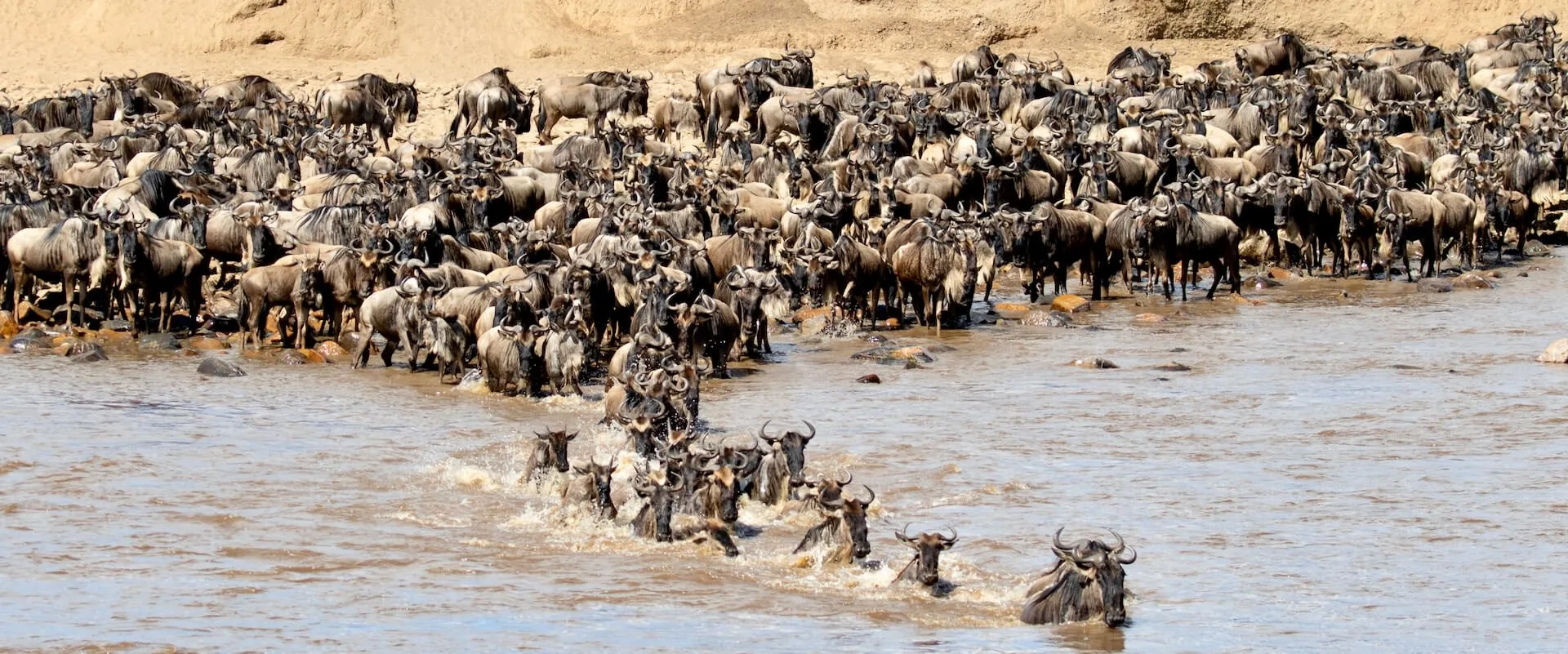
The Great Migration in Africa happens all year because the herds continuously circulate through the Serengeti–Mara ecosystem in…
Read article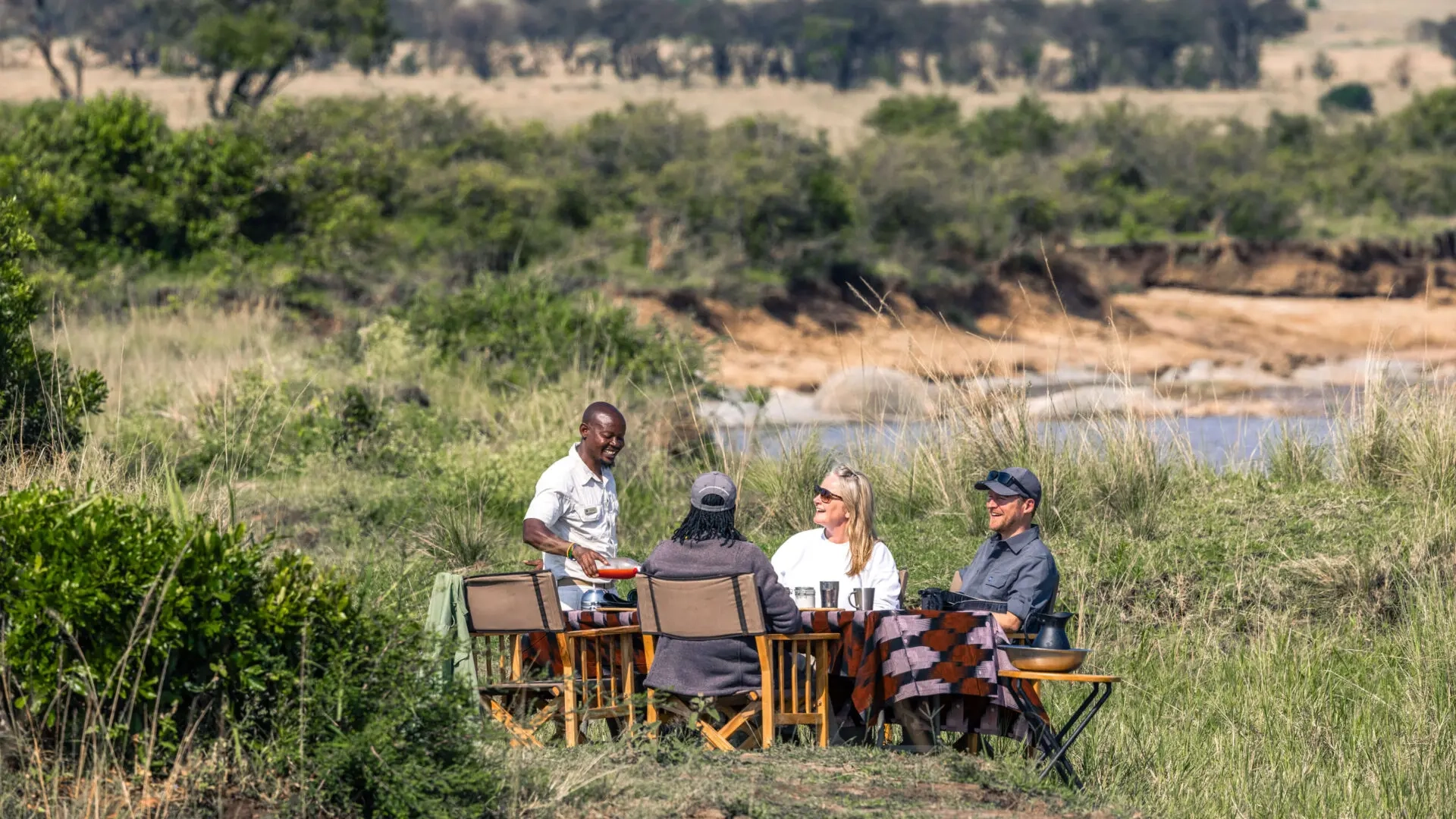
Definitive answer: A picnic lunch on safari is a packed or catered midday meal eaten at an approved…
Read article
Definitive answer: A bush dinner is an outdoor evening meal arranged in a safe safari setting away from…
Read articleLet us take you closer to the wildlife, people and places that make Africa extraordinary.
Plan Your Safari Today