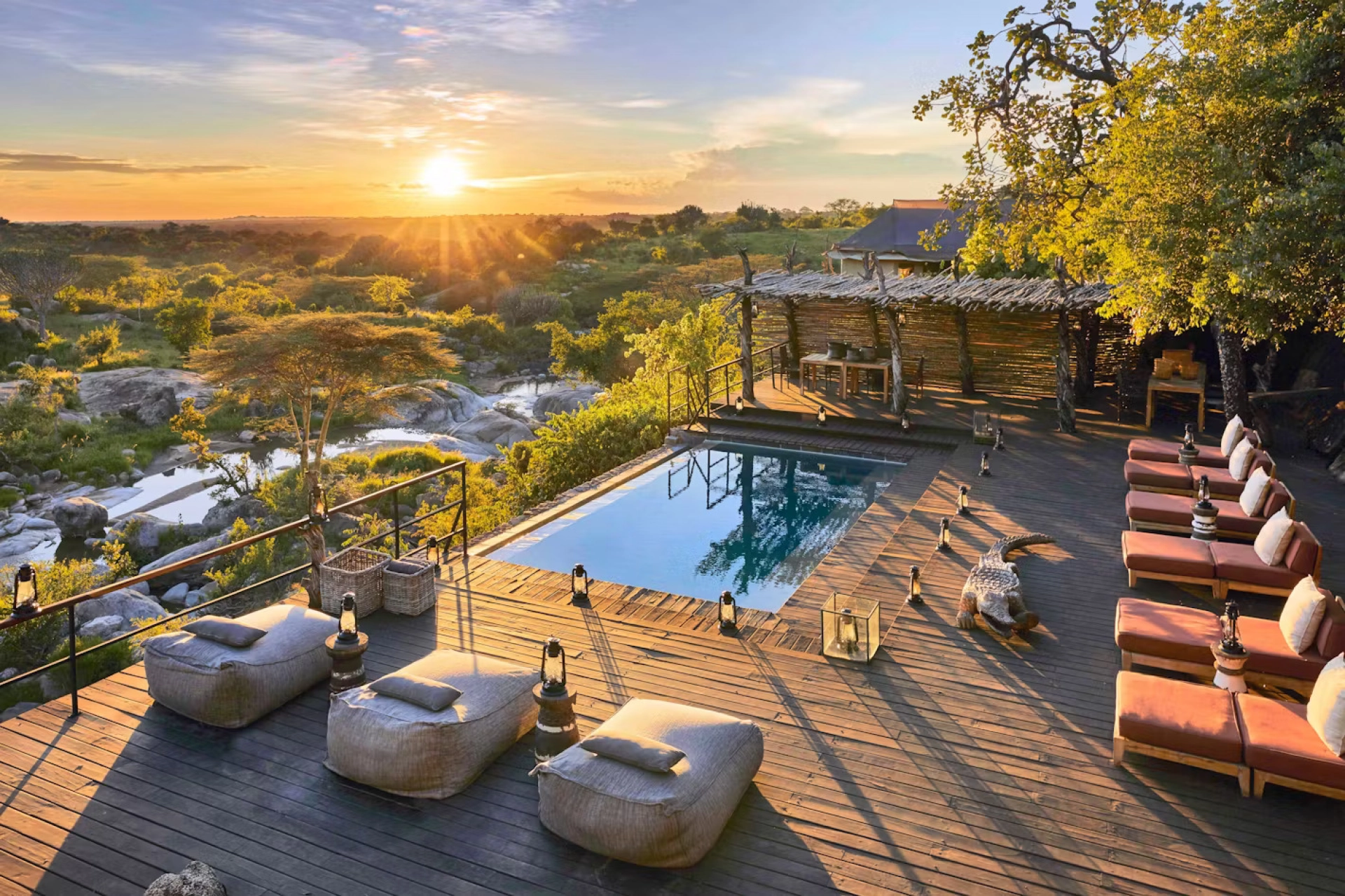
What should I look for when booking a luxury African safari?
When booking a luxury African safari, look beyond the room and compare the quality of guiding, wildlife location,…
Read article

Travel Guide
A Big 5 Kenya safari is one of the classic wildlife adventures in Africa. Few countries have contributed more strongly to the global image of safari than Kenya, where vast grasslands, acacia-dotted plains, snow-capped mountain backdrops…
A Big 5 Kenya safari is one of the classic wildlife adventures in Africa. Few countries have contributed more strongly to the global image of safari than Kenya, where vast grasslands, acacia-dotted plains, snow-capped mountain backdrops and predator-rich ecosystems have attracted travellers, wildlife photographers and naturalists for generations. The Big Five animals in Kenya are the African lion, African leopard, African elephant, rhinoceros and African buffalo. All five occur in Kenya, but that does not mean every national park provides an equal chance of seeing them.
A traveller who spends several days in the Masai Mara National Reserve may enjoy outstanding lion, leopard, elephant and buffalo sightings but need luck to encounter rhino. A visitor to Lake Nakuru National Park may have stronger opportunities for rhinos but will experience a very different landscape and safari style. Meanwhile, conservancies and wildlife areas in Laikipia have become increasingly important for rhino conservation and high-quality private safari experiences. This is why planning the best Big Five safari in Kenya requires more than simply booking the country’s most famous reserve.
The strongest itinerary combines complementary ecosystems. The Masai Mara may provide predators and classic savannah scenery. Lake Nakuru can strengthen rhino possibilities. Amboseli adds elephants and Mount Kilimanjaro. Samburu introduces unusual northern species, while Laikipia provides conservation-focused safari experiences. This detailed guide explains where to see the Big Five in Kenya, which parks are strongest for each animal, when to travel, how long to spend on safari and how to combine Kenya with other East African wildlife destinations.
The term Big Five refers to: African lion African leopard African elephant Rhinoceros African buffalo The expression originated during the hunting era and described animals considered particularly difficult and dangerous to hunt on foot. Fortunately, the meaning has changed. Today, the Big Five are associated primarily with photographic safaris, conservation and wildlife tourism. Seeing all five animals has become an informal goal for many first-time safari visitors. But the Big Five should be treated as the beginning of Kenya’s wildlife story rather than its conclusion.
Kenya is also home to cheetahs, giraffes, zebras, hippos, crocodiles, spotted hyenas, African wild dogs, wildebeest, numerous antelopes and hundreds of bird species. Northern Kenya adds specialised wildlife such as Grevy’s zebra and reticulated giraffe. A safari focused only on five species would miss much of what makes Kenya extraordinary.
Kenya’s greatest advantage is diversity. The country contains open savannah, mountain ecosystems, semi-arid northern landscapes, lakes, forests and Indian Ocean coastline. Wildlife areas are spread across these habitats. The Masai Mara ecosystem supports an extraordinary predator population. Amboseli National Park is famous for elephants. Lake Nakuru and Laikipia are important for rhinos. Tsavo contains vast wilderness and famous elephant populations. This allows a Kenya safari itinerary to be built around several complementary wildlife experiences.
Kenya also has a long safari tradition. Professional guides, safari camps, conservancies and established transport networks make it one of Africa’s most accessible wildlife destinations.
For most international travellers, the Masai Mara is the first place that comes to mind when discussing safari in Kenya. The reserve forms part of the wider Serengeti-Mara ecosystem and is characterised by rolling grasslands, river systems and wildlife-rich plains. The Mara is particularly famous for predators. Lions are frequently encountered. Leopards inhabit suitable riverine and woodland areas. Cheetahs use open plains to hunt gazelles and other prey. Spotted hyenas are widespread.
Elephants and buffaloes are also commonly encountered. Rhinos are present within the wider ecosystem but are far less predictable than the other traditional Big Five animals. Therefore, while the Masai Mara can potentially provide the Big Five, travellers should not assume that every three-day Mara safari automatically delivers all five.
The Mara is one of Africa’s premier lion destinations. Open grasslands make lions relatively visible compared with densely wooded ecosystems. Prides may be seen resting during the day, interacting socially or watching herds. Early mornings can be especially productive. Cool temperatures encourage greater activity, and the light is excellent for photography. A lion pride framed against open Kenyan plains is one of the defining images of an East Africa safari.
Leopards are more secretive. They often use riverine woodland and trees for cover. Experienced guides search for tracks, alarm calls and the reactions of prey animals. A leopard resting on a tree branch is a spectacular sight, but sightings can never be guaranteed.
Elephants move across the ecosystem in family groups. Visitors may see them feeding in woodland, crossing plains or moving near rivers. Although Amboseli is generally more famous specifically for elephants, Mara elephant encounters can be outstanding.
African buffaloes occur throughout suitable Mara habitat. Large herds can attract lions, creating dramatic predator-prey interactions. Old bulls may be found alone or in smaller groups.
Rhinos are the most difficult of the Big Five to find reliably in the Mara. This is one reason serious Big Five itineraries often combine the Mara with another Kenyan rhino destination.
The greater Mara ecosystem includes a network of conservancies adjoining the national reserve. These areas have become increasingly important to Kenya’s modern safari model. Many conservancies operate with lower vehicle densities and provide safari camps with a more exclusive atmosphere. Depending on conservancy regulations, activities may include options not generally available in the national reserve. The exact experience varies, so travellers should understand where their accommodation is located and what access arrangements apply.
Staying inside or close to the main reserve can be advantageous for travellers whose priority is migration activity within particular regions. Conservancies may offer quieter wildlife viewing and greater flexibility. Many excellent itineraries combine the two. For example, travellers might stay in a conservancy but arrange access to the national reserve when appropriate.
If elephants are your favourite Big Five animal, Amboseli National Park should be high on your list. Amboseli is famous for large elephant herds and the possibility of photographing them with Mount Kilimanjaro in the background. Kilimanjaro itself lies across the border in Tanzania, but Kenya’s Amboseli provides some of the mountain’s most celebrated views.
The Amboseli ecosystem has supported decades of elephant research. Some elephants are individually known to researchers, allowing scientists to study family relationships, reproduction and social behaviour over long periods. For visitors, this means sightings are not simply about seeing elephants. A knowledgeable guide can explain family structure, age, behaviour and communication. Watching a matriarch lead a herd across dusty plains beneath Kilimanjaro can become one of a Kenya safari’s defining moments.
Amboseli is excellent for several major mammals, but it should not be chosen solely as the easiest place to complete a Big Five checklist. Its real strength is elephants, landscapes and broader wildlife. Combining Amboseli with the Masai Mara and a rhino-focused destination creates a more comprehensive Kenya safari.
Lake Nakuru National Park is an important stop for travellers specifically interested in rhinoceros. Both black and white rhinos have been protected within the ecosystem. The park’s relatively compact size can make wildlife viewing productive. Lake Nakuru is also associated with birdlife. Historically, enormous flamingo concentrations made the lake globally famous, although numbers vary according to water conditions and ecological changes. Visitors may also encounter buffaloes, giraffes, zebras, baboons and predators.
Rhinos are often the most difficult Big Five animal for visitors to see in Kenya. Including a strong rhino conservation area can therefore improve the overall itinerary. Lake Nakuru also breaks up overland journeys between different regions. Rather than treating it as a box to tick, allow enough time to appreciate its lake, woodland and wildlife.
The Laikipia Plateau has become one of Kenya’s most interesting conservation landscapes. Private and community conservancies protect important wildlife habitat while developing tourism models that can directly support conservation and local livelihoods. Laikipia is particularly important for rhino conservation. Depending on the conservancy, visitors may have excellent opportunities to learn about both black and white rhinos. The safari experience can be more intimate than in heavily visited national reserves. Some properties offer walking, night drives and other activities according to conservancy regulations.
Laikipia is particularly attractive to repeat safari travellers and visitors interested in conservation beyond simply photographing animals.
Together, the Tsavo ecosystem covers an enormous area of southeastern Kenya. Tsavo is famous for vast landscapes and elephants, including animals that may appear reddish after dust bathing in the region’s distinctive soils. The scale of the ecosystem creates a very different safari experience from the Masai Mara. Wildlife may be more widely dispersed, and spotting animals can require patience. But the sense of wilderness can be extraordinary.
One major advantage of Tsavo is its position relative to Kenya’s coast. Travellers can combine safari with Diani Beach, Mombasa or other Indian Ocean destinations. This makes Tsavo particularly useful when designing a Kenya safari and beach holiday.
Samburu National Reserve lies in a drier part of northern Kenya. Its landscape differs dramatically from the Masai Mara. The Ewaso Nyiro River provides a vital water source, attracting elephants and other wildlife. Predators include lions and leopards. But Samburu’s greatest appeal may be the combination of familiar safari animals with species associated particularly with northern Kenya. These include Grevy’s zebra, reticulated giraffe, gerenuk, Somali ostrich and beisa oryx. For travellers who have already experienced a classic southern Kenya safari, Samburu provides excellent ecological variety.
The Masai Mara is generally the strongest answer. Its combination of prey abundance and open habitat supports excellent lion viewing. Prides can often be observed relatively easily compared with more densely vegetated parks. However, lions occur in numerous Kenyan ecosystems, including Amboseli, Tsavo and Samburu. Safari quality depends on much more than species presence.
A good guide, sufficient time and early starts significantly improve the experience.
Leopards are widespread but secretive. The Masai Mara provides excellent possibilities, particularly around riverine habitat. Samburu can also produce memorable leopard encounters. Because leopards are solitary and highly camouflaged, no Kenyan destination can guarantee a sighting. Experienced guides pay attention to alarm calls from monkeys, antelopes and birds, along with tracks and other signs.
Amboseli National Park is arguably Kenya’s most iconic elephant destination. The combination of large elephant herds and Kilimanjaro creates extraordinary photography. Tsavo also supports important elephant populations and provides a much wilder sense of scale. The Masai Mara and Samburu can also produce excellent elephant sightings. If elephants are your primary wildlife interest, consider combining Amboseli with another major park.
Rhino-focused travellers should consider Lake Nakuru and selected Laikipia conservancies. Other protected areas also support rhinos, but viewing opportunities vary. Because rhinos face significant conservation pressures, information about exact populations and locations should always be treated responsibly. Seeing a rhino should be understood within the larger story of conservation rather than simply as completing the Big Five.
Buffaloes occur in many Kenyan parks. The Masai Mara provides excellent opportunities. Large herds may also be encountered in other suitable ecosystems. Buffaloes deserve more attention than they sometimes receive. Their social structure, relationship with predators and sheer physical power make them fascinating animals to observe.
There is no single perfect itinerary, but travellers wanting a strong chance of varied Big Five viewing should combine complementary destinations. A classic route might include Amboseli, Lake Nakuru and the Masai Mara. Amboseli provides elephants and Kilimanjaro scenery. Lake Nakuru strengthens rhino possibilities. Masai Mara delivers outstanding predators, buffaloes, elephants and open-plains wildlife. Travellers with more time can add Samburu or Laikipia. This creates a much richer experience than spending the entire holiday searching for the same five animals.
A week provides enough time for a focused Kenya safari, although travel distances need to be managed carefully. A possible journey might begin in Nairobi and continue toward Amboseli. After enjoying elephants and Kilimanjaro scenery, travellers move through Kenya’s highlands toward Lake Nakuru. The journey then continues to the Masai Mara for several nights of intensive wildlife viewing. This route provides excellent diversity. However, driving times can be substantial. Flying selected sectors can reduce road time when budget allows.
Ten days allows a more relaxed itinerary. Travellers can spend longer in the Masai Mara rather than rushing after one or two game drives. Laikipia or Samburu can be added. Alternatively, the extra days can be used for a conservancy stay. Longer itineraries generally produce better safari experiences because wildlife does not operate according to visitor schedules. An extra morning can make the difference between missing a leopard and observing one for an hour.
The Great Wildebeest Migration adds another dimension to Kenya safari planning. Large numbers of wildebeest and zebras may move into the Masai Mara from Tanzania during parts of the annual migration cycle. The famous Mara River crossings can occur when herds attempt to move between grazing areas. However, river crossings cannot be scheduled like a theatre performance. Animals may gather near the river for hours or days before crossing. They may turn around.
They may cross somewhere inaccessible. Rainfall affects movement. A responsible safari planner therefore describes likely seasonal patterns rather than promising a crossing on a specific date.
Kenya provides excellent safari opportunities throughout much of the year. The dry seasons are popular because wildlife can be easier to observe as vegetation thins and animals concentrate around available water. Approximately June through October is a major safari period in many destinations. January and February can also provide excellent conditions. The wetter periods create greener landscapes, excellent birding and often lower visitor numbers. The best month depends on whether your priority is Big Five viewing, migration activity, photography, price or avoiding crowds.
January is often a strong safari month. Conditions can be relatively dry in many regions. Wildlife viewing is excellent, and landscapes may retain attractive green elements after earlier rains. This can be a particularly good period for travellers who want excellent safari conditions without targeting the Mara migration season.
February can also provide excellent wildlife viewing.
Weather is often warm and relatively dry. Predators remain active throughout Kenya’s major reserves. Photographers may appreciate the mixture of dry-season visibility and good light.
March can mark a transition toward wetter conditions. Rainfall timing varies. The advantage can be fewer visitors and greener landscapes. Travellers willing to accept changing weather may find excellent value.
April and May are generally associated with the long rains. Some roads can become difficult. Certain camps may close temporarily. Visitor numbers decrease substantially in some areas. However, wildlife remains. The landscape becomes intensely green. For photographers and repeat visitors, this period can be beautiful. Safari costs may also be lower where seasonal rates apply.
June is an excellent transitional month. Rain generally decreases, landscapes can remain green and visitor numbers begin increasing. Wildlife viewing is strong. For travellers not dependent on migration river crossings, June can offer a very attractive balance.
July is a major safari month. Dry conditions improve visibility, and migration activity may begin becoming increasingly important in the Mara ecosystem depending on annual rainfall and herd movement. International visitor numbers increase. Accommodation in popular locations should be reserved early.
August is one of the most popular months for a Masai Mara safari. Large migration herds may be present within the ecosystem. Predator activity can be extraordinary because of abundant prey. However, popularity has consequences. Vehicle numbers around dramatic sightings can be high. Choosing a well-located camp and experienced guide becomes especially important.
September remains excellent. Migration activity may continue in the Mara. Dry conditions support productive wildlife viewing. Visitor numbers can remain significant but may begin changing later in the month. For photographers, September can provide classic golden savannah landscapes.
October can remain productive as the dry period transitions toward short rains. Migration herds may gradually begin shifting according to rainfall patterns. Wildlife remains excellent regardless of whether the largest wildebeest concentrations are present. This is important: the Masai Mara does not become empty when the migration moves south. Resident predators and other wildlife remain.
Short rains can transform the landscape. Fresh vegetation appears. Dust decreases. Skies become dramatic. Birding improves as migratory species arrive. Visitor numbers may be lower than during August. For travellers interested in photography rather than migration spectacle alone, November can be excellent.
December offers green landscapes and strong wildlife viewing. The Christmas and New Year period can become busy. Families often travel during school holidays. Advance booking is important for popular camps and family accommodation.
Lions can be seen year-round. The Masai Mara remains particularly productive. Dry-season visibility may make finding prides easier in some areas. However, green-season photography can be spectacular. The best strategy is spending sufficient time in a high-quality lion habitat rather than choosing a trip based solely on one month.
Leopards are present throughout the year. Their secretive behaviour matters more than season. Early morning and late afternoon game drives can improve opportunities because leopards may be more active during cooler periods. Guide skill is particularly important.
Amboseli offers elephant viewing throughout the year. Dry conditions can create striking scenes as wildlife concentrates around permanent wetlands and water sources. Green-season landscapes can produce more colourful photographs. Kilimanjaro visibility varies with weather and cloud. Early mornings frequently provide strong opportunities for clear mountain views, although nothing is guaranteed.
Rhinos are resident in protected Kenyan landscapes throughout the year. The key is visiting appropriate reserves rather than targeting a specific month. Lake Nakuru and selected Laikipia conservancies are important options.
Kenya and Tanzania are frequently compared. Kenya provides the Masai Mara, Amboseli, Lake Nakuru, Samburu and Laikipia. Tanzania provides Serengeti, Ngorongoro, Tarangire and other major ecosystems. Both are outstanding. For a strict Big Five itinerary, combining multiple Kenyan parks can provide excellent possibilities. Tanzania’s Ngorongoro Crater is particularly attractive for concentrated large-mammal viewing, while Serengeti provides enormous landscapes and migration spectacle. Rather than asking which country is universally better, travellers should compare the specific parks that fit their dates.
South Africa’s Greater Kruger ecosystem is often considered one of Africa’s strongest destinations for travellers specifically focused on seeing all Big Five. Rhino and leopard opportunities in certain reserves can be particularly strong. Kenya offers something different. The landscapes are iconic, the Masai Mara migration is extraordinary, Amboseli provides Kilimanjaro scenery and the country’s conservancies add cultural and conservation dimensions. Choose South Africa if the Big Five checklist is your overwhelming priority.
Choose Kenya if you want the Big Five within a broader classic East African safari experience.
Kenya excels in open savannah wildlife. Uganda adds experiences that Kenya cannot offer: mountain gorilla trekking and some of Africa’s best chimpanzee trekking. Uganda also has excellent savannah wildlife in Queen Elizabeth, Murchison Falls, Kidepo Valley and Lake Mburo. The two countries therefore complement each other exceptionally well. A Kenya and Uganda safari can combine the Masai Mara with Bwindi Impenetrable National Park, creating one of Africa’s most diverse wildlife itineraries.
One part of the trip focuses on lions, cheetahs, elephants and plains game. The other takes you into rainforest to meet mountain gorillas.
This is one of East Africa’s most compelling combinations. Fly or travel between Kenya and Uganda, then continue toward Bwindi Impenetrable National Park. After several days photographing lions and elephants on the plains, trekking through mountain rainforest feels completely different. Instead of searching vast horizons from a vehicle, you follow forest trails on foot. Eventually, trackers may locate a habituated mountain gorilla family. Few wildlife itineraries provide a greater contrast.
Kenya can also be combined with Tanzania’s Zanzibar. After safari, travellers fly toward the Indian Ocean and spend several days relaxing. Another option is simply to use Kenya’s own coast. Diani Beach is one of the country’s best-known beach destinations. Watamu and other coastal areas provide additional choices. A Kenya safari and beach holiday is particularly attractive for honeymooners and families.
Kenya even offers wildlife viewing close to its capital. Nairobi National Park sits on the edge of Nairobi and provides the unusual possibility of photographing wildlife against a distant city skyline. The park can be valuable for travellers with limited time or as an addition before or after a longer safari. It should not necessarily replace the Masai Mara or Amboseli, but it demonstrates how deeply wildlife tourism is integrated into Kenya’s national identity.
Three days can provide a short Masai Mara experience. However, travellers specifically hoping to maximise wildlife diversity should consider at least seven days. Ten days is better when combining multiple ecosystems. A longer itinerary reduces the pressure to see everything immediately. It also creates space for quieter moments. Some of the best safari experiences happen when nothing dramatic appears to be happening: elephants interacting at a waterhole, giraffes feeding in evening light or hyenas communicating around a den.
Road safaris are generally more affordable and allow travellers to see rural Kenya between parks. The disadvantage is driving time. Kenya’s safari destinations are spread across substantial distances. A transfer that looks short on a map can take many hours depending on road conditions. Fly-in safaris reduce travel time and can maximise hours spent in wildlife areas. Small aircraft connect Nairobi with the Masai Mara, Amboseli and other destinations. The disadvantage is cost and luggage restrictions.
Many itineraries combine road and air transport.
A private Kenya safari provides significant flexibility.
Your guide can adjust game-drive duration according to your interests. Photographers can spend longer at sightings. Families can return to camp when children become tired. Couples can enjoy greater privacy. Group safaris can reduce costs, particularly for solo travellers. However, schedules are generally less flexible. For serious wildlife enthusiasts, a private safari often provides better value despite the higher initial cost.
Pack lightweight, comfortable clothing in practical neutral colours. Bring warm layers for early morning game drives, especially in higher-altitude regions. A hat, sunscreen and sunglasses are useful. Comfortable closed footwear is sufficient for most vehicle-based safaris. Binoculars are extremely important. Even when animals are visible with the naked eye, binoculars reveal behaviour and details that transform the experience. Photographers should bring adequate memory cards, spare batteries and protection against dust.
Kenya is one of the world’s great wildlife photography destinations. The Masai Mara offers open backgrounds and predators. Amboseli provides elephants against Kilimanjaro. Samburu offers distinctive landscapes and northern species. Lake Nakuru adds woodland, rhinos and birds. Morning and evening light is generally most attractive. Midday light can be harsh, although wildlife behaviour may still justify staying out. Serious photographers should consider private vehicles so that positioning and timing can be adapted to photographic priorities.
The Big Five should never be separated from conservation. Rhinos face continuing pressure from illegal wildlife trade. Elephants have historically suffered from ivory poaching and habitat loss. Predators face conflict where wildlife areas border livestock landscapes. Tourism can contribute to conservation by generating economic value from living wildlife and supporting protected areas and community conservancies. Choosing responsible operators and conservation-minded accommodation therefore matters. Your safari is not simply a holiday.
It participates in a larger economic system that can influence whether wildlife habitat remains protected.
Some travellers arrive in Kenya determined to see five animals and accidentally ignore everything else. This is one of the easiest ways to reduce the quality of your own safari. A cheetah accelerating toward prey is not a member of the Big Five. Neither is the giraffe. Neither are zebras, hippos, crocodiles, African wild dogs or spotted hyenas. Samburu’s rare northern species are not Big Five animals. The Great Wildebeest Migration itself is built around an animal outside the Big Five.
Use the Big Five as a fun goal, not as the only measure of success.
A successful Big 5 Kenya safari is not about racing from park to park collecting sightings. It is about placing yourself in the right ecosystems and giving wildlife enough time to reveal itself. Start with the Masai Mara for lions, leopards, buffaloes, elephants and the classic East African plains. Add Amboseli if elephants and Kilimanjaro photography are priorities. Include Lake Nakuru or Laikipia to strengthen rhino opportunities. Travel north to Samburu if you want rare species and a completely different landscape.
Then, if you want to transform a Kenya safari into something even more extraordinary, continue to Uganda for mountain gorilla trekking in Bwindi Impenetrable National Park. Adventure in the Wild Safaris can create personalised Kenya safari packages, Kenya and Uganda safaris, Masai Mara and gorilla trekking tours, family safaris, honeymoon journeys and longer East African wildlife adventures. Kenya deserves its reputation as one of Africa’s great safari countries. But the real magic begins when you stop thinking only about checking off five famous animals and start experiencing the entire ecosystem around them.
Get quick answers to the most common questions. If you still have questions, our safari experts are here to help.
Yes. Lion, leopard, elephant, rhino and African buffalo all occur in Kenya. However, seeing all five on one safari is never guaranteed.
The Masai Mara is Kenya’s most famous all-round wildlife destination, but a stronger dedicated Big Five itinerary may combine the Mara with rhino-focused areas such as Lake Nakuru or selected Laikipia conservancies.
They are lion, leopard, African elephant, rhinoceros and African buffalo.
This depends on the itinerary, but rhinos and leopards can be particularly challenging. Choosing the correct parks significantly improves opportunities.
The Masai Mara is one of Africa’s premier lion destinations. Lions also occur in Amboseli, Tsavo, Samburu and other protected landscapes.
Amboseli is particularly famous for elephants. Excellent elephant viewing is also possible in Tsavo, the Masai Mara and Samburu.
Lake Nakuru and selected Laikipia conservancies are important rhino destinations.
June through October is a popular dry-season period, while January and February can also be excellent. Green-season months offer beautiful scenery, birding and potentially fewer visitors.
Large migration herds generally enter the Masai Mara during part of the annual cycle, but exact timing varies according to rainfall and grazing conditions.
Yes. Kenya combines extremely well with Uganda or Rwanda. A Masai Mara safari followed by gorilla trekking in Bwindi is an exceptional East African wildlife itinerary.
At least seven days is recommended for travellers wanting to explore several ecosystems. Ten days or more provides a more relaxed experience.
Yes. Kenya is one of the world’s classic safari destinations and offers excellent wildlife, experienced guides and a wide range of accommodation.
Our safari experts are here to help you plan your safari. Get personalized advice, the latest information and a free, no-obligation quote.
We typically reply within a few hours.

Share This Article
When booking a luxury African safari, look beyond the room and compare the quality of guiding, wildlife location,…
Read article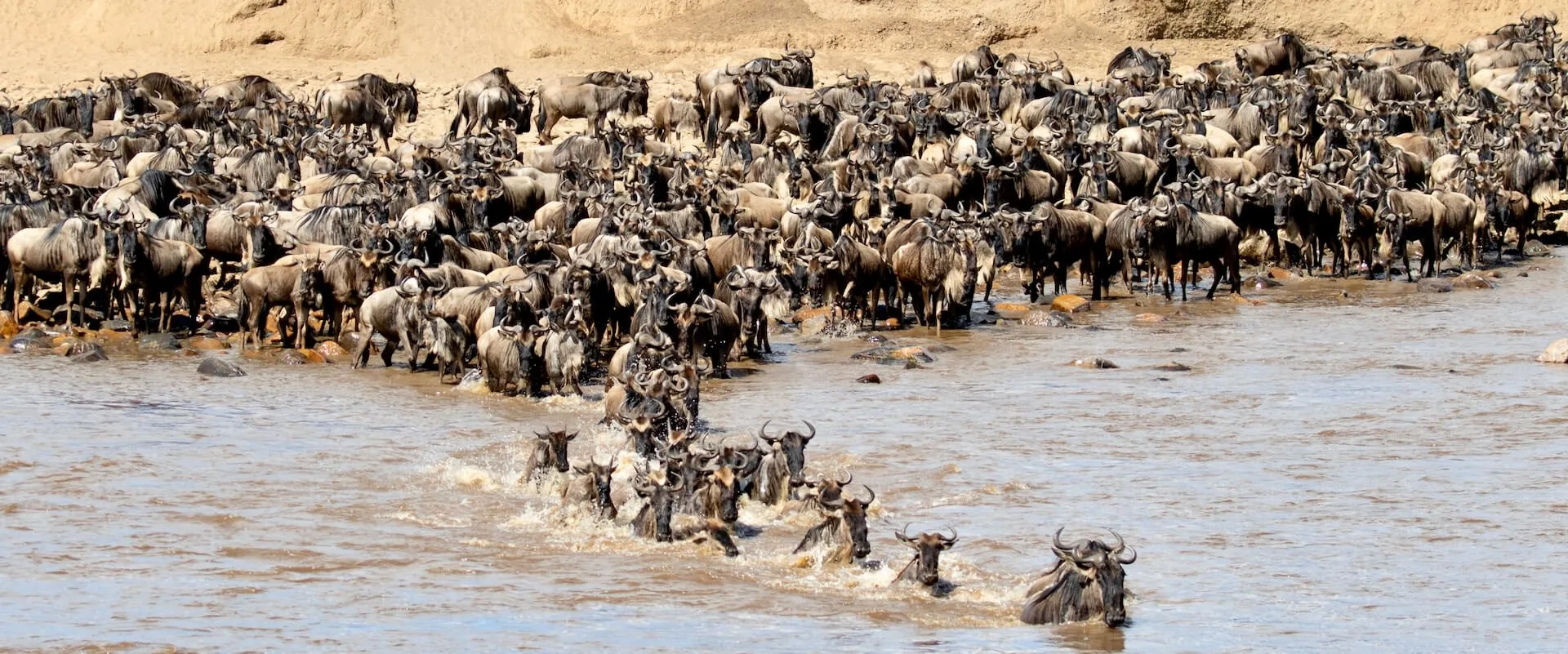
The Great Migration in Africa happens all year because the herds continuously circulate through the Serengeti–Mara ecosystem in…
Read article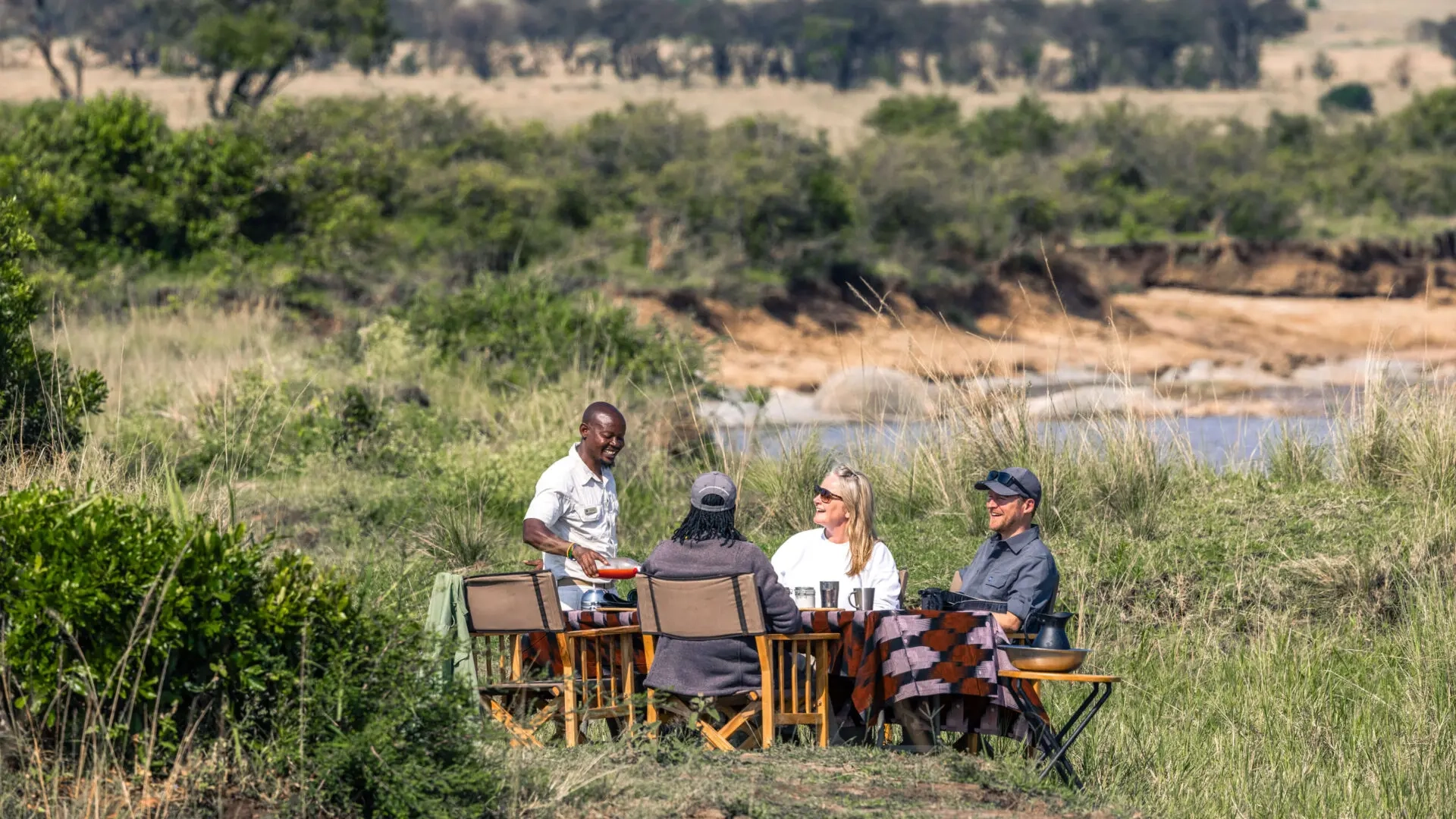
Definitive answer: A picnic lunch on safari is a packed or catered midday meal eaten at an approved…
Read article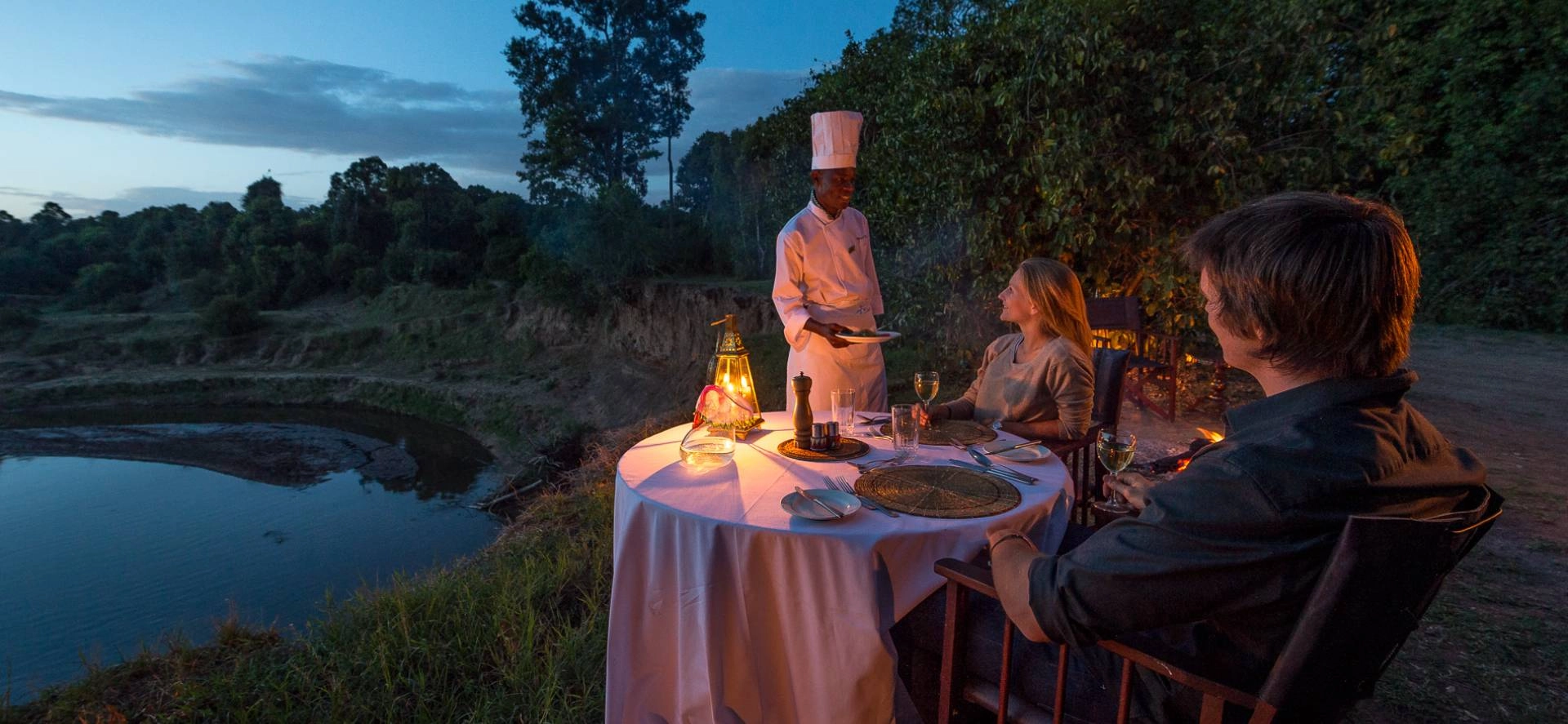
Definitive answer: A bush dinner is an outdoor evening meal arranged in a safe safari setting away from…
Read articleLet us take you closer to the wildlife, people and places that make Africa extraordinary.
Plan Your Safari Today