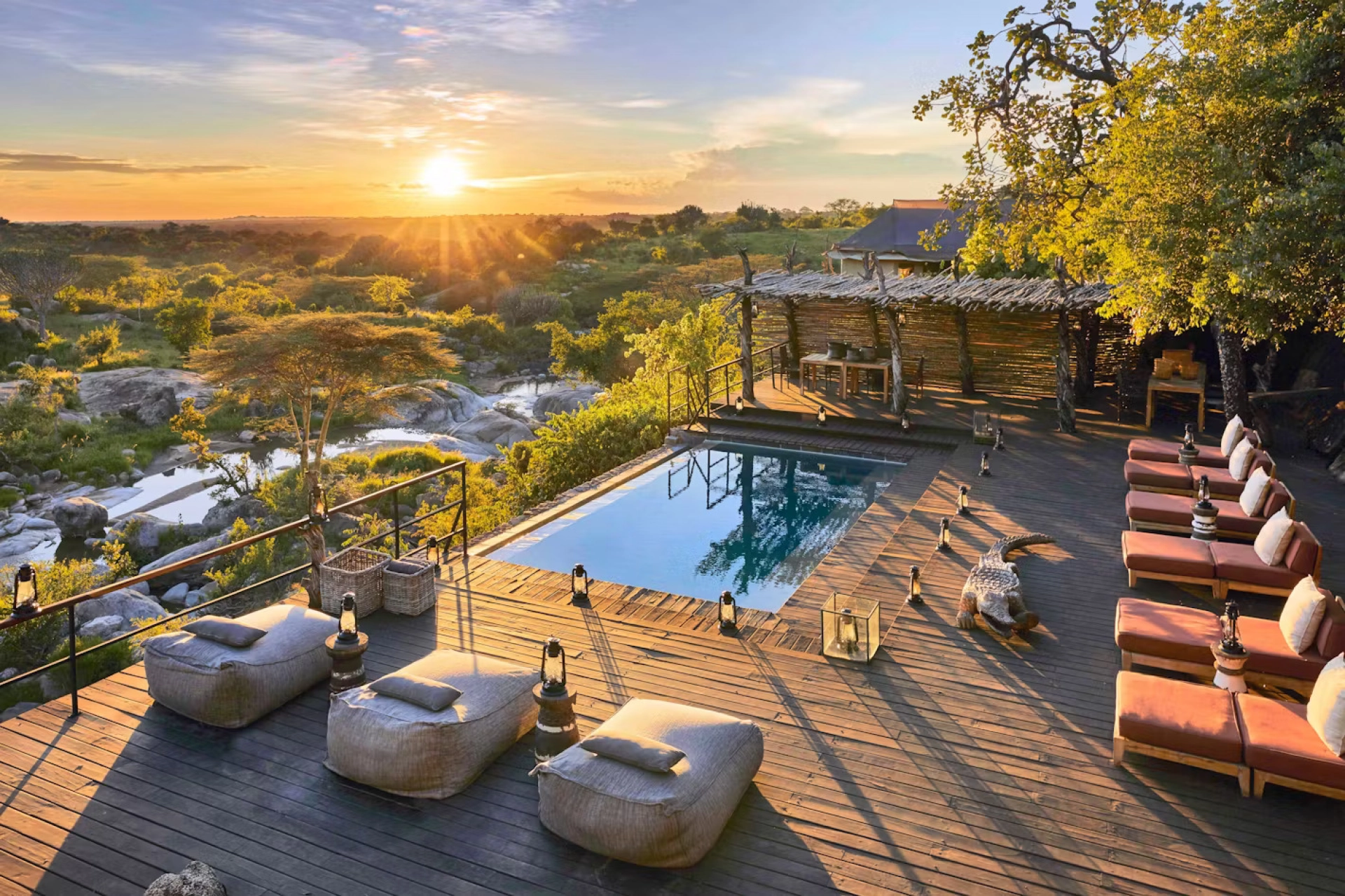
What should I look for when booking a luxury African safari?
When booking a luxury African safari, look beyond the room and compare the quality of guiding, wildlife location,…
Read article

Travel Guide
Botswana is internationally celebrated for wildlife. Mention the country to an experienced safari traveller and images of elephants along the Chobe River, lions moving across the floodplains of the Okavango Delta, mokoros gliding silently between reeds…
Botswana is internationally celebrated for wildlife. Mention the country to an experienced safari traveller and images of elephants along the Chobe River, lions moving across the floodplains of the Okavango Delta, mokoros gliding silently between reeds and vast herds crossing the dry landscapes of the Kalahari Desert quickly come to mind. Yet Botswana’s wildlife is only one part of its identity. Behind the country’s famous wilderness areas lies a rich human landscape shaped by migration, pastoralism, hunting and gathering, cattle, traditional leadership, family relationships, language and beliefs connecting people with animals and the natural world.
One particularly fascinating aspect of Botswana culture is the role of totems. For many Tswana-speaking communities, animals are not merely species encountered on safari. Certain animals may be associated with clan identity, history and social belonging. A crocodile can therefore represent more than wildlife. A lion can become more than a predator. An animal may connect an individual to generations of family history. Understanding the people and cultures of Botswana transforms a safari because it reveals that landscapes visitors often describe as “wilderness” have also been cultural landscapes for generations. The Okavango Delta, Kalahari, Makgadikgadi Pans and Chobe region all contain human histories as compelling as their wildlife.
The terminology can initially confuse international visitors.
A citizen of Botswana may be referred to individually as a Motswana, while the plural term is Batswana. Setswana refers to the widely spoken language and can also appear in discussions of Tswana cultural traditions. The word Botswana itself refers to the country. However, not every person living in Botswana belongs to exactly the same cultural or linguistic group. Modern Botswana contains numerous communities with different histories, languages and traditions. This distinction is essential when discussing Botswana people and culture.
Botswana’s relatively small population can sometimes lead outsiders to imagine the country as culturally uniform.
It is not. Tswana-speaking communities form a major part of the national population and have had substantial influence on national institutions and language. However, Botswana is also home to Kalanga, San communities, Hambukushu, Bayei, Basubiya and other groups. Each has its own historical experiences and cultural traditions. Some identities overlap. Languages interact. Urbanisation and intermarriage continue changing society. There is therefore no single lifestyle that represents every Motswana.
Setswana is one of the most important languages in Botswana and plays a major role in everyday communication and national culture.
English is also widely used in official contexts and tourism. For visitors, learning a few Setswana words can create immediate connections. A simple greeting shows that a traveller recognises Botswana as more than a wildlife destination. Language carries cultural concepts that may not translate perfectly into English. Greetings can communicate respect. Forms of address reveal social relationships. Proverbs preserve historical knowledge. Names may contain family or cultural meaning. Understanding even a little Setswana language and culture therefore adds depth to travel.
A totem is an animal, plant or other natural symbol associated with a particular social group, family, clan or cultural identity.
Totemic traditions occur in different forms around the world. In Botswana and among various Tswana communities, particular animals can become associated with clan identity. These associations are not simply decorative logos. They may carry historical, genealogical and symbolic significance. Rules and interpretations vary between communities. A traveller should therefore avoid assuming that one explanation applies universally. Like most cultural traditions, Botswana totem traditions contain regional and family variation.
Historically, clan identity helped organise social relationships.
Knowing a person’s background could provide information about ancestry, community and relationships with other groups. Totems could function within this system as recognisable symbols. The relationship between people and a totem animal could also involve respect. In some traditions, members associated with a particular animal might avoid harming or consuming it. The exact practice varies. This is important because online descriptions sometimes oversimplify African totems into rigid universal rules. Living traditions are rarely so simple.
Safari tourism typically teaches visitors to identify animals scientifically. A guide might explain the difference between male and female kudu. A birder identifies a species by its call. A wildlife photographer studies predator behaviour. Local cultural knowledge adds another layer. An animal can simultaneously be a biological species, an economic resource, a character in folklore and a symbol of ancestry. This intersection between African wildlife and culture is one of the most fascinating aspects of cultural travel.
The crocodile is particularly significant in some Tswana cultural traditions and is associated with certain groups. To a safari visitor, a crocodile may represent danger and prehistoric appearance. To people whose cultural identity incorporates the animal symbolically, its meaning can be far more complex. This difference demonstrates why cultural interpretation can transform wildlife viewing. After learning about local totems, seeing a crocodile along an African river is no longer purely a zoological experience. It becomes part of a larger cultural landscape.
Different animals can carry symbolic associations in different communities. Large mammals naturally attract cultural meaning because they possess striking characteristics. Lions represent power in many human imaginations. Elephants display extraordinary strength and social behaviour. Crocodiles inhabit the mysterious boundary between land and water. Other animals may be important for reasons that are not immediately obvious to outsiders. A totem does not necessarily mean that the animal’s symbolism follows familiar Western interpretations. Local meanings must be understood through local explanations.
In some Tswana traditions, totems can become connected with family or clan identification. Knowing a person’s totem may provide clues to their social heritage. This reinforces the importance of oral history. Before widespread written genealogical records, communities preserved relationships through memory, names, praise traditions and stories. A totem could become part of this system of cultural continuity.
Botswana is a modern country. Gaborone has shopping centres, universities, businesses and digital industries. Young Batswana participate in global popular culture. Smartphones and social media are part of everyday life. Traditional identity has not disappeared simply because society has modernised. People may maintain awareness of clan identity and totems while living entirely contemporary lifestyles. This coexistence is one of the most important realities for cultural travellers to understand. Tradition and modernity are not opposites.
Few elements of traditional Botswana culture are as important historically as cattle. Cattle have represented wealth, food, social status and security. They have influenced marriage customs and family relationships. Even today, livestock ownership carries significance in many communities. This relationship reflects Botswana’s environmental history. In dry landscapes where agriculture can be difficult, livestock provided an adaptable economic system.
Traditional livestock systems require extensive ecological knowledge. Herders must understand grazing. They must know water availability. Seasonal changes matter. Animal health must be monitored. This knowledge connects culture directly to landscape. The open environments tourists admire during a Botswana safari have long been understood through human systems of movement and resource use.
One of the most important concepts in traditional Tswana social organisation is the kgotla. The term can refer to a public meeting place and the institution of community discussion associated with it. Historically, community matters could be discussed in this public setting under traditional leadership. The concept remains important in Botswana’s cultural and political identity. Visitors interested in Botswana traditions and governance often find the kgotla particularly fascinating because it demonstrates long-standing traditions of consultation and public discussion.
Chiefs and traditional leaders have historically played important roles within Tswana communities. Colonial rule and modern democratic government changed political structures, but traditional leadership did not simply disappear. Botswana today operates as a modern republic while traditional institutions continue to carry cultural significance. This layered political identity reflects how African societies adapt older institutions within contemporary states.
Botswana became independent from Britain in 1966. At independence, the country had limited infrastructure and was considered economically poor. The subsequent development of diamond resources transformed national finances. Botswana later became widely known for political stability and relatively strong institutions. However, national development should not be reduced solely to diamonds. Cattle, tourism and other sectors also contribute to the country’s economic and cultural identity.
Diamonds dramatically changed Botswana’s economic trajectory. Revenue helped finance infrastructure, healthcare and education. Mining also accelerated urbanisation. Gaborone expanded. Employment patterns changed. Yet even as Botswana modernised, older cultural identities remained significant. A modern office worker in Gaborone may still maintain strong connections with a rural home area, extended family and traditional cultural identity.
Many safari travellers use Gaborone only as an arrival point or do not visit at all. Yet the capital offers insight into modern Botswana that wilderness lodges cannot provide. This is where government, business, universities and contemporary culture intersect. Seeing Gaborone helps correct the misleading idea that Botswana consists only of villages and safari camps. A complete Botswana travel experience should recognise both urban and rural life.
Any discussion of Botswana’s cultural landscape should acknowledge San communities. The San represent diverse peoples with deep historical connections to Southern Africa. They are often described collectively as hunter-gatherers, although contemporary San lives are far more varied. Traditional San knowledge includes sophisticated understanding of plants, wildlife, tracking and water in dry environments. The Kalahari San are particularly associated in tourism with survival skills and tracking. However, travellers should avoid romanticising San people as unchanged survivors from an ancient past. They are contemporary communities facing modern economic, social and political challenges.
Traditional tracking demonstrates extraordinary observational ability. A skilled tracker can interpret marks most visitors barely notice. The depth of an impression may indicate animal size. The distance between tracks can reveal speed. Disturbed vegetation provides additional evidence. Dung indicates diet and timing. This knowledge turns the Kalahari into a landscape filled with information. For travellers, a San-guided Kalahari experience can completely change how they understand the desert.
Cultural tourism can create income and support cultural knowledge when communities genuinely participate in designing and benefiting from experiences. Poorly managed tourism can do the opposite. Visitors should choose community-based cultural tourism in Botswana where local people control how their traditions are presented. Photography should be respectful. People should never be treated as museum exhibits.
Communities living around the Okavango Delta developed ways of life closely connected with water. Fishing, transport and local ecological knowledge became essential. The mokoro, today famous as a safari activity, originated as a practical means of moving through shallow Delta channels. Understanding this history changes the meaning of a mokoro safari. The experience is not simply an activity invented for tourists. It reflects generations of adaptation to a wetland environment.
Traditional mokoros were made from tree trunks. Conservation concerns have encouraged increasing use of alternative materials in tourism. The poler stands at the rear and propels the craft through shallow channels. Skill is required to navigate vegetation and changing water depth. For visitors, travelling quietly through the Okavango Delta by mokoro creates a direct connection with a transportation tradition shaped by the landscape.
The Kalanga people form another important part of Botswana’s cultural diversity. Kalanga communities have long histories in northeastern Botswana and neighbouring regions. Their language and traditions differ from Setswana-speaking communities. This reinforces an essential lesson: Botswana should never be described as culturally homogeneous. A traveller moving through different regions may encounter multiple languages and historical identities.
Christianity is widespread in modern Botswana. At the same time, traditional beliefs and cultural practices continue influencing social life. As elsewhere in Africa, people may combine modern religious identity with family customs, respect for ancestors and cultural ceremonies. Outsiders often want to classify belief systems neatly. Real life is usually more complex.
Weddings provide important opportunities for extended families to gather. Modern Botswana weddings may combine Christian ceremonies, contemporary fashion and traditional practices. Cattle, bridewealth traditions and family negotiations may remain relevant in some contexts. Practices vary widely according to family, region and personal preference. This diversity is another reminder not to describe every Botswana wedding as identical.
Music and dance remain important expressions of Botswana cultural heritage. Traditional performances can accompany ceremonies and community events. Contemporary Botswana also has a modern music scene influenced by regional and international styles. Cultural identity therefore exists in both traditional performance and contemporary creativity.
Craft production is another visible expression of Botswana culture. Basketry is particularly famous. Intricate baskets may be created using locally available plant materials and decorated with geometric patterns. In northern Botswana, basket-making has become both a cultural practice and source of income. Buying directly from reputable local producers helps tourism revenue reach artisans.
A high-quality Botswana basket can take substantial time and skill to produce. Patterns may carry names or meanings inspired by animals, natural forms or everyday life. For travellers, purchasing handmade work provides a much more meaningful souvenir than mass-produced imported objects. It also connects tourism with local livelihoods.
Food reflects cattle culture, agriculture and regional influences. Seswaa, traditionally prepared from slow-cooked pounded meat, is among Botswana’s best-known dishes. Sorghum and maize-based foods are also important. Local food experiences help travellers move beyond the international menus commonly served at safari lodges. Trying traditional dishes can open conversations about agriculture, family gatherings and regional identity.
Botswana’s cultural and wildlife landscapes cannot be separated completely. Communities live beside elephants. Livestock may share broader landscapes with predators. Tourism creates employment. Wildlife can also damage crops or threaten livestock. Conservation therefore involves real costs and benefits for people. A traveller enjoying elephants along the Chobe River should remember that rural communities may experience elephants very differently.
Human-wildlife conflict in Botswana is an important conservation challenge. Elephants may damage crops. Predators can kill livestock. Wildlife may threaten people. Tourism benefits can help create economic incentives for conservation, but those benefits need to reach communities affected by wildlife. Understanding this issue creates a more realistic picture of Botswana conservation.
Community tourism can link wildlife conservation with local livelihoods. Guiding, accommodation, crafts and cultural activities generate income. When communities benefit from intact ecosystems, conservation can become economically meaningful. Travellers can support this model by choosing responsible operators and locally connected experiences.
The Chobe region is famous internationally for elephants. Kasane serves as the main tourism hub. Yet communities around this region have histories extending far beyond safari tourism. Fishing, livestock, agriculture and cross-border trade all contribute to local life. A Chobe safari becomes more meaningful when travellers recognise the human landscape beyond park boundaries.
The Okavango Delta is often marketed as untouched wilderness. Ecologically, it is extraordinary. But people have interacted with the Delta for generations. Fishing. Transport. Harvesting natural resources. Livestock. Settlement. Local ecological knowledge. The term “untouched” can therefore erase human history. A more accurate description is a landscape where natural processes and human communities have long interacted.
Safari tourism tends to divide itineraries into categories. Wildlife day. Cultural visit. Boat trip. Village visit. Nature walk. In reality, these experiences overlap. A mokoro is both transportation and culture. Tracking is both ecological knowledge and cultural heritage. Cattle are both economic assets and cultural symbols. Totems connect animals with identity. The strongest Botswana cultural safari reveals these relationships.
Always ask before photographing people. A telephoto lens does not remove the need for consent. Avoid photographing children simply because they appear visually interesting. If visiting a community through an organised cultural experience, ask your guide about photography rules. Respectful interaction produces better memories than collecting portraits without context.
Reading about Botswana history, Botswana ethnic groups, San culture, Setswana traditions and the country’s conservation model before departure can significantly improve a safari. When your guide mentions a kgotla, you recognise its importance. When you enter the Okavango by mokoro, you understand its cultural history. When someone explains a family totem, you appreciate that the animal has meaning beyond wildlife identification. Travel becomes richer when context comes before photographs.
The people and cultures of Botswana reveal another dimension of one of Africa’s greatest safari destinations. The same animals visitors travel thousands of kilometres to photograph can also carry cultural meaning. A crocodile may be a clan symbol. Cattle represent far more than livestock. The kgotla reflects traditions of public discussion. A mokoro tells a story of adaptation to the Okavango Delta. San tracking knowledge reveals how much information exists within the apparently empty Kalahari Desert.
Understanding these connections makes a Botswana safari significantly richer. Wildlife does not exist in isolation from people. Neither does culture exist separately from landscape. The most rewarding journey through Botswana is therefore one that explores both. Watch elephants along the Chobe River. Glide through the Okavango Delta. Explore the Kalahari. But also listen to Setswana being spoken, learn why cattle matter, discover the significance of Botswana totems, meet local guides and understand the communities whose histories are embedded in these extraordinary landscapes. That is when a safari becomes more than wildlife viewing. It becomes a journey into Botswana’s cultural and natural heritage.
Get quick answers to the most common questions. If you still have questions, our safari experts are here to help.
An individual citizen may be called a Motswana, while Batswana is the plural form.
Setswana and English are widely used, while several other languages are spoken by different cultural communities.
A totem is a natural symbol, often an animal, associated with a clan or community and connected with identity, ancestry or cultural traditions.
Totemic identity remains culturally meaningful for many people, although the degree of importance and associated practices vary.
The San comprise diverse communities with deep historical roots in Southern Africa and renowned traditional knowledge of tracking, plants and dryland environments.
A kgotla is associated with traditional community meetings and public discussion in Tswana society.
Depending on itinerary, travellers may experience community tourism, San-guided walks, craft centres, local food, historical sites and cultural interpretation around the Okavango, Kalahari and other regions.
No. Botswana’s wildlife is exceptional, but its people, history, languages, crafts and traditions are equally important parts of the country.
Our safari experts are here to help you plan your safari. Get personalized advice, the latest information and a free, no-obligation quote.
We typically reply within a few hours.

Share This Article
When booking a luxury African safari, look beyond the room and compare the quality of guiding, wildlife location,…
Read article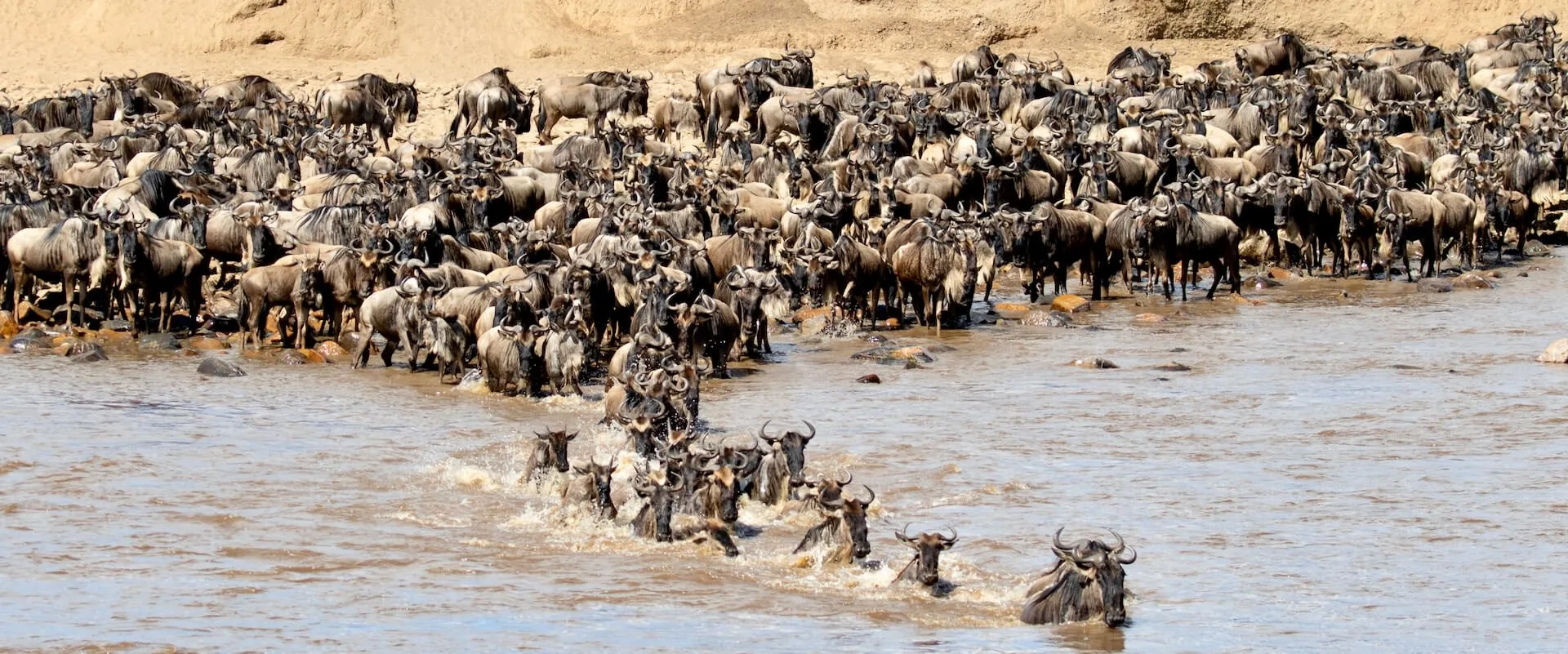
The Great Migration in Africa happens all year because the herds continuously circulate through the Serengeti–Mara ecosystem in…
Read article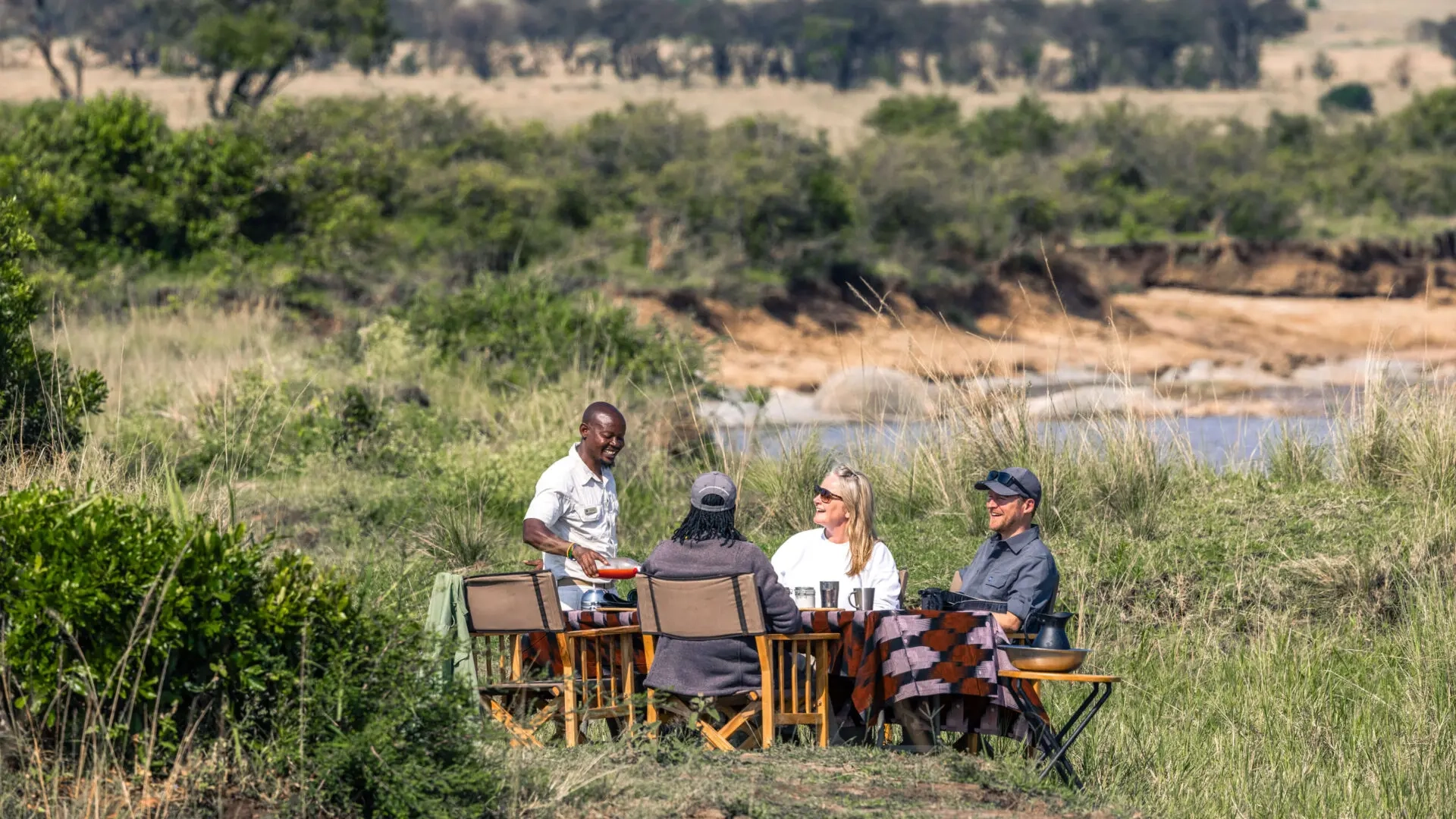
Definitive answer: A picnic lunch on safari is a packed or catered midday meal eaten at an approved…
Read article
Definitive answer: A bush dinner is an outdoor evening meal arranged in a safe safari setting away from…
Read articleLet us take you closer to the wildlife, people and places that make Africa extraordinary.
Plan Your Safari Today