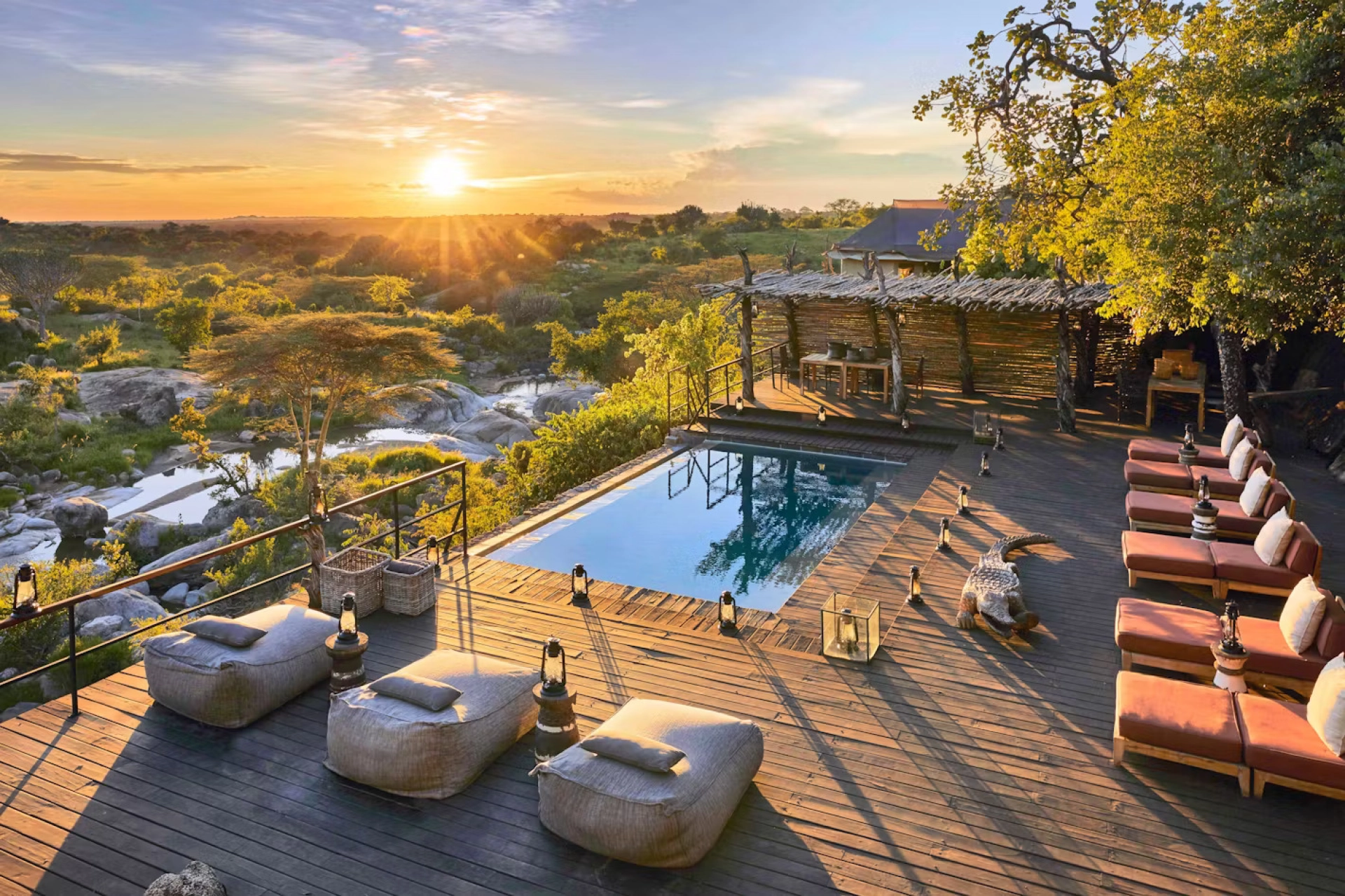
What should I look for when booking a luxury African safari?
When booking a luxury African safari, look beyond the room and compare the quality of guiding, wildlife location,…
Read article

Travel Guide
A week may not sound like a long time for exploring Africa, but a carefully planned 7 day African safari tour in South Africa can deliver an extraordinary amount of wildlife, scenery and adventure without requiring…
A week may not sound like a long time for exploring Africa, but a carefully planned 7 day African safari tour in South Africa can deliver an extraordinary amount of wildlife, scenery and adventure without requiring several weeks away from home. South Africa’s excellent tourism infrastructure, diverse national parks, extensive road network and range of safari accommodations make it one of the easiest destinations on the continent for travelers who want a rewarding one-week African safari.
Within seven days, you can spend mornings tracking lions and elephants in Kruger National Park, watch a leopard disappear into the bush at sunset, enjoy guided game drives in a private reserve, photograph giraffes crossing the road and finish the journey beside a campfire beneath the southern African sky. Alternatively, a seven-day itinerary can combine wildlife with Cape Town, the Panorama Route, KwaZulu-Natal or another nearby destination. The important question is not whether seven days are enough for an African safari. They certainly can be. The real question is how those seven days should be used.
Trying to see too much is one of the most common mistakes travelers make when planning a short safari. South Africa is a large country, and spending half your holiday moving between distant destinations defeats the purpose of coming to Africa to experience wildlife. The best 7-day South Africa safari itineraries therefore focus on one primary wildlife region and perhaps one complementary destination. This detailed guide explores the best routes, wildlife areas, accommodation choices, costs, seasons and practical considerations for planning an unforgettable week-long safari in South Africa.
South Africa is particularly well suited to shorter safaris because travelers can access excellent wildlife areas relatively efficiently. Johannesburg is a major international aviation hub, and flights connect the city with several safari gateways. Travelers can also reach parts of the Greater Kruger region by road. Once inside a major wildlife area, the quality of safari viewing can be exceptional. South Africa protects populations of African elephants, lions, leopards, buffaloes, rhinoceroses, cheetahs, wild dogs, giraffes, zebras, hippos, hyenas and numerous antelope species.
Birdlife is equally impressive. For first-time safari travelers hoping to see the Big Five in Africa, South Africa is one of the continent’s most practical choices. Another advantage is the enormous range of accommodation. Travelers can choose everything from affordable camps and guesthouses to comfortable mid-range safari lodges and some of Africa’s most exclusive private reserves. This flexibility makes it possible to design a South Africa safari package for very different budgets.
Seven days can be an excellent safari duration when the itinerary is designed properly. A traveler spending five or six nights within the Greater Kruger ecosystem, for example, has enough time for numerous morning and afternoon game drives. Wildlife sightings are never guaranteed, so multiple game drives are important. You may search for leopards on the first afternoon without success and encounter one unexpectedly the following morning. Lions may be hidden during one drive and highly active several hours later.
Spending several days in the same ecosystem gives you more opportunities to experience these unpredictable moments. Seven days also allows travelers to slow down. A safari should not feel like a race between national parks. Some of the best moments occur when your guide switches off the engine beside a waterhole and everyone simply watches.
For many travelers, Kruger National Park is the natural centerpiece of a one-week South African safari. Kruger is one of Africa’s best-known protected areas and covers an enormous landscape in northeastern South Africa. The park contains an impressive diversity of habitats, which in turn supports an extraordinary range of wildlife. Elephants and buffaloes are commonly encountered in many areas. Lions occur throughout suitable habitats, while leopards are present but generally more difficult to locate because of their secretive behavior.
White rhinoceroses, giraffes, zebras, wildebeest, hippos and numerous antelope species add to the diversity. For birdwatchers, Kruger is also exceptional. A seven-day itinerary focused almost entirely on Kruger can be highly rewarding, especially for travelers whose priority is wildlife rather than sightseeing.
One of the most important decisions when planning a Kruger safari is whether to stay inside the national park, in a private reserve bordering Kruger, or combine both. Kruger National Park provides excellent wildlife viewing and generally offers a wider range of accommodation prices. Private reserves in the Greater Kruger ecosystem can provide a more exclusive safari style. Many private reserves operate guided game drives in open safari vehicles. Depending on the reserve and conditions, guides may have greater flexibility in how they approach wildlife sightings.
Private reserves can also restrict the number of vehicles around important sightings. This can make encounters feel more intimate. The trade-off is price. Private safari lodges generally cost more than staying in or around the national park. A particularly effective seven-day itinerary combines both experiences. Spend several nights experiencing Kruger’s enormous landscapes before moving to a private reserve for more intensive guided wildlife viewing.
A well-paced week could begin with arrival in Johannesburg followed by a transfer or flight toward the Greater Kruger area. The first afternoon should ideally include time to settle into the lodge and, if arrival times permit, take an introductory game drive. Days two and three can be devoted to exploring Kruger National Park. Early morning drives are particularly rewarding because temperatures are cooler and predators may still be active.
The landscape changes through the day. As temperatures rise, elephants may approach water, hippos remain around rivers and predators often rest in shade. Late afternoon brings another transition. Light becomes softer, temperatures fall and wildlife activity may increase again. Days four through six could then be spent at a private reserve in the Greater Kruger ecosystem. This creates a useful contrast between exploring a large national park and experiencing guided activities in a smaller reserve.
Day seven would involve the return journey toward Johannesburg or onward travel. The exact itinerary should always account for international flight times rather than placing a long road transfer immediately before an important departure.
Travelers who want more than wildlife can combine Kruger with South Africa’s Panorama Route. The Panorama Route passes dramatic escarpment scenery, viewpoints, waterfalls and geological formations. Blyde River Canyon is among the area’s best-known natural attractions. This combination works particularly well for travelers who enjoy landscape photography. A typical itinerary might allocate four or five days to wildlife and one or two days to the Panorama Route. The advantage is variety.
The disadvantage is sacrificing some game-drive time. Travelers whose primary objective is seeing wildlife should generally spend more nights in the safari area.
Another popular idea is combining Cape Town and safari within one week. This is possible, but travelers should understand the trade-offs. Cape Town is located far from Kruger, so flying between the regions is usually necessary. A seven-day itinerary could include approximately three nights in Cape Town and three nights in the Greater Kruger region, with the remaining time used for transfers. Cape Town offers a completely different experience from the bush.
Travelers can visit Table Mountain, explore the Cape Peninsula, discover the city’s culinary scene or take a day trip into the Cape Winelands. This combination is ideal for first-time visitors who want a taste of both urban South Africa and safari. However, anyone whose primary dream is wildlife should consider extending the trip beyond seven days.
Travelers sometimes search for a Big Five safari near Cape Town because they want to avoid flying across South Africa. Several private game reserves operate within road-trip distance of Cape Town, but these experiences are fundamentally different from the vast natural ecosystems of Kruger and other major safari regions. They can work well for visitors with extremely limited time. However, travelers specifically seeking an immersive multi-day wildlife safari should understand the difference between a smaller managed reserve and a vast wilderness ecosystem.
For a dedicated seven-day safari, Kruger or another major wildlife region usually provides a deeper experience.
South Africa’s KwaZulu-Natal province provides another interesting option for travelers wanting a one-week safari. The region contains important wildlife reserves and dramatically varied landscapes. A KwaZulu-Natal itinerary can combine game viewing with wetlands, mountains or the Indian Ocean coast. This makes the province particularly attractive to repeat visitors or travelers looking beyond the most famous South African safari routes.
The wildlife depends on the reserve and season, but South Africa offers opportunities to see an impressive range of animals. The African elephant is among the most charismatic. Watching an elephant herd move silently through woodland can become one of the defining moments of a safari. Lions are another major attraction. Rather than simply ticking lions from a checklist, longer stays allow travelers to observe behavior. You may see a pride resting in the shade, cubs playing or lions beginning to move as evening approaches.
Leopards are more elusive. Finding one often depends on skilled guiding, patience and luck. Buffaloes can occur in large herds, while rhinoceros sightings remain particularly significant because of the enormous conservation challenges facing these animals. Other possibilities include cheetahs, African wild dogs, spotted hyenas, giraffes, zebras, wildebeest, kudu, impala, warthogs, hippos, crocodiles and baboons.
The term Big Five originally came from the hunting era and referred to five animals considered particularly difficult or dangerous to hunt on foot: lion, leopard, elephant, rhinoceros and buffalo. Today, the meaning has changed completely for safari tourism. Travelers now hope to photograph and observe these animals alive in protected ecosystems. South Africa remains one of the strongest destinations for travelers hoping to encounter all five during a single trip.
Seven days provides a reasonable amount of time, but no responsible safari operator should guarantee specific wildlife sightings. The unpredictability is part of what makes safari exciting.
The price of a 7-day safari in South Africa varies enormously. Accommodation category is one of the biggest factors. Budget-conscious travelers may stay in simple lodges, rest camps or guesthouses and join shared game drives. Mid-range safaris generally offer more comfortable rooms, private bathrooms, good meals and professionally guided activities. Luxury safaris may include premium private reserves, spacious suites, gourmet dining, smaller safari vehicles and highly personalized service. Transportation also affects the price.
A road safari from Johannesburg can cost less than an itinerary involving several domestic flights. Private safaris cost more than shared departures but provide greater flexibility. Travel season, room type and single supplements also influence the final price. Rather than choosing a safari based exclusively on the cheapest headline figure, travelers should compare what is actually included.
A budget South Africa safari does not necessarily mean poor wildlife viewing. Wild animals do not care whether you are staying in an inexpensive rest camp or an ultra-luxury lodge. Budget travelers can therefore experience outstanding wildlife by spending carefully on accommodation while prioritizing good guiding and enough time inside wildlife areas. The key is understanding where savings make sense. Choosing simple accommodation can be sensible. Trying to visit too many distant parks to find cheaper rooms may not be.
A well-designed affordable safari focuses spending on the parts of the trip that directly influence the experience.
Mid-range safaris are often the best balance for travelers wanting comfort without ultra-luxury prices. Rooms are usually comfortable and meals are often included at safari lodges. Game drives may be shared with other guests, keeping costs manageable. For couples, families and small groups, mid-range safaris provide an excellent way to experience South Africa without sacrificing the core safari atmosphere.
A luxury South Africa safari can transform a seven-day holiday into an exceptionally immersive experience. Luxury lodges often occupy excellent locations within private reserves. The experience may include morning and afternoon game drives, sophisticated meals, beautiful suites, swimming pools and attentive service. The most important luxury, however, is often not the room. It is access to highly experienced guides, smaller groups and sufficient time to interpret animal behavior. For travelers celebrating a honeymoon, anniversary or milestone, a private-reserve safari can be particularly memorable.
South Africa can be visited throughout the year, but safari conditions change seasonally. In many northeastern safari regions, the drier months can produce excellent game viewing because vegetation becomes thinner and wildlife concentrates around dependable water sources. Cooler mornings are common, so warm layers are useful for early game drives. The greener season brings lush vegetation, dramatic skies and excellent birdlife. Young animals may also be present. Photographers often appreciate the rich landscapes during greener months.
Rather than asking only for the “best” month, travelers should decide what kind of safari experience they prefer.
Safari packing should be practical rather than fashionable. Neutral, comfortable clothing works well. Layering is important because early mornings can be cold while afternoons become warm. A lightweight jacket, comfortable walking shoes, hat, sunscreen and sunglasses are useful. Binoculars significantly improve wildlife viewing. Even when an animal is visible from the vehicle, binoculars reveal behavior and detail that would otherwise be missed. Photography enthusiasts should bring spare batteries and enough storage.
Dust protection is also useful.
Seven days gives photographers enough time to begin working with changing light and animal behavior. Morning and late-afternoon drives often provide the most attractive light. However, some extraordinary moments happen at midday. A leopard does not wait for perfect photographic conditions. Safari photography therefore rewards readiness. Rather than constantly changing lenses, choose a versatile setup that allows you to react quickly. And remember to occasionally lower the camera. Not every safari moment needs to be viewed through a viewfinder.
A private South Africa safari provides maximum flexibility. Your guide can often adapt the pace to your interests, whether those are photography, birds, predators or general wildlife. Families particularly benefit from private vehicles because children may have different attention spans. Group safaris are more affordable and can also be highly enjoyable. Meeting other travelers is part of the experience. The best choice depends on budget and travel style rather than wildlife quality alone.
Yes. South Africa is one of Africa’s strongest family safari destinations. However, parents should choose accommodation carefully because age restrictions may apply to certain game drives and activities. Seven days is often an excellent duration for children because it provides enough time for meaningful wildlife experiences without becoming excessively long. A varied itinerary can also help. Swimming time, shorter activities and relaxed afternoons can balance early game drives.
South Africa is particularly well suited to African safari honeymoons. Private reserves provide romantic accommodation and intimate wildlife experiences. A week can be combined with Cape Town or the Winelands for an even more varied honeymoon. For couples, spending fewer nights in transit and more nights in excellent locations generally produces a more romantic journey than attempting to visit too many destinations.
Travelers often compare South Africa with Kenya, Tanzania, Uganda and Rwanda. There is no universal winner. South Africa is excellent for Big Five wildlife, infrastructure, private reserves and combining safari with Cape Town. Kenya and Tanzania are particularly famous for vast savannah landscapes and the Great Migration. Uganda and Rwanda provide something fundamentally different: mountain gorilla trekking. For travelers with additional time, combining Southern and East Africa creates an extraordinary journey.
A South African Big Five safari can be followed by a flight to Uganda for gorilla trekking in Bwindi Impenetrable National Park. The contrast between open savannah and dense rainforest is remarkable.
Yes. A South Africa and Uganda safari is an excellent combination for travelers wanting two of Africa’s most iconic wildlife experiences. In South Africa, travelers explore savannah ecosystems in search of lions, leopards, elephants, buffaloes and rhinos. In Uganda, they hike through tropical forest to encounter mountain gorillas. These are completely different wildlife experiences. A longer itinerary can also include chimpanzee trekking, boat safaris and additional national parks in Uganda.
One of the strongest recommendations for a seven-day safari is simple: do less, better. Do not attempt to visit four distant parks because their names appear on a “top ten” list. Wildlife does not follow schedules. The longer you remain in one ecosystem, the more you begin to understand it. You notice which birds give alarm calls when predators approach. You recognize the difference between an elephant feeding peacefully and one becoming uncomfortable.
You begin to understand why your guide stops beside tracks that initially look meaningless. This deeper connection is what transforms game viewing into safari.
At Adventure in the Wild Safaris, we believe a safari should be designed around the traveler rather than forcing every traveler into the same itinerary. A seven-day journey can focus completely on South African wildlife or form one part of a larger African adventure. Travelers may combine Southern Africa with Uganda gorilla safaris, Rwanda, Kenya or Tanzania depending on available time and interests. When planning a safari, we consider accommodation preference, wildlife priorities, travel dates, group size, photography interests and budget.
This allows us to create a route that uses your limited holiday time efficiently.
Absolutely. Seven carefully planned days can produce memories that last a lifetime. The important thing is not how many parks you can place on an itinerary. It is how deeply you experience them. Spend time watching elephants rather than rushing toward the next sighting. Listen to your guide explain tracks in the dust. Wake before sunrise and feel the cold air as the safari vehicle leaves camp. Watch vultures circling high above the plains. Sit quietly beside a waterhole as daylight fades.
These moments are what make an African safari in South Africa unforgettable. Whether you choose an affordable Kruger adventure, a comfortable mid-range safari or an exclusive private-reserve experience, a well-designed 7-day African safari tour in South Africa provides enough time to discover why the African wilderness continues to inspire travelers from around the world.
Get quick answers to the most common questions. If you still have questions, our safari experts are here to help.
Yes. Seven days is enough for an excellent safari if you concentrate on one main wildlife region such as Greater Kruger rather than trying to cover the entire country.
For first-time visitors primarily interested in wildlife and the Big Five, Kruger National Park and the Greater Kruger private reserves are among the strongest choices.
It is possible, especially in strong Big Five destinations, but sightings of wild animals can never be guaranteed.
Yes. Kruger combines outstanding wildlife diversity, excellent infrastructure and numerous accommodation choices.
Yes, although flights are normally necessary and the schedule will be relatively busy. Travelers primarily interested in wildlife may prefer to dedicate most of the week to safari.
There is no fixed number. Most dedicated safari itineraries include morning and afternoon wildlife activities on several days, allowing multiple opportunities to observe different species and behaviors.
Neither is automatically better. Kruger provides enormous landscapes and excellent wildlife, while private reserves can provide a more exclusive guided experience. Combining both is often ideal.
Pack lightweight clothing, warm layers for early mornings, comfortable footwear, sunscreen, a hat, binoculars, camera equipment and necessary personal medication.
Established safari destinations are generally managed carefully, but travelers must follow lodge and guide instructions around wildlife.
Yes. Combining a South African safari with gorilla trekking in Uganda creates one of Africa’s most varied wildlife journeys.
Our safari experts are here to help you plan your safari. Get personalized advice, the latest information and a free, no-obligation quote.
We typically reply within a few hours.

Share This Article
When booking a luxury African safari, look beyond the room and compare the quality of guiding, wildlife location,…
Read article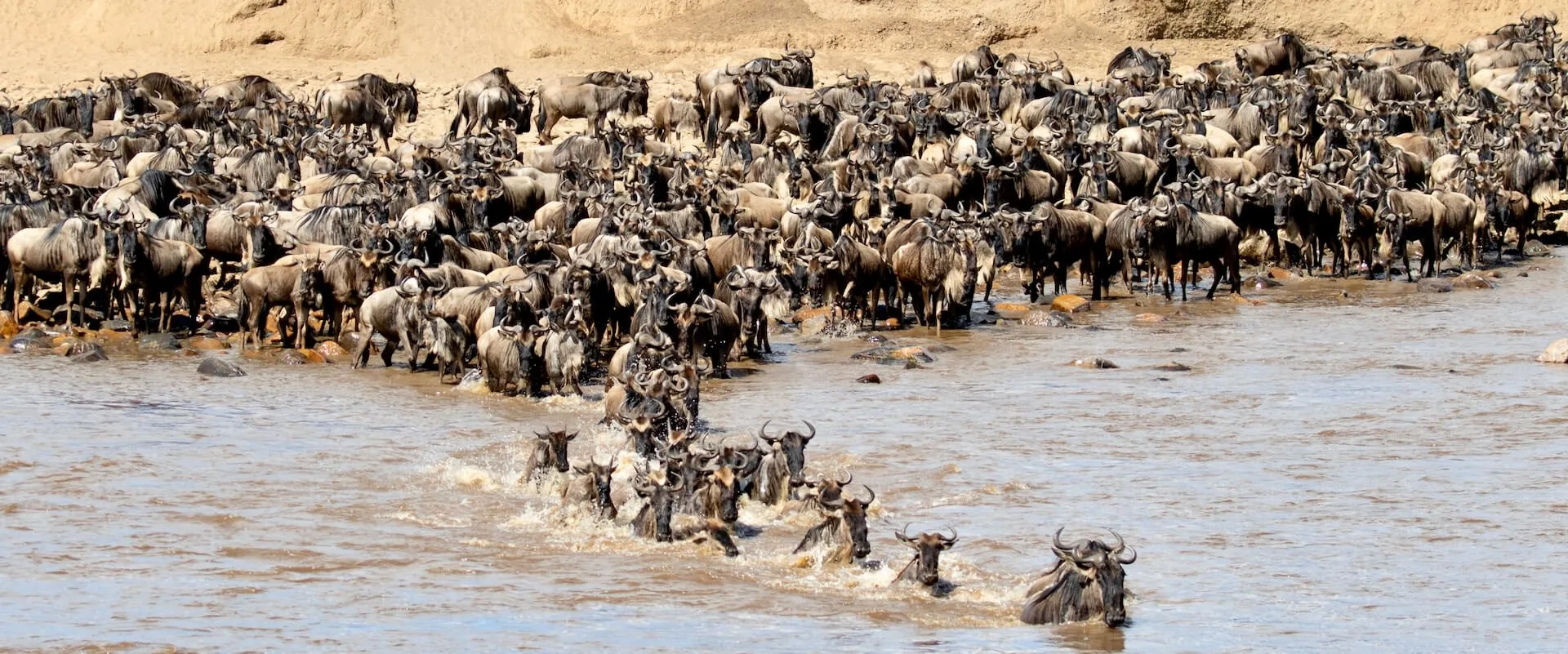
The Great Migration in Africa happens all year because the herds continuously circulate through the Serengeti–Mara ecosystem in…
Read article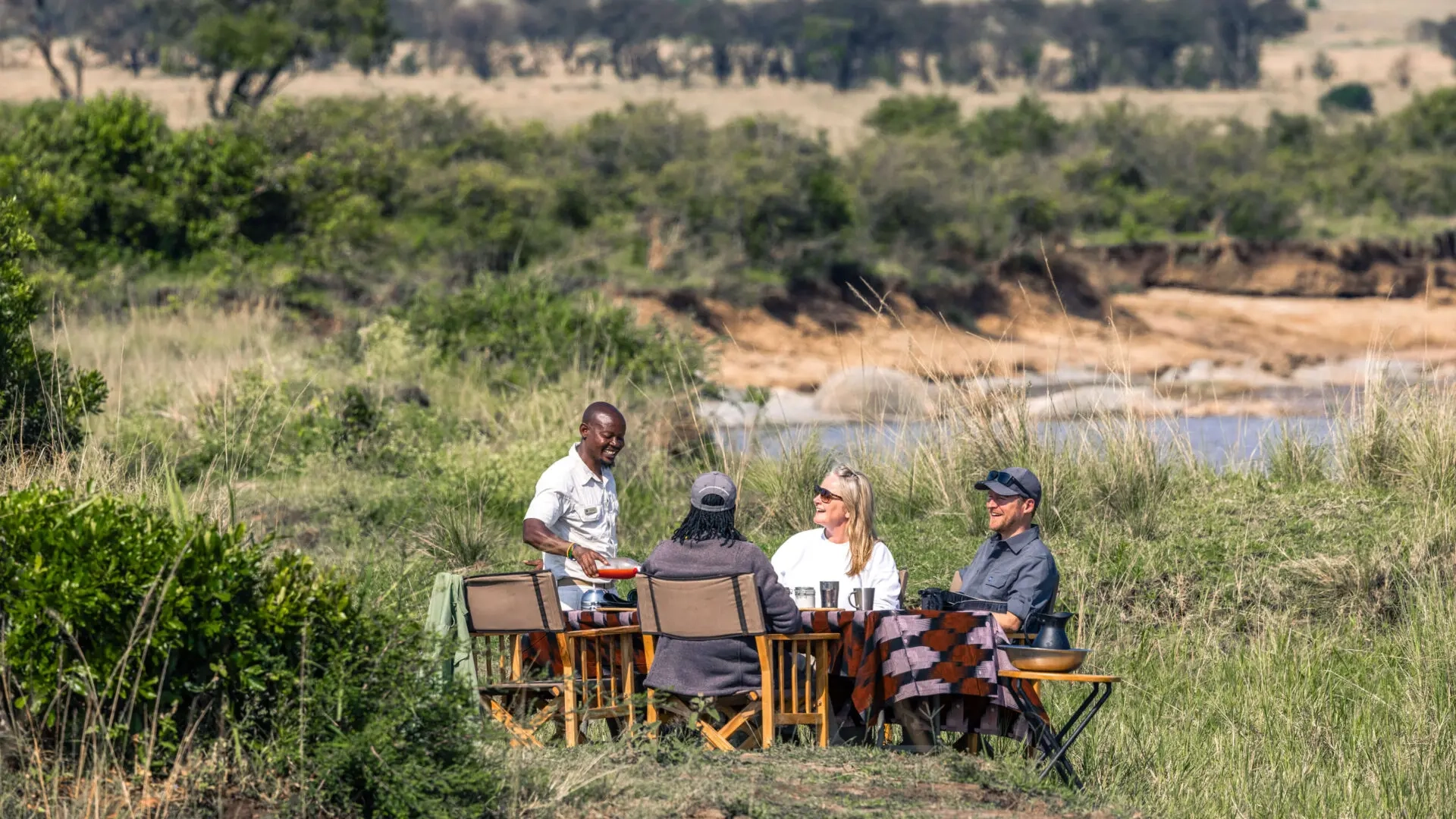
Definitive answer: A picnic lunch on safari is a packed or catered midday meal eaten at an approved…
Read article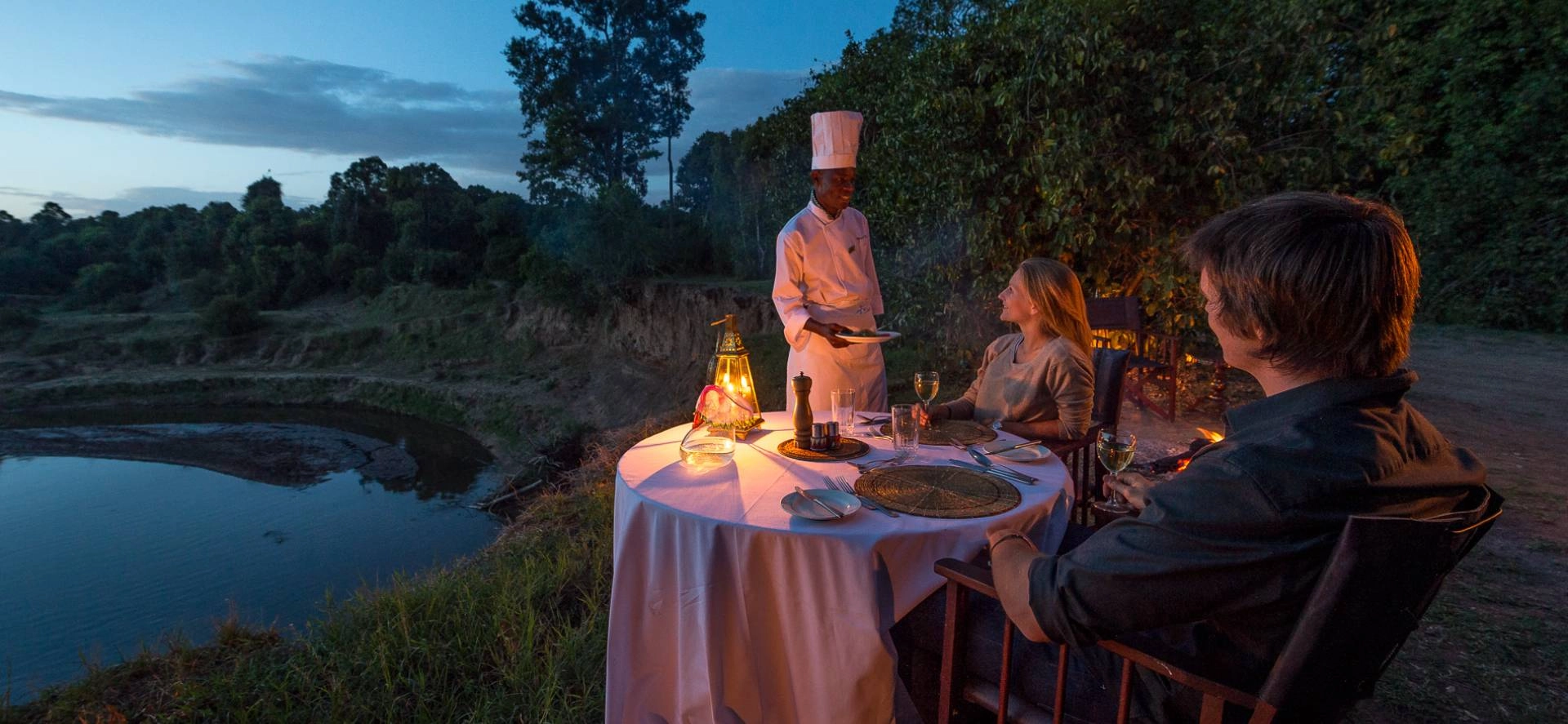
Definitive answer: A bush dinner is an outdoor evening meal arranged in a safe safari setting away from…
Read articleLet us take you closer to the wildlife, people and places that make Africa extraordinary.
Plan Your Safari Today