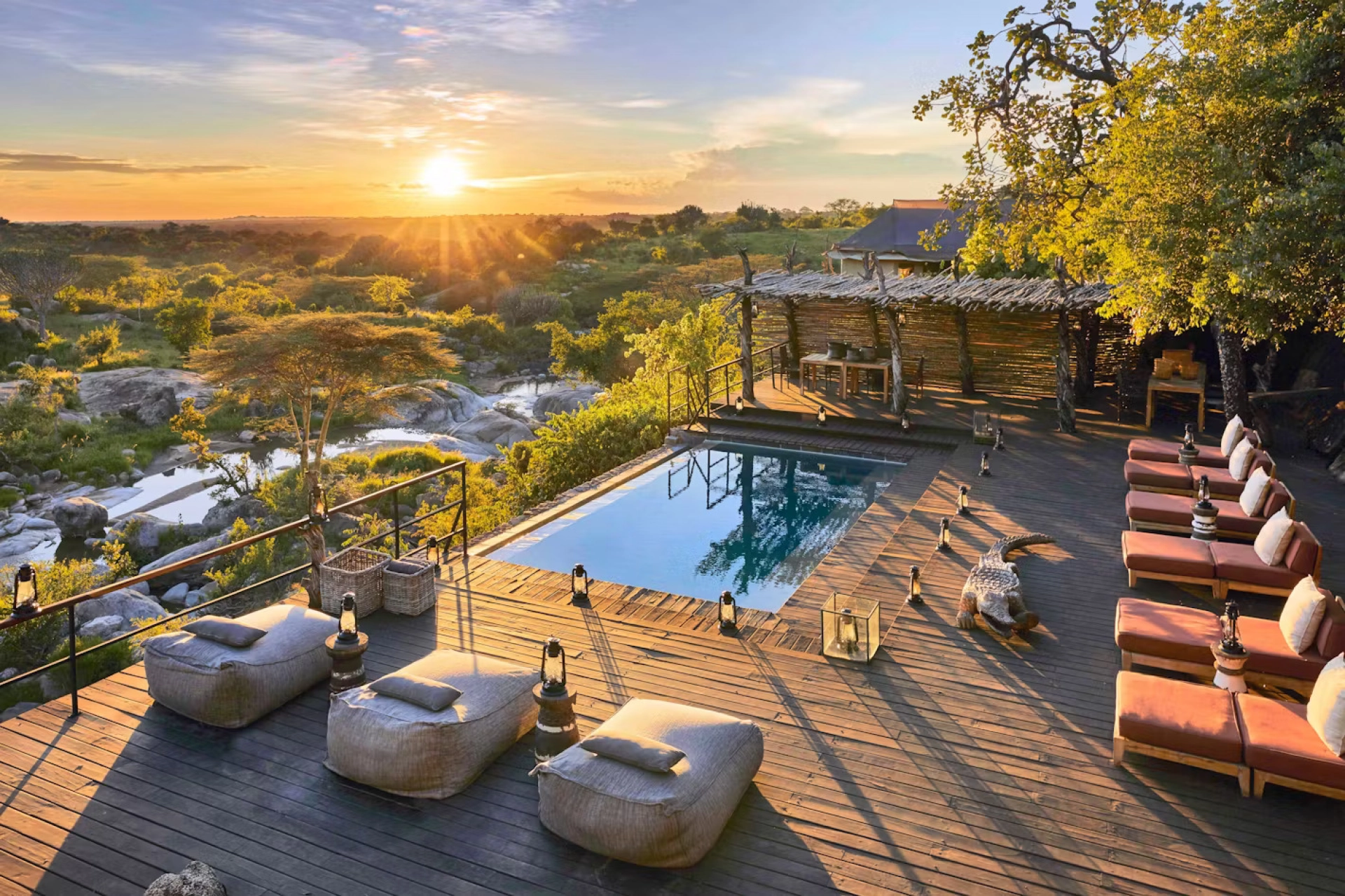
What should I look for when booking a luxury African safari?
When booking a luxury African safari, look beyond the room and compare the quality of guiding, wildlife location,…
Read article

Travel Guide
Zambia has almost everything experienced safari travellers look for in Africa: enormous wilderness areas, excellent guides, exceptional predator viewing, relatively low visitor density, legendary walking safaris, major rivers, intimate bush camps and some of southern Africa's…
Zambia has almost everything experienced safari travellers look for in Africa: enormous wilderness areas, excellent guides, exceptional predator viewing, relatively low visitor density, legendary walking safaris, major rivers, intimate bush camps and some of southern Africa’s most rewarding wildlife destinations. What Zambia does not always have is a reputation for being cheap. Search for a lodge in South Luangwa National Park, Lower Zambezi National Park or the remote Busanga Plains of Kafue National Park, and it is easy to encounter safari packages costing several hundred — or even well over a thousand — US dollars per person per night.
That can make first-time visitors wonder: How much does a Zambia safari actually cost? Is Zambia only suitable for luxury travellers? Can you arrange a budget Zambia safari? How much should you expect to spend on South Luangwa safari accommodation? Is Lower Zambezi National Park more expensive than South Luangwa? Does a Zambia safari include park fees and game drives? How much should you budget for domestic flights? And can you reduce the overall cost without turning a once-in-a-lifetime safari into a disappointing experience?
The answer is that Zambia can be expensive, particularly when visiting remote parks using fly-in camps, but there are meaningful ways to control costs. The important thing is understanding why Zambia safari prices vary. A safari is not priced like an ordinary hotel stay. You are often paying simultaneously for accommodation, meals, professional guiding, a specialised safari vehicle, game drives, walking safaris, transfers, park access, conservation levies and the considerable logistical cost of operating a lodge in remote wilderness.
A $500 safari camp therefore cannot be compared directly with a $500 city hotel. This guide breaks down the real components of a Zambia safari budget, explains the difference between budget, midrange and luxury travel, and shows where spending more genuinely improves the safari — and where it may not be necessary.
As a broad planning framework, travellers can think about Zambia safari pricing in three main categories. A budget Zambia safari using simpler lodges, permanent camps, shared game drives and road transfers where practical may start from approximately US$250–$400 per person per day, depending on destination, season and what is included. A midrange Zambia safari commonly falls around US$400–$700 per person per day. A higher-end or luxury Zambia safari can range from roughly US$700 to well above US$1,200 per person per day, particularly at remote fly-in camps during peak season.
Exclusive-use villas, private guides, charter flights and premium camps can push costs significantly higher. These figures should be treated as planning ranges rather than fixed prices. The final Zambia safari cost depends on where you travel, when you travel, how many people share the vehicle, whether you fly or drive, your accommodation level and the number of parks included.
Look at a map of Zambia’s national parks and one reason becomes obvious. Many of the best safari areas are remote. A camp deep inside South Luangwa, Kafue, Lower Zambezi or North Luangwa needs to transport food, fuel, staff supplies, maintenance equipment and guest luggage into a wilderness environment. Some camps operate for only part of the year. Roads may become inaccessible during the rainy season. Infrastructure must sometimes be rebuilt or repaired before each safari season.
Electricity may come from solar installations. Water systems must be maintained. Highly trained guides need to be employed. Vehicles require constant servicing because game-drive roads are punishing. Many camps have only six to twelve guest rooms. That means the operational cost is divided among relatively few travellers. This is fundamentally different from a 200-room urban hotel. When evaluating Zambia safari prices, remember that remoteness is one of the reasons the safari is so special. You are paying partly for the absence of mass tourism.
It depends on the safari style. A mass-market Kenya safari can often be organised more cheaply because destinations such as the Masai Mara, Amboseli and Lake Nakuru have extensive road networks, large accommodation inventories and enormous visitor volumes. Tanzania offers everything from relatively affordable camping trips to extremely expensive Serengeti fly-in safaris. Zambia has fewer truly mass-market safari circuits. Many of its strongest experiences rely on small camps. Therefore, Zambia often appears more expensive at entry level.
At the luxury end, however, all major African safari destinations can become expensive. A high-end camp in the Okavango Delta, Serengeti, Masai Mara, South Luangwa or Lower Zambezi may occupy a broadly similar premium market.
Generally, Zambia can provide better value than Botswana’s most exclusive fly-in safari areas. The Okavango Delta contains some of Africa’s most expensive safari camps. Botswana’s low-volume tourism model deliberately emphasises premium wilderness experiences in many areas. Zambia also specialises in low-density safari, but South Luangwa in particular provides a wider range of accommodation prices. Travellers who want a remote southern African safari without paying top-tier Okavango prices may find South Luangwa excellent value.
This is one of the most important questions to ask before comparing quotations. A cheaper price is not automatically better. One package may include almost everything. Another may exclude activities, park fees and transfers. A typical fully inclusive Zambia safari camp rate may cover: Accommodation. Meals. Game drives. Walking safaris. Professional guides. Selected local beverages. Airport or airstrip transfers. Laundry at some properties. Park fees at some camps or packages. However, inclusions vary. International flights, visas, premium drinks, travel insurance, tips, spa treatments and some conservation or park levies may be additional. Always compare like with like.
Accommodation is usually one of the largest components of the safari price. But safari accommodation should be understood differently from ordinary hotel accommodation. At many camps, the nightly rate effectively bundles your room with meals and safari activities. A South Luangwa bush camp, for example, may include two guided activities per day. Those activities require guides, trackers, vehicles and operational support. This is why comparing the room rate with a hotel in Lusaka creates a misleading impression.
Budget does not necessarily mean uncomfortable. Affordable options may include: Simple permanent safari lodges. Guesthouses outside park gates. Basic tented camps. Camping. Shared safari vehicles. Properties farther from premium wildlife zones. The most important factor is location. A very cheap lodge that requires a long daily drive before reaching productive wildlife areas may reduce safari quality. Sometimes spending slightly more for a better-positioned property produces far greater value.
For many travellers, midrange Zambia safari lodges provide the strongest balance between price and experience. Expect comfortable rooms or permanent safari tents, private bathrooms, good meals and professional guiding. The lodge may not have a private plunge pool or elaborate designer interiors. But wildlife does not care about interior design. A well-run midrange camp with excellent guides can provide a better safari than a spectacularly luxurious lodge with weaker wildlife access. For travellers focused primarily on animals, this is where we often recommend spending intelligently.
A luxury Zambia safari camp may offer: Large suites. Private decks. Plunge pools. Premium food. Extensive wine lists. Highly personalised service. Very small guest numbers. Remote locations. Charter access. Exceptional guides. Luxury becomes particularly meaningful when it provides better access to wilderness rather than simply more expensive furnishings. A remote camp with exclusive wildlife access may justify its premium. A gold-plated bathroom does not improve leopard sightings.
South Luangwa National Park offers perhaps the broadest safari price range in Zambia. This makes it one of the best choices for travellers trying to manage their budget. The main Mfuwe area has relatively good road and air access. Accommodation ranges from affordable lodges to exclusive bush camps. Travellers can reduce costs by staying near the main access areas and joining shared game drives. Those wanting remote walking safaris and intimate seasonal camps will pay more.
South Luangwa’s greatest advantage is wildlife quality. Even without choosing the most expensive lodge, travellers can potentially see: Leopards. Lions. Elephants. Buffalo. Hippos. Crocodiles. Thornicroft’s giraffes. Crawshay’s zebras. African wild dogs. Spotted hyenas. Excellent birdlife. The park is also famous for walking safaris in Zambia and night drives. This means one destination can deliver a very complete safari without requiring expensive movement between multiple parks.
Four nights provides a strong introduction. Five or six nights is better for serious wildlife enthusiasts. Instead of paying for repeated flights between parks, a budget-conscious traveller can spend longer in South Luangwa. This often improves both cost efficiency and safari quality. Wildlife viewing rewards patience.
Lower Zambezi National Park is generally more expensive than the most affordable South Luangwa options. Why? Access. Many properties rely heavily on flights or specialised transfers. Camps are often intimate. The operating season is limited. River-based activities require boats, canoes and specialist guides. But the safari experience is outstanding. Travellers can combine game drives, canoe safaris, boat safaris, walking safaris and wildlife viewing along the Zambezi River.
For travellers who value variety, yes. South Luangwa is predominantly a terrestrial wildlife experience. Lower Zambezi adds water. An elephant standing beside your vehicle is impressive. Watching elephants from a boat as they drink from the Zambezi creates an entirely different perspective. A Lower Zambezi canoe safari is another signature experience. Therefore, the higher price is buying not simply luxury but access to a different ecosystem.
Kafue National Park is enormous. The cost depends heavily on which section you visit. The famous Busanga Plains are remote and highly seasonal. Fly-in access is common for premium camps. This can make a Busanga safari expensive. Other areas of Kafue may offer more accessible accommodation. Because the park is so large, transport planning is particularly important. A cheap lodge in the wrong location does not provide access to every part of Kafue.
Yes, but plan carefully.
Travellers expecting instant wildlife density similar to parts of South Luangwa may misunderstand Kafue. The park’s appeal is its enormous wilderness. Visitor density is low. Wildlife encounters can feel private. The Busanga Plains are especially famous for lions, open landscapes and antelope. Experienced safari travellers often value this remoteness enormously.
North Luangwa National Park is a specialist wilderness destination. It is not usually the first recommendation for someone trying to create the cheapest possible Zambia safari. Tourism infrastructure is limited. Camps are remote. Walking is a major part of the experience. Logistics raise costs. But travellers paying for North Luangwa are buying something increasingly rare: genuine isolation. For experienced safari visitors, this can be worth more than luxury.
Liuwa Plain National Park is another specialist destination. The remote location increases transport costs. Visitor numbers remain low. The park is known for its wildebeest migration, spotted hyenas, open grasslands and fascinating lion conservation story. For a first Zambia trip with a restricted budget, South Luangwa is usually easier. For a repeat traveller seeking unusual wildlife experiences, Liuwa can justify the additional expense.
Kasanka National Park is famous for the seasonal straw-coloured fruit bat migration. This is not a conventional Big Five safari. Travellers visit for one of the planet’s great mammal gatherings. Costs depend heavily on transport and accommodation style. Kasanka can be combined with the Bangweulu Wetlands, creating an outstanding specialist nature itinerary.
Bangweulu is especially attractive to birders because it is one of Africa’s important shoebill destinations. The wetland is also associated with large populations of black lechwe. Transport and specialist guiding can make the trip relatively expensive compared with simply staying in South Luangwa. However, dedicated birdwatchers may consider the opportunity to see shoebills invaluable. This highlights an important principle: Safari value is personal. A birder may happily spend hundreds of dollars reaching Bangweulu while having little interest in an expensive luxury suite.
Victoria Falls can be considerably easier to manage on a budget than remote safari camps. Livingstone offers a range of accommodation. Travellers can choose between guesthouses, midrange hotels and luxury Zambezi lodges. The main costs then come from activities. Viewing Victoria Falls itself is relatively straightforward. Adding multiple premium experiences quickly raises the budget.
Devil’s Pool is one of the most famous seasonal Victoria Falls activities. Access is through an authorised Livingstone Island tour. The experience costs significantly more than simply walking the public waterfall viewpoints because it involves controlled island access, guiding, transport and typically food service depending on the excursion. For budget travellers, decide whether Devil’s Pool is genuinely important. If it is a bucket-list activity, allocate money to it. Save elsewhere.
A helicopter flight over Victoria Falls is another premium activity. It is short but provides an extraordinary understanding of the waterfall’s geology. From the ground, it is difficult to appreciate how the broad Zambezi suddenly enters the narrow gorge system. From the air, the geography becomes obvious. For photographers and first-time visitors, this can be worth the additional expense. Budget travellers can skip it and still have an excellent Victoria Falls experience.
A Zambezi sunset cruise ranges from relatively affordable shared boats to luxury experiences. This is one area where budget-conscious travellers have options. You do not need the most expensive boat to enjoy the sunset. Look for a reputable operator with appropriate safety standards and a comfortable vessel. The river, wildlife and sunset provide the main attraction.
Zambia is one of Africa’s legendary walking safari destinations. In South Luangwa, walking may be included in a lodge’s activity package. Dedicated multi-day walking safaris are usually more expensive. They require experienced guides, support staff and remote camp logistics. But for travellers who want to understand ecology rather than simply photograph large animals, walking can be worth prioritising.
A private Zambia safari costs more because the vehicle and guide are dedicated to your party. For a solo traveller or couple, this can create a substantial premium. For a family or group of four to six travellers, private arrangements can become much more economical per person. This is one reason travelling with friends can dramatically reduce safari costs.
Shared game drives are one of the easiest ways to reduce a Zambia safari budget. Instead of paying for an entire vehicle, you share it with other guests. The disadvantage is reduced flexibility. Another guest may want to photograph birds. You may want lions. Someone may be ready to return while you want another hour with a leopard. For many travellers, the savings are worth the compromise.
Photographers should think carefully before rejecting a private safari vehicle solely because of cost. Wildlife photography often requires patience. A leopard may remain hidden for an hour before moving. A shared vehicle may not wait. A private guide allows you to control the schedule. Therefore, spending more on the vehicle can sometimes improve photography more than upgrading accommodation.
Transport is one of the biggest variables in Zambia safari pricing.
Road transfers can be cheaper where distances and conditions make them practical. They also allow travellers to see more of the country. But Zambia is large. A transfer that looks short on a map may take many hours.
Domestic flights dramatically reduce travel time. They also make remote parks accessible. But they increase cost. Light aircraft often impose strict luggage limits. For a short luxury itinerary, flying can be worthwhile. For a longer budget trip, strategic road transfers can save substantial money.
Suppose you want to combine: Livingstone. South Luangwa. Lower Zambezi. Kafue. Trying to connect all four quickly can create significant aviation costs. Every park added may require another flight or complicated transfer. A smarter budget itinerary may choose only two safari areas. For example: South Luangwa + Victoria Falls. Or: South Luangwa + Lower Zambezi. Or: Kafue + Victoria Falls. Fewer destinations often means more safari for the money.
Most international travellers enter through Lusaka, Livingstone or regional hubs.
Flight prices vary enormously according to origin and season. When comparing airfares, consider the entire safari route. A cheaper international ticket into the wrong city can create expensive domestic transfers. Sometimes paying slightly more for the correct arrival airport saves money overall.
Lusaka is Zambia’s capital and primary transport hub. Many safari itineraries connect through Lusaka before continuing to parks. Most travellers do not need to spend many nights there unless flights require it. Reducing unnecessary city nights is a simple way to control the overall trip budget. However, never schedule connections so tightly that a delayed international flight risks destroying an expensive safari itinerary.
National park fees contribute to conservation and protected-area management. The amount depends on park, visitor category and activity. Fees may be included in lodge rates or charged separately. Always ask. A quotation that appears cheaper because it excludes park fees can become more expensive after arrival. Your safari proposal should clearly state what is included.
Some camps and protected areas charge additional conservation levies. These may support: Anti-poaching. Wildlife monitoring. Community programmes. Habitat management. Conservation infrastructure. Travellers sometimes view levies as annoying extras. But well-managed conservation fees are part of what allows safari destinations to maintain wildlife populations. Ask where the money goes rather than assuming every levy is simply another hotel charge.
Professional guiding is one of the areas where you should avoid excessive cost cutting. A guide determines much of your safari experience. An outstanding guide understands: Animal behaviour. Bird identification. Tracks. Plants. Ecology. Photography positioning. Safety. Guest interests. A mediocre guide drives from animal to animal. An excellent guide teaches you how the ecosystem works. Zambia has a strong guiding tradition, particularly for walking safaris. Paying for quality guiding provides real value.
At remote camps, meals are usually included. This makes budgeting straightforward. You are unlikely to find a restaurant outside the gate and decide to eat more cheaply. The lodge is responsible for transporting ingredients into the wilderness and preparing all meals. At Victoria Falls or Lusaka, travellers have more flexibility and can choose restaurants according to budget.
Alcoholic beverages may or may not be included. Premium wines and spirits are often additional even at all-inclusive camps. If you drink little alcohol, this is not important. If you enjoy premium wine every evening, check inclusions. Small extras accumulate quickly on a two-week safari.
Tips are generally not included in safari prices. Guides and lodge staff appreciate gratuities for excellent service. There is no need to turn tipping into an anxious mathematical exercise. Your operator can provide current guidelines for the camps in your itinerary. Budget for gratuities before travel so they do not become an unexpected final expense.
Comprehensive travel insurance is essential for a Zambia safari. Remote safari areas can require expensive evacuation if a serious medical problem occurs. Insurance should cover: Medical treatment. Emergency evacuation. Trip cancellation. Travel disruption. Lost luggage. Activities you intend to undertake. If you plan rafting or other adventure sports, confirm coverage. Do not save $100 on insurance while spending thousands on the safari.
Visa requirements vary according to nationality and can change. Some travellers may qualify for visa-free entry while others need visas. Travellers combining Zambia and Zimbabwe should check rules for multiple crossings. Use official government information close to travel. Immigration regulations are one area where old blogs become outdated quickly.
A short 3-day Zambia safari may cost approximately US$750–$2,500+ per person, depending on park, lodge category and transport. A road-accessible South Luangwa programme using modest accommodation will be toward the lower end. A fly-in luxury Lower Zambezi camp will be substantially higher. Short trips can have a surprisingly high daily cost because transport is divided across fewer nights.
A 5-day Zambia safari might broadly range from around US$1,250 to US$5,000+ per person. Midrange travellers should often budget somewhere between these extremes. Five days works well for one main safari destination plus travel time. Trying to visit three national parks in five days wastes money and time.
A 7-day Zambia safari can broadly range from approximately US$1,750–$7,000+ per person, depending on style. Seven days gives enough time to combine two experiences. For example: South Luangwa + Victoria Falls. Or: South Luangwa + Lower Zambezi. This duration offers much better value than a rushed three-night trip.
A 10-day Zambia safari may range from approximately US$2,500 to more than US$10,000 per person. At the midrange level, this duration can provide a very satisfying itinerary. Travellers can combine: South Luangwa. Lower Zambezi. Victoria Falls. Or substitute Kafue. Luxury fly-in itineraries can exceed these ranges considerably.
A 14-day Zambia safari could range from roughly US$3,500 for a carefully structured lower-cost trip to US$15,000+ per person for high-end fly-in travel. Ultra-luxury private itineraries can cost much more. Two weeks provides enough time to slow down. That is valuable. Instead of repeatedly packing and flying, spend four or five nights in each major ecosystem.
Solo travellers face one major problem: the single supplement. Accommodation is often priced assuming two guests share a room. Private transfers and vehicles also become expensive when only one person pays. Ways to reduce costs include: Joining scheduled departures. Using camps that waive or reduce single supplements during certain seasons. Joining shared game drives. Travelling during shoulder season. Choosing properties specifically friendly to solo travellers. A good safari operator can identify these opportunities.
Couples have much greater flexibility. Room costs are shared. Transfers become more efficient. Private vehicle supplements may still be expensive, but shared game drives work well. For honeymoons, consider spending more on one exceptional lodge rather than using luxury properties every night.
Families can sometimes achieve excellent per-person value.
A family of four or five may fill much of a safari vehicle. Family rooms reduce accommodation costs compared with multiple independent rooms. However, walking safaris and some adventure activities have age restrictions. Choose lodges that actively welcome children. A property designed primarily for adult honeymooners may not provide good family value regardless of price.
Small groups often receive the strongest value. Four to six travellers can share: Vehicle. Guide. Transfers. Charters in some situations. Private safari arrangements become far more affordable per person. Groups should book early because small safari camps have limited room inventory.
The most expensive period usually coincides with the prime dry-season safari months. Demand is high. Wildlife viewing is excellent. Remote camps are fully operational. Travellers seeking better prices should examine shoulder-season Zambia safaris. Rates may fall substantially before or after peak periods.
The Zambia green season can provide excellent value. Rain transforms the landscape. Vegetation becomes vivid green. Migratory birds arrive. Young animals appear. Storm clouds create dramatic photography. Some camps close because roads become inaccessible. Others remain open and offer attractive rates. South Luangwa can be particularly interesting during this period.
No. It is different. Wildlife is less concentrated around permanent water. Vegetation can make animals harder to spot. Some roads become difficult. But photographers gain dramatic light. Birders gain exceptional diversity. Visitor numbers fall. Rates may improve. Travellers who have already experienced dry-season Africa often love the green season.
The most effective savings do not come from choosing the cheapest possible lodge. They come from designing the itinerary intelligently. Stay longer in fewer parks. Use shared game drives. Choose midrange camps. Travel in shoulder season. Use road transfers where sensible. Avoid unnecessary charter flights. Travel with companions. Book a package that clearly includes meals and activities. Spend on guiding and wildlife access rather than cosmetic luxury. This approach protects the quality of the safari.
This is perhaps the most important budget advice. A traveller sees: South Luangwa. Lower Zambezi. Kafue. Victoria Falls. Liuwa. Kasanka. Bangweulu. And wants all of them in ten days. That is not efficient. Zambia is large. Moving between remote destinations costs money. A better first trip might simply combine South Luangwa and Victoria Falls. You save money. You reduce travel fatigue. And you spend more time actually on safari.
Four nights in South Luangwa can produce more meaningful wildlife encounters than two nights each in three parks. Why? Animals move. Weather changes. Predators disappear. A leopard you miss today may appear tomorrow. Guides begin understanding your interests. You learn the landscape. Longer stays improve the safari without necessarily increasing daily transport costs.
Imagine two camps. Camp A has marble bathrooms and an enormous swimming pool but sits far from the best game-viewing area. Camp B has simple comfortable tents but excellent wildlife outside camp. For a wildlife-focused traveller, Camp B may provide far greater value. Always ask: Where is the camp located? How long does it take to reach productive wildlife areas? Are activities inside the national park? How many guests share the vehicle? Those questions matter more than thread count.
A specialist operator can often package: Accommodation. Transfers. Domestic flights. Park fees. Activities. Guiding. Regional connections. The objective is not simply to obtain a lower price. It is to avoid expensive logistical mistakes. A traveller independently booking incompatible flights or poorly located lodges can easily spend more than someone using a properly designed package.
One of the best-value first Zambia itineraries combines South Luangwa National Park and Victoria Falls. South Luangwa delivers the serious safari. Victoria Falls adds: Waterfall sightseeing. Zambezi cruises. Adventure activities. Cultural experiences. The combination provides more diversity without requiring four different wildlife parks.
Travellers at Victoria Falls can add Chobe National Park in Botswana. A day trip is the cheapest approach. However, one or two nights in Chobe provides a much better safari. Chobe is famous for: Elephants. Chobe River boat safaris. Buffalo. Lions. Hippos. Crocodiles. This creates an excellent Zambia and Botswana safari.
A Zambia and Zimbabwe safari can be very efficient because the countries meet at Victoria Falls. A practical itinerary might include: South Luangwa. Victoria Falls Zambia. Cross to Zimbabwe. Hwange National Park. This delivers two major wildlife parks and Victoria Falls without needing to include Botswana.
Travellers with a larger budget can combine: South Luangwa. Lower Zambezi. Victoria Falls. Chobe. Okavango Delta. This is an exceptional southern African safari. It is also expensive because several sectors require flights. For a once-in-a-lifetime journey, the ecological variety can justify the cost.
Another exceptional combination is Zambia plus Uganda gorilla trekking. Begin with South Luangwa walking safaris and predators. Visit Victoria Falls. Then fly toward Entebbe, Uganda. Continue to Bwindi Impenetrable National Park for mountain gorilla trekking. You can also add chimpanzee trekking in Kibale National Park, a Queen Elizabeth National Park safari or the Kazinga Channel boat cruise. This creates one of Africa’s most diverse wildlife itineraries.
Travellers can similarly combine Zambia with Rwanda gorilla trekking. Visit Victoria Falls and South Luangwa. Then continue to Kigali. Explore Volcanoes National Park for gorillas. Add Akagera National Park for savannah wildlife or Nyungwe National Park for chimpanzees and rainforest. The combination works particularly well for high-end travellers seeking multiple ecosystems.
Spend more on:
Excellent guides. Good wildlife locations. Reliable transport. Enough nights in each park. Safe, well-maintained vehicles. Experiences that genuinely matter to you. Spend less on: Unnecessary room upgrades. Premium alcohol if unimportant to you. Constant park-hopping. Private charters when scheduled flights work. Luxury city hotels during overnight connections. Budgeting intelligently is about priorities.
Price alone does not determine safety. A lower-cost lodge can be professionally managed. A budget safari can use qualified guides and appropriate vehicles. However, extremely cheap offers deserve scrutiny. Ask whether the company is legitimate. Check exactly what is included. Confirm accommodation. Understand transport. Verify park access. Read independent reviews. A safari requires significant operating costs. A price dramatically below every competitor may indicate that something important is missing.
A professional quotation should make the following clear: Accommodation. Meal plan. Transport. Safari vehicle. Guide. Activities. Park fees. Domestic flights where applicable. Airport transfers. Taxes. Excluded items. Payment terms. Cancellation conditions. The clearer the quotation, the easier it becomes to compare value.
When evaluating Zambia safari packages, ask specifically about: Park fees. Conservation levies. Drinks. Laundry. Domestic flight taxes. Airport transfers. Visa fees. Tips. Optional activities. Private vehicle supplements. Single supplements. Credit-card fees. Border transfers. A cheap base rate can become expensive after these additions.
For peak dry-season travel, booking six to twelve months ahead is sensible. Small camps fill quickly. Specialist properties may have only a handful of rooms. Families needing multiple rooms should book even earlier. Last-minute deals sometimes exist, but relying on them reduces your choice. For Devil’s Pool, premium camps and specialist walking safaris, advance planning is especially useful.
Not always directly. But it saves choice. The best-value midrange lodge may sell out before the most expensive luxury property. Travellers booking late then face a strange situation: Either downgrade significantly. Or upgrade dramatically. Booking early gives you the widest price range.
The cheapest safari is not necessarily the best value. Suppose Safari A costs $2,000. Safari B costs $2,400. Safari A involves long daily transfers, basic guiding and limited time inside the park. Safari B uses a well-located lodge with excellent guides and twice-daily activities. Safari B may deliver substantially more wildlife experience for only 20% more money. Evaluate what you receive, not only what you pay.
Imagine finding fresh leopard tracks. A mediocre guide drives onward looking for something obvious. An experienced guide studies direction. Listens to baboon alarms. Checks territorial boundaries. Considers the time of day. Positions the vehicle. Twenty minutes later, a leopard emerges. That difference is difficult to express on a price sheet. But it can define the entire safari. This is why Zambia’s reputation for professional safari guiding matters so much.
A game drive focuses naturally on larger wildlife. Walking changes the scale. You examine: Tracks. Dung. Plants. Insects. Bird calls. Bones. Animal pathways. Wind direction. Ecological relationships. The experience teaches you how the wilderness functions. A Zambia walking safari therefore adds depth rather than simply another activity.
Most major safari costs should be prepaid. Carry some cash for: Tips. Small purchases. Craft markets. Minor personal expenses. Do not carry unnecessary large amounts. Ask your operator which currencies are most useful for your specific itinerary. Payment facilities can be limited in remote camps.
Exceptionally so. Someone who has already visited the Serengeti or Masai Mara may no longer measure safari value purely by how many animals appear in one photograph. They may value: Fewer vehicles. Longer sightings. Walking. Night drives. Remote camps. Wild dogs. Leopards. Birding. Wilderness. Zambia excels in these areas. For an experienced safari traveller, this can make the country feel worth every dollar.
Yes. South Luangwa National Park is an outstanding first safari destination. Add Victoria Falls and you have an excellent introduction to southern Africa. Travellers with enough budget can include Lower Zambezi. Those wanting a simpler trip can stay with South Luangwa and Livingstone. There is no need to make a first safari complicated.
A strong value-focused itinerary might look like this:
Spend four nights in a comfortable midrange lodge. Enjoy game drives, night drives and a walking safari.
Fly or transfer toward Livingstone. Explore Victoria Falls Zambia. Add a sunset cruise. Choose one premium activity such as Devil’s Pool or a helicopter flight rather than booking everything. This itinerary is simple, diverse and cost-efficient.
Four nights with game drives and walking.
Three nights combining game drives, boating and canoeing.
Three nights in Livingstone. Explore the waterfall and Zambezi. This is one of the strongest 10-day Zambia safari itineraries.
A premium itinerary can combine: Remote South Luangwa bush camp. Lower Zambezi luxury river camp. Busanga Plains in Kafue. Luxury Zambezi lodge. Private guiding. Fly-in transfers. Helicopter experiences. Such a journey can exceed US$1,000 per person per day during peak season. But the objective should be exclusivity and exceptional wilderness access rather than luxury for its own sake.
A broad planning range is around US$250–$400 per person per day for lower-cost safari arrangements, approximately US$400–$700 for many midrange trips, and US$700–$1,200+ for luxury safaris. Remote premium camps can cost considerably more.
Zambia is not generally one of Africa’s cheapest safari destinations, but South Luangwa offers accommodation across several price categories and careful itinerary design can significantly reduce costs.
Remote locations, low visitor numbers, small camps, professional guiding, specialised vehicles, domestic flights and wilderness logistics increase operating costs.
South Luangwa generally provides some of the broadest accommodation choices and can offer excellent value, particularly around the more accessible Mfuwe region.
It can be, but the park has everything from relatively affordable lodges to exclusive bush camps.
Lower Zambezi generally sits toward the higher end because many camps are small, remote and dependent on air access.
Costs vary considerably by region. Remote areas such as the Busanga Plains can be expensive because of access and seasonality.
Yes. Use midrange or simpler accommodation, shared game drives, fewer parks, shoulder-season travel and road transfers where practical.
Seven days provides a useful introduction. Ten to fourteen days is ideal for combining two safari ecosystems with Victoria Falls.
Walking may be included in regular lodge activity packages in destinations such as South Luangwa. Specialist multi-day walking safaris are usually more expensive.
It can be visited at several budget levels. Accommodation ranges widely, while optional activities such as helicopter flights and Livingstone Island excursions increase the total cost.
Zambia can often provide better value than premium Botswana fly-in safari destinations, although luxury Zambia camps can also be expensive.
For travellers who value excellent guiding, walking safaris, predators, low vehicle density and remote wilderness, Zambia offers outstanding safari value.
There is no single answer to how much a Zambia safari costs. A carefully designed budget Zambia safari might operate around a few hundred dollars per person per day. A comfortable midrange Zambia safari may require roughly $400–$700 per person per day. A premium fly-in journey can exceed $1,000 per person per day. But those numbers tell only part of the story. The most important question is: What are you paying for?
Spend your money on excellent safari guides. Spend it on a good location. Spend it on enough time in South Luangwa National Park. Spend it on the Lower Zambezi if canoeing and river wildlife matter to you. Spend it reaching the Busanga Plains if remote wilderness is your dream. Spend it on Devil’s Pool at Victoria Falls if that experience has been on your bucket list for years. But do not assume you need the most expensive suite in every destination.
Do not fly between five parks merely to say you visited them. Do not sacrifice four excellent game drives to pay for an unnecessary room upgrade. And do not confuse cheap with good value. A successful Zambia safari budget puts money where it improves the actual African experience. Adventure in the Wild Safaris can design tailor-made budget Zambia safaris, midrange Zambia safari packages, luxury Zambia safaris, South Luangwa walking safaris, Lower Zambezi canoe safaris, Kafue National Park safaris, Victoria Falls Zambia tours, Zambia and Botswana safaris, Zambia and Zimbabwe safari packages, and Zambia plus Uganda gorilla trekking itineraries.
Tell us your approximate budget, preferred travel dates, number of travellers and the wildlife experiences that matter most. We can then build the safari around those priorities rather than forcing your budget into a generic package. Because the best-value Zambia safari is not necessarily the cheapest. It is the safari where the largest share of your money is spent on the experiences you will remember long after you return home.

Share This Article
When booking a luxury African safari, look beyond the room and compare the quality of guiding, wildlife location,…
Read article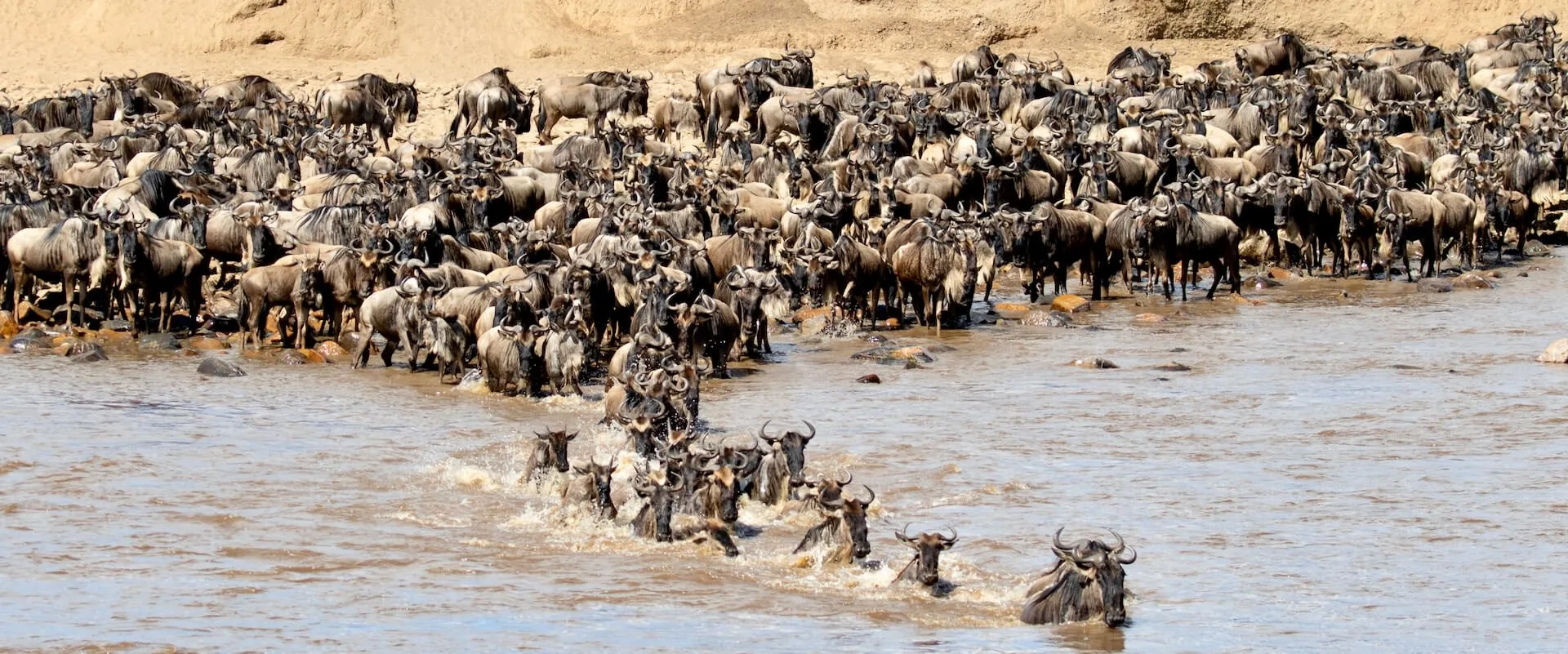
The Great Migration in Africa happens all year because the herds continuously circulate through the Serengeti–Mara ecosystem in…
Read article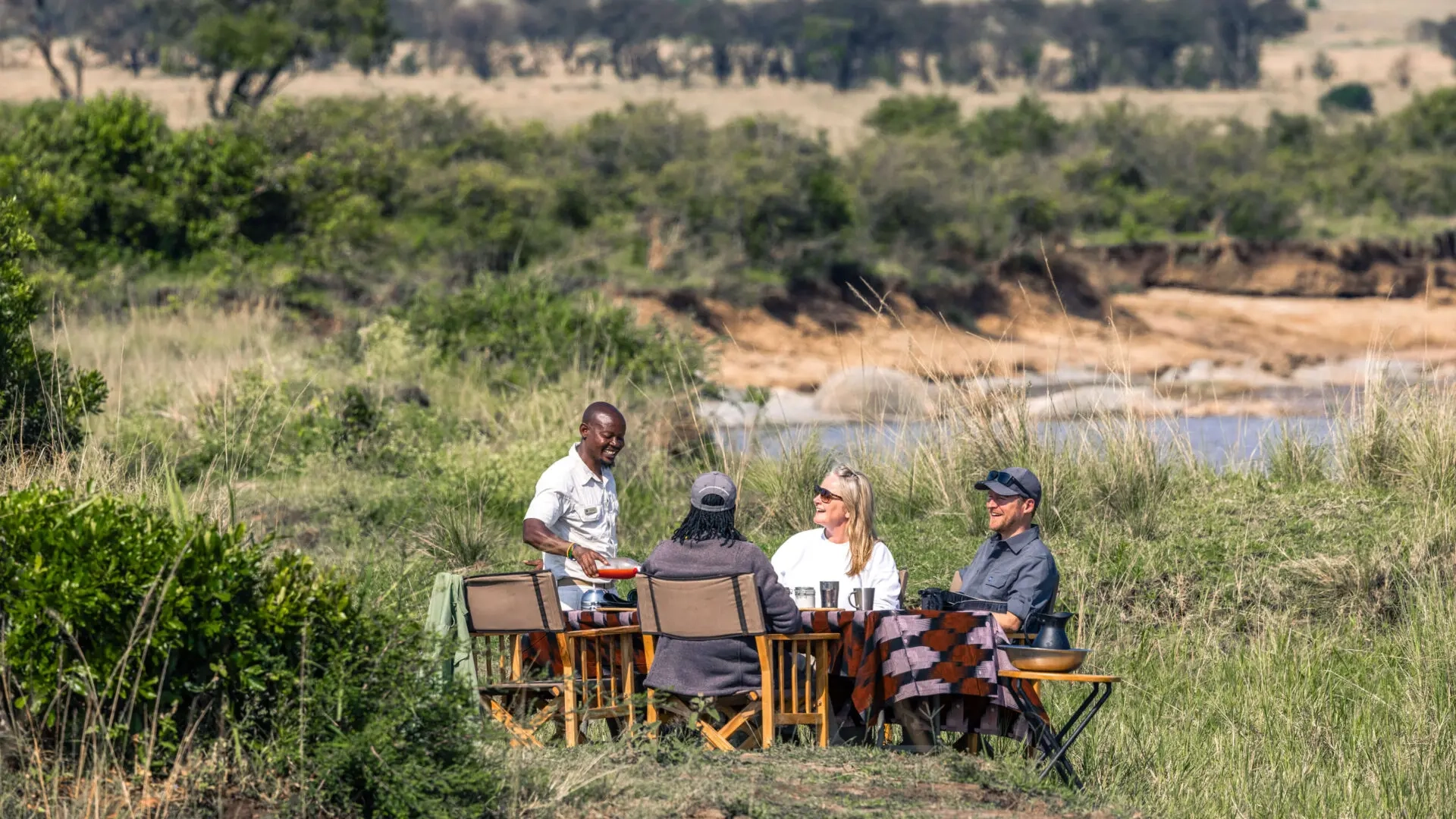
Definitive answer: A picnic lunch on safari is a packed or catered midday meal eaten at an approved…
Read article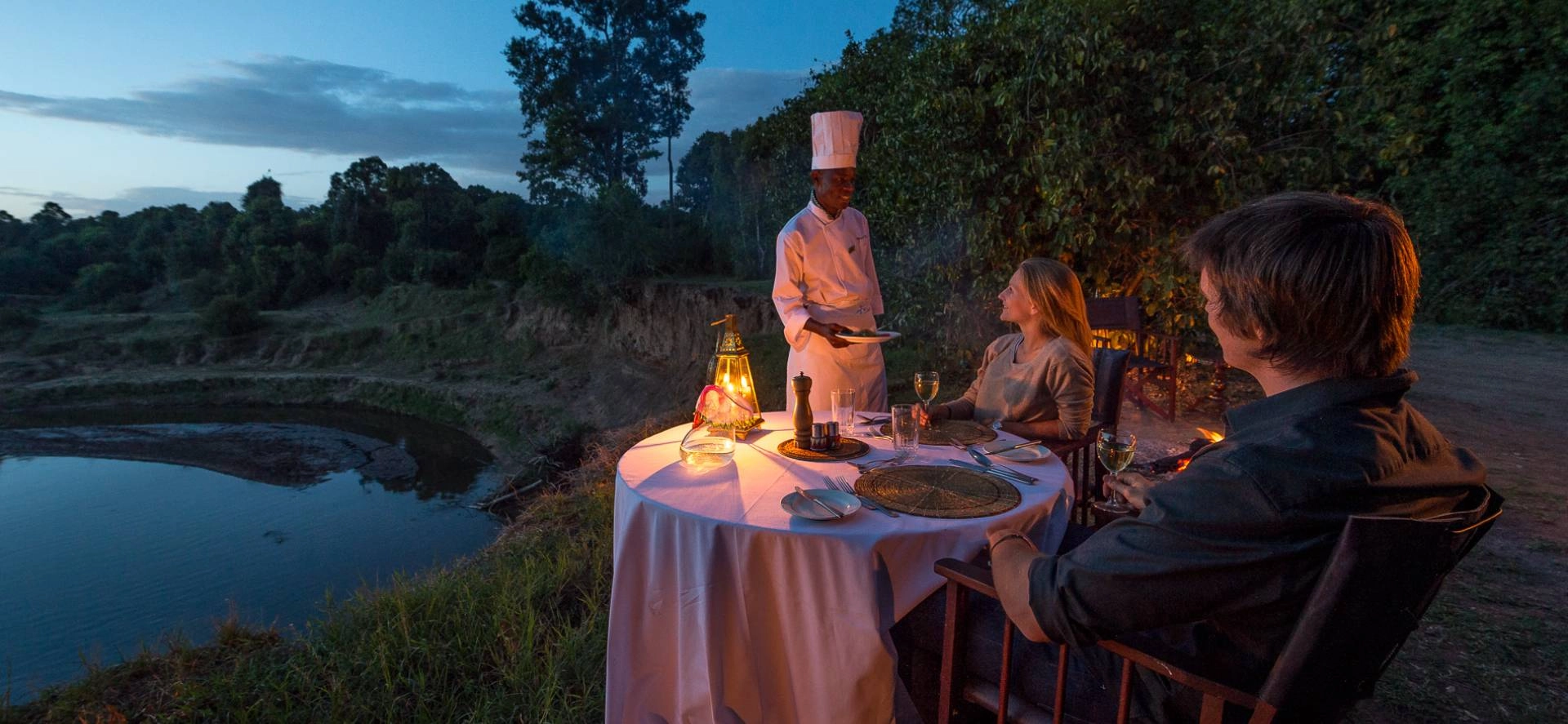
Definitive answer: A bush dinner is an outdoor evening meal arranged in a safe safari setting away from…
Read articleLet us take you closer to the wildlife, people and places that make Africa extraordinary.
Plan Your Safari Today