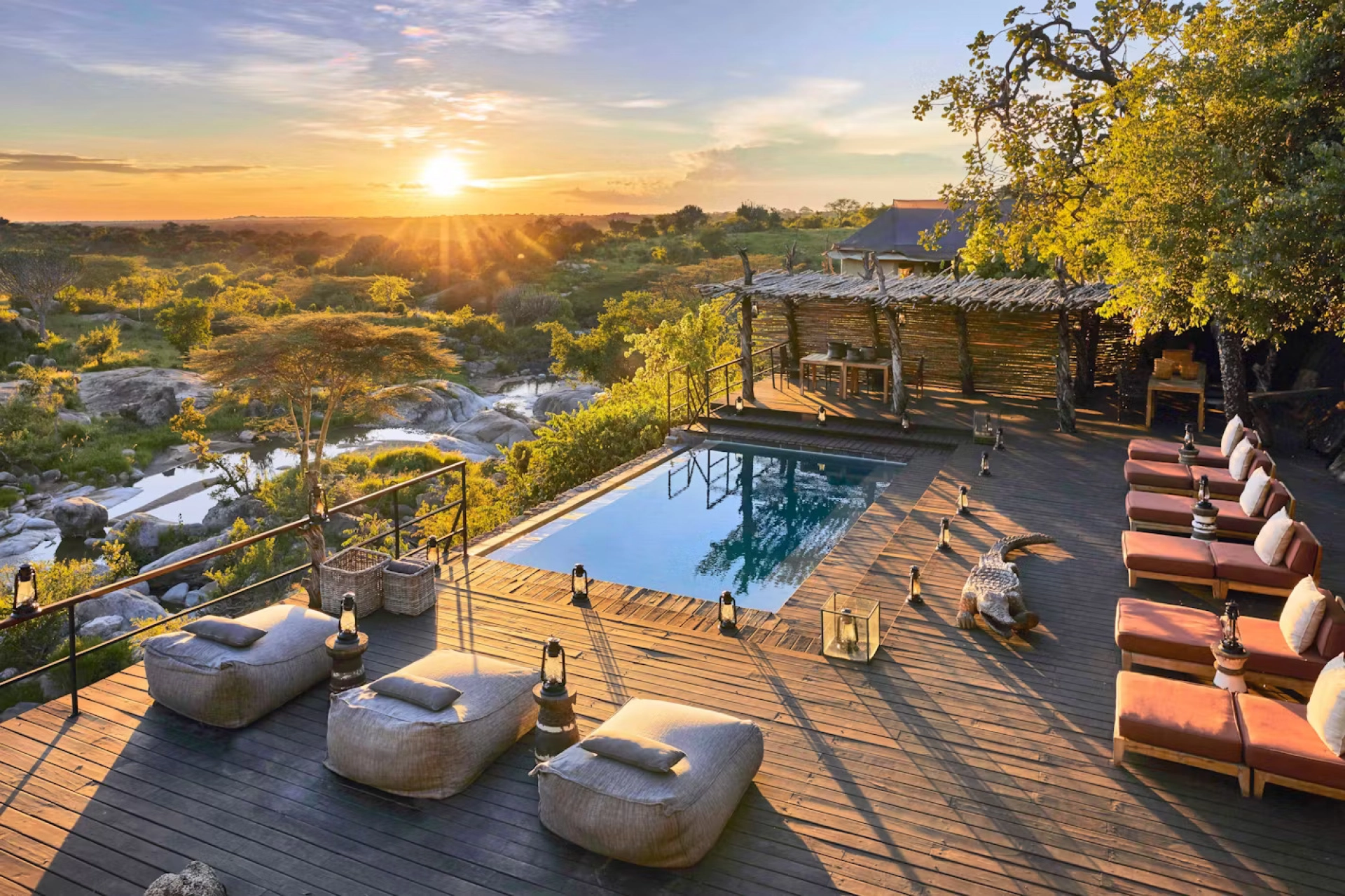
What should I look for when booking a luxury African safari?
When booking a luxury African safari, look beyond the room and compare the quality of guiding, wildlife location,…
Read article
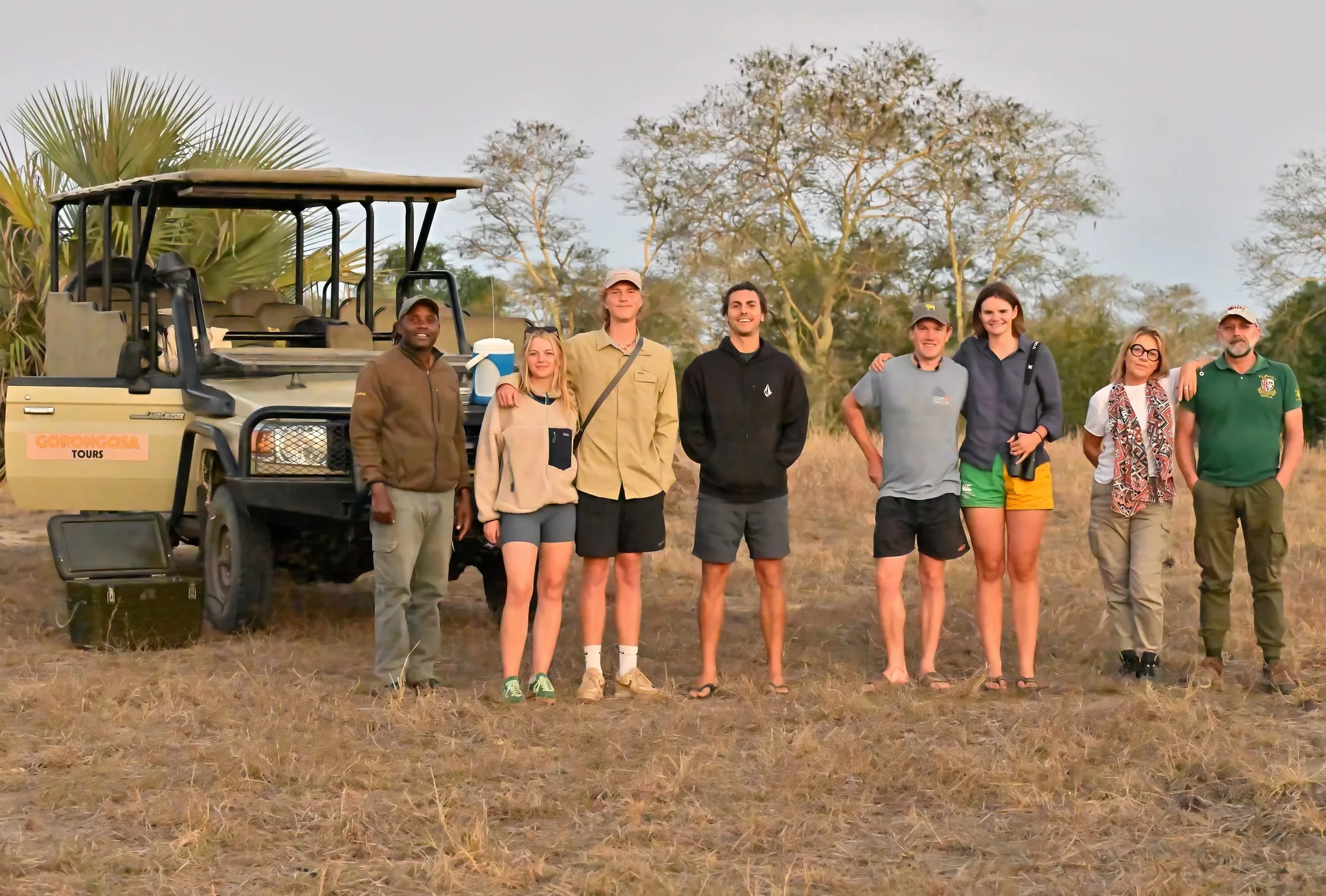
FAQs
Yes, on many private tailor-made African safaris you can request a particular safari guide, although the operator may not always be able to guarantee that person because guides are allocated according to availability, travel dates, destination expertise and existing assignments. If guide quality is particularly important to you, make the request when you first book rather than shortly before arrival. Even when a named guide is unavailable, a good safari company should be able to match you with someone whose experience suits your interests.
Yes, on many private tailor-made African safaris you can request a particular safari guide, although the operator may not always be able to guarantee that person because guides are allocated according to availability, travel dates, destination expertise and existing assignments. If guide quality is particularly important to you, make the request when you first book rather than shortly before arrival. Even when a named guide is unavailable, a good safari company should be able to match you with someone whose experience suits your interests.

Often, yes.
If you’ve traveled previously with a guide you particularly enjoyed, received a recommendation from a friend or repeatedly encountered a guide’s name in credible reviews, there is no reason not to ask whether that person is available.
Private safari operators frequently work with a relatively stable team of professional guides. If your preferred guide is free on your travel dates and qualified for the route, the operator may be able to assign that person.
However, making the request doesn’t necessarily create a guarantee.
A popular guide might already be leading another safari, taking scheduled leave or working in a different part of the country. Your itinerary may also require expertise that another guide is better suited to provide.
For this reason, the strongest request is usually:
“We would love to travel with this guide if available, but our main priorities are excellent wildlife knowledge, photography and a relaxed guiding style.”
That gives the operator useful information even if your first-choice guide cannot be assigned.
As early as possible.
Guide allocation is closely connected to vehicle allocation and safari scheduling. Waiting until a week before arrival dramatically reduces the operator’s flexibility.
If a particular guide is important to you, mention the request before paying the safari deposit or immediately afterward.
This becomes even more important during popular travel periods, when experienced guides can be booked on consecutive departures.
Early requests are also helpful for travelers requiring guides who speak a particular language or possess specialist expertise.
For many travelers, choosing a named individual isn’t necessary.
What matters more is ensuring that the operator understands the type of guide who will suit you.
A couple interested in photography might need a patient guide who understands positioning, light and the value of waiting.
A family with young children may benefit from someone energetic and engaging who can explain wildlife without overwhelming children with technical information.
A passionate birder needs a guide comfortable identifying species by sight and call.
A first-time visitor may value a guide who explains the broader ecosystem, culture, geography and history.
The best guide isn’t universally the same person for every traveler.
Wildlife knowledge is fundamental, but it is only part of professional guiding.
A strong guide understands animal behavior rather than merely naming species. They can explain why an impala suddenly becomes alert, why birds are making alarm calls or why lions may move toward a particular area as temperatures fall.
They also understand landscapes.
They notice tracks, dung, feeding signs and changes in vegetation.
Equally important is communication.
An excellent guide can explain complex ecological relationships in accessible language. They understand when guests want detailed interpretation and when everyone would rather sit quietly watching elephants.
Good guiding therefore combines knowledge with emotional intelligence.
A great deal.
On a private road safari, you may spend eight or ten days traveling with the same person.
There will be early mornings, long road transfers, meals, border crossings and many hours inside a vehicle.
A guide who understands your travel style can make these days enjoyable.
Some guests enjoy constant conversation.
Others prefer quiet road journeys.
Some want every bird identified.
Others primarily want mammals.
A professional guide learns these preferences quickly rather than delivering the same safari to every client.
You can certainly request one.
Availability varies significantly by country, operator and destination, but the number of women working professionally in African tourism and guiding continues to develop.
If traveling with a female guide is important to you, make the request early so the operator has the greatest chance of arranging it.
The same principle applies to language, specialist knowledge and other guide preferences.
Often, depending on destination and availability.
English is widely used in African safari tourism, but operators may also work with guides speaking German, French, Spanish, Italian and other languages.
A guide fluent in your preferred language can significantly improve the safari, particularly when detailed interpretation is important.
Language-specific guides can be limited in number, so early booking is particularly important.
Usually there is less flexibility.
Scheduled group departures have guides allocated to the entire group rather than individual travelers.
You can still ask who is expected to lead the trip and what their experience is.
If the guide is central to your decision, ask the operator whether guide assignments are normally finalized in advance.
However, operational circumstances can occasionally require substitutions.
Road-based private safaris in Uganda often use a dedicated driver-guide who collects guests at the beginning of the itinerary and remains with them through much of the journey.
This arrangement can be particularly rewarding because the guide becomes familiar with your interests as the safari progresses.
The same person may accompany you through savannah national parks, primate destinations and long road transfers.
Specialized activities such as gorilla trekking, chimpanzee trekking, nature walks and certain boat excursions are normally conducted with the appropriate guides or rangers responsible for those activities.
Your driver-guide remains responsible for the broader journey.
Not necessarily.
Gorilla trekking is conducted under the systems of the responsible wildlife authority and involves authorized trekking guides and ranger personnel.
Your safari driver-guide normally transports you to the briefing point, helps ensure you’re prepared and meets you afterward.
The actual forest trek is led by the designated trekking team.
This is an important distinction between a safari driver-guide and an activity-specific guide.
Fly-in safaris frequently use a different guiding model.
You may fly to a remote lodge where the property operates its own safari vehicles and employs resident guides.
You might therefore have one guide at the first camp, another at the second and another later in the journey.
This isn’t necessarily inferior.
Resident guides can possess exceptionally detailed knowledge of the immediate ecosystem because they work there continuously.
However, travelers who strongly prefer one consistent guide should discuss this when comparing safari styles.
Serious photographers should at least request a guide who understands photography.
This doesn’t necessarily mean hiring a professional photographer.
A photography-aware guide understands that vehicle positioning matters. They consider sunlight, backgrounds and shooting angles and recognize that photographers may want to spend considerable time with one animal.
They also understand that repeatedly moving the vehicle at the wrong moment can ruin an otherwise excellent photographic opportunity.
For specialist photographic trips, paying for a private vehicle and appropriate guide can be more valuable than upgrading accommodation.
Birding is an area where genuine specialist knowledge can transform the experience.
Africa contains an extraordinary diversity of birdlife, and identifying difficult species often requires knowledge of calls, habitat and subtle plumage differences.
If birding is one of your principal reasons for traveling, say so during the planning stage.
Don’t assume every excellent mammal guide is automatically an expert birder.
Sometimes.
Specialist guides, private guides or highly sought-after individuals may involve additional costs depending on the operator and safari model.
In other cases, guiding is already included in the package and guides are assigned according to experience and availability.
If guide quality is a major priority, ask directly what type of guiding is included rather than assuming the highest accommodation price automatically produces the best guide.
Reviews can be useful, particularly when the same guide is repeatedly praised for specific qualities.
However, remember that guide-client chemistry is subjective.
A guide one traveler describes as extremely detailed may be considered overly technical by another.
Look for descriptions of actual strengths: patience, birding expertise, photography knowledge, communication, safety, punctuality or ability to work with children.
These details are more useful than generic praise.
Things can change.
A guide can become ill, face a family emergency or encounter an operational issue.
A responsible safari company should have qualified alternatives.
If a particular guide was specifically guaranteed as a significant part of the booking, ask how substitutions are handled.
Otherwise, maintain some flexibility.
The objective should be excellent guiding rather than dependence on a single individual.
Some operators may be willing to introduce you shortly before the safari, particularly for complicated private itineraries.
This can be useful when there are unusual photography requirements, accessibility considerations or highly specialized interests.
For ordinary safaris, it usually isn’t necessary.
A detailed booking form or communication with the safari planner should provide enough information for the guide to prepare.
Instead of simply saying “we want your best guide,” explain what you value.
For example:
“We are keen photographers and prefer spending longer at sightings.”
“We are traveling with two children aged eight and eleven.”
“Birding is our main priority.”
“This is our first African safari and we want detailed interpretation.”
“We prefer a relaxed guide who doesn’t rush between sightings.”
This information allows the operator to make a far better match.
Yes, although no guide controls wildlife.
Experienced guides understand animal behavior, habitats and seasonal patterns. They interpret tracks, listen for alarm calls and communicate with other guides where appropriate.
They know when to remain patient.
A less experienced person might drive away from an apparently empty area seconds before a leopard emerges.
A skilled guide recognizes subtle clues suggesting something may happen.
That doesn’t mean good guides magically produce animals.
It means they improve the quality of the search.
Travelers often spend weeks comparing lodges while paying little attention to guiding.
That can be backwards.
You may spend eight hours sleeping in a lodge but another eight hours exploring with your guide.
A great guide turns sightings into stories, identifies behavior you would otherwise miss and helps the entire journey run smoothly.
If you’re choosing where to invest additional safari budget, better guiding and a good private vehicle can sometimes improve the experience more than moving from an already comfortable lodge to a more luxurious one.
If you have a strong reason, yes.
Make the request early and understand that availability can change.
If you don’t know any guides personally, focus instead on describing your interests and asking the safari company to make an appropriate match.
The goal isn’t simply to obtain the most famous guide.
It is to travel with someone whose knowledge, communication style and experience complement the safari you want to have.
Continue with:
The guide isn’t merely the person driving the vehicle. On a well-run safari, the guide is one of the most important people shaping how you understand and experience Africa.

Share This Article
When booking a luxury African safari, look beyond the room and compare the quality of guiding, wildlife location,…
Read article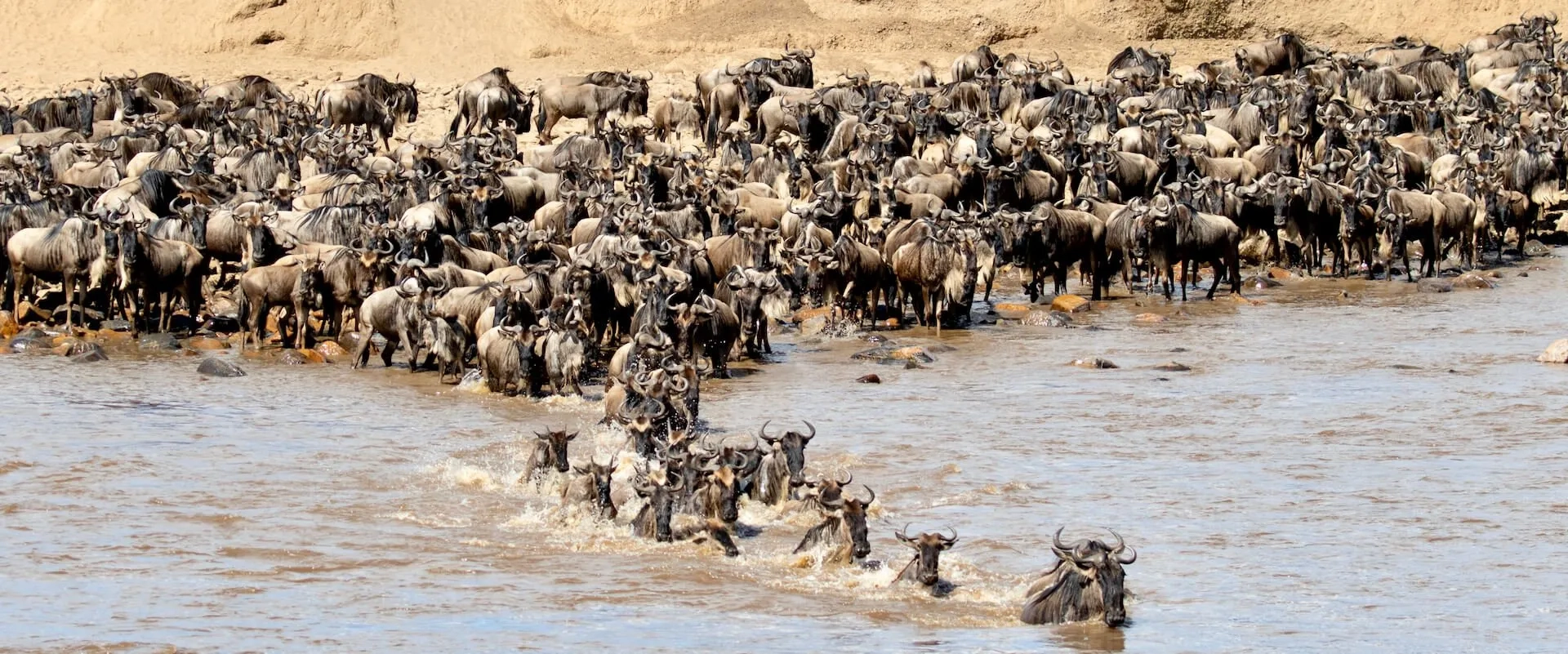
The Great Migration in Africa happens all year because the herds continuously circulate through the Serengeti–Mara ecosystem in…
Read article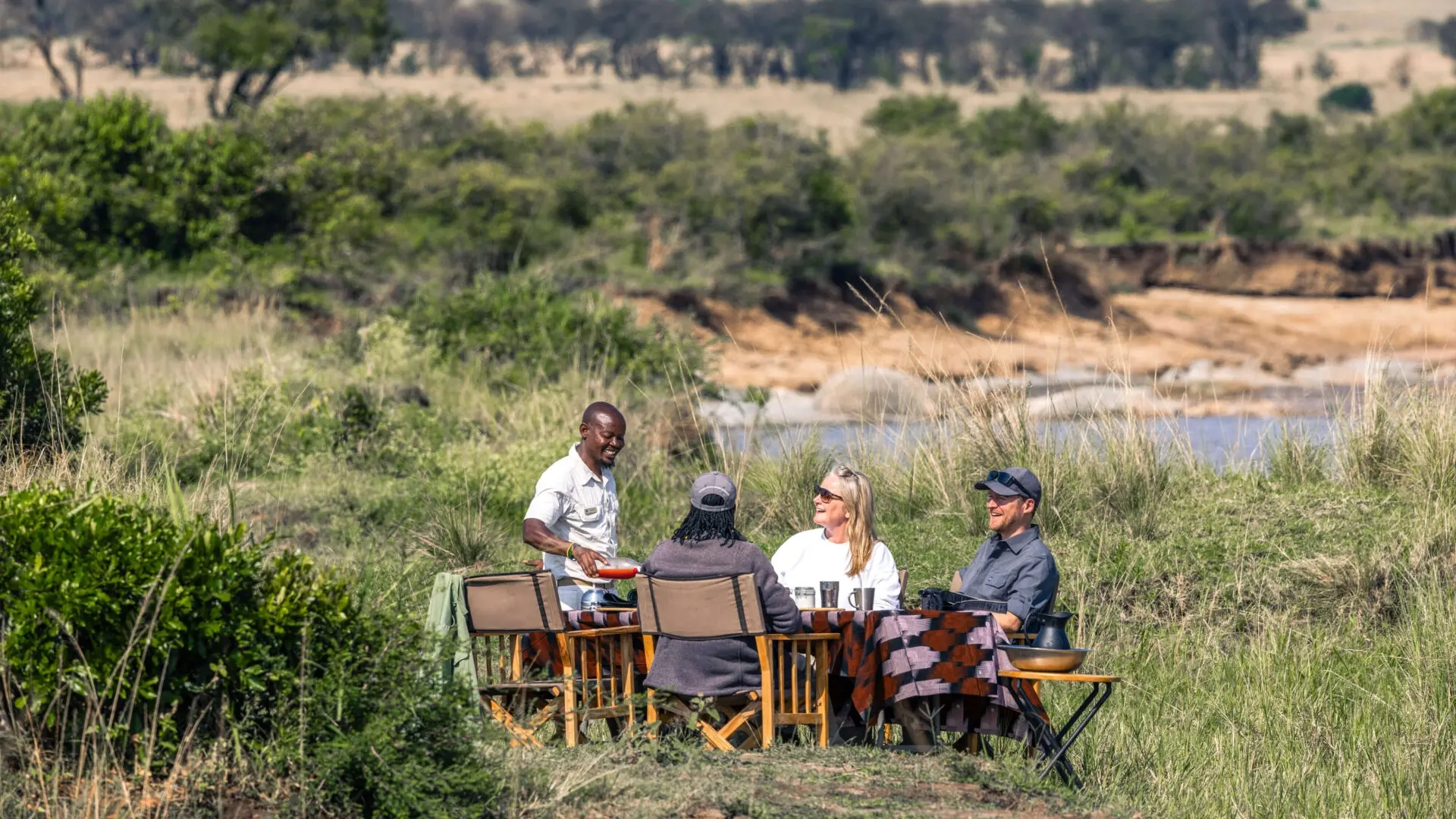
Definitive answer: A picnic lunch on safari is a packed or catered midday meal eaten at an approved…
Read article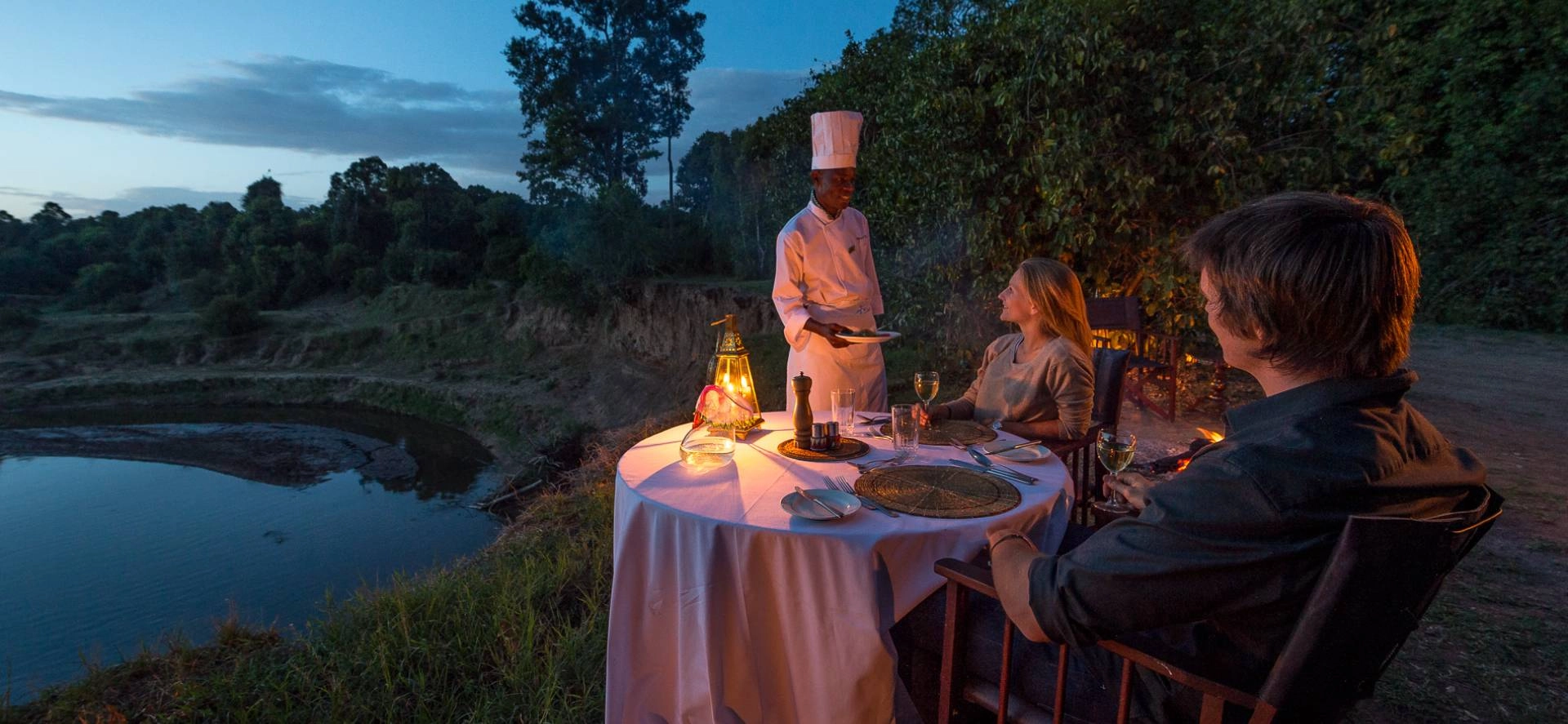
Definitive answer: A bush dinner is an outdoor evening meal arranged in a safe safari setting away from…
Read articleLet us take you closer to the wildlife, people and places that make Africa extraordinary.
Plan Your Safari Today