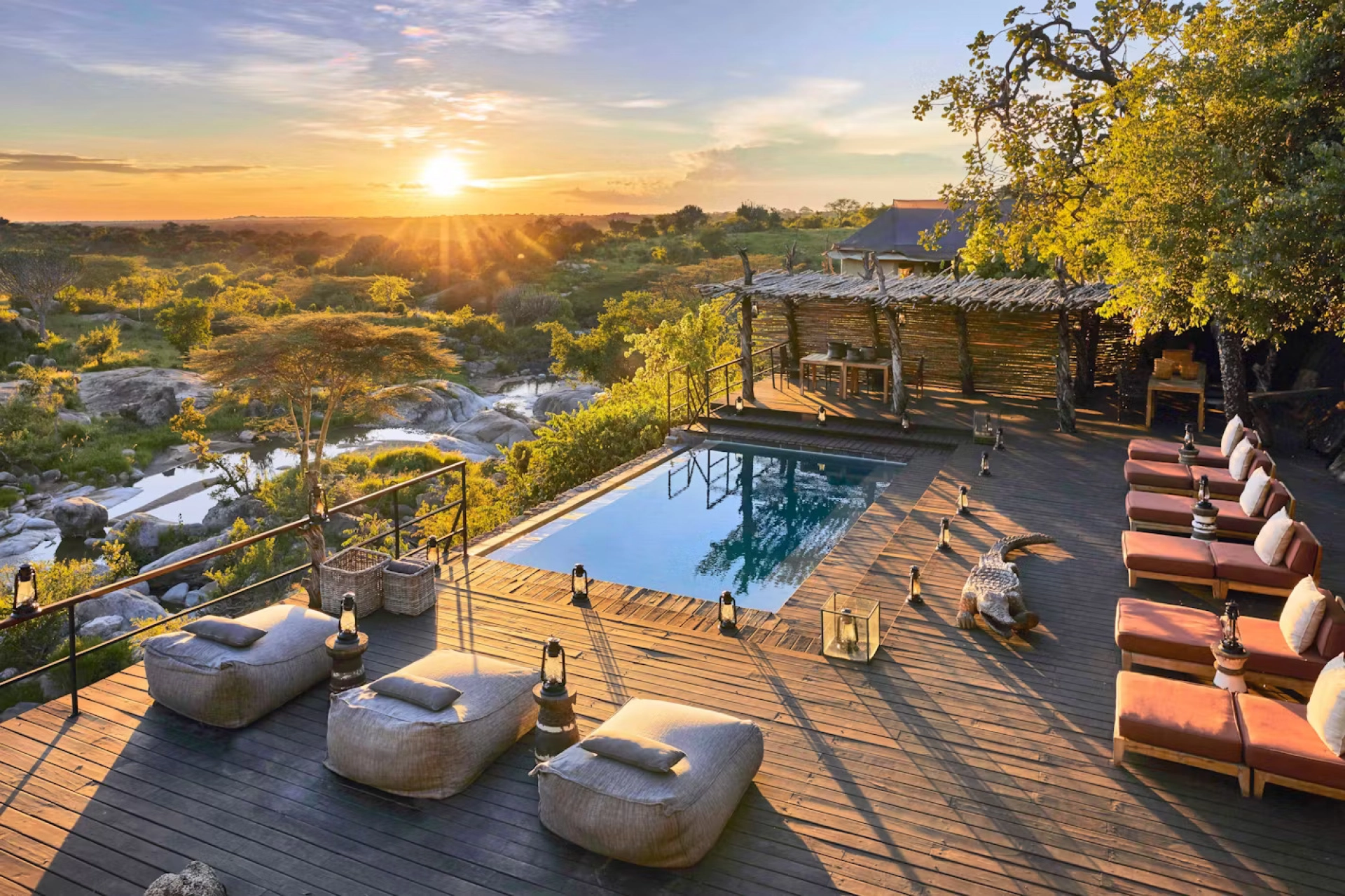
What should I look for when booking a luxury African safari?
When booking a luxury African safari, look beyond the room and compare the quality of guiding, wildlife location,…
Read article

FAQs
Yes. Most established safari operators and lodges can accommodate common dietary restrictions, including vegetarian, vegan, gluten-free and dairy-free diets, provided they receive advance notice. Food allergies, religious dietary requirements and medically necessary diets should be communicated clearly during booking because many safari lodges operate in remote areas where replacement ingredients cannot easily be obtained at short notice.
Yes. Most established safari operators and lodges can accommodate common dietary restrictions, including vegetarian, vegan, gluten-free and dairy-free diets, provided they receive advance notice. Food allergies, religious dietary requirements and medically necessary diets should be communicated clearly during booking because many safari lodges operate in remote areas where replacement ingredients cannot easily be obtained at short notice.

In most cases, yes.
Modern safari tourism serves travelers from around the world, and professional lodges regularly receive guests with different dietary preferences and restrictions.
Vegetarian meals are particularly common and are generally straightforward to arrange.
Vegan, dairy-free, gluten-free and other specialized diets are also increasingly familiar to safari kitchens.
However, travelers should remember that a safari lodge isn’t the same as a restaurant in London, New York, Sydney or another major city.
Some camps are several hours from the nearest significant town.
Food deliveries may happen according to scheduled supply runs rather than daily shopping.
Advance notice therefore makes an enormous difference.
Ideally, during the booking process.
Your safari operator can add the information to your reservation and communicate it to every lodge included in your itinerary.
This is especially important on multi-destination safaris.
A ten-day safari might involve five different properties. Telling the first lodge doesn’t automatically mean the next four know about your requirements.
A professional operator should distribute the information throughout the itinerary.
It is nevertheless sensible to politely reconfirm important dietary restrictions when arriving at each property.
Vegetarian diets are among the easiest dietary preferences for safari lodges to accommodate.
African cuisine already includes many naturally vegetarian ingredients such as vegetables, beans, lentils, rice, potatoes, sweet potatoes, cassava, matoke, fruit and grains.
Larger safari lodges usually offer multiple meal choices.
Smaller camps may use fixed menus but can normally prepare vegetarian alternatives when informed in advance.
Vegetarian travelers should therefore rarely find diet alone a reason to avoid an African safari.
Usually, yes, particularly with advance notice.
Vegan requirements can be more demanding because kitchens need to avoid meat, fish, eggs, dairy and other animal-derived ingredients.
Remote properties may not routinely stock specialized vegan substitutes.
However, excellent vegan meals don’t necessarily require specialty products.
Fresh vegetables, grains, pulses, fruit and local dishes can form the basis of satisfying meals.
Tell your operator clearly that you’re vegan rather than vegetarian because the distinction matters.
Many safari lodges can accommodate gluten-free diets.
However, the degree of accommodation varies.
Travelers avoiding gluten as a preference have different requirements from someone with celiac disease or another medically diagnosed condition.
If cross-contamination is a serious concern, explain this explicitly.
Simply writing “gluten-free” on a booking form may not communicate the severity of the requirement.
Remote kitchens may also have limitations in guaranteeing completely separate preparation areas.
Discuss these issues before confirming the trip if they are medically important.
Often, but serious allergies require careful communication.
Provide the exact allergen rather than vague statements such as “special diet.”
For example:
“Severe peanut allergy.”
“Allergic to shellfish.”
“Cannot consume dairy.”
This is far more useful to kitchen staff.
If exposure could cause a severe medical emergency, communicate the allergy directly to the operator in writing and ask that it be reconfirmed with every lodge.
Travelers prescribed emergency medication should carry it according to medical advice and keep it accessible.
Tell your operator all of them.
Don’t assume a lodge will infer one requirement from another.
For example, being gluten-free doesn’t mean dairy-free, and vegetarian doesn’t mean vegan.
A clear written description reduces misunderstanding.
Where requirements are particularly complex, your operator may contact lodges individually before confirming the itinerary to determine whether they can cater appropriately.
Availability varies by country and property.
Some destinations and lodges have easier access to halal-certified ingredients than others.
Travelers requiring strict halal preparation should explain exactly what standard they require.
A lodge may be able to provide meals without pork or alcohol while being unable to guarantee halal-certified meat.
Those are not necessarily equivalent.
Discuss the requirement before booking so suitable properties can be selected.
Strict kosher requirements can be more challenging in remote safari environments.
Some specialist operators and properties may be able to make appropriate arrangements, particularly with substantial advance notice.
However, travelers requiring certified kosher kitchens, utensils or ingredients should discuss those requirements in detail.
In some circumstances, specially prepared meals or alternative arrangements may be necessary.
The earlier this conversation happens, the more realistic the planning can be.
Yes.
Many family-friendly safari lodges can prepare simpler meals for children.
If a child is a particularly selective eater, tell the operator in advance.
Common foods such as pasta, rice, potatoes, eggs, chicken and fruit may be easier to arrange than very specific branded products.
Parents traveling with infants should discuss baby food, formula and refrigeration requirements before departure.
Meals vary enormously according to accommodation level.
A luxury lodge might serve multi-course dinners, while a small tented camp may provide excellent but simpler set menus.
Breakfast might include fruit, cereals, eggs, bread and cooked dishes.
Lunch could consist of salads, sandwiches, soups or a buffet.
Dinner may include several courses or a buffet featuring meat, vegetables and vegetarian dishes.
On travel days, guests may receive packed lunches.
Dietary requirements therefore need to be considered not only at lodges but also for meals taken on the road.
Packed meals are common during full-day game drives, gorilla trekking, chimpanzee trekking and long transfers.
If you have dietary restrictions, ensure these apply to packed lunches too.
Your operator and lodge should already know, but politely reconfirming the evening before can prevent mistakes.
A suitable packed meal is especially important before physically demanding activities such as gorilla trekking.
Travelers with highly specialized diets may find it useful to carry a small selection of familiar snacks.
Energy bars, crackers or other suitable travel foods can provide reassurance during long road journeys.
Check customs and agricultural import rules before bringing food into another country.
Fresh produce, meat and certain agricultural products can be restricted.
Factory-sealed packaged foods are generally easier to travel with, subject to destination regulations.
Usually not for common requirements.
Vegetarian and straightforward dietary requests are generally incorporated into normal lodge catering.
Highly specialized ingredients, imported products or complex meal arrangements could potentially involve additional costs.
If so, these should be discussed before travel.
Professional safari lodges generally have established systems for drinking and food preparation water.
Travelers should nevertheless follow destination-specific advice about drinking water.
Bottled, filtered or otherwise treated drinking water is commonly provided at established safari properties and inside safari vehicles.
Yes, particularly if the restriction is medically important.
Your operator should have communicated the information already, but a brief reminder during check-in is sensible.
You might simply say:
“I believe our operator mentioned that I have a severe nut allergy. Could you please confirm that the kitchen has this information?”
This isn’t being difficult. It’s sensible communication.
Multi-country trips require particularly careful coordination because several operators, airlines, lodges and suppliers may be involved.
Your main safari operator should communicate dietary information to accommodation providers throughout the itinerary.
If regional flights include meals, dietary requests may need to be submitted separately.
Airline catering and safari lodge catering are separate systems.
Certainly.
If you’re celebrating a birthday, anniversary or honeymoon and need a special cake, communicate dietary requirements at the same time.
For example, don’t simply request “a birthday cake” if the guest requires gluten-free food.
Remote lodge kitchens need enough time to source appropriate ingredients.
Most dietary requirements shouldn’t prevent anyone from enjoying an African safari.
The essential factor is communication.
Tell your safari operator exactly what you can and cannot eat, preferably during the booking process.
For preferences, explain them clearly.
For serious allergies or medical restrictions, emphasize their severity.
Reconfirm important requirements at each lodge and keep any medically required emergency medication accessible.
Safari hospitality has developed enormously, and many lodges pride themselves on providing excellent meals even in remarkably remote locations.
With sufficient advance notice, dietary restrictions can usually become a routine part of safari planning rather than an obstacle to traveling.
Continue with:
Communicating special requirements early allows your safari operator and accommodation providers to prepare properly before you arrive.

Share This Article
When booking a luxury African safari, look beyond the room and compare the quality of guiding, wildlife location,…
Read article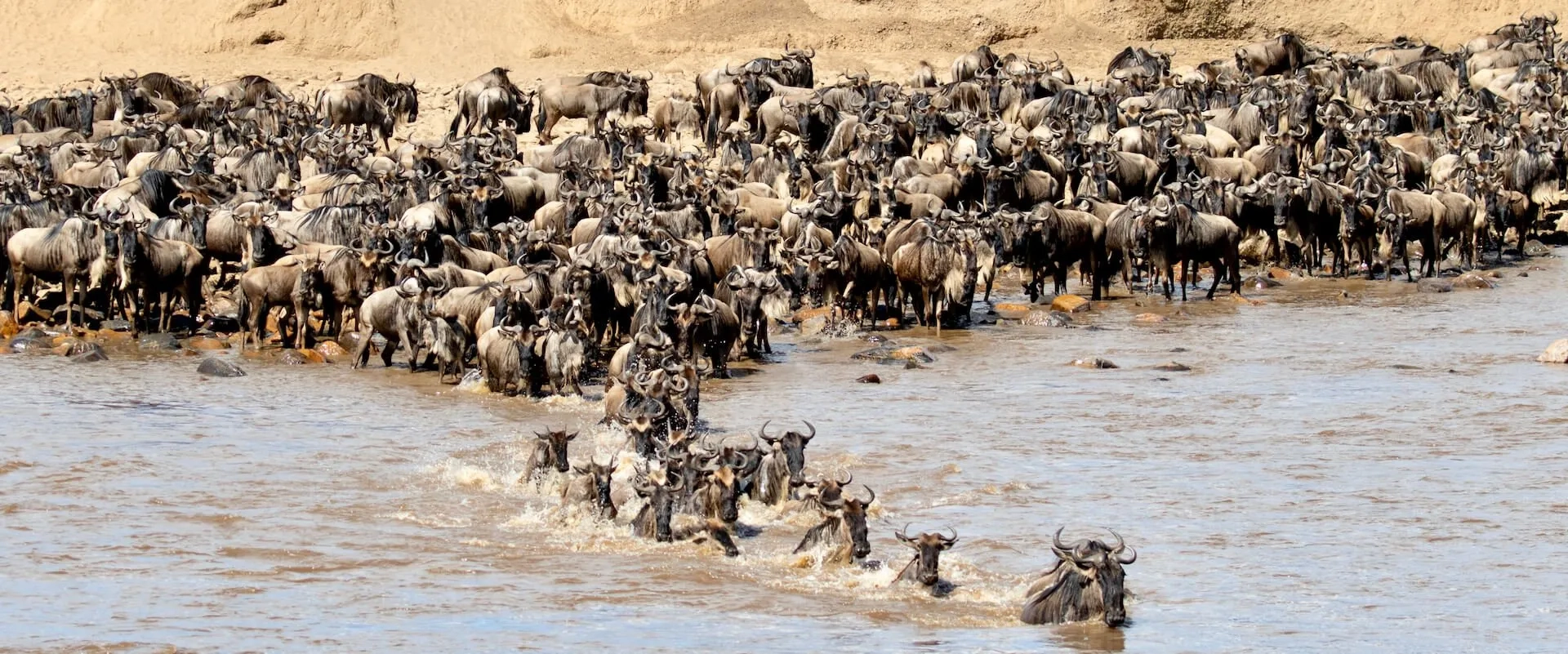
The Great Migration in Africa happens all year because the herds continuously circulate through the Serengeti–Mara ecosystem in…
Read article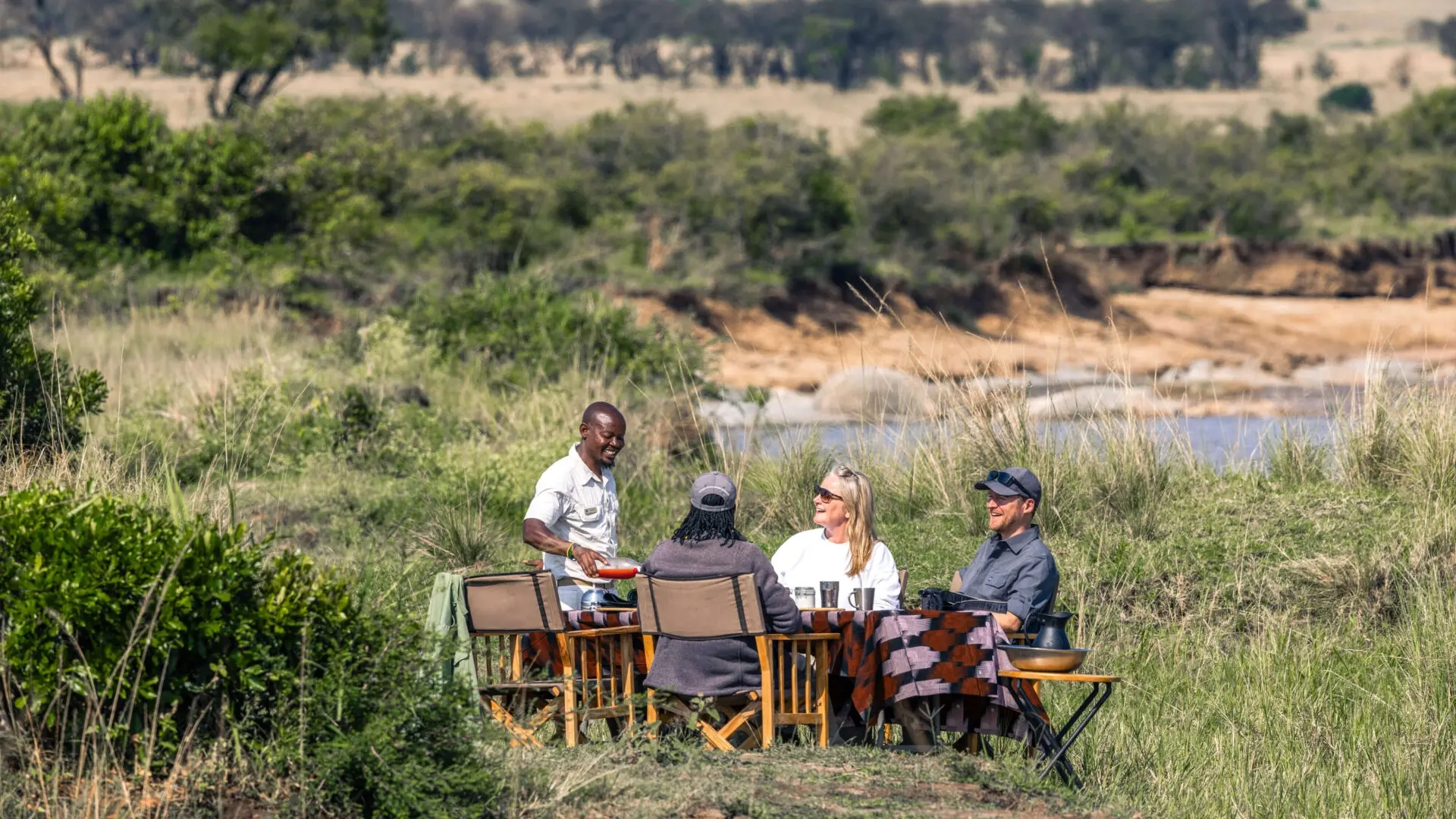
Definitive answer: A picnic lunch on safari is a packed or catered midday meal eaten at an approved…
Read article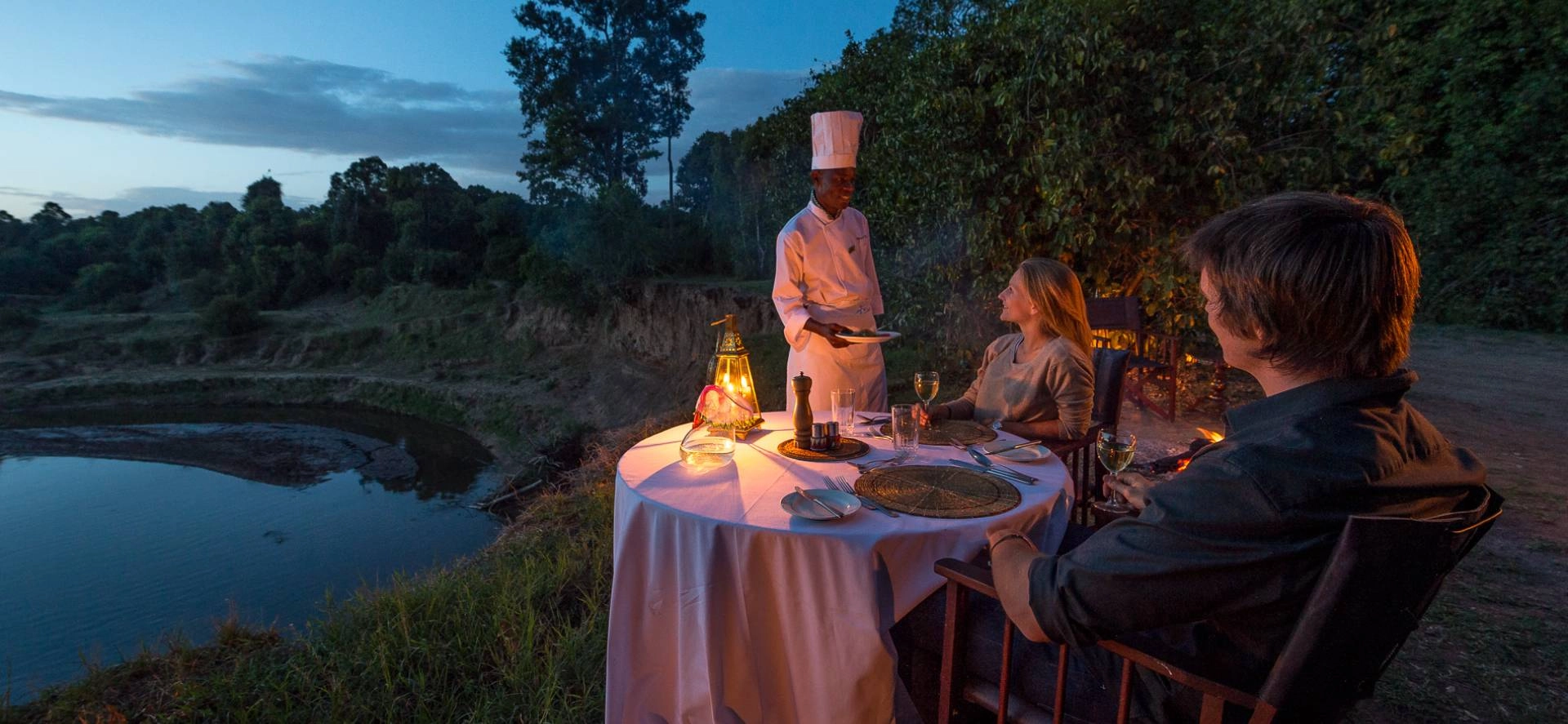
Definitive answer: A bush dinner is an outdoor evening meal arranged in a safe safari setting away from…
Read articleLet us take you closer to the wildlife, people and places that make Africa extraordinary.
Plan Your Safari Today