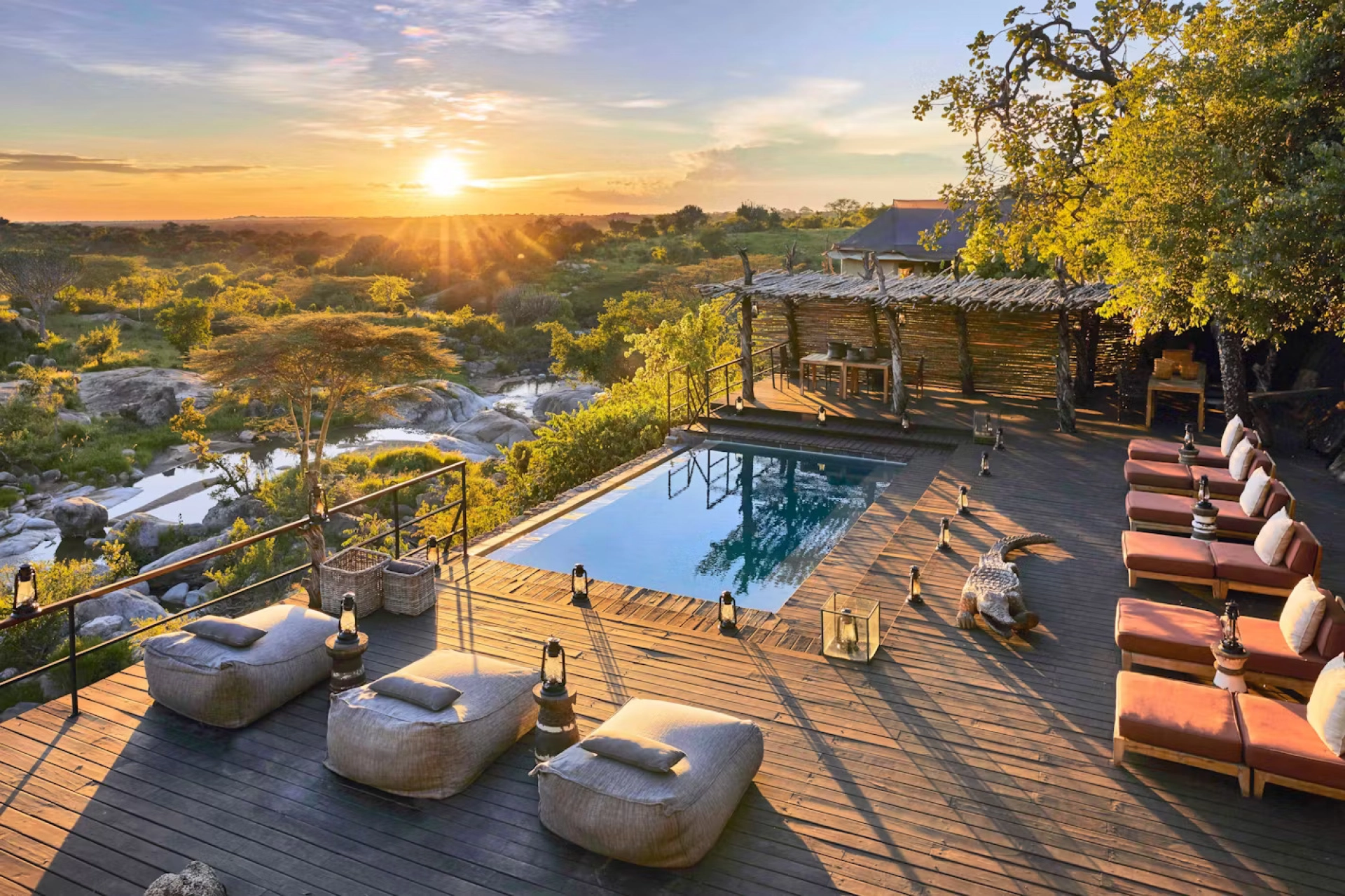
What should I look for when booking a luxury African safari?
When booking a luxury African safari, look beyond the room and compare the quality of guiding, wildlife location,…
Read article

FAQs
Yes, spotted hyenas can be seen relatively reliably in several major African safari destinations, particularly in ecosystems supporting large populations of grazing animals and other predators. Strong destinations include the Serengeti–Mara ecosystem, Ngorongoro, Kruger and parts of Botswana. However, no wild animal sighting should be treated as guaranteed, and other hyena species can be considerably harder to find.
Yes, spotted hyenas can be seen relatively reliably in several major African safari destinations, particularly in ecosystems supporting large populations of grazing animals and other predators. Strong destinations include the Serengeti–Mara ecosystem, Ngorongoro, Kruger and parts of Botswana. However, no wild animal sighting should be treated as guaranteed, and other hyena species can be considerably harder to find.
This depends heavily on where you travel.
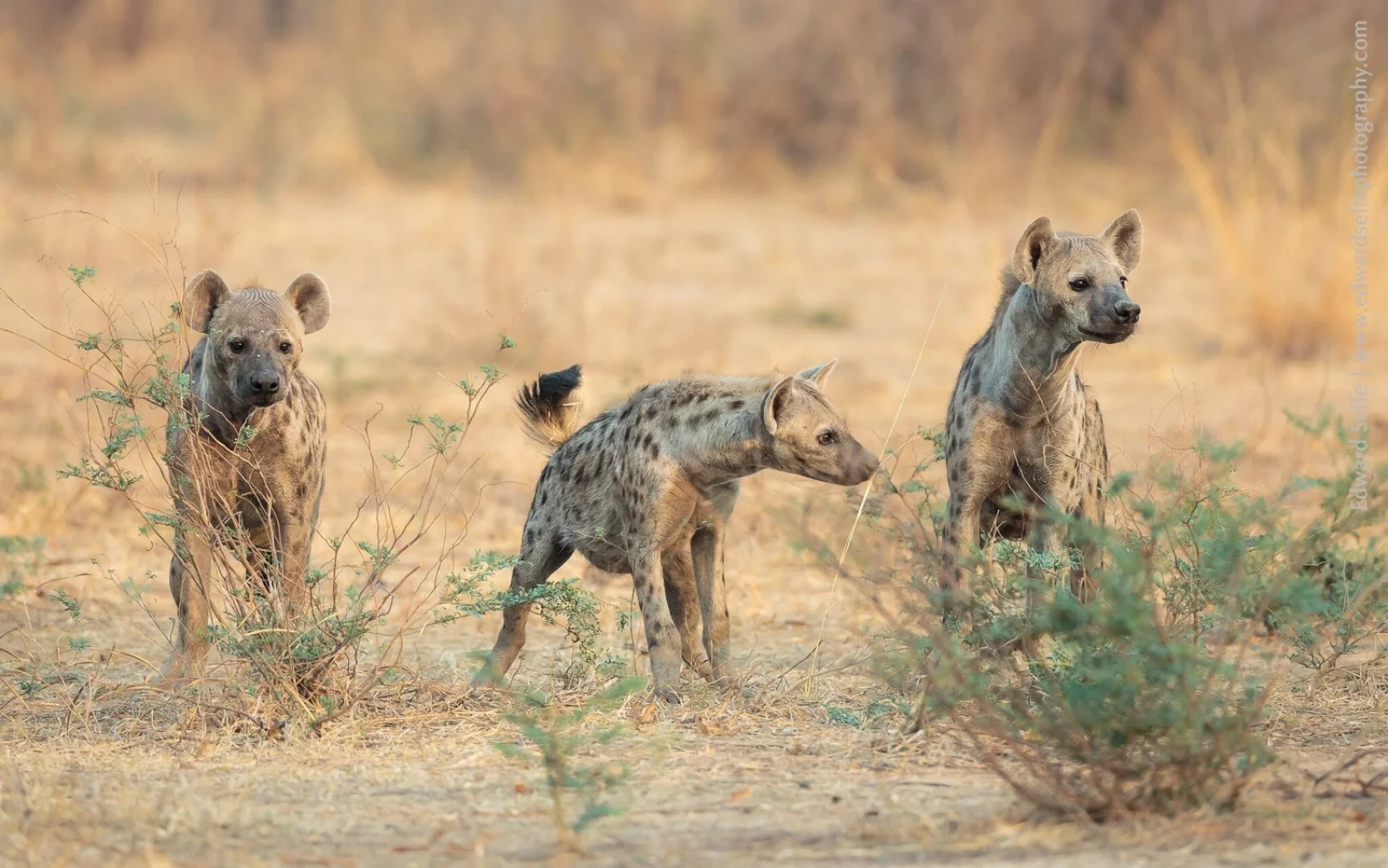
Africa contains four living hyena species: spotted hyena, brown hyena, striped hyena and aardwolf. The spotted hyena is the species most safari travelers mean when they talk about seeing hyenas.
In productive savannah ecosystems, spotted hyenas can occur in significant numbers.
They are particularly associated with landscapes supporting abundant prey such as wildebeest, zebra and various antelope.
This is one reason travelers visiting famous wildlife ecosystems can have very good opportunities to encounter them.
The Serengeti–Mara ecosystem is one of the strongest choices.
The enormous abundance of herbivores supports substantial predator populations, including spotted hyenas.
Travelers visiting the Serengeti or Masai Mara may encounter individuals moving across the plains, clans resting near dens or animals feeding around carcasses.
The Ngorongoro Crater is another particularly productive location.
Its relatively concentrated wildlife populations and open terrain can make predator observation excellent.
South Africa’s Kruger National Park and several safari areas in Botswana also support spotted hyenas.
The broader lesson is that destination selection dramatically affects sighting probability.
In some destinations, yes.
Leopards are solitary, secretive and frequently concealed by vegetation.
Spotted hyenas can live in large social groups known as clans and may move through relatively open landscapes.
However, wildlife viewing is never completely predictable.
You might spend several days repeatedly encountering leopards while seeing only one hyena, or experience exactly the opposite.
Safari isn’t a zoo with a predetermined sequence of animals.
Spotted hyenas live in complex social societies known as clans.
These groups can include multiple adults and young animals.
Clan structure is dominated by females, and social relationships are remarkably sophisticated.
This makes hyena observation much more interesting than simply ticking another predator off a wildlife checklist.
At a den, you might observe cubs playing, adults interacting and individuals greeting one another.
Spend enough time watching them and their reputation as simple scavengers quickly disappears.
No.
This is one of the most persistent misconceptions about African wildlife.
Spotted hyenas are highly capable predators that obtain substantial amounts of food through hunting.
They can pursue prey over considerable distances and work together.
They also scavenge when opportunities arise.
But lions, leopards and other carnivores scavenge too.
In fact, interactions between lions and hyenas can go in both directions. Lions may take carcasses from hyenas just as hyenas can exploit kills made by other predators.
Early mornings can be particularly productive.
Hyenas are frequently active at night and around dawn.
A morning game drive may encounter individuals returning from nocturnal activity.
Late-afternoon and evening drives can also be excellent.
In destinations allowing night drives, travelers may have additional opportunities to observe active hyenas.
During the middle of a hot day, they may rest in shade or around dens.
Absolutely.
Being substantially nocturnal doesn’t mean hyenas disappear when the sun rises.
They can be active throughout the day, especially during cooler conditions.
Safari travelers regularly encounter hyenas walking across roads, resting in grassland, feeding, visiting water or interacting around dens during daylight.
Weather, food availability and recent hunting activity all influence behavior.
They can be exceptional.
When guides know the location of an active den, sightings can become more predictable.
Cubs may remain around the den while adults move across much larger territories.
This can provide wonderful opportunities to observe social behavior.
Responsible guides maintain an appropriate distance and avoid disturbing the animals.
A den should never become an excuse to crowd wildlife.
Yes, particularly if an active den is accessible from established safari routes.
Young spotted hyenas can be remarkably curious and playful.
Watching cubs interacting with adults can become one of the most memorable predator encounters of a safari.
However, guides shouldn’t leave established roads or violate park regulations simply to obtain a closer view.
Hyenas have an extraordinary vocal repertoire.
Their famous “laugh” is only one of several sounds.
Spotted hyenas also produce whoops that can carry considerable distances across open landscapes.
Hearing hyenas calling around a safari camp after dark can be as memorable as seeing them.
For many travelers, nighttime sounds are one of the unexpected pleasures of staying inside or near wildlife areas.
Wildlife can move through unfenced safari properties in some destinations.
This may include hyenas.
Guests should therefore follow lodge rules carefully, particularly after dark.
Some camps require guests to be escorted between their rooms and common areas at night.
Never approach or feed wildlife around a lodge.
The fact that an animal appears accustomed to buildings doesn’t make it domesticated.
Hyenas generally show little interest in attacking properly operated safari vehicles.
Travelers should nevertheless remain inside or follow the guide’s instructions in open vehicles.
Wild animals deserve respect regardless of how relaxed they appear.
Never attempt to attract a hyena with food.
Look for destinations with strong spotted hyena populations and open terrain.
The Serengeti, Masai Mara and Ngorongoro can all provide excellent photographic opportunities.
Early morning light is particularly attractive.
Hyena photography becomes especially interesting when animals are interacting rather than simply walking through the landscape.
Look for clan greetings, cubs, hunting behavior and predator interactions.
Spotted hyenas occur in Uganda, including some savannah ecosystems.
However, travelers shouldn’t assume sighting probabilities are identical to destinations such as the Serengeti or Ngorongoro.
Uganda’s safari strength lies in combining a remarkable range of experiences, including gorilla trekking, chimpanzee trekking, savannah wildlife, birding and Nile-based activities.
A hyena sighting should be treated as an exciting addition rather than something guaranteed.
Yes.
Kenya offers excellent opportunities, particularly in the Masai Mara ecosystem.
Large prey populations and open landscapes support significant predator communities.
Hyenas are an important component of that system.
Early morning game drives can be especially productive.
Yes.
Tanzania is one of Africa’s strongest destinations for spotted hyena viewing.
The Serengeti ecosystem and Ngorongoro are particularly notable.
Travelers focusing heavily on predators can build itineraries that spend sufficient time in these ecosystems rather than rushing between too many parks.
Certainly.
South Africa, Botswana, Namibia, Zambia and Zimbabwe all offer opportunities depending on the species and region.
Spotted hyenas occur across several major safari ecosystems.
Some southern African destinations also provide opportunities for other hyena species.
Travelers specifically interested in hyenas should tell their safari planner rather than simply booking a generic Big Five itinerary.
Definitely.
Guides appreciate knowing what interests guests.
If your priorities are hyenas, wild dogs, birds, elephants or photography, tell the guide.
They can use recent sightings, tracks, calls and information from other guides to decide where to concentrate.
This doesn’t guarantee success.
It simply improves the strategy.
Safari travelers sometimes become so focused on lions and leopards that they underestimate hyenas.
That is a mistake.
Hyenas are among Africa’s most fascinating large carnivores.
Their sophisticated social structure, hunting ability and interactions with other predators can produce extraordinary wildlife experiences.
Watching a hyena clan for thirty minutes may ultimately reveal more complex behavior than seeing a sleeping lion for the same amount of time.
In the right destination, your chances can be very good.
But “reliable” should never be confused with “guaranteed.”
Wildlife moves.
Weather changes.
Animals alter their routines.
That unpredictability is precisely what makes an authentic safari exciting.
Choose a strong ecosystem, spend enough time there and use an experienced guide.
If hyenas are particularly important to you, build the safari around destinations known for healthy populations rather than hoping to encounter them incidentally.
Continue with:
The strongest wildlife itineraries match the destinations to the species travelers genuinely want to see.

Share This Article
When booking a luxury African safari, look beyond the room and compare the quality of guiding, wildlife location,…
Read article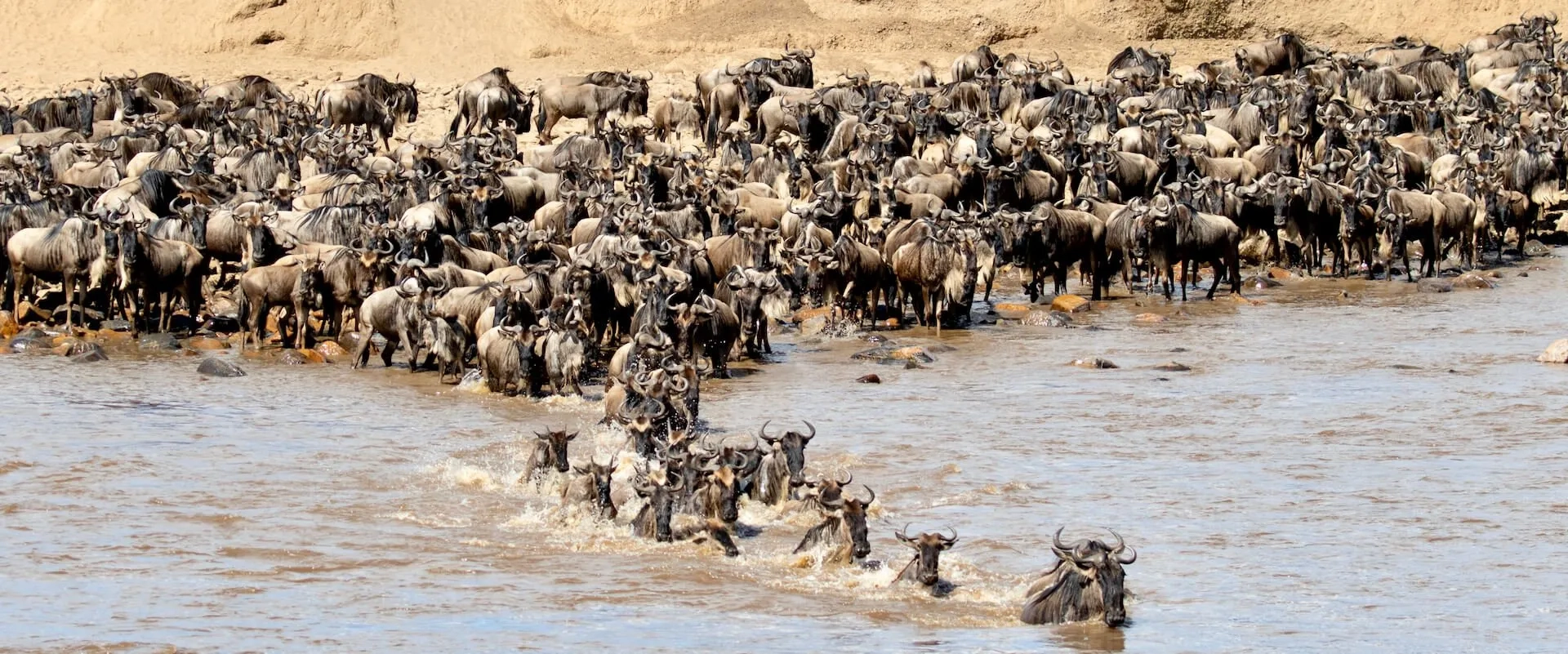
The Great Migration in Africa happens all year because the herds continuously circulate through the Serengeti–Mara ecosystem in…
Read article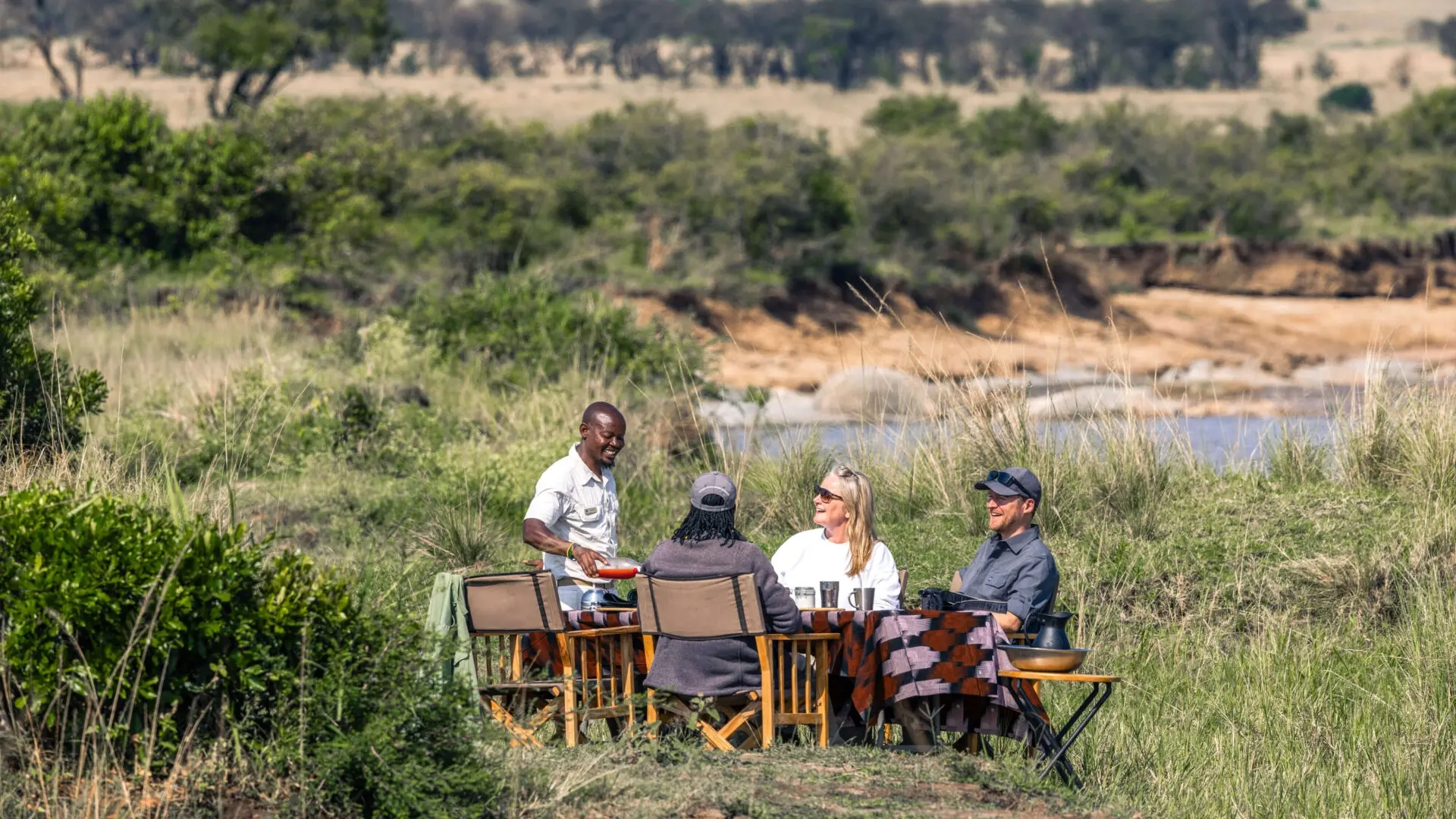
Definitive answer: A picnic lunch on safari is a packed or catered midday meal eaten at an approved…
Read article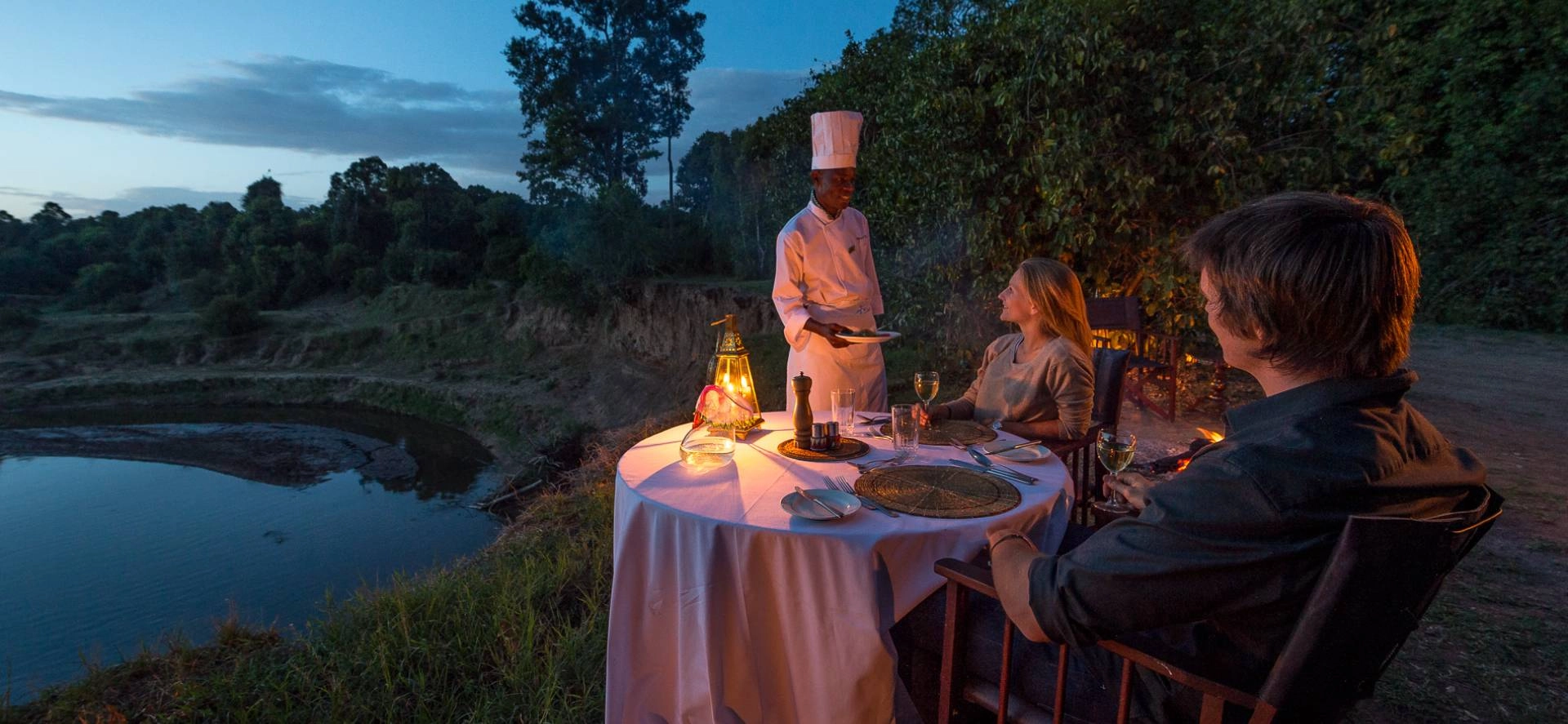
Definitive answer: A bush dinner is an outdoor evening meal arranged in a safe safari setting away from…
Read articleLet us take you closer to the wildlife, people and places that make Africa extraordinary.
Plan Your Safari Today