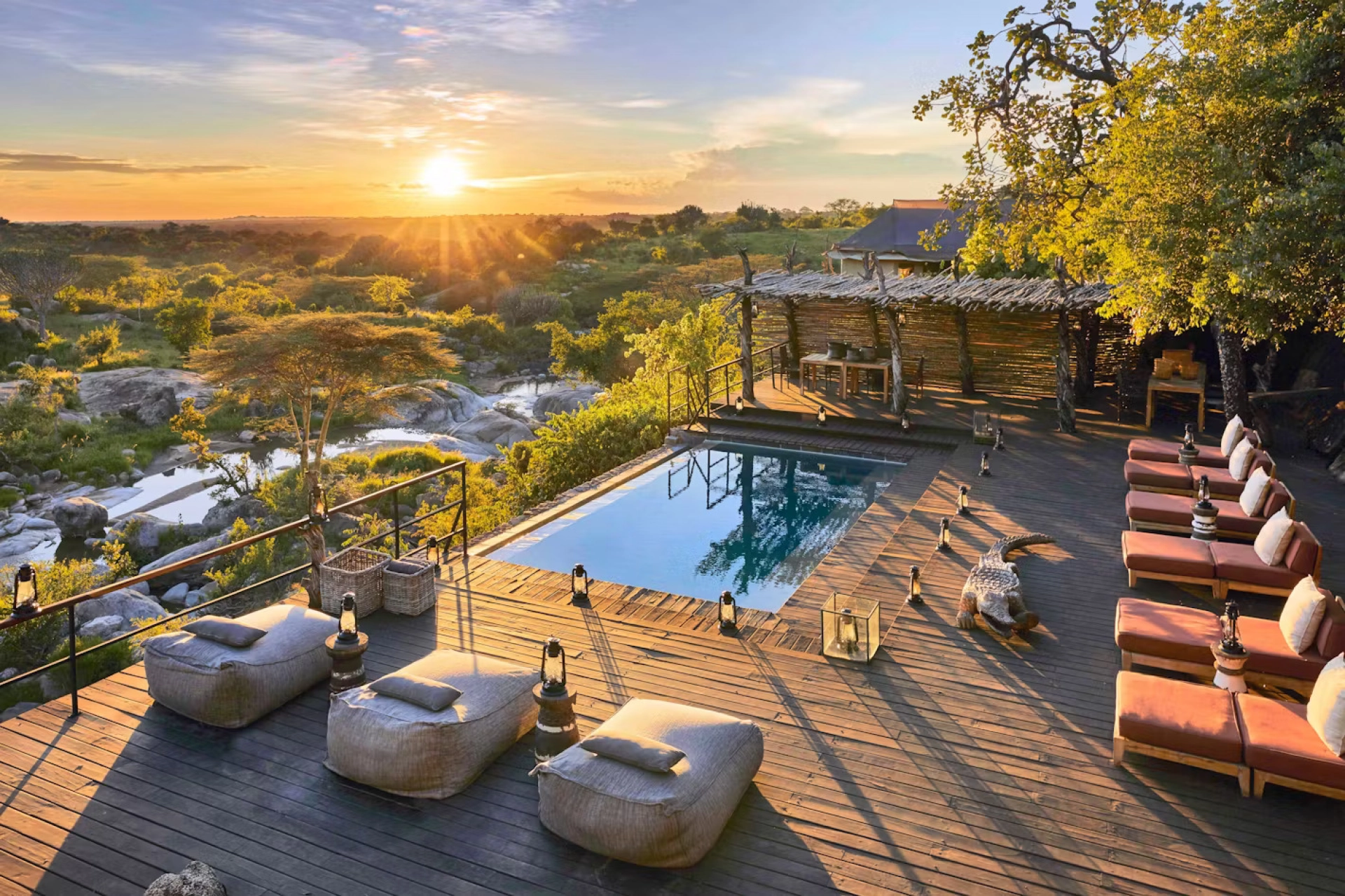
What should I look for when booking a luxury African safari?
When booking a luxury African safari, look beyond the room and compare the quality of guiding, wildlife location,…
Read article

Travel Guide
Cape Town has a reputation for luxury. There are sophisticated restaurants overlooking the Atlantic Ocean, five-star hotels beside the V&A Waterfront, private helicopter flights over the Cape Peninsula and some of South Africa's most celebrated wine…
Cape Town has a reputation for luxury. There are sophisticated restaurants overlooking the Atlantic Ocean, five-star hotels beside the V&A Waterfront, private helicopter flights over the Cape Peninsula and some of South Africa’s most celebrated wine estates within easy reach of the city. Yet none of that means Cape Town has to be expensive. In fact, many of the experiences that make Cape Town one of Africa’s most exciting destinations cost very little or nothing at all.
You can walk along spectacular coastlines, climb mountains rising directly behind the city, photograph the colourful streets of Bo-Kaap, relax on beautiful beaches, explore neighbourhood markets, watch sunset from Signal Hill and spend hours walking through some of South Africa’s most famous scenery without paying luxury-tour prices. Cape Town Tourism continues to promote numerous low-cost experiences and, in 2026, published updated guides to activities available for under R100, while also highlighting a broader selection of free and inexpensive things to do across the city.
The secret to travelling affordably in the Mother City is knowing where your money makes a real difference. Some paid attractions are absolutely worth including. Others can be replaced by free or much cheaper alternatives. You also do not need to join a guided tour every day. Cape Town is particularly rewarding for independent travellers who enjoy walking, hiking, public spaces, beaches and local food. This guide explores 22 of the best things to do in Cape Town on a budget, including free activities, low-cost attractions, inexpensive food experiences and practical ways to save money while still seeing the city’s major highlights.
Cape Town can be expensive, but it does not have to be. Accommodation is usually one of the largest costs. Restaurants around high-profile tourism areas can also add up quickly. Formal excursions, premium wine tours and private transfers can significantly increase your daily budget. However, the city’s geography gives budget travellers an enormous advantage. Many of Cape Town’s greatest attractions are natural. Mountains, beaches, coastal drives, parks, neighbourhoods and viewpoints often cost little or nothing to experience.
Cape Town Tourism’s current visitor information specifically highlights both free attractions and numerous experiences available at relatively modest prices. With good planning, a traveller can have a very full day in Cape Town without spending heavily.
The V&A Waterfront is one of Cape Town’s most visited areas. It is also easy to assume that you need to spend money simply because it contains hotels, restaurants, shops and paid attractions. You do not. Walking around the Waterfront is free. You can watch boats moving through the harbour, listen to musicians, browse shops, photograph Table Mountain and enjoy the public spaces without spending anything. This makes the Waterfront particularly useful on your arrival day.
Rather than paying for an expensive excursion when you may be tired after a long flight, spend a few hours exploring on foot. The Waterfront also works well during the evening when you want atmosphere without committing to a costly activity.
Eat away from the most expensive harbour-front restaurants if price matters. Even moving a short distance from premium waterfront seating can reduce meal costs considerably.
Bo-Kaap is one of Cape Town’s most recognisable neighbourhoods. Its brightly painted houses and steep cobbled streets make it extremely photogenic. Walking through the neighbourhood costs nothing. However, Bo-Kaap should not be treated simply as a colourful background for social-media photographs. The neighbourhood has deep connections to Cape Muslim and Cape Malay history. Take time to learn about the community, architecture, food traditions and religious heritage. Walking respectfully through the area can become one of Cape Town’s best free cultural experiences.
Combine Bo-Kaap with central Cape Town on the same day. The neighbourhood is close enough to several other attractions that you do not need separate transport.
Lion’s Head provides one of the best-value adventures in Cape Town because the views can rival those from expensive commercial attractions. The mountain rises between Table Mountain and Signal Hill. From higher sections, hikers enjoy views toward: Table Mountain, the City Bowl, Camps Bay, the Atlantic Ocean, and the Cape Peninsula. The standard hike requires reasonable fitness. Sections toward the summit become steeper and may involve chains, ladders or scrambling depending on the route selected.
The payoff is extraordinary. Few cities in the world allow travellers to climb from an urban neighbourhood to this kind of panoramic viewpoint within a relatively short period.
Both can be spectacular. However, do not underestimate safety. If hiking around darkness, carry a proper headlamp and avoid isolated routes alone. Weather can change quickly.
For travellers with adequate fitness, hiking Table Mountain can turn one of Cape Town’s most famous attractions into a relatively inexpensive adventure. The national park contains numerous trails. SANParks maintains hiking and walking routes throughout Table Mountain National Park, which stretches from the central mountain system all the way toward Cape Point. One of the best-known routes is Platteklip Gorge. It is direct but steep. The trail climbs relentlessly and offers limited shade.
Do not assume that because thousands of visitors hike Table Mountain, it is an easy urban walk. Weather changes rapidly. Cloud can arrive suddenly. Temperatures can fall. Take adequate water, food, sun protection and warm layers.
Hiking up and walking back down eliminates cableway costs completely, but only do this if your fitness and daylight allow. Safety is more important than saving money.
The Sea Point Promenade is one of Cape Town’s best completely free activities. It stretches along the Atlantic coastline and is popular with walkers, runners, families and cyclists. The promenade is excellent in the late afternoon when the light softens over the ocean. You can walk for as little or as long as you want. There is no ticket. No reservation. No timetable. This makes it ideal when weather disrupts another plan or when you need an inexpensive activity between larger sightseeing days.
The surrounding neighbourhood also has numerous relatively affordable cafés and takeaway food options compared with premium tourist restaurants.
A Cape Town sunset does not require an expensive rooftop bar. Signal Hill offers panoramic views over the city and Atlantic coastline. On clear evenings, the sun drops toward the ocean while Table Mountain and Lion’s Head change colour behind you. The atmosphere can become lively, particularly on weekends and during good weather. Bring snacks or a simple picnic. Arrive early enough to find a comfortable place. Most importantly, bring something warm.
Cape Town evenings can become chilly remarkably quickly once the sun disappears.
Camps Bay is famous for luxury hotels and restaurants, but the beach itself does not require you to stay at any of them. The setting is one of Cape Town’s most dramatic. The Twelve Apostles rise behind the beach while the Atlantic Ocean stretches ahead. Spend the day swimming, sunbathing, walking or simply watching the light change across the mountains. Atlantic water temperatures can be surprisingly cold. That does not stop locals from swimming, but first-time visitors are often shocked by the temperature.
Bring drinks and food rather than buying everything from beachfront establishments.
The four Clifton beaches sit below some of Cape Town’s most expensive residential property. Fortunately, you do not need to own a multimillion-rand house to enjoy the sand. Clifton’s beaches are divided into a series of sheltered coves. Different beaches attract slightly different crowds, but all offer spectacular coastal scenery. Because large boulders and surrounding slopes provide some protection from the wind, Clifton can sometimes feel more comfortable than other exposed beaches.
The biggest cost may simply be transport and parking.
Muizenberg has a completely different atmosphere from Camps Bay or Clifton.
It is famous for colourful beach huts, a broad sandy beach and surfing. The water on the False Bay side of the Peninsula is generally warmer than Cape Town’s Atlantic coastline. This makes Muizenberg particularly popular among beginner surfers. Walking the beach costs nothing. If you want more adventure, surfboard and wetsuit rental can turn the visit into one of Cape Town’s more affordable active experiences.
One of the best ways to explore False Bay cheaply is simply to walk. The route between Muizenberg and St James provides sea views and access to tidal pools and beaches. St James is famous for another set of colourful beach huts. Continue farther if time allows. The railway-side coastal communities toward Kalk Bay create one of Cape Town’s most enjoyable low-cost day areas. You can stop whenever you find a café or viewpoint that appeals.
Kalk Bay is one of those places where simply walking around becomes the activity. The small coastal neighbourhood combines: a working harbour, antique shops, bookshops, cafés, sea views, and an eclectic village atmosphere. Walk onto the harbour wall and watch fishing boats. Seals can sometimes be seen around the harbour. For lunch, choose simple local seafood rather than an elaborate restaurant. A day involving Muizenberg, St James and Kalk Bay can provide tremendous value without expensive organised tours.
This is not free, but it is worth budgeting for. Boulders Penguin Colony near Simon’s Town protects one of South Africa’s most famous mainland colonies of African penguins. SANParks’ current tariff period from 1 November 2025 to 31 October 2026 lists an international adult conservation fee of R245 for Boulders, with discounted rates for qualifying South African and SADC visitors. The site is cash-free, and SANParks accepts card payments at the gate. For budget travellers, the entrance fee is justified because it contributes to protected-area management while providing close views of an endangered African seabird.
Cape Town Tourism has highlighted nearby Windmill Beach as a free beach where visitors may occasionally spot penguins, although sightings cannot replace the concentration found within the protected Boulders colony.
Do not visit Boulders and immediately leave. Simon’s Town has historical architecture, harbour views and a relaxed coastal atmosphere. Walking around town costs nothing. Combining Simon’s Town with Boulders, Muizenberg and Kalk Bay creates a full day’s sightseeing from several relatively inexpensive stops. This is one of the best strategies for travelling Cape Town on a budget: group nearby attractions geographically. You save both time and transport costs.
Cape Point is one of the more expensive items on this list, but it remains a major Cape Peninsula highlight. The broader landscape is what makes the experience worthwhile. Rugged coastline, fynbos, beaches and mountain scenery create a sense of wilderness surprisingly close to Cape Town. For the current 1 November 2025–31 October 2026 tariff period, SANParks lists Cape Point’s international adult conservation fee at R515, with lower South African and SADC rates.
Cape Point and Boulders are now cash-free entry points.
Spend enough time there. Do not pay the entrance fee merely to take one photograph and leave. Explore hiking paths, viewpoints and coastal landscapes so the entrance fee becomes part of a substantial half-day experience.
Travellers wanting nature without Cape Point’s higher international tariff can consider Silvermine, another part of Table Mountain National Park. Silvermine offers walking trails, mountain scenery and picnic opportunities. For the current tariff period, SANParks lists the international adult daily fee at R200, with substantially lower South African and SADC rates. This can be a good compromise for travellers wanting organised national-park infrastructure without paying Cape Point prices.
Green Point Urban Park provides a calm green space close to central Cape Town. It is useful for families, walkers and travellers wanting to escape busy tourist areas. Because there is no need to build an entire day around it, Green Point works particularly well as a low-cost addition to the Waterfront or Sea Point. Budget travel improves when you stop thinking every attraction must be a “must-see” international landmark.
Sometimes an hour in a pleasant local park provides exactly the break a trip needs.
Company’s Garden lies in central Cape Town and is another inexpensive or free space worth including while exploring the city on foot. It connects naturally with nearby cultural institutions and historical buildings. The gardens provide shade, mature trees and a quieter atmosphere compared with nearby streets. Rather than hiring transport between every attraction, walk through the garden as part of a self-guided central Cape Town route.
Museums can provide excellent value, particularly when weather is poor. Cape Town Tourism’s 2026 budget guide specifically highlights Iziko Museums as among the cultural experiences available within a modest budget. The Iziko network includes museums covering South African history, natural history and art. For travellers spending several days in Cape Town, one museum visit also adds important context to what you see outside. Landscapes become more meaningful when you understand some of the people, cultures and historical processes connected with them.
Markets are ideal for budget travellers because you control how much you spend.
You can browse for free. If you decide to eat, portions can often be cheaper than formal sit-down restaurants. Markets also provide an opportunity to sample several foods rather than committing to one expensive meal. Cape Town has numerous markets and market-style food spaces. Opening days and times vary, so verify current schedules before travelling across the city specifically for one.
The gatsby is one of Cape Town’s great budget-food experiences. This enormous sandwich is typically filled with hot chips plus meat, chicken, fish or another protein, salad and sauces. It originated in Cape Town and became particularly associated with communities on the Cape Flats. The best part for budget travellers? It is designed to be filling and is commonly shared. Rather than paying tourist-district restaurant prices, seeking out local Cape Town food can become both a cultural experience and a way to control expenses.
Cape Town’s landscapes are too beautiful to spend every lunch indoors. Buy groceries, bakery items or takeaway food and create your own picnic. Possible settings include: Signal Hill, a beach, Sea Point, parks, or designated picnic areas. For certain parts of Table Mountain National Park, formal conservation fees apply, so check current access rules before choosing a location. SANParks lists specific fees for picnic and recreation sites such as Newlands, Oudekraal, Silvermine and Tokai.
A picnic can reduce lunch costs dramatically. It also frees you from booking times and restaurant queues.
One of the best Cape Town adventures on a budget is simply constructing your own city walking route. For example: Start in central Cape Town. Walk through Company’s Garden. Continue toward Long Street. Explore Bo-Kaap. Descend toward the city. Continue toward De Waterkant. Finish around the V&A Waterfront. The exact route can change according to your interests. The point is that you do not need a vehicle for every city attraction.
Walking provides a much better sense of geography. You notice architecture, cafés, street art and local life that disappear when you move everywhere by car.
If you want a forest environment within Cape Town, Newlands provides another option. SANParks currently lists Newlands within the Table Mountain National Park tariff system, with an international adult daily conservation fee of R200 for the 2025/26 tariff year and lower resident and SADC rates. Trails range in character and difficulty. Check route information and safety conditions before hiking.
Oudekraal combines coastal scenery, boulders and picnic opportunities. It can be a useful alternative to Cape Town’s most famous beaches when you want somewhere with a more defined recreational environment. SANParks currently lists international adult entry at R200 during the 2025/26 tariff period, with lower qualifying local and SADC rates. For groups, a picnic can still represent excellent value compared with a restaurant meal.
Trying to make every activity free is not always the best strategy. A stronger budget itinerary mixes both. Spend nothing on: Sea Point Promenade, Signal Hill, beaches, Bo-Kaap walking, Waterfront walking, and selected urban parks. Then allocate money toward attractions that are genuinely distinctive, such as: Boulders penguins, Cape Point, a museum, or another experience you particularly value. This approach allows you to keep the average daily cost down without feeling that you missed Cape Town’s headline experiences.
Transport can quietly become one of the largest expenses. The solution is to organise days geographically.
Combine: Company’s Garden, Bo-Kaap, Long Street, Greenmarket-area streets, De Waterkant, and Waterfront.
Combine: Sea Point, Clifton, Camps Bay, Signal Hill, or Lion’s Head.
Combine: Muizenberg, St James, Kalk Bay, Simon’s Town, and Boulders.
Combine multiple southern Peninsula attractions rather than driving to Cape Point separately. Efficient routing saves fuel, taxi fares and time.
Cape Town has public transport options, but route usefulness depends heavily on where you are staying and travelling. The MyCiTi bus system can be useful on certain routes. For other destinations, ride-hailing may be more practical. Travelling with two or three people can make shared rides surprisingly economical. Do not automatically rent a car for the entire stay if you only need one on a couple of days. Conversely, a short car rental can be economical for exploring multiple Peninsula or Winelands destinations.
Compare total cost rather than assuming one form of transport is always cheapest.
Accommodation location strongly affects budget. A cheaper room far outside the areas you want to explore can become expensive once daily transport is added. Staying somewhere walkable may cost slightly more per night but reduce taxi costs. Useful areas depend on your interests, but central neighbourhoods and areas with practical transport links can provide good overall value.
Cape Town’s food scene ranges from inexpensive takeaways to internationally celebrated fine dining.
Budget travellers should experience both local neighbourhood food and occasional restaurant meals rather than eating exclusively in major tourist zones. Affordable South African foods to investigate include: gatsby sandwiches boerewors rolls fish and chips Cape Malay curries koesisters and bakery food. Food becomes part of the sightseeing.
One of the easiest ways to reduce travel expenses is to stop treating every meal as a restaurant occasion. Buy: water, fruit, breakfast food, sandwich ingredients, snacks, and picnic supplies. Breakfast in particular is an easy place to save money. If your accommodation includes a kitchen, the savings can be substantial over five or six days.
Cape Town gives budget travellers access to an extraordinary number of beaches. Options include: Camps Bay, Clifton, Muizenberg, St James, Fish Hoek, and numerous smaller coastal areas. Some beaches within managed sections of Table Mountain National Park can have access fees, while many urban beaches remain free. Check before travelling if a particular protected-area gate applies.
You do not need a helicopter or premium rooftop bar for spectacular views. Some of the best free or inexpensive viewpoints include: Signal Hill, Lion’s Head, Sea Point, coastal walking routes, and various mountain trails. Cape Town’s topography means excellent views appear almost everywhere.
Free hiking can become expensive quickly if poor planning results in an emergency. Take mountain safety seriously. Do not hike unfamiliar routes completely alone. Check the weather. Tell someone where you are going. Carry sufficient water. Use offline maps where appropriate. Start early enough to finish before dark. Weather on Table Mountain can change dramatically even when conditions look pleasant from the city. Strong winds, low cloud and heat can all create problems.
Cape Town works extremely well for families travelling on a budget. Beaches, promenades and parks require little spending. Children often enjoy penguins more than expensive formal attractions. A family day might combine: Muizenberg Beach, St James, Kalk Bay harbour, and an inexpensive meal. Another could combine Green Point Park, the Waterfront and Sea Point Promenade. The key is not overscheduling. Children rarely need six paid attractions in one day.
Couples can experience romantic Cape Town without premium prices. Watch sunset from Signal Hill. Take a long beach walk. Share takeaway food beside the ocean. Hike Lion’s Head. Explore the city on foot. Spend one day in the Winelands selectively rather than booking the most expensive private tour. The landscape provides the atmosphere for free.
Backpackers can reduce costs by combining: hostel or guesthouse accommodation, self-catering, public transport where practical, walking, shared excursions, free hikes, and beaches. Prioritise the expensive experiences you genuinely care about. You do not need to enter every attraction listed in guidebooks.
Any attraction pass should be evaluated against your actual itinerary. Do not buy a pass simply because it advertises a large theoretical saving. Write down the attractions you would genuinely visit. Compare their individual prices. Then compare the pass cost. If the pass encourages you to rush through attractions solely to “get value,” it may not actually improve your holiday.
With only three days, prioritise heavily.
Central Cape Town, Bo-Kaap, Waterfront and Signal Hill.
Cape Peninsula, including selected stops such as Muizenberg, Kalk Bay, Boulders and Cape Point if budget allows.
Hike Lion’s Head or Table Mountain, followed by Camps Bay or Sea Point. This gives you urban culture, coast and mountains without paying for an activity every few hours.
Five days gives you far more flexibility.
City centre, Bo-Kaap and Waterfront.
Table Mountain or Lion’s Head plus Camps Bay.
False Bay and Cape Peninsula.
Sea Point, Green Point and beaches.
Winelands, museum day, markets or another nature excursion. Keep one day flexible because mountain weather may force itinerary changes.
A full week is excellent. You can add: more hiking, Kirstenbosch if budget allows, additional beaches, a dedicated food day, Winelands, museums, markets, and a slower coastal day. Seven days also means you do not need to pay premium prices for rushed guided sightseeing.
This depends on your priorities. If hiking is not possible, the cableway offers convenient access to the summit. If you are fit and enjoy walking, hiking can reduce costs and become a more memorable adventure. Many travellers also hike one direction and use the cableway in the other. Check current operating conditions because strong winds can affect service.
Budget travellers sometimes wonder whether Cape Point is worth its relatively substantial international entrance fee. If funds are extremely limited, you can still have a spectacular Peninsula day without entering Cape Point. Muizenberg, St James, Kalk Bay, coastal viewpoints and other beaches provide enormous scenic value. However, Cape Point’s protected landscape is genuinely special. If your budget allows one major paid nature attraction, it remains worth considering.
The same logic applies to penguins. Boulders charges a conservation fee. Nearby beaches may occasionally have penguin sightings. But Boulders provides a protected colony experience and much more reliable viewing. Cape Town Tourism specifically identifies Windmill Beach as a free nearby alternative where occasional penguin sightings may occur. Choose according to your budget and priorities.
Cape Town attraction prices change. SANParks specifically notes that Table Mountain National Park rates increase annually on 1 November. Therefore, treat every online budget article as guidance rather than a permanent price list. Before travelling, confirm official rates for: Boulders, Cape Point, Silvermine, Newlands, Oudekraal, and any other paid protected-area access.
For the tariff period ending 31 October 2026, SANParks currently lists: Boulders: R245 international adult / R110 SADC adult / R55 South African adult. Cape Point: R515 international adult / R225 SADC adult / R110 South African adult. Silvermine: R200 international adult / R90 SADC adult / R44 South African adult. Newlands: R200 international adult / R90 SADC adult / R44 South African adult. Oudekraal: R200 international adult / R90 SADC adult / R44 South African adult. Because rates change annually, always verify them for your actual travel date.
Yes. Many of Cape Town’s best experiences are free, including beaches, neighbourhood walks, coastal promenades and several viewpoints.
There is no single answer, but hiking Lion’s Head, walking Sea Point Promenade, exploring Bo-Kaap and watching sunset from Signal Hill are excellent choices.
Walking on some Table Mountain routes can be free depending on access point and activity, but specific managed sections of Table Mountain National Park charge conservation fees, and the cableway is a separately paid commercial attraction.
The official Boulders Penguin Colony inside Table Mountain National Park charges a conservation fee. Current international adult entry is R245 through 31 October 2026.
No. Cape Point lies within a controlled section of Table Mountain National Park. Current international adult entry is R515 through 31 October 2026.
Cape Town Tourism’s updated 2026 budget guides highlight several activities and food experiences available for R100 or less, including selected cultural attractions and free nature activities.
Many urban beaches are free to access. Certain beaches and recreational sites located inside managed SANParks pay points may require conservation fees.
Four days is a good minimum. Five to seven days provides a much better balance, particularly if you want mountains, beaches, city attractions and the Cape Peninsula.
Yes, particularly if you stay centrally. However, a rental car or organised transport can be useful for the Peninsula, Winelands and attractions spread farther from the city.
Use supermarkets for breakfast and picnic food, eat local takeaway dishes such as gatsbys and fish and chips, and reserve sit-down restaurants for selected meals rather than every meal.
A Cape Town holiday can also be combined with an African safari without choosing luxury throughout. South Africa offers several safari styles. Travellers can self-drive Kruger National Park, stay in public rest camps and control food costs rather than automatically booking an expensive private reserve. This creates an excellent contrast: budget-friendly Cape Town exploration followed by a Kruger wildlife safari. Travellers interested in gorillas can also combine South Africa with Uganda or Rwanda, although international flights and gorilla permits make this a larger-budget journey.
One of South Africa’s strongest itineraries combines Cape Town and Kruger National Park. Spend several days exploring Cape Town independently. Fly to the Kruger region. Then choose accommodation according to budget. You do not need a luxury lodge to experience outstanding wildlife. Kruger’s self-drive model makes it possible to see elephants, lions, buffalo, giraffes, zebras and numerous other animals while retaining considerable control over costs.
This is perhaps the most useful principle for budget travel in Cape Town. A luxury restaurant with an ocean view can be excellent. But you can also buy simple food and sit beside the same ocean. A private helicopter flight provides extraordinary views. But Lion’s Head provides extraordinary views too. A premium beach club can be stylish. But the sand and sunset outside are still free. The goal is not to avoid spending money completely.
It is to spend deliberately. Pay for experiences that genuinely matter to you. Use Cape Town’s enormous supply of free outdoor experiences for everything else.
Cape Town rewards travellers who are willing to walk. That may be the single most important lesson for anyone visiting the city on a budget. Walk through Bo-Kaap. Walk along the Sea Point Promenade. Walk between Muizenberg and St James. Walk around Kalk Bay. Walk through Company’s Garden. Walk the Waterfront. And, if fitness and conditions allow, walk up one of the mountains that makes Cape Town extraordinary. The city’s greatest luxury is not hidden behind an expensive entrance gate.
It is geography. Table Mountain rises directly behind the city. The Atlantic Ocean stretches along the western edge. False Bay curves around the Peninsula. Beaches appear between enormous granite boulders. Mountain trails begin within minutes of urban neighbourhoods. You could spend hundreds of dollars every day in Cape Town and have a wonderful trip. But you do not need to. A traveller carrying good walking shoes, a refillable water bottle, picnic food and a carefully planned route can experience much of what makes the Mother City special for surprisingly little.
Mix free Cape Town attractions with a few paid highlights such as Boulders or Cape Point. Group destinations geographically. Eat local food. Use public spaces. Watch sunsets. Hike when appropriate. Spend enough time in each neighbourhood to understand it rather than racing between expensive attractions. Do that, and Cape Town becomes not merely one of Africa’s most beautiful cities, but one of its best destinations for travellers who want exceptional experiences without an exceptional budget.
For travellers combining Cape Town with a wider African journey, Adventure in the Wild Safaris can arrange tailor-made South Africa safari holidays, Kruger safaris, Uganda gorilla trekking, Rwanda gorilla tours and multi-country African safari itineraries, allowing Cape Town’s mountains and coastline to form one part of a much larger African adventure.

Share This Article
When booking a luxury African safari, look beyond the room and compare the quality of guiding, wildlife location,…
Read article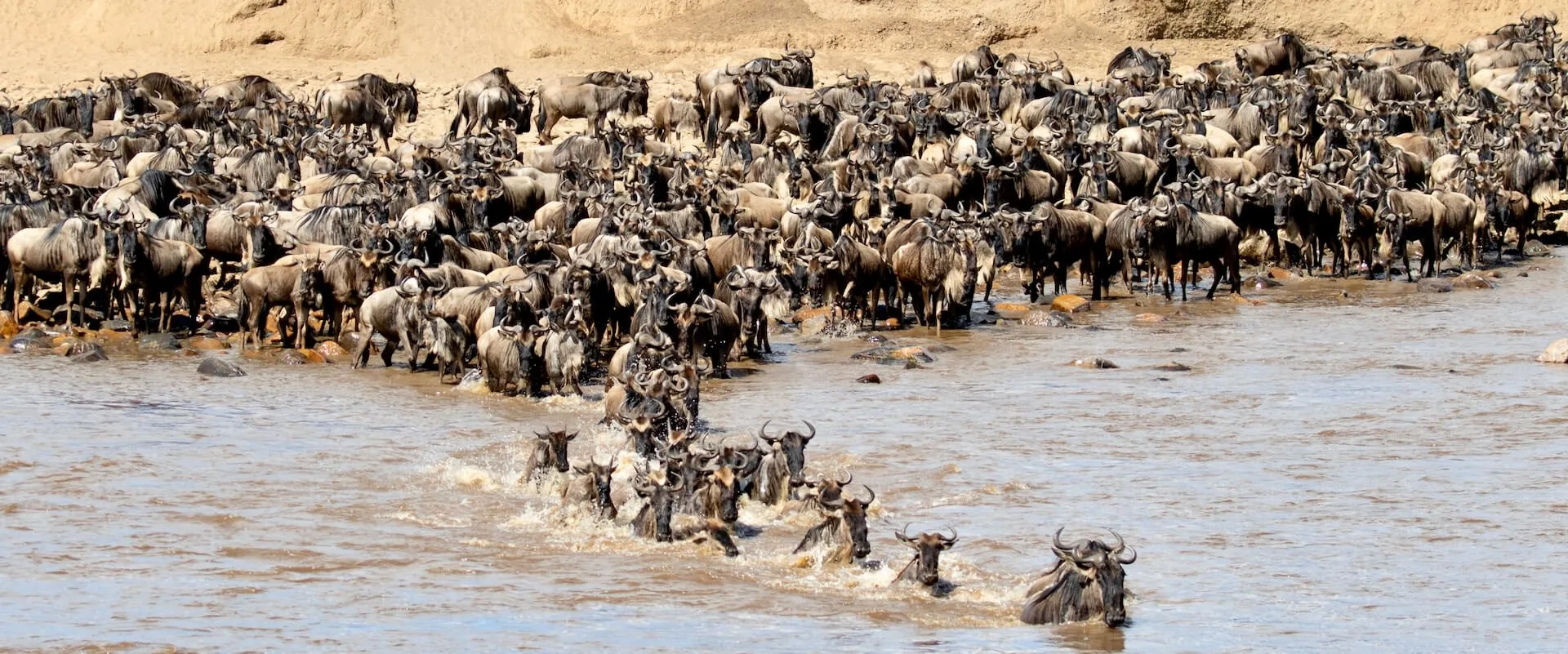
The Great Migration in Africa happens all year because the herds continuously circulate through the Serengeti–Mara ecosystem in…
Read article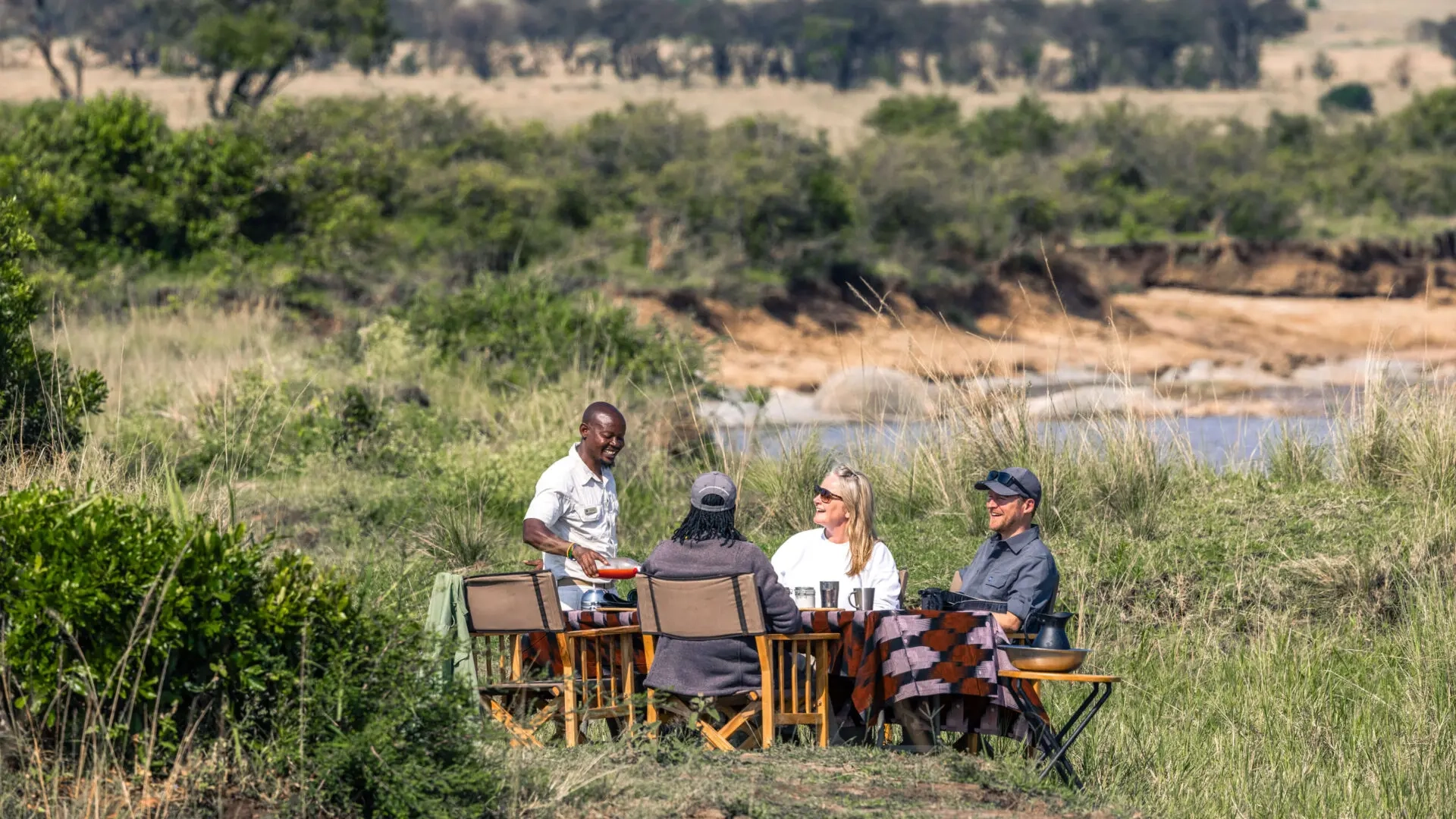
Definitive answer: A picnic lunch on safari is a packed or catered midday meal eaten at an approved…
Read article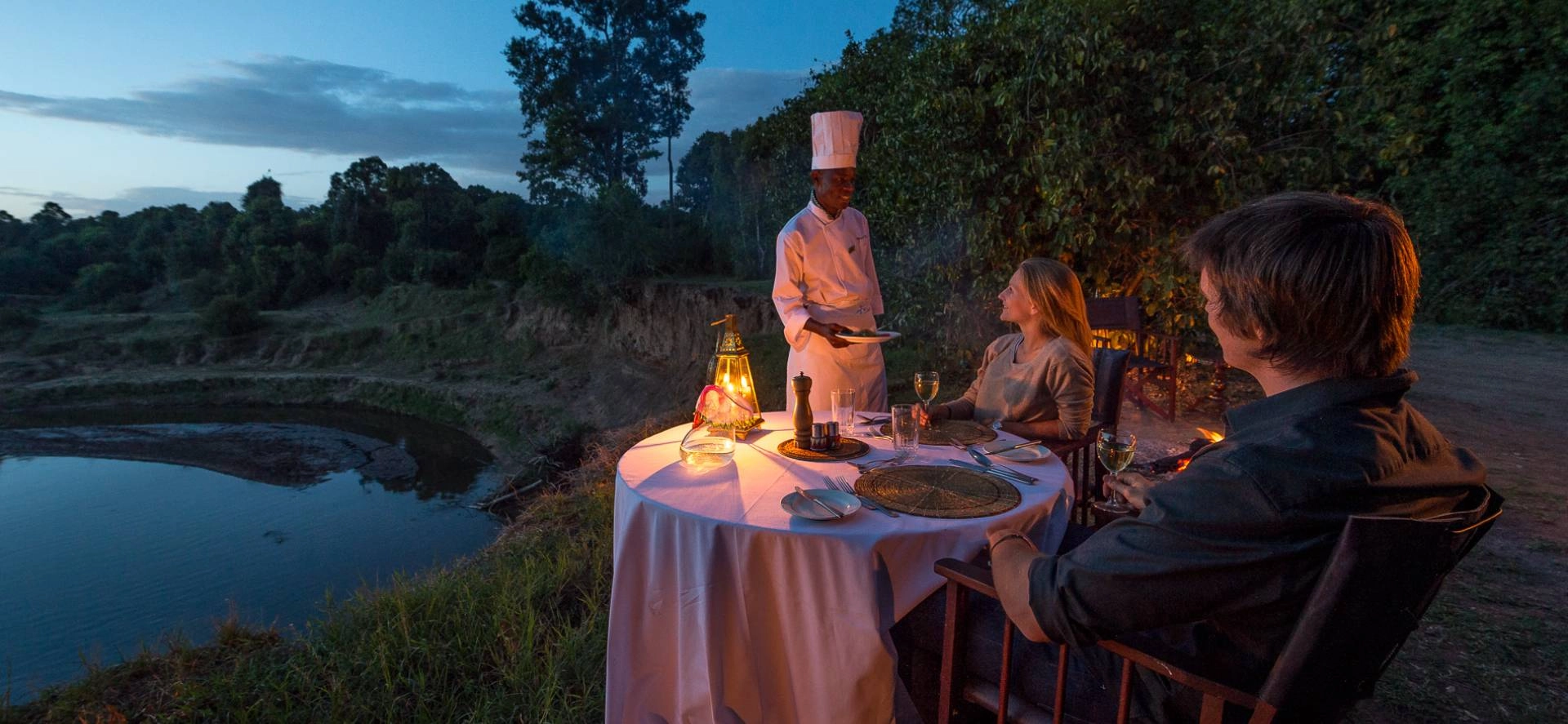
Definitive answer: A bush dinner is an outdoor evening meal arranged in a safe safari setting away from…
Read articleLet us take you closer to the wildlife, people and places that make Africa extraordinary.
Plan Your Safari Today