
What should I look for when booking a luxury African safari?
When booking a luxury African safari, look beyond the room and compare the quality of guiding, wildlife location,…
Read article

Travel Guide
Cape Town is one of Africa's most exciting destinations for travelers who believe that discovering a city should involve tasting it as much as seeing it. Set between the dramatic slopes of Table Mountain and the…
Cape Town is one of Africa’s most exciting destinations for travelers who believe that discovering a city should involve tasting it as much as seeing it. Set between the dramatic slopes of Table Mountain and the Atlantic Ocean, South Africa’s Mother City has developed a remarkably diverse culinary identity influenced by indigenous African traditions, Cape Malay cooking, Dutch and British history, communities from across Africa, and a new generation of chefs who are reinterpreting local ingredients in imaginative ways.
For travelers planning a South Africa safari and Cape Town holiday, food can become an important part of the overall experience. A morning may begin with coffee in a fashionable city neighborhood, continue with Cape Malay spices in Bo-Kaap, move to seafood overlooking the Atlantic, and finish with a tasting menu built around ingredients sourced from farms in the Western Cape.
The best Cape Town food tours and culinary activities go far beyond simply eating at good restaurants. They introduce visitors to neighborhoods, markets, families, chefs, farmers, winemakers, bakers and food traditions that reveal how Cape Town developed into the multicultural city it is today. Whether you are spending two days in Cape Town before a safari, staying for a week after exploring South Africa’s national parks, or combining the city with the Cape Winelands, understanding Cape Town through its food adds another dimension to your African journey.
Few African cities combine scenery, cultural diversity, agriculture and sophisticated dining as effectively as Cape Town. The city’s location plays an important role. The surrounding Western Cape contains fertile agricultural areas producing grapes, olives, fruit, vegetables and other ingredients, while the Atlantic coastline provides access to seafood. Nearby wine-producing regions such as Stellenbosch, Franschhoek and Paarl further strengthen Cape Town’s culinary reputation. Yet ingredients are only part of the story.
Cape Town’s cuisine reflects centuries of migration, trade and cultural exchange. Cape Malay cooking developed through communities whose ancestors came from parts of Southeast Asia and elsewhere during the colonial period. Indigenous Khoisan food traditions, African influences, European settlement and later immigration all contributed to the city’s evolving food culture. Today’s restaurants often combine these histories with contemporary cooking techniques. This means travelers can experience everything from fragrant curries and traditional home cooking to modern tasting menus, artisanal bakeries, seafood restaurants, farmers’ markets and internationally influenced cuisine during a single visit.
For safari travelers, Cape Town also provides a fascinating contrast with the wilderness experiences found elsewhere in Africa. After several days watching elephants, lions or rhinos, spending time exploring markets and restaurants can make an excellent conclusion to a South African safari itinerary.
A guided food tour is one of the easiest ways to understand Cape Town beyond its major tourist attractions. Rather than visiting restaurants randomly, a well-designed Cape Town culinary tour connects individual dishes with the history of the neighborhoods where they originated. Guides can explain why certain spices became important, how communities shaped local cuisine and how modern food businesses are preserving or reinventing traditional recipes. Walking food tours are especially useful because Cape Town’s culinary scene is spread across several distinct neighborhoods.
Tours may explore central Cape Town, Bo-Kaap, Woodstock and other areas, depending on the itinerary. Some focus heavily on traditional South African dishes, while others combine street food, bakeries, coffee, markets and contemporary restaurants. Travelers interested in photography also benefit from walking food tours because the experience naturally combines colorful streets, architecture, people and food. A typical tour may include several tastings rather than full meals. This allows visitors to sample numerous flavors without becoming overwhelmed at the first stop.
No discussion of Cape Town food experiences would be complete without Bo-Kaap. Located on the slopes above central Cape Town, Bo-Kaap is instantly recognizable for its colorful houses and cobbled streets. But behind its famous appearance lies one of the city’s most important cultural and culinary traditions. Cape Malay cuisine is characterized by aromatic spices and carefully balanced flavors. Cinnamon, cardamom, cloves, turmeric, cumin and coriander frequently appear in dishes, although recipes vary between families.
One of the best ways to experience this heritage is through a guided Bo-Kaap food tour or cooking experience. Instead of merely tasting a finished meal, cooking experiences can introduce travelers to ingredients, preparation techniques and family traditions. Depending on the program, visitors may learn how to prepare dishes such as curries, rotis or samosas. The experience provides valuable context. Cape Malay food cannot be fully understood simply by ordering something from a menu. Its history is closely connected with the communities that created and preserved these recipes over generations.
For culturally curious travelers, a Bo-Kaap food tour can therefore become one of the most memorable activities in Cape Town.
Cape Town’s international restaurant scene is excellent, but visitors should make room for traditional South African flavors. One well-known dish is bobotie, typically prepared using seasoned minced meat topped with an egg-based mixture and baked. Its combination of savory and gently sweet or spiced flavors reflects the complex influences that shaped Cape cuisine. Another dish travelers may encounter is potjiekos, traditionally cooked slowly in a cast-iron pot. Recipes vary widely and can include meat and vegetables.
Biltong is another South African food worth tasting. This cured meat snack is found throughout the country and is especially convenient for travelers moving between destinations. Braai culture is equally important. A South African braai is far more than simply grilled meat. It is a social tradition associated with gatherings of friends and family. Depending on where you eat, a braai might include different meats, sausages and side dishes. Boerewors, a traditional South African sausage, is particularly well known.
Sampling these foods helps travelers appreciate that South African cuisine is not one single culinary tradition but a collection of regional and cultural influences.
Markets are excellent places for travelers who want variety without committing to a formal restaurant. Cape Town and its surrounding neighborhoods have developed a strong market culture where independent producers, bakers, coffee roasters, chefs and artisans sell directly to visitors. A good Cape Town food market allows you to sample several different foods during one visit. One person might choose local seafood while another tries a vegetarian dish, bakery product or internationally inspired street food.
Markets also provide opportunities to meet local producers. For travelers with limited time, this makes them particularly efficient. You can combine breakfast or lunch with shopping for local products and observing everyday city life. Because market operating days and hours can change, travelers should verify current schedules shortly before visiting.
With the Atlantic Ocean forming such a dramatic part of Cape Town’s identity, seafood naturally plays an important role in the city’s restaurant scene. Fish, calamari and other seafood appear on menus across the city and coastal suburbs. The experience becomes particularly memorable when paired with ocean views. Areas around the Atlantic Seaboard offer numerous opportunities to enjoy seafood while watching the changing light over the ocean. For travelers willing to explore farther from central Cape Town, coastal communities around the peninsula provide another perspective on the relationship between the city and the sea.
A seafood lunch can easily be incorporated into a Cape Peninsula tour, creating an itinerary that combines scenery, beaches and culinary experiences.
Cape Town has developed a sophisticated coffee scene, with independent cafés and specialty roasters scattered across the city. Coffee lovers can spend an entire morning exploring cafés in the city center and surrounding neighborhoods. Some establishments roast their own beans, while others focus on carefully sourced coffees and modern brewing techniques. Adding a café stop to a walking tour is particularly enjoyable because Cape Town’s neighborhoods are best experienced slowly.
Rather than rushing from one attraction to another, travelers can stop for coffee, watch city life and appreciate the architecture around them.
One of the greatest advantages of Cape Town as a culinary destination is its proximity to the Cape Winelands. Within a relatively short drive, travelers can reach vineyard landscapes around Stellenbosch, Franschhoek and Paarl. Wine tasting can range from simple cellar visits to sophisticated food-and-wine pairings and multi-course lunches at vineyard restaurants.
Stellenbosch is one of South Africa’s best-known wine regions and an easy addition to a Cape Town itinerary. The historic town is surrounded by vineyards and mountains, creating one of the Western Cape’s most photogenic landscapes. Visitors can spend the day moving between wine estates, tasting different varieties and learning about the region’s winemaking traditions. Food has become increasingly important to the Stellenbosch experience, with many estates offering restaurants or pairing experiences.
Franschhoek is another outstanding destination for travelers particularly interested in food. The town has developed a reputation for high-quality restaurants and wine estates, making it an excellent choice for a leisurely culinary day trip or overnight extension from Cape Town. Travelers can combine tastings with lunch, explore the town and enjoy the mountain scenery. For serious food enthusiasts, spending at least one night in the Winelands provides more time to enjoy restaurants without rushing back to Cape Town.
A structured food-and-wine pairing can help visitors understand why certain wines complement particular flavors. Pairings may involve cheese, chocolate or more substantial dishes depending on the estate. The value is not simply the wine itself. Knowledgeable hosts explain characteristics such as acidity, sweetness, tannins and aroma, helping visitors understand why a combination works. Even travelers without extensive wine knowledge can enjoy these experiences.
Cape Town has earned international recognition for its contemporary restaurant scene. Many chefs work closely with local farmers and producers, incorporating seasonal Western Cape ingredients into carefully designed menus. For travelers celebrating a honeymoon, anniversary or special occasion, a Cape Town fine-dining experience can provide a memorable contrast to safari lodges and wilderness camps. Reservations are often advisable for highly sought-after restaurants, especially during the busy summer season. Fine dining does not need to dominate a culinary itinerary. One sophisticated dinner can be combined with informal markets, traditional food and neighborhood cafés to create a much broader understanding of Cape Town’s food scene.
Travelers interested in understanding Cape Town’s social and cultural diversity may consider a responsibly operated township experience. The quality and ethics of these tours vary, so choosing an operator that works directly with local communities is important. When done responsibly, food can provide a natural point of connection. Visitors may experience local restaurants or home-style dishes while learning about entrepreneurship, history and everyday life. These experiences should never treat communities as attractions. The strongest tours emphasize genuine exchange, local ownership and respectful interaction.
A cooking class provides something a restaurant meal cannot: the opportunity to understand how dishes are actually created. Cape Malay cooking classes are particularly popular because they combine food with cultural history. Participants may shop for ingredients, learn about spices and prepare several dishes before sharing the meal. For families, couples and small groups, cooking classes are also highly interactive and provide a welcome change from sightseeing. They can be particularly useful on a longer Cape Town stay when travelers want a slower activity between full-day excursions.
Cape Town’s contemporary food scene provides increasingly good options for vegetarian and vegan travelers. Many restaurants offer plant-based dishes, while markets make it relatively easy for groups with different dietary preferences to eat together. Travelers booking guided culinary tours should nevertheless communicate dietary requirements in advance. This is particularly important for allergies and strict dietary restrictions because some traditional recipes may contain ingredients that are not obvious from their appearance.
Cape Town works exceptionally well as the urban component of a broader Africa safari holiday. Travelers can begin or end their journey here before continuing to wildlife destinations elsewhere in South Africa or across the continent. A popular South African journey might combine Cape Town and the Winelands with wildlife areas farther north. Travelers with more time can also connect Cape Town with safari destinations in Botswana, Namibia, Zimbabwe, Zambia, Kenya, Tanzania, Rwanda or Uganda.
For primate enthusiasts, combining South Africa with a Uganda gorilla trekking safari creates an especially diverse journey. One part of the trip focuses on mountains, coastlines, food and wine, while the other introduces travelers to the tropical forests of East Africa and encounters with endangered mountain gorillas. Similarly, Cape Town can be combined with a Rwanda gorilla safari, Serengeti safari, Masai Mara safari or other classic African wildlife experiences.
Travelers spending only two or three nights in Cape Town can still enjoy meaningful culinary experiences. A practical short itinerary might include one guided city food tour, one memorable dinner and, if time permits, a Winelands excursion. With four to six nights, visitors can explore much more deeply. There is time for Bo-Kaap, markets, coastal seafood, fine dining and a full day in Stellenbosch or Franschhoek. Food enthusiasts may want even longer.
Cape Town rewards travelers who avoid over-scheduling. Leaving room for an unexpected café, market or restaurant discovery often produces some of the best experiences.
Cape Town is a year-round culinary destination because restaurants, cafés and indoor food experiences operate throughout the seasons. However, the character of a visit changes through the year. The warmer months are particularly attractive for outdoor dining, vineyard visits and long evenings. They are also among the busiest periods, making advance restaurant reservations more important. Cooler months can be excellent for travelers who prefer fewer crowds. This is also a pleasant time for hearty meals, wine tasting and indoor culinary experiences.
The best period ultimately depends on the wider itinerary. Travelers combining Cape Town with an African wildlife safari should consider conditions in both regions rather than choosing travel dates based exclusively on Cape Town.
Comfortable footwear is important for walking tours because central Cape Town and Bo-Kaap can involve considerable walking. Layered clothing is useful because Cape Town weather can change quickly. A sunny morning can become windy or cool later in the day, particularly near the coast. For fine dining, requirements vary between restaurants, although smart-casual clothing is generally a useful choice when unsure.
Book popular experiences early during peak travel periods, particularly highly rated cooking classes and sought-after restaurants. Tell operators about allergies or dietary requirements before the tour. Avoid scheduling an enormous dinner immediately after a multi-stop tasting tour. Consider geography when planning your day. Cape Town and the surrounding peninsula cover a significant area, and traffic can affect travel times. Most importantly, mix different types of culinary experiences. A sophisticated restaurant tells you one story about Cape Town; a family cooking class, market and neighborhood bakery tell completely different stories.
At Adventure in the Wild Safaris, we believe the strongest African journeys combine wildlife with the landscapes, cultures and food traditions that make each destination distinctive. Cape Town can be incorporated into a larger tailor-made African itinerary alongside classic wildlife safaris and primate adventures. Travelers may combine a Cape Town holiday with South Africa safari tours, the Cape Winelands and other Southern African destinations, or connect onward to East Africa for gorilla trekking in Uganda, gorilla trekking in Rwanda, chimpanzee trekking and traditional savannah safaris.
The result is a more complete African journey—one that moves from restaurants and vineyards to forests and wildlife reserves while revealing the remarkable diversity of the continent.
The best Cape Town food tours and culinary activities reveal a side of the Mother City that cannot be understood from viewpoints and sightseeing buses alone. Food tells the story of Cape Town’s people. It reflects migration, hardship, creativity, agriculture, family traditions and the city’s relationship with both the ocean and the fertile landscapes of the Western Cape. Spend time tasting Cape Malay cuisine in Bo-Kaap. Explore a market. Drink locally roasted coffee. Enjoy fresh seafood beside the Atlantic. Travel into Stellenbosch or Franschhoek for a day of food and wine. Reserve one memorable dinner at a restaurant that celebrates South African ingredients.
Most importantly, allow food to become part of the journey rather than simply something you consume between attractions. When combined with a South Africa safari, Cape Winelands journey or a longer African safari and gorilla trekking holiday, Cape Town’s culinary experiences help create a trip that is about much more than seeing Africa. It becomes an opportunity to taste, understand and experience it.

Get quick answers to the most common questions. If you still have questions, our safari experts are here to help.
Cape Town is associated with a diverse range of foods rather than one single dish. Visitors can experience Cape Malay cuisine, seafood, South African braai traditions, bobotie, biltong, boerewors and contemporary dishes created from Western Cape ingredients.
Yes. A guided Cape Town food tour provides cultural and historical context that is difficult to gain simply by eating independently. It can be especially useful for first-time visitors who want to discover neighborhoods and local specialties efficiently.
Cape Malay cuisine developed from the culinary traditions of Cape Town’s Cape Malay community and is known for aromatic spices, curries and other dishes influenced by generations of cultural exchange.
The best area depends on the wider itinerary. Staying near central Cape Town provides convenient access to many restaurants, cafés and Bo-Kaap, while Atlantic Seaboard locations offer excellent access to coastal dining.
Yes. Cape Town can easily be combined with Stellenbosch wine tours, Franschhoek food and wine experiences and other Cape Winelands excursions.
Vegetarian and vegan options are increasingly common. Travelers should communicate dietary requirements when booking so the operator can confirm suitable tastings.
Many food tours can accommodate families, although the suitability depends on walking distances, tour duration and the particular tastings included.
Experiences vary from short tastings and cooking classes to half-day walking tours and full-day culinary excursions.
For popular restaurants, particularly during busy travel periods, advance booking is recommended.
Absolutely. Cape Town can be connected by air with major African hubs, making it possible to combine South Africa with Uganda gorilla trekking, Rwanda, Kenya, Tanzania and other safari destinations.
Our safari experts are here to help you plan your safari. Get personalized advice, the latest information and a free, no-obligation quote.
We typically reply within a few hours.

Share This Article
When booking a luxury African safari, look beyond the room and compare the quality of guiding, wildlife location,…
Read article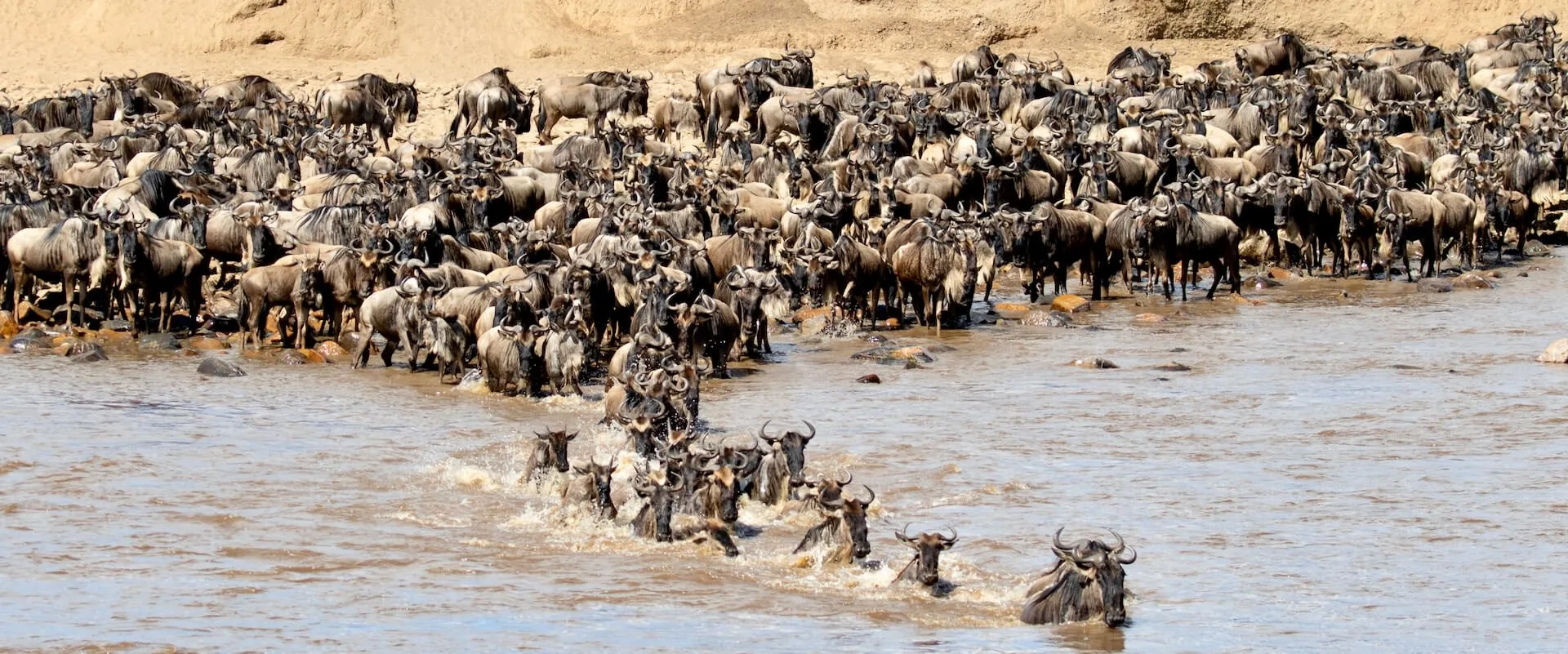
The Great Migration in Africa happens all year because the herds continuously circulate through the Serengeti–Mara ecosystem in…
Read article
Definitive answer: A picnic lunch on safari is a packed or catered midday meal eaten at an approved…
Read article
Definitive answer: A bush dinner is an outdoor evening meal arranged in a safe safari setting away from…
Read articleLet us take you closer to the wildlife, people and places that make Africa extraordinary.
Plan Your Safari Today