
What should I look for when booking a luxury African safari?
When booking a luxury African safari, look beyond the room and compare the quality of guiding, wildlife location,…
Read article

Travel Guide
Cape Town has a reputation for spectacular scenery, sophisticated restaurants, fashionable hotels and expensive private tours, but visiting the city does not have to consume the budget you have reserved for the rest of your African…
Cape Town has a reputation for spectacular scenery, sophisticated restaurants, fashionable hotels and expensive private tours, but visiting the city does not have to consume the budget you have reserved for the rest of your African holiday. With intelligent accommodation choices, carefully planned transport and a greater emphasis on Cape Town’s extraordinary natural attractions, it is possible to enjoy an outstanding Cape Town holiday on a budget without reducing the experience to a checklist of compromises.
In fact, Cape Town is unusually well suited to value-conscious travellers because many of the things that make the city memorable are landscapes rather than luxury products. The Atlantic Ocean does not charge according to hotel category. The views from the slopes around Table Mountain are not more beautiful because someone arrived in a premium vehicle. Beaches, coastal scenery, neighbourhood walks, public spaces, mountain trails and sunsets can provide some of the most memorable moments of a South African holiday while costing comparatively little.
The real challenge is knowing where money improves the experience and where it does not.
A traveller may save substantially by choosing a simple guesthouse rather than a five-star waterfront hotel, then use part of the saving for a well-designed Cape Peninsula day tour, a visit to the Cape Winelands or a longer South African safari. Another traveller may stay centrally and avoid repeatedly paying for long transfers. Someone combining Cape Town and an African safari may deliberately keep the city portion affordable so more of the budget can be directed toward wildlife areas where park fees, vehicles, guides and remote accommodation are harder to avoid.
This is the central principle of affordable Cape Town travel: Spend on the experiences that genuinely benefit from spending, and take advantage of the extraordinary number of experiences that do not.
Cape Town is one of the easiest cities in Africa to combine with a wildlife holiday because it provides a complete contrast to the safari environment. Safari days frequently begin before sunrise. Travellers spend long periods in vehicles, follow wildlife movements and often stay in relatively remote locations. Cape Town provides restaurants, beaches, museums, neighbourhoods, shopping, mountains and ocean scenery. That contrast makes a Cape Town and safari holiday especially attractive for first-time visitors to Africa.
A traveller can experience wildlife in South Africa’s Kruger ecosystem before flying to Cape Town. Alternatively, Cape Town can be combined with Botswana, Namibia, Zimbabwe, Zambia or East African destinations depending on the wider itinerary and available flights. For travellers booking Uganda gorilla trekking safaris, Kenya wildlife safaris or Tanzania safari holidays, Cape Town can also function as a separate southern African extension for those with sufficient time. The important budgeting lesson is that Cape Town accommodation does not need to match the safari lodge category.
A traveller staying in luxury safari camps may be perfectly comfortable in a good-value Cape Town guesthouse because the purpose of the city stay is different. In Cape Town, visitors often spend most of the day exploring rather than remaining at their accommodation.
Three nights can provide an introduction, but four to six nights create a much more satisfying visit. Cape Town’s weather is an important reason not to compress the itinerary too aggressively. Table Mountain may be clear one day and covered in cloud the next. Wind can affect certain activities. A longer stay gives travellers flexibility to rearrange outdoor plans. A five-night itinerary might include central Cape Town and the waterfront, a mountain-focused day, the Cape Peninsula, beaches and neighbourhood exploration, with another day available for the Winelands or a slower city experience.
The budget advantage of staying slightly longer is that the additional days do not necessarily need expensive tours. Hiking, beaches and independent exploration can keep the average daily cost relatively manageable.
Accommodation is one of the easiest places to overspend in Cape Town. The city offers luxury hotels, boutique properties, apartments, backpacker accommodation, guesthouses and smaller hotels across a broad range of neighbourhoods. For a budget Cape Town trip, location can matter more than luxury. A cheap room far from the places you want to visit can generate additional transport expenses every day. A slightly more expensive property in a useful location may reduce both travel time and taxi costs.
This is particularly important for travellers without a rental car.
The City Bowl is convenient for travellers who want access to central restaurants, cultural attractions and urban neighbourhoods. Areas around Gardens and other central districts can provide alternatives to the most expensive waterfront accommodation. The exact property should still be checked carefully for security, recent guest feedback, transport access and the specific street location. Cape Town neighbourhoods can change character quickly, so accommodation should not be selected solely because a booking platform describes it as “central.”
Sea Point can be an excellent base for travellers who want coastal atmosphere without necessarily paying the premium associated with the most expensive beachfront districts. The promenade is one of the area’s major attractions and provides a pleasant environment for walking, particularly when weather conditions are favourable. Restaurants, supermarkets and other services make the area practical for longer stays. For budget travellers, access to supermarkets is surprisingly valuable. Buying breakfast items, snacks and water can substantially reduce daily food spending without sacrificing restaurant experiences altogether.
Green Point sits conveniently between central Cape Town, the waterfront and Atlantic Seaboard areas. Its location can work particularly well for visitors wanting urban convenience. Again, the best-value accommodation is not automatically the cheapest room. Look at transport requirements, breakfast inclusions, room facilities and how much time will be spent travelling to planned attractions.
Travellers may find cheaper accommodation farther from the principal tourist zones, but the transport trade-off must be considered. Saving money on the room only makes sense if reaching the places you want to visit remains practical. This is a recurring rule throughout budget travel: Never compare room prices without comparing location.
Self-catering accommodation can be particularly valuable for travellers spending five nights or more in Cape Town. A kitchen or kitchenette allows guests to prepare breakfast and occasional simple meals. This does not mean avoiding South African food. Instead, it allows the budget to be concentrated on meals that matter. Rather than paying restaurant prices for breakfast, lunch and dinner every day, travellers can eat simply at the accommodation and then enjoy selected restaurants, markets or cafés. For families, the saving can be substantial. An apartment may also provide more space than multiple hotel rooms.
Cape Town’s greatest budget advantage is its landscape. Many cities require expensive entrance tickets to experience their signature attractions. Cape Town’s identity is visible from streets, beaches, mountains and coastal roads. A traveller willing to walk can enjoy enormous amounts of the city without continuously purchasing tickets.
The Sea Point Promenade is one of the simplest ways to experience Cape Town’s relationship with the Atlantic Ocean. Walking costs nothing. The scenery changes with weather and time of day. Locals exercise. Families gather. The ocean creates a constant backdrop. For visitors staying nearby, the promenade can become part of the daily routine rather than a scheduled attraction. This is exactly the kind of experience that makes Cape Town on a budget enjoyable rather than restrictive.
The V&A Waterfront is one of Cape Town’s most visited areas. It is easy to assume that visiting requires expensive shopping or dining, but simply walking around the harbour environment can be enjoyable. There are shops and restaurants for those who want them, but budget travellers can treat the waterfront as a place to explore rather than an obligation to spend. The area can also be useful as a transport and activity hub depending on the day’s plans.
The Bo-Kaap is widely recognised for colourful architecture and its important Cape Muslim cultural history. Visitors should remember that this is a living residential community rather than a photographic set. Walk respectfully. Avoid obstructing residents. Do not treat private homes as public attractions. Those principles cost nothing and create better tourism. Travellers interested in deeper understanding can consider an appropriate guided cultural or food experience rather than merely photographing façades.
Central green spaces such as Company’s Garden can provide a pleasant break during urban exploration. They also work well as part of a walking route linking museums and central neighbourhoods. Budget travel becomes easier when attractions are grouped geographically. Instead of making separate vehicle journeys to individual locations, build a day around one area.
Cape Town is a city where neighbourhood-level exploration can be rewarding, but travellers should remain conscious of local safety conditions. Ask accommodation staff about suitable walking areas and current conditions. Use transport where walking is not advisable. Budget travel should never mean ignoring sensible security decisions simply to avoid a taxi fare.
Table Mountain defines Cape Town’s skyline. For many travellers, reaching the mountain is non-negotiable. The obvious paid option is the cableway when operating and weather conditions allow. For experienced and appropriately prepared hikers, walking routes provide another possibility, but hiking Table Mountain should not be treated casually. Terrain can be demanding. Weather changes rapidly. Heat, cloud, wind and route-finding can create risks. Visitors should choose routes appropriate to their ability, carry sufficient water, understand current conditions and use qualified local guidance where appropriate.
The fact that hiking can be inexpensive does not make every route suitable for an inexperienced traveller.
Do not rigidly assign Table Mountain to the final morning of your trip. Cloud and wind can interfere with plans. Instead, identify several possible windows during the stay. When conditions are favourable, prioritise the mountain. Other city activities can usually be rearranged more easily. This flexibility can also protect the budget because travellers avoid repeatedly paying for transport to an attraction that cannot be experienced as planned.
Lion’s Head is another famous Cape Town hiking destination. The panoramic views can be exceptional, but the route includes exposed and physically demanding sections. Sunrise and sunset are popular, which also means some travellers may be hiking in partial darkness. Good footwear, weather awareness and realistic assessment of fitness are important. Budget travellers should not confuse “free trail” with “risk-free activity.”
Signal Hill can provide expansive views with less physical effort than some mountain hikes. It is particularly popular around sunset.
Transport still needs to be planned carefully, especially after dark and during busy periods.
Cape Town’s beaches are among the city’s greatest low-cost attractions. The Atlantic water can be extremely cold, but the landscapes are spectacular.
Camps Bay is famous for its beach, mountain backdrop and fashionable restaurant strip. Travellers do not need to stay in an expensive Camps Bay hotel to enjoy the scenery. Visit for the beach and views, then return to more affordable accommodation elsewhere. This is a useful budget strategy throughout Cape Town: Enjoy premium neighbourhoods without necessarily sleeping or dining in them.
The Clifton beaches are among Cape Town’s most celebrated coastal locations. Their sheltered coves and dramatic setting make them popular in good weather. Again, the principal experience is the landscape.
Muizenberg offers a very different coastal atmosphere. The colourful beach huts have become visually famous, and the area is associated with surfing. For travellers exploring the False Bay side of the peninsula, it can fit naturally into a broader day rather than requiring a separate excursion.
Some experiences justify allocating more of the budget. A Cape Peninsula tour is one of them. The peninsula contains enough scenery and attractions to fill a long day, and transport logistics can be complicated for visitors without a car. A well-organised small-group or private excursion can therefore represent better value than repeatedly arranging separate transport.
Typical routes may include coastal scenery, Cape Point and the Cape of Good Hope area, with additional stops according to the itinerary. The objective should not be to stop for five minutes everywhere. A good peninsula day gives travellers time to appreciate the landscape.
The African penguins at Boulders Beach are one of the peninsula’s most recognisable wildlife attractions. This can be particularly enjoyable for travellers whose South African holiday does not otherwise include much wildlife. Visitors should follow viewing regulations and respect the penguins’ space. They are wild animals, not props for close-up photographs. Entrance fees and access arrangements should always be checked for the actual travel date rather than relying on old blog pricing.
The dramatic landscapes around Cape Point and the Cape of Good Hope are central to many peninsula itineraries. Travellers should budget for the applicable conservation access rather than assuming every outdoor attraction is free. This is another example of intelligent budget travel. Saving money does not mean avoiding every paid attraction. It means choosing paid attractions with high experiential value.
When open and incorporated into the route, Chapman’s Peak Drive is one of the most scenic coastal roads around Cape Town. Its cliffs and Atlantic views demonstrate why the journey around the peninsula can be as important as the individual stops. Road conditions, closures and toll arrangements can change, so current information should be checked.
The Cape Winelands can easily become expensive if the day is built around luxury restaurants, premium tastings and private transfers. But travellers interested primarily in scenery, wine culture and a few tastings can structure the experience more affordably. Stellenbosch, Franschhoek and other wine-producing areas provide attractive architecture, mountain scenery and vineyard landscapes. The key budget question is transport.
Driving after drinking is not appropriate. Therefore, travellers planning wine tastings should budget for safe transport or an organised experience. Trying to save money on this aspect is not sensible.
Stellenbosch can be explored partly on foot once visitors reach the town. Its historic streets and university atmosphere provide a different experience from central Cape Town. A carefully planned day might combine town exploration with selected wine estates rather than attempting to visit as many wineries as possible. Quality beats quantity.
Franschhoek has a strong food-and-wine reputation and can become expensive quickly. Budget travellers should decide whether the objective is fine dining, wine tasting or simply enjoying the valley. There is no requirement to do all three at premium level.
Food is another area where travellers can control spending without giving up local experience. South Africa’s food scene extends far beyond expensive waterfront restaurants. Markets, bakeries, cafés, casual restaurants and supermarkets provide options across price levels. The strongest strategy is to mix them. Have some simple meals. Choose several memorable restaurant experiences. Explore local flavours. Avoid paying tourist-area prices three times a day simply because the restaurants are closest to a major attraction.
Food markets can be useful for groups because everyone can choose according to appetite and budget. They also allow travellers to sample different foods without committing to a formal multi-course meal. Operating days and hours can change, so current schedules should be checked before travelling across the city specifically for a market.
Travellers can look beyond international restaurant menus and explore dishes and flavours connected with South Africa’s diverse culinary traditions. Cape Malay influences are particularly important in Cape Town. Braai culture, seafood and a wide range of contemporary South African cooking can also form part of the journey. Affordable travel should still feel like travel. Eating only familiar fast food to save money can reduce one of the easiest ways to experience the destination.
This is one of the simplest practical savings. If accommodation does not include breakfast, buying yoghurt, fruit, bread, cereal or other simple items can reduce spending significantly over a week. Carry snacks and water on long day trips where appropriate. Small savings repeated daily can fund one major excursion.
Transport costs can accumulate quickly when accommodation and daily activities are poorly coordinated. Cape Town is geographically spread out. The peninsula is large. Beaches lie in different directions. Winelands excursions extend beyond the city. A traveller should therefore design days geographically. Do not visit one attraction in the southern suburbs in the morning, return to the waterfront for lunch and then travel back south in the afternoon unless there is a compelling reason.
Good routing saves both money and time.
There is no single cheapest transport option for every traveller. A rental car can be economical for couples or families making frequent day trips, but parking, fuel, insurance and driving confidence must be considered. Ride-hailing can work well for shorter urban journeys. Organised tours can be more efficient for destinations where a driver, guiding and multiple stops are useful.
The right approach may be a combination. For example, a traveller could explore central Cape Town independently, use ride-hailing for evening restaurants and join a guided Cape Peninsula excursion.
Not necessarily. If the first few days focus on central Cape Town, paying for a rental car that remains parked may be unnecessary. A vehicle can sometimes be rented only for the portion of the trip that requires it. Compare total rental costs, insurance conditions and transport alternatives.
Safety is not an appropriate category for extreme cost cutting. Use reliable transport. Avoid displaying valuables unnecessarily. Ask accommodation staff for current local guidance. Do not assume that a short distance on a map is automatically suitable for walking, particularly after dark. Keep passports and important documents secure. The exact security situation varies by neighbourhood and time, so recent local advice is more valuable than generic internet statements.
Cape Town can work extremely well for backpackers because hostels and shared accommodation reduce lodging costs while group excursions spread transport expenses. Backpackers can also take advantage of hiking, beaches and independent city exploration. The major challenge is avoiding the temptation to book every adventure activity available. Cape Town markets an enormous number of experiences.
Choose according to priorities.
Couples can share accommodation and transport costs, making Cape Town relatively efficient. A simple guesthouse combined with one or two carefully selected day trips can produce an excellent holiday. Romantic experiences do not need to be expensive. A coastal sunset, scenic hike or beach afternoon may be more memorable than another formal dinner.
Families should consider apartments, kitchen facilities and location carefully. Preparing some meals can create major savings. Private transport may become economical once costs are divided among several people. The itinerary should also avoid excessive driving. Children often enjoy beaches, penguins and outdoor spaces as much as expensive attractions.
A honeymoon does not require a five-star hotel every night. Couples can choose a stylish smaller guesthouse and spend selectively on experiences. One special dinner. A Winelands day. A beautiful peninsula excursion. Perhaps a room upgrade for the final night. Targeted luxury often creates better memories than paying premium prices continuously.
A Cape Town and Kruger safari is one of South Africa’s classic combinations. Cape Town provides city, mountain and coast. Kruger provides wildlife. Travellers can control the total budget by deciding where luxury matters most. If wildlife is the priority, spend more on the safari and use modest Cape Town accommodation. If the city and food scene are equally important, balance spending differently.
For travellers undertaking a broader African journey, Cape Town can also be combined with Uganda gorilla trekking. This is not a short regional combination, so flight logistics require careful planning. But the contrast is extraordinary. Cape Town provides coast, city and mountain scenery. Uganda provides tropical forest, mountain gorillas, chimpanzees and East African wildlife. For travellers visiting Africa once and wanting maximum diversity, the combination can be compelling.
Cape Town and Botswana create another powerful contrast. After several days exploring the city, travellers can continue toward the Okavango Delta or other Botswana wildlife areas. Botswana can be expensive, so keeping the Cape Town portion affordable is a particularly useful strategy.
A value-conscious stay does not need to be packed with paid attractions. The first day can focus on arrival and a gentle exploration of the waterfront or nearby neighbourhoods. A clear-weather day can be reserved for Table Mountain or another mountain experience. Another day can explore the Cape Peninsula. A fourth can focus on beaches, central neighbourhoods and inexpensive city experiences. The final full day might be allocated to the Winelands or kept flexible for anything disrupted by weather. This structure avoids purchasing a major excursion every day.
Accommodation demand changes seasonally and around major holidays and events. The exact rate calendar varies by property. Travellers with flexible dates should compare several periods rather than assuming one advertised room price represents the normal cost. Christmas and New Year travel can be particularly competitive. Booking well ahead is important when dates are fixed.
Shoulder periods can offer an attractive balance between weather, visitor numbers and accommodation pricing. However, Cape Town weather remains variable. Travellers should not choose dates solely according to hotel price. Consider what activities matter most.
A beach-focused holiday has different weather priorities from a food-and-city trip.
Do not eliminate travel insurance. Do not use unsafe transport simply because it is cheaper. Do not hike beyond your ability to avoid paying for an easier option. Do not select accommodation solely according to nightly price without considering location. Do not skip an experience you have dreamed about for years to save a very small percentage of the total trip cost. Budget travel is about allocation, not deprivation.
Cape Town can be expensive if travellers choose premium waterfront hotels, private tours and fine dining every day. However, guesthouses, apartments, beaches, hiking and independent exploration make lower-cost travel possible.
Four to six nights provide a useful amount of time for first-time visitors, particularly because weather can affect mountain and outdoor activities.
Hiking may reduce direct attraction costs for appropriately prepared travellers, but mountain safety should come before savings. The cableway is another option when operating.
Many beaches can be enjoyed without conventional attraction entrance charges, although transport, parking or facilities may still create costs. Some protected destinations elsewhere on the peninsula have conservation fees.
Yes. For many first-time visitors it is one of the highest-value full-day experiences because it combines extraordinary scenery and several major destinations.
Yes. Hostels, shared excursions, beaches and outdoor activities make Cape Town popular with independent and budget-conscious travellers.
Absolutely. Cape Town and Kruger safaris are particularly popular, while Botswana, Namibia, Zimbabwe and East African safari destinations can also be incorporated into longer journeys.
Yes. Travellers with sufficient time can combine Cape Town with Uganda or Rwanda gorilla trekking, although regional flight logistics need careful planning.
At Adventure in the Wild Safaris, we recommend thinking about Cape Town as part of the complete African journey rather than treating every destination as a separate holiday. If the primary objective is wildlife, Cape Town can be kept relatively affordable while more of the budget is directed toward gorilla permits, safari vehicles, park fees and remote wildlife accommodation. If Cape Town is equally important, additional nights can be included to explore the peninsula, mountains, Winelands and beaches at a slower pace. The goal is not to spend as little as physically possible. It is to obtain more meaningful experiences from the available budget.
The greatest advantage of visiting Cape Town on a budget is that the city constantly reminds travellers that price and beauty are not the same thing. A five-star hotel cannot improve the shape of Table Mountain. A premium restaurant cannot make the Atlantic sunset more colourful. An expensive tour does not make the Cape Peninsula more dramatic.
Money can buy comfort, convenience, specialist guiding and exceptional food, and all of those things may be worthwhile. But Cape Town’s defining experiences remain rooted in geography. Mountain. Ocean. Peninsula. Beach. Vineyards. Neighbourhoods. History. Weather. Light. A successful affordable Cape Town holiday therefore uses money strategically. Stay somewhere comfortable and well located rather than automatically prestigious. Walk where it is appropriate and safe. Use beaches and public spaces. Buy simple breakfasts.
Group attractions geographically. Pay for a good peninsula excursion if it solves transport and guiding needs. Spend on safe transport. Choose a few excellent meals instead of expensive dining every day. Keep enough flexibility for weather. Most importantly, consider what comes after Cape Town. If you are continuing to a South African safari, Botswana, Namibia, Uganda gorilla safari, Kenya or Tanzania, every unnecessary city expense reduces the amount available for wildlife experiences that are much harder to experience cheaply.
Cape Town can be the affordable part of an extraordinary African journey without feeling like the compromised part. That is what genuine value travel should achieve.

Share This Article
When booking a luxury African safari, look beyond the room and compare the quality of guiding, wildlife location,…
Read article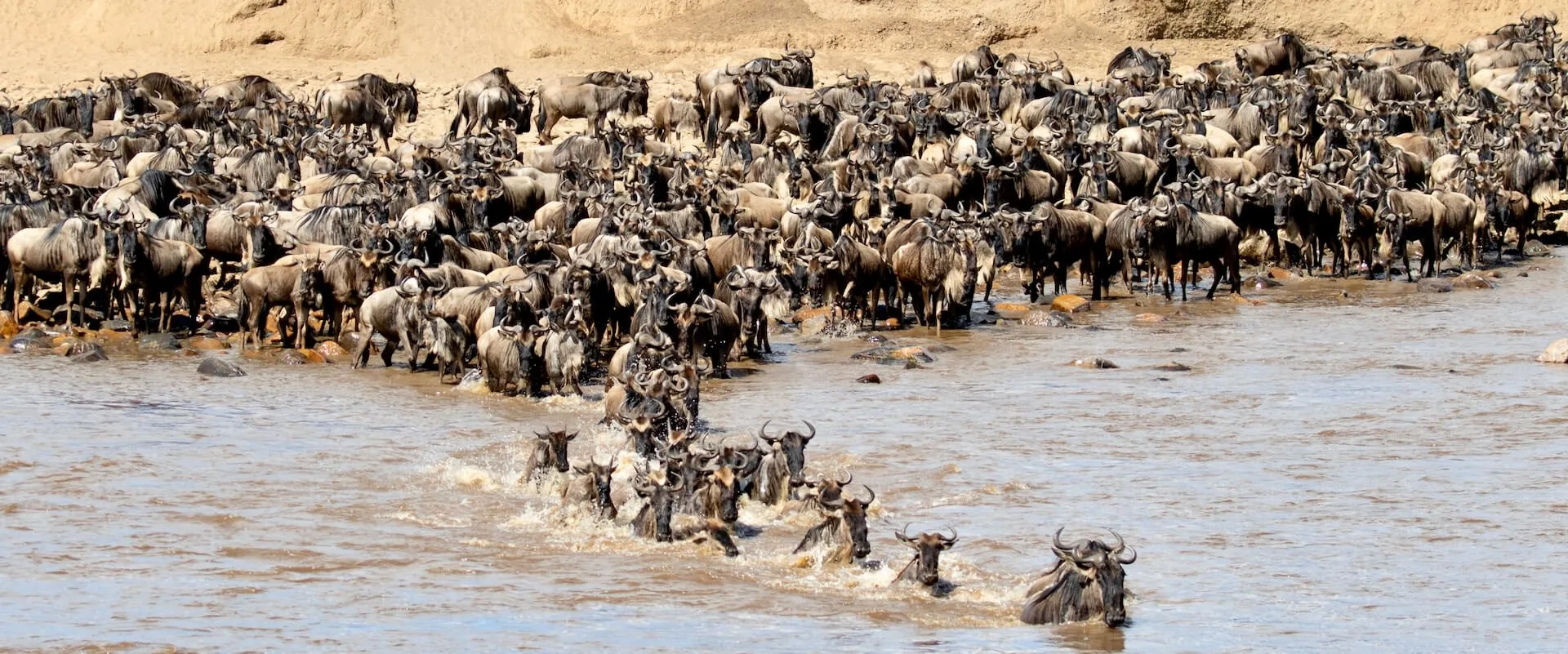
The Great Migration in Africa happens all year because the herds continuously circulate through the Serengeti–Mara ecosystem in…
Read article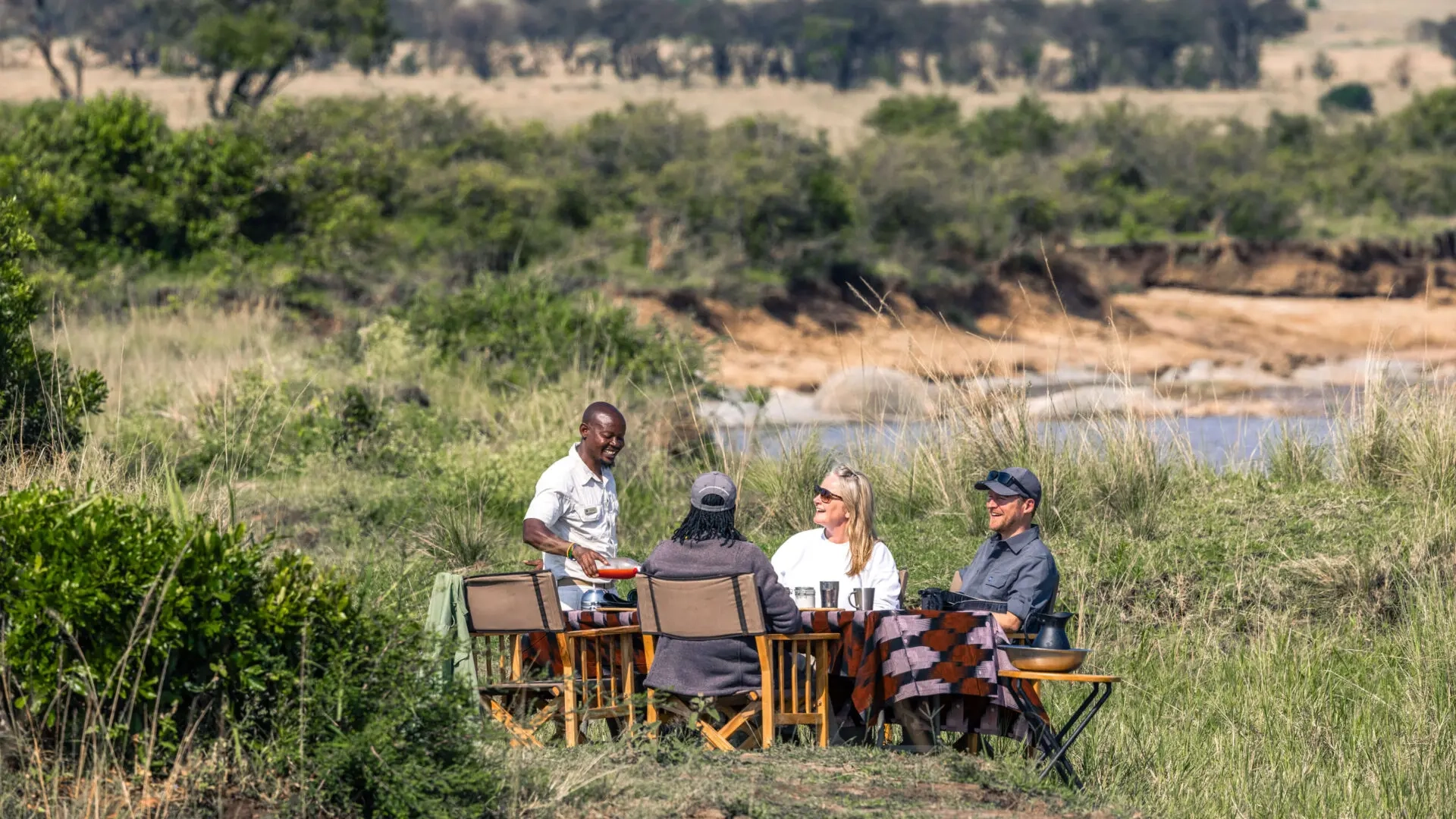
Definitive answer: A picnic lunch on safari is a packed or catered midday meal eaten at an approved…
Read article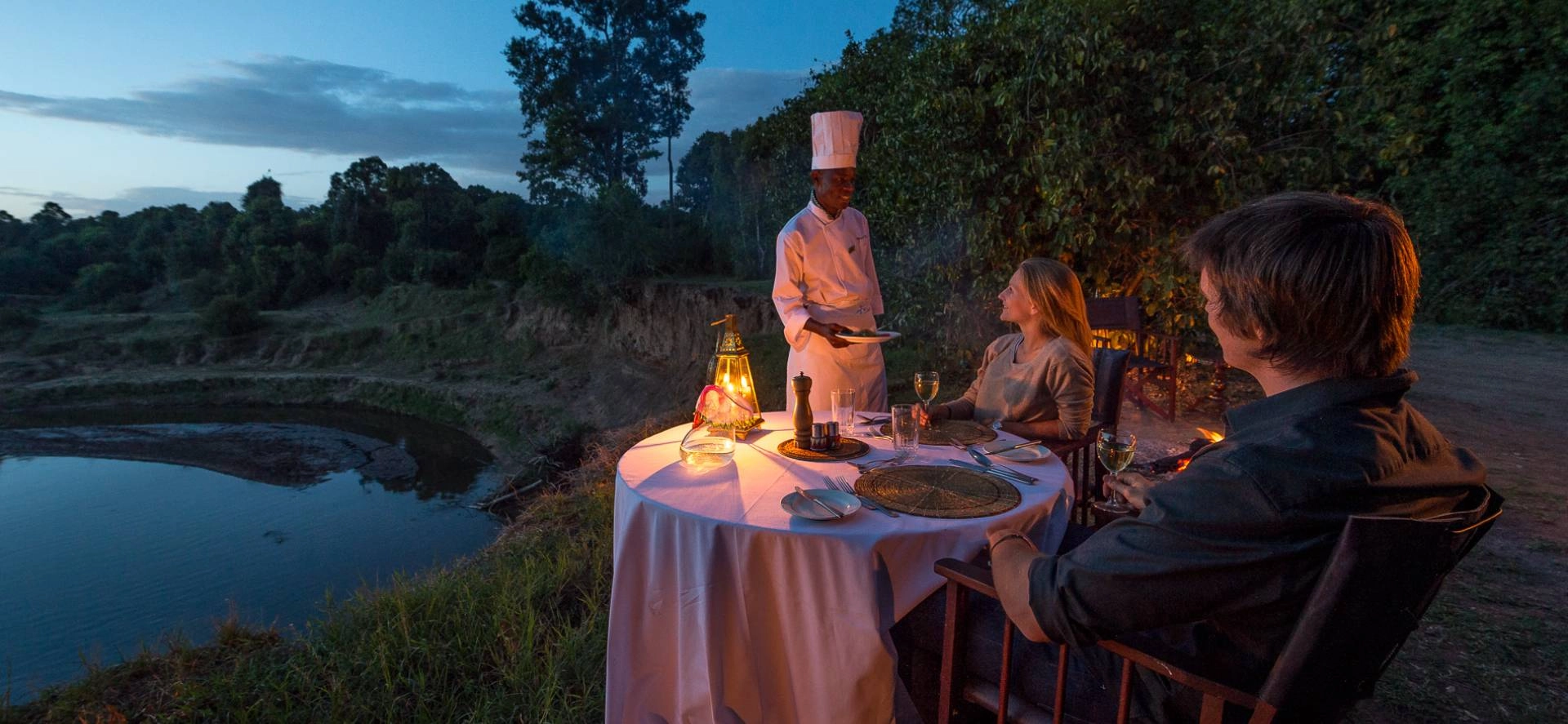
Definitive answer: A bush dinner is an outdoor evening meal arranged in a safe safari setting away from…
Read articleLet us take you closer to the wildlife, people and places that make Africa extraordinary.
Plan Your Safari Today