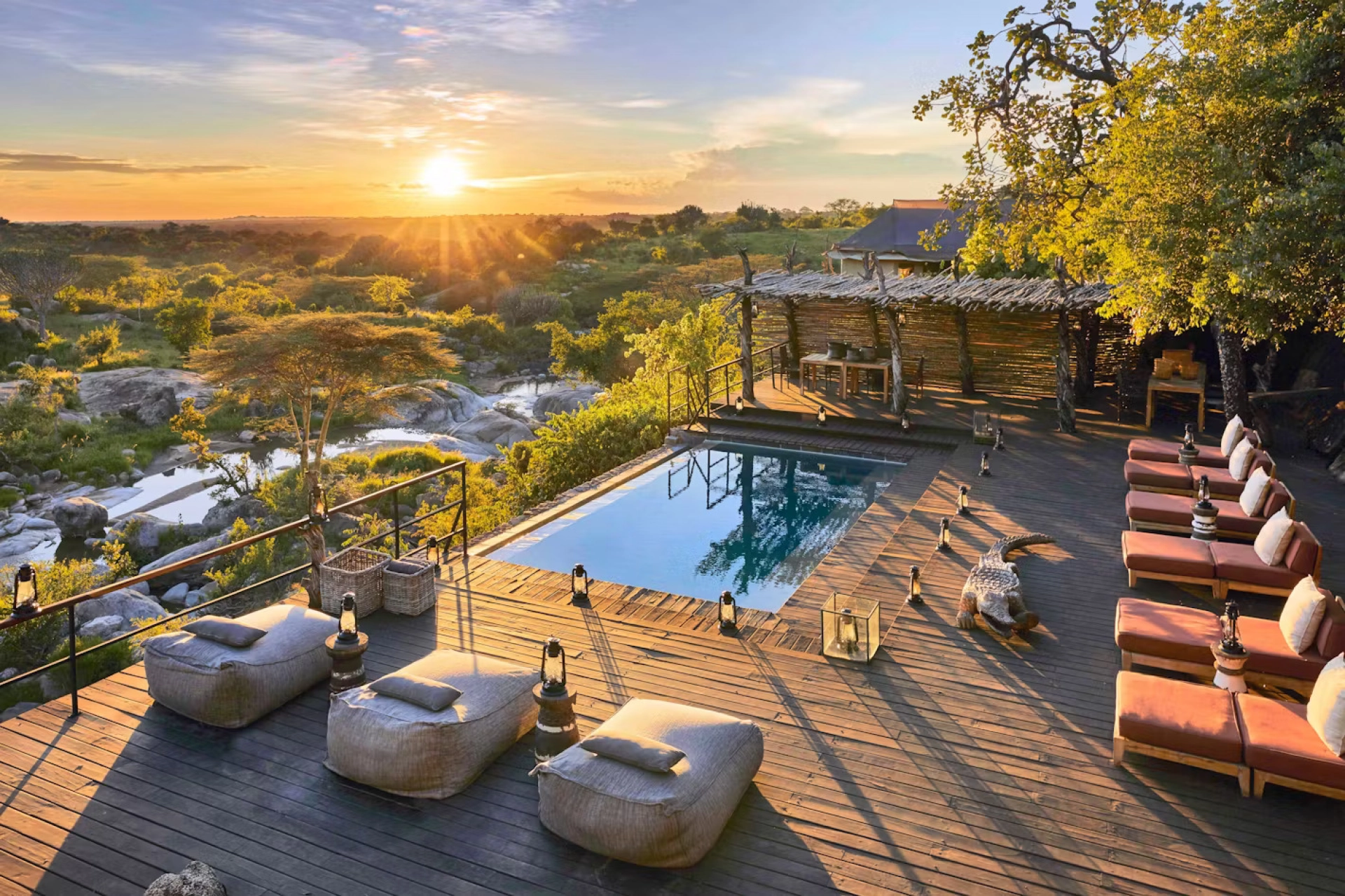
What should I look for when booking a luxury African safari?
When booking a luxury African safari, look beyond the room and compare the quality of guiding, wildlife location,…
Read article

Travel Guide
Combining Kruger National Park and Cape Town is one of the best ways to experience South Africa because these two destinations offer almost completely different sides of the country in a single holiday. Kruger delivers classic…
Combining Kruger National Park and Cape Town is one of the best ways to experience South Africa because these two destinations offer almost completely different sides of the country in a single holiday. Kruger delivers classic African wilderness, exceptional wildlife viewing, dawn game drives and the possibility of seeing the Big Five, while Cape Town provides mountains, beaches, history, restaurants, wine estates, coastal scenery and one of Africa’s most attractive cities.
For first-time visitors, a Kruger and Cape Town itinerary is particularly appealing because it avoids the feeling that an African holiday must be entirely about wildlife or entirely about cities. Instead, you can spend several mornings watching elephants, lions and giraffes in the bush before flying south to walk along the Atlantic coastline, ride the cableway up Table Mountain, explore the Cape Peninsula and spend an afternoon among the vineyards of Stellenbosch or Franschhoek.
Kruger National Park itself covers nearly two million hectares, making it one of Africa’s great protected wildlife areas. SANParks describes it as its flagship national park, with extensive self-drive opportunities, public rest camps and access to an exceptional diversity of wildlife. The challenge is not deciding whether Cape Town and Kruger are worth visiting. Both are outstanding. The real challenge is deciding how many days to spend in each destination, which part of Kruger to visit, whether to stay inside the national park or in a private reserve, and how to travel between Cape Town and the Kruger region without wasting valuable holiday time.
This detailed guide explains exactly how to combine the two.
A trip combining Kruger safari and Cape Town gives travellers extraordinary variety. Kruger represents the African bushveld. Days revolve around wildlife, changing light and the rhythms of nature. You may wake before sunrise, drink coffee while the sky begins to brighten and then leave camp searching for lions, elephants, buffalo, leopard, rhino, wild dogs, giraffes and antelope. Cape Town operates at an entirely different pace. Instead of tracking animals, you may spend the morning hiking Table Mountain, eat lunch overlooking the Atlantic, visit the colourful streets of Bo-Kaap, drive Chapman’s Peak or watch African penguins at Boulders Beach.
That contrast is precisely what makes the combination work. Many travellers describe a safari as intense in the best possible way. You wake early, concentrate during game drives and spend long periods looking and listening. Cape Town then provides a natural second chapter where your schedule can become more flexible. The reverse works equally well. If you begin with Cape Town, a safari provides a dramatic finale. Neither sequence is universally better. The choice depends on your international flights, preferred pace and whether you want the safari or city experience to come last.
Cape Town and Kruger National Park are located on opposite sides of South Africa. Driving directly between them is possible, but for most international holidaymakers it is not sensible unless the road trip itself is part of the adventure. Flying is usually far more practical. SANParks currently lists direct scheduled air connections between Cape Town and Skukuza Airport, as well as services linking Cape Town with Kruger Mpumalanga International Airport and Hoedspruit.
This means travellers do not necessarily have to return through Johannesburg when combining the two destinations. That is important because every additional airport connection consumes holiday time. A well-planned itinerary can therefore look something like: Cape Town → direct flight to the Kruger region → safari → Johannesburg → international departure. Or: Johannesburg → Kruger safari → direct flight to Cape Town → international departure from Cape Town. Open-jaw international tickets, where you arrive through one South African city and depart from another, can sometimes make the journey even more efficient.
There is no single correct airport because Kruger is enormous. Your ideal airport depends on where you are staying.
Skukuza Airport is located inside Kruger National Park and is particularly convenient for travellers staying in the southern part of the park or at properties accessed through the Skukuza area. SANParks confirms direct scheduled flights between Cape Town and Skukuza. Landing inside the park creates a memorable transition. You leave cosmopolitan Cape Town and, only a few hours later, arrive surrounded by the Lowveld bush. For travellers with a relatively short itinerary, Skukuza can minimise road-transfer time.
Hoedspruit is extremely useful for safari lodges in the western Greater Kruger region. SANParks lists Hoedspruit as one of the airports serving the Kruger area, while Timbavati notes that Eastgate Airport at Hoedspruit lies only around 12 kilometres from its reserve access. If your safari is based in areas such as Timbavati, Klaserie, Balule or nearby private reserves, Hoedspruit may be the most logical gateway.
Kruger Mpumalanga International Airport, often abbreviated to KMIA, sits between Mbombela and White River. It is convenient for the southern Kruger area, Hazyview and several reserves and lodges in Mpumalanga. SANParks currently lists Cape Town services to KMIA. Choosing the correct airport can save several hours of road travel, so this decision should be based on your exact lodge rather than choosing a flight purely because it appears slightly cheaper.
This is one of the most important decisions when planning a Cape Town and Kruger safari holiday. Kruger National Park and Greater Kruger are connected geographically and ecologically, but the visitor experience can be quite different. Inside Kruger National Park, you can self-drive, stay in SANParks rest camps and explore a vast public road network. This is one of the reasons Kruger can offer remarkable value compared with many private African safari destinations.
You can rent a vehicle, enter through one of nine official entrance gates and search for wildlife independently. In private reserves within the Greater Kruger ecosystem, safaris are usually lodge-based. Rates often include accommodation, meals and guided game drives. Guides may be able to use private reserve tracks that are not available to ordinary self-drive visitors. Many lodges also use both a professional guide and a tracker, creating a more specialised wildlife-viewing experience.
Private reserves therefore tend to suit travellers looking for an all-inclusive safari where most logistics are handled for them.
The phrase Greater Kruger generally refers to the broader conservation landscape that includes Kruger National Park and neighbouring private reserves connected to the national park’s ecosystem. One example is Timbavati Nature Reserve, which states that it shares an unfenced relationship with Kruger and forms part of a much larger wilderness landscape. Timbavati itself covers 556 square kilometres and removed fences with Kruger in 1993, allowing wildlife to move through a broader ecosystem.
This is important because visitors sometimes assume that staying outside the official national park boundary means seeing animals in a small enclosed reserve. That is not necessarily true. Some Greater Kruger reserves form part of vast, interconnected wildlife areas where animals can move over substantial distances.
The choice comes down partly to budget and partly to preferred safari style.
Affordable safari accommodation, self-driving freedom, extensive public roads, independence, picnic stops and the experience of exploring one of Africa’s great national parks at your own pace.
Professionally guided drives, smaller safari vehicles, lodge-based meals, higher service levels, tracking expertise and a more immersive luxury or midrange safari experience. Neither is automatically superior. Many travellers actually combine them. For example, you could spend two nights inside Kruger National Park followed by two nights at a private lodge. That gives you both experiences.
Three nights is a sensible minimum for travellers flying from another part of South Africa. Four nights is better. Five nights provides significantly more flexibility and increases the chance of experiencing different wildlife encounters. Safari sightings are unpredictable. A traveller who enters the park expecting to see lion, leopard, rhino, buffalo and elephant within two hours may be disappointed. Another traveller may see several of them before breakfast. The longer you stay, the less pressure there is to race from sighting to sighting.
You also begin appreciating animals beyond the Big Five. Kruger supports approximately 148 mammal species, including lion, leopard, elephant, buffalo, black and white rhino, cheetah, African wild dog, giraffe, zebra, hippopotamus and numerous antelope species. A four-night safari therefore allows time to move beyond simple species counting. You begin noticing behaviour. You watch elephants interact. You wait beside a river. You learn the alarm calls of impala. You begin understanding why guides become excited about tracks, birds and smaller animals that first-time visitors may initially ignore.
We recommend at least four full days in Cape Town. Five or six is even better. Cape Town is frequently underestimated by travellers who assume two days will be enough. It rarely is. One day can disappear entirely into a Cape Peninsula tour, especially when visiting Cape Point, the Cape of Good Hope, Boulders Beach, coastal towns and scenic roads. Another day can be spent around Table Mountain, the city centre, Bo-Kaap and the V&A Waterfront.
The Cape Winelands deserve another full day. Robben Island, Kirstenbosch, beaches, hiking, museums and food experiences quickly require additional time. Weather also matters. Table Mountain may occasionally disappear into cloud or strong wind can affect planned activities. Leaving some flexibility allows you to move activities between days.
For most first-time travellers, 10 to 14 days is excellent. A compact itinerary can work in seven or eight nights, but you will move relatively quickly. Ten nights creates a much better balance. Two weeks allows you to add the Winelands, Panorama Route, Johannesburg, Garden Route or another safari region.
A one-week trip is possible when time is limited.
Arrive at Cape Town International Airport and transfer to your hotel. Keep the first day relatively relaxed. Explore the V&A Waterfront or enjoy dinner overlooking the city.
Visit Table Mountain, weather permitting, followed by central Cape Town and Bo-Kaap. The afternoon can include the Company’s Garden, museums, Camps Bay or the Waterfront.
Spend the day travelling along the Cape Peninsula. Highlights can include Chapman’s Peak Drive, Cape Point, Cape of Good Hope and Boulders Beach.
Take a morning flight from Cape Town to the most appropriate Kruger gateway. Transfer to your safari accommodation. Complete an afternoon game drive if your arrival time permits.
Enjoy morning and afternoon wildlife activities.
Spend another full day searching for wildlife.
Depending on flight times, complete an early game drive before travelling onward. This itinerary works, but it is short. Adding two or three additional nights produces a considerably better journey.
A 10-day South Africa itinerary allows both destinations to breathe.
Spend five nights in Cape Town. This creates time for Table Mountain, Cape Peninsula, Bo-Kaap, Waterfront, beaches and a Winelands excursion.
Take a direct flight to Skukuza, Hoedspruit or KMIA. Transfer to your lodge.
Enjoy three full safari days. If staying at a private lodge, this usually means early-morning and late-afternoon game drives. If self-driving, choose different areas each day rather than repeatedly travelling the same roads.
Complete a final safari activity if possible before flying onward.
With two weeks, the itinerary becomes much more flexible.
You can include: 5 nights Cape Town 2 nights Cape Winelands 4 nights Greater Kruger safari 1 or 2 nights Panorama Route and travel time. Alternatively, use the additional days for the Garden Route. This is particularly attractive for honeymooners and travellers making a once-in-a-lifetime journey to South Africa.
Both work. However, there are practical reasons to consider Kruger first and Cape Town second. Safari mornings often begin very early. Arriving in South Africa after a long international flight and immediately starting a demanding safari schedule can be tiring. On the other hand, some travellers like beginning with wildlife while excitement is highest. Ending in Cape Town has the advantage of allowing several slower days after safari. There is also more flexibility in Cape Town if you want to shop, enjoy restaurants or simply recover before the international flight home.
For honeymooners, finishing with a combination of Cape Town and the Winelands can feel particularly relaxing.
There is no perfect month because the two regions have different climate patterns. Kruger is generally warm year-round, with summer rainfall and drier winter months. The dry season from roughly May to September is popular for wildlife viewing because vegetation becomes thinner and animals often concentrate around permanent water. Cape Town has the opposite rainfall pattern. Its summer months from approximately November to March tend to be warmer and drier, while winter brings more rain.
This creates an interesting planning compromise.
Excellent for Kruger safari conditions, particularly wildlife visibility. Cape Town is cooler and can be wetter, but clear winter days can still be beautiful.
A strong compromise. Kruger begins becoming greener while Cape Town’s weather improves.
Excellent period for Cape Town’s beaches, outdoor activities and Winelands. Kruger is green and attractive, with many young animals and excellent birding, although vegetation can make wildlife more difficult to spot.
Another excellent compromise. Cape Town often still experiences pleasant weather while Kruger’s vegetation begins transitioning toward the drier season.
The winter dry season is widely considered one of the best periods for Kruger wildlife viewing. Water becomes increasingly important. Animals spend more time around rivers, dams and waterholes. Vegetation is less dense. Temperatures are also generally more comfortable than during midsummer. Early mornings, however, can be cold. Travellers often underestimate how chilly an open safari vehicle can feel before sunrise. Bring layers.
Do not dismiss the wetter summer months. Kruger becomes dramatically greener. Migratory birds arrive. Many antelope species give birth. Storm clouds create spectacular photography conditions. The landscapes can be exceptionally beautiful. The trade-off is that thicker vegetation can make wildlife more difficult to locate. Temperatures and humidity can also be high.
Kruger is famous for the Big Five: lion, leopard, elephant, rhino and Cape buffalo. But focusing only on those animals undersells the destination. SANParks records approximately 148 mammal species in Kruger. Depending on location and luck, visitors may encounter cheetah, African wild dogs, spotted hyenas, giraffes, zebras, hippopotamus, crocodiles, wildebeest, kudu, waterbuck, sable antelope and large herds of impala. The birdlife is equally impressive. Even travellers who arrive insisting they are “not birders” often begin photographing hornbills, rollers, eagles and vultures after only a few game drives.
Southern Kruger is particularly popular among first-time visitors.
The road network is extensive, there are several entrance gates and the concentration of wildlife can be excellent. Skukuza is the largest rest camp and an important hub. Other popular southern areas include Lower Sabie, Berg-en-Dal, Pretoriuskop and Crocodile Bridge. Because this region receives many visitors, famous sightings can attract multiple vehicles. For travellers who dislike crowds, private reserves or quieter parts of the park may be preferable.
Central Kruger, particularly the wider Satara region, is known for open savanna environments and strong predator potential. The landscapes feel more expansive than some heavily wooded southern regions. It is an excellent choice for travellers willing to move beyond the most commonly visited southern routes.
Northern Kruger attracts travellers looking for a quieter and more remote experience. Wildlife density may feel lower in some areas, but the north has a special wilderness atmosphere. It is particularly rewarding for experienced safari travellers and birdwatchers. A first-time visitor with only three nights will usually find southern or central Kruger more practical.
Accommodation dramatically affects the cost of your safari.
SANParks rest camps can provide excellent value. Accommodation may be relatively simple, but you remain inside one of Africa’s premier wildlife destinations.
Midrange lodges around the park or inside Greater Kruger offer more comfort while controlling costs. Look carefully at what is included. A slightly higher nightly rate may represent better value when meals and game drives are included.
Luxury private lodges can provide exceptional experiences. Typical features may include elegant suites, small safari vehicles, highly trained guides and trackers, gourmet meals, bush breakfasts, sundowners and personalised service. The most expensive option is not automatically necessary for excellent wildlife viewing.
Kruger is one of Africa’s best destinations for self-drive safari travel. Many roads are accessible to ordinary vehicles. You do not need a 4×4 simply to explore the principal tourist routes. SANParks confirms that many visitors explore Kruger independently in their own vehicles. Self-driving provides tremendous freedom. You decide how long to stay at a sighting. You choose your route. You can stop at picnic sites and rest camps. You can spend twenty minutes watching elephants or two hours.
The disadvantage is that you do not benefit from a professional guide’s knowledge. For first-time safari travellers, even one guided drive can therefore add significant value.
A professional guide notices things most visitors miss. Tracks. Alarm calls. Subtle movement in vegetation. Bird behaviour. Fresh predator signs. A guided drive can therefore be worthwhile even if you are self-driving for the rest of the trip. Guided night drives provide another advantage because private visitors cannot simply drive around the national park after camp gates close.
After several safari days, Cape Town provides an extraordinary change of scenery.
No Cape Town trip feels complete without seeing Table Mountain from above if the weather allows.
The Cape Peninsula is one of the world’s great scenic day trips.
Visit the African penguin colony near Simon’s Town.
Explore Cape Town’s Cape Malay heritage, colourful architecture and food traditions.
Restaurants, shopping, museums and harbour views make the Waterfront particularly convenient for first-time visitors.
Kirstenbosch National Botanical Garden is excellent for travellers interested in plants, photography and quieter outdoor experiences.
The Cape Winelands should be included whenever possible. Stellenbosch, Franschhoek and surrounding wine areas combine mountains, historic architecture, vineyards and some of South Africa’s best restaurants. You do not need to drink wine to enjoy the region. For couples and honeymooners, two nights in the Winelands create a relaxing contrast with the intensity of safari.
Yes. This is one of southern Africa’s strongest multi-destination combinations. A typical itinerary might include: Cape Town → Kruger → Victoria Falls. Or: Victoria Falls → Kruger → Cape Town. The best flight routing depends on current schedules. This itinerary combines city, coast, wildlife and one of Africa’s most spectacular natural landmarks.
Absolutely. For travellers planning a major African journey, South Africa and Uganda or South Africa and Rwanda make a fascinating combination. South Africa provides Big Five wildlife, Cape Town and wine-country scenery. Uganda or Rwanda adds mountain gorilla trekking, tropical forest landscapes and primate experiences. This is particularly attractive for travellers who have enough time for a 14- to 21-day African holiday. A possible itinerary could include Cape Town, Greater Kruger and Bwindi Impenetrable National Park in Uganda.
Another could combine Cape Town, Kruger and Volcanoes National Park in Rwanda. These trips require careful flight planning, but they create exceptional wildlife diversity.
Costs vary enormously. Cape Town itself can suit a wide range of budgets. You can stay in a simple guesthouse or one of Africa’s finest luxury hotels. The largest cost difference usually occurs on safari. A self-drive Kruger safari using SANParks accommodation can be dramatically less expensive than an all-inclusive private reserve lodge. For the 2025/26 tariff period, SANParks lists different daily conservation fees according to visitor category, with international visitors paying the standard conservation fee.
Private reserve rates are usually much higher but can include game drives, accommodation and meals. Always compare total trip cost, not room rate alone.
When budgeting for a Cape Town and Kruger safari package, remember: Domestic flights, airport transfers, conservation levies, park fees, game drives, drinks, travel insurance, car hire and gratuities may not always be included. Private lodges sometimes charge separate conservation or community levies. For example, Timbavati’s 2026 conservation levy for fully catered lodge guests is listed separately by the reserve, although individual lodges may package it differently. Always request a clear inclusions and exclusions list.
Independent booking can save money when you enjoy research and logistics.
However, a multi-destination itinerary becomes more complicated when multiple flights, transfers, safari lodges and activities must connect correctly. If a flight arrives after a reserve gate has closed, for example, a cheap airline ticket suddenly becomes a serious logistical problem. SANParks has fixed gate opening and closing times, and park entrance gates do not remain open throughout the night. A specialist operator can therefore be valuable when timing matters.
This is one of Africa’s best honeymoon combinations. The safari provides adventure and unforgettable wildlife. Cape Town offers restaurants, beaches and stylish hotels. The Winelands adds romance and relaxation. A honeymoon itinerary might include: 4 nights Cape Town 2 nights Franschhoek 4 nights private Greater Kruger lodge Choose a lodge with enough privacy and avoid trying to visit too many destinations. A honeymoon should not feel like an airport endurance test.
Families can also combine the two destinations successfully. Cape Town contains numerous child-friendly attractions. Kruger provides wildlife excitement that children often find easier to engage with than conventional sightseeing. However, parents should check age restrictions on safari activities. Some lodges impose minimum ages for shared game drives or bush walks. Families with younger children may prefer private safari vehicles.
No. Kruger lies in a seasonal malaria-risk region. Travellers should obtain individual advice from a qualified travel-health professional because recommendations depend on season, age, medical history and the complete itinerary. Cape Town itself is generally not regarded as a malaria destination.
Packing for these two destinations requires flexibility. Cape Town can be windy and cool even when the day begins warm. Kruger mornings can be cold in winter while afternoons become warm. Layers work best. For safari, bring neutral, comfortable clothing, sun protection, binoculars and a warm jacket during cooler months. You do not need an entire wardrobe of expensive safari clothing. Comfort is more important.
A Kruger National Park and Cape Town holiday works because each destination provides what the other cannot. Kruger offers early mornings in the bush, elephants crossing roads, distant lion calls, leopard searches, enormous skies and the anticipation that something remarkable may appear around the next bend. Cape Town offers mountains meeting the sea, dramatic coastal roads, African penguins, Cape Malay culture, restaurants, beaches and nearby vineyards. Together they create one of Africa’s most complete first-time itineraries.
The key is not to rush. Spend enough time in Kruger for wildlife sightings to unfold naturally. Give Cape Town enough days for weather flexibility. Choose the correct Kruger airport according to your lodge. And remember that the best itinerary is not necessarily the one containing the greatest number of destinations. It is the one that gives you enough time to experience each properly. For travellers wanting an even broader African adventure, Adventure in the Wild Safaris can combine South Africa with Uganda gorilla trekking, Rwanda gorilla safaris, Victoria Falls and other African wildlife destinations, creating a customised journey around your travel dates, budget and preferred accommodation level.
Get quick answers to the most common questions. If you still have questions, our safari experts are here to help.
Yes. SANParks currently lists scheduled connections from Cape Town to Skukuza, KMIA and Hoedspruit serving the wider Kruger region. Flight schedules can change, so check current routing when booking.
Seven days is possible but rushed. Around 10 days provides a better experience, while 12–14 days allows additional destinations.
Yes. Wildlife reserves near Cape Town and Kruger provide very different experiences. Kruger is vastly larger and should not be considered interchangeable with a short Cape Town game-reserve excursion.
We recommend at least three nights. Four nights gives you considerably more time for wildlife viewing.
Stay in Kruger for independence and excellent value. Choose a Greater Kruger lodge for guided game drives and a more inclusive safari experience.
It depends on your lodge. Hoedspruit Airport is convenient for several western private reserves, while Skukuza and KMIA serve other areas.
Yes. Self-driving is one of Kruger’s defining attractions and is officially supported across the park’s tourist road network.
They cannot meaningfully be compared. Cape Town is primarily a city, coastal and cultural destination; Kruger is a wildlife wilderness. Combining them is better than choosing between them when time permits.
Our safari experts are here to help you plan your safari. Get personalized advice, the latest information and a free, no-obligation quote.
We typically reply within a few hours.

Share This Article
When booking a luxury African safari, look beyond the room and compare the quality of guiding, wildlife location,…
Read article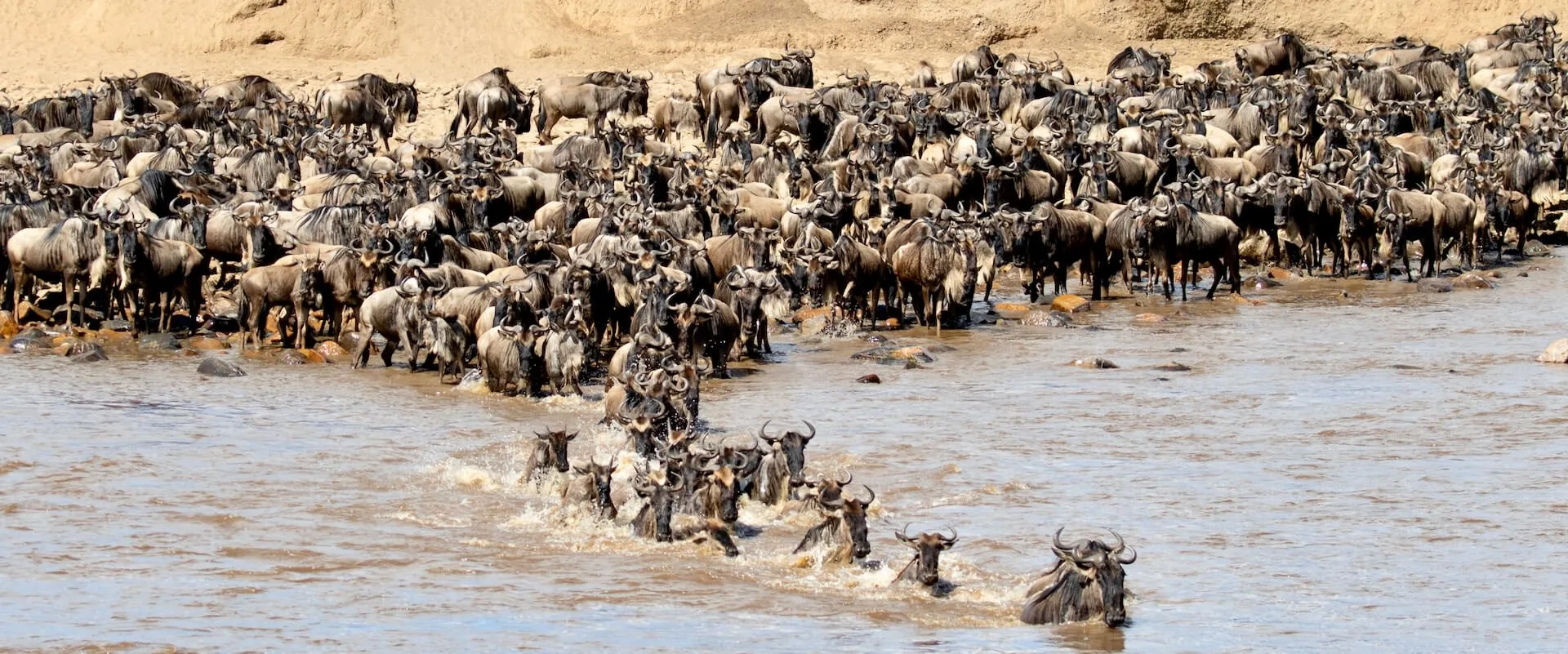
The Great Migration in Africa happens all year because the herds continuously circulate through the Serengeti–Mara ecosystem in…
Read article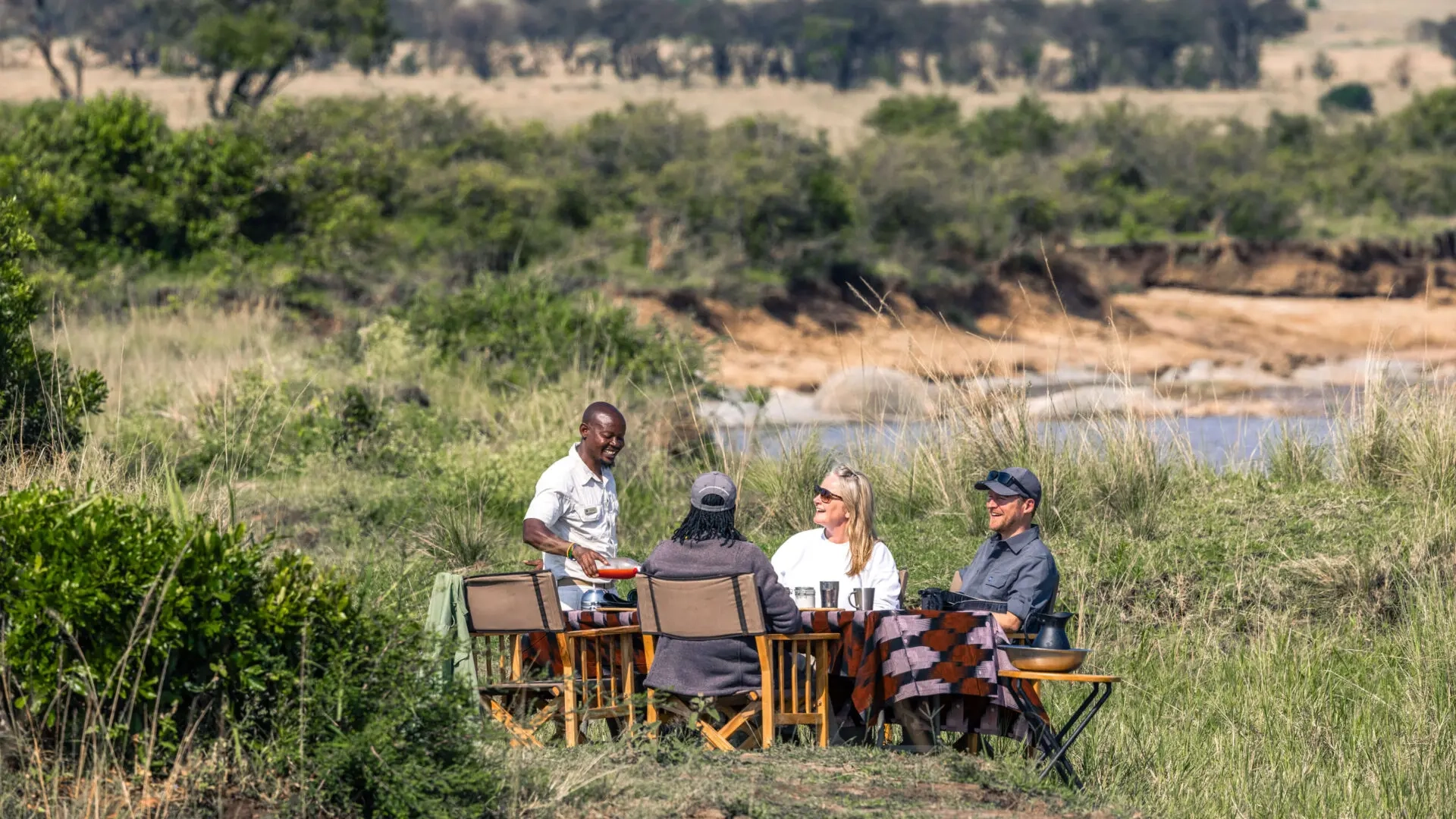
Definitive answer: A picnic lunch on safari is a packed or catered midday meal eaten at an approved…
Read article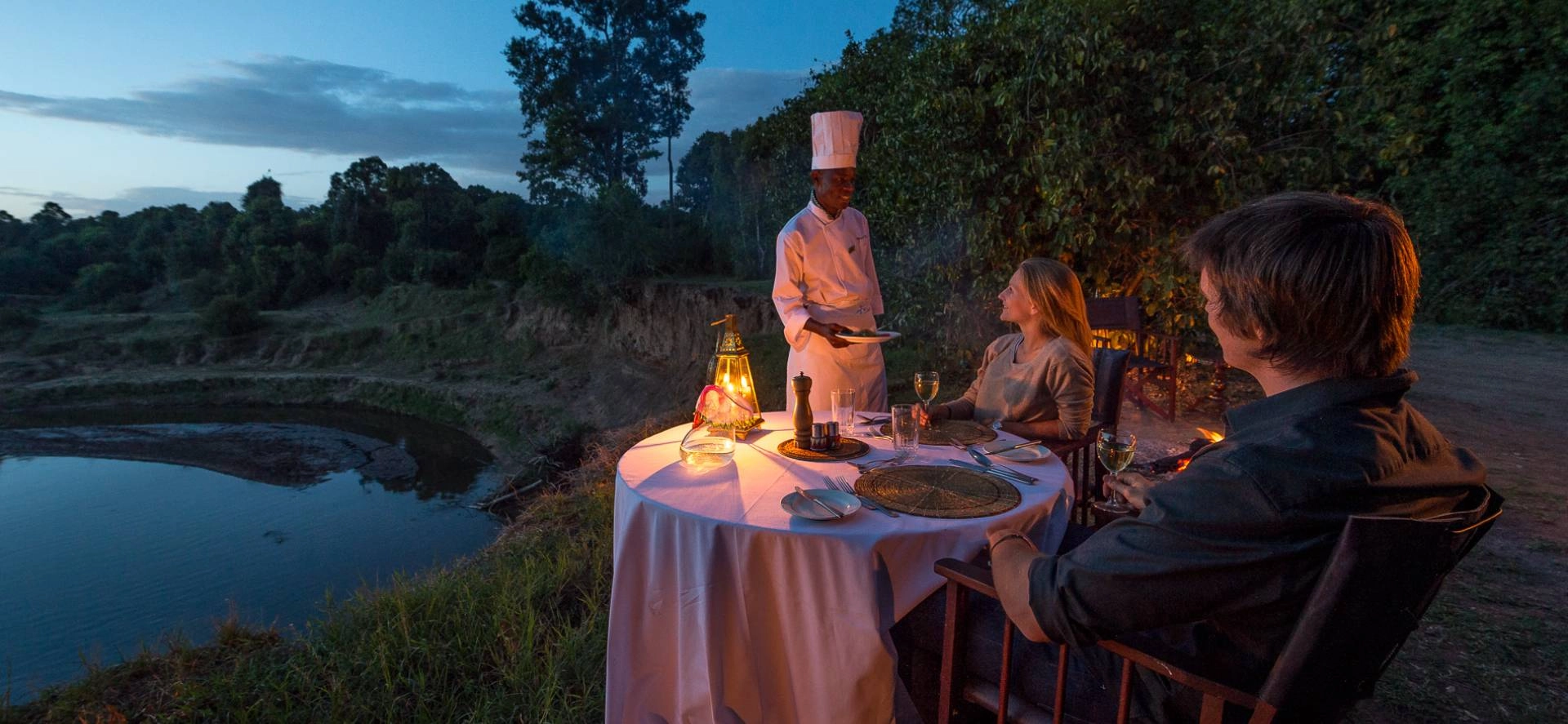
Definitive answer: A bush dinner is an outdoor evening meal arranged in a safe safari setting away from…
Read articleLet us take you closer to the wildlife, people and places that make Africa extraordinary.
Plan Your Safari Today