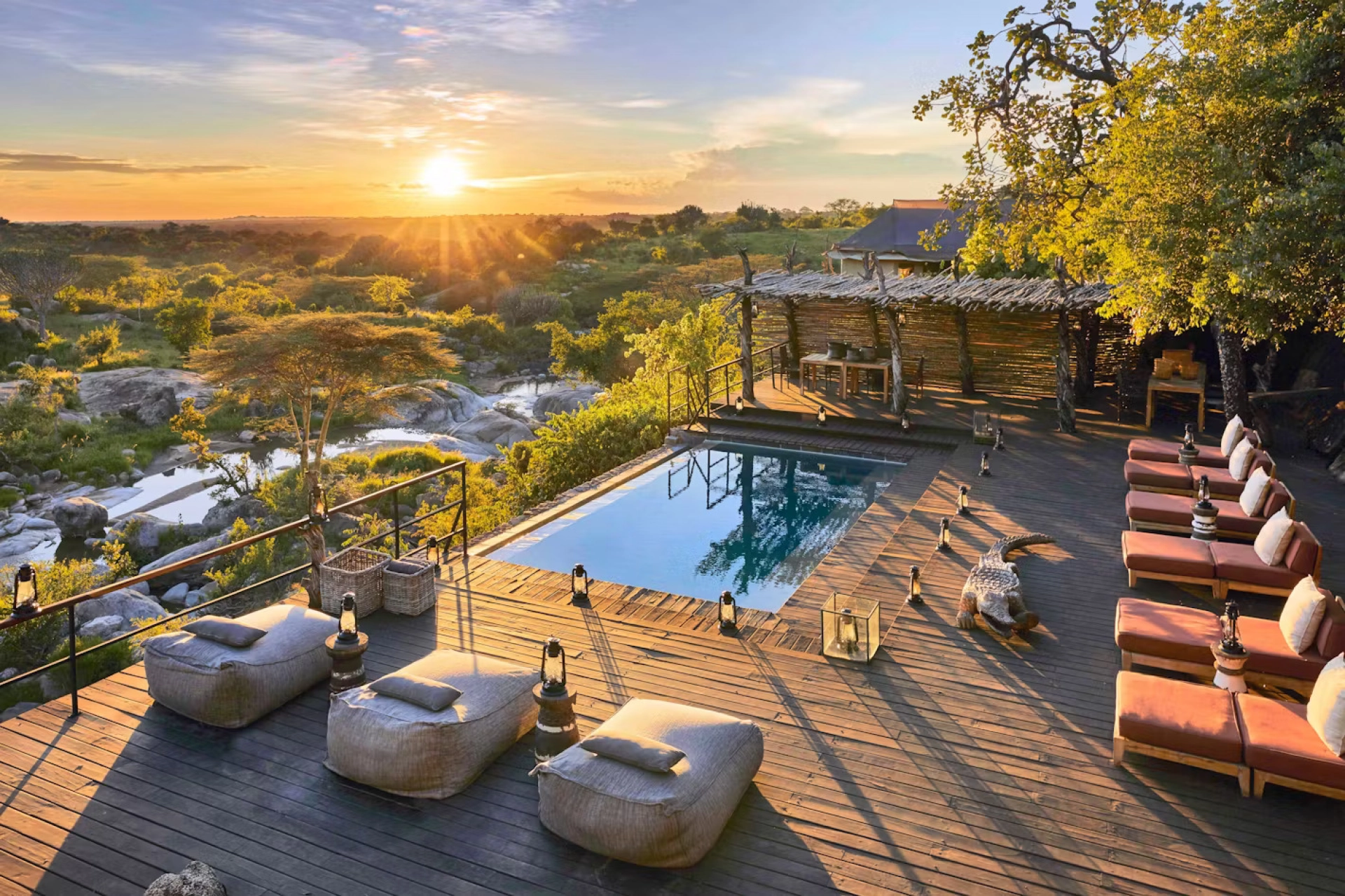
What should I look for when booking a luxury African safari?
When booking a luxury African safari, look beyond the room and compare the quality of guiding, wildlife location,…
Read article

Travel Guide
An African safari does not have an upper age limit. Travelers in their sixties, seventies and eighties regularly enjoy wildlife journeys through South Africa, and many discover that safari is considerably less physically demanding than they…
An African safari does not have an upper age limit.
Travelers in their sixties, seventies and eighties regularly enjoy wildlife journeys through South Africa, and many discover that safari is considerably less physically demanding than they originally imagined. Traditional game viewing is primarily conducted from specially designed vehicles, high-quality lodges provide comfortable accommodation, and a carefully planned itinerary can minimize long transfers, unnecessary hotel changes and physically demanding activities.
The key is not simply finding a “senior safari.” It is designing the safari around the individual traveler. One 72-year-old may hike several kilometers every morning without difficulty. Another may walk comfortably on level ground but struggle with stairs. A traveler in their eighties may have excellent mobility but prefer shorter game drives. Another guest may require a vehicle step, nearby rooms and minimal walking between accommodation and dining areas.
Age alone therefore tells a safari planner very little. The most successful South Africa safaris for seniors are designed around comfort, mobility, interests, medical considerations, preferred pace and the amount of assistance required. South Africa is particularly well suited to this style of travel because it combines world-class wildlife reserves with sophisticated tourism infrastructure, excellent accommodation, established domestic flight networks, scenic road routes and destinations such as Cape Town that can be incorporated before or after safari.
A senior traveler can therefore enjoy a Big Five game drive in the morning, return to a comfortable lodge for lunch and rest, join another wildlife drive in the afternoon, and spend the night in a proper bed with an en-suite bathroom rather than undertaking physically demanding expedition travel. The challenge is choosing the right reserve, lodge and itinerary.
South Africa offers an unusually broad range of safari styles. Travelers can visit the enormous Kruger National Park, stay in private reserves adjoining the wider Kruger ecosystem, choose malaria-free wildlife destinations in other parts of the country, combine safari with Cape Town, explore the Winelands or extend along the Garden Route.
This diversity makes it possible to adapt the trip rather than asking the traveler to adapt to an inflexible safari. For older guests, that flexibility is valuable. If long road transfers are uncomfortable, domestic flights can reduce travel time. If climbing into a very high safari vehicle is difficult, the operator can investigate properties with more suitable vehicles or steps.
If walking long distances through a large lodge is problematic, a room near the main area can be requested. If early mornings are tiring, a private safari arrangement may provide more flexibility than a rigid group departure. South Africa’s extensive tourism industry makes these adaptations more realistic than in some extremely remote safari regions.
Absolutely. Being over 60 is not a reason to avoid safari. In fact, safari can suit mature travelers exceptionally well because the principal wildlife activity—game driving—requires relatively little physical exertion. Guests normally sit in a safari vehicle while the guide drives through wildlife habitat.
Stops are made according to reserve rules and the style of safari. Between activities, travelers return to the lodge. Many safari schedules deliberately include several hours of downtime around midday, allowing guests to rest, read, swim, enjoy lunch or simply watch wildlife from the property. For a traveler who enjoys nature but does not want strenuous hiking, this can be ideal.
A South Africa safari for over 70s should focus less on age and more on practical details. How easily can the traveler climb steps? How long can they sit comfortably in a vehicle? Do they need frequent restroom access? Can they walk on uneven ground? Would they prefer a room close to the restaurant? Do they use a walking stick? Are there medications that require refrigeration? Does the traveler prefer a private vehicle? These questions produce useful itinerary decisions. Simply labeling someone “70+” does not. Many travelers in their seventies are highly active and require no special arrangements at all.
Others benefit enormously from small logistical changes.
Safari can also be appropriate for travelers in their eighties. The itinerary simply needs more deliberate planning. Avoid excessive one-night stays. Minimize very long road transfers. Select accommodation where essential areas are easy to reach. Confirm whether stairs are involved. Consider private transfers. Allow time to rest after international flights. Avoid placing an early morning safari immediately after a late-night arrival. A slower itinerary does not mean a less rewarding itinerary. Quite the opposite. Spending three nights in one excellent reserve often produces better wildlife viewing than rushing through three reserves in three nights.
A conventional vehicle-based safari is not generally strenuous. The main physical challenges involve entering and exiting safari vehicles, sitting for several hours, walking between lodge facilities and occasionally dealing with uneven surfaces. This is very different from gorilla trekking, mountain climbing or a long walking safari. Travelers with mobility limitations should nevertheless communicate them before booking.
Safari vehicles can be high off the ground. Some camps have steps. Certain luxury lodges are built on hillsides or riverbanks and may contain long pathways. A beautiful lodge is not automatically the right lodge for every traveler.
Vehicle access is one of the most overlooked elements of senior safari planning. Open safari vehicles used in private reserves often provide excellent wildlife visibility but can require guests to climb several steps. Many properties provide portable steps. Some can allocate easier seating positions. If mobility is limited, this should be discussed in advance. The front passenger seat may sometimes be easier to access than elevated rear rows, although actual arrangements depend on the reserve and guide. Never wait until the first game drive to mention a significant mobility issue.
A typical game drive may last several hours. Morning drives often depart early because wildlife activity can be excellent around sunrise.
Afternoon drives may continue into the evening. For many senior travelers this is completely manageable. However, someone with back discomfort or other limitations may prefer shorter outings. Private vehicles can provide greater flexibility because the group does not have to follow a shared schedule. Where private vehicles are not available, choosing a lodge with comfortable seating and manageable drive durations becomes more important.
A private South Africa safari provides significant advantages for travelers who value flexibility. You can often adjust departure times within operational limits. You can stop when needed. You do not need to climb repeatedly into the least convenient vehicle seat. Photography can be paced around your interests. A couple can spend longer watching elephants and less time searching for species they have already seen. For travelers with mobility or comfort concerns, this control can justify the additional cost. Group safaris remain excellent for active seniors who enjoy meeting other travelers.
The decision should be based on comfort and personality rather than age.
Kruger National Park is one of Africa’s greatest wildlife destinations and an obvious choice for a first South Africa safari. The park protects an enormous area with diverse habitats and extensive road networks. Travelers can search for elephants, lions, buffaloes, leopards, rhinos, giraffes, zebras, wild dogs, hyenas and a remarkable variety of birds. One of Kruger’s advantages for seniors is the range of safari styles available.
Visitors can stay in national park accommodation, use private lodges outside or near park boundaries, or choose private reserves associated with the broader Greater Kruger ecosystem. The right choice depends on budget and desired comfort.
Private reserves can be particularly attractive for senior travelers seeking a comfortable safari. Lodges often operate morning and afternoon game drives with experienced guides. Many provide high levels of service, attractive rooms and meals included in the stay. Because guests return to the same lodge between drives, the daily rhythm can feel relaxed. Wake early for wildlife. Return for breakfast. Rest through the warmer middle of the day. Have lunch.
Join the afternoon drive. Return for dinner. This routine provides substantial wildlife time without requiring constant packing and unpacking.
A common itinerary mistake is changing lodge every night. This creates unnecessary physical and logistical effort. Every move means packing luggage, checking out, transferring, checking in, learning a new property and unpacking again. For senior travelers, three nights in one well-selected lodge can be far more comfortable. It also improves wildlife viewing. The guide learns your interests. You become familiar with the landscape. Instead of repeatedly driving toward a park while transferring accommodation, you spend more time actually observing animals.
Some travelers specifically request a malaria-free safari in South Africa. This may be relevant for families, older travelers or visitors whose medical circumstances make particular destinations less suitable. South Africa has safari regions outside the country’s malaria-risk areas. The Eastern Cape, for example, contains several private reserves and protected areas that can be incorporated into broader South Africa journeys.
However, malaria information is medical and can change. Travelers should obtain current professional medical advice rather than relying exclusively on travel blogs. A safari planner can identify geographic options, but a healthcare professional should advise on individual medical decisions.
Addo Elephant National Park is an important option for travelers exploring South Africa’s Eastern Cape and Garden Route region. As its name suggests, elephants are a major attraction. The park and surrounding tourism region can fit naturally into a broader itinerary connecting Cape Town, the Garden Route and Eastern Cape safari areas. For seniors who want to combine sightseeing with wildlife without flying across the country to Kruger, this can be particularly attractive.
The Eastern Cape contains a range of private safari properties. These can provide comfortable lodge-based wildlife experiences and are particularly useful for travelers building a Cape Town and safari itinerary. Because properties differ substantially in reserve size, wildlife management, lodge design and safari style, travelers should compare individual reserves carefully rather than assuming every private reserve offers the same experience.
South Africa’s safari geography extends far beyond Kruger. Depending on itinerary, budget and current travel conditions, destinations such as Madikwe can provide high-quality wildlife experiences and may suit travelers seeking alternatives to the traditional Kruger route. The key is to choose the reserve according to the traveler’s needs. For seniors, accessibility, transfer time, lodge layout and medical considerations can matter as much as wildlife reputation.
One of South Africa’s greatest strengths is the ability to combine wildlife with Cape Town. Cape Town adds restaurants, scenery, cultural attractions, coastline and comfortable urban accommodation. For older travelers, the city can also provide a gentle introduction to South Africa before safari. Instead of arriving after a long international flight and immediately undertaking another transfer into the bush, travelers can spend two or three nights resting and exploring Cape Town.
They then continue to safari feeling refreshed.
Three or four nights is a comfortable starting point for many visitors. This allows sightseeing without trying to complete the entire city in one exhausting day. A private Cape Peninsula tour can be paced according to the traveler. Another day might focus on Table Mountain when weather permits. A Winelands excursion can be added. Rest time can be built between activities. The objective is not to fill every hour.
The Cape Winelands can complement a safari beautifully. Areas such as Stellenbosch and Franschhoek combine mountain scenery, historic architecture, restaurants and vineyards. Travelers do not need to be serious wine enthusiasts to enjoy the region.
A relaxed day exploring estates and enjoying lunch can provide an elegant contrast to early safari mornings.
The Garden Route works particularly well for travelers who enjoy scenic road journeys but do not want extremely long daily transfers. The route can connect coastal landscapes, forests and Eastern Cape safari areas. However, the itinerary should still avoid moving accommodation every night. Two-night stops are generally more comfortable.
For international travelers, approximately ten to fourteen days provides a comfortable amount of time to combine safari with other South African experiences. A shorter trip can focus entirely on wildlife. A longer journey can incorporate Cape Town, Winelands, Garden Route or Victoria Falls. The important consideration is pace. A fourteen-day itinerary containing twelve hotels is not comfortable. A fourteen-day itinerary containing four carefully selected bases can feel wonderfully relaxed.
Long-haul travel can be tiring at any age. Senior travelers should consider placing at least one comfortable night—or several nights if sightseeing is planned—between the international arrival and demanding safari logistics. This is especially useful when flights arrive late. Starting a four-hour road transfer immediately after an overnight international journey may save a calendar day but reduce enjoyment considerably.
A well-designed safari values energy as much as time.
South Africa’s size surprises many first-time visitors. Cape Town and Kruger are not neighboring destinations. Flying is generally more practical than attempting to connect distant regions by road. For seniors, domestic flights can eliminate exhausting transfers. However, smaller safari aircraft may have baggage restrictions and boarding considerations. Travelers with mobility needs should communicate them in advance so appropriate assistance can be arranged where available.
Travelers who have difficulty walking long airport distances can request assistance through airlines according to their procedures. This can be extremely helpful during international connections. Do not avoid requesting assistance because you are capable of walking short distances. Large airports can require considerable walking, standing and queueing. Saving energy at the airport can improve the first safari days.
The most expensive lodge is not automatically the most comfortable. A spectacular property built down a steep hillside may be inappropriate for someone with limited mobility. When evaluating senior-friendly safari lodges, consider room access, distance from the main building, number of stairs, bathroom design, availability of handrails, lighting at night and ease of entering safari vehicles. Ask questions before paying. A lodge’s website may show a beautiful bedroom while providing little information about the 70 steps between that room and the restaurant.
Where mobility is limited, request ground-floor or step-free accommodation. This should be treated as a preference until the lodge confirms it. Do not assume a request automatically becomes a guarantee. An experienced operator should communicate essential accessibility needs clearly to accommodation providers.
Bathrooms deserve particular attention. Walk-in showers are generally easier than high bathtubs. Slippery floors can be problematic. Travelers requiring grab rails or other specific facilities should ask for confirmation. The phrase “accessible room” can mean different things at different properties. Specific questions produce more useful answers.
Some lodges are compact. Others extend along rivers or hillsides. A room may be several hundred meters from the restaurant. For an active traveler this is pleasant. For someone with limited mobility it can become exhausting, particularly when repeated several times each day. Request a room near the main area when appropriate.
Many wilderness lodges require guests to be escorted after dark because wildlife may move through camp. This is normal safari procedure. Senior travelers should never feel pressured to walk quickly. Staff are accustomed to escorting guests at different speeds. If walking is difficult, discuss alternative arrangements with the lodge.
Luxury can improve comfort, but price alone does not guarantee suitability. High-end properties often provide spacious rooms, excellent service, quality meals and personalized attention. These can be valuable. Yet some luxury lodges emphasize dramatic architecture involving stairs, elevated walkways or remote locations. A well-selected mid-range lodge with level pathways may be far more appropriate. Choose according to practical comfort rather than star rating.
A mid-range South Africa safari can provide excellent comfort. Travelers can stay in proper en-suite accommodation, join guided game drives and enjoy good meals without paying premium luxury rates. The wildlife experience can be just as rewarding. A lion does not behave differently because you slept in a less expensive room. For value-conscious seniors, spending money on a private vehicle or better flight connections may sometimes improve the trip more than upgrading every lodge.
Affordable does not need to mean uncomfortable. Savings can come from traveling outside peak periods, selecting quality mid-range accommodation and limiting unnecessary internal flights. The objective should be value. Extremely cheap itineraries sometimes achieve their price by increasing driving time, using crowded vehicles or selecting inconvenient accommodation. These compromises may be particularly unsuitable for mature travelers.
The dry winter months are popular for wildlife viewing in Kruger and surrounding reserves. Vegetation becomes thinner and animals may concentrate around water. Daytime temperatures can be comfortable, but mornings can become surprisingly cold.
Senior travelers should pack warm layers for open vehicles. The greener summer period brings warmer temperatures, rain, lush landscapes and excellent birding. Travelers sensitive to heat may prefer cooler periods.
Do not underestimate cold. An open safari vehicle moving before sunrise creates substantial wind chill. A warm jacket, fleece, scarf, hat and even gloves can be useful during colder months. Lodges may provide blankets, but personal layers remain important. As the sun rises, temperatures can increase rapidly. Layering allows travelers to adjust throughout the drive.
Hot weather can be equally challenging. Drink water regularly. Use sun protection. Wear a hat. Tell the guide if you feel unwell. Older travelers may be more vulnerable to dehydration, particularly when taking certain medications. Personal medical questions should be discussed with a healthcare professional before travel.
Comprehensive travel insurance becomes particularly important for expensive long-haul safari travel. Travelers should check age limits, pre-existing-condition rules, emergency medical coverage, evacuation provisions, trip cancellation and activity exclusions. Do not simply buy the cheapest policy. Read the wording. Safari regions can be remote, and emergency transportation can be expensive.
Carry sufficient prescription medication for the complete trip, with additional supply in case of delays. Essential medication should remain in hand luggage during flights. Travelers using medicines requiring refrigeration should discuss arrangements with airlines, hotels and safari lodges before departure. Keep medication in clearly identifiable packaging where appropriate.
Major South African cities have advanced medical facilities, but safari reserves may be several hours from major hospitals. This is one reason travel insurance and itinerary disclosure are important. Travelers with significant medical conditions should consult their doctor about the suitability of remote travel. The safari operator should know about practical requirements that affect transportation or accommodation, while confidential medical decisions remain between traveler and healthcare professional.
Safari lodges generally provide substantial meals. Dietary requirements should be communicated before arrival. Low-sodium, vegetarian, vegan, diabetic-conscious or allergy-related requests may be possible, but remote lodges need advance notice. Do not assume a wilderness camp can obtain specialized products at the last minute.
Safari holidays often include wine, sundowners and evening drinks. Enjoy them according to personal preference, but remember that alcohol can contribute to dehydration and may interact with medication. Early game drives also become considerably less enjoyable after excessive drinking.
There is no need for elaborate expedition clothing. Lightweight trousers, breathable shirts, comfortable closed shoes, sun protection and warm layers are sufficient for most vehicle-based South Africa safaris. Choose clothing that is easy to put on and comfortable while seated for long periods. If swelling in the legs is a concern during flights or drives, seek personal medical advice before travel.
Conventional game drives do not require heavy hiking boots. Comfortable walking shoes with secure soles are usually adequate. Shoes should be easy to put on and stable on uneven lodge paths. Travelers using walking sticks should bring them if they improve confidence.
Travelers using hearing aids should bring spare batteries or charging equipment. Tell your guide if hearing is difficult. Guides often explain wildlife quietly to avoid disturbing animals. Knowing that a guest needs clearer communication allows the guide to position themselves appropriately.
Binoculars dramatically improve safari viewing. Travelers who wear glasses should test binoculars before travel and understand how to adjust them. Do not wait until a leopard appears 100 meters away to learn the controls.
Photography can be as simple or technical as you choose. Modern smartphones work extremely well for landscapes, lodge photographs and nearby animals. Travelers interested in wildlife close-ups may prefer a camera with a telephoto lens. Avoid carrying extremely heavy photographic equipment if it causes discomfort. Safari should not become an exercise in transporting cameras.
A safari with limited mobility is possible, but the itinerary requires specific planning. Vehicle access is often the greatest challenge. Lodge pathways and bathroom layouts also matter. Travelers should describe what they can and cannot comfortably do rather than using broad terms such as “disabled” or “elderly.” For example, saying “I can walk 100 meters on level ground but cannot climb more than two steps” gives the safari planner actionable information.
Wheelchair users can safari in South Africa, but genuine accessibility varies substantially between properties and vehicles. Do not assume that a lodge describing itself as accessible automatically provides a fully accessible safari experience. Confirm room access, bathroom dimensions, transfer vehicles, game-drive boarding and pathways individually. Specialist arrangements may be required.
Age alone does not prevent participation in a walking safari. Fit older travelers may enjoy guided bush walks enormously. However, walking safaris are optional and should never be treated as necessary for a complete safari. A traveler with mobility limitations can experience extraordinary wildlife entirely from a vehicle.
One of the advantages of South Africa is that travelers can search for the Big Five without undertaking demanding physical activities. Lions, elephants, buffaloes, rhinos and leopards can all potentially be observed during vehicle-based safaris in appropriate ecosystems. No individual sighting can be guaranteed.
The goal should remain appreciation of the whole ecosystem rather than turning the journey into a checklist.
More is not always better. A schedule containing two long game drives every day can become tiring over a week. Senior travelers should feel free to skip an activity. A quiet morning at the lodge can be part of the safari. Wildlife may even visit waterholes visible from the property. Resting does not mean wasting the trip.
A private guide becomes particularly valuable when travelers have specific interests or pacing requirements. The guide can spend longer at sightings that interest you. Restroom stops can be managed more flexibly where facilities permit. The itinerary can adapt to energy levels. For couples celebrating retirement or a major anniversary, this personalization can transform the journey.
One of the worst assumptions in safari planning is that every available hour must be filled. A senior-friendly itinerary should contain breathing space. A six-hour transfer followed immediately by an afternoon game drive may be technically possible but unnecessarily tiring. Arriving at the lodge, having lunch and resting may create a much better experience.
Trips lasting two weeks or longer benefit from occasional slower days. Cape Town works well for this because travelers can enjoy a relaxed morning. Safari lodges also naturally provide downtime between drives. Beach extensions are another option. The objective is to return home energized rather than exhausted.
Senior travelers can combine South Africa with Victoria Falls. Flights can connect major gateways, avoiding extremely long road travel. At Victoria Falls, walking distances and heat should be considered. Travelers with mobility limitations should discuss sightseeing arrangements in advance. The waterfall can be incorporated into a relaxed southern Africa itinerary without requiring strenuous adventure activities.
A South Africa and Botswana safari can create an exceptional premium journey. Travelers might combine Cape Town and Kruger with Botswana’s Okavango Delta. However, Botswana fly-in safaris often involve small aircraft and remote camps. Mobility and baggage considerations should be discussed carefully. For active senior travelers, the combination can be outstanding.
South Africa and East Africa both work well for seniors, but they provide different experiences. South Africa has sophisticated infrastructure and many lodge-based safari options. Kenya and Tanzania provide classic East African savannah landscapes and migration ecosystems. Uganda and Rwanda add gorilla trekking, which is physically more demanding. A traveler who wants wildlife with minimal trekking may prefer South Africa. An active senior dreaming of mountain gorillas should not dismiss Uganda or Rwanda merely because of age. Fitness and mobility matter more than the birth year on a passport.
Yes, many older travelers successfully complete gorilla trekking in Uganda and Rwanda. However, this activity is substantially more physical than a South Africa game drive. Forest terrain can be steep, muddy and uneven. Porters can provide valuable assistance. In some circumstances, additional mobility arrangements may be possible depending on destination and current local provisions. Travelers should discuss their abilities honestly before booking.
If the idea of hiking through tropical forest does not appeal, South Africa provides extraordinary wildlife without requiring trekking. Game drives remain the centerpiece. Optional nature walks can simply be skipped. This makes South Africa one of the easiest African destinations for travelers who want an immersive safari without substantial physical exertion.
Older solo travelers can enjoy South Africa confidently with appropriate planning. Scheduled lodge game drives provide natural opportunities to meet other guests. Private airport transfers reduce logistical stress. Joining a small safari program can create companionship without sacrificing independence. Solo travelers should consider single supplements when comparing prices.
A safari can be an exceptional anniversary or retirement journey. Private rooms, scenic lodges and unhurried wildlife viewing create a travel style that suits couples particularly well. One partner may be more active than the other. A flexible itinerary allows one traveler to join an optional walk while the other relaxes at the lodge.
South Africa is also excellent for grandparents traveling with children and grandchildren. Private vehicles can keep the family together. However, lodge age restrictions should be checked carefully. Some activities or properties may impose minimum ages. A successful multi-generational safari balances children’s attention spans with grandparents’ comfort.
A seven-day trip should avoid trying to cover the whole country. One strong option is to focus on Greater Kruger, perhaps with a comfortable arrival night before safari. Another is to combine a shorter wildlife stay with a nearby complementary experience. The principle is depth rather than distance.
Ten days provides enough time to combine Cape Town with a high-quality safari. Spend several nights in Cape Town. Fly toward the safari region. Stay three or four nights at one well-selected lodge. Add another reserve only if it genuinely contributes something different. This creates variety without constant movement.
Two weeks allows a beautifully relaxed journey. Cape Town can be followed by the Winelands, safari and perhaps another scenic region. Alternatively, the trip can combine South Africa with Victoria Falls. Keep the number of accommodation changes reasonable. Longer trips should feel slower, not simply contain more destinations.
The most useful questions concern actual comfort. How many steps are there to the room? How high is the safari vehicle? How long are transfers? Is the bathroom a walk-in shower? How far is the room from the restaurant? Can a room near the main area be requested? Can dietary requirements be accommodated? Is there electricity overnight? How far is the nearest appropriate medical facility? Can the itinerary include rest days? Answers to these questions reveal far more than a generic statement that a lodge is “senior friendly.”
No. Many travelers in their seventies enjoy safari comfortably. Fitness, mobility and itinerary design matter more than age.
Yes, depending on individual health and mobility. A comfortable vehicle-based itinerary can require relatively little physical exertion.
Yes. Kruger and the Greater Kruger region offer numerous accommodation and safari styles suitable for mature travelers.
Not necessarily. Conventional game drives involve very little walking. Lodge layout should be checked if mobility is limited.
Usually, yes. Tell the operator about mobility requirements before booking.
Some open safari vehicles are relatively high. Steps or assistance may be available, but this should be confirmed in advance when mobility is a concern.
Yes, South Africa has wildlife areas outside malaria-risk regions. Travelers should obtain current medical advice when selecting destinations.
Comfort depends on the individual. A level mid-range lodge may suit someone with limited mobility better than a luxury lodge built on a steep hillside.
A private vehicle can provide valuable flexibility, but active seniors may enjoy shared drives equally well.
Approximately three or four nights in one safari area provides a good introduction. A wider South Africa holiday can comfortably last ten to fourteen days or longer.
Yes. Cape Town can be explored at a relaxed pace with private transfers and sightseeing tailored to mobility.
Yes. Domestic flights make this one of South Africa’s most popular combinations.
Yes. Private transfers and lodge-based game drives make solo safari travel straightforward when arranged carefully.
Professionally managed safaris follow established wildlife and operational procedures. Individual health considerations should be discussed with appropriate medical professionals.
Potentially, yes. Big Five wildlife viewing is primarily vehicle-based in South Africa’s major safari ecosystems.
A mature traveler should never receive a generic itinerary simply because the trip has been labeled a “senior safari.” At Adventure in the Wild Safaris, the useful starting point is understanding the traveler. How active are you? What makes you uncomfortable? How many hours are you willing to drive? Do you prefer private or shared game drives? Would you like Cape Town? Are stairs difficult? Do you need a room close to the restaurant? Do you prefer luxury accommodation or comfortable mid-range value? Would you rather spend four nights in one exceptional reserve than change lodges repeatedly? Those answers should determine the safari.
The same approach can be used when combining South Africa with Botswana safaris, Victoria Falls, Kenya, Tanzania, Uganda gorilla trekking or Rwanda gorilla trekking.
There is no age at which Africa suddenly becomes unavailable. A traveler does not stop being curious at 65. Elephants are not less impressive at 75. Watching a leopard descend from a tree does not become less exciting at 80. What changes is simply the way a journey may need to be organized. Choose fewer accommodation changes. Use flights where they eliminate exhausting transfers. Stay longer at good lodges. Ask detailed accessibility questions. Request the easiest room location. Consider a private vehicle if flexibility matters. Allow rest after international flights.
Do not feel obliged to join every game drive. Pack warm clothing for cold mornings. Arrange assistance when it makes travel easier. Most importantly, communicate your actual abilities rather than assuming your age determines what you can do. A well-planned South Africa safari for seniors should not feel like a reduced version of an African adventure. It should feel like a better-designed one. Instead of rushing from park to park, you have time to observe. Instead of spending entire days on the road, you spend them in wildlife habitat.
Instead of arriving exhausted, you arrive ready to enjoy the experience. You may sit quietly beside a waterhole while elephants approach. You may watch a lion pride wake in the early morning. You may enjoy breakfast overlooking the bush after a sunrise game drive. You may spend an afternoon reading on your veranda before returning to the reserve as the temperature cools. And you may discover that the slower rhythm that makes a safari more comfortable also makes it more meaningful.
That is the real objective of a comfortable South Africa safari for seniors: not simply making Africa possible for older travelers, but designing the journey so well that age becomes one of the least important things about it.

Share This Article
When booking a luxury African safari, look beyond the room and compare the quality of guiding, wildlife location,…
Read article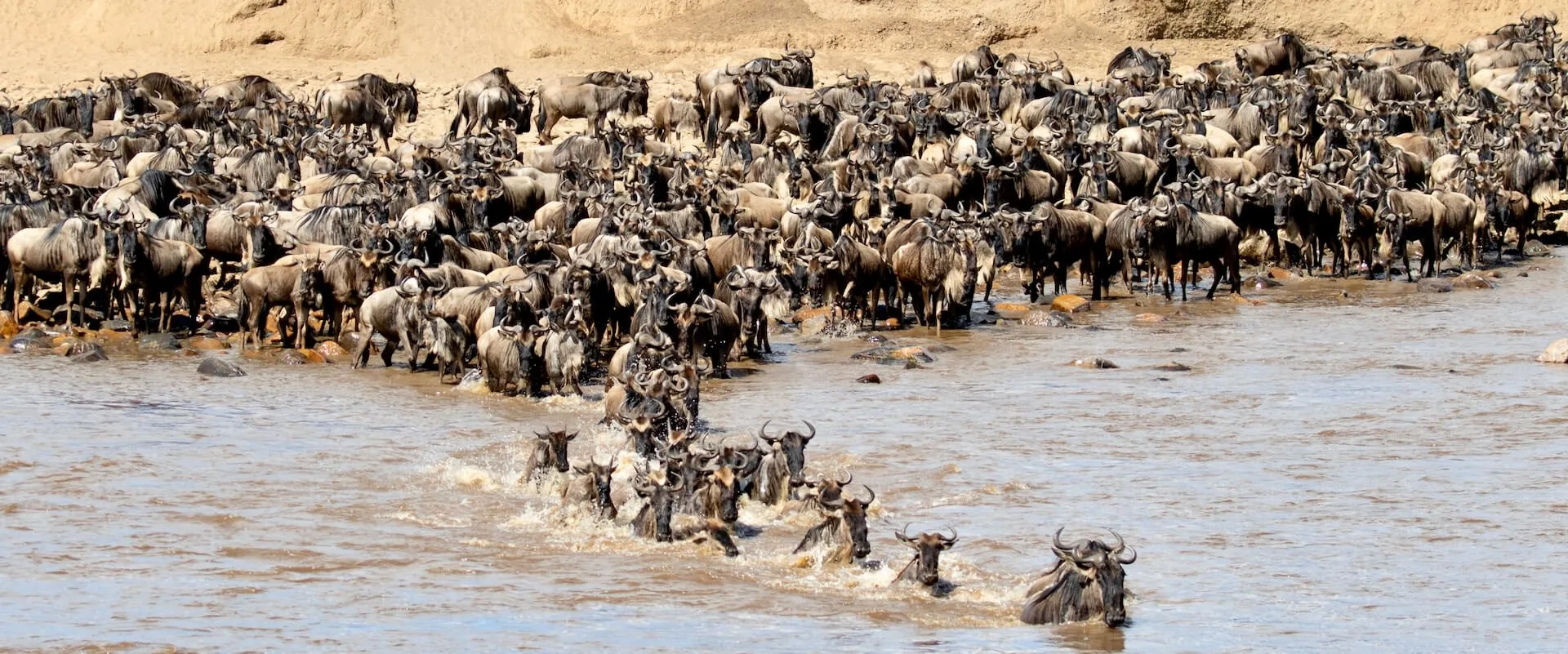
The Great Migration in Africa happens all year because the herds continuously circulate through the Serengeti–Mara ecosystem in…
Read article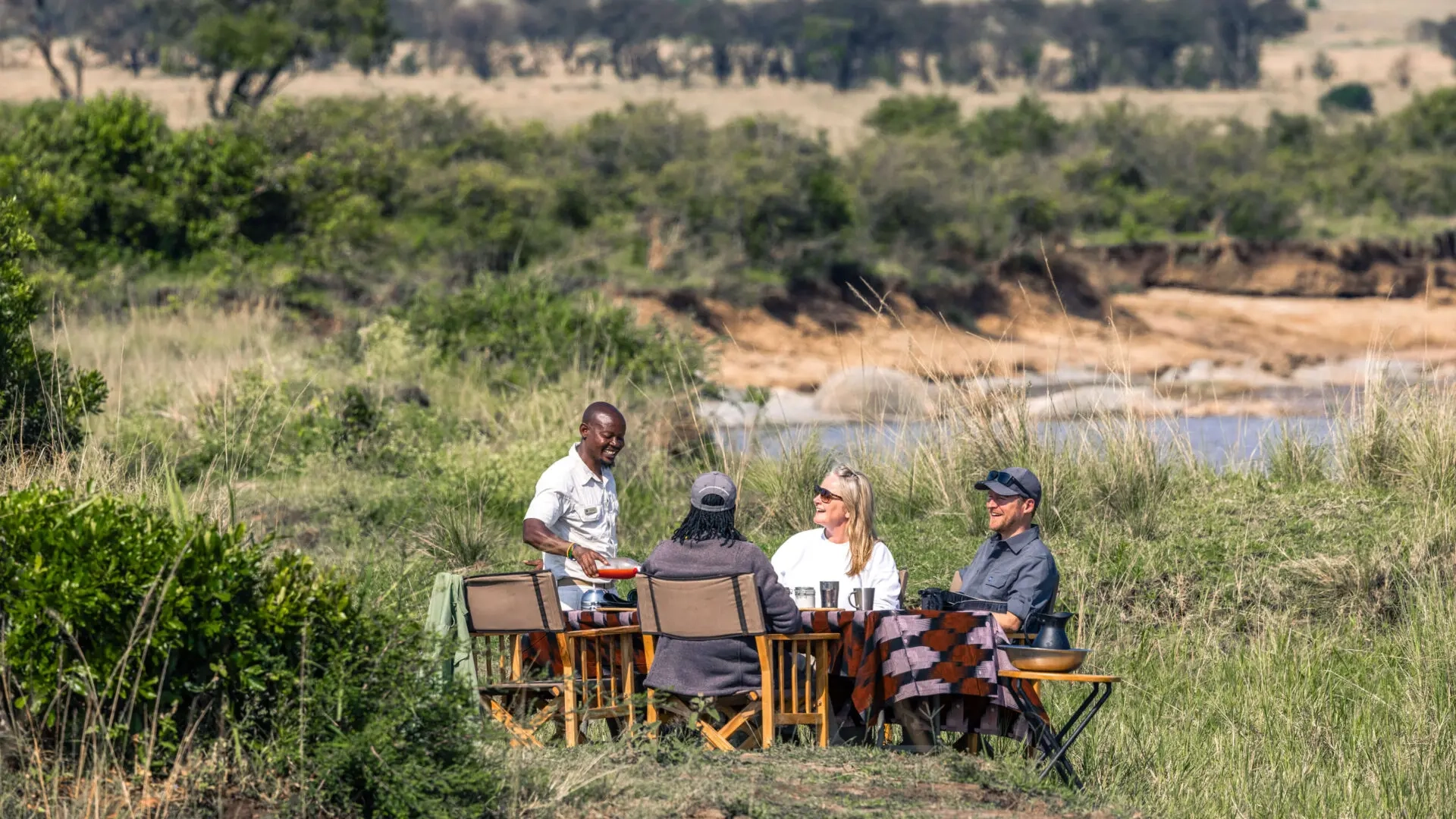
Definitive answer: A picnic lunch on safari is a packed or catered midday meal eaten at an approved…
Read article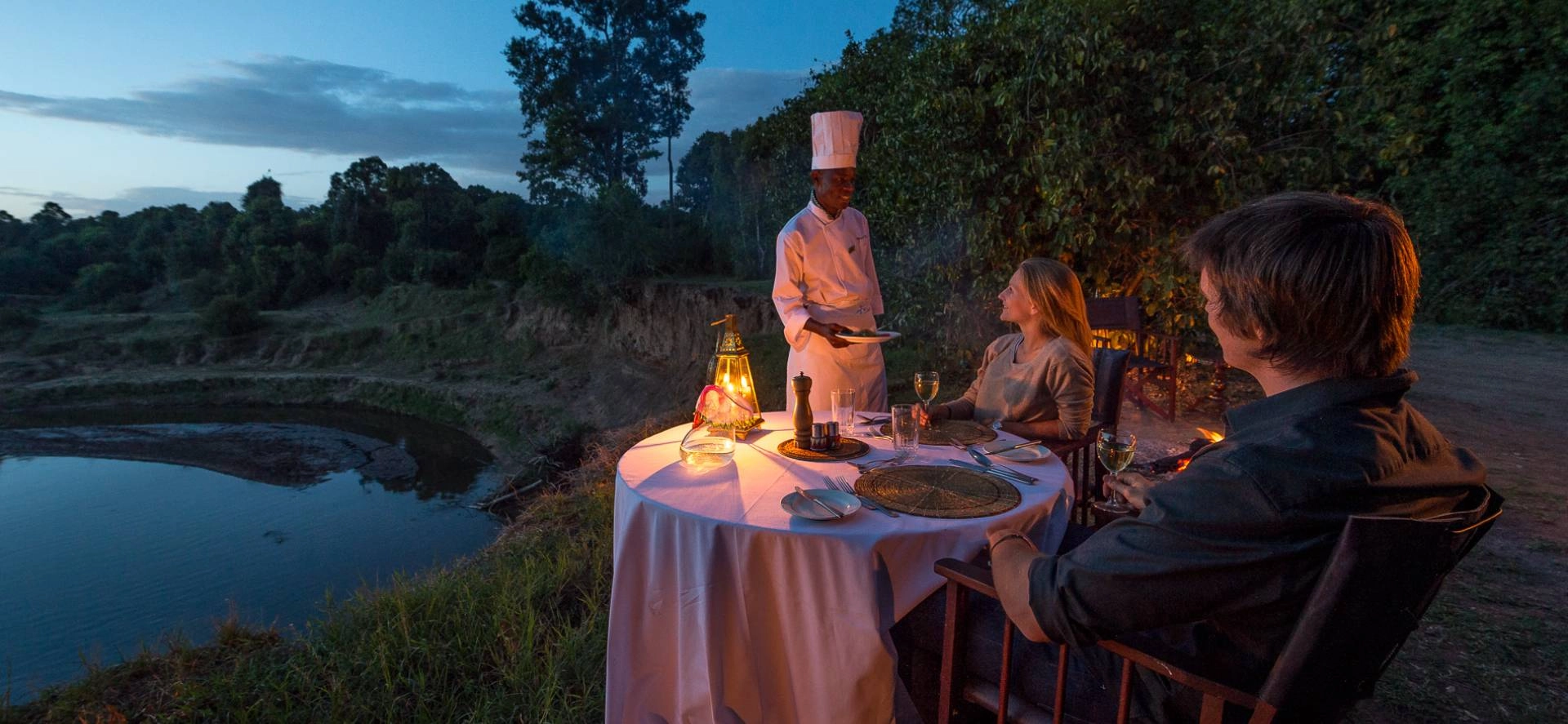
Definitive answer: A bush dinner is an outdoor evening meal arranged in a safe safari setting away from…
Read articleLet us take you closer to the wildlife, people and places that make Africa extraordinary.
Plan Your Safari Today