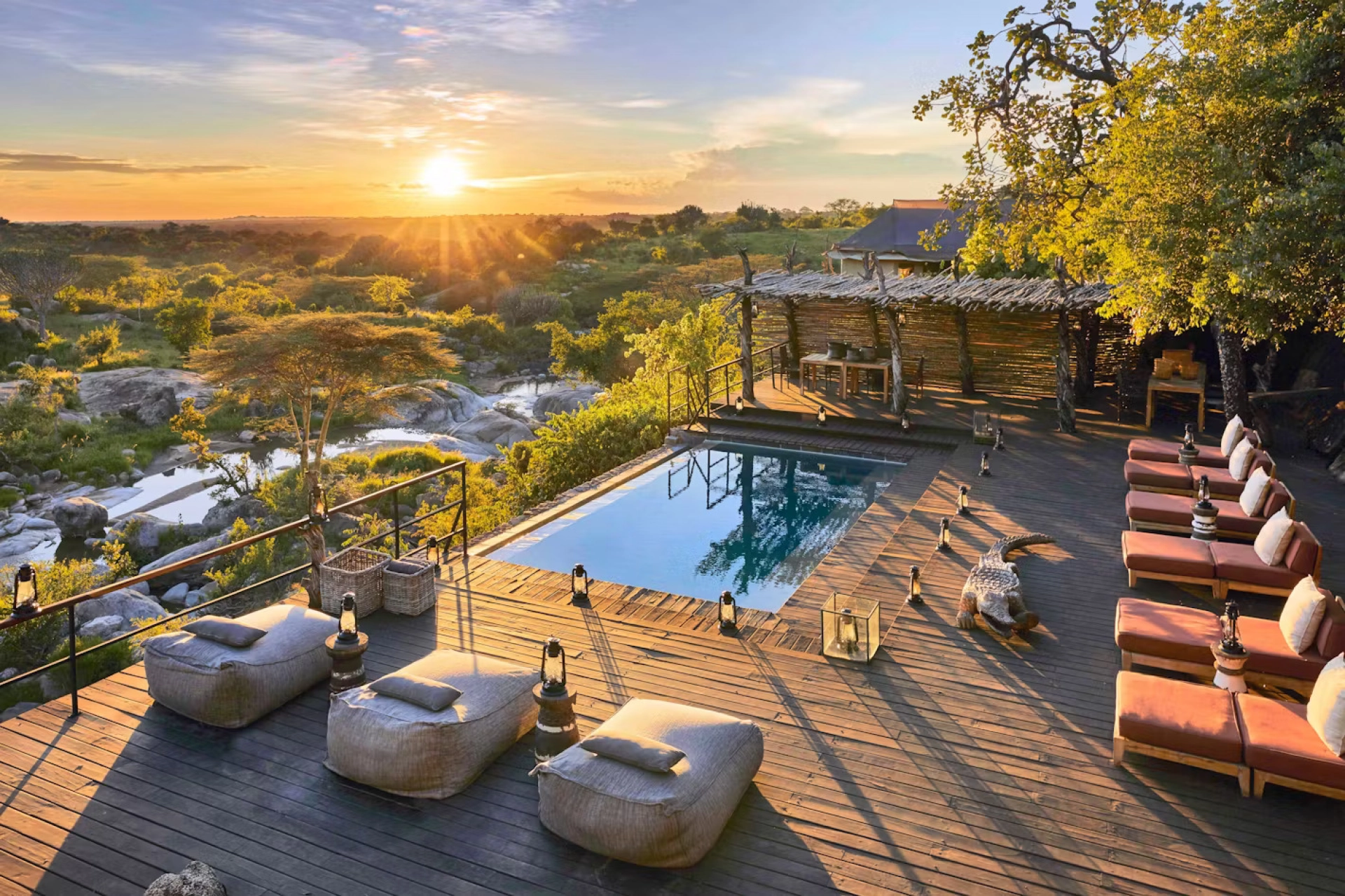
What should I look for when booking a luxury African safari?
When booking a luxury African safari, look beyond the room and compare the quality of guiding, wildlife location,…
Read article

Travel Guide
For many first-time travellers, Africa is introduced through wildlife. They dream about African safaris, lions resting beneath acacia trees, elephants crossing dusty roads, leopards disappearing into woodland, rhinos standing in open grassland and buffalo gathering around…
For many first-time travellers, Africa is introduced through wildlife. They dream about African safaris, lions resting beneath acacia trees, elephants crossing dusty roads, leopards disappearing into woodland, rhinos standing in open grassland and buffalo gathering around waterholes. The Big Five animals of Africa have become so closely associated with travel on the continent that safari advertising can sometimes make Africa appear to be a vast wildlife reserve with people somewhere in the background.
That picture is incomplete. Africa is home to extraordinary wildlife, but it is also home to some of the world’s most diverse cultures, languages, histories, religions, artistic traditions, cuisines, architectural styles and communities.
A journey across the continent can take you from the pastoral traditions of the Maasai in Kenya to the forest knowledge of communities around Bwindi Impenetrable National Park, from Swahili culture on the East African coast to the mountain traditions of the Basotho people of Lesotho, from the desert adaptations of the Himba in Namibia to centuries-old trading towns such as Stone Town in Zanzibar and Lamu Old Town in Kenya.
This is why the best African journeys increasingly combine wildlife safari experiences with cultural tourism. A lion sighting may be unforgettable. So can sitting with a local guide who explains how medicinal plants are used. So can walking through a village with somebody who grew up there. So can listening to traditional music in the evening. So can learning why cattle remain central to identity in one community while fishing, coffee growing, pastoralism or forest resources shaped another.
The greatest African travel experiences are often found in the relationship between landscape, wildlife and people. Here are 20 cultural gems in Africa that demonstrate why travelling on the continent should be about much more than simply ticking off the Big Five.
Before exploring individual destinations, it is important to address one of the biggest misconceptions in international travel.
There is no single African culture. Africa is a continent of more than fifty countries and thousands of communities, languages and cultural identities. The daily life of a pastoralist family in northern Kenya is different from life in Cape Town. A fishing community on Lake Victoria cannot be understood through the traditions of a mountain village in Ethiopia. Swahili culture along the Indian Ocean coast developed through centuries of African, Arab, Persian, Asian and later European connections.
The Basotho culture of Lesotho developed in a high-altitude mountain environment. The San communities of southern Africa possess cultural histories and environmental knowledge shaped partly by arid landscapes. Treating all these identities as one generic “African culture” removes precisely what makes travelling across the continent so fascinating. Good cultural tourism in Africa begins with specificity. Ask: Which country? Which community? Which language? Which historical period? Which traditions? Which contemporary realities?
The answers are always more interesting than stereotypes.
A cultural safari does not require replacing wildlife.
It means adding context. For example, a traveller on a Kenya safari can experience the Masai Mara National Reserve and also learn about Maasai pastoral traditions. A Uganda gorilla safari can combine gorilla trekking in Bwindi with community experiences near the forest. A visit to Akagera National Park in Rwanda can be combined with a coffee experience, village visit or cultural exploration elsewhere in the country. A Tanzania safari through the Serengeti and Ngorongoro region can be followed by several days exploring Stone Town Zanzibar. The result is usually a much richer journey.
Few African communities are internationally as recognisable as the Maasai people of Kenya and Tanzania.
Bright red shukas, intricate beadwork and pastoral traditions have become familiar images in East African tourism. Yet Maasai culture is much more complicated than the visual symbols used in safari advertising. Traditionally, livestock—especially cattle—have played an important economic, social and symbolic role. Pastoralism developed as an effective response to environments where rainfall could vary significantly. Cattle represented food, status, exchange and social relationships. Today, Maasai communities live in many different circumstances.
Some families remain strongly connected to pastoralism. Others work in conservation, tourism, education, business, government and urban professions. This is an essential point for responsible travellers: Traditional African cultures are not frozen in time. People can maintain cultural identity while participating fully in modern life.
The most obvious place to include a cultural experience is during a Masai Mara safari.
However, quality matters enormously. Avoid visits where travellers are rapidly moved through a staged performance, encouraged to take photographs and then returned to their vehicle without learning anything meaningful. Good experiences provide discussion. How is pastoralism changing? How do communities coexist with wildlife? How do conservancies operate? What role does tourism play? How are children educated? How are traditions adapting? Questions create genuine exchange. The Maasai Mara conservancies can also provide valuable examples of how tourism, grazing, land ownership and wildlife conservation can interact.
Visitors travel to southwestern Uganda primarily for mountain gorilla trekking.
Yet the forests around Bwindi Impenetrable National Park also have a profound human history. The Batwa historically depended heavily on forest environments for food, medicine, shelter and spiritual life. Changes in conservation policy and protected-area creation dramatically altered access to traditional forest resources. Today, cultural experiences organised with Batwa communities can introduce visitors to forest knowledge, traditional techniques, songs, stories and the complicated relationship between conservation and local livelihoods.
A Bwindi gorilla trekking safari usually focuses intensely on gorillas. Understanding surrounding communities creates a more complete picture. Protected forests do not exist separately from people. Conservation decisions influence households, land access, employment and economic opportunity. Responsible tourism can contribute positively when communities control or benefit meaningfully from cultural experiences. Visitors should choose activities carefully and avoid experiences that present Batwa people as if they still live permanently in a romanticised “ancient forest world.” Modern Batwa communities face contemporary economic and social realities. Respectful tourism should acknowledge both heritage and the present.
The northeastern region of Uganda provides one of the strongest cultural contrasts with the country’s rainforest and lake landscapes. The Karamojong people are closely associated with the semi-arid Karamoja region near Kidepo Valley National Park. Cattle traditionally play an important social and economic role, while settlement patterns, livestock management, dress, ceremonies and community structures reflect adaptation to a challenging environment.
A journey to Kidepo Valley National Park is already one of Uganda’s most adventurous safari experiences. Adding a Karamojong cultural visit makes the journey considerably more meaningful. Travellers can learn about homestead design, livestock, social traditions and changes occurring across Karamoja. This is also a region where tourism remains far less intensive than around some famous East African attractions. That makes responsible visitor behaviour particularly important. Photography should always involve consent. Cultural experiences should provide direct community benefit.
Culture is not only about ceremonies or traditional clothing. Food and agriculture tell equally important stories. Uganda is one of Africa’s major coffee-producing countries, and Uganda coffee tours can provide fascinating insight into rural livelihoods. Travellers can visit coffee farms and learn how coffee moves from plant to cup. Depending on the experience, this may include harvesting, drying, roasting and tasting.
Coffee experiences work especially well around Bwindi, Lake Bunyonyi and other southwestern Uganda destinations. After an intense morning of gorilla trekking, a community-based coffee visit offers a slower activity. It also reveals an important reality: Many people living around protected areas depend primarily on agriculture rather than tourism. Understanding farming helps travellers understand the wider local economy.
Across the border, Rwanda has developed an increasingly visible specialty-coffee industry. Visiting a Rwanda coffee farm allows travellers to explore another layer of the country’s rural economy. Coffee tourism can include farm walks, processing demonstrations, cupping and conversations about cooperatives and farming. This works beautifully alongside a classic itinerary involving Kigali, Akagera National Park, Volcanoes National Park, Lake Kivu and gorilla trekking. The combination reminds visitors that Rwanda is much more than a primate destination.
Kigali is sometimes treated only as an arrival point for travellers heading toward the gorillas. That is a mistake. The city provides an essential introduction to modern Rwanda. Markets, restaurants, art spaces, neighbourhoods and historical sites reveal a rapidly changing East African capital. The Kigali Genocide Memorial is particularly important for visitors wishing to understand Rwanda’s recent history. This is not a conventional sightseeing attraction. It is a place of remembrance and education. Visitors should behave accordingly.
Adding at least one full day in Kigali can make the rest of a Rwanda journey more understandable. The country’s current stability, infrastructure and tourism development are easier to appreciate when placed against historical context.
Few places demonstrate the historical complexity of East Africa better than Stone Town Zanzibar. For centuries, the East African coast participated in Indian Ocean trade networks linking African communities with Arabia, Persia, India and other parts of Asia. The result was the development of Swahili culture, expressed through language, architecture, religion, cuisine, music and trade. Walking through Stone Town’s narrow streets provides a radically different African travel experience from a Serengeti game drive.
Coral-stone buildings, carved doors, mosques, former merchant houses and markets reveal multiple layers of history. The city also carries the difficult legacy of slavery and the historic slave trade. Understanding Zanzibar therefore requires more than photographing decorative doorways. Its history contains wealth, commerce, empire, religion, migration and exploitation.
A Tanzania safari and Zanzibar holiday is one of Africa’s strongest itinerary combinations. Spend several days exploring the Serengeti National Park, Ngorongoro Crater and perhaps Tarangire National Park, then fly to Zanzibar. The contrast between wildlife and coastal culture is exceptional.
On Kenya’s northern coast, Lamu Old Town offers another extraordinary window into Swahili history. Narrow streets, carved doors, mosques, courtyards and traditional buildings reflect centuries of Indian Ocean trade. Unlike modern resort areas, Lamu retains a distinctive old-town atmosphere. Transport within historic sections often remains largely pedestrian or donkey-based.
Many Kenya itineraries concentrate on Masai Mara, Amboseli and the beach. Adding Lamu creates a completely different dimension. Safari reveals Kenya’s wildlife. Lamu reveals centuries of coastal exchange. Together they demonstrate the extraordinary diversity within one country.
Around the Lake Eyasi region of northern Tanzania, some travellers encounter Hadzabe communities. The Hadzabe are frequently described in tourism material primarily through hunting and gathering traditions. That description can become overly simplistic. Their culture, language and contemporary livelihood challenges deserve much deeper attention.
Visitors should avoid framing communities as “primitive” or “unchanged.” No living community exists outside history. Good cultural experiences focus on knowledge, skills and contemporary realities. Tracking, plant identification and traditional hunting knowledge can be fascinating when explained by local guides. But the purpose should be understanding rather than turning people into a spectacle. The Lake Eyasi region combines naturally with the Ngorongoro Conservation Area, Serengeti and Tarangire.
Southern Ethiopia’s Omo Valley has become internationally famous for cultural diversity. Communities including the Hamar, Karo and Mursi are often featured heavily in travel photography. Yet the region demonstrates both the potential and the ethical problems of cultural tourism.
Visitors should resist treating Omo Valley travel as a human photography safari. Ask permission. Understand local expectations around photography payments where relevant. Use guides who can explain the communities rather than merely position travellers for images. The deeper story involves cattle, agriculture, rivers, changing infrastructure, government policy, tourism and environmental pressures. The region is culturally fascinating precisely because societies are dynamic.
The Himba people of northern Namibia are closely associated with the arid landscapes of the Kunene region. Pastoralism is central to traditional livelihood systems. One of the most recognisable visual elements is the use of otjize, a mixture commonly associated with red ochre and butterfat, applied to skin and hair. However, as with all cultural tourism, appearance should not become the entire story.
Quality visits explore livestock, family structures, architecture, environmental adaptation and contemporary challenges. Northern Namibia is an extraordinary landscape where desert-adapted wildlife, pastoral communities and rugged mountains overlap. This makes it possible to combine a Namibia cultural safari with wildlife and scenery.
The San peoples of southern Africa possess some of the region’s deepest cultural histories. In Botswana and neighbouring countries, cultural activities can introduce travellers to tracking, plant knowledge, traditional hunting techniques and environmental interpretation. The Kalahari landscape can appear empty to an inexperienced visitor. A knowledgeable San guide reads it differently. Tracks reveal animals. Plants reveal food, medicine or water. Subtle signs become information.
This knowledge is valuable not because it is “ancient” in a romantic sense, but because it represents detailed environmental understanding developed through generations. Modern San communities also face contemporary issues involving land, employment, education and cultural continuity. Responsible tourism should acknowledge this.
The mountain kingdom of Lesotho has one of southern Africa’s most distinctive national identities. The Basotho blanket, traditional hat and Basotho pony are immediately recognisable symbols. But the landscape itself is part of the culture. Lesotho’s high elevation shaped transport, agriculture, settlement and livestock traditions.
A Lesotho pony trek is therefore not merely an adventure activity. It reflects the importance of horses in navigating mountainous terrain. Travelling slowly between villages can provide a much more intimate perspective than racing across the country by vehicle. The mountains, people and transport traditions make Lesotho an ideal destination for travellers interested in African culture beyond safari.
The Kingdom of Eswatini offers another distinctive cultural experience. The monarchy remains highly visible in national identity. Traditional ceremonies, craft industries, dance and community institutions all contribute to tourism. The central Ezulwini Valley provides particularly convenient access to cultural attractions.
Eswatini differs from Lesotho because visitors can combine culture with genuine safari experiences. Hlane Royal National Park, Mkhaya Game Reserve and Mlilwane Wildlife Sanctuary add wildlife. A traveller can spend the morning learning about Swati culture and the following day searching for rhinos.
The Zulu people are one of South Africa’s largest cultural groups, with deep historical connections to KwaZulu-Natal. Visitors encounter Zulu culture through language, history, food, music, crafts, contemporary life and historical sites. The rise of the Zulu kingdom under Shaka remains one of southern Africa’s most important historical stories.
KwaZulu-Natal also contains famous battlefield regions connected to conflicts involving Zulu forces, Boer settlers and the British Empire. Guided battlefield tours can make complicated history far more understandable. The region can also be combined with wildlife destinations such as Hluhluwe-iMfolozi Park, the iSimangaliso Wetland Park and coastal areas.
Cape Town is one of Africa’s most cosmopolitan cities, and one of its distinctive cultural traditions is associated with the Cape Malay community. The brightly coloured streets of Bo-Kaap are widely photographed. But reducing Bo-Kaap to colourful buildings misses its real significance. The neighbourhood is associated with Muslim communities whose histories connect to people brought to the Cape from parts of Southeast Asia and elsewhere during colonial rule. Cuisine, religion, architecture and family traditions all contribute to this heritage.
Cape Malay cooking demonstrates how food preserves historical connections. Spices, cooking techniques and local ingredients combined over generations to create distinctive dishes. A Cape Town food tour can therefore function as a history lesson as much as a culinary activity.
African culture is not only rural. Some of the continent’s most important cultural stories are urban. Soweto represents a crucial part of South Africa’s political, musical and social history. A thoughtful Soweto tour can explore apartheid history, political struggle, contemporary neighbourhoods, cuisine and entrepreneurship.
Apartheid history is essential, but Soweto should not be presented only as a site of historical suffering. It is also a living urban community with restaurants, businesses, music, sport and constantly changing neighbourhoods. This distinction matters. Responsible tourism shows communities as contemporary places rather than museums of hardship.
Food may be the easiest cultural experience to incorporate into almost any African itinerary. Every meal reflects ingredients, trade, agriculture, migration and family tradition. East African food differs radically from North African cuisine. Coastal Swahili cooking differs from inland pastoral diets. Southern Africa has its own traditions.
Travellers can try matooke, groundnut sauces, roasted meats and regional dishes.
Popular foods include ugali, nyama choma and regional variations influenced by community and geography.
Communal meals built around injera and richly flavoured dishes offer one of Africa’s most distinctive culinary traditions.
South African cuisine reflects Indigenous traditions alongside Cape Malay, Indian, European and other influences. Food tours allow travellers to explore these histories in a practical and enjoyable way.
Music is one of Africa’s most influential cultural exports. Yet international audiences often use “African music” as if it were one genre. It is not. Drumming traditions, choral music, string instruments, contemporary Afrobeat, jazz, gospel, traditional ceremonial music and urban electronic scenes vary dramatically across the continent.
Look for locally recommended performances rather than tourist-only shows. Cities such as Johannesburg, Cape Town, Kampala, Kigali, Nairobi, Dakar and Accra all contain contemporary music scenes. Traditional performances also have meaning when placed in cultural context rather than presented simply as entertainment.
Some of the best cultural experiences are not famous attractions. They happen in markets. A craft market reveals materials, design and trade. A food market reveals agriculture and taste. Conversations with guides reveal folklore. Textiles communicate identity. Beadwork can indicate aesthetic traditions. Basketry shows local plant use. Wood carving connects art and material availability.
Ask where products were made. Where possible, purchase directly from artisans or community enterprises. Avoid wildlife products. Do not assume that an expensive hotel boutique always provides greater community benefit than a local workshop. Craft purchases can be one of the simplest ways travellers contribute directly to local economies.
Culture and wildlife conservation are often discussed separately. In reality, they overlap constantly. Many major African wildlife areas are surrounded by communities whose livelihoods depend on livestock, farming, fishing, forestry or tourism. Animals do not recognise national park boundaries. Elephants move onto community land. Predators may kill livestock. Crop-raiding can affect households. Tourism therefore works best when neighbouring communities receive meaningful economic value from conservation.
Community conservancies in Kenya provide one important example. Land can generate tourism revenue while continuing to support controlled livestock use. Employment may include guides, rangers, lodge staff and conservancy management. Similar community-based approaches exist elsewhere on the continent. The principle is important: Wildlife conservation is usually stronger when local people have reasons to benefit from wildlife remaining alive.
Not every activity marketed as “cultural” is equally responsible. A good experience should involve meaningful local participation. Community members should have influence over what visitors see. Payment structures should be transparent enough that communities benefit. Photography expectations should be clear. Children should not be used as tourist entertainment. Visitors should receive context rather than stereotypes. Beware of language describing communities as: “primitive,” “untouched,” “Stone Age,” “unchanged for thousands of years,”
or “living exactly as their ancestors did.” Such language often turns living people into exotic objects. Culture evolves everywhere. Africa is no exception.
Never assume that because you paid for a tour you purchased unrestricted photographic access to people. Ask. Some individuals may be comfortable with photographs. Others may not. Some cultural contexts have specific expectations. Guides can help. Children deserve particular respect. Avoid turning villages into uncontrolled photo sessions where cameras enter people’s homes without meaningful interaction. A respectful photograph has more value than hundreds of intrusive ones.
One of the simplest ways to improve cultural travel is to stop treating guides and hosts as anonymous representatives of a “tribe.” Ask names. Learn a few words. Listen to individual stories. People within the same cultural community have different opinions, careers and aspirations. Culture shapes identity but does not erase individuality.
Travellers sometimes mistakenly believe that electricity, smartphones, modern clothing or vehicles make a cultural experience less “authentic.” That assumption is deeply problematic. Authenticity does not require people to reject technology so tourists can experience a romantic version of the past. A Maasai guide can own a smartphone and remain Maasai. A Batwa musician can wear jeans. A Himba family can use modern transport. A cultural identity is not a museum costume.
Family safaris benefit enormously from cultural experiences. Wildlife teaches children about ecology. Community visits teach them that Africa is populated by people with histories, languages, schools, businesses and aspirations. Encourage children to ask respectful questions. Cultural exchange can become one of the most memorable educational parts of an African family safari.
One of the strongest examples is Uganda. A multi-day Uganda gorilla safari can include: Bwindi gorilla trekking, a Batwa cultural experience, a community coffee tour, Lake Bunyonyi, local markets, and additional wildlife parks. This turns a single wildlife activity into a broader understanding of southwestern Uganda.
A strong Kenya itinerary might include: Nairobi, Samburu National Reserve, community conservancies, the Masai Mara, a responsible Maasai cultural experience, and the Swahili coast. Within one journey, travellers experience urban East Africa, pastoral communities, classic savannah wildlife and Indian Ocean culture.
Tanzania offers another exceptional combination. Travel through Tarangire, Ngorongoro and Serengeti, then add Lake Eyasi and finish in Zanzibar. This combines wildlife, pastoral landscapes, cultural experiences and the historic Swahili coast.
In southern Africa, travellers might combine: Kruger National Park, Eswatini, Zulu cultural regions, Lesotho, Cape Town, and the Cape Winelands. Wildlife becomes one component of a broader journey through history, landscapes, food and communities.
Safari trains travellers to look outward. Culture asks them to listen. Wildlife explains ecology. Culture explains history. A national park may show what survives inside a protected area. The surrounding villages explain how people live beside it. The two perspectives belong together.
Seeing a lion in the wild can be extraordinary. Watching mountain gorillas in Bwindi Impenetrable National Park can be life-changing. Witnessing elephants along the Chobe River or the Great Migration in the Serengeti can justify travelling halfway around the world. But these experiences do not tell Africa’s entire story. Africa is also coffee farms. Markets. Languages. Music. Food. Cities. Mountain communities. Fishing villages. Pastoral societies. Historic trading ports. Craft traditions.
Storytelling. Religion. Architecture. Colonial history. Independence movements. Contemporary art. Modern entrepreneurship. And millions of individual lives that cannot be reduced to a safari backdrop. The best African cultural safaris acknowledge this complexity. Travel for the Big Five. But stay curious enough to discover everything around them. That is where a wildlife holiday becomes a journey through Africa.
Adventure in the Wild Safaris creates tailor-made African safari tours combining wildlife, primates, landscapes and responsible cultural experiences. Journeys can include Uganda gorilla trekking, Rwanda safaris, Kenya wildlife safaris, Tanzania and Zanzibar, and multi-country East African adventures. By combining African wildlife safaris with cultural tourism, travellers experience far more than a checklist of animals. They begin to understand the continent itself.

Get quick answers to the most common questions. If you still have questions, our safari experts are here to help.
Extremely. Africa contains thousands of cultural and linguistic communities across more than fifty countries.
A cultural safari incorporates community experiences, history, food, arts, heritage and local interaction alongside or instead of conventional wildlife viewing.
Yes. Some of the best itineraries combine national parks, wildlife activities and surrounding communities.
Maasai communities live primarily in parts of Kenya and Tanzania, including regions near important safari destinations.
Yes. Bwindi gorilla trekking combines particularly well with Batwa experiences, coffee tours and community visits.
Options include Kigali historical tours, coffee experiences, community visits, art, music and cultural activities around different parts of the country.
Absolutely. Stone Town is one of East Africa’s most important historic Swahili cultural centres.
Lamu Old Town preserves centuries of Swahili architecture and Indian Ocean trading history.
They can be, provided communities participate voluntarily, receive meaningful economic benefits and are treated as living societies rather than tourist exhibits.
Yes. Always seek permission when photographing individuals, particularly during community visits.
There is no single answer. Uganda, Kenya, Tanzania, Rwanda, South Africa, Botswana, Namibia and Eswatini all provide strong culture-and-wildlife combinations.
Yes. It can be particularly valuable for children because it adds human history and social understanding to wildlife travel.
Avoid intrusive photography, stereotypes, disrespectful questioning, treating poverty as entertainment and experiences that provide little genuine community benefit.
Cultures change continuously, but change is not the same as disappearance. Communities adapt while maintaining, modifying and rediscovering traditions in different ways.
Because wildlife and people share landscapes. Understanding both provides a more accurate and rewarding picture of Africa.
Our safari experts are here to help you plan your safari. Get personalized advice, the latest information and a free, no-obligation quote.
We typically reply within a few hours.

Share This Article
When booking a luxury African safari, look beyond the room and compare the quality of guiding, wildlife location,…
Read article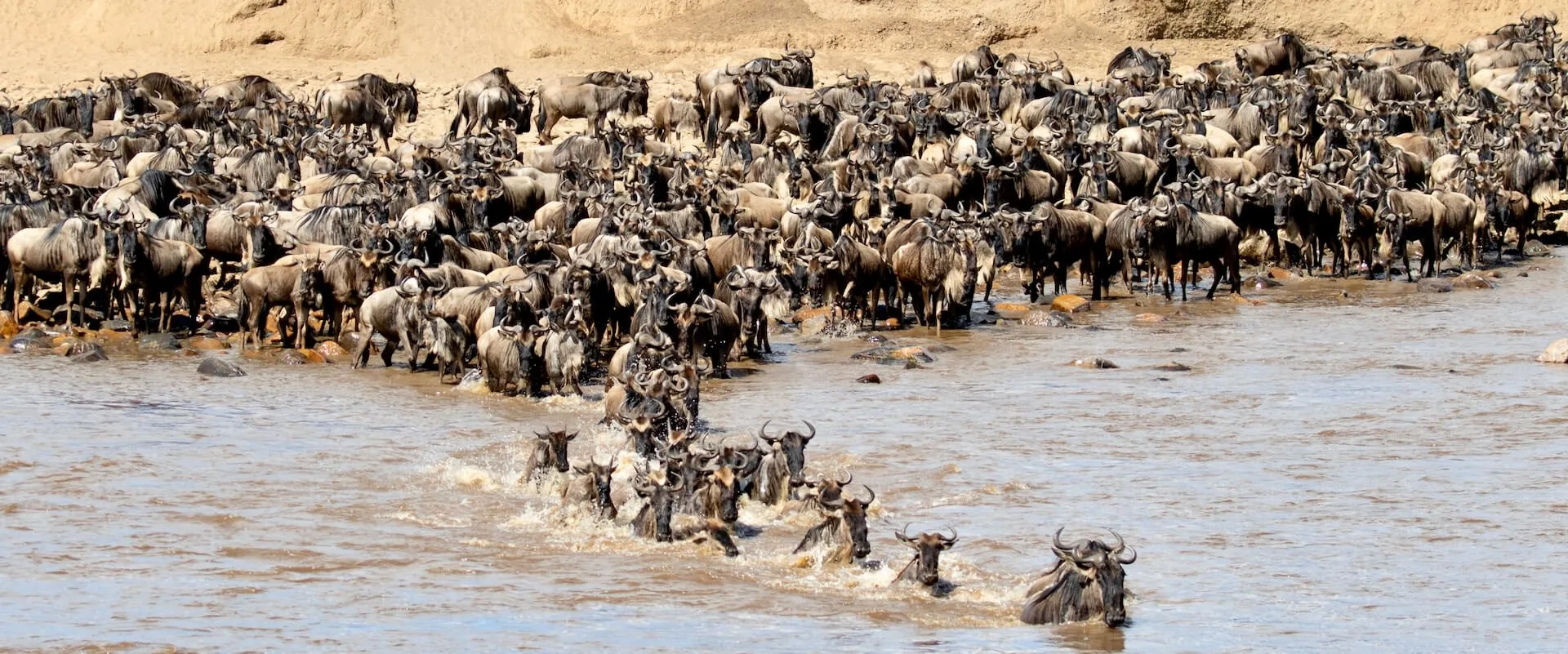
The Great Migration in Africa happens all year because the herds continuously circulate through the Serengeti–Mara ecosystem in…
Read article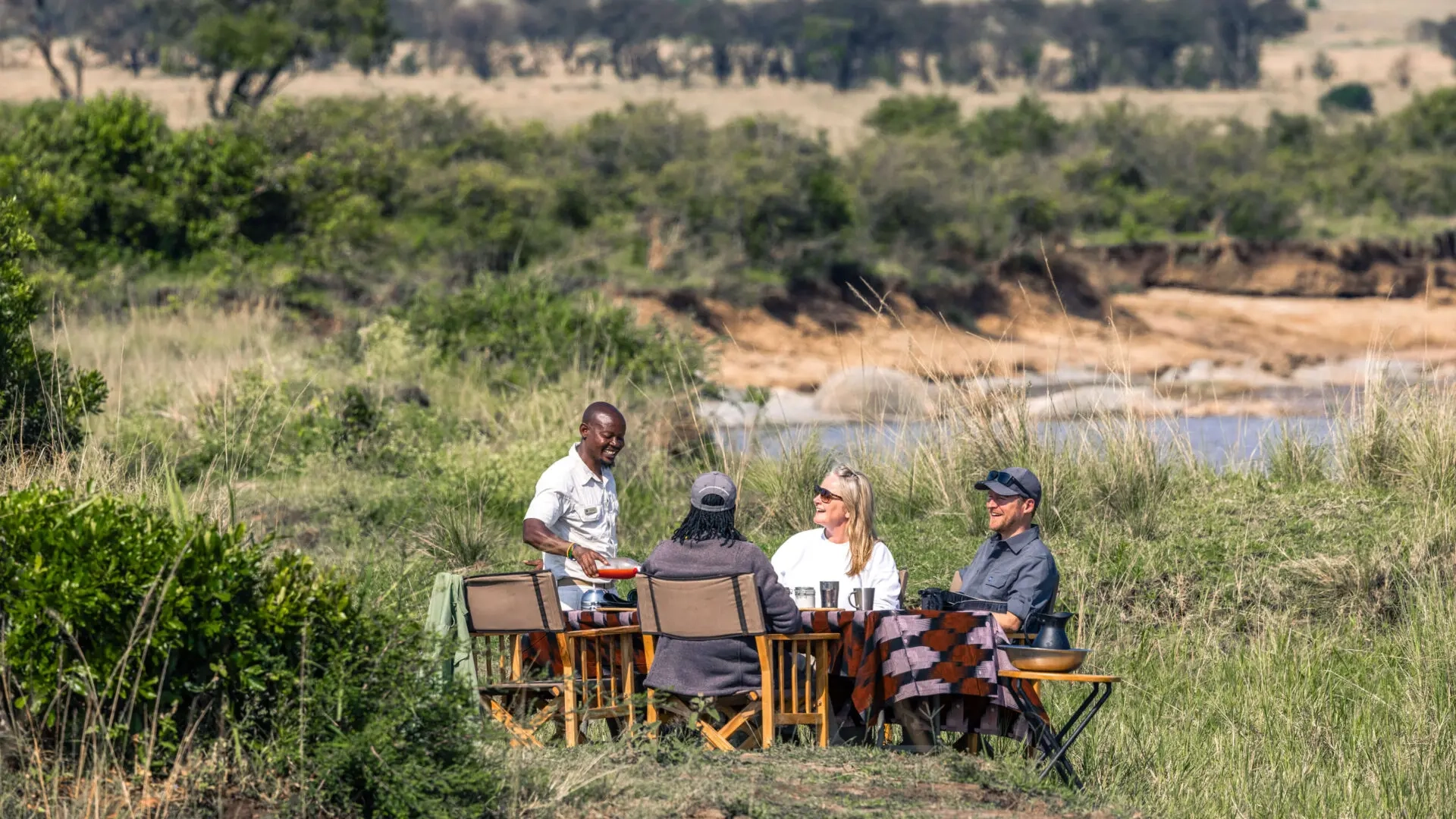
Definitive answer: A picnic lunch on safari is a packed or catered midday meal eaten at an approved…
Read article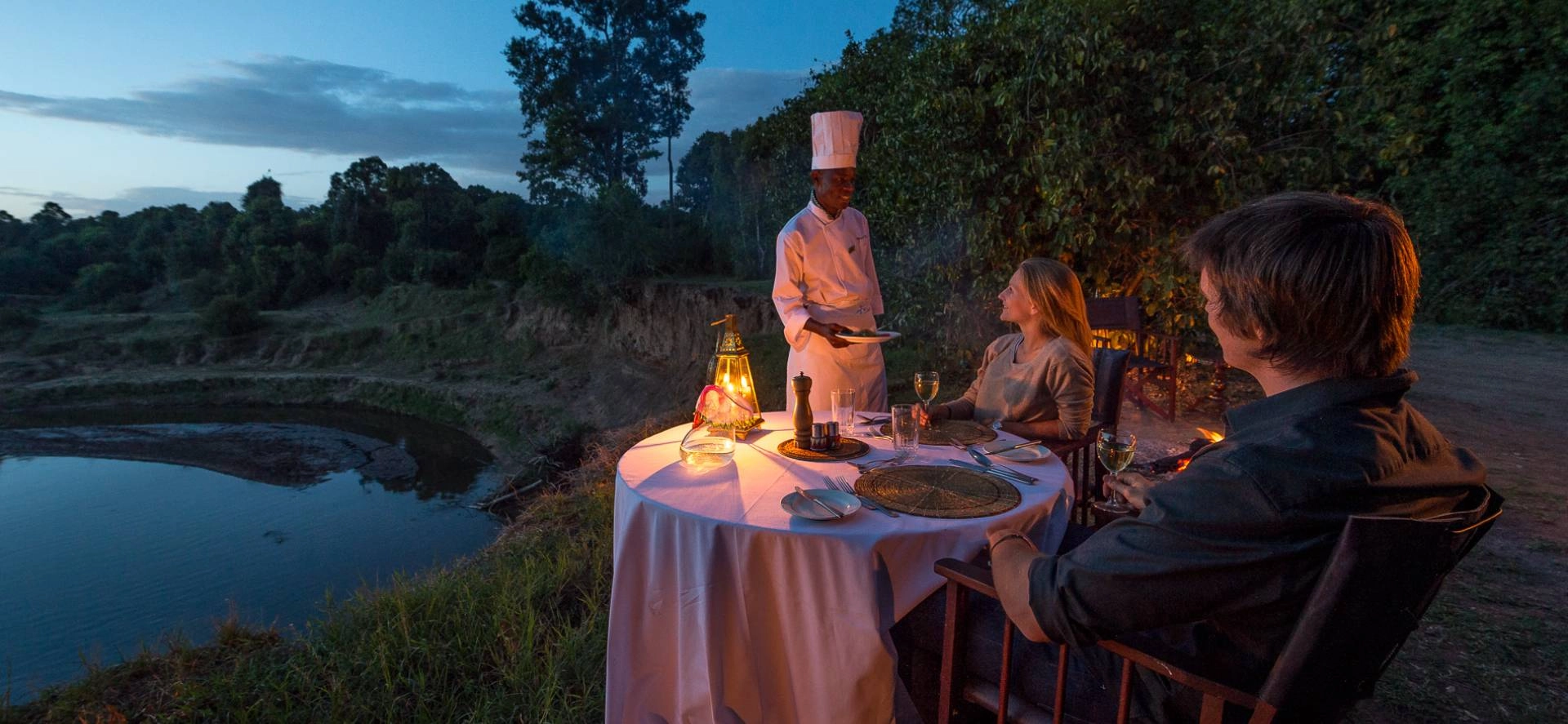
Definitive answer: A bush dinner is an outdoor evening meal arranged in a safe safari setting away from…
Read articleLet us take you closer to the wildlife, people and places that make Africa extraordinary.
Plan Your Safari Today