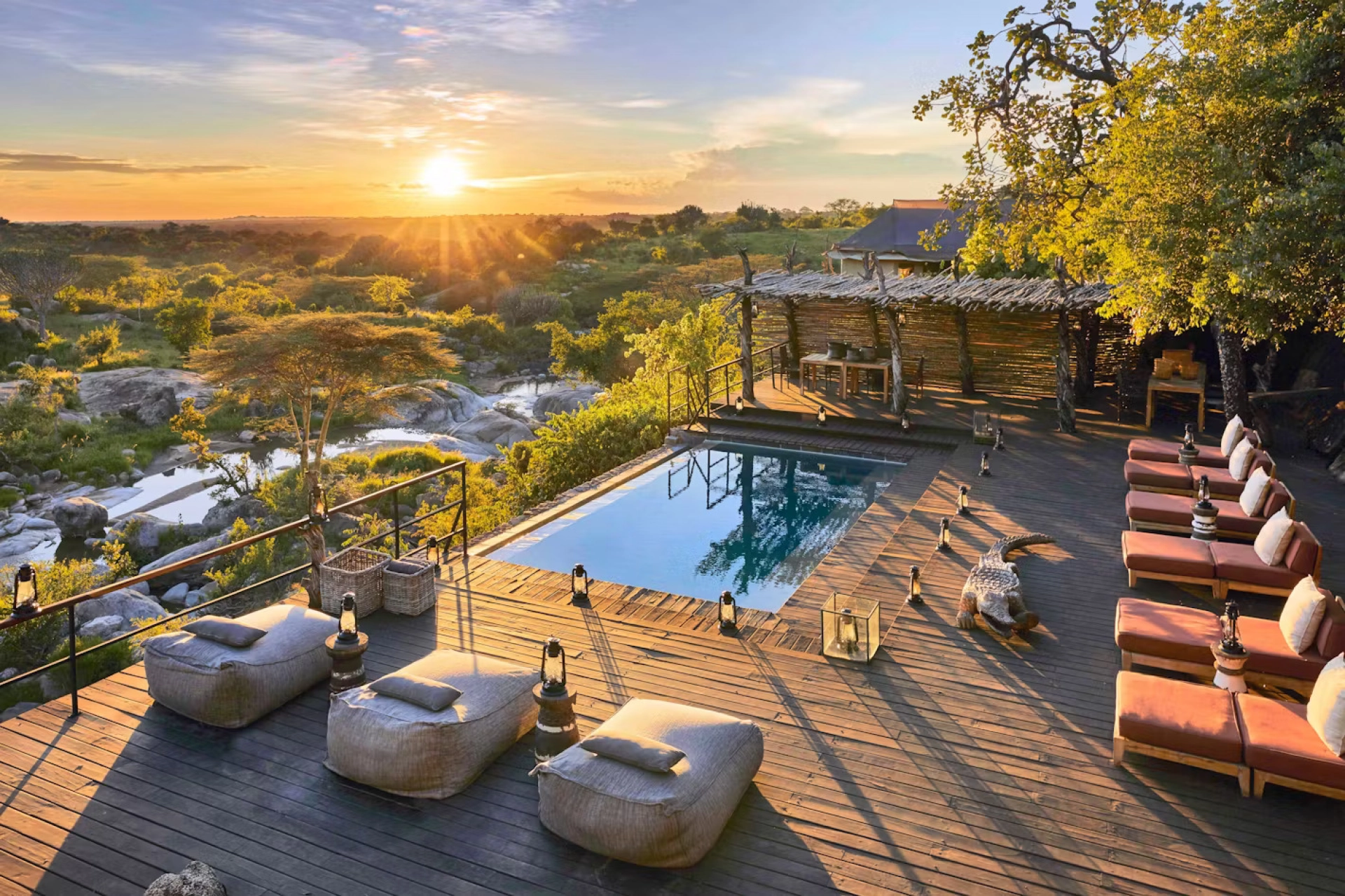
What should I look for when booking a luxury African safari?
When booking a luxury African safari, look beyond the room and compare the quality of guiding, wildlife location,…
Read article

Travel Guide
The Garden Route in South Africa is one of the country's most rewarding road-trip destinations because it combines beaches, forests, lagoons, mountains, coastal towns, wildlife reserves and outdoor adventures within a relatively compact region. Travelers often…
The Garden Route in South Africa is one of the country’s most rewarding road-trip destinations because it combines beaches, forests, lagoons, mountains, coastal towns, wildlife reserves and outdoor adventures within a relatively compact region. Travelers often hear the name “Garden Route” and assume it is simply one scenic road lined with flowers and gardens. In reality, the experience is much broader. It is a collection of coastal towns, protected landscapes, beaches, forests, lakes and mountain environments stretching across part of South Africa’s southern coastline.
A well-planned Garden Route tour can include whale watching, hiking, kayaking, wildlife encounters, long beaches, lagoon cruises, coastal forests, small-town restaurants and even a malaria-free safari extension. For visitors already spending time in Cape Town, the Garden Route is also one of the most natural additions to a broader South Africa itinerary. You can begin in Cape Town, travel through the Cape Winelands or Overberg, continue through Mossel Bay, Wilderness, Knysna and Plettenberg Bay, then finish around Tsitsikamma or continue toward the Eastern Cape for safari.
This makes the route especially attractive to travelers who want more than one type of experience. A traditional safari holiday may focus heavily on wildlife. A Cape Town city break may focus on restaurants, beaches and culture. The Garden Route connects these styles through landscapes and outdoor activities. This detailed Garden Route travel guide explores the best towns, beaches, attractions and route-planning ideas for couples, families, honeymooners, photographers and independent travelers.
The Garden Route is a scenic tourism region along South Africa’s southern coastline. Definitions of its exact boundaries vary, but most itineraries include destinations around Mossel Bay, George, Wilderness, Knysna, Plettenberg Bay and Tsitsikamma. The landscape changes frequently. One moment you may be driving through open farmland. Soon afterward, the road passes forests, lakes or coastal viewpoints. Mountains rise inland while the Indian Ocean dominates the southern horizon. This variety explains why the route is so popular.
It is not simply a sequence of beaches. Travelers can hike through indigenous forest in the morning, eat seafood beside a lagoon at lunch and watch sunset over the ocean in the evening.
The Garden Route works well because it appeals to many different types of travelers. Beach lovers find long stretches of sand. Hikers can explore coastal and forest trails. Families appreciate relatively easy road travel and plenty of activities. Couples can stay in boutique hotels and waterfront lodges. Adventure travelers can kayak, zipline, hike and participate in other outdoor activities. Wildlife travelers can continue toward malaria-free safari reserves in the Eastern Cape.
Perhaps most importantly, the route is easy to customize. You do not need to follow one fixed itinerary. A traveler with four days may concentrate on Wilderness, Knysna and Plettenberg Bay. Someone with ten days can travel slowly and add inland towns, nature reserves and safari.
Yes, especially if you enjoy self-drive travel. The region is one of the best places in South Africa to experience multiple landscapes without enormous daily driving distances. It also creates an excellent contrast with Cape Town. Cape Town is urban, mountainous and dramatic. The Garden Route feels slower. Towns are smaller. Forests become more prominent. Beaches become longer and less urbanized. The journey itself becomes part of the holiday.
Three days is possible but rushed. Five to seven days provides a much better experience. A week allows travelers to spend at least two nights in selected destinations rather than repacking every morning. Ten days is ideal for travelers who want to combine beaches, hiking and safari. The biggest mistake is trying to see every town. You do not need to sleep in Mossel Bay, George, Wilderness, Knysna and Plettenberg Bay on consecutive nights.
Choose several bases and explore surrounding areas from them.
Many travelers begin in Cape Town. The journey east can be broken into multiple stages. Instead of driving directly to the central Garden Route, travelers may stop around the Overberg, wine regions or coastal towns depending on interests. This creates a gradual transition between Cape Town and the Garden Route. A one-way trip can be particularly attractive. Rather than driving back to Cape Town, continue toward Gqeberha in the Eastern Cape and fly onward from there.
This reduces backtracking.
The Garden Route is particularly well suited to self-driving. Roads connect major towns clearly and travelers have the flexibility to stop at viewpoints, beaches and restaurants. Self-driving also works well for families because the day’s schedule can change according to weather and energy levels. Guided tours, however, have advantages. You do not need to navigate. A guide provides cultural and natural-history context. Transfers, luggage and activity bookings are coordinated for you.
For international visitors uncomfortable driving on the left-hand side of the road, a private or small-group Garden Route tour can reduce stress.
Mossel Bay is often one of the first major Garden Route stops for travelers coming from Cape Town. The town combines beaches, historical attractions and outdoor activities. Its coastal setting makes it a convenient overnight stop. Mossel Bay can be especially useful for travelers who prefer short driving days. Rather than rushing all the way to Knysna after leaving Cape Town, spending a night in or around Mossel Bay can break the journey.
Mossel Bay’s coastline includes several beaches suitable for walking, swimming and relaxing depending on local conditions. Travelers should always pay attention to lifeguard advice, currents and weather. South Africa’s coastline is beautiful but ocean conditions can be powerful. Beach time is best treated as an activity rather than assuming every beach is safe for swimming under all conditions.
The town has maritime and cultural history connected with early European navigation along the southern African coast. Adventure activities are another attraction. Visitors may also use Mossel Bay as a base for coastal walks and scenic drives. For many Garden Route travelers, however, the town’s greatest value is its location. It marks the transition into the broader coastal journey.
George is one of the Garden Route’s larger towns. It has an airport and functions as an important regional transport center. Travelers flying into the Garden Route often use George as their arrival point. The town itself is not always the emotional highlight of the route, but its location is excellent. Mountain scenery lies inland while Wilderness and other coastal destinations are relatively close. Golf travelers also know the wider George area for courses and resort properties.
For travelers who love nature, Wilderness is one of the Garden Route’s most attractive stops. The town lies between forested hills, lakes and the Indian Ocean. Its long beach creates an immediate sense of space. Wilderness is quieter than some larger tourism centers, which makes it excellent for couples and travelers wanting a slower pace. The wider landscape includes rivers, wetlands and forest environments. This makes the area strong for hiking, canoeing, birding and scenic drives.
Wilderness Beach is one of the route’s most impressive stretches of coastline. The scale is part of its appeal. The beach stretches into the distance with dramatic ocean views and relatively little urban interruption in some sections. Long beach walks are excellent, although swimming conditions should always be assessed locally. Even travelers who do not swim may find the coastline one of the trip’s highlights.
The Garden Route’s forest environments provide hiking opportunities that contrast strongly with Cape Town’s mountain trails. Paths can pass beneath dense vegetation, near rivers and through indigenous forest. Birdlife adds another dimension. Travelers should select trails according to fitness level and current conditions. Rain can make some paths slippery.
Knysna is one of the best-known Garden Route destinations. The town lies beside a large lagoon connected to the ocean through a dramatic entrance between rocky headlands known as the Knysna Heads. This combination of water, forest and town infrastructure makes Knysna an excellent base. Restaurants, hotels, guesthouses and activities are widely available. Travelers can spend several nights without running out of things to do.
The lagoon defines much of the town’s character. Boat cruises provide a different perspective from driving. Waterfront areas are popular for meals and sunset experiences. Birdlife and changing tides add interest. Travelers staying two or three nights can enjoy both active excursions and relaxed waterfront time.
The Knysna Heads are among the Garden Route’s most recognizable natural features. The lagoon reaches the Indian Ocean through a narrow channel framed by dramatic headlands. Viewpoints provide excellent coastal photography. The area helps visitors understand how the protected lagoon relates to the open ocean.
Knysna’s history is closely associated with indigenous forest. Exploring the wider forest region reveals a quieter side of the Garden Route. Massive trees, shaded trails and birdlife create an environment completely different from nearby beaches. Travelers interested in natural history should allocate time away from the waterfront.
Knysna’s tourism infrastructure makes it one of the better stops for restaurants. Seafood naturally features strongly. Travelers can also find cafes and contemporary South African cuisine. Rather than trying to schedule every meal in advance, leave room for local recommendations.
Plettenberg Bay, commonly called Plett, is another major Garden Route destination. For travelers prioritizing beaches, it is often one of the strongest places to spend multiple nights. The town overlooks a sweeping bay framed by mountains and coastal scenery. Plettenberg Bay also sits close to some of the route’s best hiking and adventure areas. This makes it a natural base for travelers who want both relaxation and activities.
Plett has several beautiful beaches, each with a different atmosphere. Some stretches are popular with walkers and families. Others appeal to surfers or travelers searching for quieter coastal scenery. The most important consideration is ocean safety. Currents and surf conditions can change. Follow local lifeguard advice and swim only where conditions are appropriate.
One of the Garden Route’s outstanding natural attractions is Robberg Nature Reserve near Plettenberg Bay. The reserve combines rugged coastline, beaches, cliffs and marine views. Hiking routes vary in length and difficulty. Even shorter walks provide dramatic scenery. Longer routes demand more fitness and careful attention to weather. Robberg is particularly rewarding for photographers and active travelers. Marine wildlife may sometimes be observed offshore depending on season and conditions.
Plett is a good place to slow down. Travelers often regret spending only one night because the area contains enough activities for several days. A longer stay allows time for Robberg, beaches, nearby forest attractions and day trips toward Tsitsikamma. This also reduces travel fatigue.
Nature’s Valley is one of the Garden Route’s quieter coastal areas. Forest, lagoon and beach meet in a dramatic setting. Travelers who find Knysna or Plettenberg Bay too busy may appreciate the slower atmosphere. The area is especially appealing to hikers and nature lovers. Rather than major nightlife or shopping, Nature’s Valley is about landscape.
The Tsitsikamma area represents one of the most dramatic parts of the Garden Route. Dense forest reaches close to rugged coastline. Rivers cut through the landscape. Hiking, kayaking and adventure activities are central attractions. For many visitors, Tsitsikamma becomes the natural climax of the Garden Route road trip.
Storms River Mouth is one of the region’s signature destinations. Ocean, forest and river scenery come together dramatically. Walking routes allow travelers to experience the coastline at close range. The famous suspension bridges have become among the area’s best-known features. Conditions can be wet and slippery, so practical footwear is important.
Tsitsikamma is one of South Africa’s great hiking regions. Trails range from relatively accessible walks to demanding multi-day experiences. Travelers do not need to be serious trekkers to appreciate the landscape. Shorter walks still provide forest and ocean views. Those undertaking longer routes should book where necessary and prepare appropriately.
Rivers and coastal environments create opportunities for kayaking and other adventure activities. Weather and water conditions affect availability. Visitors should use reputable operators and follow safety instructions. Adventure experiences work particularly well for families with older children, couples and active travelers.
The wider Garden Route region is also associated with high-adrenaline activities. Travelers interested in adventure tourism can incorporate activities around bridge and gorge environments. Those uncomfortable with extreme activities can still appreciate the scenery. The Garden Route succeeds because participation is optional. One traveler can seek adrenaline while another enjoys a forest walk.
The idea of naming one “best beach” is difficult because travelers want different things. For broad scenery, Wilderness is exceptional. Plettenberg Bay offers attractive beaches combined with strong tourism facilities. Nature’s Valley appeals to travelers wanting quieter surroundings. Mossel Bay offers convenient beach access closer to the western side of the route. The best beach is therefore the one that matches the rest of your itinerary.
South Africa’s coastline deserves respect. Strong currents, changing surf and cold water can occur. Always obey lifeguard instructions. Do not assume calm-looking water is safe. Families should prioritize beaches with appropriate supervision and designated swimming areas. Travelers unfamiliar with ocean conditions should ask locally before entering the water.
Parts of South Africa’s southern coastline provide seasonal opportunities for whale watching. Exact timing and sightings vary. Travelers visiting during relevant seasons may encounter whales from coastal viewpoints or organized boat excursions. Because wildlife movements are natural, sightings cannot be guaranteed. Whale watching can add another wildlife dimension to a Garden Route journey.
Dolphins can also be encountered along parts of the coastline. Marine birds, seals and other species contribute to the region’s biodiversity. Visitors should choose responsible marine operators that follow appropriate wildlife-viewing guidelines. Boat operators should not aggressively pursue animals.
One of the biggest advantages of traveling east along the Garden Route is access to the Eastern Cape safari region. Rather than driving back to Cape Town, travelers can continue toward wildlife reserves. This creates one of South Africa’s best multi-experience itineraries. Several safari areas in the Eastern Cape are promoted as malaria-free safari destinations, making them attractive to families.
Addo Elephant National Park is a particularly useful Garden Route safari extension. The park is famous for elephants but supports a broader range of wildlife. Self-drive options make it attractive to independent travelers. Those wanting more structured safari experiences can add guided activities. Combining the Garden Route with Addo works well for budget and mid-range travelers.
Travelers wanting a lodge-based safari can choose among private reserves in the Eastern Cape. These typically offer guided game drives, meals and comfortable accommodation. Prices are higher than self-driving in a public park, but the experience is more personalized. Couples and honeymooners often appreciate the convenience. Families should check children’s policies before booking.
One of the strongest first-time South Africa itineraries combines all three. Begin with Cape Town. Spend several days exploring Table Mountain, the Cape Peninsula and nearby Winelands. Travel east along the Garden Route. Spend nights around Wilderness, Knysna or Plettenberg Bay. Explore Tsitsikamma. Finish with an Eastern Cape safari. This creates an extraordinary sequence: city, mountains, vineyards, coastline, forest and wildlife.
Five days is enough for a focused trip. Travelers can concentrate on Wilderness, Knysna, Plettenberg Bay and Tsitsikamma. Avoid changing hotels every night. Use two bases. This provides enough time for beaches, hiking and scenic stops.
Seven days creates a much more relaxed journey. Spend several nights around Knysna or Wilderness, then several nights around Plettenberg Bay. Use the remaining time for Tsitsikamma and travel days. This pace allows weather flexibility. If rain affects one activity, you can move it to another day.
Ten days allows the route to become a full holiday. Travel slowly from Cape Town. Include Mossel Bay or the Overberg. Spend two or three nights around Wilderness or Knysna. Spend another two or three nights around Plett and Tsitsikamma. Finish with three nights on safari. This is particularly strong for honeymooners and families.
The route is excellent for families because activities can be varied. One day might involve a beach. Another could include kayaking. Another could focus on wildlife. Children are not required to spend every day inside a safari vehicle. Self-driving allows families to adjust departure times and stop whenever necessary. Properties with family rooms should be booked early during school-holiday periods.
Couples can combine boutique accommodation, coastal scenery, wine, outdoor activities and safari. Rather than choosing one resort for the entire honeymoon, the Garden Route creates a journey. Two or three carefully chosen hotels are better than changing accommodation every night. Finish with a private safari lodge for a memorable final chapter.
Independent travelers generally find the region manageable. Self-drive provides maximum freedom, while scheduled tours can be useful for those uncomfortable driving alone. Solo travelers should consider accommodation location carefully. Staying within walking distance of restaurants can reduce the need to drive after dark.
The landscape diversity is exceptional. Photographers can capture ocean sunrises, forests, lagoons, mountain scenery, wildlife and dramatic coastal cliffs. Weather changes rapidly and can create excellent light. A flexible itinerary helps photographers revisit places under better conditions. Robberg, Knysna Heads, Wilderness and Tsitsikamma all provide strong landscape opportunities.
The region can be visited year-round. Different seasons produce different experiences. Summer appeals to travelers prioritizing beaches and long daylight hours. Other periods may provide cooler hiking conditions and seasonal marine wildlife opportunities. Because the Garden Route covers a long coastal region, weather can vary from one destination to another. Do not allow a poor forecast for one town to define the entire route.
Pack layers. Coastal weather can change quickly. A light waterproof jacket is useful. Comfortable walking shoes are important even if hiking is not the main purpose. Bring sunscreen, sunglasses and a hat. Beach travelers should still bring warmer clothing for evenings. Photographers should prepare for wind and occasional rain.
Drive conservatively. South Africa drives on the left. Do not underestimate fatigue simply because roads appear straightforward. Avoid rushing between towns. The Garden Route is about stopping. Viewpoints, cafes and beaches are part of the experience. If arriving after an international flight, consider resting before beginning a long self-drive journey.
The first mistake is trying to visit too many towns. The second is spending only one night everywhere. The third is assuming the Garden Route is primarily about driving. The fourth is scheduling every hour. Weather and outdoor activities require flexibility. The fifth is turning around too early. Travelers with enough time should seriously consider continuing into the Eastern Cape for safari rather than simply returning along the same road.
At Adventure in the Wild Safaris, South Africa itineraries can combine Cape Town, Garden Route tours, Eastern Cape safaris, Kruger National Park and other southern African destinations. The best route depends on your available time. Travelers with one week should avoid excessive driving. Those with two weeks can enjoy a slower journey and include safari. Families may prioritize malaria-free reserves. Honeymooners may prefer boutique hotels and private game lodges. Adventure travelers can add hiking and kayaking.
The Garden Route works because it can be adapted to all of these travel styles.
The Garden Route in South Africa is far more than a road between Cape Town and the Eastern Cape. It is a journey through multiple landscapes. Wilderness gives you long beaches and lakes. Knysna provides forest and lagoon scenery. Plettenberg Bay combines beautiful beaches with Robberg’s dramatic coastline. Nature’s Valley offers tranquility. Tsitsikamma brings forest and ocean together in spectacular fashion. Continue farther east and the experience can evolve again into a malaria-free South African safari.
The most important advice is simple: do not rush. The Garden Route is not a destination where success is measured by the number of towns visited. Spend two or three nights in one place. Walk the beach before breakfast. Take a forest trail. Stop at viewpoints. Watch weather move across the mountains. Leave enough room for spontaneous discoveries. That slower style of travel is what turns a straightforward South African road trip into one of the country’s most memorable journeys.
Get quick answers to the most common questions. If you still have questions, our safari experts are here to help.
Knysna, Plettenberg Bay, Wilderness and Mossel Bay are among the most popular, while Nature’s Valley and Tsitsikamma appeal strongly to nature lovers.
Wilderness and Plettenberg Bay both offer excellent coastal scenery. The best choice depends on whether you prioritize solitude, swimming, accommodation or activities.
Five to seven days is ideal for many travelers. Ten days allows a safari extension.
Yes. It is one of South Africa’s most popular road trips.
Yes. Beaches, wildlife, outdoor activities and manageable driving distances make it very suitable for families.
Absolutely. Couples can combine boutique hotels, beaches, forests, dining and safari.
Yes. The Eastern Cape is particularly convenient and includes both public parks and private reserves.
Much of the Garden Route and many Eastern Cape safari areas are outside South Africa’s principal malaria-risk regions. Always confirm current professional health advice for your exact itinerary.
Knysna is excellent for lagoon scenery and restaurants. Plettenberg Bay is particularly strong for beaches and access to Robberg and nearby nature attractions. Many travelers should visit both.
Yes. Forest, coastline, hiking and river scenery make Tsitsikamma one of the Garden Route’s strongest natural attractions.
Our safari experts are here to help you plan your safari. Get personalized advice, the latest information and a free, no-obligation quote.
We typically reply within a few hours.

Share This Article
When booking a luxury African safari, look beyond the room and compare the quality of guiding, wildlife location,…
Read article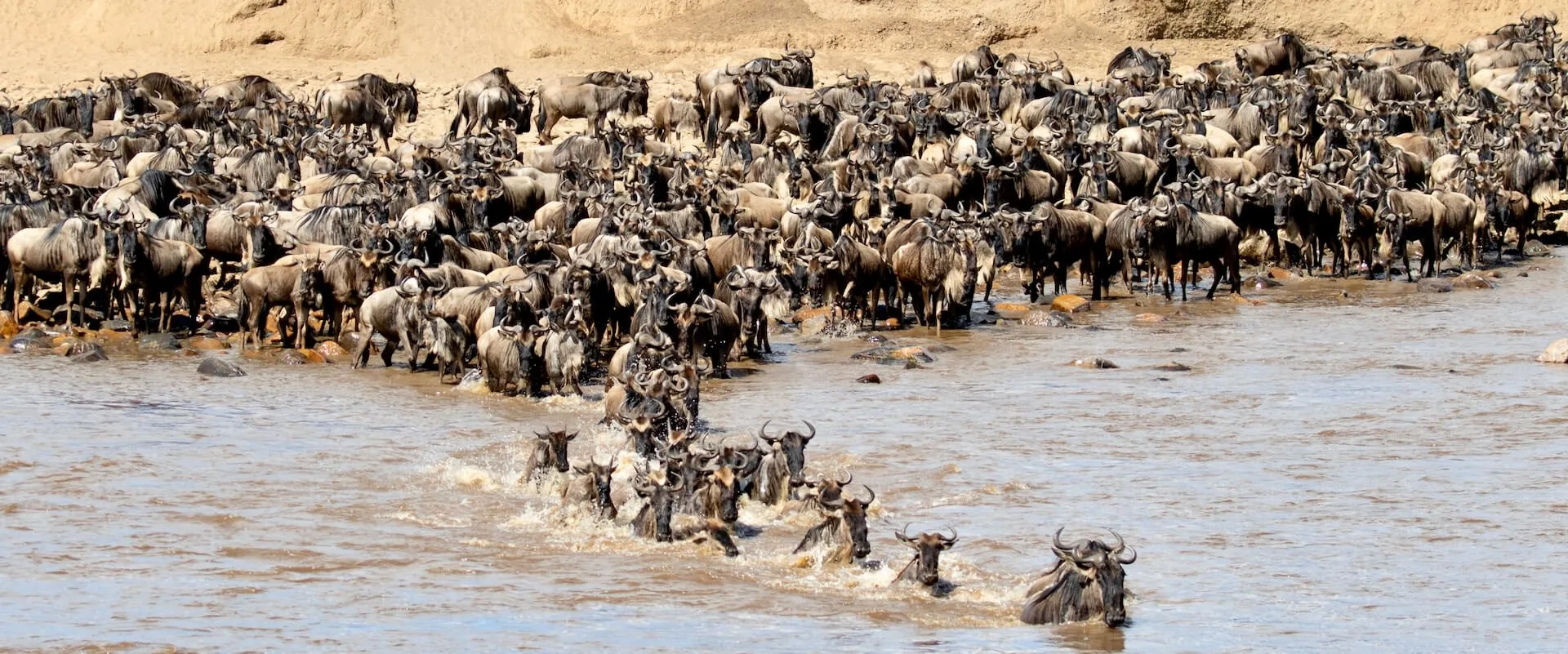
The Great Migration in Africa happens all year because the herds continuously circulate through the Serengeti–Mara ecosystem in…
Read article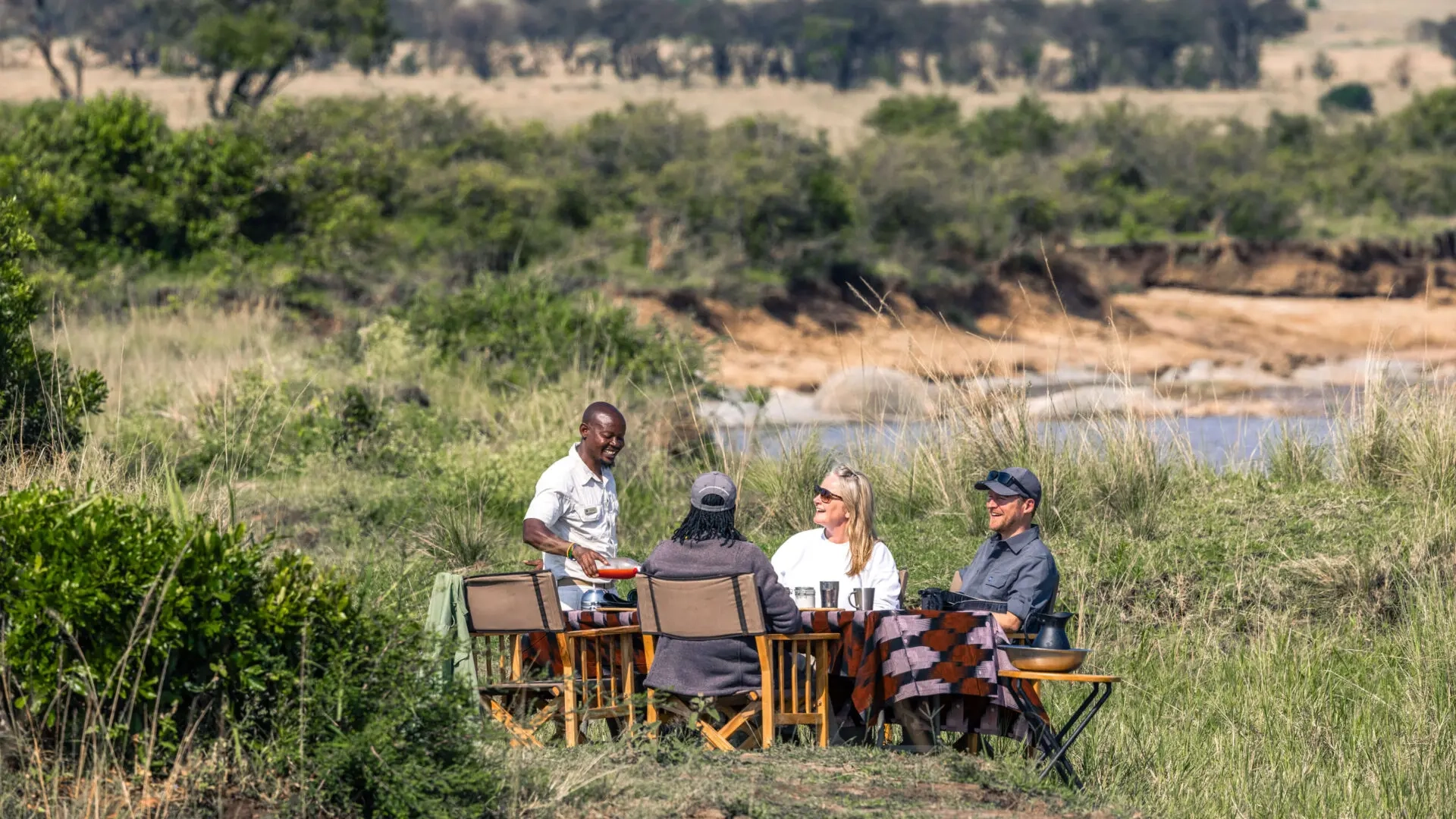
Definitive answer: A picnic lunch on safari is a packed or catered midday meal eaten at an approved…
Read article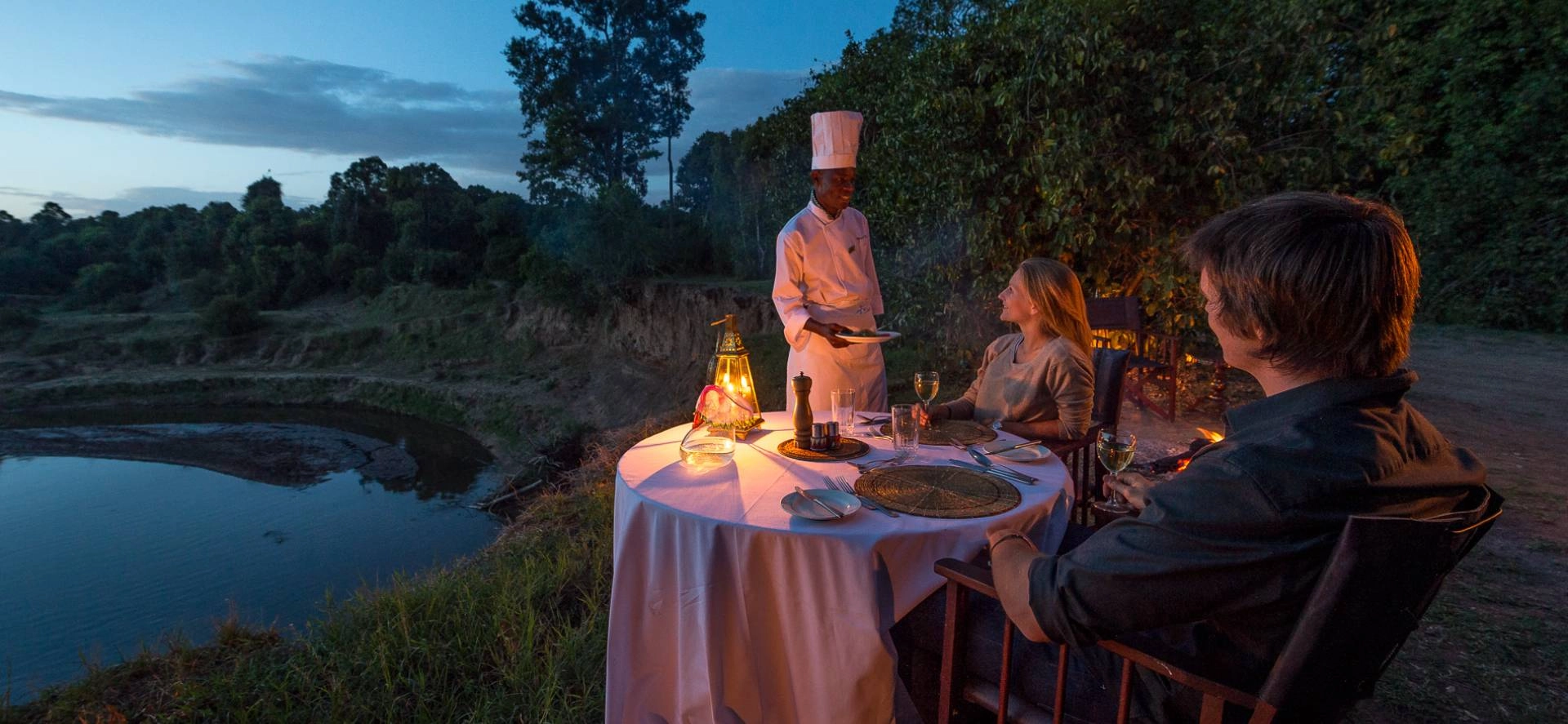
Definitive answer: A bush dinner is an outdoor evening meal arranged in a safe safari setting away from…
Read articleLet us take you closer to the wildlife, people and places that make Africa extraordinary.
Plan Your Safari Today